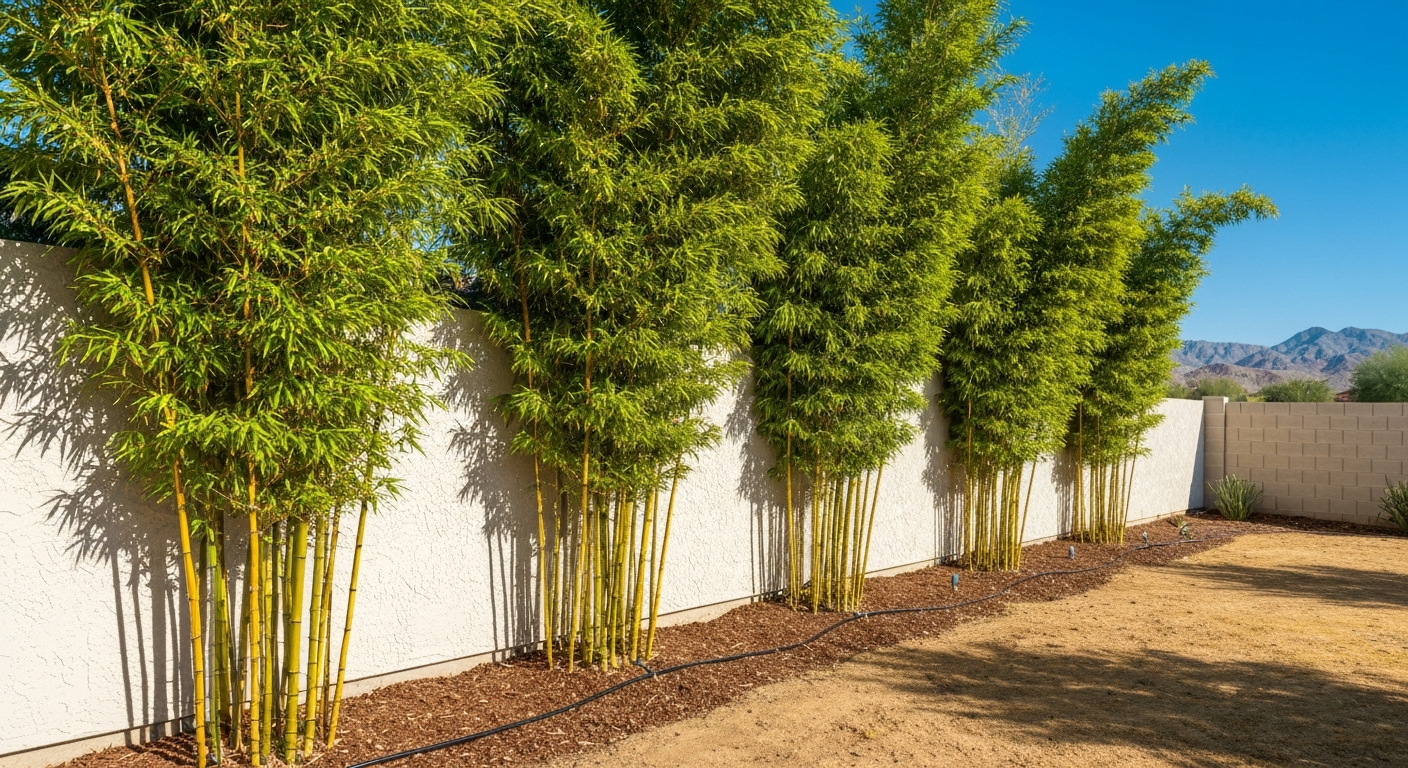
Bamboo grows in a surprisingly wide range of climates, from tropical rainforests to snowy temperate regions, but the specific conditions it needs depend almost entirely on which species you're planting. Most bamboo thrives between 50°F and 95°F (10°C to 35°C), and the biggest factor that determines whether your bamboo will survive long-term is your winter low temperature, not your summer heat. Get that one variable right, and you're most of the way there.
What Climate Does Bamboo Grow In? Temperature Guide
Marcus Hartwell
15 May 2026
Temperature ranges bamboo can actually handle
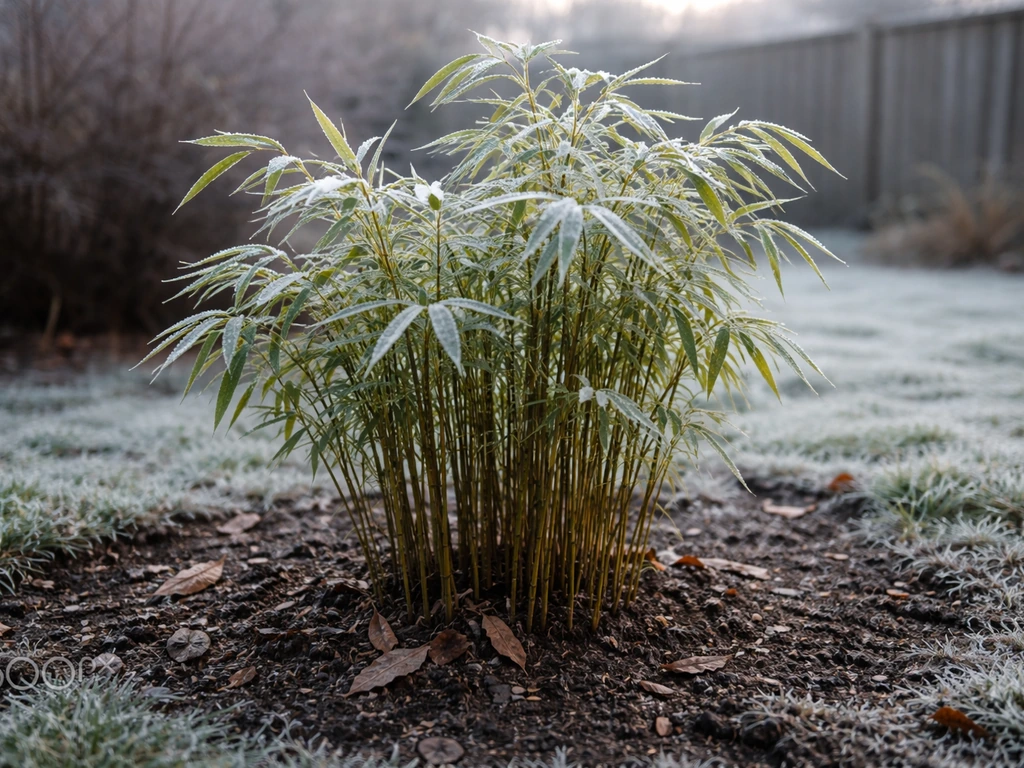
Bamboo species split into two main cold-tolerance groups, and knowing which group you're dealing with changes everything about how you plan your planting.
Tropical and subtropical bamboo
Tropical bamboos, including most clumping species like Bambusa and Dendrocalamus, are cold-sensitive. They start to struggle below about 32°F (0°C) and can take serious damage or die outright if temperatures dip below 25°F (-4°C). These species are built for warm, humid environments where frost is rare or nonexistent. These species are built for warm, humid environments where frost is rare or nonexistent. In that case, the related question is does bamboo grow in the rainforest, where humidity is high but frost is also essentially absent. If you're in South Florida, coastal Southern California, Hawaii, or anywhere with mild winters and hot summers, these are your go-to options. In those climates, tropical bamboos grow fast, sometimes adding several feet per shoot per season.
Temperate (cold-hardy) bamboo
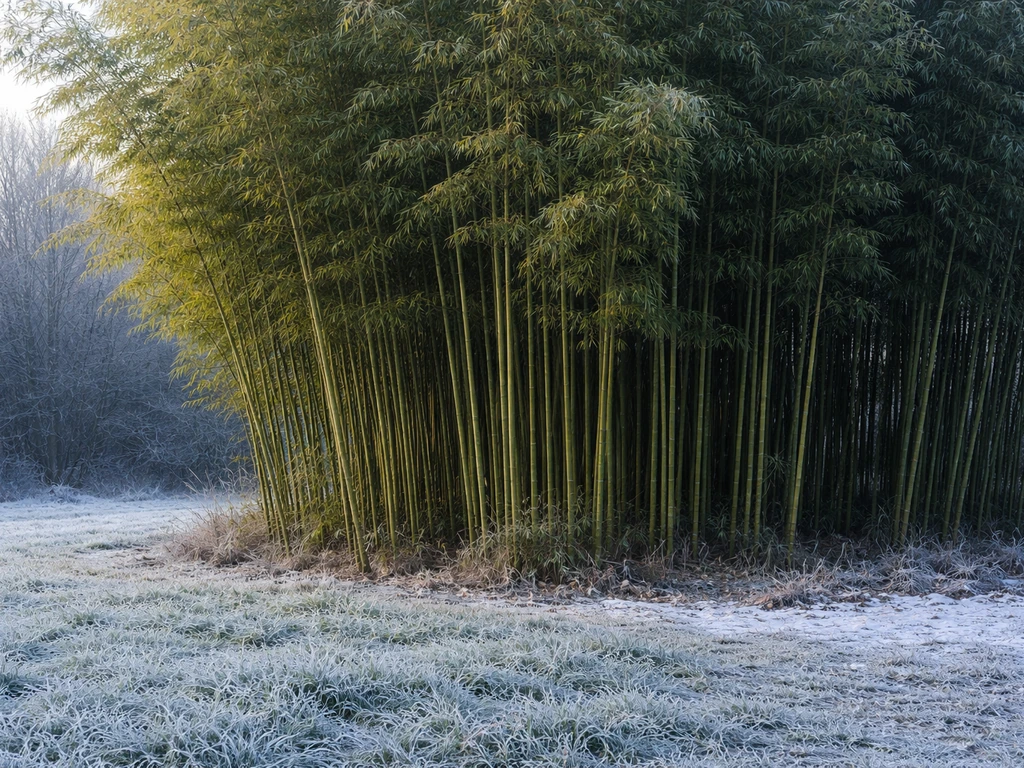
Temperate bamboos, dominated by running genera like Phyllostachys and Fargesia, are a different story. Many Phyllostachys species can survive temperatures as low as 0°F to -10°F (-18°C to -23°C), which puts them in USDA Zones 5 and 6. Fargesia species, native to high-altitude mountain forests in China, are even hardier and can take -20°F (-29°C) in some cases, making them candidates for Zone 5 or even Zone 4 gardens. Temperate, cold-hardy bamboo is often the best bet for gardeners asking, can bamboo grow in zone 4. These temperate bamboos go dormant or slow dramatically in winter but bounce back aggressively in spring. Think of them like the bamboo growing in mountain Japan versus the bamboo you'd see in the lowland tropics of Southeast Asia. Same plant family, completely different cold strategy.
Climate types bamboo can tolerate
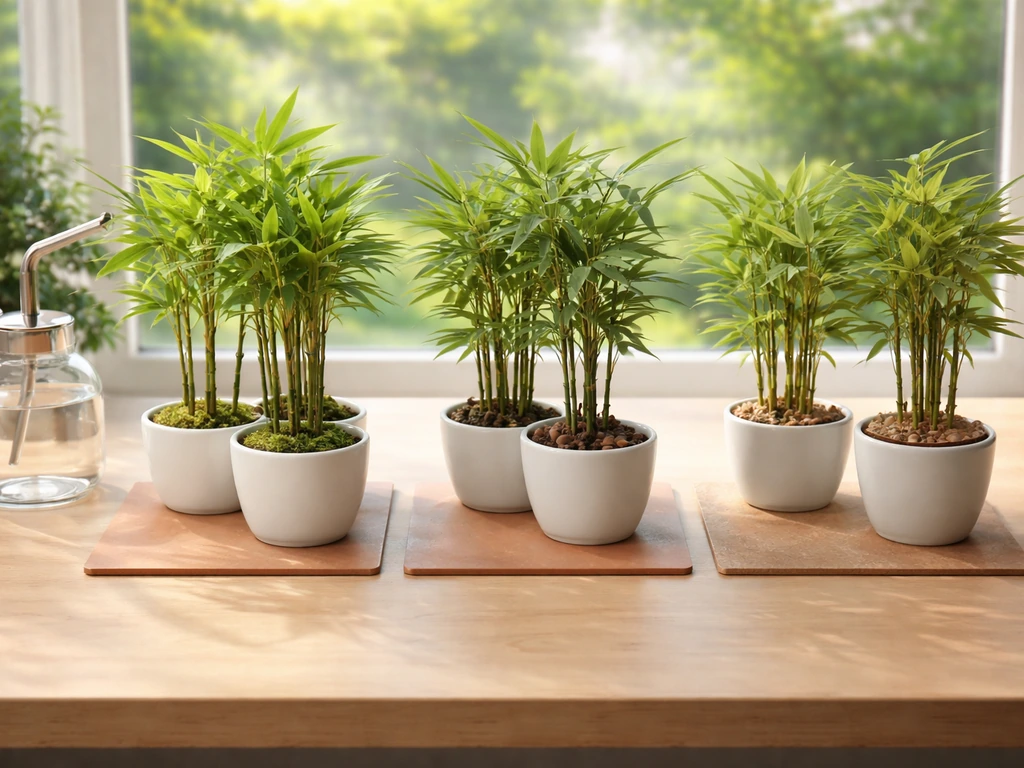
Bamboo is far more climate-flexible than most people assume. Here's how the major climate categories line up:
| Climate Type | Example Regions | Bamboo Suitability | Best Species Groups | |
|---|---|---|---|---|
| Tropical | South Florida, Hawaii, Southeast Asia | Excellent | Bambusa, Dendrocalamus, Guadua | |
| Subtropical | Gulf Coast, Northern Australia, Mediterranean | Very good | Bambusa, Phyllostachys (southern) | |
| Humid temperate | Pacific Northwest, Mid-Atlantic US, Japan, UK | Good to excellent | Phyllostachys, Fargesia, Pseudosasa | |
| Semi-arid / dry | Texas, parts of Spain, inland West US | Moderate (needs water) | Drought-tolerant Phyllostachys | |
| Continental (cold winters) | Midwest US, Northern Europe, northern China | Limited but possible | Fargesia, cold-hardy Phyllostachys | |
| Subarctic / alpine | Canada north of Zone 5, Scandinavia | Very difficult | Only Fargesia in sheltered spots |
The Pacific Northwest is genuinely one of the best temperate climates for bamboo in North America. Mild winters, consistent rain, and warm (but not scorching) summers let Phyllostachys grow to its full size potential. By contrast, places like central Texas have plenty of heat but summer droughts and occasional hard freezes that can stress even hardy bamboos, so irrigation and species selection matter more there.
Humidity matters more than many gardeners realize. Bamboo pulls a lot of water through its leaves and rhizomes, especially during the shooting season in spring. In dry climates, even a cold-hardy species can underperform simply because it's not getting enough moisture. If you're in a semi-arid region, plan your irrigation before you plant.
Finding the best climate for your goals
The USDA Plant Hardiness Zone Map is the most practical tool for narrowing down which bamboo will work in your location. blank" rel="noopener noreferrer">The zones are based on the average annual extreme minimum temperature, meaning the long-term average of the coldest winter low your area typically sees. That's exactly the number bamboo growers need. You can find your zone by ZIP code directly on the USDA/ARS hardiness map website, and the updated map now includes zones 12 and 13 for the warmest parts of the country.
That said, hardiness zones have a real limitation worth knowing: they only capture extreme cold. Britannica notes that plant hardiness zones are based largely on extreme minimum temperature and do not fully capture other factors gardeners need to consider, so “zone” alone may not predict success hardiness zones have a real limitation worth knowing: they only capture extreme cold. They don't tell you about summer heat, rainfall, humidity, wind, or soil. A Zone 7 rating in coastal Oregon and a Zone 7 rating in central Georgia describe very different growing environments. So use the zone as your starting filter, then layer in the other local factors.
Here's a practical zone-to-bamboo starting point:
| USDA Zone | Avg. Min. Winter Temp | Recommended Bamboo Approach |
|---|---|---|
| Zone 10-13 | Above 30°F (-1°C) | Tropical clumpers thrive; nearly unlimited species options |
| Zone 8-9 | 10°F to 30°F (-12°C to -1°C) | Most Phyllostachys and many Bambusa do well; some Fargesia |
| Zone 6-7 | 0°F to 10°F (-18°C to -12°C) | Cold-hardy Phyllostachys, Fargesia, Pseudosasa; avoid tropical |
| Zone 5 | -10°F to 0°F (-23°C to -18°C) | Fargesia and the hardiest Phyllostachys; mulch is essential |
| Zone 4 and below | Below -20°F (-29°C) | Very few options; Fargesia in protected spots only |
For indoor or greenhouse growing, climate zone becomes less of a limiting factor since you're controlling the environment. Tropical bamboos in containers can survive northern winters if you bring them inside before temperatures drop below about 32°F. The tradeoff is that container-grown bamboo rarely reaches the same size as ground-planted bamboo in a suitable climate.
Matching the right bamboo species to your conditions
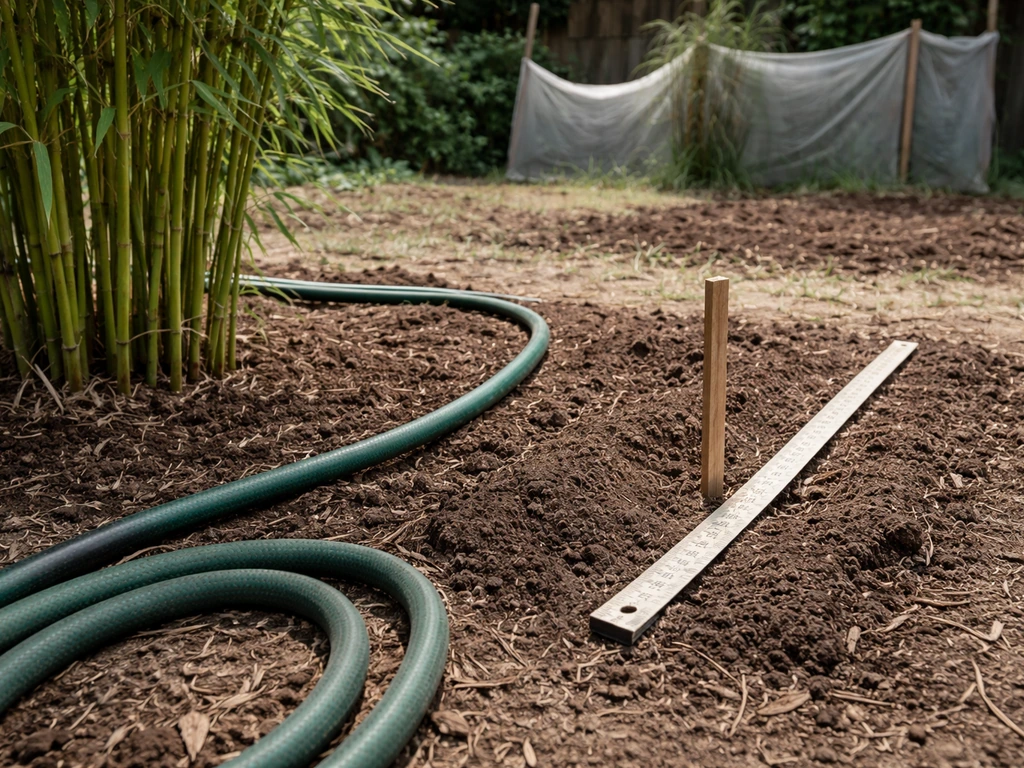
Once you know your hardiness zone, refine your choice using three more local variables: your average summer high, your annual rainfall (or irrigation capacity), and your frost window (how many frost days per year and when the last spring frost typically falls).
- Check your average summer high: Bamboo generally wants summers above 70°F (21°C) for strong shoot production. Phyllostachys aureosulcata and Phyllostachys bissetii tolerate cool summers but grow faster in warm ones. If your summers are hot (above 90°F / 32°C), prioritize heat-tolerant species and make sure you have irrigation.
- Know your frost window: Late spring frosts are actually more damaging to bamboo than deep winter cold, because they can kill new shoots just as they emerge. If your last frost date is in late April or May, choose a species whose shooting season aligns with warmer weather, or be ready to cover new growth during late cold snaps.
- Match rainfall to species: Most bamboo wants at least 30 to 40 inches (75 to 100 cm) of annual rainfall or equivalent irrigation. Fargesia species prefer cooler, moister conditions and can struggle in hot, dry summers. Phyllostachys aurea and Phyllostachys aureosulcata are among the more drought-tolerant options for drier climates.
- Consider clumping vs. running: Beyond climate, running bamboos (Phyllostachys) spread aggressively in mild climates. If your climate is warm enough for running species, plan containment from the start. Clumping bamboos (Fargesia, Bambusa) stay put, which makes them easier to manage but means you need to select the right species for your cold tolerance.
A few species worth knowing by situation: Phyllostachys bissetii handles Zone 5 winters and performs well in the Midwest. Fargesia robusta 'Campbell' is one of the best options for Zone 5 to 6 with partial shade. Bambusa oldhamii is the classic tall clumper for Zone 8 and warmer. And if you're in Zone 9 or 10 with hot, humid summers, Dendrocalamus asper is a giant that will genuinely impress.
Testing your site and adjusting your microclimate
Your hardiness zone is a regional average, but your actual garden has its own microclimate that can be warmer or colder by several degrees. Before you plant, spend some time reading your specific site.
How to assess your microclimate
- Track your local low temperatures: A cheap digital thermometer with a min/max memory, placed at ground level in your planting spot, will give you real data over a winter season. This matters more than your zone map alone.
- Identify frost pockets: Cold air drains downhill and collects in low spots. If your planting area sits at the bottom of a slope, it may be 5 to 10°F colder than the top of the same yard on a still, clear night.
- Look for heat islands: South-facing walls, concrete patios, and brick structures absorb heat during the day and release it at night, creating pockets that may be a full USDA zone warmer than your official designation. Planting bamboo against a south-facing wall in Zone 6 can give it Zone 7 conditions.
- Check wind exposure: Wind dramatically increases cold damage on bamboo by desiccating the leaves and canes during winter. A windbreak (fence, wall, or existing plantings) on the north and northwest side of your bamboo can make a significant difference in survival and appearance.
- Assess sun hours: Bamboo generally wants 4 to 6 hours of direct sun for best growth, though Fargesia species actually prefer dappled shade and can scorch in full summer sun.
Practical adjustments you can make
- Mulch heavily: A 4 to 6 inch (10 to 15 cm) layer of wood chip or straw mulch over the root zone insulates rhizomes from hard freezes. This is especially important in Zones 5 and 6, where the soil itself can freeze. Rhizomes are more cold-sensitive than the above-ground canes.
- Add a windbreak before winter: If your site is exposed, install a burlap screen or plant a row of fast-growing evergreens on the windward side. Even a temporary barrier through the first couple of winters can give young bamboo time to establish before facing full exposure.
- Water before a freeze: Moist soil holds heat better than dry soil. If a hard freeze is forecast, water your bamboo grove the day before. It won't prevent all damage, but it reduces cold penetration.
- Use containers in borderline climates: If you're right on the edge of cold tolerance for a species you love, grow it in a large container (at least 15 to 25 gallons for running types) so you can move it to a sheltered spot or unheated garage during the coldest weeks. Container bamboo loses some hardiness compared to ground-planted bamboo because the roots are exposed on all sides.
- Start with young divisions, not seeds: Young bamboo divisions from reputable nurseries are often already acclimated to regional conditions. For cold-climate gardeners, sourcing divisions from growers in a similar or colder zone gives you plants that are already adapted to your temperature extremes.
One thing worth being honest about: bamboo in its first one to two years in the ground is more vulnerable than established bamboo. A plant that would eventually handle -10°F can die in its first winter at 15°F if it hasn't had time to develop a deep rhizome system. Protect young plants more aggressively, and don't judge the long-term hardiness of a species based on first-year performance.
If you're curious whether bamboo can grow through winter in your region, or whether your specific cold climate is workable at all, those are genuinely useful questions to dig into further since the answers vary a lot by species and how cold your winters actually get. If you’re wondering does bamboo grow in the winter, the answer depends on the species and how low your temperatures go, but many temperate varieties can still survive and slow down rather than fully die back. The short version for most people: pick the right species for your hardiness zone, protect it in year one, and bamboo will typically prove far tougher than its reputation suggests.
FAQ
What climate does bamboo grow in if my area has hot summers but cold winters?
Start with winter lows, not summer highs. If your winter can dip near 0°F, choose temperate, cold-tolerant running or high-altitude clumping types, and plan extra protection for year one (mulch depth and wind shielding), since established plants handle cold far better than new ones.
How do I tell if I should plant tropical bamboo or temperate bamboo in my climate?
Check your typical coldest temperatures in winter. Tropical types often struggle below about 32°F and can be fatally damaged near or below the mid-20s°F, while temperate types can tolerate much lower lows depending on species. If your winters include frost and hard freezes, temperate is usually the safer match.
Does bamboo need tropical humidity, or can it grow in dry climates?
Humidity helps, but moisture availability matters more than air humidity alone. Bamboo uses a lot of water during spring shooting, so in dry or windy areas you may need deeper, less frequent irrigation, plus mulch to reduce evaporation. If you cannot maintain consistent moisture, expect weaker growth even with a cold-tolerant species.
What frost level can bamboo tolerate, and will it die back?
Many temperate bamboos slow or go dormant in cold weather and may lose top growth, but regrow from rhizomes if the rhizome zone survives the winter. The key is how cold the ground gets and whether the plant has had time to establish, since young plants can be much less resilient.
Can bamboo survive winter in containers if I live in a cold climate?
Sometimes, but containers can fail because roots freeze faster than ground soil. A practical approach is to move containers to a protected spot before sustained cold, keep soil from fully freezing through insulation (not just wrapping the pot), and reduce watering in winter so the roots do not rot.
Why did my bamboo die even though the hardiness zone looked correct?
Common causes are year-one establishment issues, inconsistent winter moisture, and exposure to drying wind. Another frequent mistake is trusting the zone average without checking your site microclimate (low spots trap cold air, south-facing slopes may be warmer).
Should I choose bamboo based on the USDA zone, or do I need other climate checks too?
Use the USDA hardiness zone as a starting filter for winter extremes, then refine with your average summer highs, rainfall or irrigation capacity, and your frost window timing. Two locations in the same zone can differ dramatically in rainfall, wind, and soil drainage, which changes how well bamboo performs.
How much microclimate difference matters for bamboo?
Even a few degrees can change survival for marginal cold-tolerance species. Areas near reflective surfaces, sheltered courtyards, and windbreaks can be noticeably warmer. Low-lying beds and exposed sites can be several degrees colder, so test and adjust your planting location before committing.
What’s the best way to protect bamboo during its first winter?
Focus on rhizome and soil protection. Provide deeper mulch, shelter from wind, and avoid late-season nitrogen that encourages tender new growth. If you are near the tolerance limit, consider adding temporary insulation during the coldest nights and removing it gradually as temperatures rebound.
Can bamboo grow in winter, or will it go dormant?
Most bamboos do not actively shoot during winter in cold climates. Temperate varieties typically slow or pause and may look dormant, but they can still survive and regrow quickly in spring if rhizomes remain healthy.
Next Article
Can Bamboo Grow in Las Vegas? Guide to Success in Desert
Yes, bamboo can grow in Las Vegas with the right species, irrigation, shade, and containment; step-by-step planting and保护