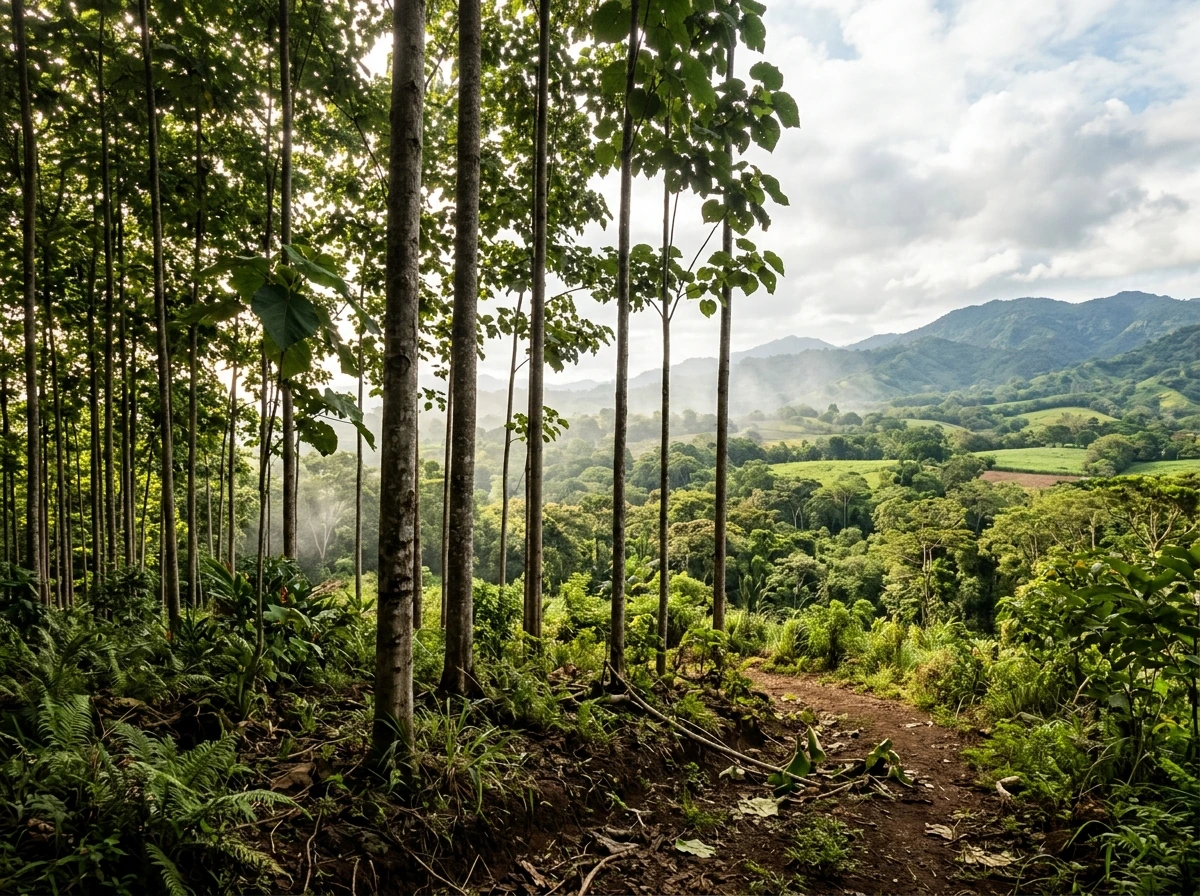
Bamboo plants grow naturally across a massive geographic range, from tropical lowlands in Southeast Asia to frost-prone mountain slopes in South America and China. In practical terms, that means bamboo can realistically thrive almost anywhere with mild to warm temperatures, reasonable moisture, and decent drainage. But "bamboo" covers over a thousand species, and where one type flourishes another will struggle. The key is matching the right bamboo to your actual conditions, not just assuming all bamboo behaves the same.
Where Do Bamboo Plants Grow: Climate, Soil and Placement
Marcus Hartwell
24 Mar 2026
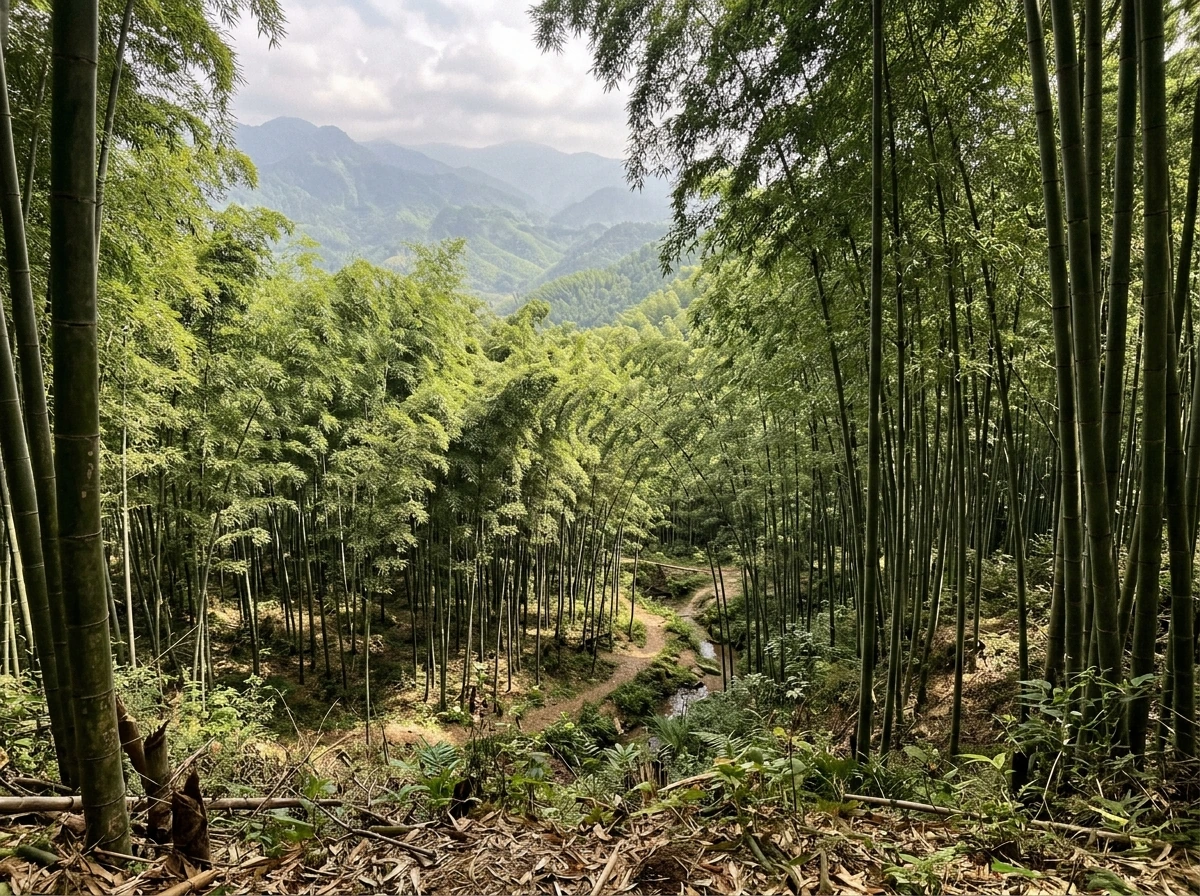
When you know where it will grow, you can choose a species that fits your setup. If you are trying to picture where bamboo grows on a map, start with the regions discussed earlier and then narrow it by temperature, rainfall, and soil where does bamboo grow map.
Where bamboo grows naturally
The heaviest concentration of bamboo species and the largest stands occur in East and Southeast Asia, across the Indian subcontinent, and on islands in the Indian and Pacific Oceans. Beyond that core zone, bamboo extends into sub-Saharan Africa (particularly Madagascar), across Central and South America, and through parts of Australia. A smaller number of species are native to North America, mostly in the southeastern United States.
Within those regions, bamboo occupies a surprising variety of habitats. High-stature tropical species tend to dominate moist lowlands and low mountain slopes, typically up to about 1,500 meters altitude. But the altitude ceiling goes much higher for cold-adapted species. Fargesia robusta, for example, is native to mountain elevations between 1,900 and 3,200 meters in Chinese provinces like Sichuan and Qinghai. And some South American Chusquea species push even further, surviving above 3,650 meters in the Chilean Andes. Sea level to mountain ridge, jungle to savannah, bamboo has found a niche in all of it.
One myth worth clearing up early: bamboo is not exclusively a tropical plant. Yes, the majority of species prefer warm, humid conditions. But a meaningful subset is adapted to cold, drought, or both. Understanding which category your species falls into is the first practical step toward figuring out where it will grow.
Climate: what bamboo actually needs
Temperature ranges
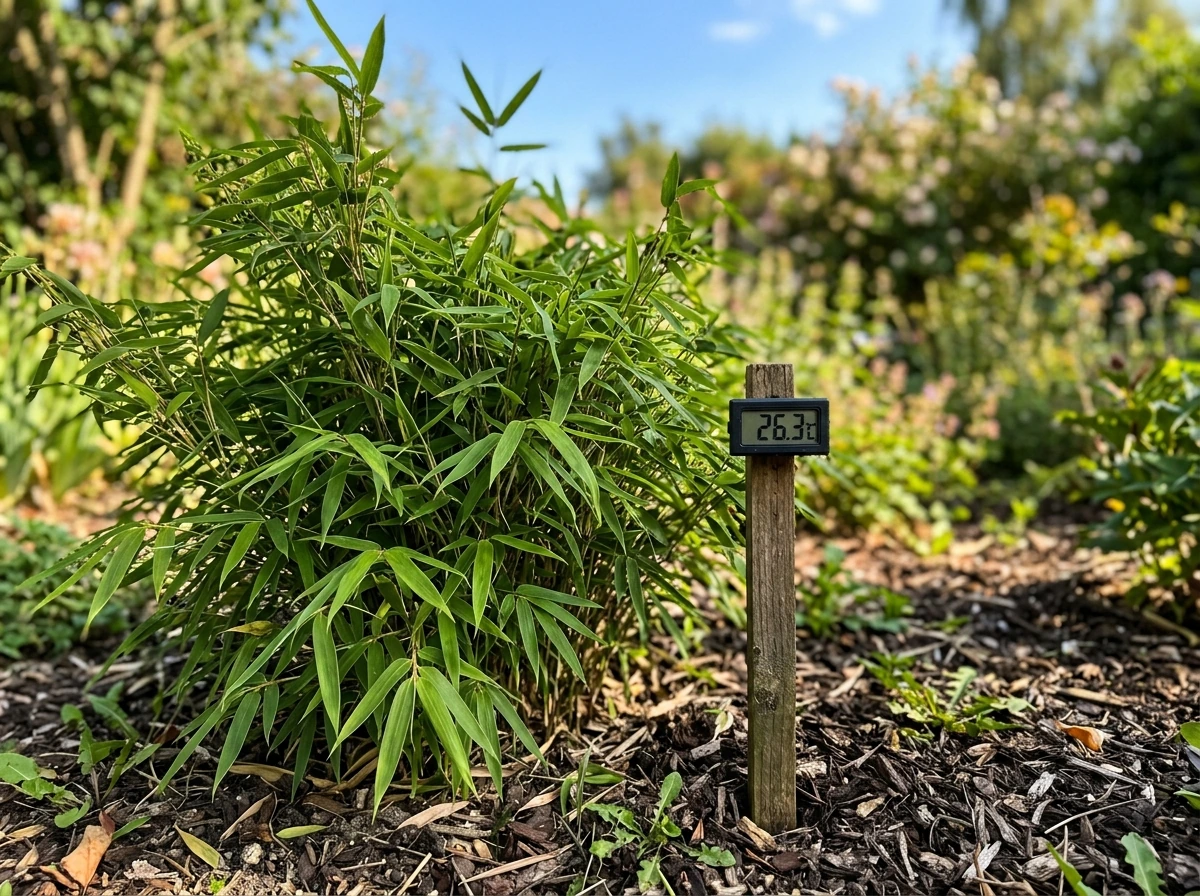
Tropical bamboos need warmth year-round and are usually not frost-tolerant. Temperate bamboos, though, are a different story. Phyllostachys aurea (golden bamboo) performs well in USDA hardiness zones 6 through 10, handling temperatures well below freezing. Phyllostachys heteroclada tolerates down to about -5°F (-20°C), and Phyllostachys atrovaginata can handle winter lows around -23°C (-10°F). Even some clumping types surprise people: Bambusa multiplex has survived daily minimum temperatures of -8°C in southeastern China without visible damage. So if you live somewhere with cold winters, the answer is not "bamboo can't grow here" but rather "you need a cold-hardy species."
Rainfall and drought tolerance
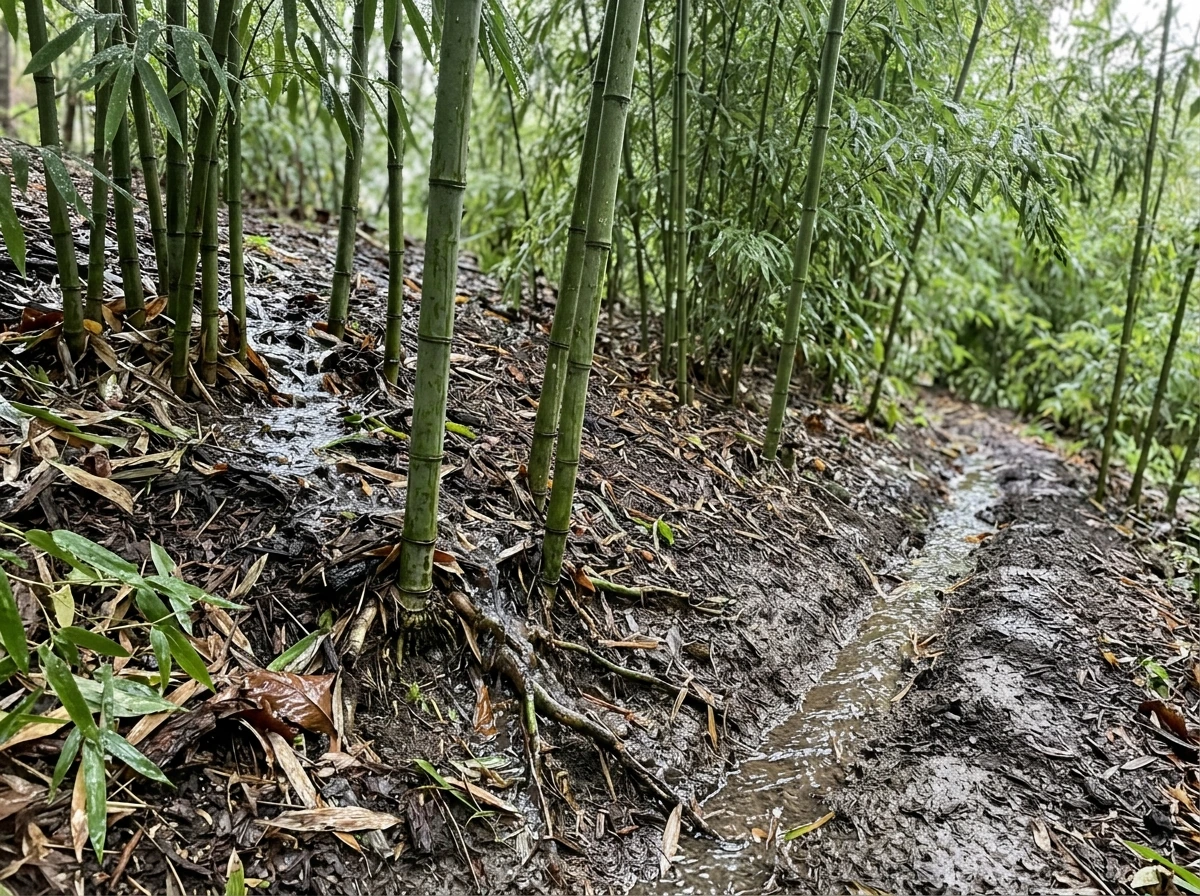
Most people associate bamboo with wet, monsoon-type climates, and many species do prefer consistent moisture. But not all bamboo needs a tropical rainfall pattern. Species like Dendrocalamus strictus and Bambusa blumeana occur naturally in semi-deciduous forests and savannahs with pronounced dry seasons. Bambusa balcooa is specifically noted for drought resistance and low rainfall requirements. The practical takeaway: if you're in a drier climate, look for drought-adapted species rather than assuming bamboo is off the table entirely.
Humidity and seasonal patterns
High humidity helps most bamboo species, especially during the main growing season. In its native range, bamboo growth is strongly tied to the rhythm of wet and dry seasons, with rhizomes and new shoots responding to soil moisture and warming temperatures. If you're growing bamboo in a climate with very dry summers or harsh winters, you can partially compensate with irrigation and mulching, but you'll always do better choosing a species that's naturally adapted to conditions similar to yours.
Soil, water, and sunlight requirements
Soil type and pH
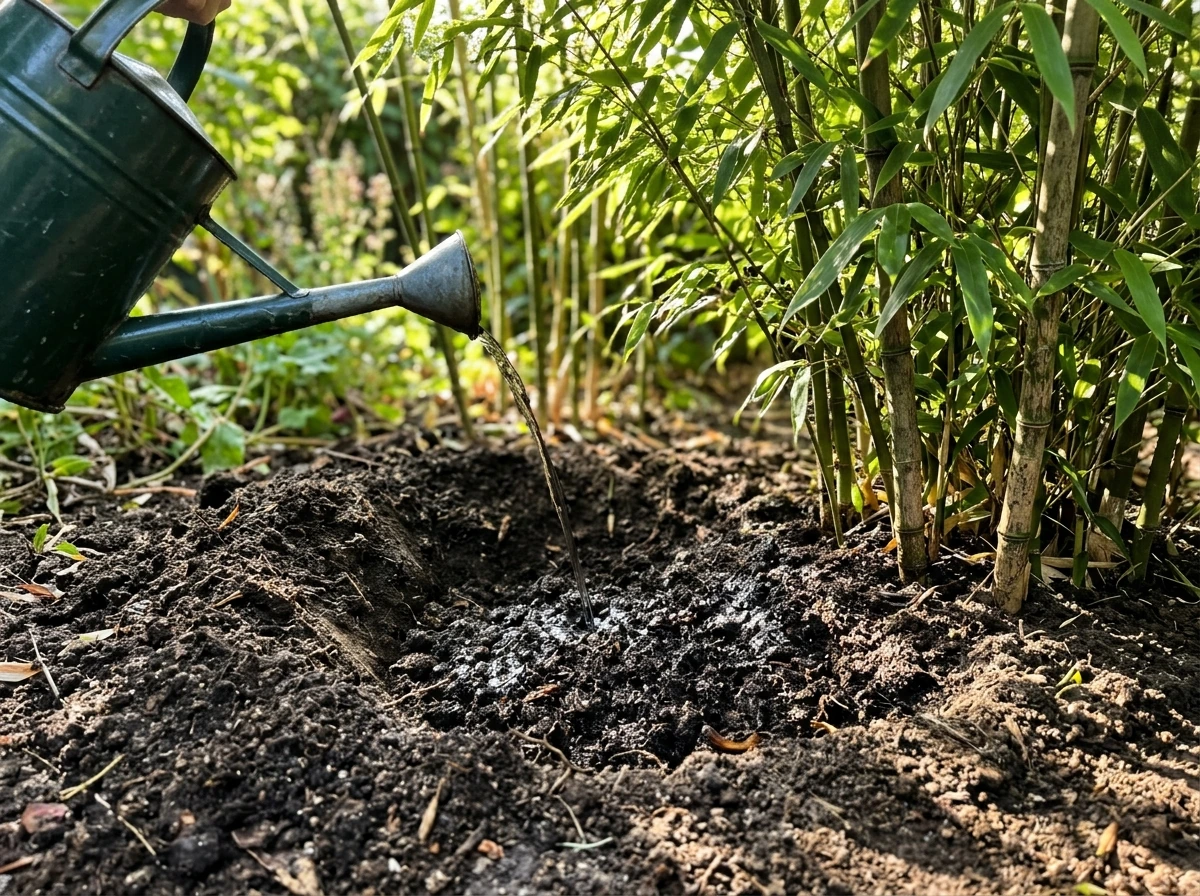
Bamboo grows best in rich, deep, well-drained soils Sandy loams and deep moist loams both support vigorous growth, with the best results generally in well-drained sands. The preferred soil pH range is roughly 5.0 to 6.5, though some species tolerate slightly lower pH. What bamboo does not tolerate is prolonged waterlogging. Standing water around the root zone leads to rhizome rot, which can kill a plant that would otherwise thrive in the same location with better drainage. If your site collects water during heavy rain, either amend the drainage before planting or choose a different location.
Watering needs over time
New bamboo plants need consistent irrigation during establishment, especially in the first one to two growing seasons while the root system is developing. UGA Cooperative Extension also emphasizes that watering for establishment is essential, recommending one to two waterings per week for the first three to six months after planting to support a healthy start blank" rel="noopener noreferrer">watering for establishment is essential, including weekly watering for the first three to six months. Once established, bamboo becomes considerably more drought-tolerant and can handle less frequent watering. This is worth knowing if you're worried about maintenance: the upfront watering commitment is real, but the ongoing demand drops significantly after the plant is settled in.
Sunlight
Most bamboo does best with around 4 to 6 hours of direct sunlight per day. Many species are actually quite tolerant of partial shade, and some understory types actively prefer filtered light over intense direct sun. If you're planting near a fence, under a tree canopy, or on a north-facing slope, shade-tolerant bamboo varieties will handle those conditions better than sun-hungry species. Full, unrelenting afternoon sun in a hot climate can stress bamboo, particularly in areas with low humidity.
Running vs clumping bamboo: where each type does well
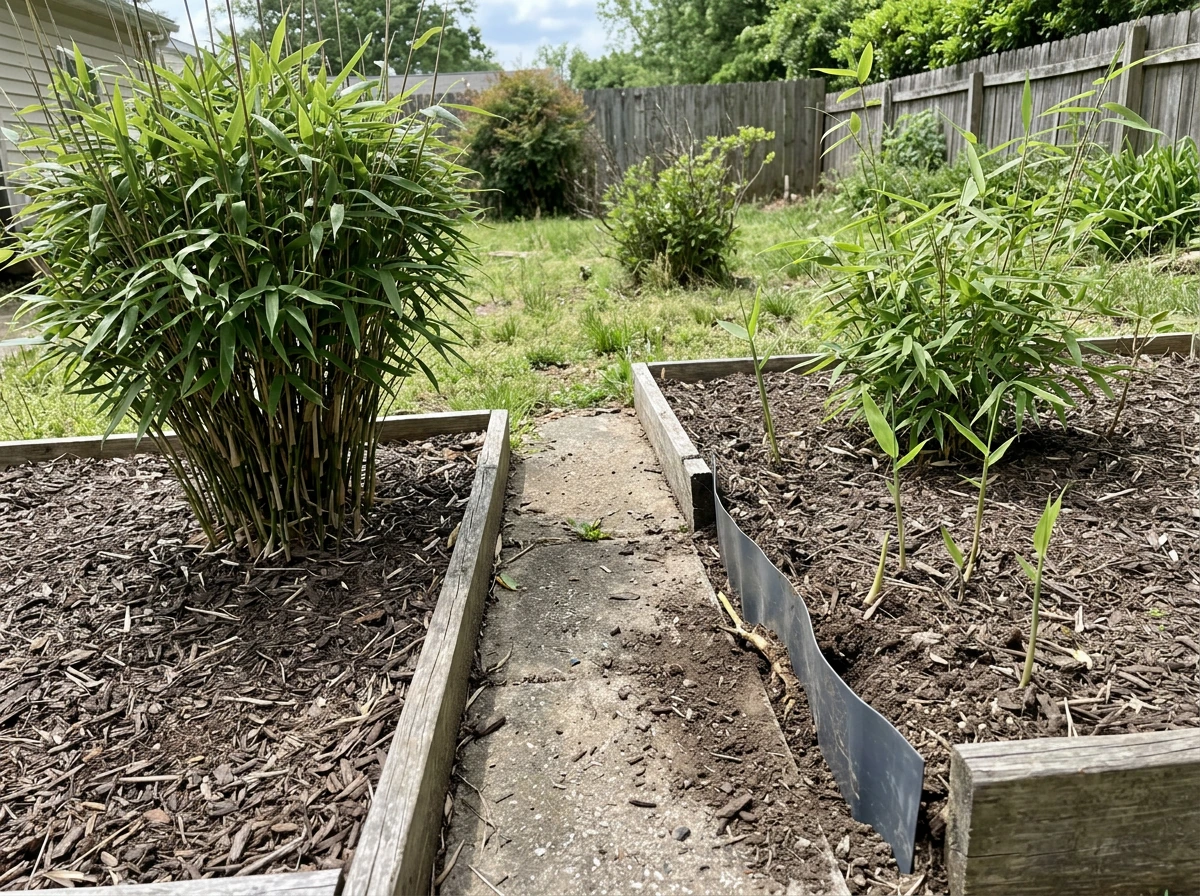
This distinction matters a lot when deciding where to plant bamboo, not just how to manage it. Running bamboo (most Phyllostachys species and many other temperate types) sends out horizontal rhizomes that can travel several feet per year. These are the species that dominate in temperate climates, including much of the eastern United States, Europe, and temperate Asia. They're cold-hardy, fast-growing, and adaptable, but they spread aggressively and can move well beyond where you intended them to grow.
Clumping bamboo (including most Bambusa, Fargesia, and Thamnocalamus species) grows in a tight, expanding circle from a central root mass. The rhizomes stay close to the mother plant, making it far more predictable in the landscape. Clumping types dominate in tropical and subtropical regions, though cold-hardy clumpers like Fargesia work well in temperate climates too. For most home growers, clumping bamboo is the more practical choice because it doesn't require the same containment infrastructure.
| Feature | Running Bamboo | Clumping Bamboo |
|---|---|---|
| Rhizome behavior | Spreads horizontally, can travel many feet per year | Stays close to central root mass, expands slowly outward |
| Cold hardiness | Generally higher; many species handle USDA zone 6 or colder | Varies; tropical clumpers are frost-sensitive, but cold-hardy clumpers (e.g., Fargesia) exist |
| Typical climate | Temperate regions: eastern US, Europe, temperate Asia | Tropical, subtropical, and some temperate (cold-hardy clumpers) |
| Invasiveness risk | High without containment | Low; generally not considered invasive in most regions |
| Containment needed? | Yes, physical root barrier strongly recommended | Usually not required |
| Best for home gardens? | Possible with proper barriers, but more work | Yes, recommended for most homeowners |
Bamboo beyond its native range: spread and invasiveness
Bamboo has been cultivated far outside its natural range for centuries, and in many of those places it has become a serious invasive problem. Golden bamboo (Phyllostachys aurea) is a good example: it's listed as invasive in the United States, Australia, South Africa, and Italy, where it forms dense monocultures that crowd out native vegetation. The US federal government's National Invasive Species Information Center specifically profiles it as a species of concern, and Hawaii's weed risk assessments flag it as a fire and ecosystem risk in local habitats.
The pattern is consistent: a running bamboo species gets planted in a climate that suits it, escapes containment, and establishes itself in natural areas where it's very difficult to remove. Clumping bamboos, by contrast, are generally not considered invasive in most regions because they don't spread beyond the immediate planting site. Alabama Cooperative Extension specifically notes that clumping bamboos are not a significant invasiveness concern in the southeastern US due to their non-spreading habit.
Before planting any bamboo, especially a running type, check whether it appears on your state's or country's invasive species list. This is a 5-minute step that can save you from a serious land management headache and, in some jurisdictions, potential legal issues if your bamboo spreads onto neighboring properties or public land.
Growing bamboo at home: picking your spot and getting started
Once you know your climate and which bamboo type you're working with, choosing the right location and preparing the site is straightforward. Here's how to think through it practically.
Assess your site conditions first
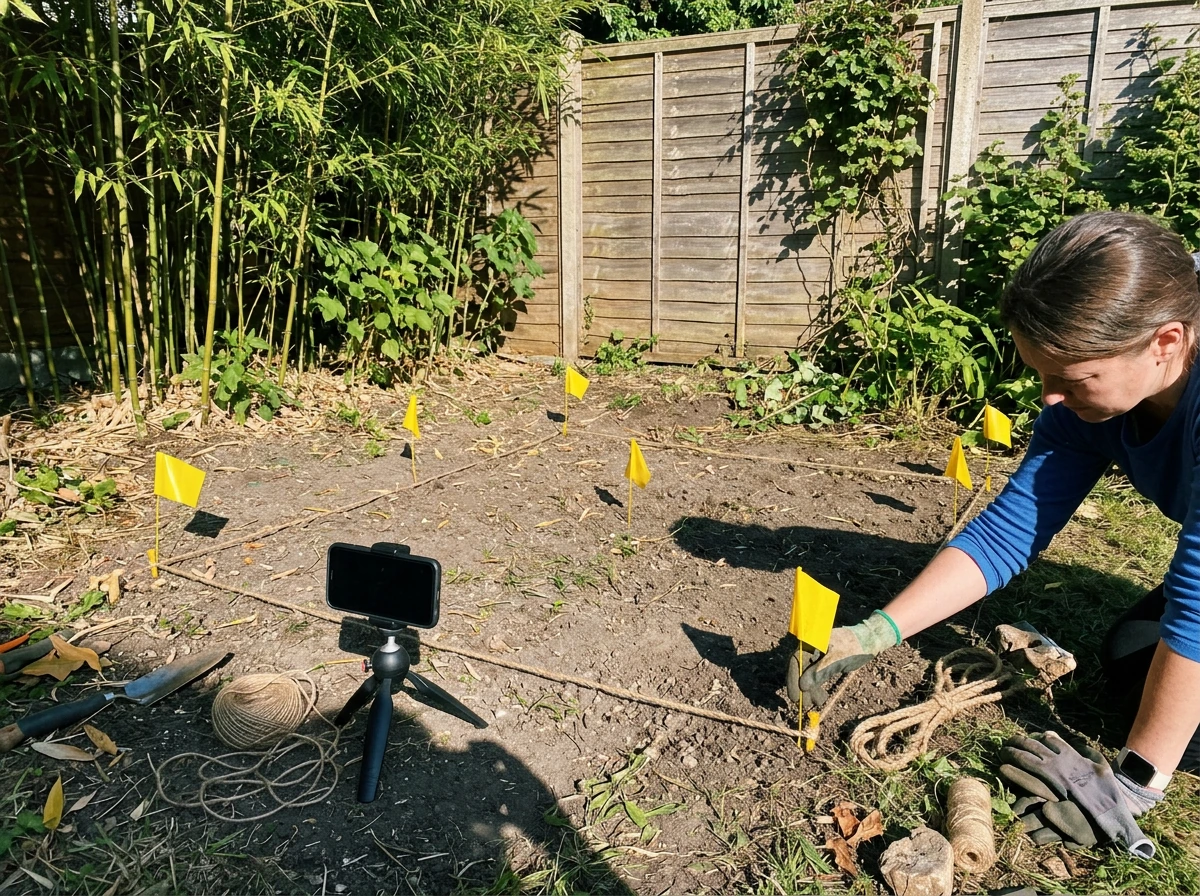
Walk the area where you're considering planting and ask three questions: Does water pool here after rain? How many hours of direct sun does this spot get on a typical summer day? And what's the soil like, is it sandy and well-drained or compacted and clay-heavy? If water accumulates regularly, that site needs drainage work before bamboo goes in, or you should pick a different spot entirely. If the soil is heavy clay, consider amending it with compost and coarse sand to improve drainage. Aim for that 5.0 to 6.5 pH range if you can get a soil test done.
Choose the right type for your climate
If you're in a temperate region with cold winters, look at cold-hardy running types like Phyllostachys species or cold-hardy clumpers like Fargesia robusta. If you're in a warm subtropical or tropical climate, you have a much wider range of both running and clumping options. If drought is your main concern, investigate species like Bambusa balcooa or Dendrocalamus strictus before defaulting to whatever is available at your local nursery.
Indoor vs outdoor placement
Most bamboo is too large for long-term indoor growing, but smaller clumping varieties and dwarf types can work in containers indoors if you have a very bright window or supplemental lighting. For outdoor planting, think about whether you want bamboo as a screen, a specimen plant, or a grove, and pick your location accordingly. Remember that bamboo in a container will be more cold-sensitive than bamboo planted in the ground, since the roots don't benefit from soil insulation.
Your practical setup checklist
- Identify your USDA hardiness zone (or local equivalent) and look up bamboo species rated for your zone.
- Check your state or regional invasive species list before selecting a running bamboo variety.
- Choose clumping bamboo if you want a low-maintenance, low-risk option; choose running bamboo only if you're prepared to install containment.
- If you go with running bamboo, plan for a root barrier: a 36-inch barrier with roughly 30 inches below ground and 6 inches above is the standard recommendation. Dig the trench first, then install the barrier before planting.
- Test or estimate your soil pH. Aim for 5.0 to 6.5. Amend with compost if the soil is poor or compacted.
- Pick a site with 4 to 6 hours of daily sun and good natural drainage. Avoid low spots where water pools.
- Water consistently during the first growing season. Once established, reduce frequency but don't eliminate irrigation during dry spells.
- Mulch around the base to retain moisture and regulate soil temperature, especially in the first winter.
The bottom line is that bamboo is genuinely adaptable, but that adaptability only works in your favor when you choose the right species for your actual conditions. Balsa wood grows best in warm, humid tropical regions and is most commonly found in parts of Central and South America. Someone growing Fargesia in a Montana garden and someone growing Bambusa in coastal Florida are both growing bamboo successfully, but they're working with completely different plants, climates, and management needs. Match the species to your site, handle drainage and containment before problems arise, and you'll find bamboo is one of the more rewarding plants you can grow.
FAQ
If bamboo grows almost anywhere, where exactly should I start looking for a species that will survive my winters?
If you mean “what regions,” bamboo’s natural range is wide, but for real-world success you should think in hardiness and seasonal patterns first. In cold-winter areas, choose cold-hardy temperate or clumping types, and do not rely on a random species from a nursery label without checking winter minimums and whether the plant is running or clumping.
Can I plant bamboo in a marginal climate if my yard has a sheltered spot?
A sheltered microclimate can make a big difference. Place bamboo where it gets some wind protection and avoid low spots where cold air pools. For running types, microclimate plus containment matters, because stressed plants can look “alive” while rhizomes spread and later worsen.
What’s the biggest mistake people make when trying to grow bamboo in rainy climates?
Yes, but the requirement is not “a lot of water all year.” Bamboo needs moisture during establishment, and it also needs roots to breathe afterward. If your soil stays wet after storms, even good irrigation timing can fail because waterlogging drives rhizome rot. Focus on drainage first, then irrigation.
Can bamboo grow in containers outdoors, and what changes in colder weather?
For containers, bamboo is more cold-sensitive and often dries out faster than ground planting. Use a pot with strong drainage, keep watering consistent during establishment, and insulate the container or move it to an unheated sheltered area during deep freezes. Also, expect slower growth compared with in-ground planting.
How much sun is too much for bamboo in hot climates?
Most bamboo prefers moderate light rather than constant harsh sun. If your area has hot, dry summers, look for shade-tolerant types or place plants where they get morning sun and afternoon shade. Full afternoon sun can stress bamboo even when temperatures are otherwise suitable.
Do I need a root barrier for bamboo, and how do running vs clumping types differ in real gardens?
Clumping bamboo stays near the original root mass, while running bamboo spreads through horizontal rhizomes. If you want bamboo “contained,” choose clumping, or if you choose running, install a proper rhizome barrier before planting and plan on periodic checks because rhizomes can find gaps over time.
How can I tell whether my bamboo site is wrong before I fully commit to it?
Early damage can be misleading. Some bamboos look fine aboveground but struggle underground if conditions are wrong, especially with poor drainage. A good rule is to assess the planting site after a heavy rain, confirm water does not remain pooled, and then monitor new shoot growth during the first one to two growing seasons.
Does soil pH matter for bamboo, and what should I do if my yard is outside the typical range?
Yes, but don’t treat it as one-size-fits-all. The often-used pH range is about 5.0 to 6.5, and while some species tolerate slightly lower pH, large swings or persistently alkaline soil can reduce vigor. If possible, do a soil test and amend gradually rather than making big pH changes at once.
If my region has low rainfall, what’s a practical strategy to match bamboo to drought conditions?
Choose based on rainfall pattern and drought risk, not just your average annual rainfall. If your summers are dry, prioritize species known for drought tolerance, and plan deeper watering during establishment plus a thick mulch layer to reduce evaporation. If you irrigate only lightly, shallow roots may form and the plant can fail later.
How far should bamboo be from a house, fence, or paving?
It depends on whether you are planting in the ground or near hardscape. Bamboo can grow fine in many soils, but compacted clay and areas that stay wet require drainage improvement. Also watch for spacing from foundations, because running types can travel and clumping types can become wide enough to disrupt patios or edging.
Next Article
Where Does Balsa Wood Grow and How to Grow It
Find where balsa wood grows naturally and the warm, humid, sunny conditions needed to cultivate it and its timeline.