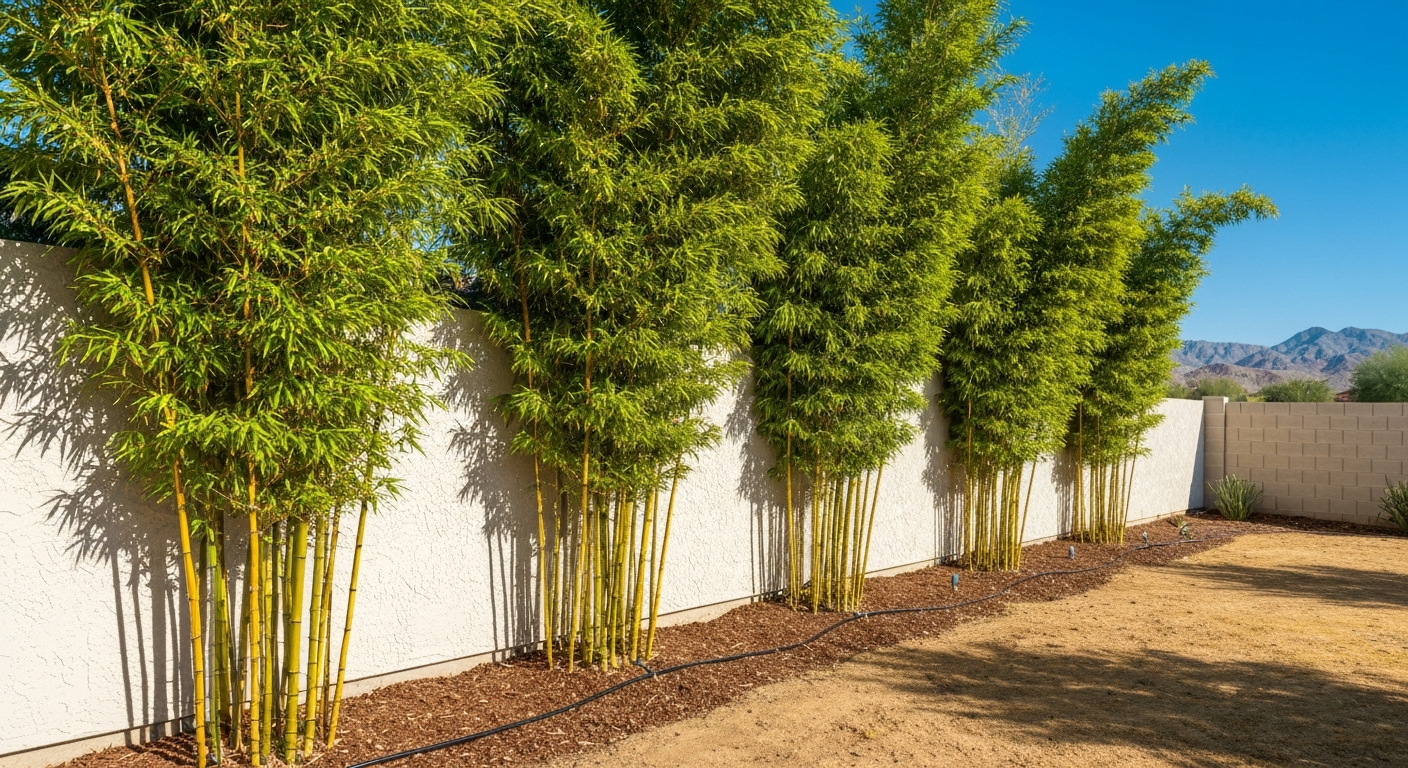
Most bamboo grows between 1 and 4 inches per day during its active shooting season, but that number swings wildly depending on species, maturity, and conditions. The record holder, Moso bamboo (Phyllostachys edulis), has been measured at 114.5 cm (about 45 inches) in a single day under optimal conditions in a research setting. For a typical home grower in the US or Europe, expect something closer to 3 to 12 inches per day when conditions are good, and much less when they are not. That gap between the headline number and reality is exactly what this guide will help you navigate.
How Much Does Bamboo Grow a Day? Real Growth Rates
Marcus Hartwell
5 Apr 2026
Daily and weekly growth ranges you can actually use
Scientific literature puts bamboo's daily growth in a broad range: roughly 7.5 to 100 cm per day (about 3 to 39 inches) across species and conditions. The FAO documents a range of 75 to 400 mm per day under favorable conditions for productive species, which converts to about 3 to nearly 16 inches per day. A 2025 peer-reviewed study confirmed those numbers and noted that Phyllostachys edulis can hit 114.5 cm per day in exceptional cases. blank" rel="noopener noreferrer">The American Bamboo Society's own data shows daily growth values ranging from just 1 cm to 56 cm per day depending on context, which is a realistic window for documented real-world performance.
For weekly growth, multiply conservatively. A home grower in a warm climate during peak spring shooting season might realistically see 6 to 36 inches per week from an established clump. A struggling young plant in cooler conditions might only put on 2 to 5 inches per week. Those weekly numbers are more useful for planning purposes because single-day snapshots can be misleading. One unusually warm day followed by a cold snap resets the rhythm quickly.
| Scenario | Daily Growth (inches) | Weekly Growth (inches) |
|---|---|---|
| Record case (Moso, research conditions) | ~45 | Not sustained |
| Optimal home setup, warm climate, mature plant | 6–16 | 42–112 |
| Typical home grower, established plant, good conditions | 3–8 | 21–56 |
| Young plant (1–2 years), decent conditions | 1–3 | 7–21 |
| Cool/transitional season or stressed plant | 0.5–1.5 | 3.5–10 |
| Dormant/winter period | ~0 | ~0 |
Converting growth into inches, feet, and "how tall in one day" expectations
The viral claim that bamboo can grow 3 feet in one day is technically possible for mature Moso in the right conditions, but it is not the norm. The FAO records that blank" rel="noopener noreferrer">Phyllostachys edulis in Japan sustained roughly 1.2 inches per hour over a 24-hour period, which works out to about 29 inches in a single day. That is the documented high-end for sustained real-world hourly growth, not a lab maximum.
To put the metric numbers into perspective: bamboo plants can grow 91 centimeters in a single day, which is just under 3 feet, and that is documented for Moso under peak shooting conditions. For most species in a home garden, a foot of growth in one day is a great result. Six inches is solid. Two to three inches is perfectly normal for a younger or moderately-sized plant.
When people ask how fast bamboo can grow in 24 hours, the honest answer is: it depends on the same factors as daily growth, and the "fast" window is shorter than most expect. The rapid elongation phase for any individual shoot typically lasts only 40 to 60 days. Outside of that window, the same culm essentially stops growing taller.
What actually controls how fast bamboo grows
Species and genetics
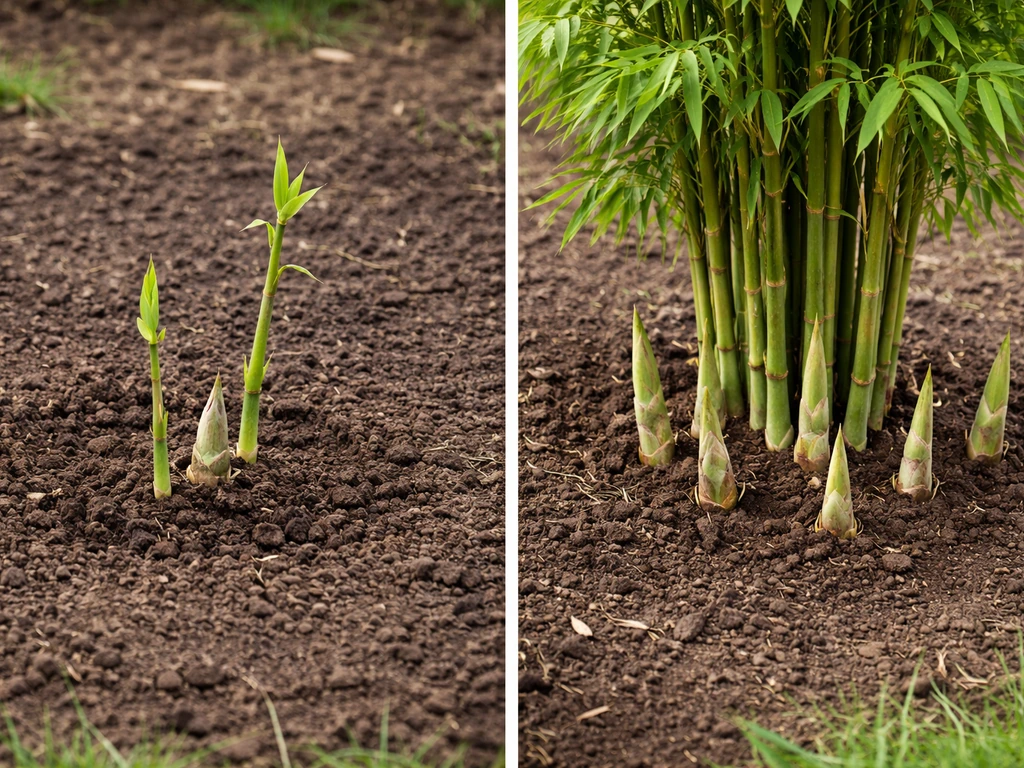
Species is the single biggest variable. Timber bamboos like Moso (Phyllostachys edulis), Guadua, and Bambusa oldhamii are the fast growers. Dwarf and ornamental species might top out at 1 to 3 feet per year total. If you are expecting dramatic daily growth, you need one of the large timber species, and you need it established. Research on Guadua under irrigation conditions shows that water management can strongly amplify growth, but the genetic ceiling still matters.
Age and rhizome development
A bamboo plant that was installed last year is not going to shoot like one that has been in the ground for five years. The rhizome network is everything. Established rhizomes store the energy and water pressure that fuel explosive shoot growth. Research on Phyllostachys pubescens shows that culm age and rhizome structure directly affect how effectively the plant recharges water overnight, which determines how much growth energy is available during the day. Young plants simply have not built up that infrastructure yet.
Temperature
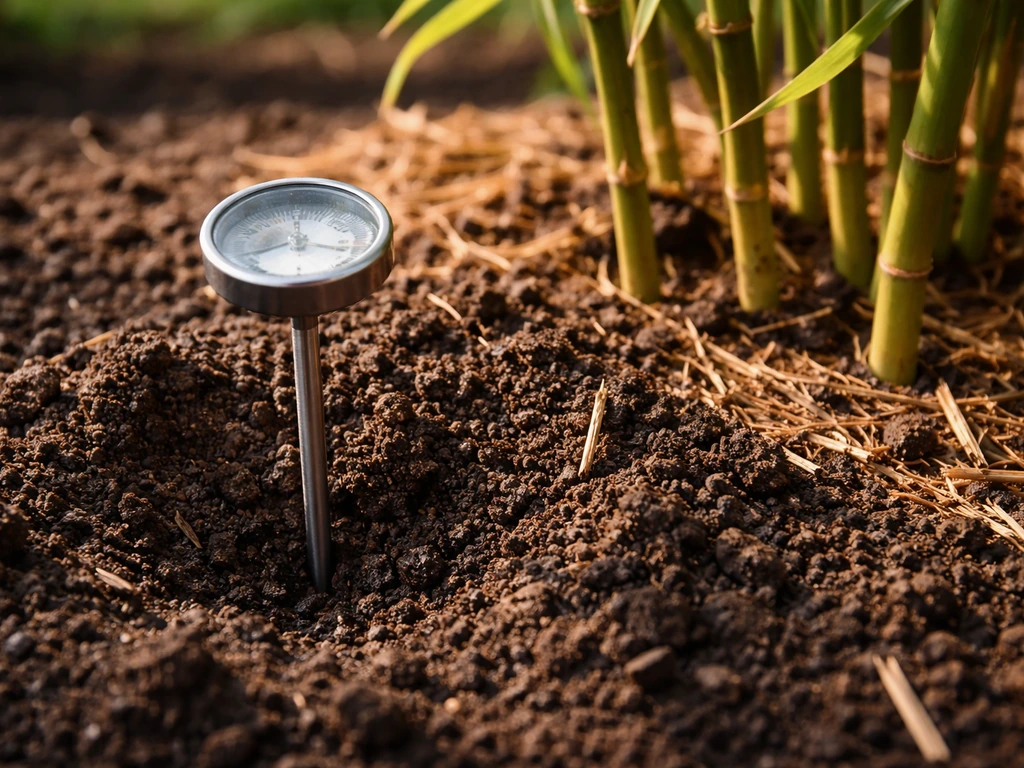
Temperature might be the most practical lever you can understand and plan around. Moso shoots will not even start emerging until soil temperature hits about 58 to 60°F. Below that, you get nothing. A documented home grower observation of Phyllostachys edulis found that when average temperatures hovered around 45 to 50°F, growth was only 1 to 2 inches per day.
When temperatures climbed to around 60°F in mid-April, that same plant was producing nearly a foot of growth per day. Controlled research on Bambusa oldhamii confirms the pattern: plants grown at higher temperatures (35/30°C day/night) produced significantly more biomass than those at cooler ranges. Optimal soil temperatures for shoot growth in mulched Phyllostachys violascens have been identified as 20 to 25°C (about 68 to 77°F).
Season and light
Bamboo follows a clear "slow-fast-slow" seasonal pattern. Growth reviews across the Bambusoideae subfamily consistently show that vertical shooting aligns with the wet, warm season. In temperate climates, that window is roughly April through June. Full sun dramatically accelerates the process. Running bamboo in a shaded location might produce half the daily growth of the same species in full sun. The shoot elongation phase itself is concentrated in specific internodes, and it is not constant throughout the day or season, which is why single-day measurements at peak conditions look so dramatic compared to seasonal averages.
Fast vs slow: when to expect a growth surge and when not to
In a temperate US climate (say, USDA zones 6 through 9), here is roughly what the annual rhythm looks like. From November through February, most running bamboo is effectively dormant. Growth is near zero. March brings warming soil but still slow progress. April and May are the sweet spot: shooting season, when new culms emerge and race upward. A single culm from a mature Moso grove can shoot its full height in about 60 days and then spend the rest of its life hardening and putting out leaves, never getting taller.
Stress events, including drought, waterlogging, extreme heat, or pest damage, interrupt growth mid-shoot and can permanently stunt that culm. Once a bamboo shoot stops growing, it does not resume. That is a key difference from many other plants. This is why conditions during the 40 to 60-day shooting window matter more than conditions at any other time of year.
The question of whether bamboo can grow 3 feet in 24 hours almost always comes up in the context of these spring shooting surges. The answer is yes, for a mature plant of the right species in the right conditions. But that rate is sustained for only a few days at most, not for the entire growing season.
How to push daily growth toward its ceiling
Soil quality and drainage
Bamboo grows fastest in well-draining, loamy soil with a pH between 5.5 and 6.5. Compacted clay slows root and rhizome expansion and restricts the water uptake that fuels rapid shoot growth. If you are on heavy clay, amend generously with compost and ensure drainage is not pooling around the root zone. Good drainage is especially critical during shooting season because waterlogged roots cannot supply the hydraulic pressure bamboo needs for rapid cell expansion.
Watering
Water is fuel during the shooting phase. Research on how bamboo recharges water through its rhizome system overnight (documented in studies on Phyllostachys pubescens) shows that this nocturnal rehydration is what primes the plant for daytime growth surges. Irrigation studies on Guadua confirm that consistent water management strongly influences growth speed. During active shooting, deep, consistent watering two to three times per week (or daily in dry, hot climates) makes a real difference. Irregular watering during the shooting window is one of the most common reasons home growers underperform.
Fertilizing
Bamboo is a heavy feeder. A balanced fertilizer high in nitrogen applied in early spring, just before shooting season, gives the rhizomes what they need to fuel new culm production. A second application mid-season helps. Avoid heavy nitrogen fertilizing in late summer or fall, as it can push soft new growth that gets damaged by frost.
Mulching and temperature management
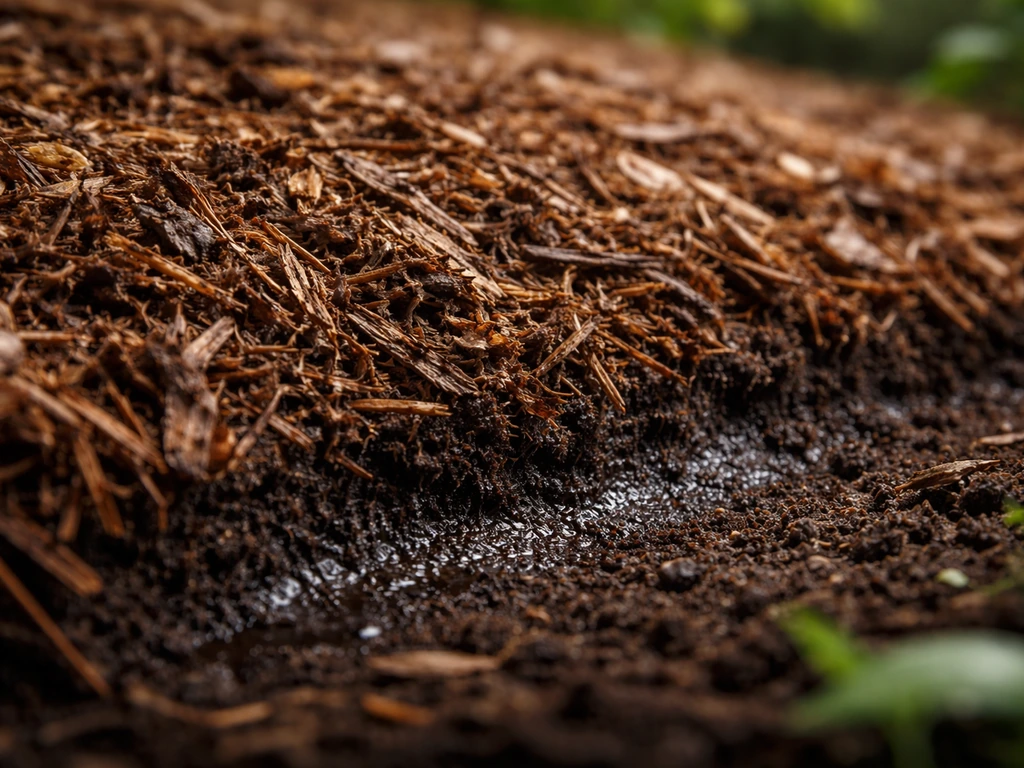
A 4 to 6-inch layer of organic mulch over the rhizome zone does two things: it retains soil moisture and it moderates soil temperature. Research on mulched Phyllostachys violascens found that keeping soil temperatures in the 20 to 25°C range optimized shoot outcomes. In cooler climates, mulch can push shooting season forward by a week or two, which compounds into significant additional growth over the season.
Rhizome management and spacing
Contained rhizomes, paradoxically, can promote denser, more vigorous shooting by concentrating the plant's energy. Running bamboo left to spread indefinitely eventually thins out its own growth. If you are managing a running species, using a solid HDPE rhizome barrier at 24-inch depth is standard practice. Nursery guidance emphasizes leaving 12 to 24 inches of clearance between the barrier and any structures, both for containment integrity and to give the rhizomes enough room to function efficiently. If you want to understand the full scope of what a managed planting can produce, it helps to think about how much bamboo you can grow in an acre, since stand density directly affects how each individual plant performs.
Indoor vs outdoor growth, and which climates actually work
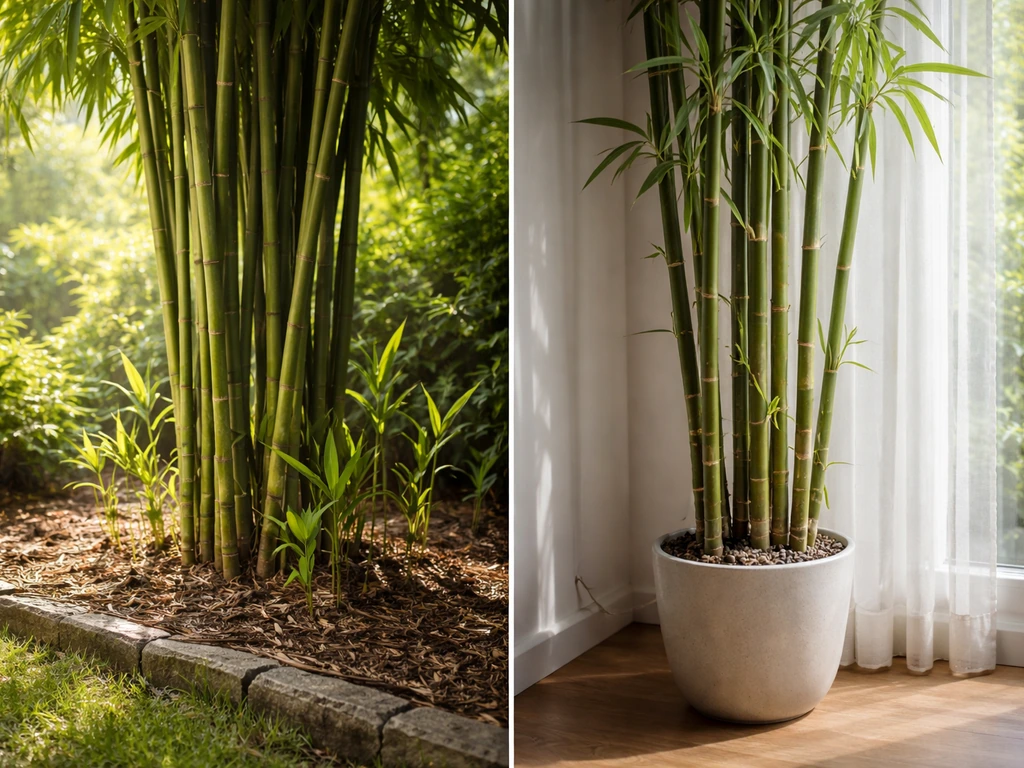
Outdoor bamboo in a warm, humid climate will always outperform indoor bamboo. Full stop. Indoor bamboo, even in a sunny south-facing window, gets a fraction of the light of an outdoor planting and usually sees compressed temperature swings that mute the seasonal growth triggers. Expect indoor bamboo (not lucky bamboo, which is a different plant entirely) to grow slowly: maybe 6 to 12 inches per year for smaller species, rarely more. It will not exhibit the dramatic shooting-season surges that outdoor plants produce.
For outdoor growing, climate zone matters enormously. USDA zones 7 through 10 are where most timber bamboos thrive and produce the growth rates discussed in this article. Zone 6 growers can still have success with cold-hardy runners like Phyllostachys nuda or Phyllostachys bissettii, but expect slower growth and shorter shooting windows. Zone 5 and below is tough territory: you can keep some cold-hardy clumping species alive, but dramatic daily growth is unlikely. Tropical clumping bamboos (Bambusa species) want zones 9 to 11 and perform exceptionally in Florida, Hawaii, and coastal California.
Geography also shapes the rhythm. A grower in Georgia will see shooting season start 3 to 4 weeks earlier than someone in Pennsylvania, even with the same species. That timing difference translates directly into total annual culm height. The question of how much bamboo can grow in a day cannot be fully answered without knowing where you are and what month it is.
Realistic expectations: what the fastest cases really mean for your garden
The headline numbers are real but narrow. Bamboo plants can grow 91 centimeters per day, and Moso has been measured at over 114 cm per day in research conditions. But those numbers represent a mature grove in peak season with ideal soil, water, and temperatures, measured during a specific growth surge. They are not what a three-year-old plant in a suburban backyard in North Carolina will do.
For most home growers with an established running bamboo in a zone 7 to 9 climate, here is what to realistically expect during shooting season: new culms emerging and growing 3 to 8 inches per day on good days, occasionally hitting 10 to 12 inches per day during a warm, wet stretch. Over a six-to-eight-week shooting window, a single culm from a mature Moso can reach 40 to 70 feet in total height. That is the compound result of those daily surges. FAO annual data suggests some contexts produce 50 to 160 inches of culm height per year, and those numbers make sense when you see 5 to 8 inches per day sustained over a few weeks.
The gap between the record and what you will see comes down mostly to rhizome age, species selection, and whether you are hitting those soil temperature thresholds consistently. A new planting will underperform for the first two to three years while the rhizome system builds. Year four and beyond is when things get exciting. If you have a young plant and you are frustrated by slow growth, you are not doing anything wrong. You are just waiting for the underground network to develop.
Here is the practical takeaway: pick the right species for your zone, get it in the ground in good soil, water it consistently during shooting season, mulch the rhizome zone, and fertilize in early spring. Do those things and your bamboo will grow faster than almost anything else you can plant. But manage your expectations for the first few years, and do not let the record-breaking Moso numbers in research papers set the benchmark for what you measure your garden against.
FAQ
Why do my bamboo growth measurements not match the “inches per day” numbers?
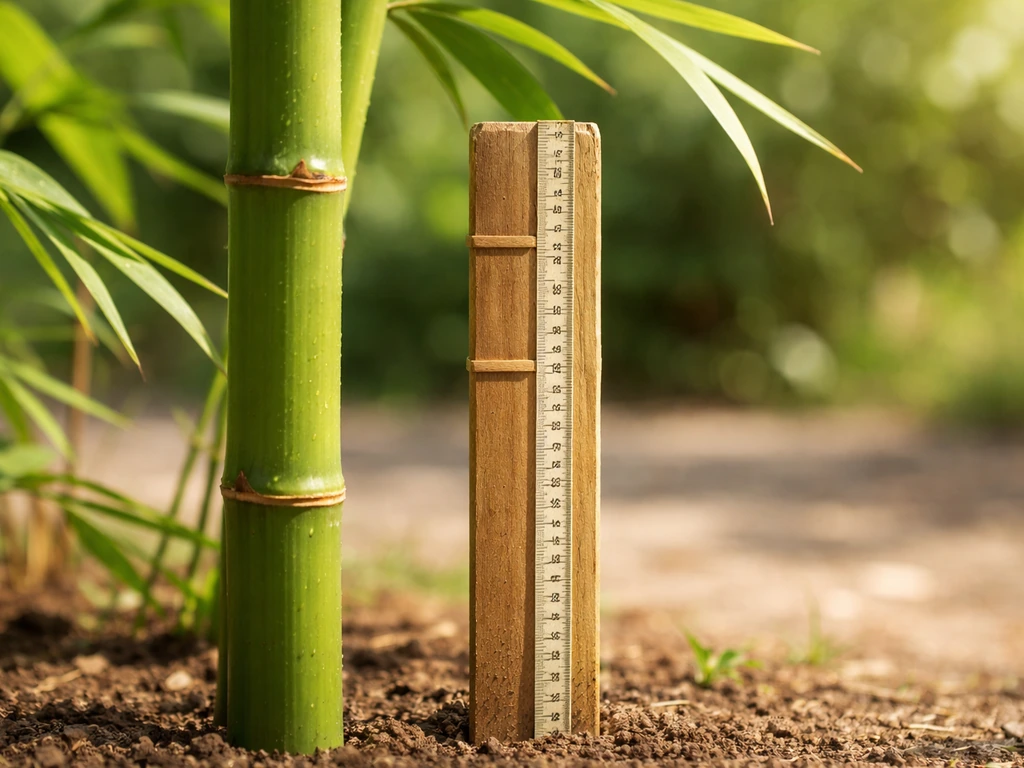
Measure growth on the same shoot with a fixed reference point (like soil line to the highest new collar) and check at least every 7 days. Single-day numbers swing because some hours are higher elongation than others, and a brief cold or heat shift can pause the shoot.
What should I do if my bamboo is warm outside but still not growing fast?
If you are below the soil temperature threshold, bamboo will not start the shooting phase at all, even if air temperature feels warm. Use a soil thermometer at rhizome depth, and prioritize mulching and drainage so the soil warms evenly.
Can bamboo resume growing taller after a shoot stops?
Yes, a bamboo shoot can stop permanently once its elongation phase ends or if it is damaged mid-shoot (drought, waterlogging, pests, frost). That is different from many plants where you can “restart” growth, so protect shoots during spring.
What are the most common reasons established bamboo underperforms?
Look for root and rhizome constraints: compacted or waterlogged soil, inconsistent watering, or a barrier that was installed too shallow. Also confirm you are not trying to push a small ornamental species, since its annual ceiling may be far lower even with perfect care.
Does bamboo grow faster when new shoots first emerge?
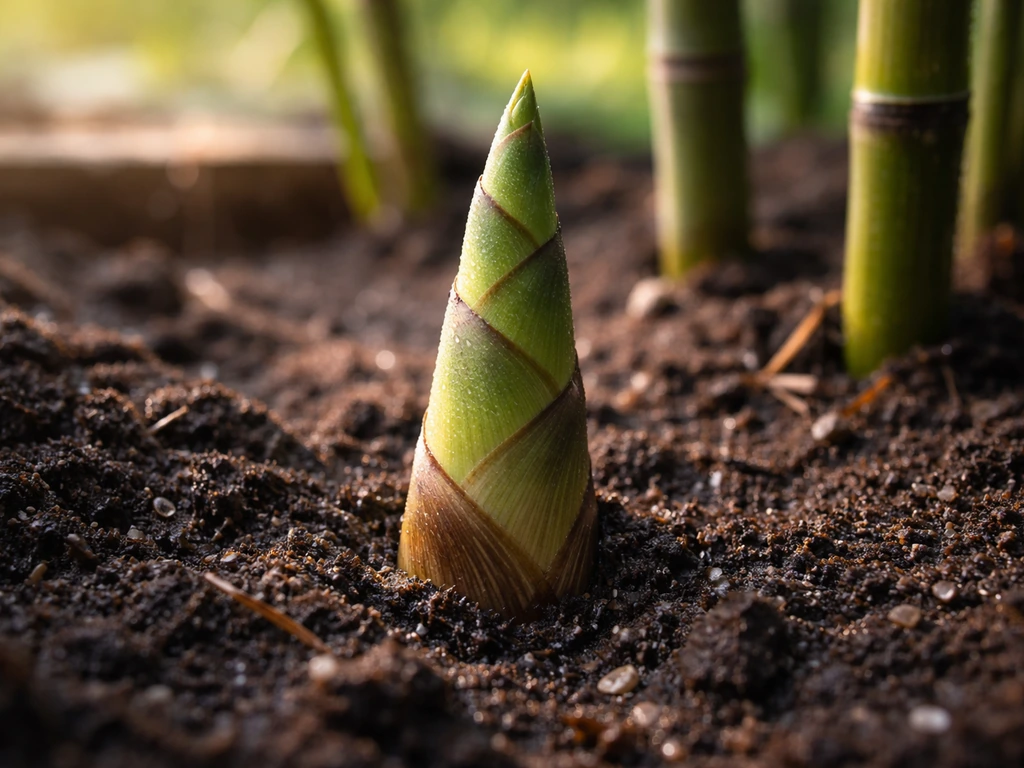
Bamboo can look like it is “growing” when new shoots emerge, but the fast upward elongation only happens during the short shooting window. Track daily height of already-emerging culms, not just the appearance of new culms.
How does rhizome containment affect how much bamboo grows per day?
Running bamboos can benefit from contained rhizomes, but if you over-control them or leave insufficient clearance from structures, the system may not expand effectively. Aim for proper barrier depth and clearance, and ensure the planting still has enough room to recharge.
Is daily watering necessary, or is a weekly schedule enough during shooting season?
Inconsistent irrigation is one of the biggest culprits during shooting season. Instead of light daily sprinkles, use deep, regular watering schedules (more frequent in hot, dry periods) so the rhizome system can fully rehydrate overnight.
When is the best time to fertilize if my goal is maximum daily shooting growth?
A balanced nitrogen program helps fuel new culms, but too much late-season nitrogen can produce soft growth that is damaged by early cold or frost. Stick to early-spring timing for the first dose and avoid heavy fertilizing as you approach fall.
How much does mulch actually change daily growth, and does it work in warm climates too?
Mulch helps, but the effect depends on climate. In cooler regions it can raise soil temperature and advance the shooting window, while in warm areas mulch is more about moisture stability and preventing soil swings.
How many years until bamboo reaches its fastest “inches per day” stage?
Plant size and age matter, because rhizomes need time to build storage and hydraulic capacity. Most of the improvement happens over the first 2 to 3 years, so it is normal for a new planting to lag behind mature-grove expectations.
Will indoor bamboo ever reach the same daily growth rates as outdoor bamboo?
Typically not. Indoor growing usually lacks outdoor light intensity and the seasonal soil cues that trigger the shooting pattern, so even with good sun indoors, shooting-season surges are uncommon.
How should I plan for growth if the weather swings between warm and cold?
Yes. If you have a warm spell, growth can accelerate, then slow sharply after a cold snap, even if the plant looks healthy. Use a forecast window to expect that a string of favorable weeks beats chasing one good day.
How do I estimate bamboo daily growth for my specific month and region?
Your “how much per day” expectation should be tied to your species and the timing of the wet, warm season in your location. In temperate areas, shooting often aligns with roughly April through June, but it can start weeks earlier or later depending on geography.
Why does one bamboo culm grow much faster than the others?
If you have multiple culms, you might see uneven growth because some culms are older or in different parts of the rhizome network. A single culm can be a poor proxy for the whole stand, so average across several active shoots.
Next Article
Can Bamboo Grow in Las Vegas? Guide to Success in Desert
Yes, bamboo can grow in Las Vegas with the right species, irrigation, shade, and containment; step-by-step planting and保护