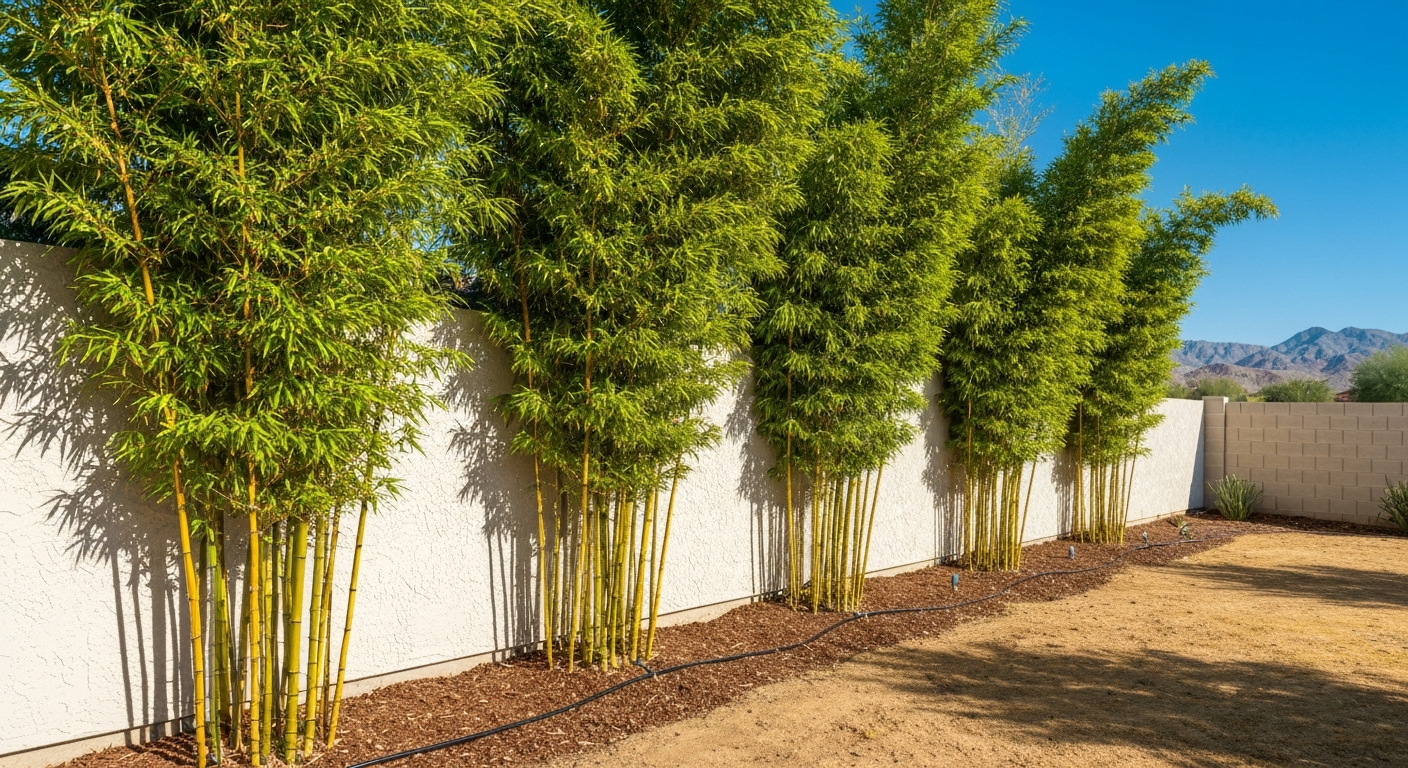
Bamboo needs six things to grow well: enough light (usually 6+ hours of direct sun outdoors, or bright indirect light inside), well-draining slightly acidic soil with a pH of 5.5 to 6.5, consistent moisture without waterlogged roots, temperatures matched to the species' cold hardiness zone, a good planting setup with correct spacing and rhizome containment, and nitrogen-focused feeding during the active growing season. Get all six right and bamboo is genuinely easy. Miss one or two and it will sulk, stall, or struggle in ways that can look mysterious until you know what to check.
What Does Bamboo Need to Grow A Practical Checklist
Marcus Hartwell
24 Apr 2026
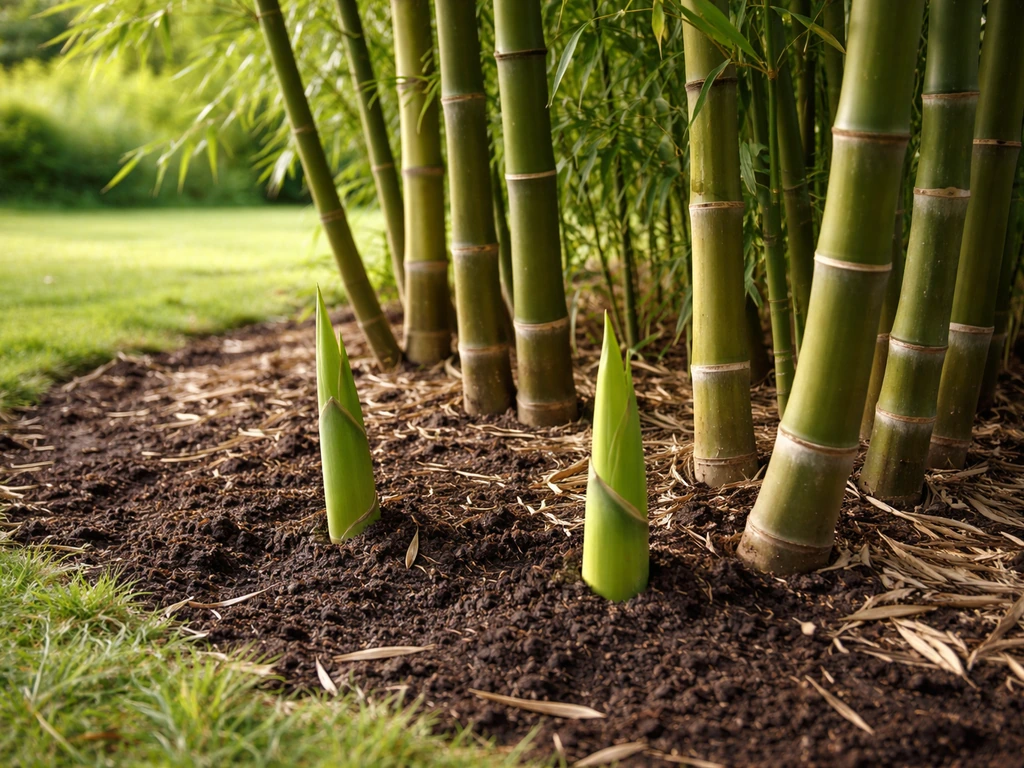
Bamboo basics: what it needs beyond just sun and water
Most people think bamboo is a low-maintenance plant that thrives on neglect. That reputation is partly earned, but it skips some important nuance. Bamboo is naturally an understory plant in many of its native habitats, meaning it evolved with attention to root-zone conditions, soil moisture retention, and site microclimate, not just open sun exposure. Before you dig a hole, you need to answer one question: are you growing a running bamboo or a clumping bamboo? This matters more than almost anything else.
Running bamboos (monopodial or leptomorph rhizome systems) spread aggressively underground and can colonize a yard quickly. Clumping bamboos (sympodial or pachymorph rhizome systems) expand slowly outward from a central clump, making them far more manageable in most garden settings. The rhizome type determines how you plan spacing, containment, and long-term site management, so identify your species before you plant anything.
Light and placement: outdoor vs indoor requirements
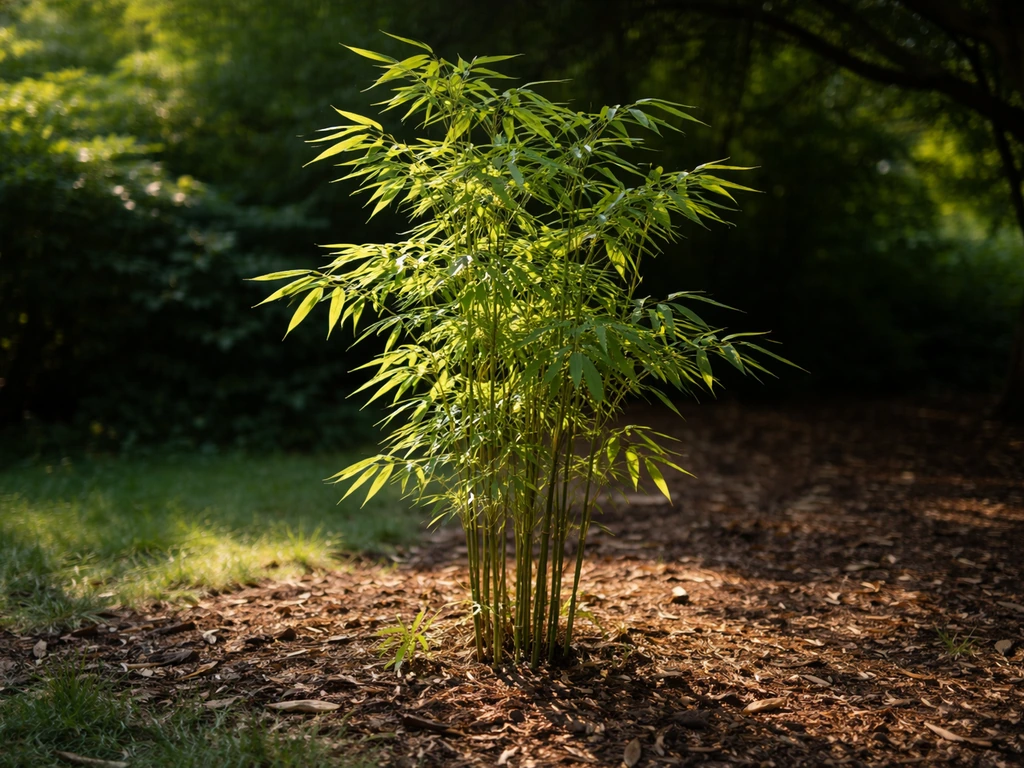
Outdoors, most bamboos want at least 6 hours of direct sun per day, which is the standard definition of full sun. If you are wondering how much light does bamboo need to grow, use the outdoor full-sun guideline (about 6+ hours of direct sun) as your baseline and adjust for your species and whether it is indoors.
Phyllostachys species like golden bamboo (Phyllostachys aurea) thrive in full sun and actually need that light level to put on their best growth. That said, not all bamboos want full sun all day. Fargesia species, which originate from high-altitude woodlands in China, genuinely prefer partial shade and do best with morning sun and afternoon shade protection.
Forcing a Fargesia into all-day summer sun in a hot climate is one of the most common reasons people see their bamboo go brown and stressed mid-summer.
For indoor growing, you need to get realistic. No indoor environment matches outdoor sun intensity, so you are working with bright indirect light at best. Place indoor bamboo within a few feet of a south- or east-facing window. It will grow slower than outdoor plants and will not reach anywhere near full height, but it can stay healthy if the light is consistent. Rotating the pot every couple of weeks helps prevent leaning toward the light source. If you are comparing indoor vs outdoor potential, outdoor planting in the right climate almost always wins on vigor and growth speed.
Soil and pH: drainage, texture, and how to improve it
Bamboo's soil sweet spot is well-draining, loamy soil with a pH between 5.5 and 6.5, and rich organic matter. UGA Extension specifically recommends 6.0 to 6.5 as the ideal range. Outside of that window, nutrient uptake suffers and growth stalls even when everything else looks fine. If you have never tested your soil pH, now is the time. Your local Extension office can test it cheaply, or you can use a home test kit as a starting point.
Heavy clay soil is bamboo's enemy because it holds water around the roots and suffocates the rhizome system. Sandy soil drains too fast and dries out quickly. Both can be fixed. For clay, work in aged compost and coarse grit to improve drainage. For sandy soil, add organic matter to improve moisture retention and nutrient holding capacity. Raised beds are a legitimate option if your native soil is particularly poor or compacted. In containers, use a quality potting mix with added perlite for drainage, and never let a pot sit in standing water.
Watering needs: frequency, amount, and drought and wet stress
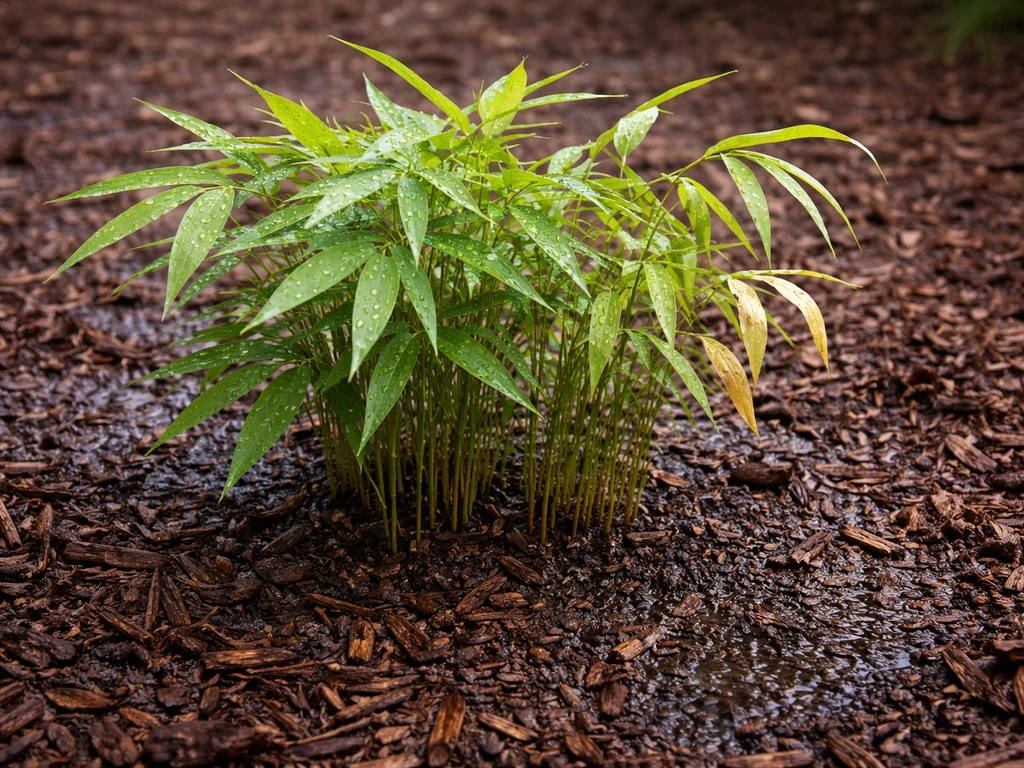
Bamboo needs consistent moisture, especially in its first growing season when the rhizome system is still establishing. For newly planted bamboo in peak summer heat, you may need to water deeply every day or even multiple short watering sessions per day during an extreme heat spell. The goal is to keep the root zone moist but never soggy. Once established (usually after the first full year in the ground), most bamboos become considerably more drought tolerant, though they will slow their growth noticeably during dry stretches. Bamboo does not need a lot of water all the time, but it does need consistent moisture to avoid stress.
Signs of drought stress include leaf rolling or curling inward (bamboo's natural response to conserve moisture), yellowing at the tips, and a generally limp look to the culms. The UGA Cooperative Extension notes leaf rolling as a sign bamboo needs watering and recommends about 1 to 1½ inches of water per week on well-drained soils [leaf rolling or curling inward](https://extension. uga. edu/publications/detail.
html? number=B1357). Waterlogging stress looks different: yellowing that starts at the base of culms, soft or mushy sections near the soil, and a foul smell from the root zone. RHS notes that waterlogging can drown bamboo roots because it displaces air between soil particles and roots, so it recommends moist, fertile, free-draining soil [waterlogging stress looks different](https://www.
rhs. org. uk/plants/types/grasses/bamboo/growing-guide). If you see the waterlogging symptoms, the priority is improving drainage before adding more water.
In containers, check that drainage holes are unobstructed and never leave the pot sitting in a saucer full of water.
Temperature and climate fit: hardiness, frost, and regional suitability
Bamboo species range enormously in cold tolerance. Fargesia murielae (umbrella bamboo) is hardy from USDA zones 5 through 9, making it a realistic option for most of the continental US. On the tougher end, Phyllostachys heteroclada can handle temperatures down to around -5°F. Tropical clumping bamboos, on the other hand, may die back or fail entirely if they see extended frost. Matching your species to your USDA hardiness zone is non-negotiable, and your nursery or a reputable bamboo grower should be able to give you the zone range for whatever you are buying.
Climate is about more than minimum winter temperatures. Hot, intense summer sun in climates like Oklahoma or Texas can stress bamboo even in correctly matched hardiness zones, because the root system cannot move water to the leaves fast enough when temperatures spike and the soil dries out rapidly. Conversely, bamboo in the Pacific Northwest often thrives with minimal intervention because the mild, moist conditions suit many species perfectly. Know your region's summer heat profile, not just its winter lows, when choosing a species.
| Species | USDA Zones | Sun Preference | Rhizome Type | Cold Tolerance |
|---|---|---|---|---|
| Phyllostachys aurea (golden bamboo) | 6–10 | Full sun | Running | Hardy to about 0°F |
| Phyllostachys heteroclada | 5–10 | Full sun to part shade | Running | Hardy to about -5°F |
| Fargesia murielae (umbrella bamboo) | 5–9 | Part shade / morning sun | Clumping | Hardy to about -20°F |
| Fargesia nitida (fountain bamboo) | 5–9 | Part shade | Clumping | Hardy to about -20°F |
| Bambusa oldhamii (giant timber bamboo) | 8–11 | Full sun | Clumping | Light frost only |
Planting setup and early care: rhizomes, spacing, timing, and containers
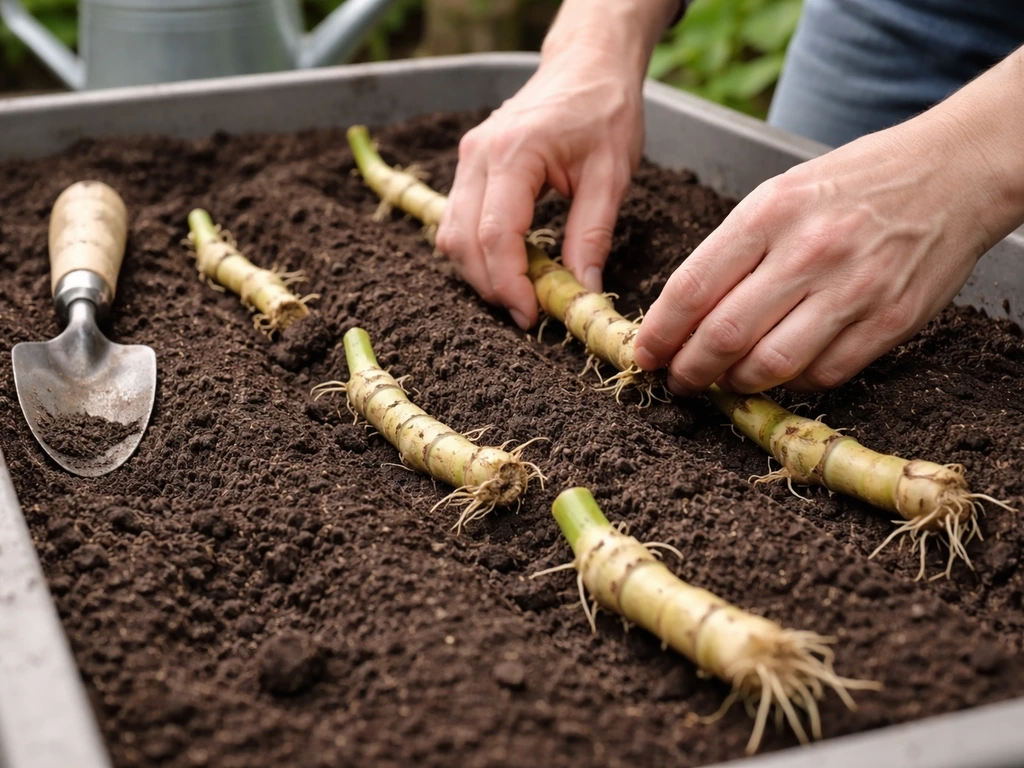
The best time to plant bamboo in most of the Northern Hemisphere is spring, when soil temperatures are rising and the plant is heading into its active growth phase. Planting in fall is possible, but the rhizome has less time to establish before winter. If you are planting running bamboo, install a rhizome barrier before you put the plant in the ground, not after. Use an HDPE barrier at least 24 to 30 inches deep, leaving about 2 inches protruding above the soil surface to prevent rhizomes from arching over the top. Overlap the barrier ends by at least 12 inches and secure them tightly. Skipping this step is how people end up with bamboo in their neighbor's yard.
Spacing depends on the species and your goal. For a privacy screen with Phyllostachys, planting 3 to 5 feet apart will fill in within a few years. Clumping species can be placed 5 to 8 feet apart and allowed to spread naturally. For container growing, choose a large pot from the start (15 to 25 gallons for most timber bamboo species) because bamboo does not appreciate being severely root-bound.
If you are planning in ACNH, the same idea applies: you need enough space around your bamboo area so it can spread and keep producing large pot. The container limits growth significantly compared to in-ground planting, so set your expectations accordingly. Repot every 2 to 3 years or when you see roots circling heavily at the bottom.
Feeding and fertilizing: what to use, when, and common mistakes
Bamboo is a grass, and like most grasses it responds very well to nitrogen. The most important feeding window is spring, when new shoots are emerging (for Phyllostachys, new shoot production typically begins around March and continues through May in the Northern Hemisphere). A slow-release granular fertilizer with a high first number (like a 20-5-10 or similar high-nitrogen formulation) applied at the start of the shooting season gives the plant the fuel it needs to push new culms as fast and tall as possible. A second feeding in early summer supports continued rhizome expansion.
For container bamboo, switch to a liquid fertilizer applied monthly during the growing season (roughly April through September) at the label-recommended strength. Do not fertilize in late summer or fall, as pushing new tender growth before winter sets in makes it vulnerable to frost damage. The most common fertilizing mistake is either feeding too late in the season or using a fertilizer balanced for flowering plants (high phosphorus) instead of one optimized for foliage and structure. Bamboo is not a heavy feeder by landscape plant standards, but it does need that consistent nitrogen to perform well.
Growth expectations and troubleshooting: why it stalls and how to fix it
Here is the honest truth about bamboo growth timelines: the first year after planting, most bamboo does almost nothing visible above ground. It is spending that entire season building out its rhizome system underground. The second year you will see a few more culms and maybe some height increase.
By year three, many running bamboos start putting on noticeable growth, and if the conditions are right, Phyllostachys species can push new culms to their full height in roughly 60 days once the shooting season begins. Bamboo room to grow also depends on whether it is running or clumping, since that changes how much space it needs to spread full height. Expecting dramatic results in year one is the number one cause of disappointed bamboo growers.
If your bamboo is stalling past the expected establishment period, work through this checklist systematically rather than guessing. Most stalling problems trace back to one of a handful of causes.
- Soil pH is off: test it and amend toward 5.5 to 6.5 if needed. Sulfur lowers pH, lime raises it.
- Drainage is poor: if the soil stays wet for more than a day after rain, improve drainage before doing anything else.
- Not enough light: shade-grown Phyllostachys will grow slowly and produce weak, thin culms. Move it or thin overhead canopy.
- Too much harsh afternoon sun: Fargesia species in full summer sun will look burned and stressed. Add shade cloth or relocate.
- Wrong hardiness zone: if the species is borderline for your zone, repeated frost dieback drains the rhizome's energy reserves season after season.
- Nitrogen deficiency: yellow-green foliage and slow growth during shooting season often signal a nitrogen shortage. Feed with a high-nitrogen fertilizer.
- Root competition or compaction: bamboo planted near large tree roots or in highly compacted soil struggles to expand its rhizome system.
- Container too small: severely root-bound bamboo in a container cannot grow new rhizomes and effectively stops producing new culms.
The simplest next step if you are stuck is a soil test. It rules out or confirms the two most common silent killers (pH and drainage issues) and gives you a clear direction. From there, match your species to your light conditions and hardiness zone, make sure your watering is consistent but not excessive, and feed with nitrogen in spring. Do those things and bamboo is one of the most rewarding plants you can grow, with a growth rate that genuinely surprises people once the rhizome system is established and all conditions align.
FAQ
What does bamboo need to grow indoors if my apartment doesn’t get strong sunlight?
If you cannot provide truly bright light near a south- or east-facing window, use a grow light positioned close enough to support active growth. Rotate the pot every couple of weeks, but also watch leaf color and growth rate, because “surviving” is different from “growing.”
Does bamboo need direct sun every day, or can it grow with shade?
Many bamboos tolerate less than full sun, but the key is consistency and the right match to the species. Fargesia often performs better with morning sun and afternoon shade, while several common outdoor types need near-full sun to avoid slow, weak shoots.
How do I tell if bamboo is getting too much water versus not enough water?
Drought stress often shows up as leaf rolling or curling inward and yellowing that starts toward the tips, the culms may look limp. Waterlogging stress more often starts with yellowing near the base, soft or mushy sections at the soil line, and sometimes a foul odor from the root zone. If waterlogging is suspected, stop increasing watering and correct drainage first.
What pH level do I actually aim for if my soil test comes back outside the bamboo range?
You generally want pH between about 5.5 and 6.5, with the tighter target around 6.0 to 6.5. If you are high, you may need an acidifying approach or to amend with appropriate materials over time, if you are low, you may need gradual adjustment, and retesting after changes is important because pH swings can stress roots.
Can I grow bamboo in containers without drainage problems?
Yes, but container bamboo is sensitive to sitting water. Use a large pot with unobstructed drainage holes, choose a well-draining mix (often with added perlite), and empty any saucer after watering. Also note that smaller pots dry out faster and can cause heat-related stress even when you water regularly.
How often should I water new bamboo plants in the first year?
In peak summer, plan on frequent deep watering so the root zone stays consistently moist, sometimes daily or multiple short sessions during extreme heat. The practical goal is “moist, not soggy,” then adjust based on your soil drainage and weather rather than watering on a fixed schedule.
What’s the difference between running and clumping bamboo, and does it change what bamboo needs to grow?
It changes space and management more than the basic requirements like light and moisture, but it absolutely changes how you contain it. Running bamboo requires rhizome containment installed before planting, clumping bamboo is slower to spread and typically needs less aggressive barriers, so misidentifying it can make growth look “mysterious” because it becomes uncontrolled.
When is the best time to plant bamboo for faster establishment?
Spring is usually the best option for most of the Northern Hemisphere because soil warms and growth starts. Fall planting can work, but the rhizome has less time to establish before colder conditions, increasing the chance of stalling or dieback.
How much bamboo growth should I expect by year one?
Very little visible growth is normal in the first year, especially for running types. The plant focuses on building rhizomes underground, so disappointment usually comes from expecting tall shoots immediately. If you see no improvement by year two, then it is time to troubleshoot light, drainage, pH, watering consistency, and nutrient timing.
What fertilizer should I use, and what is the most common feeding mistake?
Use a nitrogen-focused fertilizer timed to the shoot production season, commonly spring for many temperate bamboos. The most common mistake is fertilizing too late (which pushes tender growth before cold) or choosing a formulation with relatively higher phosphorus meant for flowering rather than structural leafy growth.
Should I fertilize container bamboo the same way as in-ground bamboo?
Not exactly. Container bamboo typically does best with a liquid fertilizer applied monthly during the active growing season, and you should stop in late summer to avoid frost damage from new tender shoots. Containers also change nutrient and moisture dynamics, so follow label rates and watch growth response.
How do I choose bamboo for my yard if my zone matches but summers still seem too harsh?
Minimum winter hardiness is only part of the story. Hot summers can stress bamboo even in the right zone because soil dries quickly and roots cannot supply water fast enough during heat spikes, so look for varieties suited to your summer heat and plan for consistent moisture and appropriate light shading if needed.
What spacing should I use if I want bamboo to fill in as a privacy screen?
Use species type and goal-based spacing, running types often need a more controlled plan, clumping types generally expand outward slowly. For many privacy setups with common hardy Phyllostachys, starting around 3 to 5 feet apart can fill in over time, while many clumping species do better around 5 to 8 feet apart to avoid overcrowding.
How can I troubleshoot bamboo that stalls beyond the expected timeline?
Start with a soil test to confirm pH and drainage risks, then verify that your light matches the species, confirm consistent moisture without waterlogging, and check that you fed nitrogen at the correct time window. If those core factors are correct, reassess container root restriction, planting depth, and whether the species is mismatched to your summer heat profile.
Next Article
Can Bamboo Grow in Las Vegas? Guide to Success in Desert
Yes, bamboo can grow in Las Vegas with the right species, irrigation, shade, and containment; step-by-step planting and保护