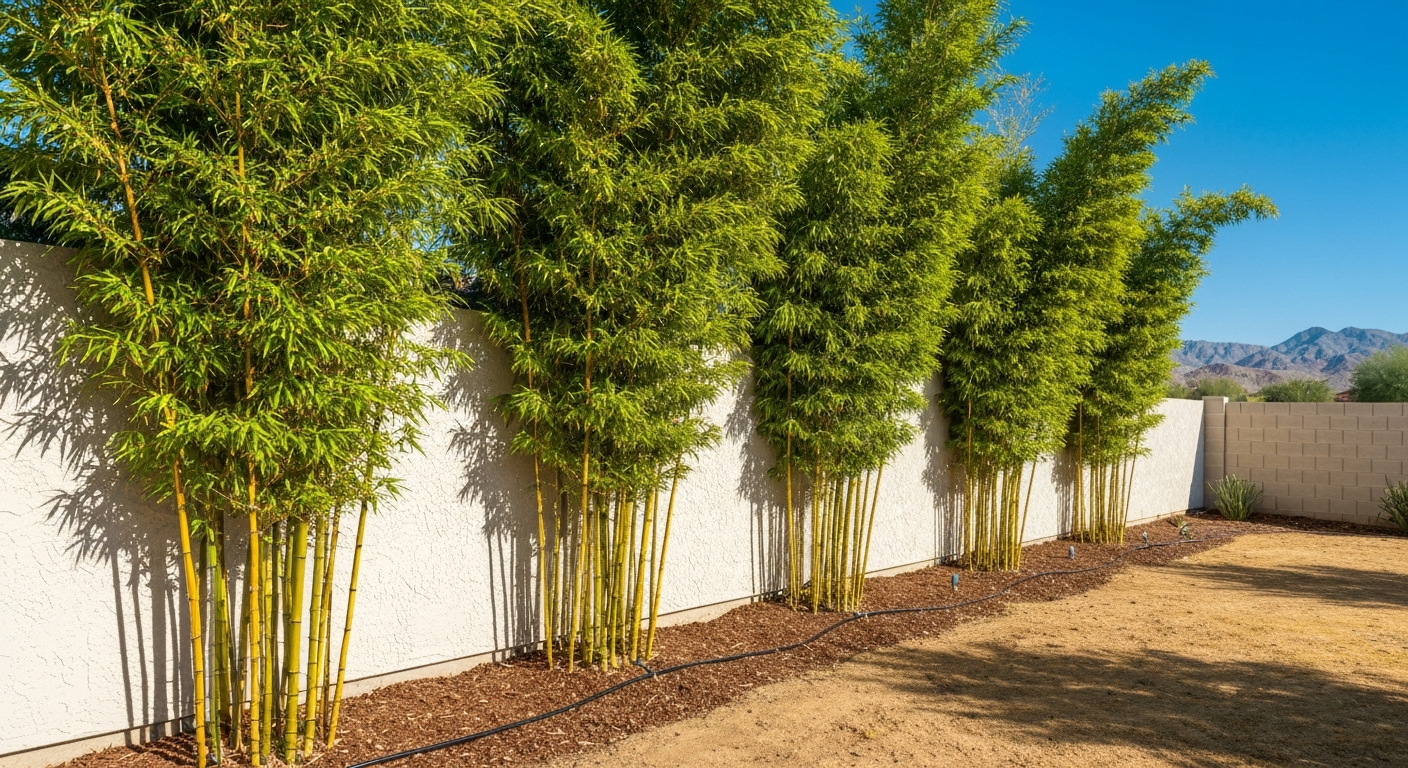
Yes, bamboo grows back after being cut, damaged, or even partially dug up, and it can come back aggressively. The Royal Horticultural Society notes that bamboo can resprout from any rhizome section that contains a node, even if the canes are cut. The key is whether the underground rhizome system survived. As long as living rhizomes remain in the soil, bamboo will push up new shoots, often within weeks during the growing season. If you're wondering about the biggest bamboo, it's typically about the largest species by height and culm size rather than how fast any bamboo regrows. The above-ground culms are essentially expendable; the real plant is underground. If you need to move bamboo in your garden, the key is to dig up enough of the rhizomes and minimize damage so it can keep growing can you move bamboo in grow a garden.
Does Bamboo Grow Back? Regrowth Guide for Home Gardens

What 'regrow' actually means for bamboo gardeners
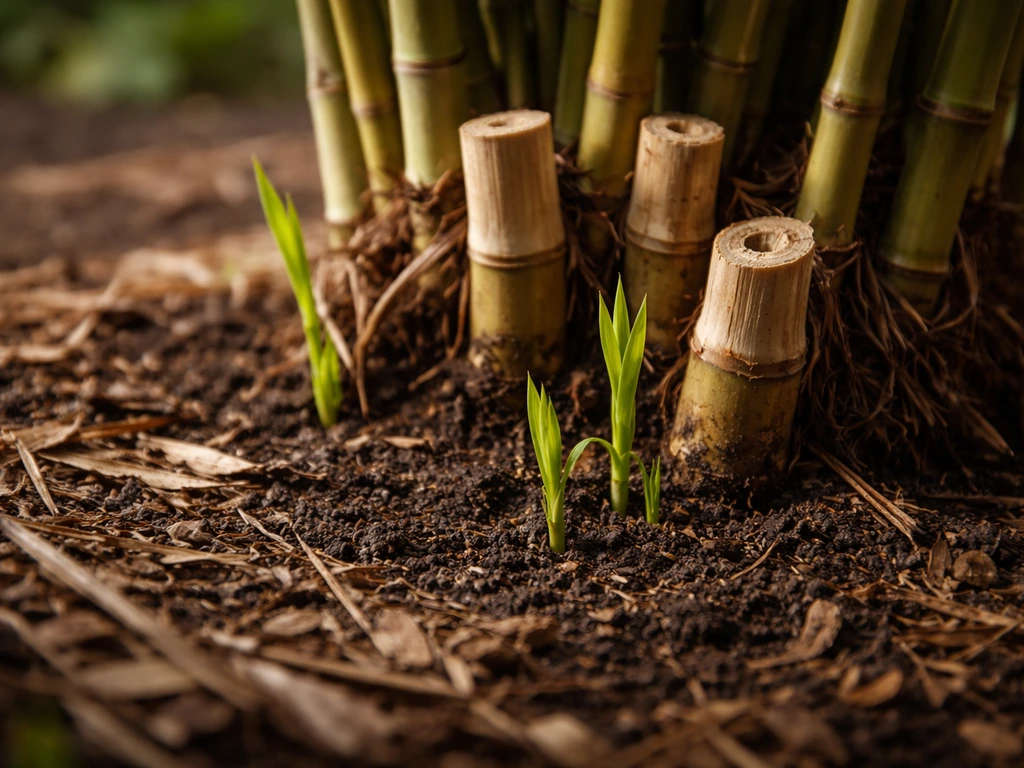
When gardeners ask whether bamboo grows back, they usually mean one of three things: cutting the canes down to the ground, accidental damage from weather or digging, or an attempted removal. This is not about a prickly fruit question, since bamboo is a grass plant and regrows from rhizomes rather than producing prickly fruits is bamboo a prickly fruit in grow a garden. These scenarios all have different outcomes, but they share the same underlying logic.
If you cut bamboo down to the ground, the rhizomes below are untouched and fully alive. They will absolutely produce new culms. This is so reliable that researchers studying bamboo control actually use the cut-and-wait method intentionally, letting bamboo regrow to about 3 feet tall before applying herbicide, because the regrowth is essentially guaranteed. If your bamboo was damaged by frost, a vehicle, or storm debris, the situation is similar: the above-ground damage is largely cosmetic from the plant's perspective. And if you tried to remove bamboo by digging, the outcome depends entirely on how thoroughly you got the rhizomes out. Leave even a small segment with a live bud and the plant will resprout.
Clumping vs running bamboo: regrowth is not the same for both
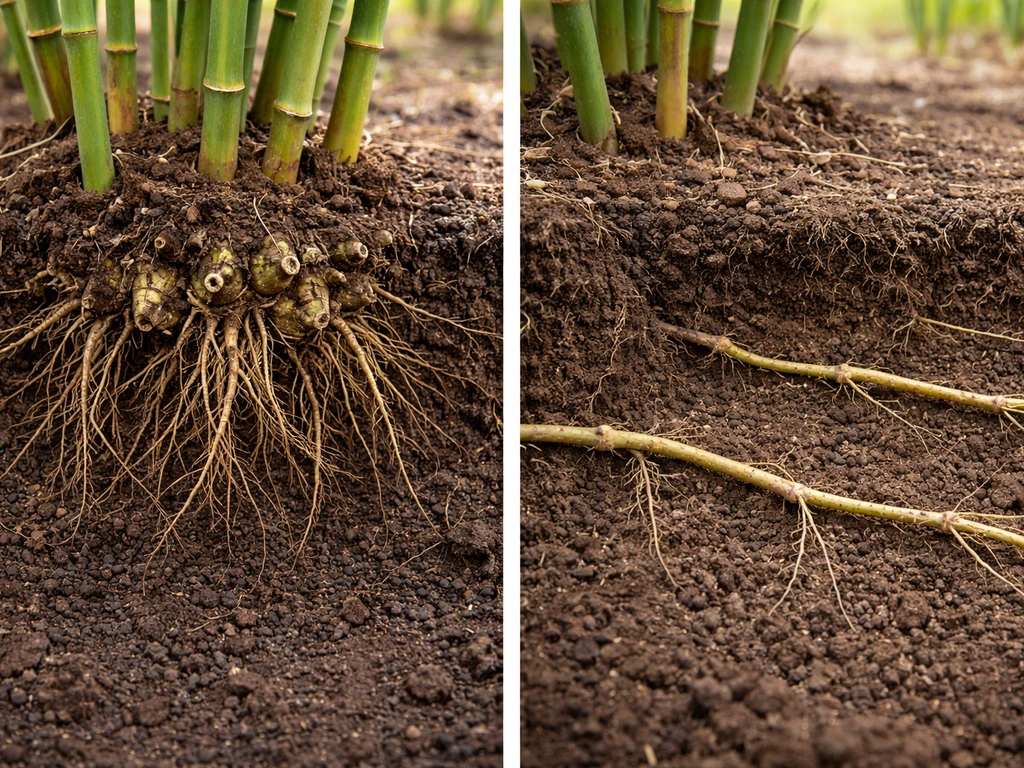
This distinction matters a lot when you're trying to predict what happens next in your garden.
Running bamboo has rhizomes that travel horizontally underground, sometimes several feet away from the parent plant, and they carry buds at every node along their length. Cut the above-ground canes and those underground runners are still out there, each one capable of sending up new shoots along its entire length. This is why running bamboo is famously hard to eradicate and why regrowth after cutting can appear in unexpected spots, not just where the original clump was.
Clumping bamboo behaves differently. Its rhizomes grow in a tight, slow-expanding clump rather than running sideways underground. If you cut a clumping bamboo down, new shoots will emerge from the existing root crown. If you dig out the crown cleanly, regrowth is much less likely. Clumping types are far more predictable to manage, and if you want to stop regrowth after removal, getting the root crown out is usually enough.
| Feature | Running Bamboo | Clumping Bamboo |
|---|---|---|
| Rhizome behavior | Spreads horizontally, can travel several feet | Stays tight to the parent crown |
| Regrowth after cutting | Very likely, often in new locations | Likely from the crown, stays in place |
| Regrowth after digging | Likely if any rhizome segment remains | Unlikely if crown is fully removed |
| Difficulty to stop regrowth | High — requires thorough rhizome removal | Lower — focus on the root crown |
| Regrowth spread pattern | Can appear far from original plant | Stays close to original location |
If you're not sure which type you have, look at the base of the plant. Running bamboo tends to have canes emerging from the ground in scattered, spread-out patterns. Clumping bamboo has canes that emerge in a tight, vase-shaped group from a single crown.
How to tell if your bamboo will come back
The fastest way to check is to dig a small test area near the base of your bamboo and look at the rhizomes. Healthy, living rhizomes are firm, yellowish to tan, and may show small visible buds at the nodes. Dead rhizomes are dark brown, soft or mushy, and hollow-feeling. If you find firm, pale rhizomes even a few inches from where you dug or cut, the plant is alive and will regrow.
Bamboo rhizomes sit shallow, typically less than a foot deep. That means you don't need to dig far to get a read on what's there. For running bamboo, check at the colony edges, since new young shoots often emerge there first. For clumping bamboo, focus your check at the base crown.
If you're waiting after a cut or cold damage event, expect visible new shoots to appear during the next natural shooting phase, which for most bamboos is spring through early summer. Don't write the plant off too quickly in March just because nothing has appeared yet. Most bamboos take weeks to a couple of months before new culms are visible above ground, especially if conditions are still cool.
Signs the rhizomes are alive
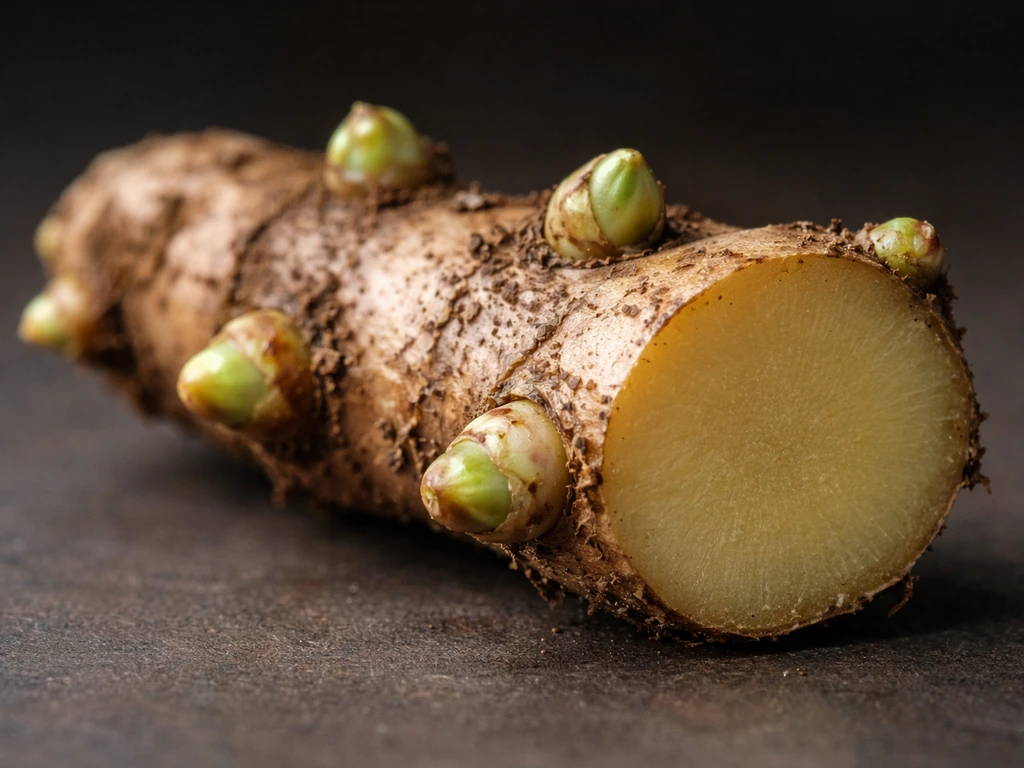
- Firm, yellowish or tan color when cut open
- Visible small buds at rhizome nodes
- Slight resistance when you try to pull them up (they're anchored and growing)
- New soil cracking or small shoot tips breaking the surface nearby
- Bright green coloring at the cut end of the rhizome
Signs the rhizomes are dead
- Dark brown to black coloring throughout
- Soft, mushy, or hollow texture when pressed or cut
- No visible buds at nodes
- Strong decomposition smell
- Rhizomes crumble or fall apart easily
How to encourage bamboo to regrow faster
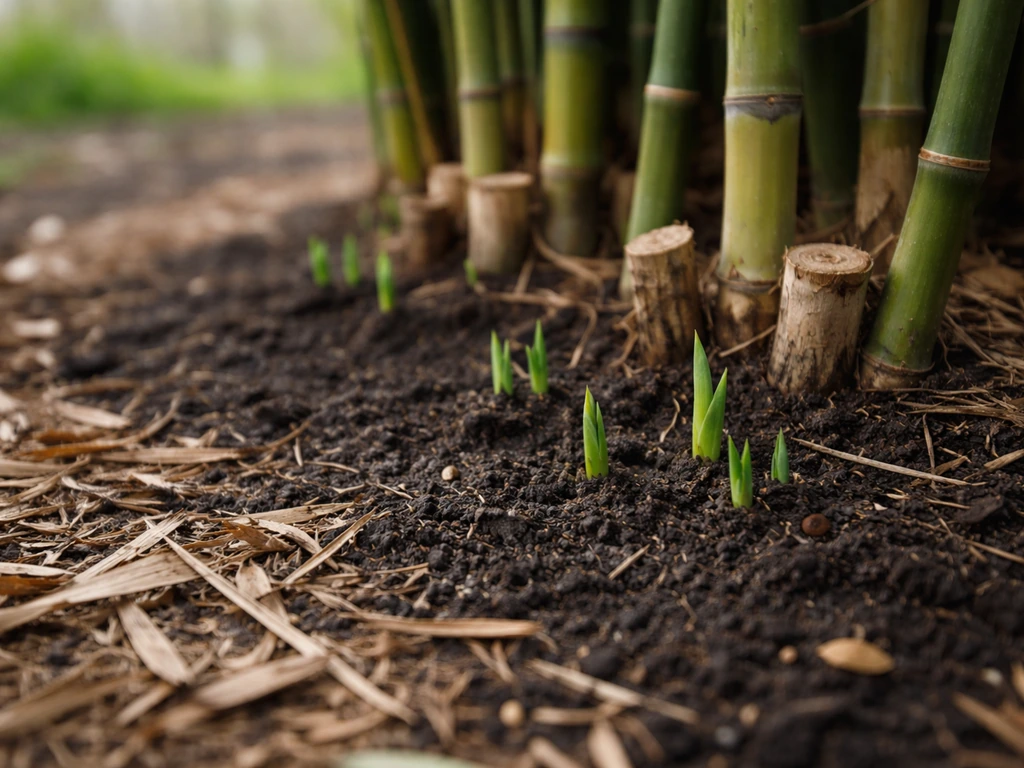
If your bamboo is alive underground and you want it to come back strong, a few practical steps will make a real difference.
Timing your cut
The best time to cut bamboo back if you want strong regrowth is late winter to early spring, just before the natural shooting season begins. The rhizomes are loaded with stored energy at this point and will redirect it immediately into new culm production. Cutting in late summer or fall is less ideal because the plant is winding down for dormancy and regrowth will be delayed until the following spring.
Watering after cutting
Consistent moisture is the single biggest factor in encouraging fast regrowth. In general, sprinklers can help with the consistent moisture bamboo needs after cutting, as long as you don't let the soil stay waterlogged. Bamboo rhizomes that dry out between cuttings are slow to resprout. Keep the soil moist but not waterlogged in the weeks following a cut, especially as soil temperatures warm into the 50s and 60s Fahrenheit. If you're in a dry climate like the Southwest, this means active irrigation rather than relying on rain.
Feeding the rhizomes
A nitrogen-rich fertilizer applied in early spring gives recovering bamboo a strong push. A balanced granular fertilizer with an NPK around 10-10-10, or one specifically formulated for grasses (bamboo is technically a grass), works well. Avoid heavy feeding immediately after cutting in fall, since you don't want to push tender new growth into a frost. Using Miracle-Gro like Miracle-Gro does not typically need to be your first choice for bamboo care, so make sure you feed the rhizomes carefully based on timing and the soil conditions Avoid heavy feeding immediately after cutting in fall. If you're using a general-purpose product, the same principles that apply to lawn care timing apply here.
Light
Bamboo needs good sun to regrow vigorously. Most species do best with at least 4 to 6 hours of direct sunlight daily. If you've cut back a bamboo growing in partial shade, regrowth will be slower and the new culms will be thinner than they would in full sun. This is worth knowing if your bamboo is under tree canopy, since improved regrowth may require addressing the light situation, not just the watering.
What actually stops bamboo from regrowing
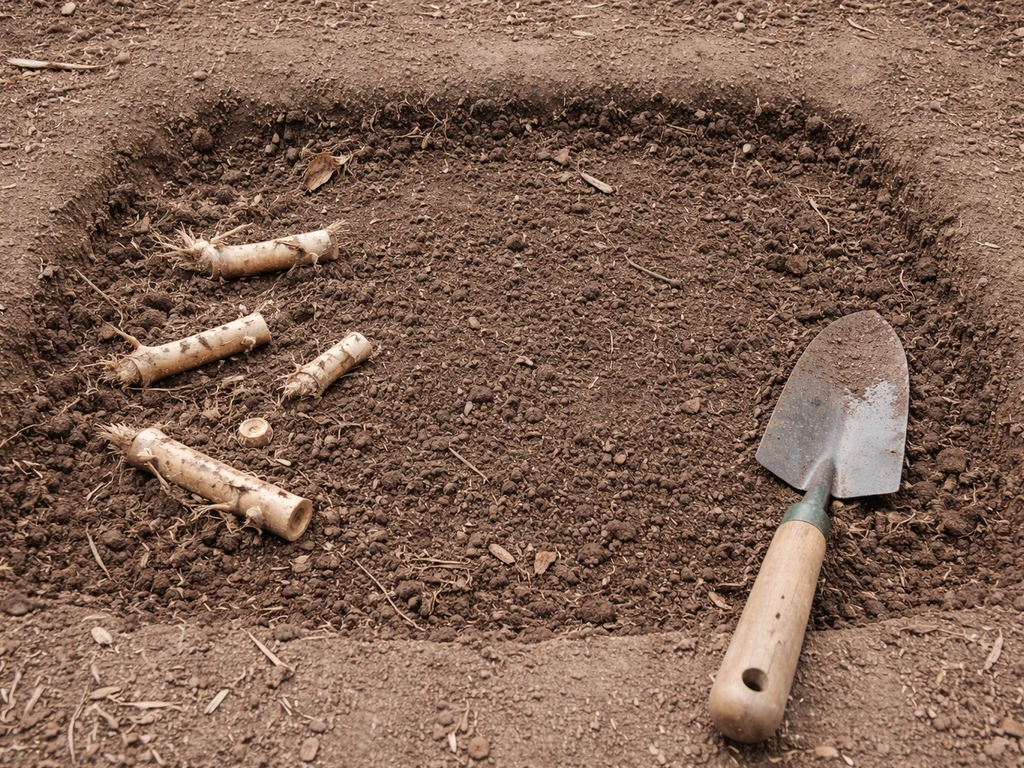
Bamboo is tough, but its regrowth can be stopped or severely delayed by a few specific conditions. Alabama Cooperative Extension System notes that containment by trenching can be a long-term option when full control cannot be accomplished, such as when shoots are growing from a neighbor’s planting containment by trenching is a long-term option.
- Complete rhizome removal: If you've physically dug out every rhizome segment, the plant has nothing to resprout from. This is harder to achieve with running bamboo (rhizomes can be 2 to 3 feet from the clump) than with clumping types.
- Rhizome death from freezing: Above-ground canes die in hard freezes, but the rhizomes usually survive. However, in extreme cold events below the species' cold hardiness threshold, even the shallow rhizomes (less than a foot deep) can freeze and die. A species rated for Zone 7 planted in Zone 5 may lose its rhizomes in a severe winter.
- Soil compaction or flooding: Severely compacted soil or standing water for extended periods can suffocate rhizomes. This is more of a factor in poorly drained clay soils.
- Herbicide applied to active regrowth: Systemic herbicides applied when bamboo has resprouted to 3 feet or more (and the leaves have expanded) can move through the plant into the rhizomes and kill them. This is actually the recommended control approach, but it explains why casual cutting alone never fully stops bamboo.
- Root damage from construction or utilities: Deep disturbance from trenching or machinery can physically shred rhizomes. Whether the plant survives depends on how much of the rhizome network was intact.
Regional and setup factors that affect regrowth
Where you live and how your bamboo is planted have a direct effect on whether and how fast it comes back.
Climate and cold hardiness
Many bamboo species are more cold-hardy than people expect. Some running bamboos tolerate USDA Hardiness Zone 5, meaning rhizome survival in winter temperatures down to around -20°F for the hardiest types. But this is species-dependent. A tropical clumping bamboo planted in Zone 6 or colder will likely lose its rhizomes in winter and won't come back. How rare a rainbow bamboo is depends on the specific cultivar, where it was sourced, and whether it is widely propagated in your area. If you're wondering whether bamboo is tropical in general, it depends on the species and your climate A tropical clumping bamboo. If you're in the Southeast, Pacific Northwest, or mild coastal regions, regrowth after any kind of cutting event is nearly certain. If you're in the upper Midwest or high-altitude areas, check the specific cold hardiness of your species before assuming the plant will bounce back after winter damage.
Ground vs container planting
Bamboo in the ground has the most regrowth potential because the rhizomes can spread and the plant has access to a larger soil volume with more consistent moisture and temperature buffering. Bamboo in containers is more vulnerable. Container soil freezes faster and more completely than ground soil, which puts rhizomes at greater risk in cold winters. If you cut back container bamboo, make sure the pot isn't sitting in a frost-exposed spot during recovery. Bringing containers into an unheated garage or shelter for the winter dramatically improves the chances that rhizomes will survive and resprout in spring.
Soil type
Well-draining, loamy soil gives bamboo the best conditions for fast regrowth. Heavy clay slows drainage and can waterlog rhizomes, while extremely sandy or nutrient-poor soil won't support vigorous new culm production. If you're trying to encourage regrowth in poor soil, amending with compost and adding a layer of mulch to conserve moisture will help more than almost any other intervention.
What to do right now if you want bamboo to come back
If it's spring and you've just cut your bamboo back, water consistently, add a nitrogen fertilizer, and be patient. New shoots typically appear within a few weeks in warm soil. If nothing appears by 6 to 8 weeks into the growing season, do a rhizome check by digging a small test spot near the original clump. Firm, pale rhizomes mean the plant is alive and just slow. Dark, mushy rhizomes mean it's gone. For running bamboo, check the edges of where the plant was spreading, since that's often where the first new shoots show up. And if you're managing bamboo spread, remember that cutting alone won't stop it: the rhizomes are the plant, and they'll keep producing new culms each shooting season unless the underground network is addressed directly.
FAQ
How long should I wait after cutting bamboo before I assume it’s not coming back?
If you cut bamboo canes, it can regrow from any surviving rhizome section, even if it looks “dead” above ground. To confirm, wait through the next normal shooting window (often spring to early summer), then do a small rhizome check. If you find firm, pale, yellowish-tan rhizomes with any visible node/bud areas, it will likely resprout even if nothing appears right away.
If I cut bamboo, can it come back in a different part of the yard?
Yes, running bamboo can re-sprout away from the original clump because its rhizomes spread horizontally and carry buds along the length. Expect the first new shoots most often at the colony edge where active runners are closer to the surface, so checking only the original “cut spot” can miss early regrowth.
Is it easier to stop regrowth with clumping bamboo or running bamboo?
Clumping bamboo is more predictable because its rhizomes expand in a tight crown. If you want the best chance of preventing resprouting, removing the crown cleanly (with as much rhizome mass attached as possible) matters more than cutting canes. For running bamboo, crown removal alone usually fails because runners remain deeper and farther out.
Will extra watering always help bamboo regrow faster?
Moisture affects speed, not survival by itself. Overwatering can backfire if it makes soil stay waterlogged, which can stress or rot rhizomes, especially in heavy clay. Aim for evenly moist soil that drains well, and avoid keeping the area constantly saturated after cutting.
If bamboo dies back in winter, does that always mean the roots are dead?
The cold tolerance you can rely on depends on the species and cultivar, and winter dieback does not always mean total death. Even when above-ground culms are lost, the rhizomes may survive if they were hardy to your winter lows. The safest approach is to perform a rhizome check after the coldest period and then reassess during the next shooting phase.
What’s different about regrowth if my bamboo is in a pot?
Container bamboo often regrows more slowly and is more vulnerable because container soil freezes faster. If you cut back a container plant, move the pot to an unheated but sheltered location (for example, a garage, shed, or sheltered corner) where it is protected from direct freeze winds and extremes. Keep the soil lightly moist, not soggy, over winter recovery.
Does the time of year I cut bamboo affect whether it regrows?
Yes. Cutting timing helps because rhizomes store energy that fuels the next shoot. Late winter to early spring tends to support faster regrowth than cutting in late summer or fall, when the plant is preparing for dormancy and can wait longer to send up new culms.
How much fertilizer should I use for bamboo regrowth after cutting?
Nitrogen can boost regrowth, but more is not better. Use a moderate, grass-appropriate fertilizer in early spring rather than heavy feeding, and avoid pushing tender growth right before cold weather. If you fertilize, pair it with consistent moisture so nutrients can move into the rhizome zone effectively.
How can I tell if bamboo is alive when it hasn’t sprouted yet?
You can’t reliably judge regrowth by how dry or prickly the canes look, since the plant lives underground. Instead, check the rhizome by digging a small spot near the base or (for running types) near the spread edge. Firm, pale rhizomes indicate survival, while dark, mushy rhizomes indicate death.
Will repeatedly cutting bamboo eventually stop it from spreading?
Cutting alone will not stop bamboo spread, because the rhizomes remain and can produce new culms each season. If you are trying to stop regrowth or control spread, you usually need to address the underground network directly (for example, by digging out rhizomes thoroughly, or installing an appropriate barrier and maintaining it).
Can Bamboo Grow in Las Vegas? Guide to Success in Desert
Yes, bamboo can grow in Las Vegas with the right species, irrigation, shade, and containment; step-by-step planting and保护