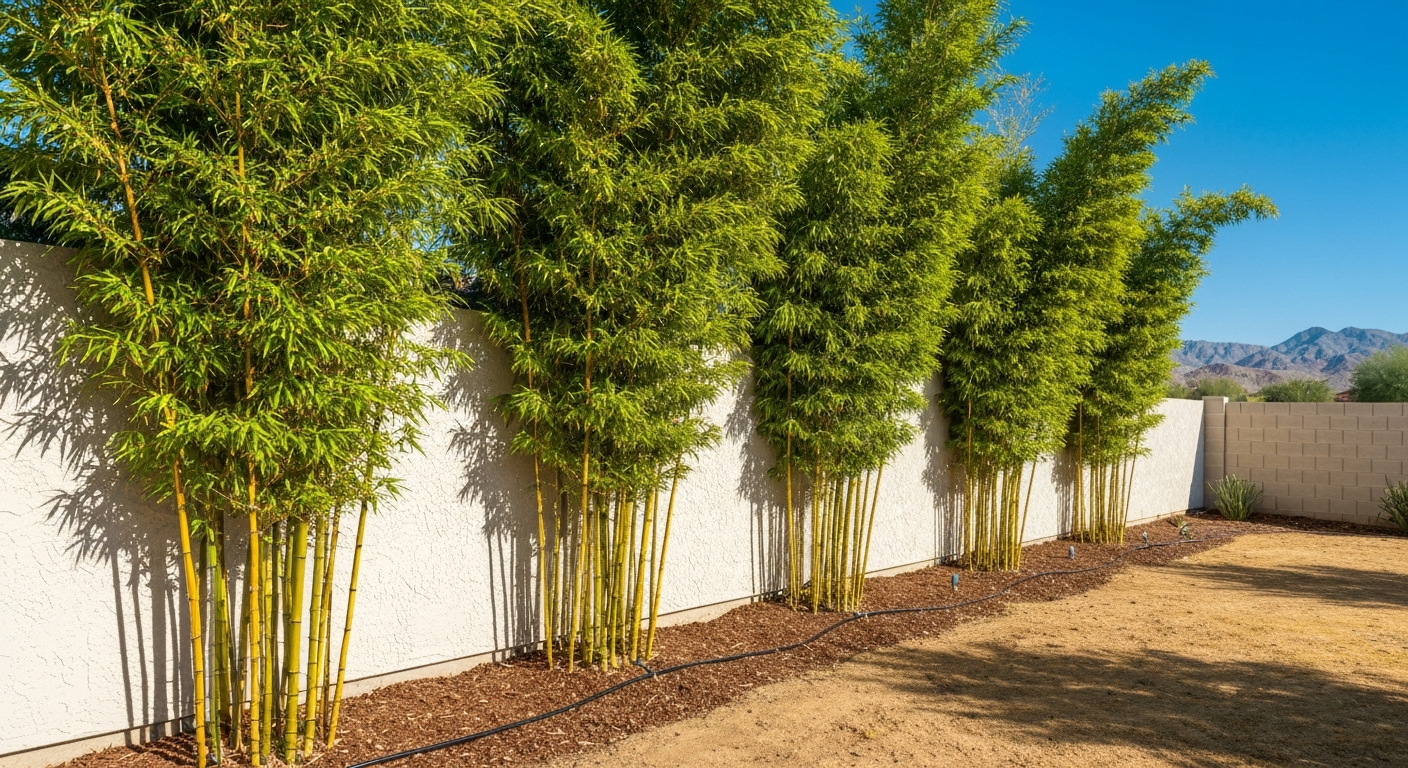
Cut bamboo can grow, but whether it actually will depends almost entirely on what part you cut and how you handle it. Because cutting bamboo does not automatically make it grow faster, the growth speed mainly depends on which part you cut and how you root and care for it Cut bamboo can grow. If you are asking will cut bamboo grow roots, the fastest way to improve your odds is to choose the right cutting type and prep it correctly before rooting. A section of culm (the above-ground stalk) with nodes has a fighting chance in the right conditions, but it's genuinely difficult to root and will take 2–4 months in soil or a few weeks in water if things go well. A piece of rhizome dug from the ground is a much safer bet and the method most propagators actually rely on. If you're holding a cut stalk right now wondering what to do, keep reading because the next 30 minutes matter a lot for your odds.
Will Cut Bamboo Grow Again? How to Re-Root It

What 'cut bamboo' usually means (and why it changes everything)
When people search for whether cut bamboo will grow, they're usually talking about one of three very different things, and the answer is different for each.
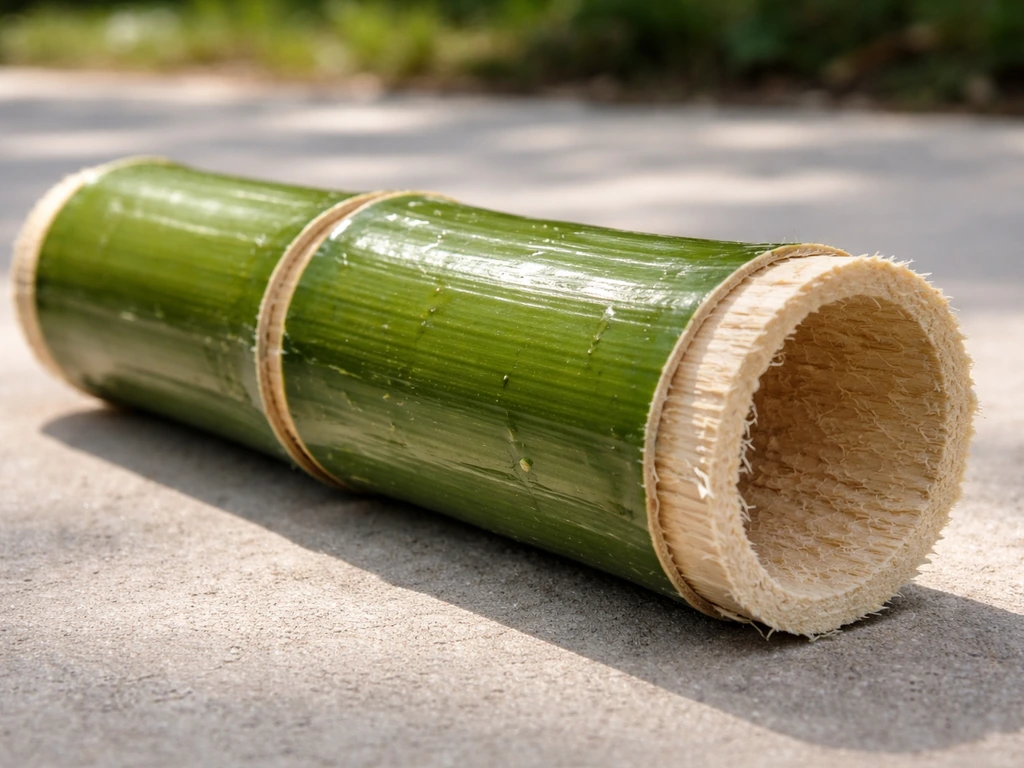
- Culm cuttings: A section of the above-ground stalk, cut from the main plant. This is what most people picture. The culm grows from underground rhizomes, so once it's separated, it has no root system of its own. It relies entirely on any nodes (the ring-like joints along the stalk) for producing new growth.
- Node-based cuttings: A culm segment deliberately cut to include one or more visible nodes/buds. This is the best version of a culm cutting. The node is where all the action happens, since buds at the node are the only potential source of new shoots and root formation.
- Rhizome divisions: A chunk of the underground stem dug up with attached root primordia and buds. This is structurally different from a culm cutting because it already has the foundational plumbing for producing roots and shoots. Rhizome division is traditionally the most reliable vegetative propagation method for bamboo.
Most beginners are working with culm cuttings, which is the hardest category to succeed with. Most professionals lean on rhizome divisions. Knowing which one you have tells you immediately what realistic success looks like.
Clumping vs running bamboo: which one roots more reliably from cuttings?
The two main types of bamboo, clumping (sympodial/pachymorph) and running (monopodial/leptomorph), behave differently underground, and that matters for propagation.
| Trait | Clumping Bamboo | Running Bamboo |
|---|---|---|
| Rhizome type | Pachymorph (short, curved) | Leptomorph (long, horizontal) |
| Rhizome division ease | Moderate — compact clumps, divisions are chunky | Easier to slice off segments of long rhizome |
| Culm cutting success | Lower — species like Bambusa and Dendrocalamus are notoriously harder to root from culm segments | Slightly better odds with some species, but still variable |
| Spread after transplant | Slow, dense, compact root system — easier to manage in a garden | Fast-spreading — needs containment planning before you plant |
| Best propagation method | Rhizome offsets/divisions or branch cuttings for some species | Rhizome sections or divisions |
The honest bottom line: if you have a clumping type like Bambusa or Dendrocalamus, culm cutting propagation is genuinely difficult and your success rate without professional facilities is modest at best. Running types like Phyllostachys give you slightly better odds from culm segments, but rhizome division still beats stem cuttings for both. If you're trying to root a cut stalk from a lucky bamboo (Dracaena sanderiana), that's actually not a true bamboo at all and is much easier to root in water, a completely different situation.
Water vs soil rooting: which to use and how to set it up today
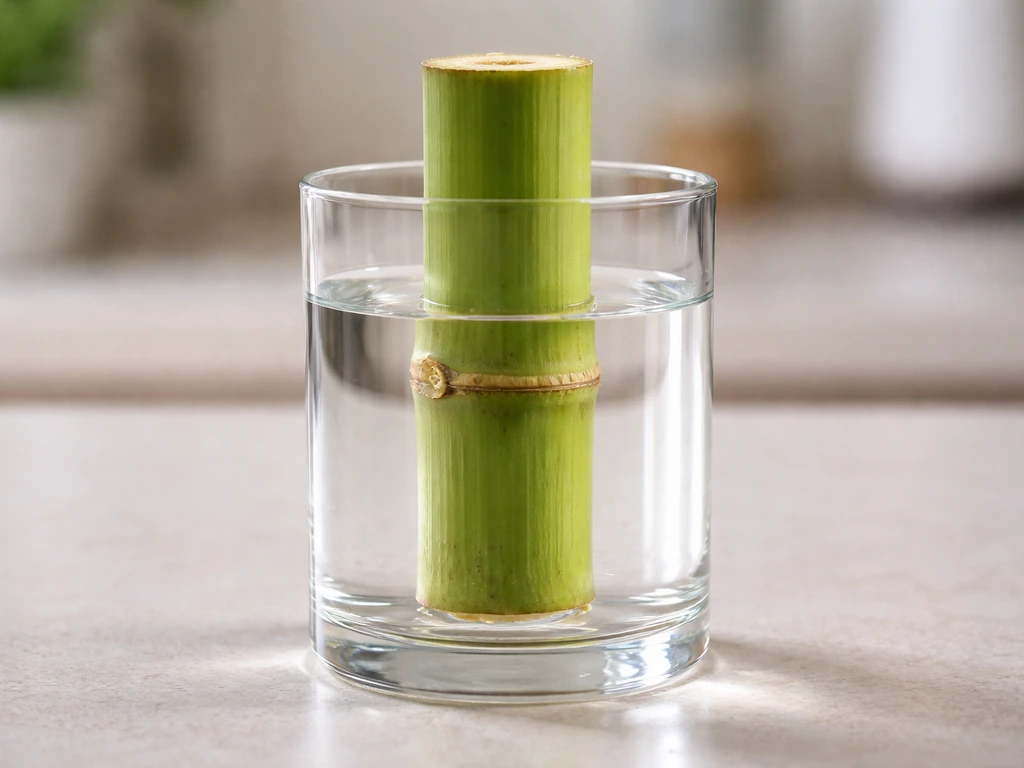
You have two realistic options for rooting a culm cutting at home: water or a moist potting medium. Root setting auxin-type hormones such as IBA and NAA are used for vegetative propagation, and FAO provides typical working strengths for IBA/NAA in the roughly 20 to 200 ppm range auxin-type root setting hormones. Here's how they compare and step-by-step instructions for each.
Water rooting method
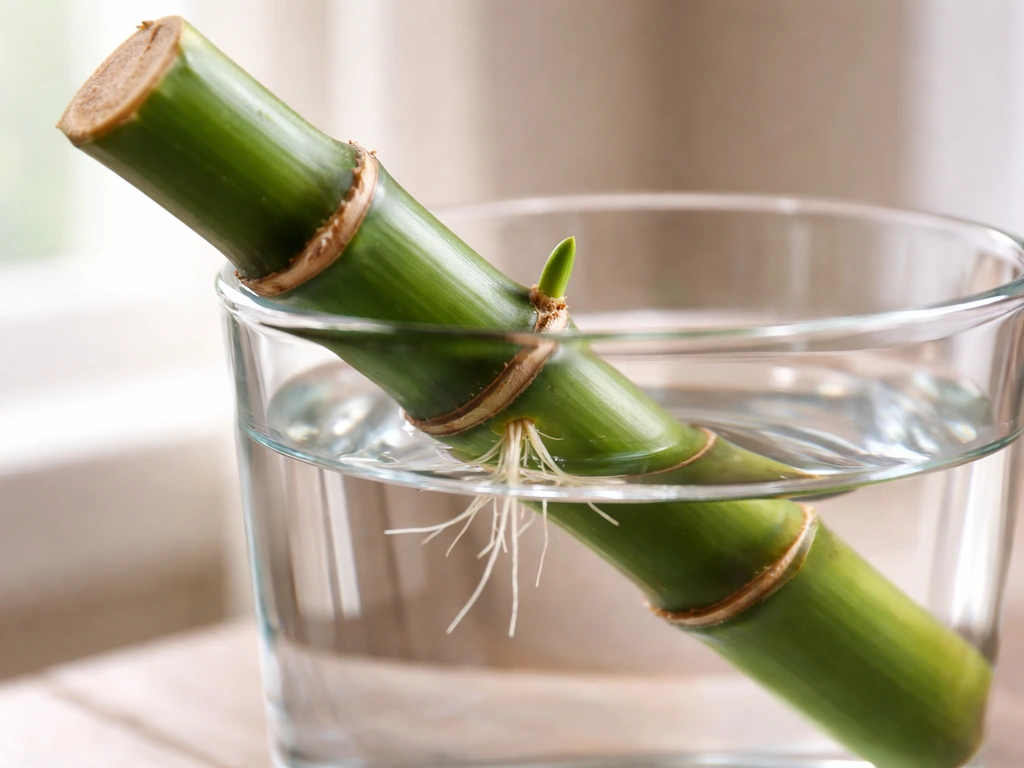
Water rooting is accessible and lets you monitor root development directly. Under good conditions, you may see roots in as little as 2–4 weeks. The temperature sweet spot is 65–80°F (18–27°C), and you want indirect light, not direct sun, which dries the cutting out fast.
- Select a culm segment with at least one node (two nodes is better). Aim for a piece that's 6–12 inches long.
- Make clean cuts — use a sharp, clean blade. Ragged cuts invite rot immediately.
- Seal the top cut end with wax (a candle works) or wrap it with moist cloth to reduce moisture loss.
- Fill a clean jar or container with room-temperature water. Change the water every 2–3 days to prevent bacterial buildup.
- Place the cutting so the bottom node is submerged at least an inch below the water surface. Keep any leaf nodes above water.
- Set it in a warm spot (65–80°F) with bright indirect light. Avoid air conditioning vents or drafts.
- Check weekly for small white root nubs emerging from the submerged node. Once roots are 1–2 inches long, it's ready to transition to soil.
Soil/medium rooting method
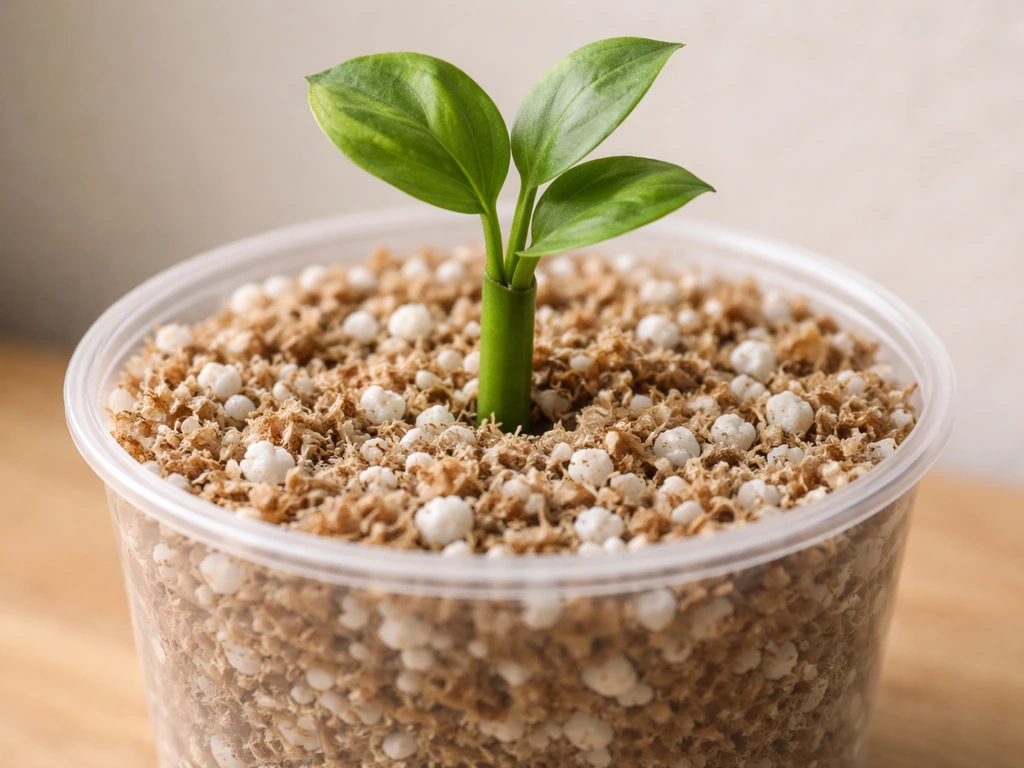
Rooting in a moist substrate more closely mimics natural conditions and tends to produce stronger roots, though it's harder to monitor. Expect 2–4 months before roots develop, especially in cooler conditions. April through early summer is the best window for this method.
- Prepare a free-draining but moisture-retentive mix: a 50/50 blend of coarse perlite and coconut coir or peat works well.
- Take a 2-node culm segment. Seal the top cut with wax. You can optionally dip the bottom cut end in IBA rooting hormone (200 ppm solution or standard rooting powder) for 4–6 hours before planting.
- Bury the cutting so the lower node is at or just below the substrate surface. The upper node should remain above the medium.
- Surround the cutting with moist substrate and pack lightly. You can also lay the culm segment horizontally just below the surface — this is a valid alternative approach used in field propagation.
- Wrap the container loosely in clear plastic or place it in a humidity tent to retain moisture. This mimics the moist gunny-bag technique used in professional bamboo propagation.
- Place in filtered light at 65–80°F. Check substrate moisture every few days — it should be damp but not soggy.
- After 8–10 weeks, gently tug the cutting. Resistance means roots are forming. Wait for visible new buds or shoots before disturbing further.
How to prepare your cuttings for the best shot at rooting
Preparation is where most people lose the battle before it even starts. Bamboo desiccates quickly once cut, and the window between cutting and setting is shorter than most people realize.
- Nodes are non-negotiable: Every useful cutting must include at least one intact node. There is no meaningful rooting potential in a section of bamboo between nodes. Use segments with 1–3 nodes — 2 nodes per segment is the standard in most propagation manuals.
- Timing matters: April into early summer is the best time for culm cutting propagation in most climates. Cold or dormant-season cuttings have much lower odds. If you're reading this in May 2026, you're in a reasonable window for temperate and subtropical zones.
- Cut cleanly and immediately: Use a sharp, sanitized blade (wipe with rubbing alcohol or diluted bleach). Cut on an angle just above a node at the top and just below a node at the bottom.
- Seal cut ends fast: Wax, petroleum jelly, or even a wrap of moist cloth prevents rapid moisture loss from the exposed tissue. Bamboo wilts and dries out dramatically faster than most woody plants.
- Rooting hormone is optional but helpful: IBA (indole-3-butyric acid) at around 200 ppm or a standard rooting powder applied to the basal cut end improves odds for difficult species. Some propagators skip it during warm pre-monsoon conditions and still get acceptable results.
- Keep freshly cut rhizome material covered: If you're working with a rhizome division, wrap it in a wet cloth or wet burlap immediately. Rhizome tissue exposed to air for even 20–30 minutes in dry conditions can lose viability.
What to realistically expect: timelines and signs of success
One of the most common frustrations with bamboo propagation is expecting fast results and abandoning cuttings that were actually still viable. Here's what a realistic timeline looks like.
| Method | First Signs of Life | Roots Usable for Transplant | Notes |
|---|---|---|---|
| Water rooting (culm cutting) | 2–4 weeks | 4–8 weeks | Warm temps and clean water critical |
| Soil/medium rooting (culm cutting) | 4–8 weeks (callus) | 2–4 months | April start ideal; don't rush transplant |
| Rhizome division | 1–3 weeks (new shoots) | 4–8 weeks (established) | Most reliable; shoot emergence is a good sign |
| Lucky bamboo (Dracaena) in water | 1–3 weeks | 3–5 weeks | Not a true bamboo — much easier to root |
Success signs to watch for: small white root nubs emerging from nodes in water, resistance when you gently tug a soil-rooted cutting, new bud swell or tiny shoot emergence at a node, and leaves that stay green and reasonably firm (not yellowing or wilting dramatically). If you see a new shoot pushing out from a node, that's a very good sign, it means stored energy is being used and the cutting is alive.
Failure signs: black or mushy tissue at the cut base, a sour or rotten smell from the water container, leaves that yellow rapidly and drop within the first two weeks with no improvement, and no resistance at all when you tug after 10–12 weeks in soil.
Troubleshooting: rot, no roots, stressed leaves, and when to quit
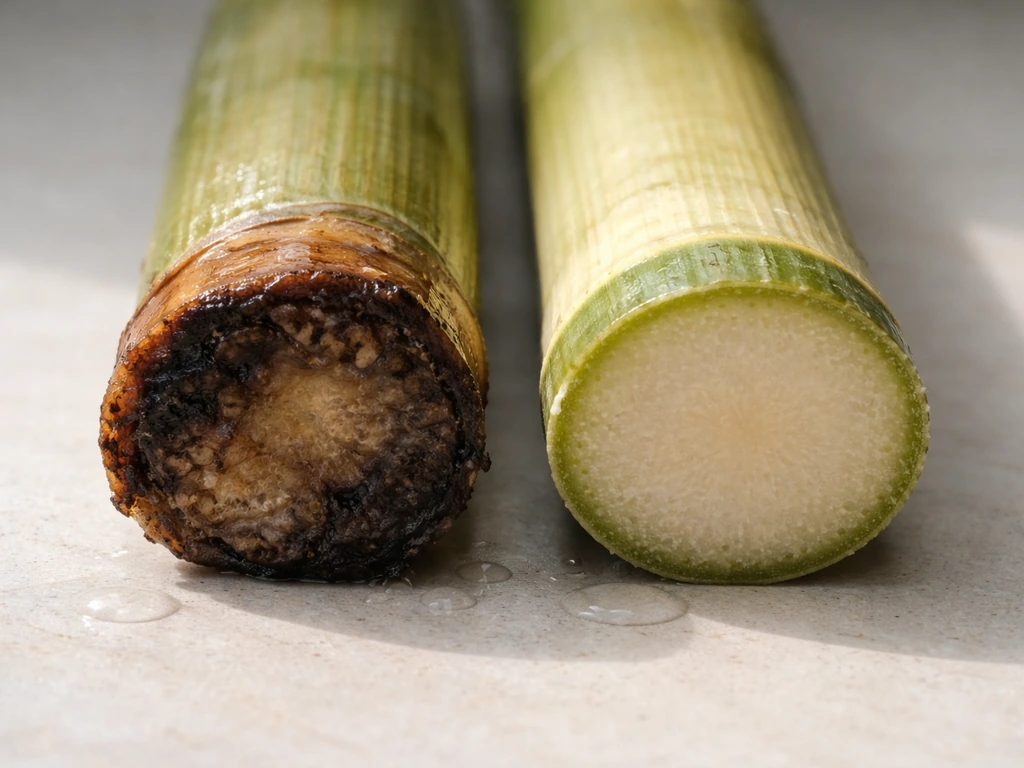
Rot at the cut base
Rot is the number-one killer of bamboo cuttings. It usually comes from two sources: contaminated water that wasn't changed often enough, or a substrate that's too wet and poorly aerated. If you catch soft brown rot early in a water setup, remove the cutting, trim off the rotted section with a clean blade, let it air dry for 30 minutes, and restart in fresh water. If the rot has spread past the lowest node, that cutting is done. In soil, rot prevention comes down to the mix, if it holds too much water, add more perlite. Never use garden soil straight from the ground for cuttings.
No roots after many weeks
If you're past 8 weeks in water with nothing, the cutting has likely exhausted its stored resources without being able to initiate rooting. If your cuttings are failing to root, it can help to understand how bamboo behaves when no true rhizome or root system is present, because can bamboo grow without roots? is a common point people run into during troubleshooting. This is more common with older culm material (from mature plants that have hardened off) or with cuts taken from sections between nodes with no viable bud tissue. For soil-rooted segments, give it the full 2–4 months before writing it off. Some cuttings form a callus first (a corky, pale tissue at the base) before roots push through, that's actually a good intermediate sign.
Yellowing or dropping leaves
Some leaf yellowing and drop in the first 1–2 weeks is normal. The cutting has no roots to move water, so it sheds some leaf area to reduce transpiration load. This is why keeping humidity high (via a plastic bag tent or humid room) during rooting is so important, it reduces the moisture demand on a rootless cutting. If yellowing is rapid and total within the first week, it's a sign the cutting got too dry or too hot. Manage humidity first, and don't place cuttings in direct sun.
When to stop trying
Stop if: the base tissue is mushy and black past the lowest node, the cutting has gone limp and hollow-feeling, or you're past 4 months in soil with zero resistance on a tug test and no visible buds. Not every cutting will root, bamboo propagation from culm segments has a genuinely variable success rate even under professional conditions. If you need reliable results, shift your effort toward rhizome division or sourcing a nursery start.
Getting rooted bamboo established indoors and outdoors
Once you have roots and a new shoot, the cutting is fragile in a different way. Transitioning it into its permanent home is where a lot of people lose cuttings they worked hard to root.
Transplanting basics
When roots are 2–3 inches long (for water-rooted cuttings) or the cutting shows clear new shoot development (for soil-rooted), it's ready to move up. Transition water-rooted cuttings to a moist, well-draining potting mix rather than going directly to outdoor garden soil, they need a gradual adjustment period. Use a pot that's only slightly larger than the root mass to start. Bamboo in a too-large pot with too much wet soil around a small root system tends to rot at the rhizome.
Indoors vs outdoors
For indoor bamboo, bright indirect light, consistent temperatures between 60–80°F, and adequate humidity (above 50%) are the keys. Avoid placing bamboo near heating vents or air conditioners. Use a well-draining potting mix and water when the top inch of soil is dry. Most temperate bamboo species prefer outdoor conditions long-term and won't thrive as permanent houseplants, but clumping types like some Bambusa species tolerate containers well.
For outdoor planting, match the bamboo to your climate honestly. Most hardy running bamboos (Phyllostachys species) handle USDA zones 5–9 and prefer loamy, slightly acidic soil (pH 5.5–7.0) with good drainage. Tropical clumping species like Dendrocalamus need warmth year-round and won't survive a hard frost. Before you plant running bamboo outdoors, install a rhizome barrier, thick HDPE plastic sheeting buried 24–30 inches deep, unless you want it to spread aggressively. Clumping bamboos spread slowly with dense, compact root systems and are far easier to manage in a garden bed without containment.
The first growing season after transplant
Newly rooted bamboo from a cutting is not the same as a nursery-grown plant with an established rhizome system. Expect slow growth in year one as the rhizome network develops underground. Don't be alarmed if you see few or no new culms the first season, the plant is building its base. Keep the soil consistently moist but not waterlogged, mulch heavily to retain soil moisture and moderate temperature, and hold off on heavy fertilizer until new growth confirms the plant is actively establishing. A balanced slow-release fertilizer in spring once the plant is clearly growing is plenty.
It's also worth knowing that successfully rooting a cutting is just the first chapter. Questions like whether cut bamboo will grow back after harvesting, whether chipped bamboo material can sprout, and how to get bamboo growing without any existing root structure at all are all related puzzles that come up once you start working with bamboo seriously. The propagation rabbit hole goes deep, but starting with a good cutting and the right method gets you the most traction the fastest.
FAQ
Will cut bamboo grow if I use a section with no visible nodes (or mostly smooth stalk)?
Yes, but only if the piece still has viable nodes and bud tissue. If the cutting is just a mid-culm section between nodes with no viable buds, it usually fails even under ideal water or substrate conditions. When in doubt, choose segments that include at least one clear node and keep the cutting labeled so you do not lose orientation.
What temperature range gives the best odds for will cut bamboo grow (roots and shoots)?
Temperature matters more than fertilizer during rooting. Aim for 65–80°F (18–27°C), use indirect light, and avoid hot windows that spike container temperature. If you cannot control temperature, expect slower root initiation and give the cutting more time before discarding.
How often should I change the water when rooting cut bamboo?
For water rooting, change the water often enough to prevent buildup, especially after the first week. Stale, oxygen-poor water is a common cause of rot, even when the cutting otherwise looks healthy. Rinse the container and refill with fresh water rather than topping off.
Can I root cut bamboo directly in garden soil or heavy topsoil?
Do not use garden soil straight from the ground. Use a sterile, well-draining potting mix and, if you notice the mix stays wet for days, increase aeration with more perlite. Heavy, poorly aerated mixes raise rot risk, which is the number-one failure point.
What should I do if my bamboo cutting starts turning brown or getting mushy at the base?
If you see mushy, black base tissue, treat it as a failure unless you can still salvage above the lowest node. Trim with a clean blade to remove all soft rot, air-dry briefly, then restart in fresh, clean water. If rot has moved past the lowest viable node, the cutting typically cannot recover.
Will cut bamboo grow if the culm piece is from an older, mature plant section?
Mature, hardened-off culm material is much less forgiving. If the cutting is from an older portion of the plant, root initiation may take longer or never happen, so switch to rhizome division if you need reliable results.
Can I store a cut bamboo segment before rooting it, and how long is safe?
You can, and it can help because bamboo desiccates quickly. The main caveat is that you must keep the node/bud end viable, and you should not store it wet and sealed for long periods because that can encourage rot. Wrap loosely and refrigerate short-term, then start rooting as soon as possible.
When should I start fertilizing after I get roots or a new shoot from a cut bamboo?
Do not fertilize during rooting. At the stage when the cutting has little to no roots, fertilizer increases stress and can worsen rot. Use fertilizer only after you see active new growth and a healthy root system, then keep it light (especially indoors).
Does humidity really matter for will cut bamboo grow, or is it mainly about water and time?
If your cutting is rootless or has only callus, high humidity reduces leaf loss by lowering transpiration. A plastic bag tent (with some ventilation) can help, but direct sun will overheat the tent and kill tissue, so keep it in bright indirect light.
When is the right time to move rooted bamboo from water into potting mix or outdoors?
For water-rooted cuttings, moving to a permanent mix too soon can cause collapse, even if roots look small. A safe rule from the article is to transplant when roots are about 2–3 inches long, or when soil-rooted pieces show clear new shoot development.
How can I tell the difference between a slow-to-root cutting and a dead one?
A cutting can stay green initially, then fail later if the mix is too wet, temperatures swing, or the cutting dries out. Use a tug or resistance check only as a complement to visual signs, and keep rooting through the expected timeline (weeks in water, up to months in soil) before declaring it dead.
After I get a successful root and shoot, will my cut bamboo grow back quickly, or is slow year-one growth normal?
It may, but year-one growth can be slow because the underground system is still building. You may see few or no new culms the first season even after successful rooting, which is normal as long as the plant is not declining.
Can Bamboo Grow in Las Vegas? Guide to Success in Desert
Yes, bamboo can grow in Las Vegas with the right species, irrigation, shade, and containment; step-by-step planting and保护