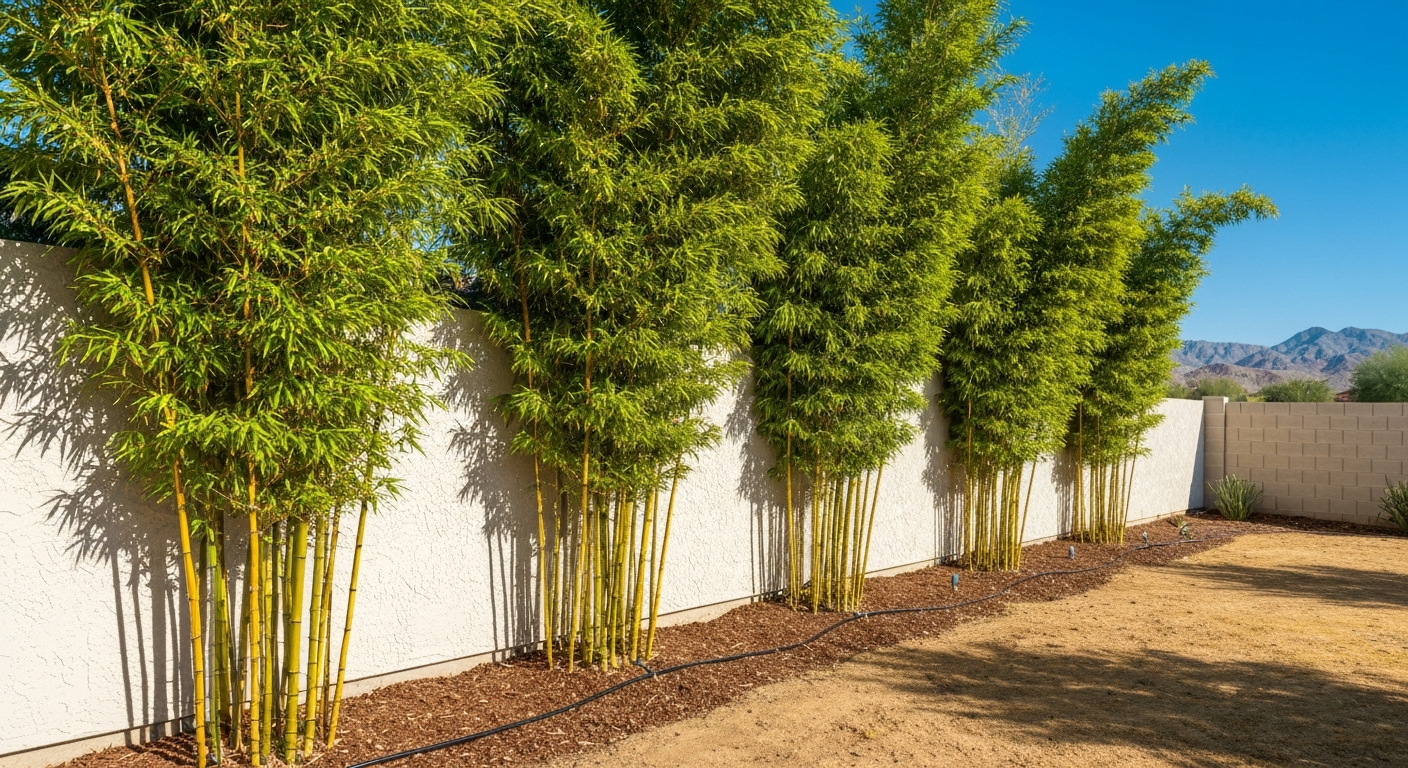
Yes, bamboo grows in Africa, including South Africa. Africa has two indigenous bamboo species, and several introduced species have been successfully grown across the continent for decades. South Africa, in particular, has its own native bamboo (Bergbambos tessellata) that grows wild in the Drakensberg mountains, and at least one introduced giant bamboo species (Bambusa balcooa) that has been naturalized in the country since the 1600s. If you're trying to grow bamboo yourself in Africa or South Africa, you absolutely can, the key is picking the right species for your climate zone. Bamboo can grow in China in regions that provide the right climate and soil conditions.
Does Bamboo Grow in Africa and South Africa? Guide
Marcus Hartwell
26 Apr 2026
Bamboo in Africa: What's Actually Growing There
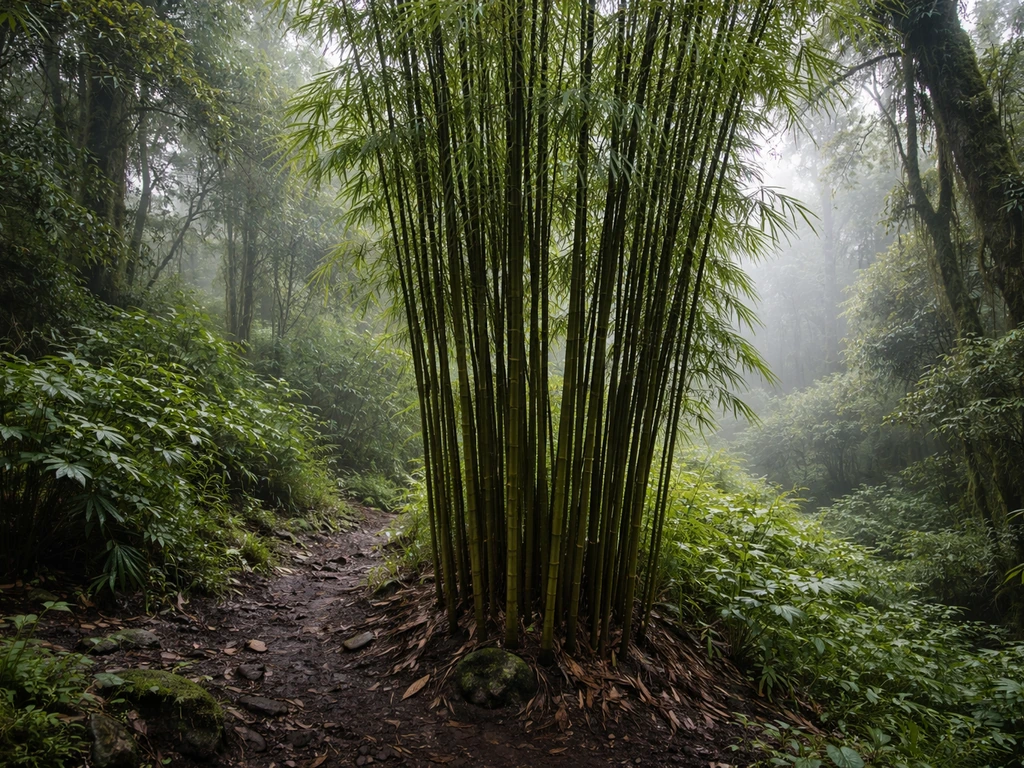
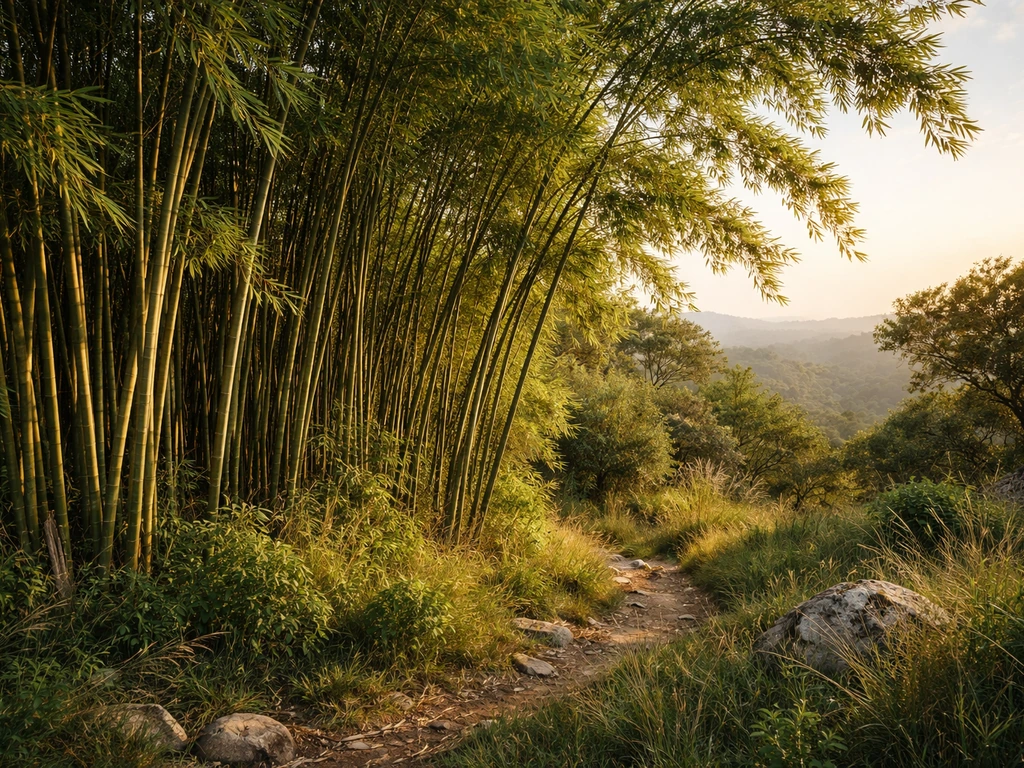
Africa is not a bamboo desert. The continent has native bamboo in Ethiopia (highland bamboo, Oldeania alpina), along the Congo basin, and in East Africa's montane forests. South Africa sits at the southern tip of all this and has a slightly different story: it has one indigenous bamboo species, Bergbambos tessellata, also called Thamnocalamus tessellatus or South African mountain bamboo. This is a clumping bamboo native to the Eastern Cape, KwaZulu-Natal Drakensberg, Lesotho, and Free State, confirmed by SANBI (South African National Biodiversity Institute) and documented in recent academic records as far north as Limpopo.
Then there's Bambusa balcooa, a giant tropical clumping bamboo that the Dutch East India Company reportedly introduced to South Africa back in 1653. That species has since naturalized, meaning it grows and spreads on its own in suitable parts of the country without much human help. Both of these examples confirm one thing clearly: bamboo is not foreign to African soil. It grows there naturally and has for centuries.
How Climate Determines Whether Bamboo Will Thrive
Africa spans so many climate zones that you can't give a single answer for the whole continent. Tropical zones in Central and East Africa, high rainfall, warm temperatures year-round, good humidity, are ideal for tropical clumping bamboos. But South Africa is more complex. The Western Cape has a Mediterranean climate with dry summers and wet winters, which is not bamboo's preferred setup. The Eastern Cape and KwaZulu-Natal are warmer and wetter, which is why that's exactly where Bergbambos tessellata grows wild. The Highveld (Gauteng, Free State) gets summer rain but also cold winters with frost, sometimes down to -5°C or lower, which eliminates many tropical species but suits cold-tolerant clumpers and some temperate bamboos.
The biggest climate factors to assess before planting are frost frequency and duration, annual rainfall (or irrigation availability), and summer heat. Most running bamboos from Asia tolerate frost down to around -10°C to -20°C depending on species, but they also need adequate summer moisture to put on their best growth. Tropical clumping bamboos like Bambusa species prefer temperatures above 5°C year-round and struggle if hard frosts hit their culms. Think of it similarly to how bamboo behaves in Japan's varied climates, hardy mountain bamboos in the alpine regions versus lush tropical-leaning species in the warmer lowlands. Same principle applies across South Africa's regions.
Best Bamboo Types for African and South African Conditions
Choosing the right species is where most beginners go wrong. There's no single best bamboo for all of Africa. You need to match the species to your specific climate zone.
| Species | Type | Best For | Frost Tolerance | Notes |
|---|---|---|---|---|
| Bergbambos tessellata | Clumping (indigenous) | KwaZulu-Natal, Eastern Cape, Drakensberg foothills | Moderate (handles highland cold) | Only truly indigenous South African bamboo; slow-growing but tough |
| Bambusa balcooa | Clumping (tropical) | Warmer coastal and subtropical zones (KZN coast, Limpopo) | Low (above 5°C preferred) | Naturalized in SA since 1653; large and fast-growing |
| Bambusa oldhamii | Clumping (tropical) | Warm coastal regions, frost-free gardens | Low to moderate | One of the most popular giant timber bamboos globally |
| Phyllostachys aurea (Golden bamboo) | Running (temperate) | Highveld, Western Cape, cooler inland areas | High (to around -15°C) | Running type — needs rhizome containment |
| Phyllostachys nigra (Black bamboo) | Running (temperate) | Cooler inland areas, higher altitude gardens | High (to around -15°C) | Ornamental favorite; vigorous once established |
| Fargesia species | Clumping (temperate) | High-altitude and cooler highland zones | Very high (to -20°C) | Non-invasive, perfect for mountain gardens |
If you're in coastal KwaZulu-Natal or Limpopo, you have the widest options, go with Bambusa species for fast growth or Bergbambos tessellata if you want to grow something with genuine local roots. In Gauteng or the Highveld, stick to Phyllostachys or Fargesia species that can take frost. In the Western Cape, Phyllostachys works in most gardens, but you'll need to irrigate through the dry summer months because bamboo does not like drought stress during its active growing season.
Site Prep and Planting: In-Ground vs Containers
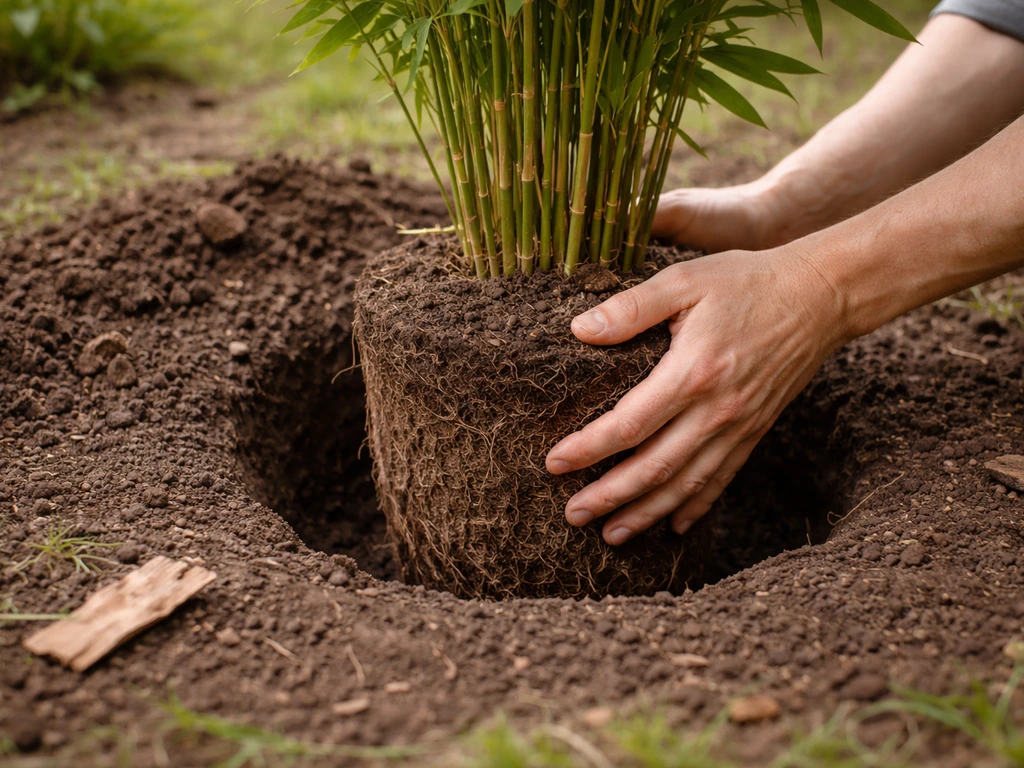
Preparing your site
Bamboo is not fussy about soil texture, it grows in sandy soil, clay-loam, and everything in between, but it does want good drainage and a pH somewhere between 5.5 and 7.0. Waterlogged roots will rot. Before planting, dig through any compacted layers, work in compost or aged manure, and check that rainwater doesn't pool on the site after heavy rain. In South Africa's summer-rainfall regions, soggy spots after summer storms are the number one killer of new plantings.
In-ground planting
For permanent in-ground planting, dig a hole roughly twice the width of the root ball and the same depth. Place the plant so the base of the culms sits at ground level, not deeper. Backfill with a mix of your native soil and compost (roughly 50/50 for poor soils), water in well, and mulch heavily with straw or wood chips to retain moisture and protect the root zone through the first dry season. Spacing depends on the species: clumping bamboos can be planted 2 to 3 meters apart for a privacy screen effect within 3 to 5 years; running types need more space and rhizome management (more on that below).
Container growing
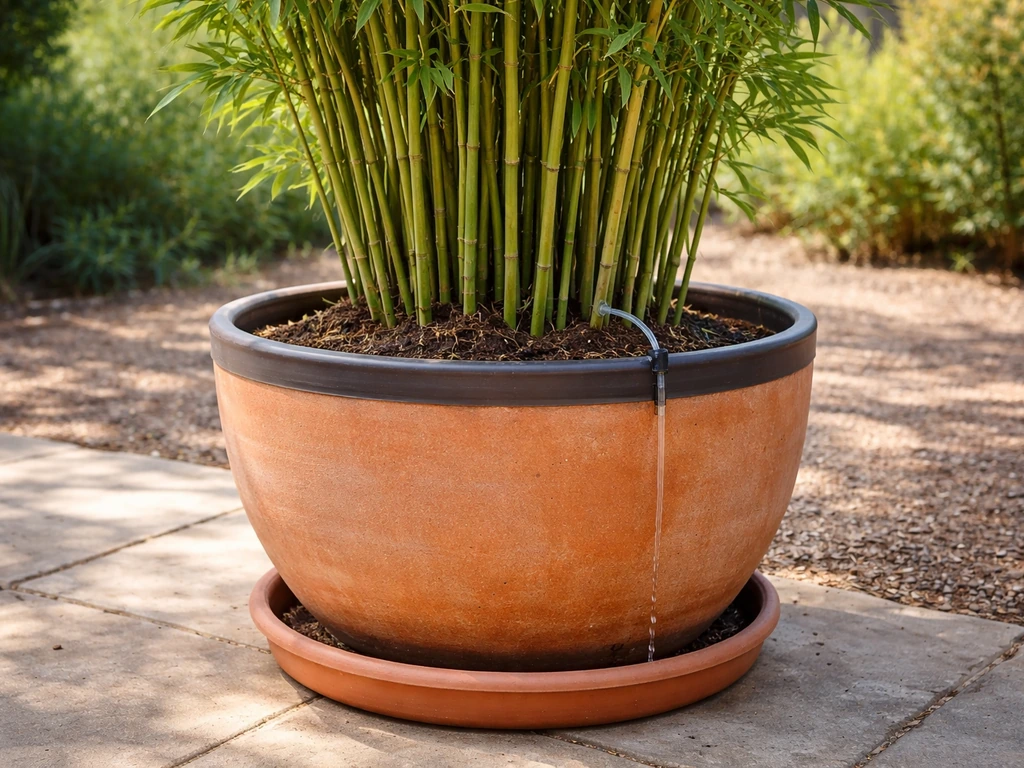
Containers work well in South Africa, especially for running bamboos where you want to avoid any spread, or for frost-prone gardens where you might want to move plants under cover in winter. Use large containers, at least 50 to 60 liters for a medium-sized bamboo, and 100 liters or more for larger Phyllostachys or Bambusa species. Use a free-draining potting mix, not standard garden mix which compacts badly in pots. Container bamboo dries out fast, especially in South Africa's dry-season winds, so daily watering in summer is often needed. Feed more frequently too, since nutrients leach out with repeated watering.
Growth Rate and What Timeline to Expect
Bamboo has a reputation for being fast-growing, and that reputation is mostly deserved, but only after the plant has settled in. The first year after planting is almost always slow. The plant is spending all its energy developing its root system, not putting up impressive new shoots. You might see a couple of small new culms emerge in year one, and that's normal. Don't panic. Year two usually brings noticeably taller and thicker new shoots. By year three, most established bamboo plants in suitable African climates are shooting strongly.
Tropical clumping bamboos like Bambusa balcooa, in a warm, well-watered KwaZulu-Natal garden, can put up new culms reaching 3 to 5 meters or more in a single shooting season once fully established (typically years 3 to 5 onward). Phyllostachys species in a Highveld garden will grow more modestly, new culms of 1 to 3 meters per season once established, depending on how much water and feeding they get. Bergbambos tessellata is genuinely slow compared to introduced species, expect measured, steady growth over many years rather than dramatic annual surges. Think of it like growing an indigenous tree: worth it, but not a quick-fix screen plant.
A practical rule of thumb: plant for the garden you want in 5 years, not 1 year. That expectation sets you up to succeed rather than feel let down by the slower early years.
Care Basics: Watering, Feeding, Sunlight, and Soil
Watering
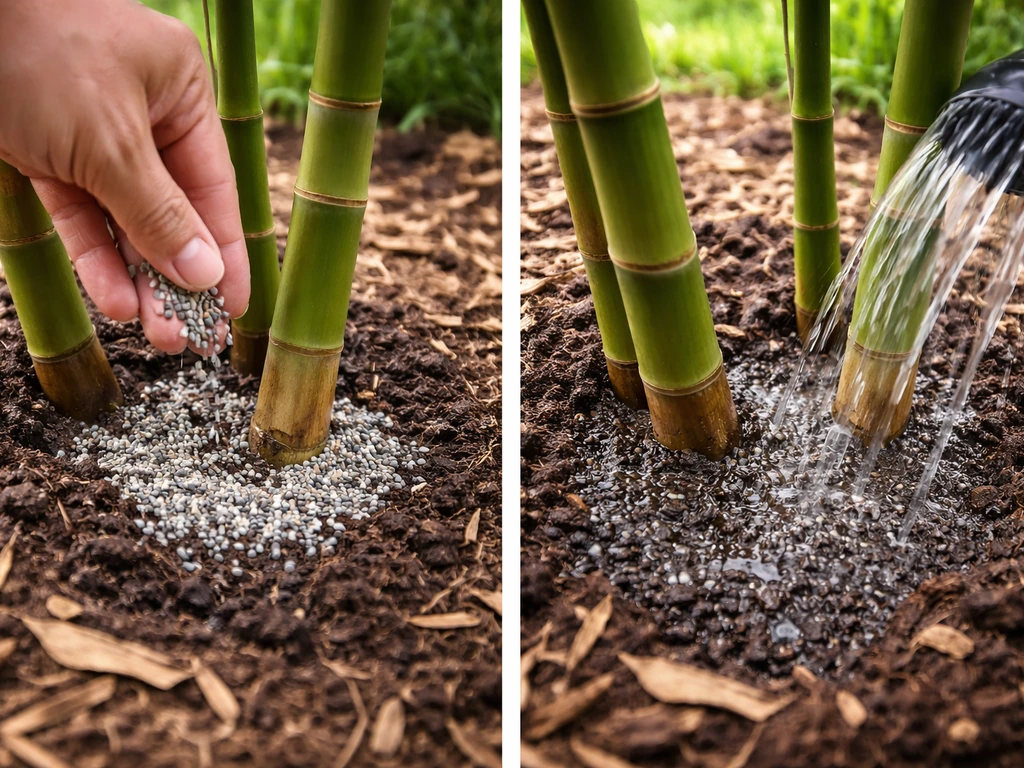
Bamboo needs consistent moisture, especially during the shooting season (typically spring through summer in South Africa). Deep, infrequent watering is better than light daily sprinkles, you want to encourage roots to go deep. Aim for roughly 25mm of water per week in dry periods, more during hot spells. In the Western Cape's dry summer, plan on irrigating every 2 to 3 days through January and February unless you've had significant rain. Mulch heavily (a 10cm layer of wood chips or straw around the base) to cut moisture loss dramatically.
Feeding
Bamboo is a grass, and like all grasses it responds well to nitrogen. Feed in early spring before shooting begins, then again mid-summer. A balanced granular fertilizer with a higher nitrogen component (something like a 3:1:2 NPK ratio) works well. Avoid heavy feeding in autumn, you don't want to push soft new growth right before cold winters. Aged compost worked into the soil annually is also genuinely useful and improves both nutrition and soil structure over time.
Sunlight
Most bamboos want full sun to partial shade, at least 4 to 6 hours of direct sun per day. In South Africa's intense summer sun, some afternoon shade actually helps in hotter inland areas (Limpopo, Northern Cape fringes) to prevent leaf scorch. Bergbambos tessellata, as a mountain species, can handle both sunny and partially shaded positions, which makes it versatile in garden design.
Soil
Target a soil pH of 5.5 to 7.0. Most garden soils in South Africa fall within this range, but it's worth testing if you're on coastal sand (can be acidic) or on limestone-derived soils in parts of the Western Cape (can be alkaline). If your soil is too acidic, add agricultural lime; if too alkaline, sulfur or acidic compost helps bring it down. Good drainage is non-negotiable, if you have clay soil that stays wet, raise your planting bed by 20 to 30cm.
Containment and Common Problems to Avoid
Running bamboo containment
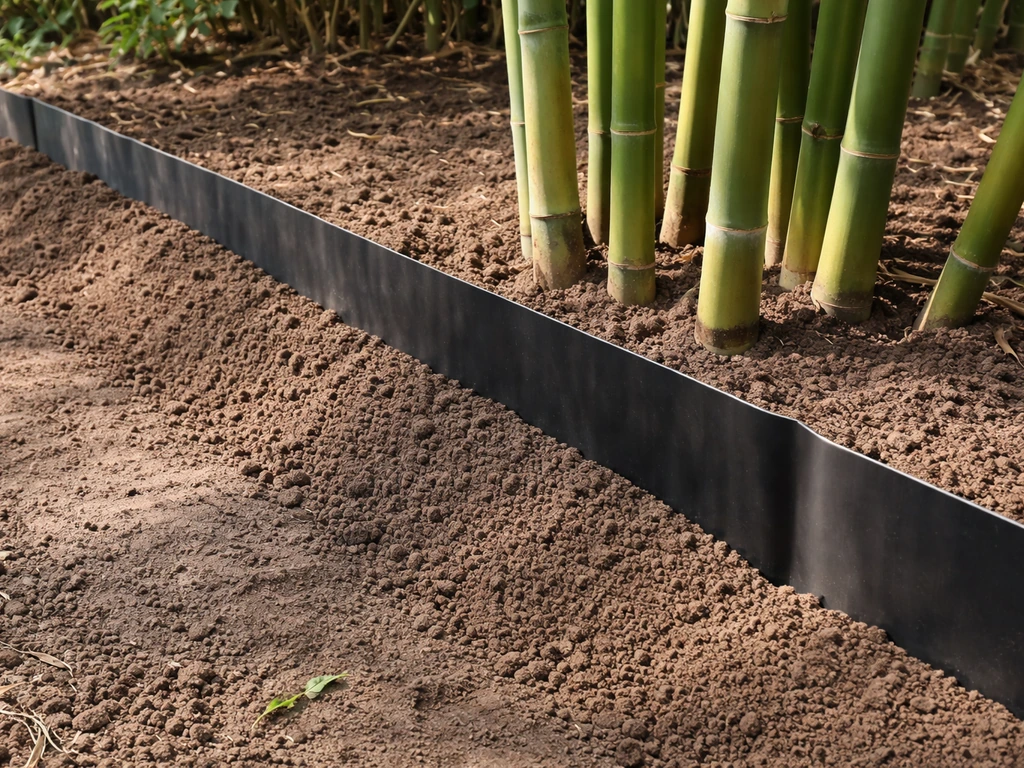
If you plant a running bamboo (Phyllostachys species are the most common running types available in South Africa), you need a containment plan before you plant, not after the rhizomes have already spread under your neighbour's fence. The standard approach is to install a rhizome barrier, a 60 to 70cm deep strip of 2mm HDPE plastic buried vertically in a trench around the planting area, with the top edge angled slightly outward above ground level so you can see and cut any rhizomes that try to escape over the top. This is not optional for running bamboo in a domestic garden. Skipping it is the most common and most avoidable mistake I see first-time bamboo growers make.
Clumping bamboo spreading
Clumping bamboos (Bambusa, Bergbambos, Fargesia) spread slowly outward from the base rather than sending rhizomes racing across your yard. They're far more manageable in domestic gardens and rarely need formal barriers. Just leave enough space for the clump to expand, most need a 2 to 3 meter clear radius at maturity.
Other problems to watch for
- Drought stress in the first two summers: New plants have shallow roots and will drop leaves and stall growth if they dry out. Don't assume summer rain is enough — check soil moisture 5cm down regularly.
- Frost damage on tropical species: If you're in a frost-prone area and plant a Bambusa species, a bad frost winter can kill culms back to the ground. Protect young plants with frost cloth in the first two winters.
- Nutrient deficiency showing as yellowing leaves: Yellowing between veins often means a lack of iron or magnesium, which can happen in high-pH soils. A dose of chelated iron or a soil acidifier usually fixes it.
- Scale insects and mealybugs: These occasionally appear in warm dry conditions. Treat with horticultural oil sprays — bamboo responds well and recovers fast.
- Planting too deep: A common beginner mistake. The root ball should sit at the same depth it was in the pot. Planting too deep stresses the plant and slows establishment.
Growing bamboo in Africa and South Africa is genuinely achievable, and in many parts of the continent, it's thriving without any human help at all. Yes, bamboo can grow in Ireland too, but it depends heavily on choosing cold-hardy species and protecting plants from harsh winters Growing bamboo in Africa and South Africa.
The work is mostly in the planning: match your species to your climate zone, prepare your site well, contain running types from the start, and give your plant a patient first two years to establish. Do those things and you'll have bamboo growing strongly in your garden within a few seasons.
Compare notes with what's possible for bamboo growers in places like India or China and you'll find Africa's warmer regions are actually not far behind in terms of species options and growth potential. For a closer look at the Indian growing conditions and species that do well there, see our guide to bamboo in India. Bamboo is also grown in China, including in regions where climate and rainfall support hardy species bamboo in China.
FAQ
Does bamboo grow in all of Africa, or are there places it will not survive?
It is possible across Africa, but survival depends mainly on frost and moisture. Most tropical clumping bamboos struggle where hard frosts repeatedly hit shoots or culms. If your area has frequent winter frost, choose frost-tolerant types (for example Fargesia or Phyllostachys) or protect young plants, because poor winter hardiness is a common reason bamboo fails.
Is “indigenous bamboo” always safer or easier for home gardeners?
Not automatically, but indigenous options often match local climate better. Bergbambos tessellata, for instance, is well adapted to specific South African mountain conditions, so it can perform reliably where its temperature and rainfall pattern fits. Still, you must match site drainage and sun exposure, because even native bamboo can fail in waterlogged or compacted soil.
What is the most likely reason a newly planted bamboo dies in South Africa?
Waterlogging and drought stress are the top two. In summer-rain regions, soggy spots can rot new roots, while in Mediterranean climates like the Western Cape, lack of irrigation during the active growing season can leave roots too dry. Improve drainage before planting and keep moisture consistent during spring through summer.
How often should I water bamboo after planting, especially in hot summer months?
Use deep, infrequent watering rather than frequent light sprinkling. During dry periods, a practical target is around 25 mm per week, then more during heat waves. Containers usually need daily checking in summer, because potting mix dries faster and nutrients leach out.
Will running bamboo spread if I install a rhizome barrier?
A barrier greatly reduces risk, but you still need maintenance. Inspect the barrier area regularly and cut any escaping rhizomes that appear above ground or try to bypass the trench. The barrier must be installed before planting, because once rhizomes travel under soil, correction is far more difficult and can damage nearby roots.
Can I grow bamboo in containers year-round in South Africa?
Yes, but plan for freeze risk and rapid drying. For frost-prone areas, keep pots near a protected spot, insulate the pot, and avoid letting the mix dry out completely in winter. In warm areas, container bamboo often needs summer watering daily and a more frequent feeding schedule because nutrients wash out.
Do I need to fertilize bamboo, or is compost enough?
Compost helps, but many gardens still benefit from targeted nitrogen during active growth. Apply fertilizer in early spring before shooting starts, then again mid-summer, and avoid heavy autumn feeding so the plant does not push soft growth before cold weather.
What spacing should I use if I want privacy, but I do not want bamboo to take over?
For clumping bamboos, allow about a 2 to 3 meter clear radius at maturity, spacing plants for the density you want within a few years. For running types, spacing alone is not a containment strategy, you need rhizome management. A common mistake is planting too close expecting instant height, but the first year is usually slow.
Why is my bamboo slow in the first year even when conditions are good?
Most bamboo puts energy into root establishment during the first year. It is normal to see only small new culms initially. If nothing improves by year two, then reassess drainage, frost protection, and watering consistency during spring through summer, because those issues typically show up before year two.
Should I plant bamboo in full sun or partial shade in South Africa?
Most bamboo tolerates full sun to partial shade, but inland heat can cause leaf scorch. If you are in very hot areas, afternoon shade can help, especially for young plants. Mountain bamboo (Bergbambos tessellata) is more flexible with sun and partial shade, which can reduce stress if your site is exposed.
Next Article
Can Bamboo Grow in Las Vegas? Guide to Success in Desert
Yes, bamboo can grow in Las Vegas with the right species, irrigation, shade, and containment; step-by-step planting and保护