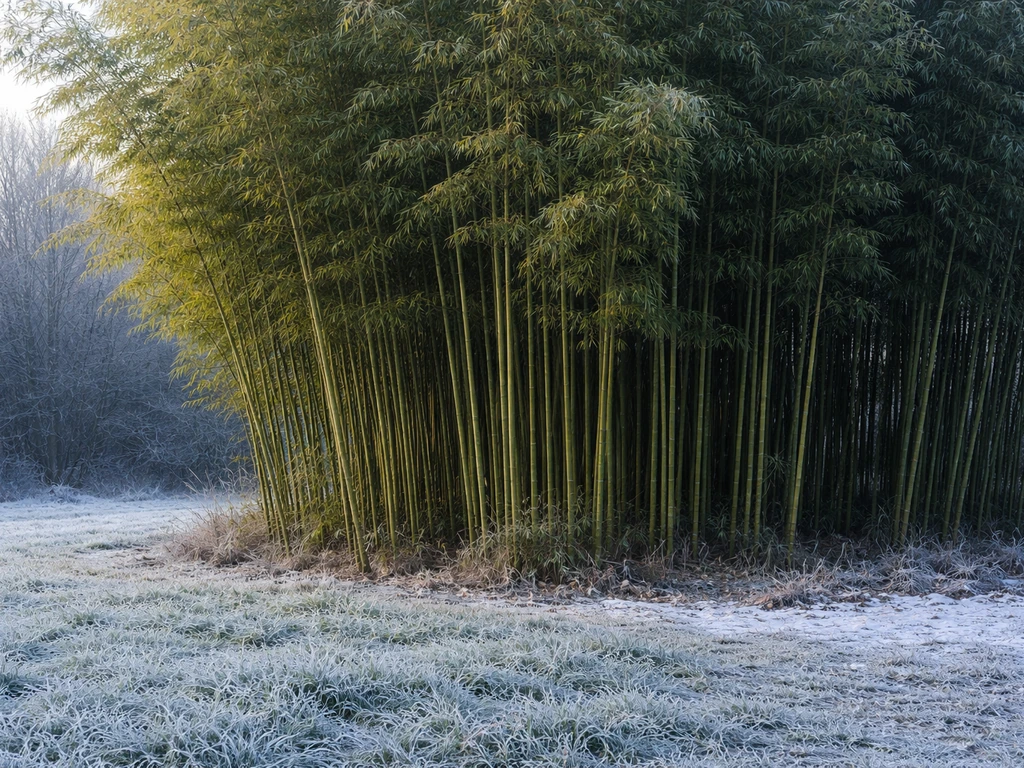
Bamboo does grow in winter, but what that means depends entirely on your species, your climate, and where the growth is actually happening. But bamboo does not typically grow in the rainforest the way it does in temperate garden conditions, because rainforest climates are only one part of the picture bamboo grow in winter. Above ground, visible shoot production mostly stops once temperatures drop. Underground, rhizomes can stay alive and quietly active, especially if the soil stays insulated. So the honest answer is: winter growth in bamboo is mostly invisible, mostly underground, and the success of your spring flush depends on what you do right now.
Does Bamboo Grow in Winter? What to Expect and Do
Marcus Hartwell
20 May 2026
What actually controls winter growth
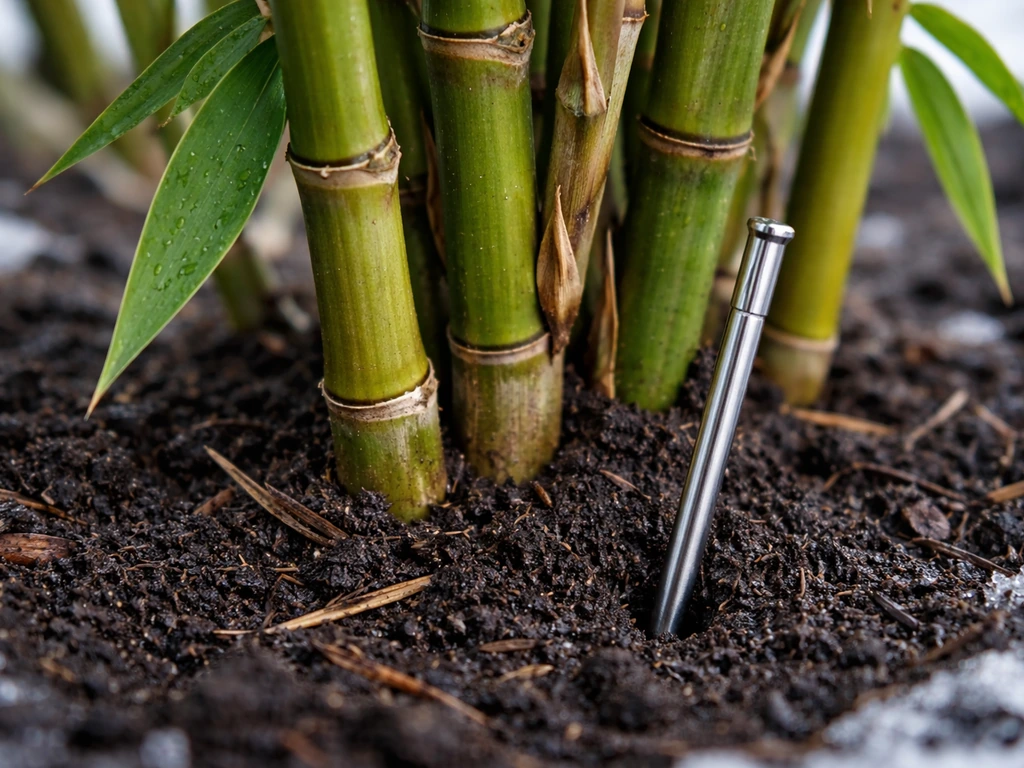
Three things drive whether your bamboo grows, slows, or stops in winter: temperature, daylight, and species. None of them work in isolation.
Temperature is the biggest lever. When soil temperature drops to around 5°C (41°F), rhizome growth slows significantly. Once it drops further, rhizomes can enter a kind of holding pattern, staying alive but not pushing much energy outward. Air temperature matters for the foliage and culms, but soil temperature is what determines whether the root system keeps working. This is exactly why mulching makes such a practical difference: a 6-inch layer of organic mulch can raise soil temperature by roughly 4 to 5°C compared to bare ground, which can be the difference between rhizomes that coast through winter and rhizomes that freeze.
Shorter days reduce the light energy available for photosynthesis, which slows metabolic activity across the whole plant. Even if temperatures stay mild, winter day length suppresses the kind of vigorous above-ground growth you see in spring and early summer. This is a natural rhythm, not a problem to fix.
Species matters more than most people realize, and this is where a lot of gardeners go wrong. Not all bamboos are temperate. Tropical and subtropical species (common in houseplant nurseries) have almost no cold tolerance and will struggle or die outdoors in a northern winter. Temperate species like Fargesia and many Phyllostachys varieties are built for cold and handle winter dormancy naturally. Assuming all bamboo behaves the same is one of the most common mistakes I see.
One more thing worth understanding: for some bamboos, like moso, internal shoot development actually spans the cold months from roughly September through March. New shoots aren't emerging visibly above ground every day, but underground development of shoots already initiated is still happening. So 'growth in winter' can mean something real and important, even when you can't see it.
What to expect from outdoor bamboo in cold climates
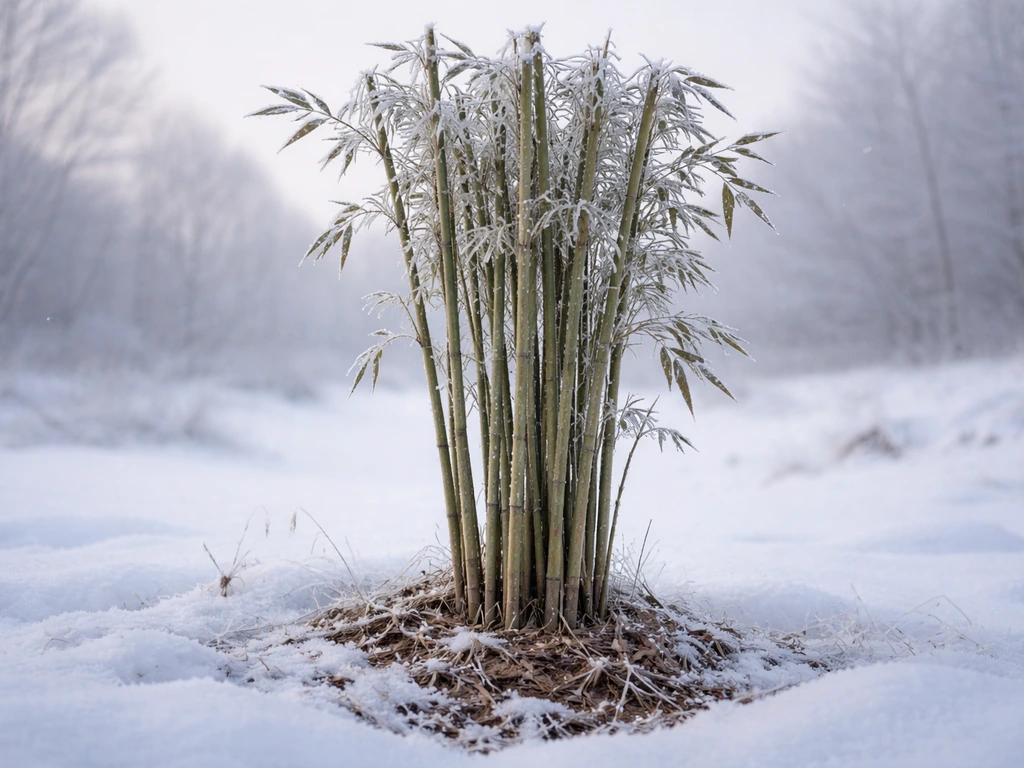
If you're in USDA zones 5 or 6 (or colder), here's the realistic picture. Your bamboo will likely stop producing new above-ground shoots. Leaves may bronze, curl, or drop entirely in response to cold winds and hard frosts. Culms that were already established will usually persist, though they may look rough by late February. In very cold zones (zone 4 territory), above-ground growth can die back to ground level completely. In zone 4, choosing truly cold-hardy bamboo and protecting the rhizomes is the key to whether you can keep it alive and regrow in spring. That looks alarming, but it doesn't mean the plant is dead.
What keeps the plant alive is the rhizome system underground. As long as rhizomes stay insulated and unfrozen, they hold enough energy to push new shoots up in spring. Some cold-hardy running bamboos like Phyllostachys aureosulcata can handle sustained temperatures down to around -18°C (0°F), with above-ground tissue dying back and then regenerating. Certain species tolerate even lower temperatures, down to about -29°C, though heavy dieback above ground is expected at those extremes. The plant survives, it just looks dead for a while.
Wind exposure is underrated as a risk factor. Cold, dry wind pulls moisture out of leaves and culms faster than the plant can replace it when the ground is frozen, leading to desiccation damage that looks similar to frost burn. Planting bamboo near a windbreak, or on the sheltered side of a fence or building, makes a genuine difference in how it comes through winter.
If you're curious how your specific bamboo species fits into your local winter conditions, the climate zone and cold-hardiness questions are closely related topics worth exploring. If you're still wondering can bamboo grow in cold climates, start by matching your species to your winter lows and cold-hardiness range. Once you know your USDA hardiness zone, you can narrow down which bamboo species are likely to grow in your area.
The short benchmark from University of Georgia extension is useful: if your winter lows regularly drop below 10°F, you need to be intentional about species selection, not just care practices. University of Georgia Cooperative Extension similarly advises that if your area temperatures get below 10°F, you should grow cold-hardy bamboo species, while also considering your microclimate and the exact species [winter lows regularly drop below 10°F](https://extension. uga. edu/publications/detail.
html? number=B1357).
Bamboo indoors in winter: what you can realistically expect
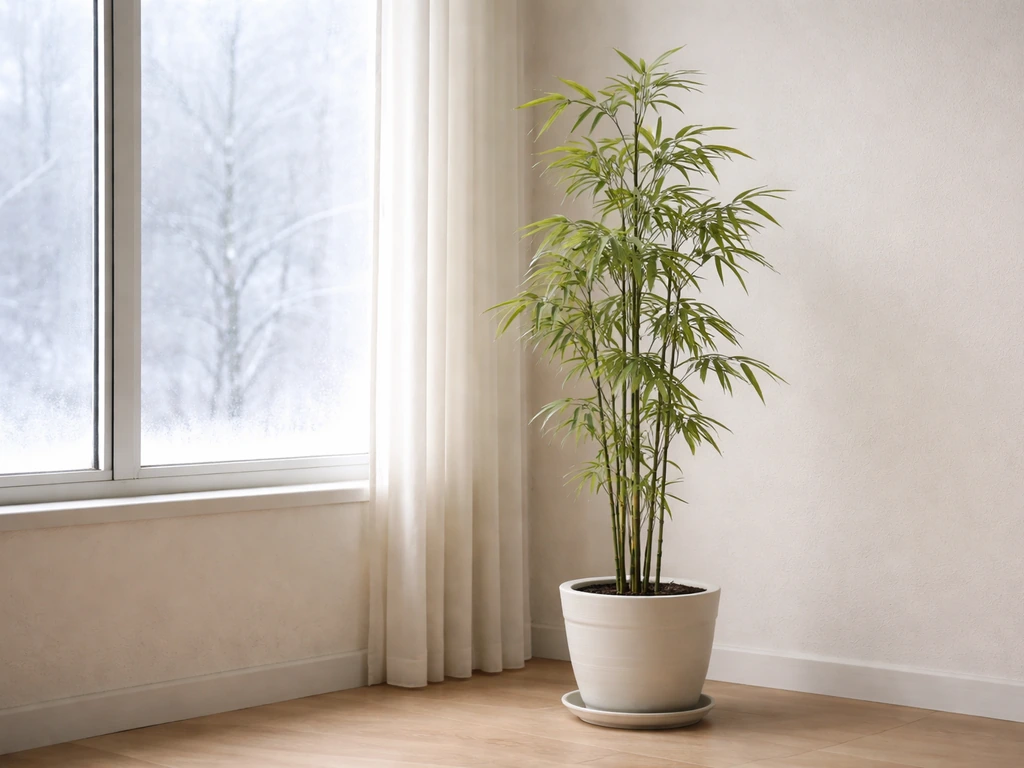
Growing bamboo in a pot indoors over winter is absolutely doable, but you need to go in with honest expectations. You're not going to get the kind of vigorous shoot growth you'd see outdoors in May. What you can achieve is keeping the plant healthy and root-active so it performs well when conditions improve.
Light is the limiting factor indoors
Most indoor settings don't provide enough light for bamboo to grow actively in winter. A bright south-facing window helps, but on overcast days in December and January, the light hours drop fast. Low light doesn't kill bamboo immediately, but it slows growth to a crawl and can cause leggy, weak new growth if the plant does push any shoots. If you're serious about indoor winter growth, a supplemental grow light for 12 to 14 hours a day makes a real difference. Without it, treat the indoor period as maintenance mode rather than a growth phase.
Pot vs. in-ground and root temperature
This is the most important practical difference between in-ground and container bamboo in winter. In-ground plants have soil surrounding the rhizomes on all sides, which buffers against temperature swings. A pot sitting in a garage or on a cold floor has its root zone exposed to temperature drops through the container walls. Even indoors, a ceramic or plastic pot on a cold concrete floor can have root-zone temperatures close to freezing. Elevate the pot off the floor, wrap the container with burlap or insulating material, and keep it away from drafts and cold windows. Good drainage matters too: a wet, cold root zone is far more dangerous than a cool, slightly dry one.
Watering adjustments for winter
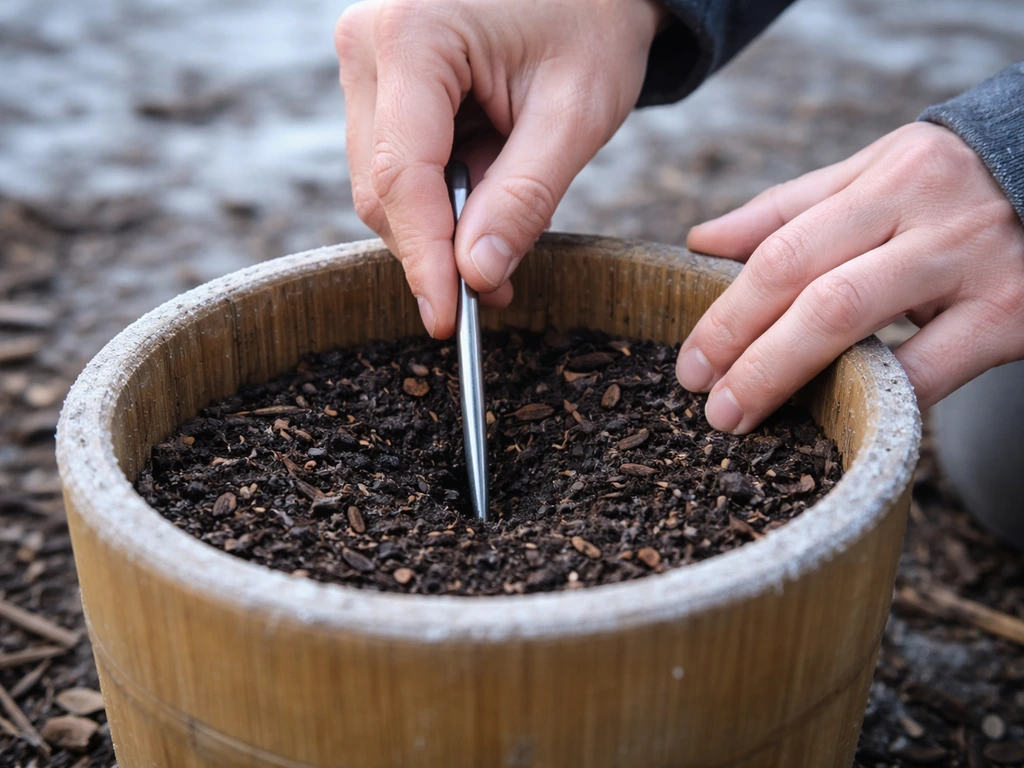
Cut watering frequency in winter but don't stop entirely. The rule I follow: check soil moisture at about 4 inches depth. If it's still moist there, skip watering. If it's dry, water thoroughly until it drains from the bottom, then let it dry out again before the next watering. On outdoor containers that might experience freezing temperatures, only water on days when the temperature is above about 4°C (40°F), and never water when the soil is frozen solid. Waterlogged, freezing soil is a reliable way to kill a bamboo root system. For indoor plants in a warm room, the soil dries faster than you'd expect, so don't ignore it entirely.
How to keep bamboo healthy through winter
Here's a practical checklist I use every fall and winter for both outdoor and container bamboo. These steps are ordered by timing, starting from late autumn.
- Stop fertilizing by early fall. Late-season feeding pushes tender new growth that can't harden off before cold arrives. Let the plant slow down naturally.
- Apply 4 to 6 inches of organic mulch over the rhizome zone before the first hard frost, typically starting in November. Use straw, shredded leaves, or wood chips. Keep mulch a couple of inches away from the base of culms to prevent rot.
- Set up wind protection if your site is exposed. A temporary burlap screen or positioning near a fence reduces desiccation damage significantly.
- For containers outdoors or in unheated spaces, wrap the pot itself with bubble wrap, burlap, or pack loose insulating material (straw, leaves) around the outside of the vessel.
- Move containers to a sheltered, frost-free but cool space (an unheated garage, shed, or enclosed porch) if temps will drop below your species' hardiness threshold.
- Reduce watering but check soil moisture every 7 to 10 days for outdoor in-ground plants, and every 5 to 7 days for containers indoors.
- Water containers only on above-freezing days. Water deeply, let drain fully, and don't let pots sit in standing water.
- If culms die back above ground, don't cut them until late winter or early spring. Dead culms add some wind protection and signal where the plant is.
- Monitor for desiccation: if leaves are curling inward and the soil is dry, water even in cold conditions (as long as it's above freezing).
Cold-hardy bamboo: a quick species comparison
If you're evaluating species for a cold-climate planting, here's how some of the more winter-tolerant options compare. The Fargesia group (clumping, non-invasive) and the hardier Phyllostachys varieties (running) are generally the most practical choices for zone 5 and colder.
| Species | Cold Hardiness | USDA Zones | Type | Notes |
|---|---|---|---|---|
| Fargesia rufa | To about -15°F (-26°C) | 5–9 | Clumping | Non-invasive, good shade tolerance, needs pot insulation if containerized |
| Fargesia murielae | To about 5°F (-15°C) | 5–9 | Clumping | Reliable for cold gardens, non-invasive |
| Phyllostachys aureosulcata | To about 0°F (-18°C) | 5+ | Running | Above-ground dieback in hard winters, strong spring regrowth |
| Phyllostachys atrovaginata | To about -10°F (-23°C) | 5–9 | Running | More cold-hardy than most Phyllostachys species |
| Phyllostachys heteroclada | To about -5°F (-21°C) | 6b–10 | Running | Good performer, slightly less cold-tolerant than atrovaginata |
My general recommendation: if you're in zone 5 or colder and want a low-maintenance, non-invasive plant, start with Fargesia rufa. It's consistently reliable down to -15°F and doesn't require the same level of spreading management as running types. If you're in zones 6 or 7 and want taller, more dramatic culms, Phyllostachys aureosulcata or atrovaginata are solid choices that will die back in severe winters and come back strong.
Setting yourself up for a strong spring
Winter is the planning and protecting phase, not the growing phase. The work you do now determines how explosive your spring growth is. Here's how to think about it practically.
First, know your winter lows. Look up your USDA hardiness zone and your actual recorded low temperatures for the last five years (not just the zone average). If your lows regularly hit below 10°F, match your species selection to that reality. The University of Arizona Extension benchmark is useful: some species handle -10°F and colder, but you need to verify the specific variety, not just the genus.
Second, evaluate your microclimate. A spot on the south side of a wall, sheltered from north winds, with good drainage can behave like a full zone warmer than your official zone rating. Cold and exposed sites can behave a zone colder. Spend five minutes thinking about where your bamboo actually sits before assuming it will perform the same as a neighbor's plant across town.
Third, if you're planning a new planting, late winter to early spring (March to April, depending on your region) is the ideal timing to get bamboo established before the first growing season. Plants put in the ground in early spring have a full growing season to develop their rhizome networks before facing their first winter.
Finally, resist the urge to fertilize or disturb mulched plants until you see confirmed new shoot emergence in spring. Pulling mulch too early exposes rhizomes to late frosts. Keeping mulch a couple of inches away from plant crowns helps prevent rot and disease while still insulating root crowns and rhizomes, according to an Extension (UNH) garden mulch fact sheet mulch too early exposes rhizomes to late frosts. Wait until you see shoots pushing through, then pull mulch back gradually and let the plant tell you it's ready. That patience pays off in a much stronger first flush.
If you're still working out which zones and climates bamboo genuinely suits, the broader question of what climate does bamboo grow in and whether bamboo can grow in cold climates are worth thinking through alongside your species selection. The answers will help you calibrate realistic expectations for your specific situation rather than hoping for the best.
FAQ
How can I tell if my bamboo is actually alive during winter when there are no visible shoots?
Look for signs in the rhizome and emerging buds rather than foliage. If you gently check a small area of mulch (without exposing the whole crown) you may find that the root zone is firm and not frozen solid. Then in late winter or early spring, watch for first signs of bud swelling or shoot tips before assuming the plant died.
Should I prune or cut back bamboo in winter if the culms look damaged?
Avoid heavy pruning while temperatures are still low. In many cold-tolerant bamboos, you can wait until you see active spring growth, then remove dead culms cleanly at the base. Cutting too early can remove protective tissue and encourages frost damage to spread into the crown.
My bamboo leaves bronze and drop, is that a sign it’s dying or normal winter behavior?
Bronzing and leaf loss is often normal, especially when winds are dry and ground is frozen. It becomes concerning only if the rhizomes are frozen or the plant shows no signs of bud activity at all when temperatures start to rise. In-ground plants usually hold up better than containers because the root zone is buffered.
Do I need to water bamboo less in winter even if it’s not snowing?
Yes, but do it based on soil moisture and freezing conditions, not the air temperature alone. Check moisture around 4 inches deep, and only water on days above about 40°F (4°C) when outdoor freezing is possible. If the soil is frozen solid, skip watering to avoid ice-related root stress.
Is it safer to keep container bamboo barely moist or fully dry in winter?
Aim for slightly dry between waterings, not bone-dry and not wet. A cold, wet pot is more dangerous than a cool pot that is a bit on the dry side. Elevate the container to prevent cold floor contact, improve drainage, and water only when the root zone can drain and are temperatures safe to prevent freezing.
What’s the best mulch approach in winter without preventing spring shoots from emerging?
Use enough mulch to insulate rhizomes, but don’t pile it too deep right against the crown. Keep mulch thickness consistent and avoid compressing it into a mat. When you see verified spring shoot emergence, pull mulch back gradually to avoid trapping new shoots or delaying warming at the soil surface.
If my bamboo is in a pot, should I move it indoors or keep it outdoors for winter?
It depends on your indoor light and temperature. Indoors can protect from freezing, but low light often puts bamboo into maintenance mode and can produce weak, leggy growth if shoots appear. Outdoors with insulation and wind protection can work well if you can prevent repeated freeze-thaw cycles in the pot.
Why does my bamboo look worse after a sunny cold day than after a cloudy cold day?
Bright sun plus freezing nights can increase stress, especially on above-ground tissue. The sun warms foliage briefly, then rapid cooling at night can worsen tissue damage. Wind can amplify this by increasing moisture loss, so sheltered placement often looks better than exposure even when temperatures are similar.
Can I grow tropical bamboo outdoors in winter if I cover it with blankets or plastic?
Covering can help with wind and some freezing exposure, but it usually cannot replace true cold tolerance because the root zone still drops to damaging temperatures. For tropical or subtropical types, outdoor survival often fails during prolonged cold snaps, even with insulation. If your winter lows are below the species’ tolerance range, select a cold-hardy cultivar instead.
Will feeding or fertilizing in winter help my bamboo grow sooner in spring?
Usually no, and it can be counterproductive. Winter feeding pushes metabolism and can increase vulnerability when daylight and temperatures are low. The safer approach is to wait for confirmed spring shoot emergence, then resume a normal feeding schedule when growth is active.
How do I reduce winter risk if my bamboo site has strong north winds?
Use windbreaks and microclimate adjustments. Planting on the sheltered side of a fence, wall, or structure, or adding temporary wind barriers early in cold season, reduces desiccation. Also avoid watering late in freezing evenings, since wet tissue exposed to cold wind can worsen frost-like damage.
Next Article
What Climate Does Bamboo Grow In? Temperature Guide
Temperature ranges for bamboo, how to pick the right species for your climate, frost risk, and local microclimates.