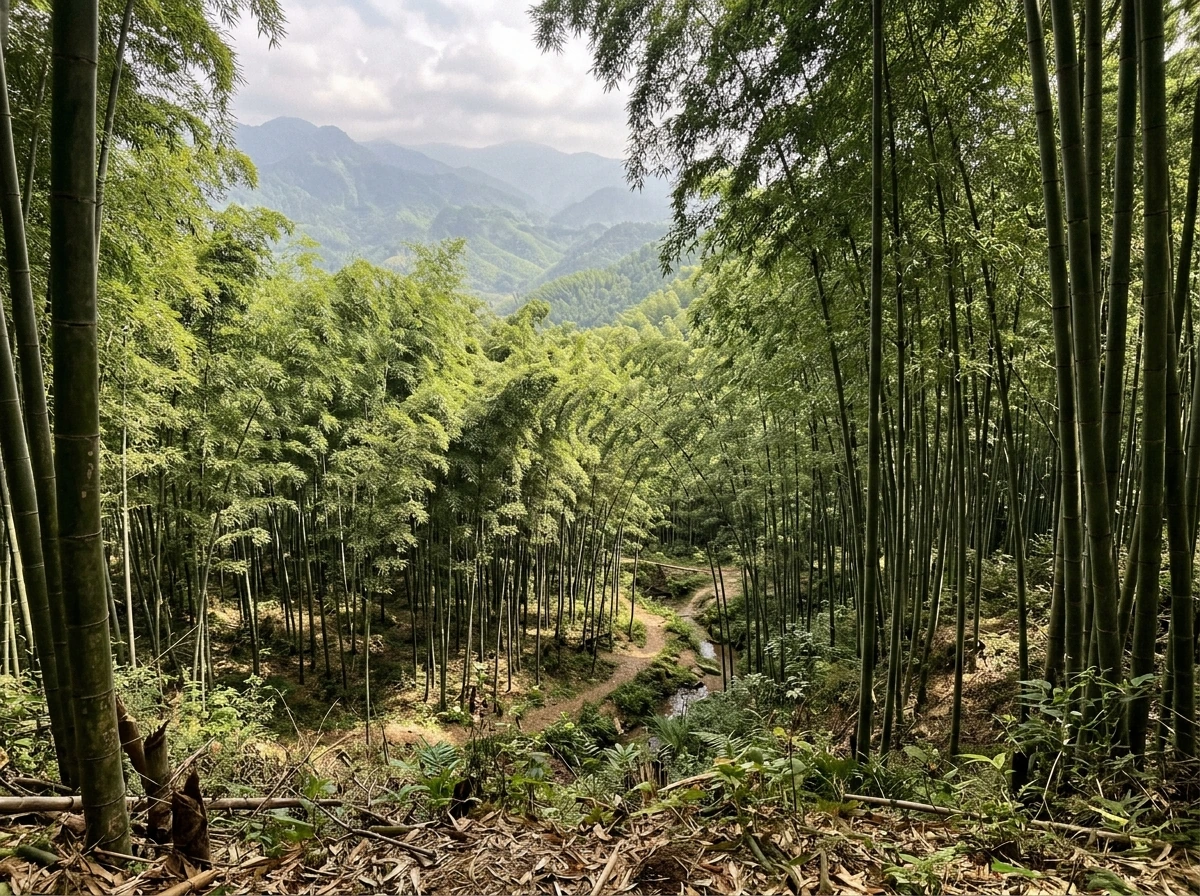
Bamboo grows naturally across a wide band of the world, from the steamy tropics of Southeast Asia to the surprisingly cool hills of Japan and the southeastern United States. <a data-article-id="37A95A67-A270-455D-9726-DF005D28B752">where does bamboo grow</a> The short answer: most bamboo species thrive in warm, humid climates with moderate to high rainfall, but a significant number of cold-hardy species push well into temperate zones. where do bamboo trees grow If you want to know whether bamboo will grow where you live, the key is matching the right species to your specific climate, not assuming all bamboo behaves the same way. where can bamboo grow where do bamboo plants grow where can bamboo grow.
Where Do Bamboos Grow? Climate, Soil, and Planting Guide
Marcus Hartwell
24 Mar 2026

Where bamboo naturally grows around the world
The heaviest concentration of bamboo species is found in East and Southeast Asia, including China, Japan, India, Myanmar, Vietnam, Indonesia, and the Philippines, as well as on islands throughout the Indian and Pacific Oceans. These regions account for the vast majority of the world's roughly 1,400 described bamboo species. But bamboo's native footprint extends well beyond Asia. You'll find native bamboo in sub-Saharan Africa, Madagascar, Central and South America (particularly the Andes and the Amazon basin), and even in North America, where the genus Arundinaria, commonly called giant cane or river cane, historically blanketed millions of acres across the southeastern United States from Texas to Virginia.
The Royal Botanic Gardens at Kew, working with the International Bamboo and Rattan Organisation (INBAR), compiled a World Checklist and Atlas of Bamboos and Rattans specifically to map where these plants actually occur. What that work confirms is that bamboo is not a single-climate plant. It occupies tropical lowland rainforests, high-altitude subtropical slopes, temperate river valleys, and mountain meadows. Understanding that range is the first step to figuring out what's possible in your own garden.
Climate requirements by bamboo type
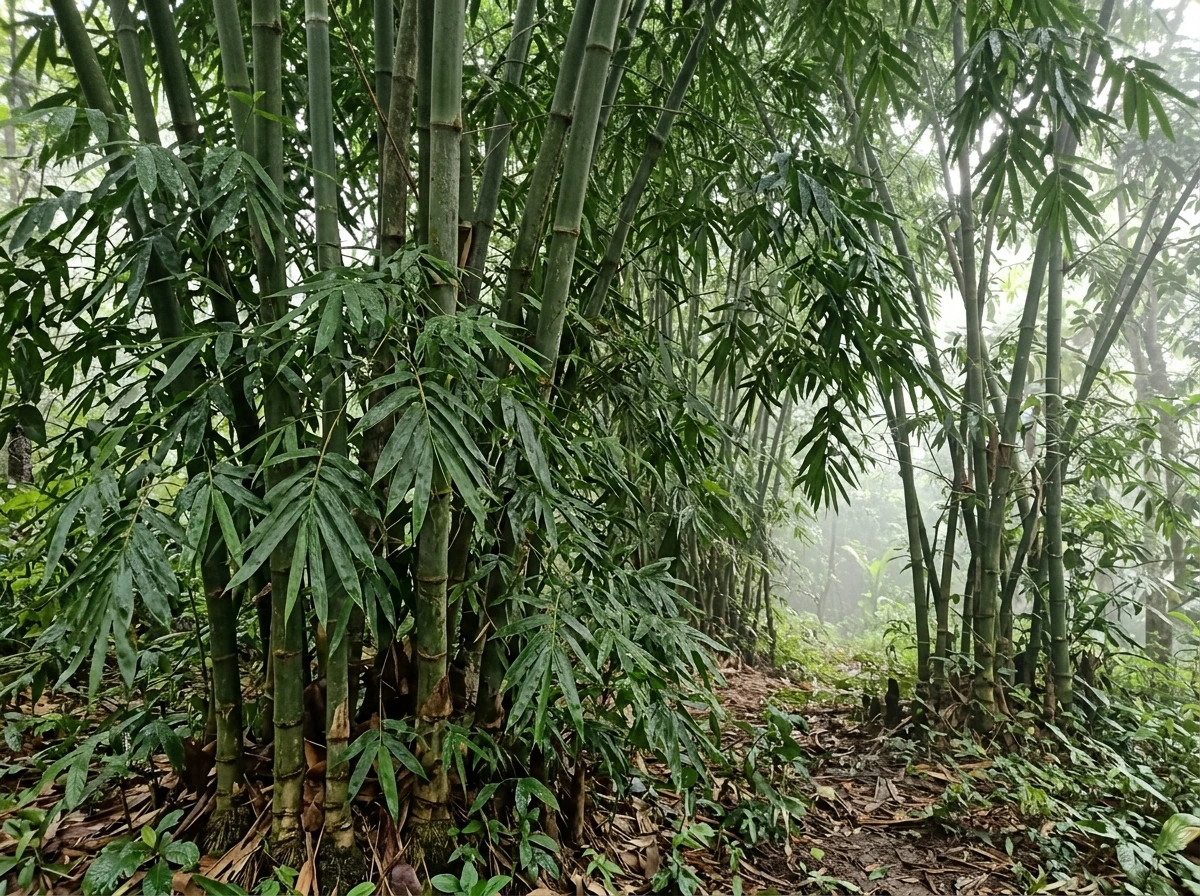
Bamboo species fall into two broad climate groups: tropical and temperate. Within those groups, the specific numbers matter a lot.
Tropical and subtropical bamboos
Tropical bamboos, which include most of the large clumping species like Dendrocalamus, Bambusa, and Guadua, need frost-free conditions. They perform best where average annual rainfall is between 40 and 100+ inches, temperatures stay above 32°F (0°C) year-round, and humidity is consistently high. These are the bamboos you see in the lowlands of Thailand, the Philippines, and Central America. In USDA terms, they're generally limited to Zones 9 through 12, and even within that range, a single hard frost can kill them to the ground or kill the plant outright if it's young.
Temperate bamboos
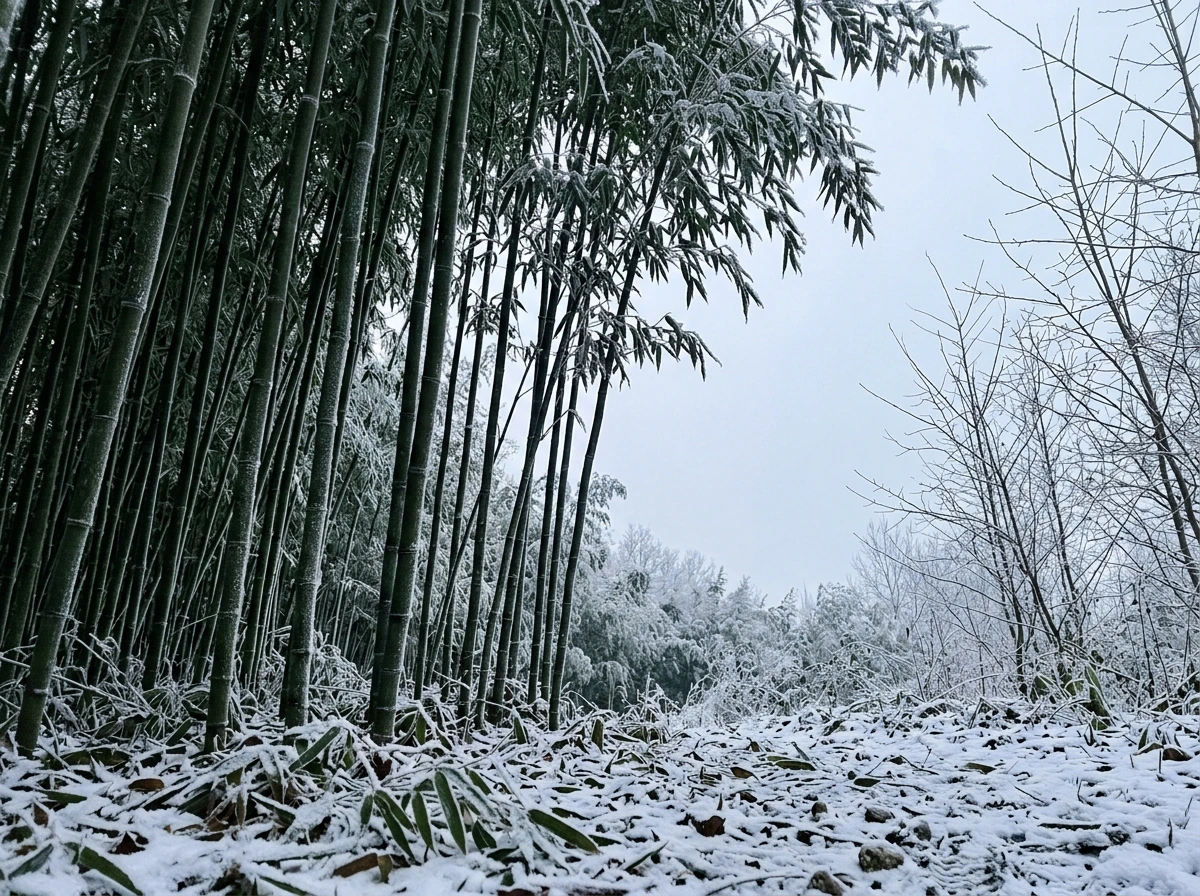
Temperate bamboos, primarily from the running genera Phyllostachys and Fargesia, are a different story. Phyllostachys species like Moso (Phyllostachys edulis) and Golden Bamboo (Phyllostachys aurea) tolerate temperatures down to around 0°F to 5°F (-18°C to -15°C) with good mulching and site selection, placing them in USDA Zones 6 and above, and sometimes Zone 5 with protection. Fargesia species, which are clumping and native to the mountain forests of China (the preferred habitat of giant pandas), are among the coldest-hardy bamboos available, surviving down to -20°F (-29°C) in some cases, making them viable in Zone 5 and even parts of Zone 4.
Rainfall requirements for temperate bamboos are generally 30 to 60 inches annually, though they tolerate dry summers better than tropical species as long as irrigation fills the gap. Humidity helps, but it's less critical than it is for tropical types.
| Bamboo Group | Example Genera | Min. Temp Tolerance | USDA Zones | Annual Rainfall Need |
|---|---|---|---|---|
| Tropical/subtropical clumping | Bambusa, Dendrocalamus, Guadua | Above 28–32°F (-2 to 0°C) | Zones 9–12 | 40–100+ inches |
| Temperate running | Phyllostachys, Pleioblastus | Down to 0–5°F (-18 to -15°C) | Zones 6–10 | 30–60 inches |
| Cold-hardy clumping | Fargesia, Thamnocalamus | Down to -20°F (-29°C) | Zones 4–9 | 30–50 inches |
| North American native | Arundinaria (river cane) | Down to -10°F (-23°C) | Zones 5–9 | 35–60 inches |
Sun, soil, and site: what bamboo actually prefers
Most bamboo grows best in full sun to partial shade, meaning at least 4 to 6 hours of direct sunlight daily. Running bamboos like Phyllostachys tend to push hard toward full sun and will spread faster in open, sunny sites. Fargesia species actually prefer partial shade and can struggle in intense afternoon sun, especially in hotter climates, which is why they do well in woodland edges and north-facing slopes.
For soil, bamboo is more flexible than people expect, but there are clear preferences. It does best in well-drained, loamy soil with a slightly acidic to neutral pH, roughly 5.5 to 7.0. Waterlogged or compacted soil is a genuine problem because bamboo rhizomes rot in standing water. Sandy soils are workable if you amend with compost and keep irrigation consistent. Heavy clay soils need breaking up and amendment before planting. Bamboo is not a bog plant, and it's not a desert plant either. It wants moisture without saturation.
Site protection also matters more than most people realize. A location that gets battered by cold winter winds will damage bamboo even when temperatures are technically within the survivable range. Wind desiccates the leaves faster than roots can replace moisture, especially when the ground is frozen. A south-facing wall, a windbreak of evergreens, or a sheltered courtyard can shift the effective hardiness of a site by half a zone or more.
Temperate vs. tropical limits: honest about where bamboo struggles
Bamboo does not grow well in consistently cold, dry continental climates where temperatures drop below -20°F (-29°C) for extended periods, or in places with true desert conditions (annual rainfall under 10 inches without irrigation). Most of central Canada, interior Alaska, and parts of the northern Great Plains are genuinely outside the range for even the hardiest bamboo species without intensive greenhouse or container management.
On the other end, bamboo also doesn't love true desert heat without water, so if you're wondering where does balsa wood grow, you'll generally want to look for climates with enough moisture to support fast, wood-forming growth. Phoenix, Arizona or Las Vegas, Nevada aren't natural bamboo territory, though clumping tropical species can survive there with heavy irrigation and afternoon shade. The combination of heat and low humidity stresses bamboo even when water is available.
The sweet spots globally are the humid subtropics and temperate zones: the southeastern US (similar climate to bamboo's native range in southern China and Japan), the Pacific Northwest (excellent for Fargesia and many Phyllostachys), the UK and coastal Western Europe (surprisingly good for temperate bamboos), southeastern Australia, and parts of South America's southern cone. The sweet spots globally are the humid subtropics and temperate zones: the southeastern US (similar climate to bamboo's native range in southern China and Japan), the Pacific Northwest (excellent for Fargesia and many Phyllostachys), the UK and coastal Western Europe (surprisingly good for temperate bamboos), southeastern Australia, and parts of South America's southern cone. If your climate resembles Kyoto, Chengdu, or the Appalachian foothills, you have good bamboo-growing conditions.
How to check whether bamboo will grow in your specific location
The first thing to do is identify your USDA hardiness zone (or its equivalent if you're outside the US, such as the RHS hardiness rating in the UK or the equivalent systems in Australia and the EU). Your zone tells you the average annual minimum temperature, which is the single most important factor for eliminating species that simply can't survive your winters.
But the zone number is a starting point, not the whole story. The USDA itself acknowledges that wind exposure, soil moisture, humidity, snow cover, and the duration of cold spells all affect how a plant actually performs within a given zone. A Zone 7 garden in coastal North Carolina behaves very differently from a Zone 7 garden in Oklahoma City. One is humid and mild, the other gets brutal ice storms and summer drought.
You also need to think about microclimates within your actual property. Low-lying areas collect cold air overnight, what horticulturists call frost pockets, and these spots can be several degrees colder than a raised bed or a slope just 20 feet away. Purdue Extension research on microclimates confirms that vegetation at the base of a slope can trap cold air and worsen frost damage, and that removing or cutting back that vegetation can reduce pooling. If you're planting in a valley bottom or a walled hollow, account for that.
- Find your USDA hardiness zone (or regional equivalent) at the official USDA map or your country's equivalent resource.
- Cross-reference with the species' rated minimum temperature, not just its general zone range.
- Check your annual rainfall and summer humidity, particularly for tropical and subtropical species.
- Walk your planting site and identify cold air drainage: avoid frost pockets for marginal-zone species.
- Note sun exposure through the seasons, since winter sun matters as much as summer sun for temperate bamboos.
- Check local bamboo society or nursery records for what's already growing successfully in your county or region.
- For species you're unsure about, start with a container plant before committing to a full ground installation.
Growing bamboo indoors, in greenhouses, and in containers
If your outdoor climate is marginal or outright unsuitable, indoor and container growing opens up a lot of options. Tropical bamboo species that would freeze outdoors in Zone 7 can thrive in a heated greenhouse or conservatory with high humidity, bright indirect light, and consistent watering. A minimum winter temperature of 50 to 60°F (10 to 15°C) keeps most tropical species alive, though they won't grow as vigorously as they would outdoors in a suitable climate.
For indoor growing in a house (not a greenhouse), the honest truth is that bamboo is challenging. Most homes are too dry and don't have enough light. Bamboo needs bright, direct light for several hours a day, and indoor humidity is often well below the 50 to 70% that bamboo prefers. Lucky bamboo, which is actually Dracaena sanderiana and not a true bamboo, is what most people are actually growing indoors successfully. True bamboo in a container indoors does best near a large south- or west-facing window, with a humidifier running nearby and consistent watering.
Container growing outdoors is a different and often excellent option, especially for cold climates where you want to overwinter the plant in a garage or shed. A large container (25 gallons or more is realistic for a mature plant) lets you move bamboo to shelter before hard freezes. Running species in containers need more frequent watering than in-ground plants, and they'll need dividing every two to three years as the rhizomes fill the pot. Clumping species like Fargesia are better suited to long-term container life because they don't expand as aggressively.
Picking the right species and getting started
The most common mistake people make is buying bamboo based on what looks impressive at a nursery without checking whether it's actually suited to their conditions. A Moso bamboo label that promises 60-foot culms sounds exciting, but if you're in Zone 5 in Minnesota, that plant will struggle and disappoint. Match the species to your site first, then shop.
For cold climates (Zones 4 to 6), start with Fargesia robusta, Fargesia murielae, or Fargesia nitida. These clumping species are well-proven in cold conditions and don't run invasively. For temperate climates with moderate winters (Zones 7 to 9), Phyllostachys species give you the tall, dramatic growth most people picture. For subtropical and tropical climates (Zones 9 to 12), Bambusa oldhamii and Dendrocalamus asper are popular, productive choices.
When buying, source from a reputable nursery that specializes in bamboo and serves your region. A good bamboo nursery will tell you which species they've seen perform well locally, which ones are marginal, and which to avoid. This regional knowledge is worth more than any generic list. If you're in the US, look for nurseries in the American Bamboo Society's member directory, and if you're in the UK or Europe, the European Bamboo Society maintains similar resources.
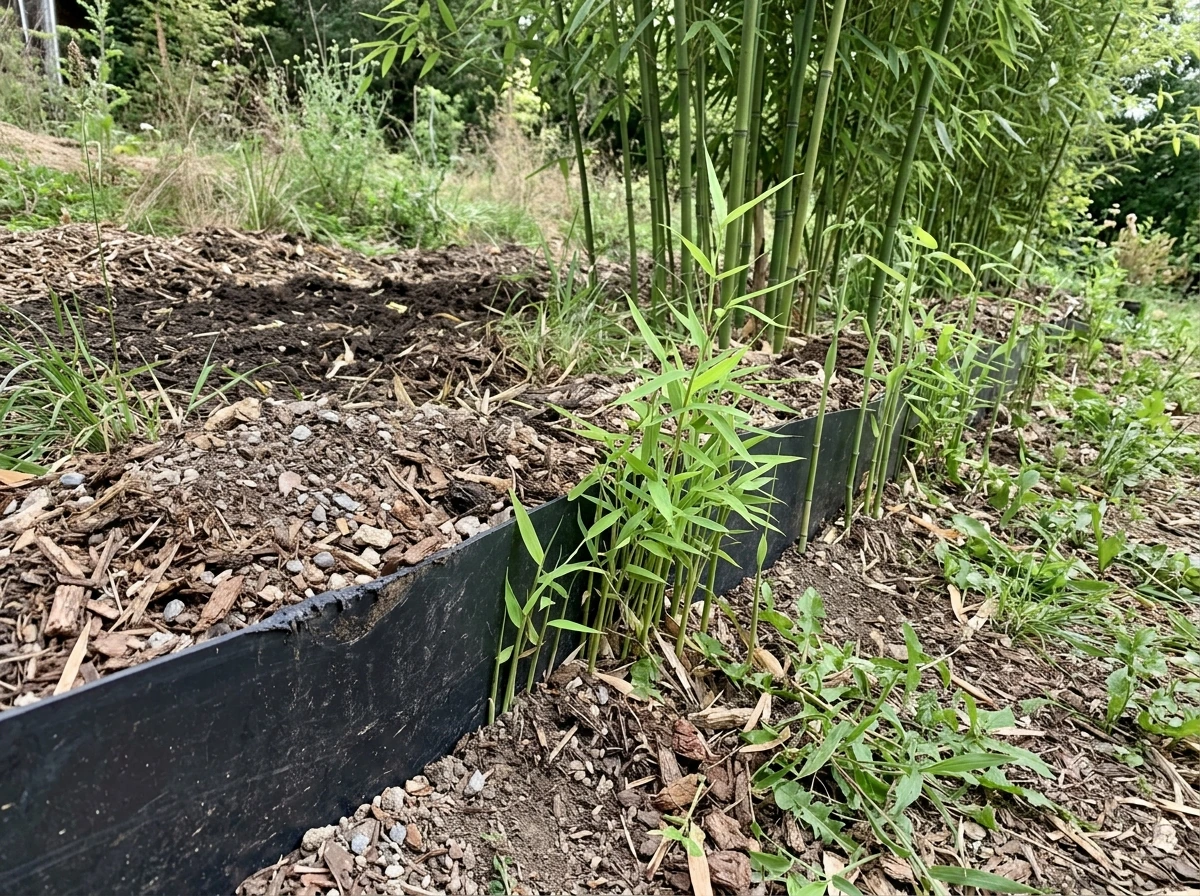
Before you plant in the ground, spend a week observing the site: where does water pool after rain, where does the last frost linger, and which direction does the cold wind come from in winter. That reconnaissance will tell you more than your zone number alone. If you choose a running species, plan for root barrier installation before you plant, not after, because managing spread is much easier from day one. A high-density polyethylene barrier, 60 mil thickness, buried 24 to 30 inches deep, is the standard.
The bottom line is that bamboo is one of the most adaptable plant families on earth, but that adaptability comes from the diversity across thousands of species, not from any single plant being able to grow anywhere. Pick the right species for your climate, prepare the site honestly, and bamboo will reward you. Pick the wrong one, and you'll be frustrated. The research and matching work you do before buying a plant is the most important part of the whole process.
FAQ
Can bamboo grow where I get winter frosts, or does it only grow in tropical places?
If you live in a place that freezes, the “where do bamboos grow” answer depends on which type you buy. Clumping temperate bamboos (often Fargesia) tolerate colder winters better, while many tropical clumping bamboos can die back or die after a single hard frost, even if your summers are warm.
Do USDA zone numbers fully predict whether bamboo will survive winters?
Yes, but “cold-tolerant” is not the same as “cold-proof.” Even hardy Phyllostachys and Fargesia can suffer leaf burn and dieback during prolonged cold snaps or when frozen soil prevents water uptake, so you may still need mulching, wind protection, and careful watering before deep freezes.
How much sun does bamboo need in real gardens (not on plant tags)?
Bamboo can survive partial sun, but species differ. Running types usually need more direct sun to perform well and spread, while shade-preferring types (often Fargesia) can decline in intense afternoon sun. If your site only gets morning light, that often favors Fargesia.
What’s the biggest soil problem that stops bamboo even if the climate seems right?
In ground, “water” should mean consistently moist soil, not standing water. The fastest failure mode is poor drainage, especially in winter when rhizomes sit cold and wet. If water pools after rain for more than a day or two, improve drainage before planting.
If I use a root barrier, will running bamboo stay contained permanently?
Running bamboos can be kept noninvasive only with a properly installed root barrier and ongoing checks. If rhizomes start to bypass the barrier edge, they can spread outside the intended area, so leave access to inspect and trim escaping rhizomes annually.
Can bamboo grow in very hot, dry climates if I water it?
Most bamboo dislikes “desert” conditions when rainfall is low and humidity is also low. In arid climates, container or heavily irrigated planting can sometimes work for cold-hardy clumping bamboos, but success depends on providing both irrigation and summer shade or evaporative cooling.
Why does bamboo thrive in my neighbor’s yard but not mine even though we share a zone?
Yes, bamboo has microclimates that can change outcomes by several degrees. Frost pockets in valleys and low spots can ruin marginal species, so planting on a slope or raised area (and avoiding basins) often matters more than switching varieties within the same general hardiness group.
Should I pick clumping or running bamboo for my garden, and how does that choice affect growth where I live?
To choose between clumping and running, decide your goal first. If you want a hedge or “lump” screening without aggressive spread, pick clumping types. If you want fast coverage and tall culms across a wide area, running types may fit, but you must plan for barriers and maintenance.
What’s the realistic way to grow true bamboo indoors if my house is dry?
For indoor homes, the best-practice workaround is bright window light plus humidity management. If you cannot provide several hours of strong light and keep indoor humidity closer to bamboo’s preferred range, consider a greenhouse, conservatory, or outdoor container seasonally moved to shelter.
If my bamboo is borderline for my hardiness zone, what small changes help most?
If you need to stretch hardiness in cold climates, use practical site tactics: plant in a sheltered spot (against a wall or windbreak), mulch heavily, and avoid low spots that trap cold air. These steps can prevent premature dieback and improve survival probability when your zone match is borderline.
How do container size and watering needs change for bamboo as it matures?
When using containers, plan for root volume and mobility. Mature-sized containers often need upgrading over time, and running types will require more frequent watering and division because rhizomes fill the pot faster than clumping species.
Next Article
Where Do Bamboo Plants Grow: Climate, Soil and Placement
Find where bamboo thrives by climate, light, soil and water needs, plus clumping vs running types and placement tips.