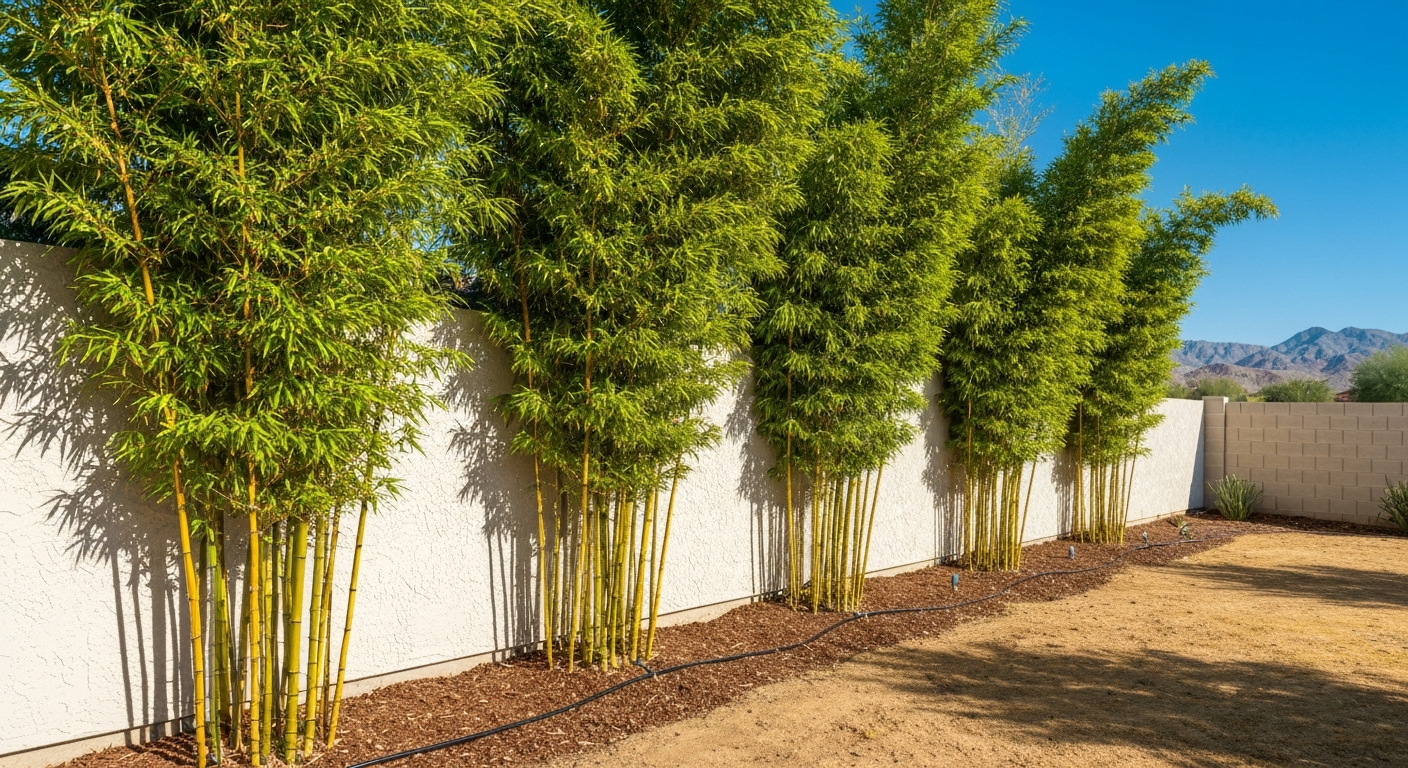
Most bamboo takes 4 to 7 years to reach a full, productive clump from the time you plant it, whether you started from a rhizome division, a cutting, or bare-root stock. Individual culms (the cane-like stalks) reach their full height in a single growing season, roughly 3 to 4 months, but the whole plant doesn't hit its stride until the rhizome system has had years to establish itself underground. That gap between 'planted' and 'mature' is where most people get confused, so let's break it down clearly.
How Long Does Bamboo Take to Grow From Cutting to Maturity
Marcus Hartwell
2 Apr 2026
Typical bamboo growth timeline: days, months, and years
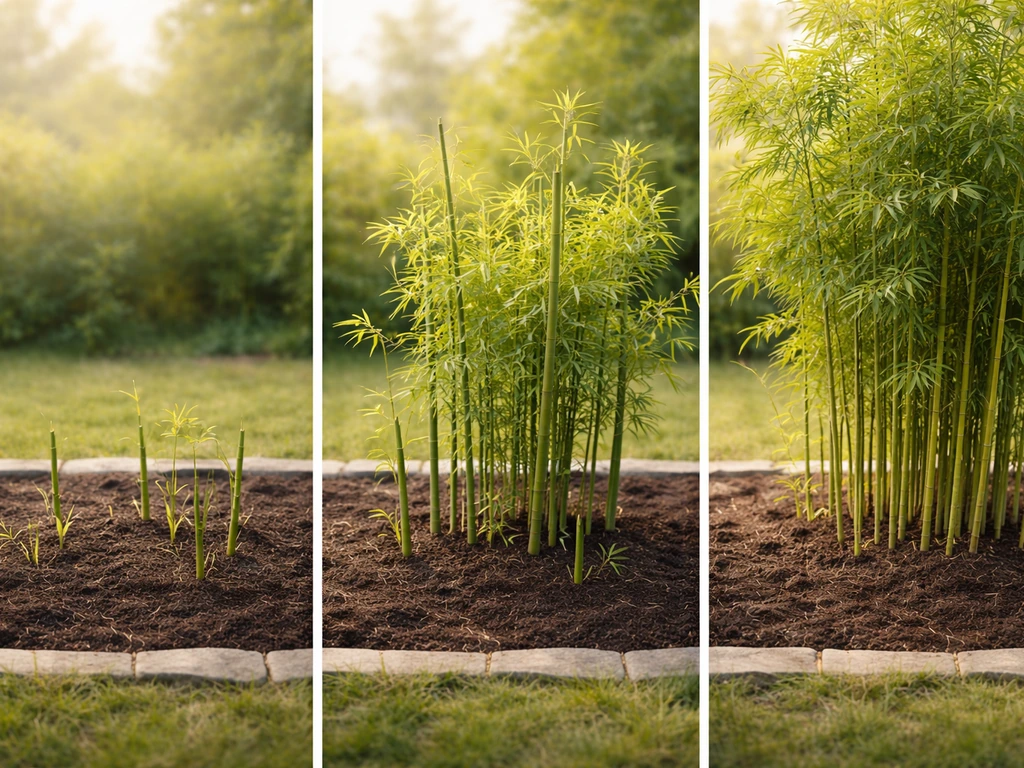
Here's the honest picture from planting to maturity, broken into three phases most gardeners will recognize.
- Year 1 (establishment): The plant looks underwhelming. New shoots may emerge but they're small and sparse. The rhizomes are quietly spreading underground, and this is completely normal. Don't panic.
- Years 2 to 3 (acceleration): Shoots get noticeably taller each season. Clumping types start to fill out visibly. Running types may surprise you with how far they travel horizontally.
- Years 4 to 7 (full production): FAO silviculture guidance places this as the window when a newly propagated bamboo reaches a normal clump with full-sized culms capable of regular annual shoot production. Seedlings can take a bit longer than rhizome or cutting starts.
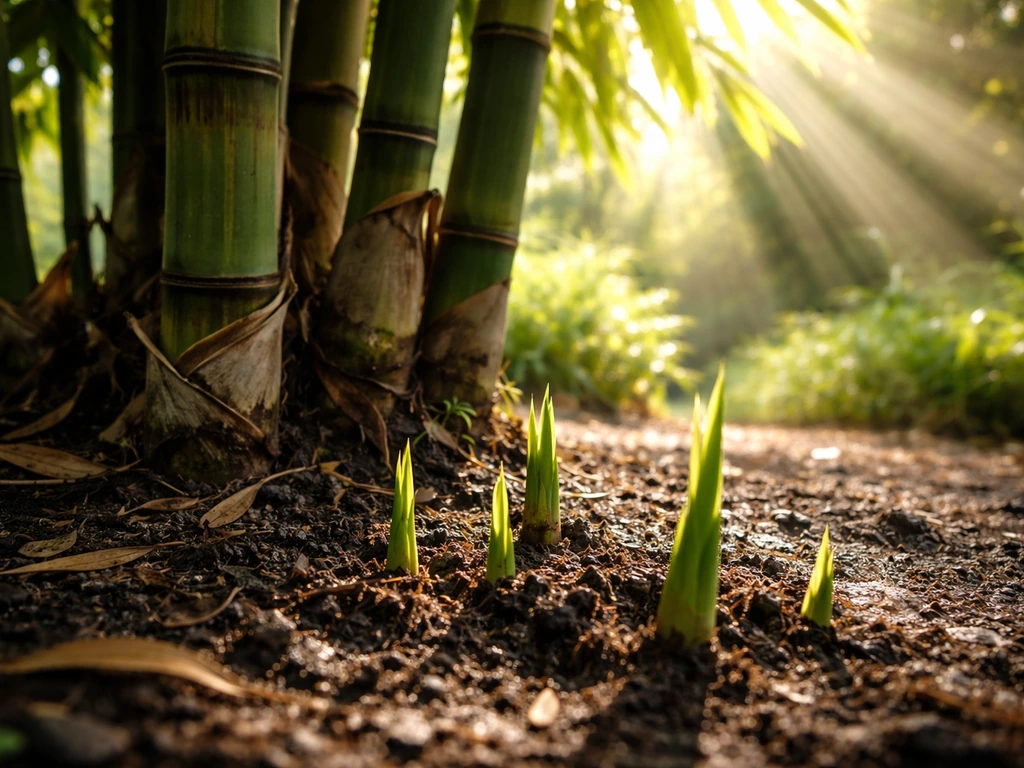
Once a shoot emerges from the ground, its race to full height is fast. In established plantations, new shoots fully develop into culms and start producing branches in under two months, often 45 to 50 days. In newly planted or younger groves, the same shoot-to-culm process takes about 3 to 4 months during an active growing season. After that, the culm doesn't grow taller or wider, ever. A culm's diameter and height are set at emergence. What changes over the years is the size of each new culm the rhizome produces, which keeps increasing as the plant matures.
According to INBAR Technical Report No. 41, individual culms mature (meaning they harden and reach structural strength) in 3 to 5 years, and their full lifecycle runs about 5 to 8 years before they die back naturally and get replaced by new shoots. So even after your plant looks 'done growing,' there's a multi-year cycle happening at the culm level.
What actually controls how fast your bamboo grows
The most important thing I can tell you is that species choice drives more variation than any other factor. A Moso bamboo (Phyllostachys edulis) in the right climate will dwarf a golden bamboo (Phyllostachys aurea) grown in identical conditions, just because of genetics. Beyond species, here are the factors that make the biggest real-world difference.
Rhizome health and age
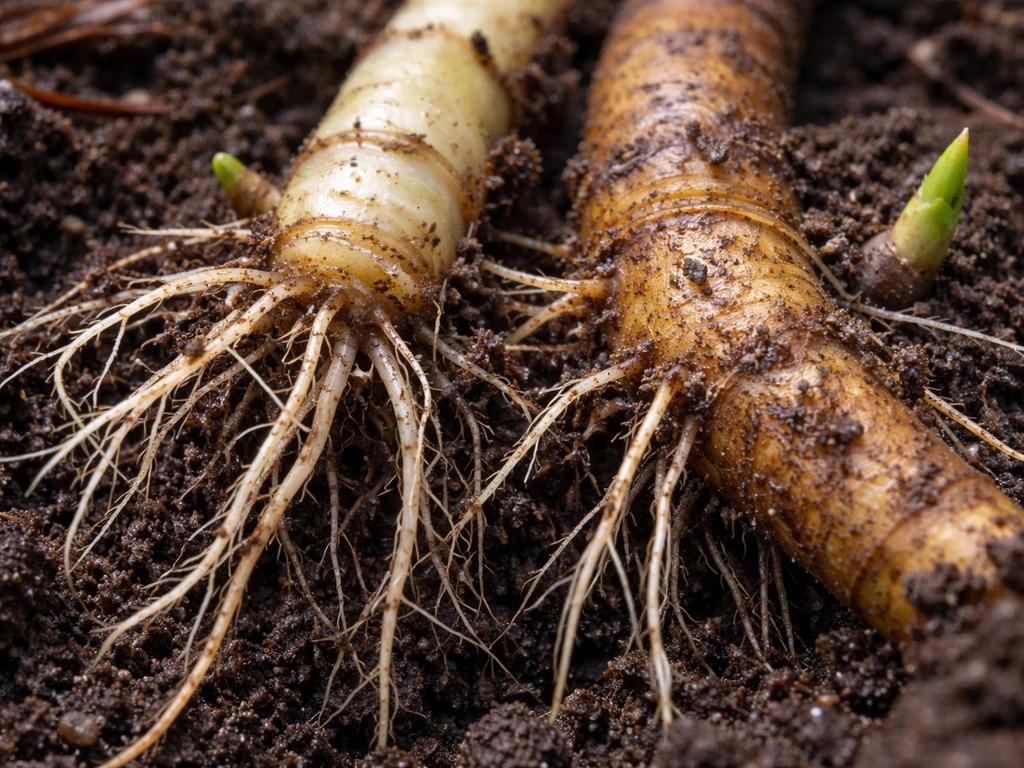
The rhizome is the engine. How long bamboo grows underground before sending up shoots is actually a major predictor of long-term speed. A plant with a dense, well-fed rhizome network pushes up bigger shoots faster than a young plant still investing energy into root spread. This is why established transplants almost always outperform bare-root or seedling starts in the first few years.
Climate and season length
Bamboo in coastal Georgia or the Gulf Coast of Texas gets a longer warm season than bamboo in Ohio or Oregon, and that extra time translates directly into more shoot cycles per year. Tropical and subtropical climates can support year-round growth, while temperate growers are working with a 4 to 6 month active window. Cold snaps that damage emerging shoots can set a plant back by a full season. If you're in USDA Zone 6 or colder, factor in at least one extra year of establishment time compared to Zone 8 and above.
Soil, water, and nutrients
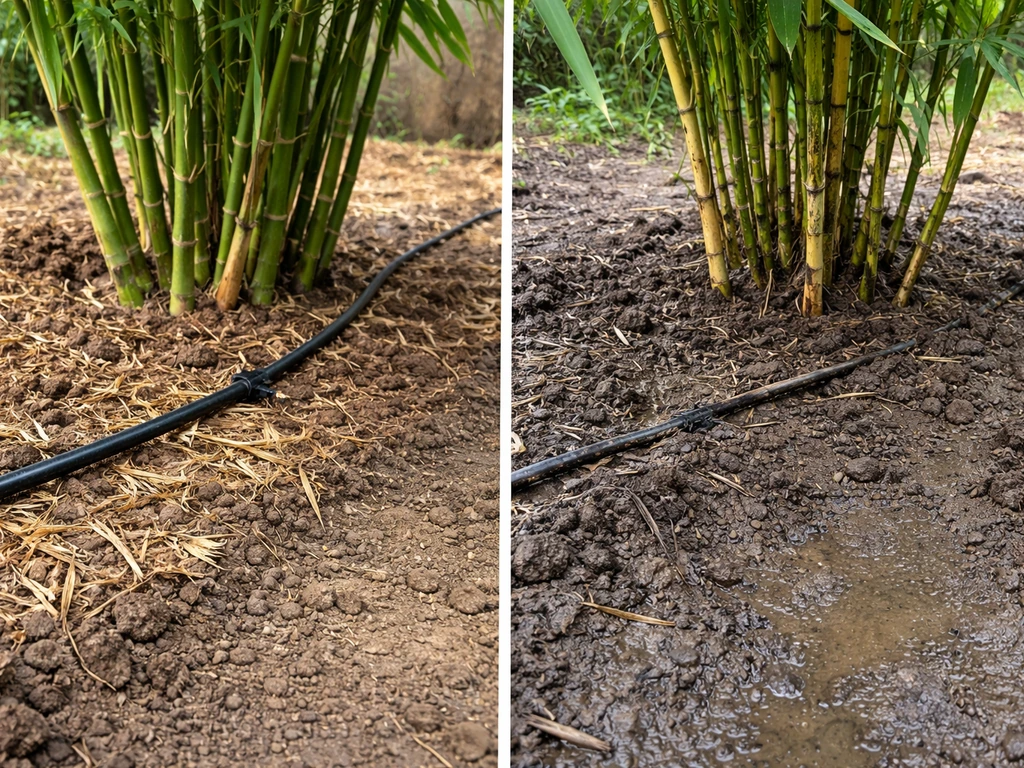
Bamboo prefers a slightly acidic, well-drained soil with a pH between 5.5 and 6.5. Compacted clay or waterlogged ground slows rhizome spread dramatically. Consistent moisture during the shooting season (usually spring) is critical. University of Maryland Extension notes that bamboo new culm growth is concentrated in a spring window of roughly 6, 12 weeks between March and May Consistent moisture during the shooting season (usually spring) is critical. Let the soil dry out then, and you'll get fewer, smaller shoots. A balanced fertilizer with higher nitrogen (think 20-5-10 or similar) applied in early spring and again in midsummer noticeably accelerates shoot production in years two and three. Don't skip the midsummer feeding if you want bigger culms the following year.
Pot vs. ground
Container-grown bamboo is constrained by the root volume available to it. A 15-gallon pot will produce noticeably smaller culms than the same species in the ground, and it will hit a ceiling faster. If your goal is a privacy screen or full-sized culms, plant in the ground. If you're dealing with a patio or balcony situation, use the largest container you can manage, at least 20 to 25 gallons for medium-sized species, and expect culms roughly 30 to 50 percent shorter than ground-grown plants.
Growing bamboo from a cutting: what to expect
Cuttings are a popular way to start bamboo, but they're slower than rhizome divisions. A culm cutting with at least one or two nodes, kept in moist media with bottom heat, typically shows rooting in 4 to 8 weeks under good conditions. You'll often see small leafy sprouts before you see true root development, which can be misleading. Wait until roots are at least 2 to 3 inches long before transplanting.
New culms from a cutting-started plant usually don't appear until the second growing season, sometimes the third if the cutting was small or root development was slow. From that point, you're looking at the same 4 to 7 year runway to a full productive clump. So factor in an extra 1 to 2 years on top of the standard timeline when starting from cuttings versus buying an established division. If you want to shorten that gap, buy a 3- to 5-gallon nursery plant that already has multiple culms, and you're essentially skipping the cutting phase entirely.
Giant bamboo: a different beast entirely
Giant bamboo species, primarily Moso (Phyllostachys edulis), Guadua angustifolia, and Dendrocalamus giganteus, follow the same general timeline but at a completely different scale. The famous story of Chinese Moso taking years to show above ground while building a massive underground rhizome network is largely true, and whether bamboo really takes 5 years to grow in that way is a nuanced question worth digging into. The gist: Moso planted from seed or small division can spend 2 to 3 years establishing its rhizome before sending up significant above-ground growth, but once it does, individual culms can grow several feet per day in peak conditions and reach 60 to 90 feet at maturity.
For practical home gardeners, the giant tropical clumpers like Dendrocalamus are only viable in Zone 9b and above (think South Florida, Hawaii, and coastal Southern California). Running giants like Moso can handle Zone 6 with protection. Either way, add 2 to 3 years to the standard 4 to 7 year timeline when working with giants, because the rhizome establishment phase is longer and the plant won't rush it regardless of how much fertilizer you apply.
| Bamboo Type | First Visible Shoots | Culms Reach Full Height | Full Productive Clump |
|---|---|---|---|
| Small clumping (e.g., Fargesia) | Season 1 to 2 | 3 to 4 months after emerging | 4 to 6 years |
| Medium running (e.g., Phyllostachys aurea) | Season 1 | 6 to 8 weeks in established plants | 4 to 7 years |
| Giant running (e.g., Moso) | Year 2 to 3 | 3 to 4 months, but very tall | 6 to 9 years |
| Giant tropical clumping (e.g., Dendrocalamus) | Year 1 to 2 | 3 to 4 months under ideal conditions | 5 to 8 years |
| Started from cutting | Season 2 to 3 | 3 to 4 months once rooted | 5 to 9 years |
Indoor vs. outdoor bamboo: realistic timeline differences
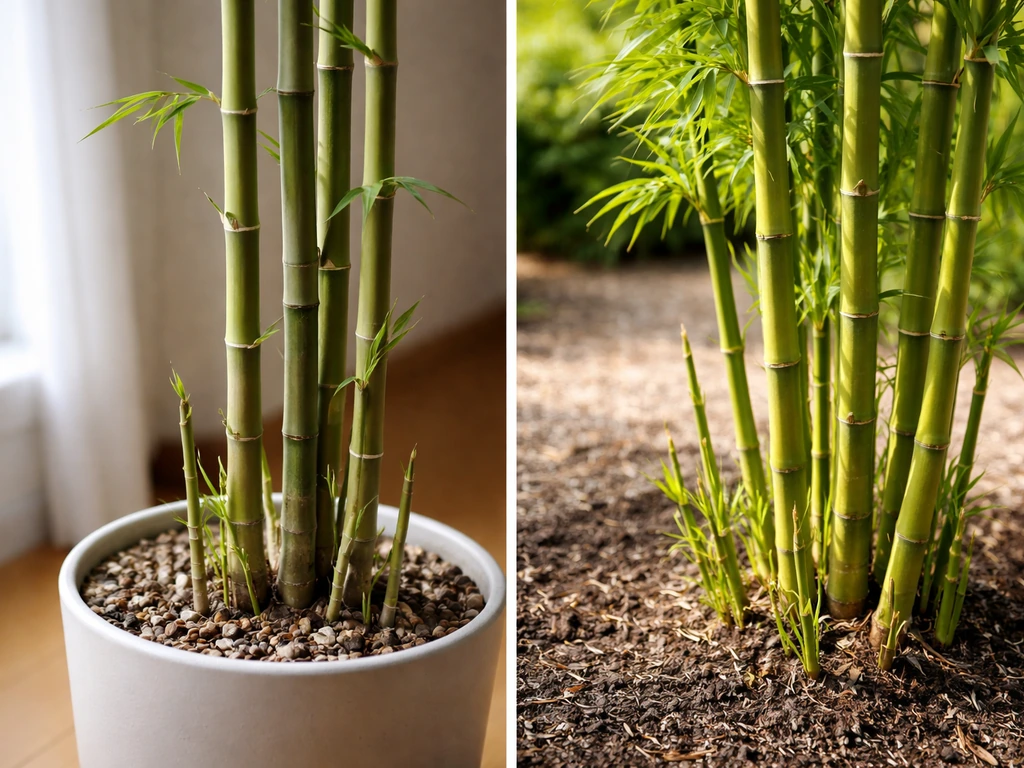
True bamboo grown indoors is a fundamentally slower experience than outdoor growing, and it's worth being honest about that upfront. Indoor bamboo lacks full-spectrum sunlight, temperature cycling (which triggers shoot production in many species), and the unrestricted root volume that drives fast growth. Most indoor bamboo species, often compact clumpers like Bambusa ventricosa or Otatea acuminata, will add 6 to 18 inches of growth per year indoors versus 2 to 6 feet outdoors in a warm climate. Don't expect a full productive clump indoors in under 7 to 10 years.
Worth mentioning: if you've ever wondered about the bamboo growth mechanics in games, you might have stumbled across questions like how long it takes bamboo to grow in Dreamlight Valley, which has nothing to do with real plant biology but does reflect how popular the curiosity around bamboo growth timelines has become. Real-world indoor bamboo takes considerably more patience than any in-game crop timer suggests.
Outdoor bamboo in a warm, humid climate with full sun and consistent moisture is the fastest possible scenario. That's your baseline. Every constraint you add (indoors, shade, cold zone, container, poor soil) subtracts time from the growing window and adds years to maturity. If you're in Zone 7 or warmer and planting in the ground with full sun, you're in good shape. Zone 6 with a sheltered south-facing wall can also work for cold-hardy running types, but add a year or two to your expectations.
How to estimate your specific bamboo's timeline right now
You can get a pretty solid estimate in about 10 minutes by working through these practical checkpoints.
- Identify your species: Look at the tag or ask your nursery. Clumping or running? Cold-hardy or tropical? Giant or medium? Each category has a known baseline timeline.
- Check your USDA zone: Zones 8 to 11 subtract roughly 1 year from the establishment timeline. Zones 5 to 7 add 1 to 2 years.
- Assess your planting site: Full sun (6+ hours) and in-ground planting puts you on the fast track. Shade or containers add time.
- Evaluate your soil: If it drains well and sits between pH 5.5 and 6.5, you're fine. Heavy clay or alkaline soil means you need to amend first, or accept slower progress.
- Count your existing culms: If you already have a plant in the ground, count the culms and note if new ones are getting bigger each year. That's the clearest sign the rhizome is maturing on schedule.
- Watch the shooting window: In temperate climates, the main shooting season is March through May for running types, and May through July for many clumpers. If shoots aren't emerging during that window, something is wrong with water, nutrients, or root health.
One thing that catches gardeners off guard is the cost side of getting started well. If you're weighing whether to invest in larger nursery stock versus starting cheap, it's worth understanding how much it costs to grow bamboo across different starting methods, because buying a more established plant often shortens your timeline by 2 to 3 years and is frequently the better value over time.
One common misconception worth killing: people hear 'bamboo grows incredibly fast' and expect to see a screen or grove in a year or two. That speed reputation comes from established groves where the rhizome network is already massive. A mature Moso grove with decades of rhizome development can push new culms up 3 feet per day. A newly planted start from a 3-gallon nursery pot is doing no such thing. The speed is real, it just lives mostly underground for the first several years. The Reddit thread about bamboo growth notes that the “fast growth” people describe mainly refers to culms during the shooting period, after the rhizome has been established underground the speed is real, it just lives mostly underground for the first several years..
If you want to accelerate your timeline practically: plant in the largest possible root volume (in-ground beats everything), keep soil consistently moist during the shooting season, apply a high-nitrogen fertilizer in spring, and avoid cutting back new shoots unless absolutely necessary. Every culm you remove in year one or two is energy the plant was using to build its rhizome for next year's bigger push. Let it grow ugly for a couple of seasons, and it will reward you later. And if you're particularly curious about the specific growth behavior of one of the world's most famous species, understanding how long it takes to grow Chinese bamboo puts the whole 'years of invisible work before explosive growth' story in sharp context.
FAQ
Why does my bamboo look alive but not grow taller for the first couple of years?
That usually means the rhizome is prioritizing underground expansion over above-ground height. A culm can be at “full height” right when it emerges, so the lack of taller culms is normal early on, especially if you planted a small division or bare-root start. Look for increasing shoot size (thicker, taller new culms over time) rather than expecting immediate height gains on older culms.
If culms stop getting taller after they emerge, does pruning them help growth?
Pruning or cutting new culms in the first 1 to 2 years often slows the long-term timeline, because it removes energy the plant needs to build the rhizome for the next wave. If you must remove culms, do it sparingly and expect a delay in shoot vigor afterward. Wait until the clump is established and you are in the productive phase before major shaping.
How can I tell whether my bamboo is actually growing or just “establishing”?
Track two things: (1) whether new shoots are increasing in thickness over successive seasons, and (2) how soon new shoots appear after spring warming. A plant that is established typically starts producing shoots earlier each season and with larger diameters, even if overall height gain feels slow.
Does bamboo need to be fertilized every year to reach maturity?
Fertilization helps, but it is not the only driver, and overdoing it can cause problems. In most cases, consistent early-spring and midsummer feeding supports bigger culms in years two and three, but poorly drained soil or root restriction will still limit growth. If your soil stays waterlogged, fertilizer will not compensate, and the plant can struggle even with high nitrogen.
How long does it take to get a privacy screen, and what “thickness” should I expect?
A usable screen depends on how quickly you achieve dense culm production and sufficient culm diameter, not just first shoot emergence. Even when shoots appear fast, full screening usually lags the first year because early culms are thinner and the clump is not producing at maximum rate yet. Plan on the standard 4 to 7 year runway, then add extra time if starting from small cuttings, containers, or cold climates.
My bamboo is in a pot. Can I speed it up without planting in the ground?
The biggest speed limiter in containers is root volume, so you can only partially compensate. Use the largest container you can manage, keep moisture steady during the shooting season, and avoid letting it dry out. Even with good care, expect smaller culms and an earlier “ceiling,” so the maturity timeline still tends to be longer than in-ground planting.
What happens if bamboo shoots get hit by cold weather?
Cold snaps can damage emerging shoots and effectively reset the plant’s progress for that season, meaning you lose a year of active momentum. In colder zones, choose cold-hardy species, add winter protection, and be prepared to extend the establishment timeline by at least a year compared with warmer areas.
Can I grow bamboo from seed, and how does that change the timeline?
Seed starts are typically slower and more variable than starting with a rhizome division because you add an extra establishment phase. Even for giant species, above-ground growth can be delayed while the rhizome system builds. If your goal is a predictable maturity date, buying an established division is usually the faster, less uncertain route.
How long until I see full-size culms, and when do they start dying back and replacing?
Culm hardening and structural maturity can take several years, even after the clump is producing shoots. Full lifecycle and natural replacement happens over a longer span, meaning older culms may gradually decline while newer culms take over. For planning, treat “first culms” and “steady, mature culm cycles” as different milestones.
Does bamboo grow slower if it is shaded or if it gets too much water?
Yes. Reduced sun lowers shoot energy and can extend the time to reach the vigorous production phase, while waterlogged or compacted soil suppresses rhizome spread. If you see fewer shoots and weaker rhizome expansion, prioritize drainage and light before increasing fertilizer, since those soil issues tend to be the limiting factor.
Next Article
Can Bamboo Grow in Las Vegas? Guide to Success in Desert
Yes, bamboo can grow in Las Vegas with the right species, irrigation, shade, and containment; step-by-step planting and保护