No, bamboo cannot grow through a living human body. It is physically impossible for bamboo to penetrate and grow through living tissue. The idea comes from dramatic stories and viral legends, but the biology simply doesn't support it. Bamboo grows by extending rhizomes horizontally underground and pushing culms (canes) upward through soil. Living human tissue is not a medium bamboo can grow into, colonize, or pass through. USDA NRCS notes that searches found no additional biology or plant-pathology penetration through living-tissue sources, supporting the conclusion that bamboo cannot grow through living bodies no additional biology or plant-pathology penetration through living tissue sources. That said, bamboo can absolutely injure people in real, concrete ways, and its underground rhizomes can cause serious property damage that deserves your full attention.
Can Bamboo Grow Through a Person? Facts and Control

How bamboo actually grows (and why it can't grow through you)
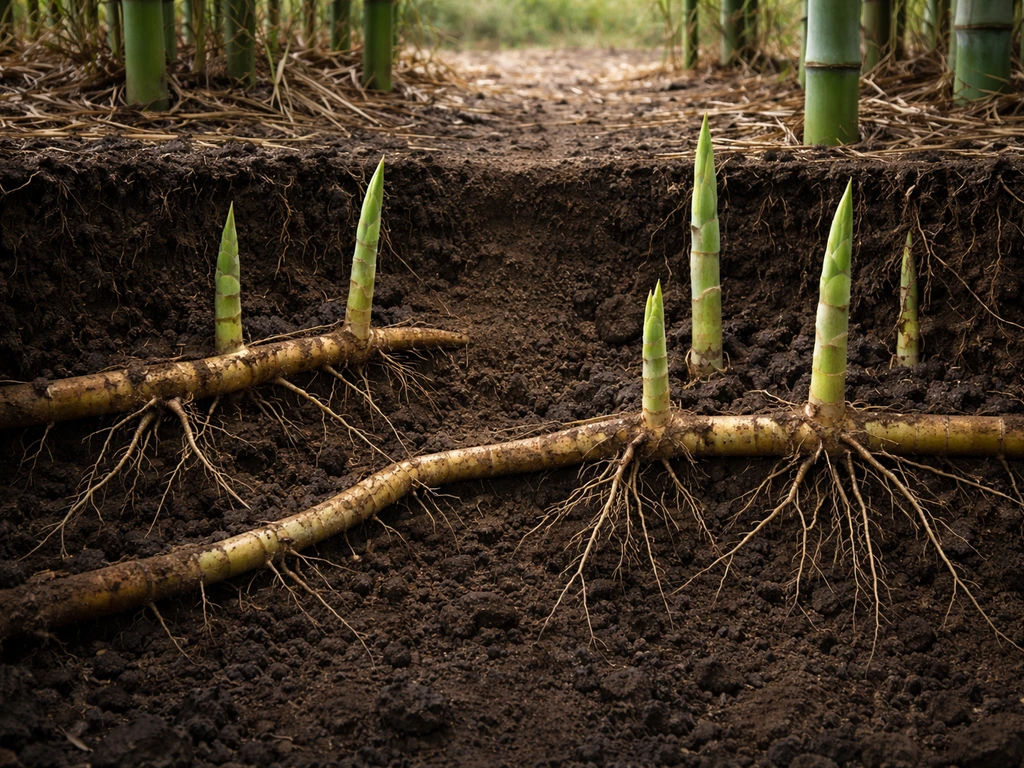
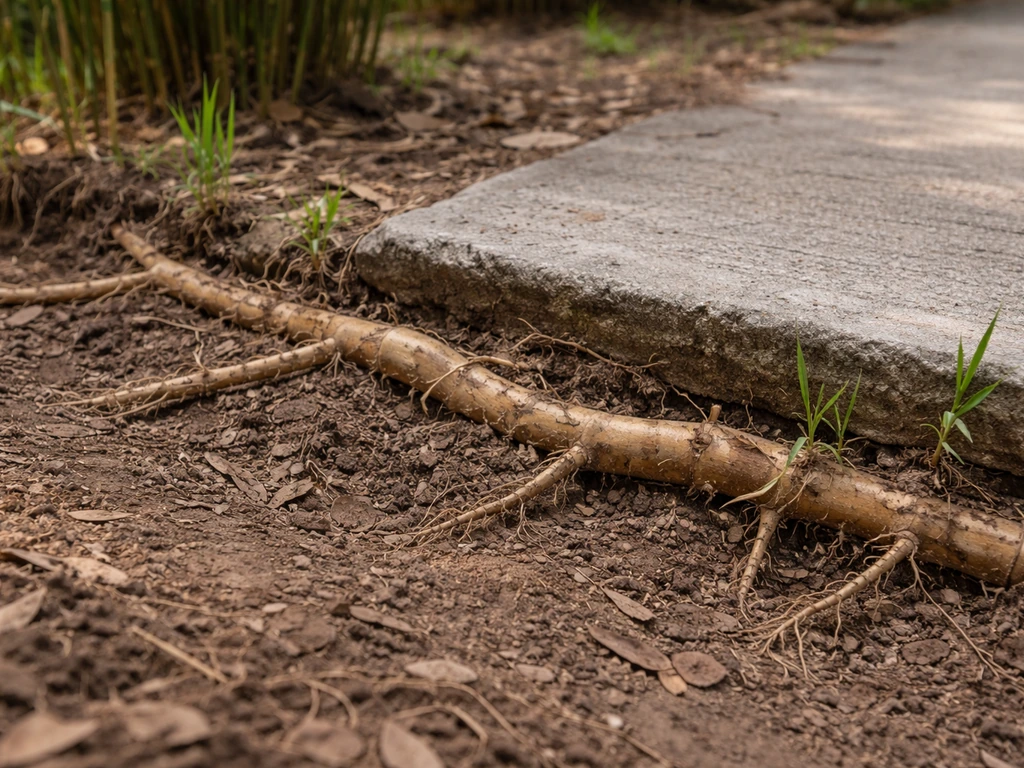
Bamboo spreads through two main structures: rhizomes and culms. Rhizomes are perennial stems that run horizontally underground, growing roots downward and new culms upward as they travel. Culms are the visible canes you see above ground. Neither structure has any biological mechanism for penetrating or growing through animal tissue. Plants grow toward resources: light, water, and nutrients in soil. A human body offers none of the conditions bamboo needs to survive, let alone spread.
Rhizomes of running bamboo typically stay shallow, usually less than one foot deep, and can spread more than 100 feet from the original plant. That's why running bamboo (like Phyllostachys species) earns its reputation as aggressive and hard to contain. But that aggressiveness is about finding soil, moisture, and open ground, not about penetrating solid objects or living things. Clumping bamboo is far less of a concern since it spreads slowly and stays relatively compact.
Bamboo culms can grow surprisingly fast, but they emerge from an established rhizome network underground. A new culm doesn't drill upward from nothing. The rhizome has to already be in place beneath the surface, then the shoot pushes up through loose soil. That mechanism, pushing through soft earth, is a far cry from growing through concrete, metal, or a person.
Where the myth comes from, and what the real risks actually are
The "bamboo torture" story has been circulating for decades, and there are ancient accounts of bamboo being used in cruel ways involving restrained prisoners placed over young shoots. Those stories may have a kernel of historical truth rooted in how fast bamboo shoots can grow in ideal conditions. But growing through a stationary restrained body in extreme circumstances is a world away from bamboo spontaneously growing through someone walking in their yard.
The real risks from bamboo are worth taking seriously, though. Fresh-cut bamboo edges can be razor sharp, and bamboo splinters easily because of its high silica content. If you're cutting or clearing bamboo without gloves and eye protection, you can easily get deep lacerations or puncture wounds from sharp culm edges or broken canes. These are genuine injuries that need prompt cleaning and sometimes medical attention, but they're injuries caused by sharp edges, not by bamboo growing into you. Bamboo also can develop mold under the wrong conditions, like persistent moisture and poor ventilation.
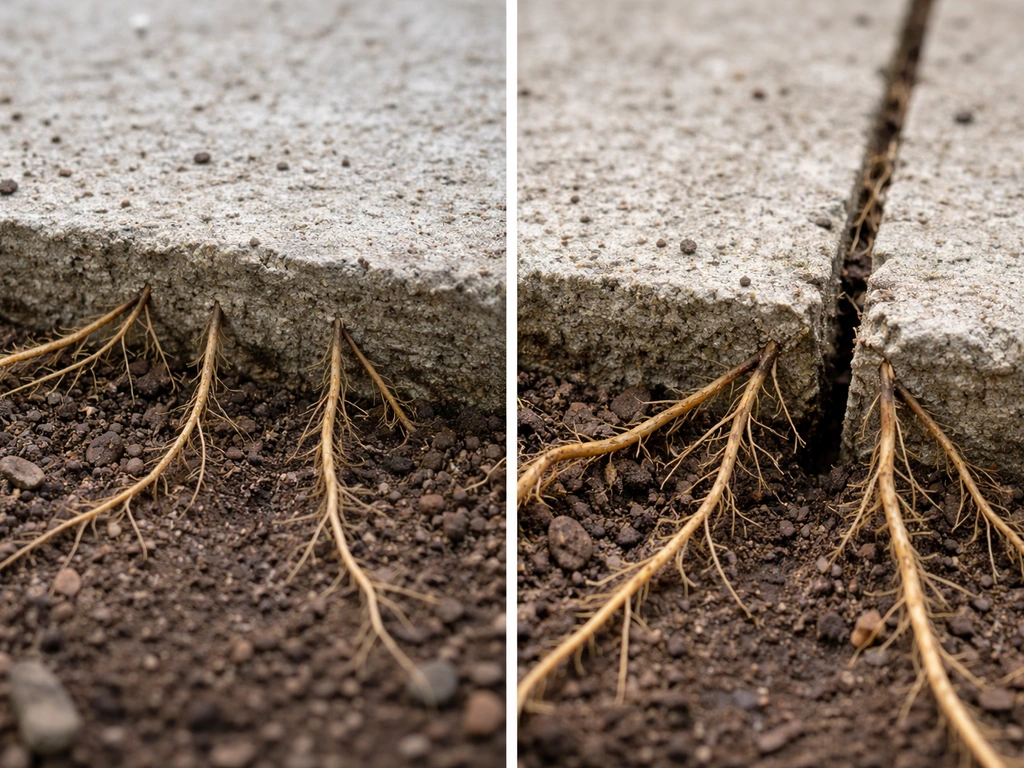
The other real risk is property damage. Bamboo rhizomes are thick, tough, and relentless. They will find their way into cracks in pavement, push up through asphalt with existing fissures, and undermine garden walls, fences, and foundations over time. An untreated running bamboo planting near a house is genuinely something to take seriously, just not for the reasons the myths suggest.
What bamboo can and can't actually grow through
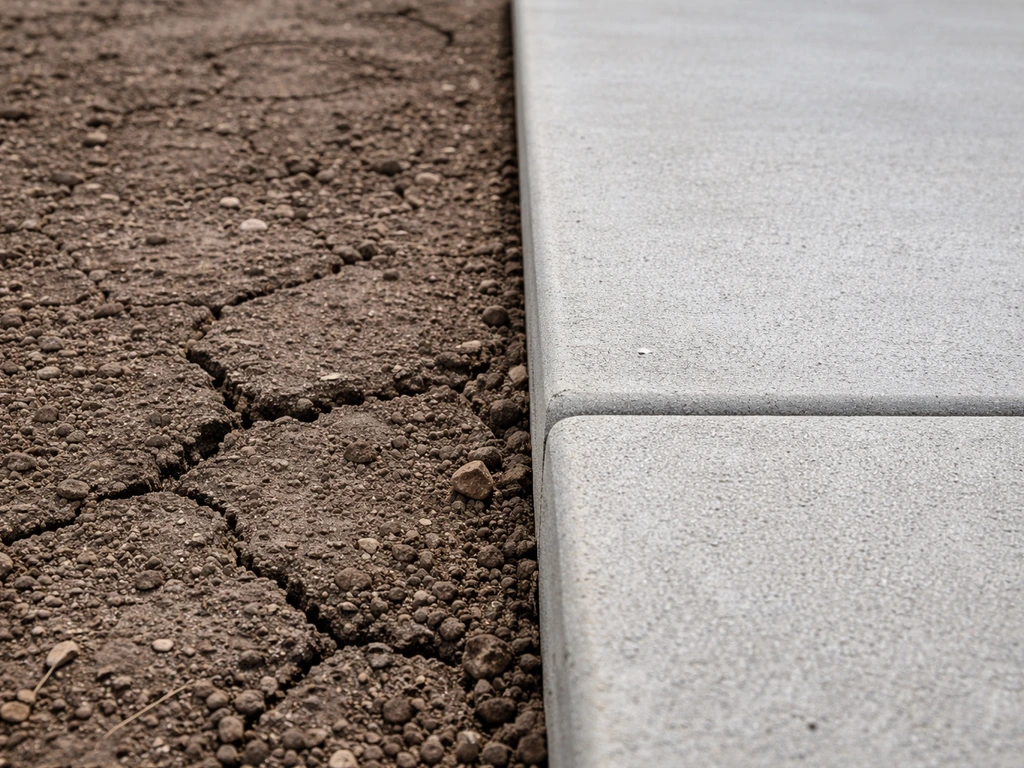
It helps to put bamboo's penetrating ability in realistic context. Bamboo rhizomes are opportunistic. They follow the path of least resistance underground. Solid, uncracked concrete or solid asphalt will stop them. That same limitation means bamboo can't grow through metal either, since it needs loose soil and openings to spread. But give them a crack, a gap, or a soft edge, and they'll find it. But if the concrete has cracks or loose edges, bamboo rhizomes can exploit those weak spots and keep spreading nearby crack, a gap, or a soft edge. The same logic applies to other materials in the yard. Will bamboo grow through landscape fabric? In many cases, it can because rhizomes can find gaps or get through weak or poorly installed barriers.
| Material | Can bamboo grow through it? | Notes |
|---|---|---|
| Living human tissue | No | Biologically impossible. Bamboo cannot grow through or colonize animal tissue. |
| Solid concrete (no cracks) | No | Rhizomes are stopped by intact, solid concrete. |
| Cracked concrete or asphalt | Yes (over time) | Rhizomes exploit existing cracks and fissures. |
| Loose or compacted soil | Yes | This is the primary growth medium for rhizomes. |
| Thin plastic sheeting | Yes | Low-grade barriers are easily penetrated. |
| Heavy-duty root barrier (30–40 mil plastic) | Unlikely if installed correctly | Requires 30–36 inches depth with 6–8 inches above ground. |
| Landscape fabric | Often yes | Rhizomes can grow over or through lightweight fabric. |
| Metal barriers | Unlikely if thick enough | Heavy gauge metal installed deep can stop spread. |
This table reflects the same pattern you'll see with other materials around the yard. The barrier has to be the right material, the right depth, and correctly installed to actually work. Half measures tend to fail eventually.
How to stop bamboo from spreading into areas people use
If you have running bamboo already in the ground, containment and removal are both possible, but neither is quick. Here's what actually works based on university extension guidance from multiple states.
Install a proper root barrier
A high-density polyethylene root barrier of 30 to 40 mil thickness, installed vertically to a depth of at least 30 inches, is the standard recommendation. University of Maryland Extension suggests using a 30 to 36 inch wide roll and leaving 6 to 8 inches above the soil surface so rhizomes that try to go over the top are visible and easy to cut back. The barrier needs to form a complete, overlapping loop with no gaps. Any gap is a potential escape route.
Don't rely on containers long-term
Container planting feels like an easy fix, but running bamboo rhizomes can escape through drainage holes, crack pots, and push through container walls over time. If you're growing running bamboo in a container, monitor it closely every season and repot or trim roots regularly.
Cut new culms during the emergence window
Bamboo has roughly a two-month window each spring when new culms emerge. University extension guidance notes that bamboo control efforts are multi-year, and the emergence period each spring is a key time for cutting new shoots two-month window each spring). Cutting or knocking over new shoots during this window is one of the most effective ways to exhaust the rhizome network over time. Each new culm that gets cut puts energy demand back on the underground system without giving the plant new photosynthetic capacity. Repeat this consistently over multiple growing seasons and you will weaken the colony.
Remove rhizomes physically
If you're removing an established patch, dig out as much of the rhizome mass as possible. Any fragment left in the soil can regrow. This is painstaking work, and it's the main reason NC State Extension frames bamboo control as a multi-year project requiring persistence. Rhizomes spread laterally, so dig well beyond the visible culm zone.
What to do about bamboo in or near your yard right now
If you're dealing with an active bamboo problem today, here's a realistic action plan with honest timelines.
- Walk the perimeter and map where rhizomes have traveled. Probe the soil with a stick or trowel to find underground spread beyond the visible canes. Rhizomes are usually within the top 12 inches of soil.
- Cut all current-season culms to the ground immediately to stop photosynthesis and slow the colony's energy production.
- If it's spring emergence season, keep cutting new shoots every week or two throughout the two-month window. Don't let any new growth get established.
- Excavate and remove as much rhizome material as you can reach. Dispose of it off-site. Don't compost it, as fragments can re-establish.
- Install a 30–40 mil root barrier to at least 30 inches depth if you're keeping any bamboo on the property. Overlap the barrier edges by at least 6 inches and seal with stainless steel clamps.
- Monitor the barrier edge and any disturbed soil monthly for the first year. Cut back any shoots that try to go over the top.
- Plan for two to three full growing seasons of follow-up cutting before you can consider the colony fully controlled. Any missed rhizome fragment will try to resprout.
- If the bamboo is adjacent to a structure, walkway, or neighbor's property, consider professional removal rather than DIY, especially if the colony is large.
On the chemical side, glyphosate can work on bamboo because bamboo is a grass, but it requires repeated applications, correct timing (best applied after cutting, when the plant is actively regrowing), and strict adherence to label directions. It works best as a supplement to physical removal, not a standalone solution.
The bottom line on the core question: bamboo cannot grow through a person. But if you have running bamboo near your home, near walkways, or anywhere people regularly move around, the underground spread and the sharp edges of cut canes are real concerns worth addressing now rather than next year. The longer an untreated bamboo colony runs, the more rhizome mass you'll be dealing with, and every extra season makes removal harder.
FAQ
Can bamboo grow through skin or stay alive inside a wound?
No. Bamboo cannot penetrate or colonize living tissue the way some myths imply. If a bamboo-related injury happens, treat it like a foreign-body puncture or laceration, because splinters and debris are the real danger, not active plant growth inside the body.
What if someone is trapped or restrained and bamboo shoots are nearby, could it “grow through” them?
In real conditions, bamboo would not grow through a body. However, very young shoots can grow quickly and they can cause injury or trauma if someone is immobilized near active growth, mainly from contact and pressure rather than true penetration.
How fast can running bamboo spread under the ground, and can it reach under a walkway?
Running bamboo rhizomes typically spread laterally underground, and they can travel long distances over time, so they can end up beneath nearby structures if gaps or weak edges exist. The practical takeaway is to treat buried barriers and removal as multi-year tasks, especially if the colony has been established for a while.
Will bamboo escape if I install a root barrier but the barrier is not perfectly sealed?
Yes, even a small gap can become an escape route. For containment to work, the barrier must be continuous with overlapping edges, installed to the required depth, and extended far enough around the plant so rhizomes do not go around the ends.
Can clumping bamboo grow through a person or into cracks in the same way running bamboo does?
Clumping bamboo is generally less aggressive underground, but it still can cause injuries from sharp culms and can cause property damage if it is allowed to expand into structures over time. The main difference is that clumping typically spreads more slowly and stays more compact than running types.
If I plant bamboo in a pot, can rhizomes still get out?
They can. Running bamboo may escape through drainage holes, split or crack containers, or push through weak container walls as the rhizome system grows. Regular seasonal inspection and root trimming are important, and heavy-duty barriers inside containers can reduce the risk.
Does removing visible culms stop bamboo, or will it regrow?
It usually regrows. Cutting culms can help weaken the rhizome network only if you repeat it strategically, because the plant uses energy to produce new shoots. A single cut without follow-up often delays growth rather than eliminating the colony.
What is the best time to cut bamboo to weaken it?
Timing matters. The most effective approach is to cut new culms during the spring shoot emergence period so the plant repeatedly has to draw on the underground energy reserves to regrow. If you cut only established culms far from the emergence window, results are slower.
How deep do I need to dig to remove running bamboo effectively?
Dig beyond what you can see. Rhizomes spread laterally, so removal needs to extend well outside the culm zone and recover as much rhizome mass as possible, because even small left fragments can regrow.
Is glyphosate alone enough to kill bamboo?
Often not. Glyphosate can work on bamboo because it is a grass, but it typically requires correct timing and multiple applications to exhaust the rhizome energy stores. Treat it as a supplement to physical removal or repeated cutting, and always follow label directions and local regulations.
Could bamboo mold or cause health issues unrelated to injury?
Yes. Bamboo can develop mold under persistent moisture and poor ventilation, especially for harvested or stored material. For yard plants, the bigger immediate concerns are injury from sharp edges and the structural damage risk from rhizomes.
Are bamboo barriers safe around pets and people?
They can be, but they must be installed correctly to prevent trips and to avoid creating a buried hazard. Place barriers so they do not interfere with footpaths, ensure surface access points are safe, and keep the installation plan aligned with your landscaping layout.
Can Bamboo Grow Through Concrete? Root Behavior and Control
Can bamboo roots reach concrete? Learn if they penetrate cracks, growth speed, and how to contain or stop spread fast.