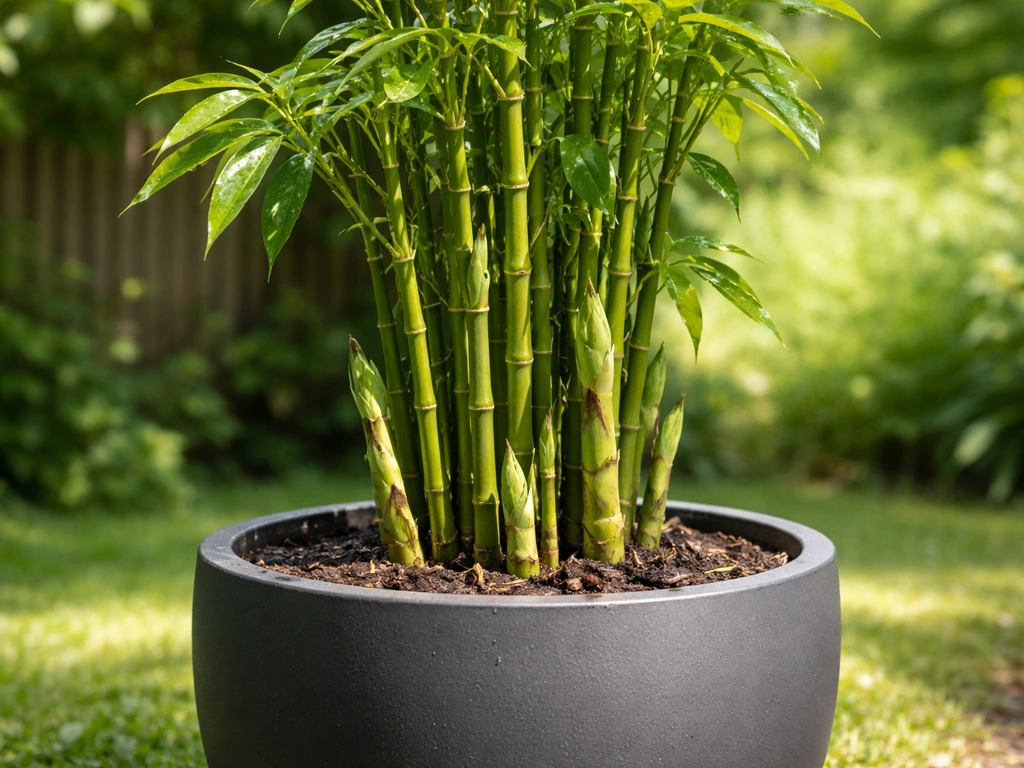
Yes, bamboo grows in Australia, and in the right conditions it grows extremely well. The east coast from northern New South Wales up through Queensland and into the Northern Territory is where bamboo feels most at home, but with the right species selection you can grow it successfully in cooler southern regions too. The key decisions are choosing between clumping and running types, matching your species to your climate, and setting up containment before you plant, not after.
Does Bamboo Grow in Australia? Where and How to Grow It
Marcus Hartwell
11 Jul 2026
Does bamboo grow in Australia (and why it matters)
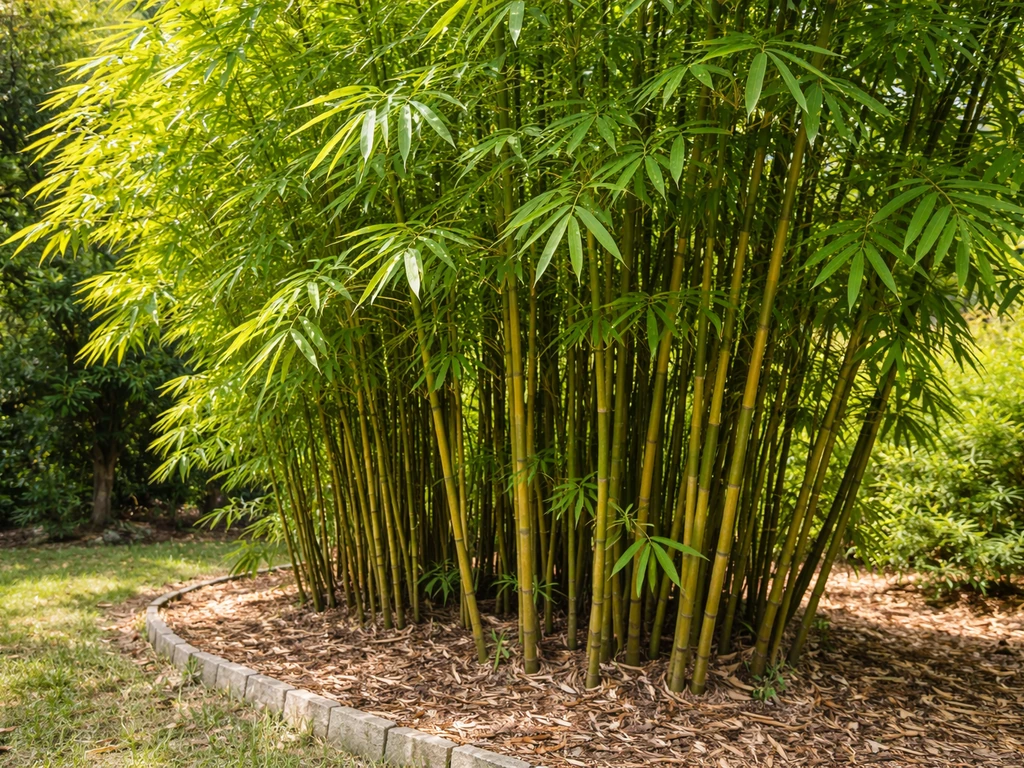
Bamboo was originally introduced to Australia as an ornamental plant, and it has since become well and truly established, particularly across South East Queensland and northern New South Wales. It's used here for shelter belts, erosion control, privacy screens, and garden feature planting. The Queensland Government's biosecurity information notes it's native to tropical and subtropical Asia, which tells you a lot about where it performs best on Australian soil.
Why does this matter? Because bamboo isn't one plant. It's a broad family with wildly different growth habits, cold tolerances, and spreading behaviours. Pick the wrong type for your region and it either sulks and barely grows, or it runs rampant under your fence and into your neighbour's yard. Pick the right one and install it correctly, and you get a fast-growing, low-maintenance plant that delivers real results. If you are comparing bamboo with trees, this is why bamboo is often discussed as growing faster under the right conditions fast-growing, low-maintenance plant. Understanding the basics before you buy is what separates a successful bamboo garden from a years-long containment headache.
Where bamboo grows best across Australia (climate and regions)
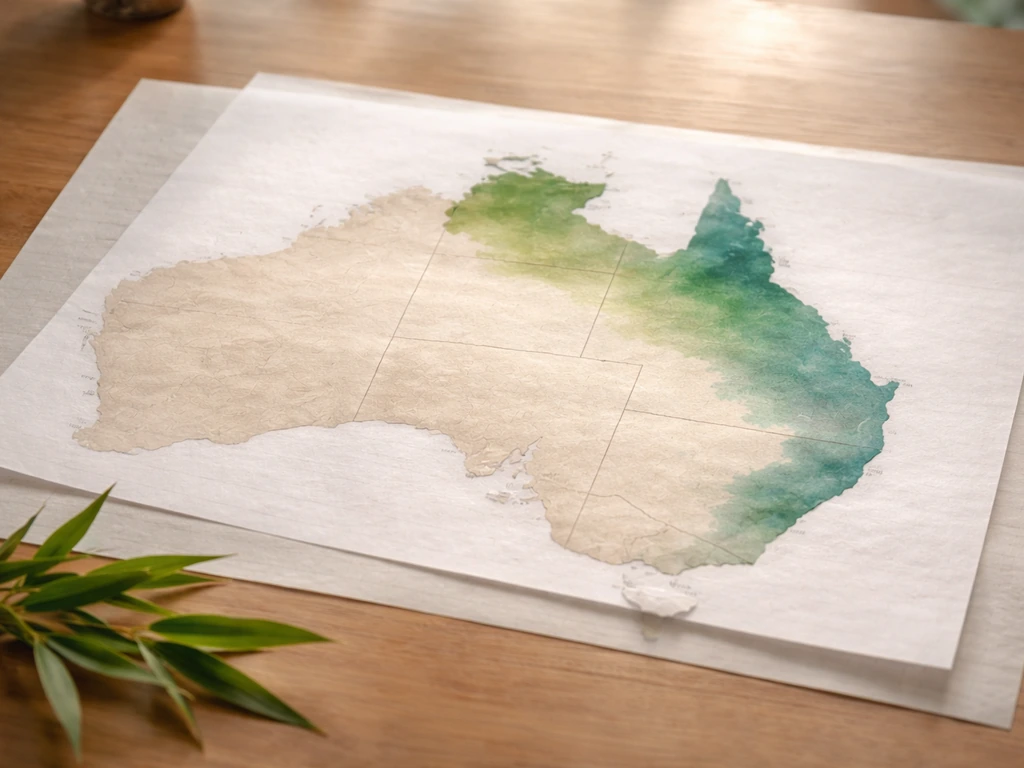
Bamboo thrives most in warm, humid conditions, which makes tropical and subtropical Queensland, coastal northern New South Wales, and the Northern Territory's wetter zones the sweet spots. These areas mirror bamboo's native climate in Asia. Species like Bambusa oldhamii can hit impressive heights in tropical Queensland that they simply wouldn't reach in Melbourne, where the same plant grows noticeably smaller and more slowly. That's not a reason to avoid growing bamboo in cooler areas, but it is a reason to calibrate your expectations and species choice.
In the NT's Top End, it's worth noting that temperate running bamboos (like Phyllostachys species) actually struggle, as the climate doesn't suit them. Clumping bamboos from east-coast Australia, covering the corridor from NSW up to north Queensland and into the Top End, are the better fit there. In Sydney, Melbourne, Adelaide, and other temperate or cool-temperate zones, you can still grow bamboo successfully, but you need species with genuine frost tolerance and ideally a sheltered aspect. Phyllostachys, the running genus, is surprisingly frost hardy and can handle cool winters, but it needs warm, humid summers to put on real growth, which limits how fast it performs in the southern states.
| Region | Climate suitability | Best bamboo type | Key consideration |
|---|---|---|---|
| Tropical/subtropical QLD | Excellent | Clumping (Bambusa) | Very fast growth; containment critical |
| Northern NSW (coastal) | Very good | Clumping (Bambusa) | Choose species rated to -4°C for mild frost |
| Sydney and ACT surrounds | Good | Clumping or hardy running | Sheltered position essential; slower growth |
| Melbourne and Victoria | Moderate | Hardy running (Phyllostachys) or frost-tolerant clumping | Warm humid summers needed for vigour |
| NT Top End | Good for clumping only | Clumping (Bambusa) | Running/temperate types do poorly here |
| High altitude or wind-exposed areas | Challenging | Very frost-hardy running types only | Expect slow growth; wind protection needed |
Bamboo species and what to choose for your area
The single most important decision you'll make is whether to plant clumping or running bamboo. Clumping bamboos expand slowly outward from a central root mass and are far easier to manage in a domestic garden. Clumping bamboo is the type ABC Gardening Australia recommends for gardens because it is easier to manage and contain than running types clumping bamboo is far easier to manage. Running bamboos spread rapidly via underground rhizomes that can travel metres in a single season. In an Australian backyard context, clumping bamboo is almost always the better choice unless you have a large property and a serious containment setup.
Bambusa oldhamii is one of the most popular choices across Australia. It's a fast-growing clumping bamboo that tolerates temperatures as low as -4°C, which gives it useful frost resilience for places like the NSW tablelands or elevated parts of Queensland. It's a large species, so give it room. For smaller gardens or cooler climates, there are dwarf and medium clumping varieties with high frost tolerance that suit everything from a courtyard privacy screen to a hedge along a suburban fence line. Queensland-based bamboo nurseries typically list frost tolerance ratings on their cultivars, which is worth checking before you buy.
If you're in a genuinely cool-temperate zone and want a taller bamboo, Phyllostachys (a running genus) is the most frost-hardy option available. But if you go down that path, you need to treat containment as non-negotiable from day one, not something you'll sort out later.
How to grow bamboo in Australia (site, soil, watering)
Choosing the right spot
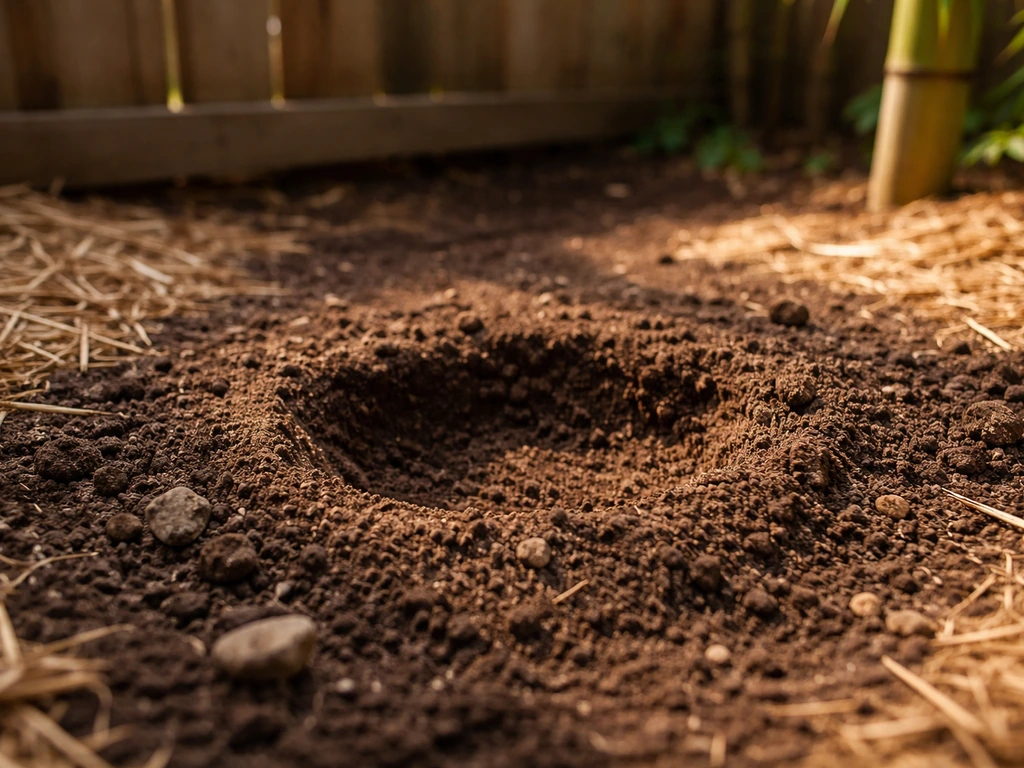
Bamboo prefers a sheltered but sunny position. Full sun with protection from strong, drying winds is ideal. Avoid low-lying areas that pool water after rain, as bamboo generally prefers reasonably well-drained soil and won't tolerate waterlogged or swampy conditions for extended periods. A spot along a fence or beside a structure that blocks prevailing winds while still allowing full sun for most of the day is close to perfect.
Soil preparation
Bamboo isn't fussy about soil type, but it does reward preparation. Before planting, dig in compost, aged manure, mushroom compost, or quality garden soil to improve structure and fertility. This matters most in sandy or heavily clay-based soils where drainage is extreme in one direction or the other. You don't need a perfect loam, but giving the roots something to work with in the first season makes a real difference to how quickly the plant establishes.
Watering
Bamboo is reasonably drought tolerant once established, but in the first year it needs consistent moisture while the root system develops. Water deeply and regularly during dry spells, particularly through the first summer. A layer of mulch around the base helps retain soil moisture and keeps roots cool. Once established, most clumping bamboos in eastern Australia manage well with natural rainfall supplemented during dry periods.
Planting timeline and expected growth rate
Spring is the best time to plant bamboo in Australia, as the warming soil and longer days give the plant the best possible start. Planting is possible in winter, but don't expect to see much above-ground growth, as the plant puts its energy into root establishment during the cold months. Visible new cane growth typically kicks in once temperatures rise consistently in spring and summer.
Growth rate varies significantly by species and climate. Generally, bamboo in pots follows the same rules, but growth can be slower because containers dry out more quickly than the ground Growth rate varies significantly by species and climate.. In tropical Queensland, a well-sited Bambusa oldhamii can put on impressive new cane height within a single growing season. In Melbourne, the same species grows more modestly. Generally, the first year is about root establishment with limited above-ground growth. Year two shows more noticeable expansion, and by year three most clumping bamboos are putting on meaningful size annually. The faster growth rates discussed in articles about how fast bamboo grows in Australia reflect optimal tropical or subtropical conditions, so if you're in a cooler zone, plan for a slower trajectory.
Ongoing care, containment, and common problems
Containment for running bamboo
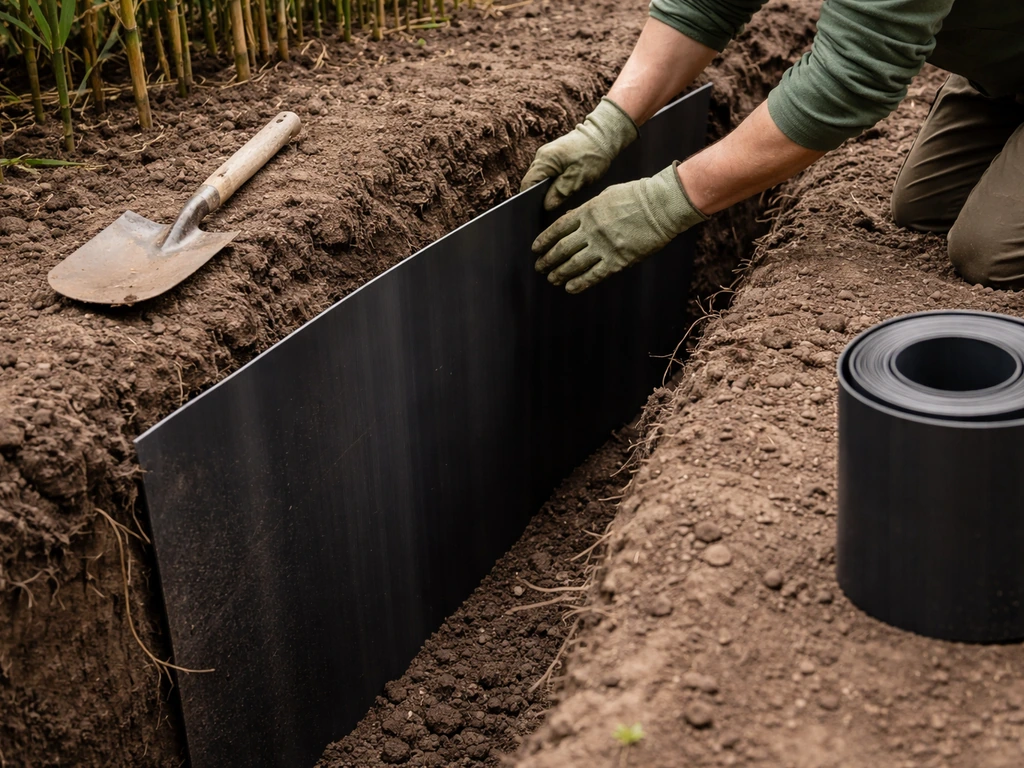
If you plant running bamboo, containment is not optional. Rhizome barriers need to be installed before or at planting time, sunk to around 90 cm below ground level. Some guidance suggests digging to around 1 metre, as rhizome depth varies by species. The barrier should be angled slightly outward at the bottom so that when a rhizome hits it, it bends upward rather than pushing underneath. Where the barrier meets a wall or structure, return it by at least 350 mm to prevent rhizomes from slipping around corners. After installation, inspect the barrier edge regularly, particularly in spring when growth is most active, checking for rhizomes that have grown over or under the barrier. The Sydney Weeds Network bamboo fact sheet also stresses regular inspection of the rhizome barrier edge, especially in spring, to catch any regrowth early inspect the barrier edge regularly, particularly in spring.
Where running bamboo breaks containment it becomes a genuine problem, both for your own garden and potentially for natural areas and neighbouring properties. Australian councils in NSW and Queensland are increasingly clear about landowner responsibility for bamboo spread. Real-world experience in Australian gardening communities confirms that shoots travelling under fences are one of the most common and frustrating bamboo issues. Don't let it get to that point.
Managing clumping bamboo
Clumping bamboo is far more forgiving. The clump expands slowly outward from the centre, and if it starts encroaching where you don't want it, you can simply break off emerging shoots at the base before they harden. Annual removal of old or damaged canes from the centre of the clump also keeps it looking tidy and encourages stronger new growth.
Common problems to watch for
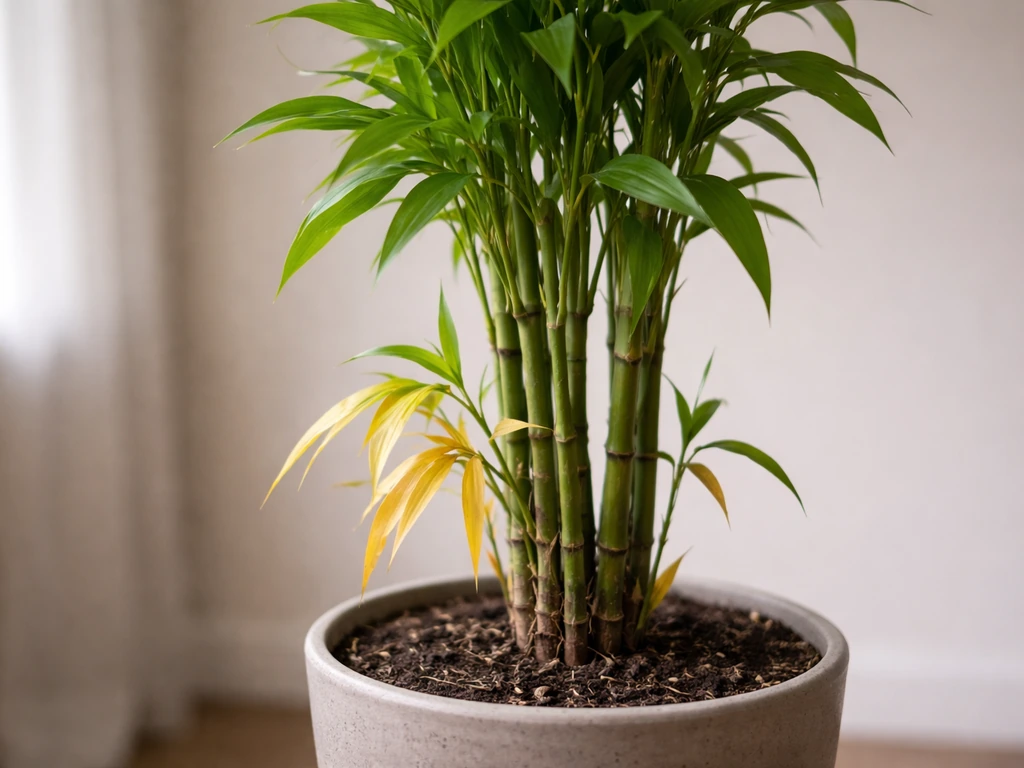
- Yellowing leaves: often a sign of overwatering, poor drainage, or nitrogen deficiency. Check soil moisture levels first, then consider a balanced fertiliser.
- Sparse or thin canes in the first year: normal during establishment. Don't panic and over-fertilise.
- Mites and scale insects: occasionally affect bamboo in dry conditions. A strong water spray or neem-based treatment usually handles it.
- Frost damage on new shoots: protect new plantings in frost-prone areas with hessian or temporary shelter until established.
- Running rhizomes escaping barriers: inspect barriers every spring and cut any escaping rhizomes immediately before they advance further.
Indoor vs outdoor growing options in Australia
Most bamboo species grown in Australia are outdoor plants, and that's where they perform best. However, smaller clumping varieties and some dwarf species can be grown in large containers, which opens up options for balconies, courtyards, and indoor spaces with good natural light. Growing bamboo in pots is a legitimate approach for people who want the look of bamboo without the ground-planting commitment, or who live in apartments or have limited outdoor space.
For indoor growing, choose a compact clumping species and place it in the brightest spot available, ideally near a north-facing window or a well-lit balcony door. Bamboo grown indoors will grow more slowly and stay smaller than the same plant outdoors, but it remains healthy with proper watering and occasional feeding. The main indoor challenge is humidity: Australian homes, especially in winter, can be dry, and bamboo appreciates some ambient moisture. Misting the foliage or placing the pot on a pebble tray with water helps.
Outdoor container growing works well for containment purposes too. A large, sturdy pot naturally limits rhizome spread, which makes it one of the most practical solutions for anyone nervous about running bamboo in a small garden. The tradeoff is that container-grown bamboo needs more frequent watering and feeding than in-ground plants, and it may need to be divided every few years as the root mass fills the pot.
Your practical next steps
If you're ready to move forward, here's how to approach it. First, identify your climate zone and frost risk, then shortlist clumping species rated for your conditions. For most of eastern Australia, Bambusa oldhamii or a similar clumping Bambusa species is a reliable starting point. If you're in a cooler zone, look specifically for frost-tolerance ratings from reputable Australian bamboo nurseries before buying.
- Decide on clumping vs running: for most home gardens, choose clumping. Full stop.
- Match species to your climate zone, checking frost tolerance ratings if you're in a cooler area.
- Choose your site: sunny, sheltered from wind, and with good drainage.
- Prepare the soil with compost or aged manure before planting.
- If planting running bamboo, install the rhizome barrier before the plant goes in, not after.
- Plant in spring for the best first-season establishment.
- Water consistently through the first summer and mulch the base well.
- Inspect for rhizome escape or pest issues each spring and deal with them early.
In the first few months after planting, be patient. You might also wonder whether kelp grows faster than bamboo, since kelp’s rapid growth in water is often compared with terrestrial plants kelp grow faster than bamboo. What's happening underground is more important than what you can see above it. A bamboo that looks modest in its first season is often building the root system that will power strong growth in year two and beyond. Set it up right from the start and bamboo is one of the most rewarding plants you can grow in Australia.
FAQ
Does bamboo grow in Australia without full sun?
Yes, but growth slows. Aim for at least several hours of direct sun, and choose a sheltered spot. If you plant in heavy shade, expect thinner canes and less dense clumps, even for fast species.
Can I grow bamboo in cold parts of Australia like the NSW tablelands or inland Victoria?
You can, but only with genuinely frost-tolerant clumping species and good microclimate. Choose the warmest site you have (south-facing slope is usually warmer than exposed north-facing flat ground), add mulch for root protection, and water during dry winter snaps.
Will bamboo survive coastal salt winds in Australia?
Some clumping bamboos handle coastal conditions better than others, but salt-laden wind can burn leaves and stunt growth. Plant behind a windbreak, keep the clump well-mulched, and avoid low spots where salt spray accumulates.
Does bamboo in pots grow as fast as bamboo in the ground?
Usually no. Containers dry out faster and have limited root space, so growth is often slower and needs more frequent deep watering. Many pot-grown clumps also benefit from being refreshed or divided every few years to avoid root crowding.
How much watering does bamboo need in its first year in Australia?
Consistency matters more than daily watering. Water deeply enough to wet the root zone, then let the surface dry slightly before the next cycle. During autumn and winter, reduce watering unless your area is unusually dry.
Is it better to fertilize bamboo after planting or wait?
For the first season, focus on establishment rather than heavy feeding. A light application of compost or a balanced slow-release fertilizer in spring is usually enough, then increase feeding only once you see steady new cane growth.
What’s the fastest bamboo to grow in Australia?
Fast growth usually comes from warm, humid conditions and the right clumping species, not just “the fastest type.” In cooler regions, even good species can look slow for the first one to three years as energy goes into roots and cane production.
Can I grow bamboo indoors in Australia?
Yes with compact clumping varieties, but it will be smaller and slower than outdoors. Indoor humidity is the common limiting factor, so use a pebble tray, misting, and group plants to raise local moisture, especially in winter heating seasons.
Can clumping bamboo still spread into a neighbour’s yard?
It can encroach over time, but it’s far more manageable than running bamboo. If you see shoots emerging where you do not want them, remove them at the base before they harden, and regularly trim back outer growth.
Do I really need a rhizome barrier for running bamboo in Australia?
Yes, and it has to be installed correctly from day one. For most running types, barriers should be sunk roughly around 90 cm (varies by species), angled outward at the bottom, and checked each spring for gaps, lifted edges, or rhizomes slipping around corners.
How do I know whether my bamboo is clumping or running?
If new shoots appear only close to the original clump, it is likely clumping. If you see shoots popping up farther away via underground rhizomes, it is running. Checking the plant label or nursery description before planting is the safest step.
What are common reasons bamboo fails in Australian backyards?
Most failures come from planting the wrong type for the climate (especially frost sensitivity), poor drainage in heavy clay, skipping consistent first-year moisture, or lacking shelter from strong drying winds. Another frequent mistake is delaying containment decisions for running bamboo.
Next Article
How Fast Does Bamboo Grow in Pots? Growth Timelines
Learn how fast bamboo grows in pots, growth timelines by type, plus factors and fixes for faster container growth.