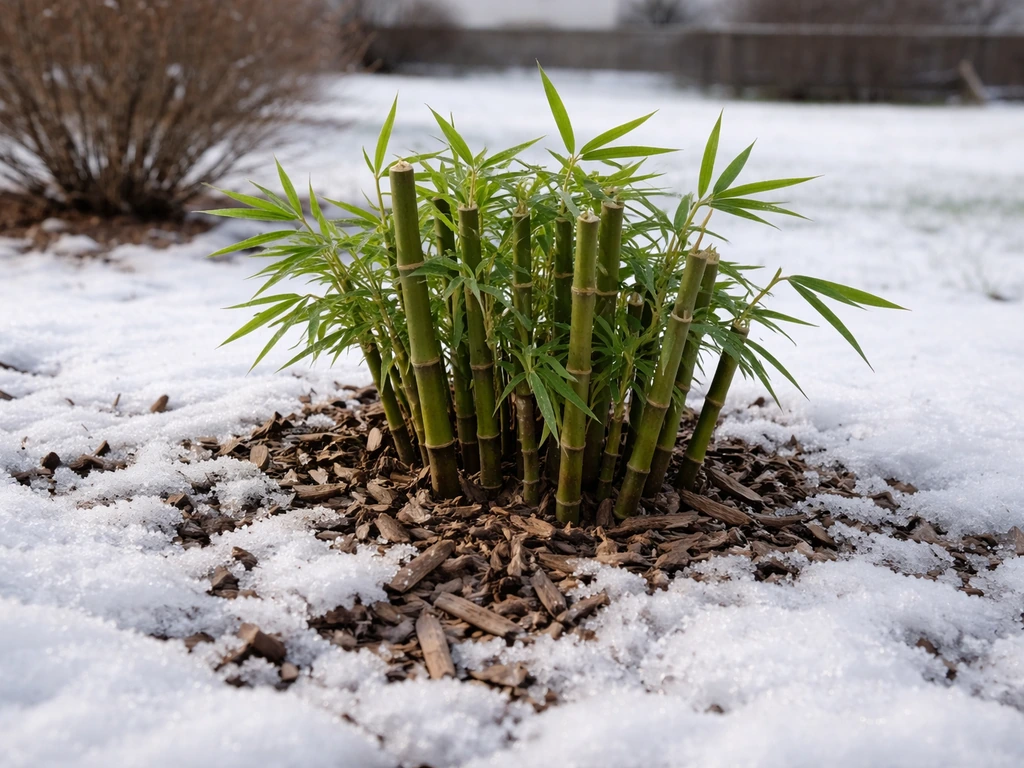
Yes, bamboo grows very well in Hawaii. In fact, Hawaii's warm, humid climate is about as close to bamboo's native tropical and subtropical habitat as you'll find in the United States. Clumping bamboo species like Bambusa vulgaris thrive across the islands, and you'll find bamboo documented in places like Kalihi Valley on Oahu. The real question isn't whether bamboo will grow here, it's which type to choose, how fast it will get established, and how to keep it from becoming a problem.
Does Bamboo Grow in Hawaii? Types, Conditions, and Planting Tips
Marcus Hartwell
12 May 2026
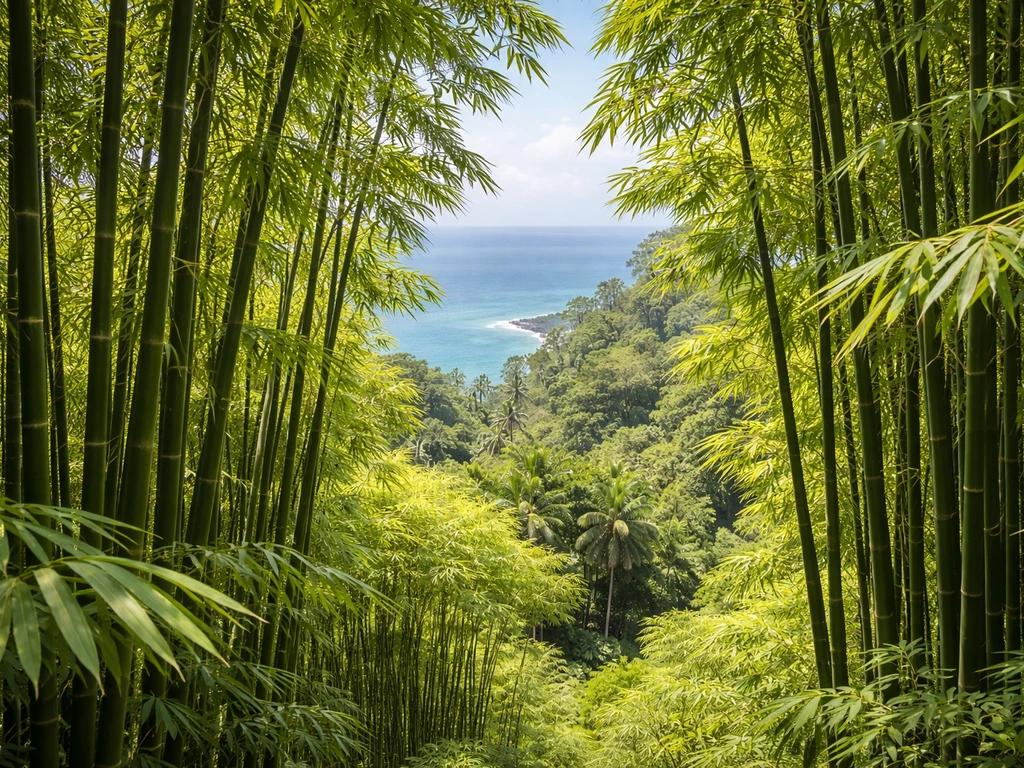
Yes, bamboo grows in Hawaii, here's what that looks like in practice
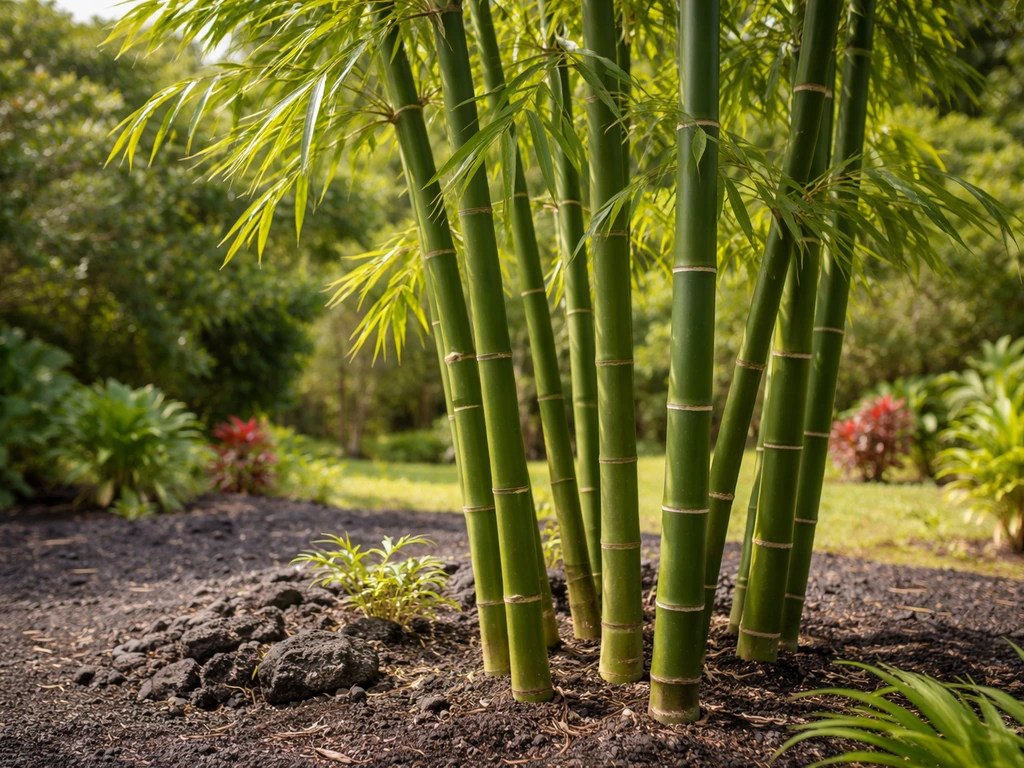
Hawaii is one of the best places in the country to grow bamboo. The University of Hawai'i's College of Tropical Agriculture and Human Resources (CTAHR) has documented multiple bamboo species currently found in the islands, spanning both clumping and running growth habits. This isn't just bamboo surviving, it's bamboo thriving, sometimes aggressively, which is exactly why choosing the right type matters so much.
The Bishop Museum's Plants of Hawai'i project tracks cultivated bamboo across the islands, including Bambusa vulgaris (commonly called common bamboo or ohe) with documented specimens from Honolulu. That's a good signal: if a species is established and documented in the wild or in cultivation in your area, it's already proven it can handle local conditions.
For comparison, if you're looking at bamboo viability in somewhere like Montana or Alaska, you're dealing with cold hardiness as the primary barrier. Can bamboo grow in Alaska? It can sometimes survive with the right cold-hardy choice and protection, but success is harder than in Hawaii Montana or Alaska. With cold hardiness in mind, the question of can bamboo grow in Montana comes down to selecting varieties that tolerate lower temperatures or using protected, controlled growing conditions. In Washington state, the key question is whether you can provide enough warmth and shelter for bamboo to establish. Can bamboo grow in Minnesota? It can, but cold hardiness is the main challenge and you may need container growing or very specific sheltered microclimates. In Hawaii, cold is almost never the problem. Your constraints are more about wind exposure, drainage, and the very real risk of a running bamboo taking over your yard or your neighbor's. In California, bamboo can sometimes grow outdoors in warm, protected microclimates, but success depends heavily on temperature lows and your ability to manage the planting bamboo in California.
Match the right bamboo to Hawaii's microclimates
Hawaii doesn't have one climate, it has dozens. The windward coasts are wet and tropical. The leeward sides can be dry and sunny. Higher elevations on Maui, the Big Island, and even parts of Oahu get noticeably cooler. Each microclimate calls for a slightly different approach to bamboo selection.
Coastal and low-elevation tropical zones
This is bamboo's sweet spot. Warm temperatures year-round, decent rainfall (or easy irrigation), and rich volcanic soil make conditions near-ideal. Clumping species like Bambusa vulgaris and its ornamental variant Bambusa vulgaris vittata (the giant golden or green-stripe bamboo) do exceptionally well here. CTAHR lists both as clumping types suited to Hawaiian gardens. For a mid-sized, attractive option, Alphonse Karr bamboo (a clumping Bambusa) is a solid choice, it tops out around 20–35 feet and adds real visual interest with its striped yellow-green culms.
Cooler or higher-elevation areas
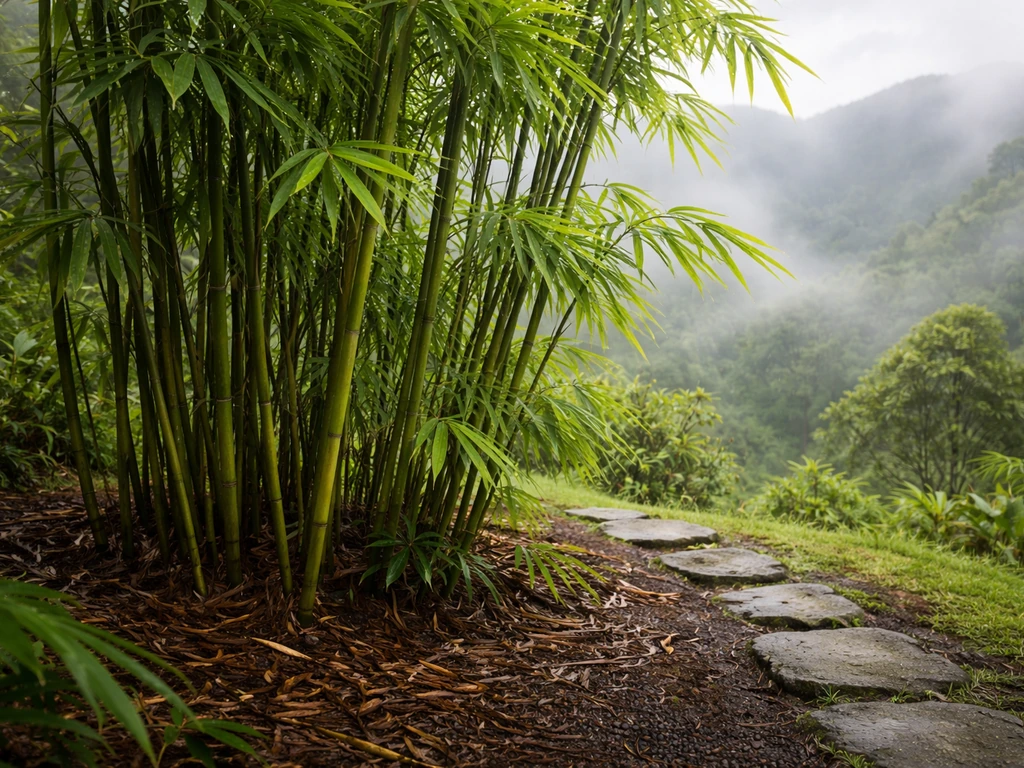
At higher elevations, temperatures can drop enough to slow tropical clumping bamboos. This is where you have a legitimate reason to consider running bamboo species like Phyllostachys nigra (black bamboo) or Phyllostachys heterocycla pubescens (moso bamboo), which are documented in Hawaii by CTAHR and are more tolerant of cooler conditions. That said, running bamboos come with serious management responsibilities (more on that below). If you're planting at elevation and want a lower-maintenance life, look into Mexican weeping bamboo or fernleaf bamboo, both of which CTAHR specifically calls out as ornamental clumping options for Hawaiian gardens.
A quick species reference
| Species | Type | Height | Best for |
|---|---|---|---|
| Bambusa vulgaris (common bamboo) | Clumping | Up to 40–50 ft | Low/mid elevation, windward |
| Bambusa vulgaris vittata (golden bamboo) | Clumping | Up to 40–50 ft | Ornamental, tropical zones |
| Alphonse Karr bamboo | Clumping | 20–35 ft | Garden focal point, coastal |
| Mexican weeping bamboo | Clumping | 10–20 ft | Smaller gardens, any elevation |
| Fernleaf / feather bamboo | Clumping | 10–20 ft | Containers, ornamental hedges |
| Phyllostachys nigra (black bamboo) | Running | Up to 30 ft | Cooler elevations (with containment) |
| Phyllostachys heterocycla pubescens (moso) | Running | Up to 55 ft | Timber use (with strict containment) |
Best planting conditions: sun, soil, water, and spacing
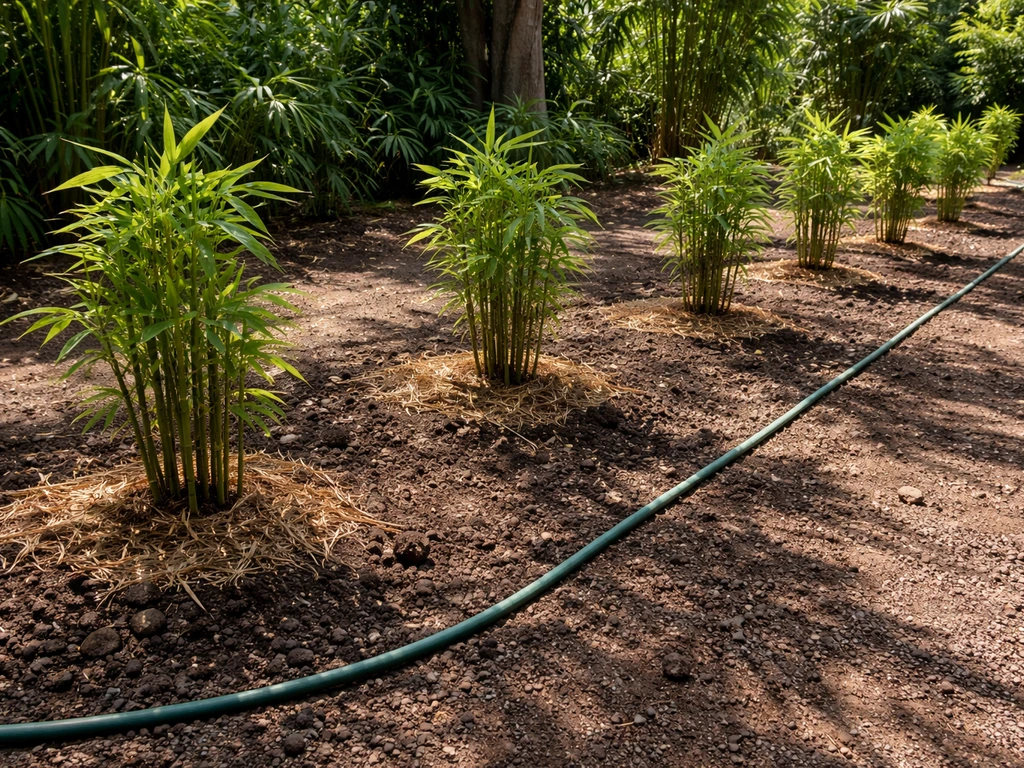
Bamboo in Hawaii wants full sun to partial shade, well-drained soil, and consistent moisture without waterlogging. Hawaii's volcanic soils are generally excellent for bamboo, good drainage, decent organic content, and naturally slightly acidic pH. If you're on a site with compacted or poorly draining soil, amend it before planting or the rhizomes will sulk.
- Sun: 6+ hours of direct sun per day is ideal. Most clumping bamboos tolerate partial shade but grow slower and produce fewer culms.
- Soil drainage: This is non-negotiable. Bamboo roots sitting in standing water will rot. If your site doesn't drain within an hour of heavy rain, raised beds or amended planting holes are worth the effort.
- Water: Newly planted bamboo needs consistent irrigation — don't let it dry out, especially in the first growing season. Once established, Hawaii's rainfall usually handles the work, though leeward, dry-side plantings may need supplemental watering.
- Fertilizer: CTAHR recommends applying a complete fertilizer or composted manure 4–6 times per year. That frequency sounds like a lot, but bamboo is a heavy feeder, especially in the rapid growth phase.
- Mulch: Apply at least 3 inches of mulch (dead leaves or dry grass clippings work well) around the planting. It conserves moisture, suppresses weeds, and keeps the rhizomes at a stable temperature.
- Spacing: For clumping bamboo used as a hedge or screen, 5–10 feet between plants is typical. For specimen planting, give larger clumping types like Bambusa vulgaris a full 15–20 feet of clearance.
One thing worth knowing about propagation: if you're dividing an existing plant to transplant, get those offsets into the ground quickly. CTAHR specifically cautions that bamboo divisions should be planted soon after digging and should not be allowed to dry out. A few hours in direct sun without moisture can stress the plant significantly.
Growth timeline and what 'fast' really means
Here's the honest truth about bamboo growth speed: the first year or two after planting, you'll probably wonder if anything is happening. That's because the plant is investing energy into rhizome development underground rather than shooting culms above ground. In Hawaii's climate, this establishment phase tends to be shorter than in temperate states, but it's still real.
Once established, things get dramatic fast. CTAHR notes that once a culm emerges above the soil, it can reach its full height in just 5–8 weeks, sometimes growing at a rate of a foot or more per day. That's not marketing hype, that's the actual growth mechanism of bamboo. Culms don't thicken over time like a tree trunk; they emerge at their final diameter and then elongate rapidly. Full culm maximum size, meaning the larger, thicker culms your mature grove will eventually produce, can take several years after the rhizomes are first planted.
In practical terms: plant a healthy clumping bamboo in Hawaii today, keep it watered and fertilized, and by year two or three you should see meaningful culm production. By year five, a well-placed Bambusa clump can be a dramatic landscape feature. If you want a fast privacy screen, clumping bamboo in Hawaii is genuinely one of the faster options available, faster than most trees, and far more tropical-looking.
Indoor, container, and patio growing options
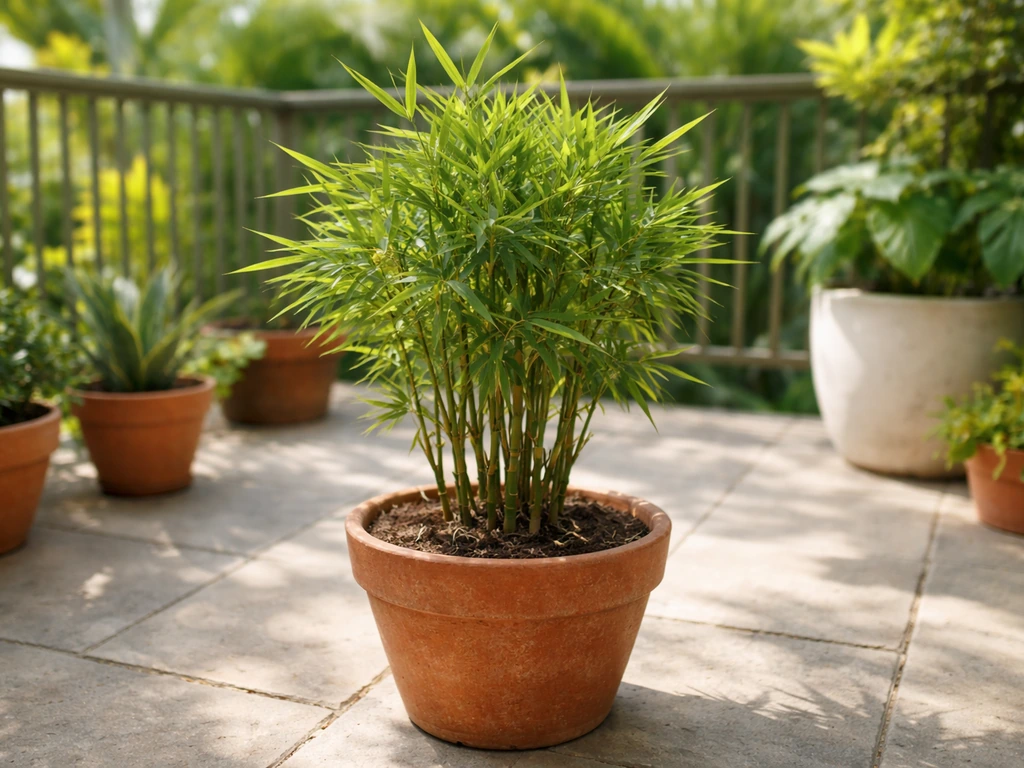
You don't need a large yard to grow bamboo in Hawaii. Containers are a legitimate option, especially for smaller ornamental varieties. CTAHR specifically notes that miniature bamboos are well suited to container growing, calling out Sasa species and Shibatea kumasaca as good candidates. Even running types like black bamboo can be kept compact when grown in a container, since the pot naturally restricts rhizome spread.
Dwarf fernleaf bamboo is another standout container choice. It stays small (around 1–2 feet in a confined pot), has delicate, feathery foliage, and handles the humidity of Hawaiian indoor and lanai environments well. For anyone renting, living in a condo, or wanting bamboo on a balcony, a large ceramic or wooden planter with good drainage is all you need.
A few container growing tips that matter in Hawaii's climate: containers dry out faster in sunny, breezy spots, so check moisture every couple of days during dry season. Repot clumping types every 2–3 years as the root mass fills the container. And place containers away from strong trade winds if the culms are tall, the leverage on a 10-foot bamboo in a pot during gusty conditions can tip even a heavy planter.
Containment and responsible management, this matters more in Hawaii
Hawaii's biodiversity is uniquely vulnerable to invasive plants. That's not abstract environmentalism, it's a real concern that should shape your bamboo decisions. Running bamboo in particular can spread well beyond your property line, and once it's established in natural areas, removal is a serious undertaking. CTAHR is clear on the difference: clumping bamboos spread very slowly and are easy to keep within bounds, while running bamboos require active containment measures. CTAHR’s Weeds of Hawai‘i account for Bambusa vulgaris also highlights the difference in growth habits between clumping and running bamboo when considering management clumping bamboos spread very slowly and are easy to keep within bounds.
The strong recommendation from both CTAHR and UC IPM is to default to clumping bamboo species for home landscapes. For Hawaii specifically, given the ecological sensitivity of native plant communities, this recommendation carries extra weight. Clumping bamboo is not risk-free (nothing is), but it's manageable with normal garden maintenance.
If you do plant running bamboo, say, moso at a higher elevation property for its aesthetic or timber value, physical rhizome barriers are essential. CTAHR's specified containment method involves installing a root barrier that extends 24–30 inches into the ground, with the top of the barrier sitting about 1 inch above the soil surface so you can see and cut any rhizomes that try to grow over the top. Critically, any joints in the barrier must be lapped and tightly secured, rhizomes can force through even small gaps over time.
Annual maintenance for running bamboo also means walking the perimeter of your planting in spring (when new shoots emerge) and cutting back any rhizomes or shoots trying to escape. This isn't optional, skip a season and you could be dealing with a much larger problem by the following year.
Troubleshooting slow growth, yellow leaves, and what to do next
Slow growth or no new culms
If your bamboo has been in the ground for more than two growing seasons and still isn't producing new culms, the most common culprits are insufficient water, underfeeding, and compacted or poorly draining soil. Revisit your irrigation schedule, increase fertilizer applications to the CTAHR-recommended 4–6 times per year, and check that the root zone isn't waterlogged. Also check whether the planting is getting enough direct sun, bamboo in deep shade will stay stunted indefinitely.
Yellowing leaves
Some yellowing is normal, bamboo naturally sheds older leaves, and a light yellow drop in spring isn't a crisis. Widespread yellow foliage on new leaves usually signals a nitrogen deficiency, which you can address immediately by applying a nitrogen-rich fertilizer or a top dressing of composted manure. In Hawaii, heavy rainfall can leach nutrients from the soil faster than in drier climates, so consistent fertilizing really does matter. Yellow leaves combined with soft, mushy culm bases point to root rot from poor drainage, in that case, you may need to dig the plant and improve the site before replanting.
Rhizome problems with running types
If running bamboo is spreading beyond where you want it, don't wait. Cut new shoots at ground level as soon as they appear in areas you don't want bamboo. Repeated cutting depletes the rhizome's energy reserves over time. For a more permanent solution, install the root barrier system described above and physically remove rhizomes that have already escaped using a mattock or root saw.
Your next steps
- Identify your microclimate: Are you on a windward coast, a dry leeward slope, or at elevation? This determines which species will thrive without extra effort.
- Choose clumping over running unless you have a compelling reason and a containment plan in place before planting.
- Check CTAHR's Fact Sheet OF-18 (Bamboo for Forest and Garden) — it's free, it's specific to Hawaii, and it includes a species table with growth habits and suitability notes.
- Visit the Bishop Museum's Plants of Hawai'i project to check which bamboo species have documented records on your specific island.
- Contact your local UH Cooperative Extension office — they can advise on island-specific conditions, including any current concerns about bamboo invasiveness in your area.
- If you're buying plants, source from a reputable local nursery that can confirm the species name. 'Bamboo' labels without species identification are common and unhelpful.
- Plant during a wetter season or when you can commit to consistent irrigation for the first 3–6 months, and get that mulch layer down immediately after planting.
FAQ
Which Hawaiian island or climate zone is best for bamboo growth?
If you want the highest reliability, aim for warm, evenly moist sites, typically windward coasts and low to mid elevations. Leeward areas can still work, but you will usually need more consistent irrigation during dry spells. At higher elevations, expect slower establishment, and choose clumping species for lower maintenance.
Can I grow bamboo in Hawaii without irrigation?
It depends on your rainfall and drainage. Bamboo needs consistent moisture for establishment, so if your yard dries out between rain events, you should plan on supplemental watering for at least the first year or two. Also, avoid waterlogging, since soggy soil can lead to root rot even when rainfall is frequent.
Do clumping bamboos spread in Hawaii, or is it risk-free?
Clumping bamboos spread slowly, but they are not completely static. Over time, the clump will widen and can crowd paths or structures. Regularly trimming the clump boundary and selecting a mature size matched to your space helps prevent surprises, even with clumping types.
How do I tell whether my bamboo is failing because of cold, water, or shade?
In Hawaii, cold is rarely the main issue, so focus on moisture and light first. Stunted growth with consistently dark or low-light conditions points to insufficient sun. Yellowing with weak, mushy bases suggests drainage problems and possible root rot. If culms never emerge despite otherwise decent growth, recheck irrigation consistency, fertilizer frequency, and soil compaction.
When is the best time to plant bamboo in Hawaii?
A practical approach is to plant when you can maintain steady moisture during establishment, often aligning with wetter months or when you can reliably irrigate. Planting during very dry, windy stretches increases stress, especially if roots are exposed or divisions dry out.
Is it better to plant bamboo from a container, or should I divide an existing plant?
Both can work, but divisions have a higher stress risk. If you divide, plant the offsets quickly after digging and keep them from drying out. Container-grown plants can be easier to manage because the root mass stays intact, but you still need to water deeply during the first weeks.
What soil amendments help bamboo in Hawaii’s volcanic soils?
If drainage is good, you often do not need heavy amendments. For compacted or poorly draining spots, loosen the root zone before planting and incorporate organic matter to improve structure. Avoid creating a soggy “sponge” layer, since bamboo prefers moist but not waterlogged conditions.
How much fertilizer should I use for bamboo in Hawaii?
A common failure mode is underfeeding, especially after the first establishment phase. The article’s guidance points to frequent fertilizing, 4 to 6 times per year. If yellowing appears on new growth, choose a nitrogen-leaning approach and adjust later based on leaf color and culm vigor.
How close to buildings, fences, and sidewalks can I plant bamboo?
Plan spacing based on mature width and, for running types, on containment needs. Clumping bamboos still expand as clumps thicken and widen, so keep room for maintenance and airflow. For running bamboo, treat the perimeter like an active boundary, since rhizomes can exploit small gaps in barriers and eventually reach beyond where you expect.
Do I need to worry about bamboo during Hawaiian trade winds?
Yes, wind can increase breakage and drying, especially for tall culms and potted plants. Containers dry out faster in breezy, sunny areas, so monitor moisture closely during the dry season. For in-ground plantings, consider wind exposure when choosing cultivar and placement to reduce mechanical stress.
What should I do if I planted running bamboo but it is escaping?
Act immediately. Cut new shoots at ground level where they appear outside your boundary, and install or repair physical rhizome barriers if you do not already have a properly lapped, tightly secured system. Also budget for perimeter checks in spring when new growth can reveal the first escapes.
Can I keep running bamboo contained in a pot permanently?
Yes, container growth can help because the pot limits rhizome spread. However, you still must manage watering and repotting schedules, since roots fill the container over time. For safety, treat containers as a monitoring zone too, checking for signs of root escape through drainage gaps.
Why did my bamboo yellow, and is it always a nutrient problem?
Not necessarily. Some seasonal yellow leaf drop can be normal, especially in spring. Widespread yellowing on new foliage often points to nitrogen deficiency. But yellow plus soft or mushy culm bases indicates drainage or rot, which means you should address soil moisture conditions before adding more fertilizer.
If my bamboo doesn’t produce culms after two seasons, what is the first thing to check?
Start with water and soil conditions. Revisit your irrigation schedule for consistency, and inspect the root zone for compaction or poor drainage. Next, verify sunlight exposure, since deep shade can keep bamboo stunted indefinitely even in a warm Hawaiian climate.
Next Article
Can Bamboo Grow in Minnesota? Cold-Hardy Options and How-To
Learn if bamboo can grow in Minnesota and how to pick cold-hardy clumping types, plant, protect winters, and prevent fai