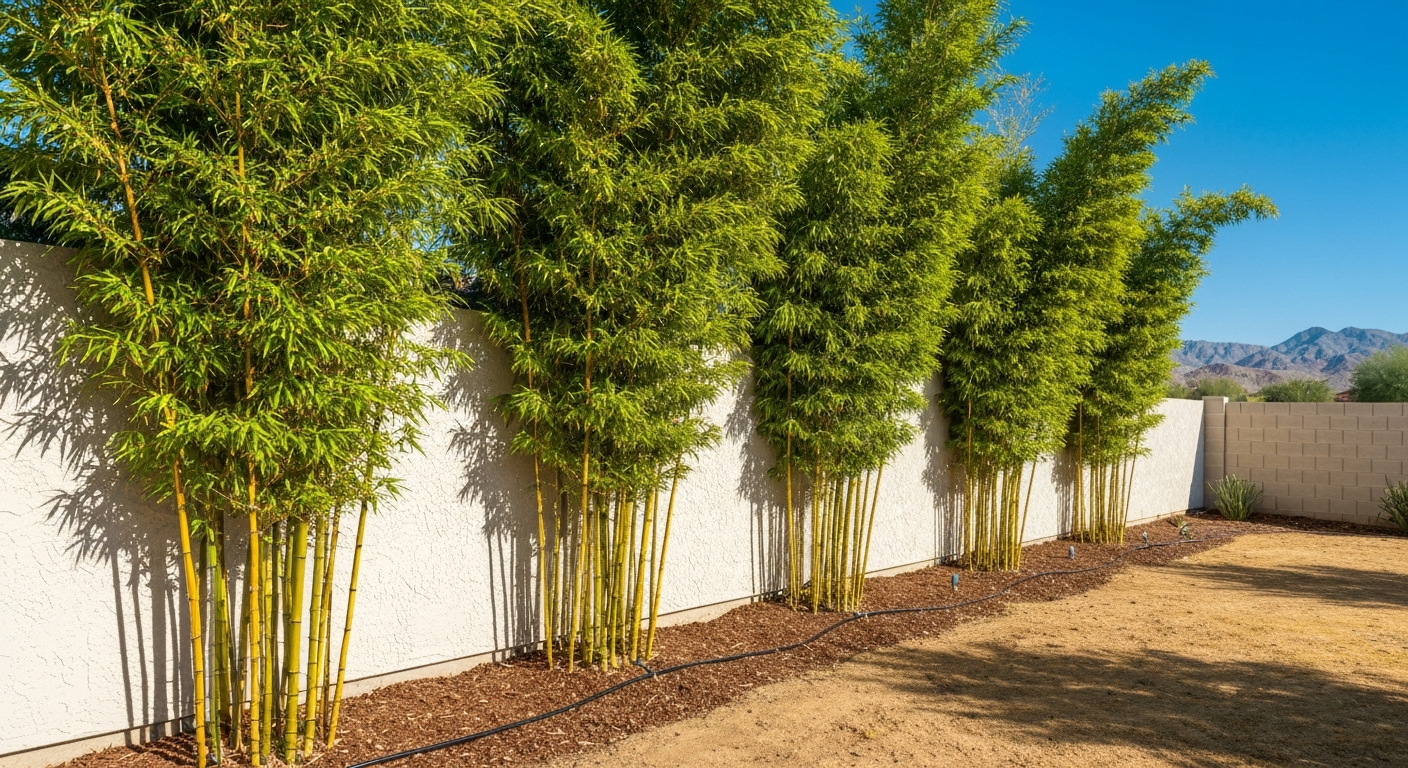
Yes, bamboo can grow in Idaho, but your success depends almost entirely on which species you plant, where in the state you are, and how well you prepare for winter. Southern Idaho's Treasure Valley (Boise and surrounding areas) sits in USDA Hardiness Zones 6b to 7a, giving you a realistic shot at growing several cold-hardy bamboo species outdoors year-round. Northern and eastern Idaho, with zones dipping to 4b or 5a and cold seasons stretching from mid-November to late February, require more deliberate species selection and winter protection. The short version: pick the right species, site it thoughtfully, and Idaho won't stop bamboo from thriving.
Can Bamboo Grow in Idaho? Hardy Options, Care Tips
Marcus Hartwell
8 Jul 2026
Idaho's Climate Reality for Bamboo
Idaho is not one climate. Boise averages a last spring frost around April 8 and a first fall frost around October 29, giving it a 200-plus day growing season. You can estimate those frost timing windows for your specific Idaho ZIP code using The Old Farmer’s Almanac Frost Dates Calculator, which reports the average last spring frost and first fall frost dates based on local weather-station proximity blank" rel="noopener noreferrer">average last spring frost and first fall frost dates for Idaho. Head north to Coeur d'Alene or east toward Idaho Falls, and that window shrinks considerably. PlantMaps provides a map-based visualization of blank" rel="noopener noreferrer">average last frost dates across Idaho, which can help you compare the Treasure Valley with colder northern and eastern areas. North Idaho's cold season runs roughly 3.5 months, with average daily highs staying below 44°F from mid-November through late February. Frost probability tables from University of Idaho extension show that hard freezes (below 28°F) can arrive as early as late October in Kootenai and Shoshone counties, with the last hard freeze of spring sometimes stretching into late April at higher elevations.
What this means practically: bamboo doesn't die from cold air alone. It dies when root zones freeze solid and when cold, desiccating winds pull moisture from canes that frozen ground can't replace. Summer heat isn't the problem in most of Idaho (Boise summers are hot and dry, which bamboo actually handles well once established), but the combination of hard freezes, low humidity, and wind is what kills poorly chosen or poorly sited plants.
Microclimates matter enormously here. A bamboo grove planted on the south side of a fence or building in Boise behaves more like Zone 7b than the surrounding Zone 6b. The same species planted in an exposed north-facing yard in the same city can struggle. Before you buy anything, walk your property and identify your warmest, most wind-sheltered spot. That's where your bamboo goes.
Which Bamboo Species Actually Survive Idaho Winters
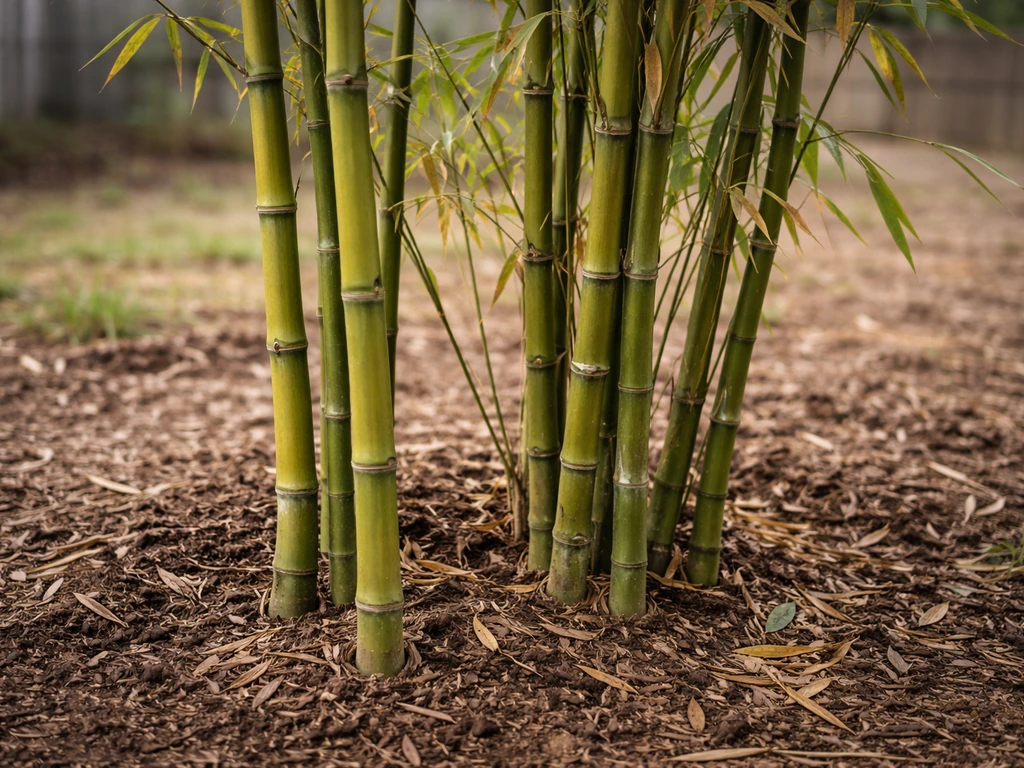
The golden rule for Idaho is to only plant species rated at least one full zone colder than your actual zone. If you're in Zone 6b, look for bamboo hardy to Zone 5. This buffer accounts for the dry cold and wind that makes Idaho winters harder on bamboo than the raw temperature number suggests.
For most of Idaho, Phyllostachys species are your best bet. These are running bamboos, yes, but they're the workhorses of cold-climate bamboo growing. Phyllostachys nuda is reliably hardy to Zone 5 and possibly Zone 4 with protection, making it a strong choice for northern Idaho. Phyllostachys bissetii handles Zone 5b to 6a and grows vigorously, reaching 20 to 30 feet at maturity. Phyllostachys aureosulcata (yellow groove bamboo) is another proven performer down to around -10°F when established. For Boise and the Treasure Valley, you can add Phyllostachys vivax and Phyllostachys nigra (black bamboo) to the list, though nigra appreciates some winter protection in colder years.
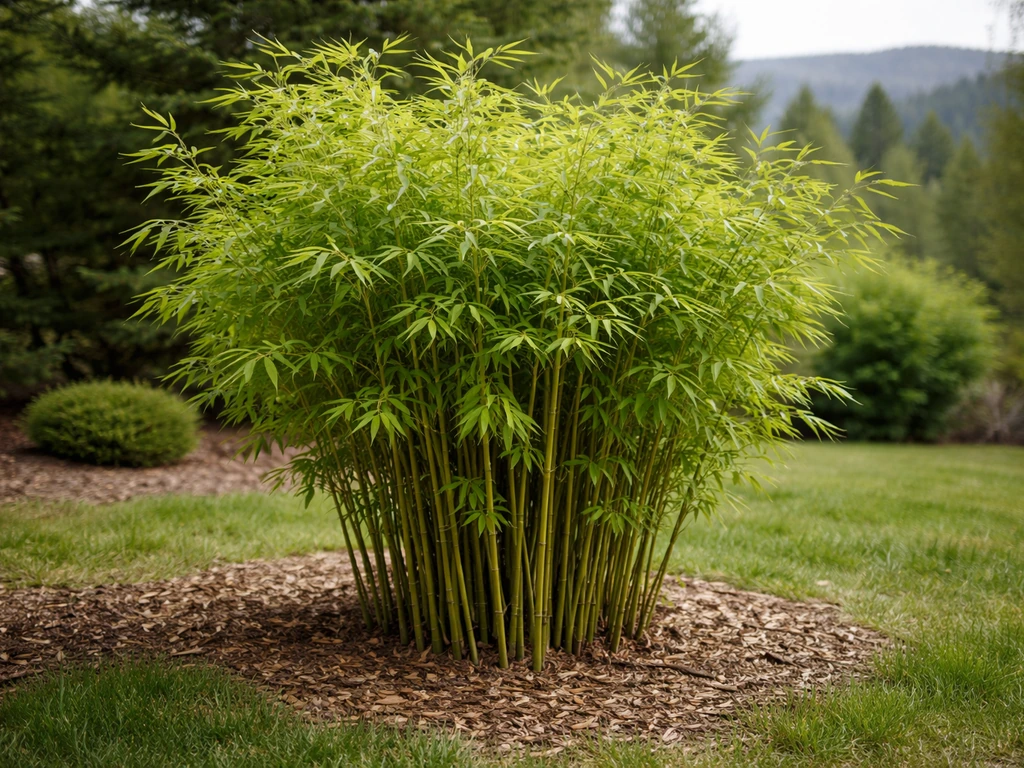
Fargesia species, which are clumping rather than running, are worth considering for northern Idaho and higher elevations. Fargesia robusta and Fargesia rufa are clumpers rated to Zone 5 and Zone 6 respectively, stay compact, and don't need containment. The tradeoff is slower establishment and smaller mature size (typically 6 to 12 feet), but for a yard in Sandpoint or Pocatello where you're not trying to create a 30-foot screen, a Fargesia can be the more practical answer.
| Species | Hardy To (Zone) | Max Height | Type | Best For |
|---|---|---|---|---|
| Phyllostachys nuda | Zone 5 / -20°F | 20–30 ft | Running | North Idaho, cold sites |
| Phyllostachys bissetii | Zone 5b / -15°F | 20–30 ft | Running | Most of Idaho |
| Phyllostachys aureosulcata | Zone 5 / -10°F | 20–30 ft | Running | Most of Idaho |
| Phyllostachys vivax | Zone 6 / 0°F | 40–50 ft | Running | Treasure Valley, Boise |
| Phyllostachys nigra | Zone 6b / 0°F | 20–30 ft | Running | Treasure Valley with protection |
| Fargesia robusta | Zone 5 / -15°F | 10–15 ft | Clumping | North/East Idaho, exposed sites |
| Fargesia rufa | Zone 6 / 0°F | 6–10 ft | Clumping | Boise, sheltered gardens |
Avoid tropical and subtropical species entirely. Bambusa and Dendrocalamus genera are simply not suited for Idaho winters regardless of microclimate. Even if they survive one mild winter, a single hard freeze will kill them to the root. Save those for container growing strictly indoors.
Setting Up Your Planting Site for Success
Sun and Exposure
Hardy bamboo species grow best with 6 or more hours of direct sun daily. In Idaho's dry climate, afternoon shade in the hottest months (July and August in Boise) can actually help newly planted bamboo conserve moisture during its first summer. Once established after two to three years, full sun is fine. For Phyllostachys species specifically, more sun generally means faster, denser growth.
Soil Prep
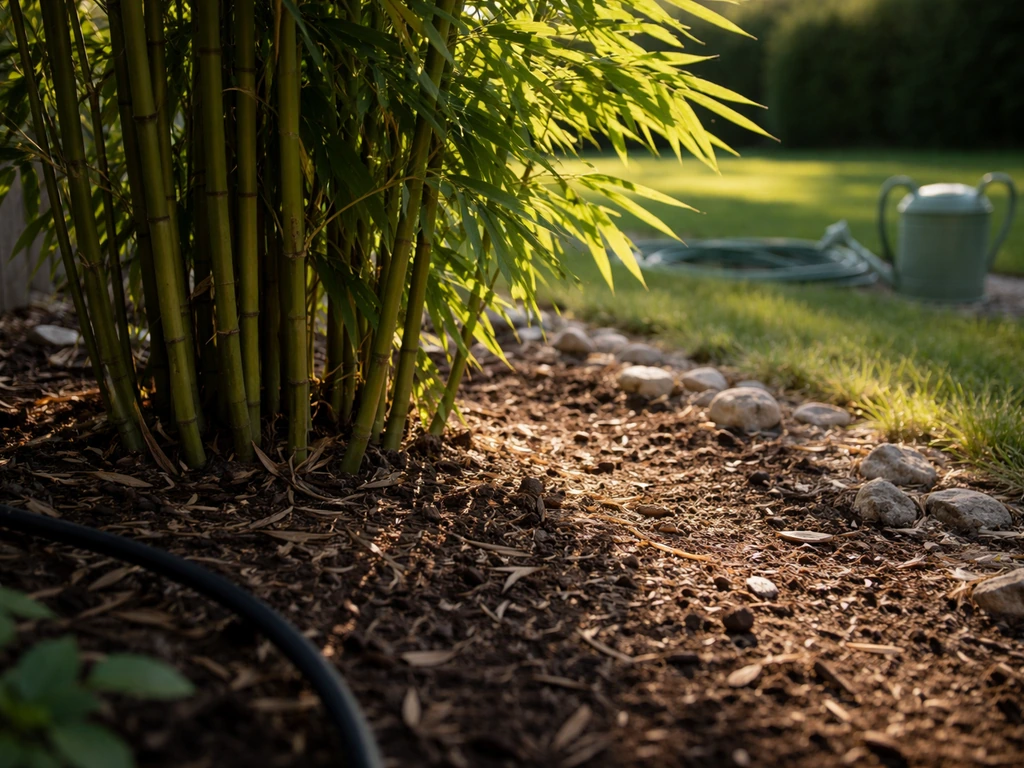
Bamboo prefers a slightly acidic to neutral soil pH, ideally between 5.5 and 7.0. Much of southern Idaho's soil is alkaline, sometimes reaching pH 8.0 or above, particularly in Boise and the Treasure Valley. Test your soil before planting. If you're dealing with high pH, work in sulfur and compost to bring it down, and plan to amend annually. Heavy clay or compacted soil will slow establishment significantly. Till to at least 12 inches, incorporate two to four inches of compost, and ensure drainage is adequate. Bamboo doesn't like wet feet, especially in winter, when waterlogged soil increases freeze damage.
Watering
The first growing season is the most water-intensive. Newly planted bamboo needs deep watering two to three times per week in Idaho summers, where heat and low humidity are relentless. Set up a drip line if you can. Once bamboo has been in the ground for two to three years and its rhizome network is established, it becomes significantly more drought-tolerant, though it still benefits from consistent moisture during the shooting season (typically April through June in Idaho's warmer zones).
Wind Protection
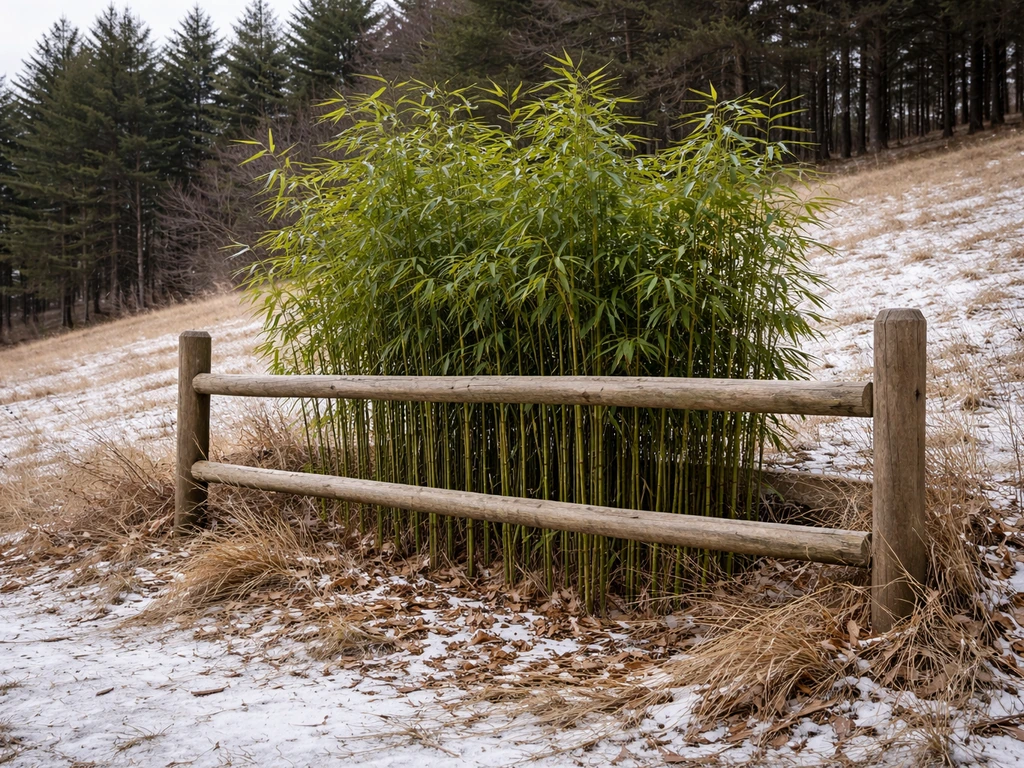
Wind is bamboo's quiet enemy in Idaho. Cold winter winds cause cane desiccation, and young canes in their first season are especially vulnerable. Plant on the leeward side of a fence, building, or existing hedge. If you're in an exposed location, a temporary burlap windbreak for the first two winters can make the difference between a plant that thrives and one that struggles. This matters less for Fargesia species, which are more naturally compact and wind-resilient, but it's critical for tall Phyllostachys.
Running vs Clumping: What You're Getting Into
This is probably the most practically important decision you'll make. Running bamboo (most Phyllostachys species) spreads via horizontal rhizomes that can travel 5 to 15 feet or more from the mother plant per year once established. In a Zone 6b Idaho yard, you will absolutely need a containment strategy unless you're planting in a space with natural barriers like a concrete driveway, building foundations, or a stream bank.
The standard approach is HDPE rhizome barrier, at least 60 mil thick and 24 to 30 inches deep, buried in a trench and overlapped at the seam by 6 inches, then secured with clamps. Install this before planting. Cheaper barriers or shallower trenches fail within five years. You also need to leave the top inch of the barrier above soil level so you can see rhizomes trying to escape over the top, and cut those back twice a year (spring and fall).
Clumping bamboo (Fargesia species) expands only a few inches outward per year from the central crown. No barrier needed. For Idaho homeowners who want a privacy screen or ornamental planting without the management overhead, a row of Fargesia robusta spaced 4 to 6 feet apart is a genuinely low-stress solution. The tradeoff is that clumpers grow more slowly and top out shorter.
| Feature | Running Bamboo (Phyllostachys) | Clumping Bamboo (Fargesia) |
|---|---|---|
| Spread rate | 5–15 ft/year via rhizomes | 2–6 inches/year from crown |
| Containment needed? | Yes, 60-mil barrier recommended | No |
| Height potential (Idaho) | 20–50 ft (species-dependent) | 6–15 ft |
| Cold hardiness | Zone 5–6 (species-dependent) | Zone 5–6 (species-dependent) |
| Growth speed | Faster once established | Slower establishing |
| Best use in Idaho | Tall screens, groves, barriers | Ornamental, smaller yards, no-maintenance |
Keeping Bamboo Alive Through an Idaho Winter
In-Ground Plants
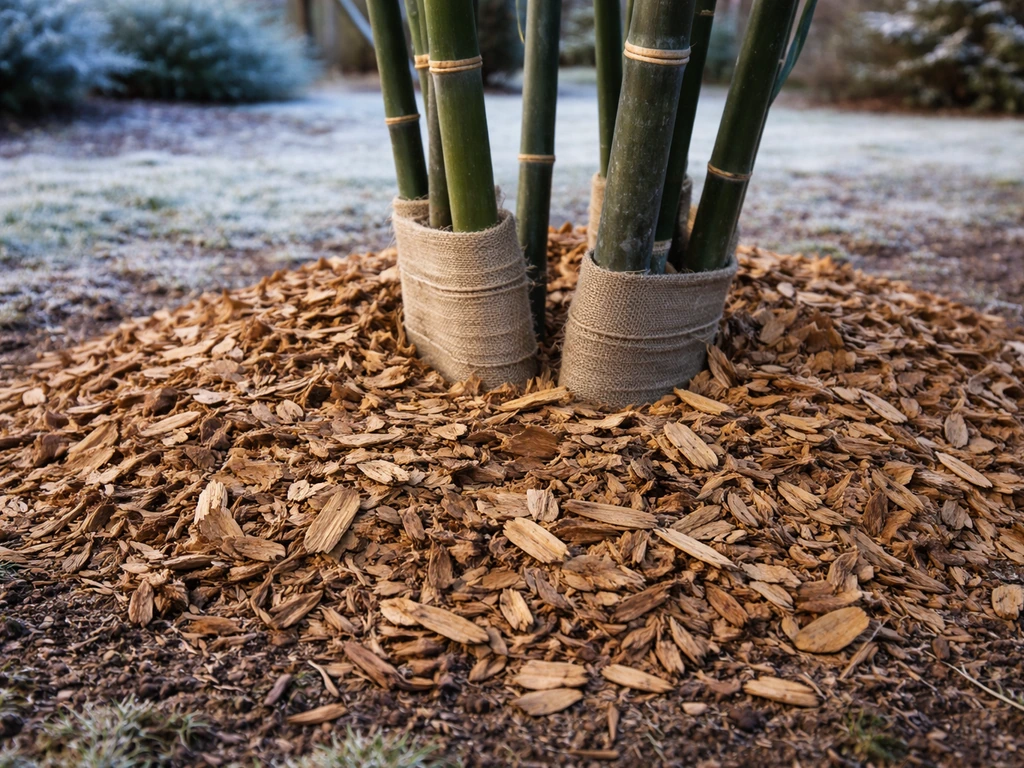
The most important winter protection step for in-ground bamboo in Idaho is mulching the root zone. Apply 4 to 6 inches of wood chip or straw mulch over the entire root area in late October or early November, before the first hard freeze. This insulates the rhizomes, which are more cold-sensitive than the canes. Even if every cane above ground dies back in a brutal winter, a healthy rhizome network will push new shoots in spring.
For species at the edge of your zone's hardiness (like Phyllostachys nigra in northern Idaho), wrap the canes loosely in burlap in November and remove it by late March. Don't use plastic, which traps moisture and promotes rot. In Boise and the Treasure Valley, established Phyllostachys bissetii and aureosulcata typically need only mulch, no cane wrapping, after their third year in the ground.
One thing people underestimate: evergreen bamboo canes can look terrible after a hard winter (yellowed, droopy, frost-burned) and still be completely alive at the root. Don't pull it in March and declare it dead. Wait until late April or even May to assess. If you see new shoots emerging from soil level, the plant is alive and will recover.
Container-Grown Bamboo
Growing bamboo in containers is a legitimate option for Idaho gardeners who want flexibility or live at higher elevations where in-ground survival is less certain. Large containers (25 gallons or more) hold enough soil volume to buffer root temperatures. In Zone 6 and warmer areas of Idaho, containers of hardy Phyllostachys or Fargesia can overwinter in an unheated garage or shed where temperatures stay above 10 to 15°F. You're protecting the pot from freeze-thaw cycling more than anything else.
In Zone 5 or colder (northern and eastern Idaho), bring containers into a space that stays above 20°F, or insulate the outside of the pot with several layers of bubble wrap and burlap. Reduce watering significantly in winter but don't let the root ball go completely dry. Container bamboo will go semi-dormant and needs minimal water, maybe once every two to three weeks in a cold garage, until you see new growth in late March or April.
Tropical bamboo species in containers need full indoor conditions, above 50°F year-round, with adequate light. A south-facing window works, or supplement with a grow light from October through March. This is a real commitment and the plants won't reach anything close to outdoor scale indoors.
How Fast Will It Actually Grow, and When Will You See Results
There's a saying in bamboo growing: first year it sleeps, second year it creeps, third year it leaps. This is accurate for Idaho conditions. In year one, almost all of the plant's energy goes underground into rhizome establishment. You may see few or no new canes, and the ones already on the plant may look stressed. Don't panic. In year two, you'll typically see a few new shoots. By year three and four, a Phyllostachys bissetii or aureosulcata in Boise should be pushing shoots noticeably larger than the original canes.
Shooting season in Idaho's warmer zones runs from roughly mid-April to early June. New shoots can grow one to two inches per day during the peak of the season, sometimes more. A mature, established Phyllostachys vivax grove in the Treasure Valley can produce canes pushing 2 to 3 inches in diameter. In northern Idaho, the same species would be smaller and the shooting season starts later, typically late April to early May.
Fargesia clumpers grow more slowly overall. Expect modest growth in years one through three and a more visible increase in density and height from year four onward. They don't have the dramatic spring shooting surge that Phyllostachys does.
Realistically, if you plant a 5-gallon Phyllostachys bissetii in Boise today (July 2026), you're looking at a modest clump by 2028 and a mature, screening-height grove by 2030 to 2031. That's not a long wait for a plant that then lasts decades with minimal care.
Making Your Decision: What to Plant and How to Get Started Now
If you're in Boise or the Treasure Valley (Zone 6b to 7a), you have the most options. Because North Dakota winters are much harsher than Idaho’s, can bamboo grow in North Dakota is usually about selecting the right cold-hardy species and using strong protection or containers Boise or the Treasure Valley. Start with Phyllostachys bissetii or aureosulcata for a tall privacy screen, plant it in your sunniest, most wind-sheltered spot, install a rhizome barrier from day one, and mulch heavily before your first winter. If you want clumping and easy maintenance, Fargesia rufa is a solid choice and will still give you a real ornamental presence.
If you're in north or east Idaho (Zone 5 to 6a, think Coeur d'Alene, Idaho Falls, Pocatello), lean toward Phyllostachys nuda or bissetii for running types, or Fargesia robusta for clumping. These are proven at -15°F and below. Site them with extra care toward south-facing walls or fences, use 6 inches of mulch every fall, and plan on burlap wrapping for the first two winters. Check your specific location on the USDA Plant Hardiness Zone Map by zip code, because elevation variation in Idaho is significant and can shift your zone by a full band. If you want to grow bamboo in Oregon, focus first on matching the cold hardiness and wind protection to your exact microclimate, since conditions can vary a lot by town and elevation.
If you're not sure about outdoor survival in your specific spot, or if you're renting or just experimenting, start with a container. A 25-gallon pot of Phyllostachys bissetii will show you exactly how the plant responds to your local conditions before you commit to in-ground planting. Move it to a sheltered spot for winter, monitor it, and then decide in year two whether to put it in the ground.
One last thing worth knowing: Idaho's situation is broadly comparable to neighboring states like Oregon and the Pacific Northwest coast at higher elevations, or parts of the Great Plains farther east. You can use the same cold-hardy approach to assess whether can bamboo grow in Nebraska based on its winters and your microclimate neighboring states like Oregon and the Pacific Northwest coast. The species that succeed in those comparable climates are largely the same ones that work in Idaho. If you're curious how bamboo performs in nearby states, the answers from those regions generally support the same species shortlist that works here.
- Look up your zip code on the USDA Plant Hardiness Zone Map to confirm your exact zone before buying any plant.
- Choose Phyllostachys bissetii or nuda for cold hardiness and height; choose Fargesia robusta or rufa if you want clumping with no containment work.
- Install 60-mil HDPE rhizome barrier before planting any running bamboo, at least 24 inches deep.
- Prepare soil to a 5.5–7.0 pH range and till in compost, especially in alkaline Treasure Valley soils.
- Water deeply two to three times per week in summer during the first two growing seasons.
- Mulch 4 to 6 inches over the root zone by early November every year.
- Don't assess winter damage until late April or May when you can see whether new shoots are emerging.
- Expect real visual results by year three, a mature grove by years five to six.
FAQ
How can I tell if bamboo is alive after an Idaho winter if the canes look dead?
Wait until late April or May and look for new shoots from the crown or from the soil line. Evergreen canes often look yellowed, droopy, or frost-burned while the rhizomes are still viable, so avoid pulling the plant too early.
Will bamboo spread in Idaho if I install a rhizome barrier?
A barrier greatly reduces escapes, but you still need maintenance. Keep at least an inch of barrier above grade so you can spot rhizomes that try to crest it, then trim any escapes twice a year (spring and fall).
What’s the biggest mistake people make when planting running bamboo in Idaho?
Planting without containment before rhizomes are active. In-ground rhizomes can move several feet per year once established, so waiting to add a barrier later can turn a manageable planting into an ongoing control problem.
Do I need to wrap canes every winter, even in Boise for hardy Phyllostachys?
Usually not once plants are established. After about the third year in the ground, many hardy Phyllostachys varieties in Boise typically need only root-zone mulch, while cane wrapping is more important when you are pushing hardiness limits or during very exposed winters.
How much wind protection is actually necessary in north Idaho?
If your yard is exposed, assume wind will matter as much as temperature. Use the leeward side of a fence or building, and for the first two winters consider a temporary burlap windbreak over the canes. Fargesia tolerates wind better, but tall Phyllostachys seedlings can be damaged quickly.
Can I grow bamboo outdoors in Idaho without full sun?
You can, but growth will be slower and establishment can take longer, especially in colder zones. Aim for at least 6 hours of direct sun for best results, and use afternoon shade only as a moisture help for newly planted clumps in mid-summer.
What should I do if my soil test shows very alkaline pH in Boise?
Don’t rely on one-time amendments. Work in sulfur and compost to lower pH, then plan on re-amending over time because alkaline conditions can creep back. Also confirm drainage, since waterlogged alkaline clay can worsen winter freeze damage.
How do I water bamboo in Idaho when winters are long and dry?
In winter, reduce watering significantly, especially for in-ground plants with good mulch coverage. For containers, keep the root ball from fully drying by watering sparingly when temperatures are above freezing, since freeze-thaw cycling is a bigger risk in pots.
Should I plant bamboo in spring or fall in Idaho?
If you can choose, early fall planting (before hard freezes) can help the rhizome system establish. Spring planting works too, but you must be more careful about deep watering during the first summer because Idaho summers are hot and dry.
Is container growing a good option for my specific Idaho location if I’m unsure about my zone?
Yes. A large pot (about 25 gallons or more) buffers root temperatures, letting you observe survival and growth for at least one winter. If it looks healthy after one season, you can decide later whether to move it into the ground.
Do clumping and running bamboo need the same winter prep in Idaho?
Both benefit from root-zone mulch, but running bamboo usually needs more management. Running Phyllostachys typically requires containment and often more wind protection in exposed spots, while clumpers like Fargesia generally stay compact and are easier to manage.
Next Article
Can Bamboo Grow in Las Vegas? Guide to Success in Desert
Yes, bamboo can grow in Las Vegas with the right species, irrigation, shade, and containment; step-by-step planting and保护