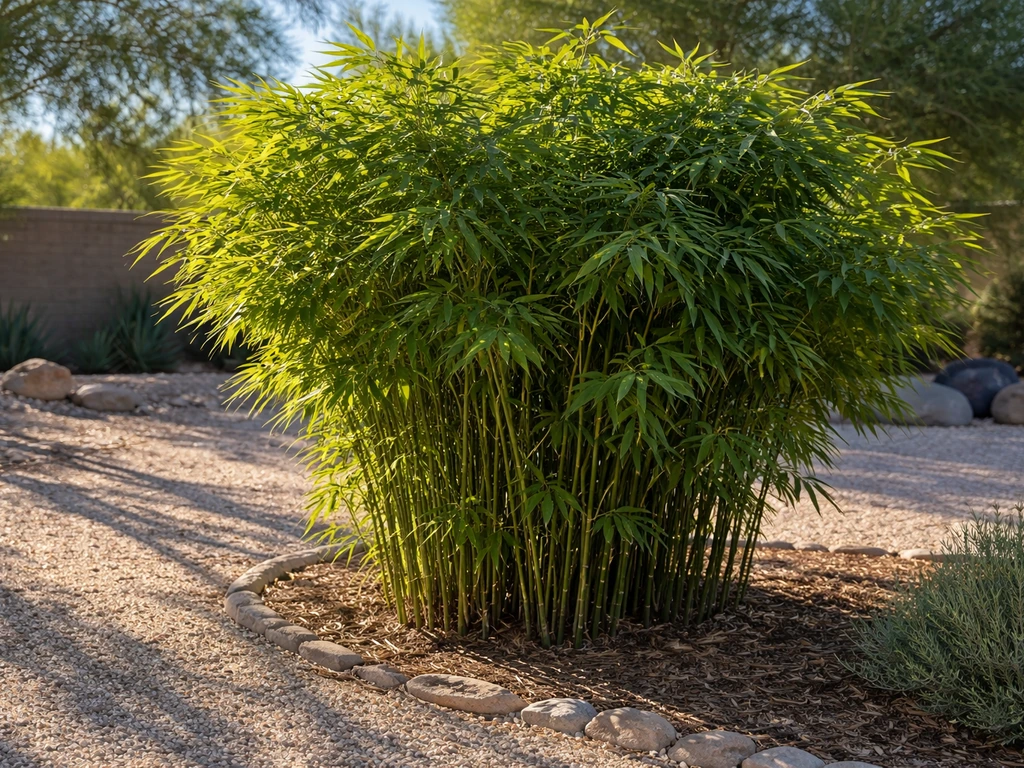
Yes, bamboo can absolutely grow in Missouri, and it can thrive there with the right cultivar selection and basic setup. Missouri spans USDA hardiness zones 5b to 7a depending on where you are, which means winter lows can dip anywhere from around -15°F in the far northwest to as mild as 5°F in the St. Louis area. That range rules out tropical bamboo but leaves the door wide open for dozens of cold-hardy running and clumping species that handle Missouri winters without flinching.
Can Bamboo Grow in Missouri? Types and How to Grow

Marcus Hartwell
19 May 2026
What Missouri's Climate Actually Means for Bamboo
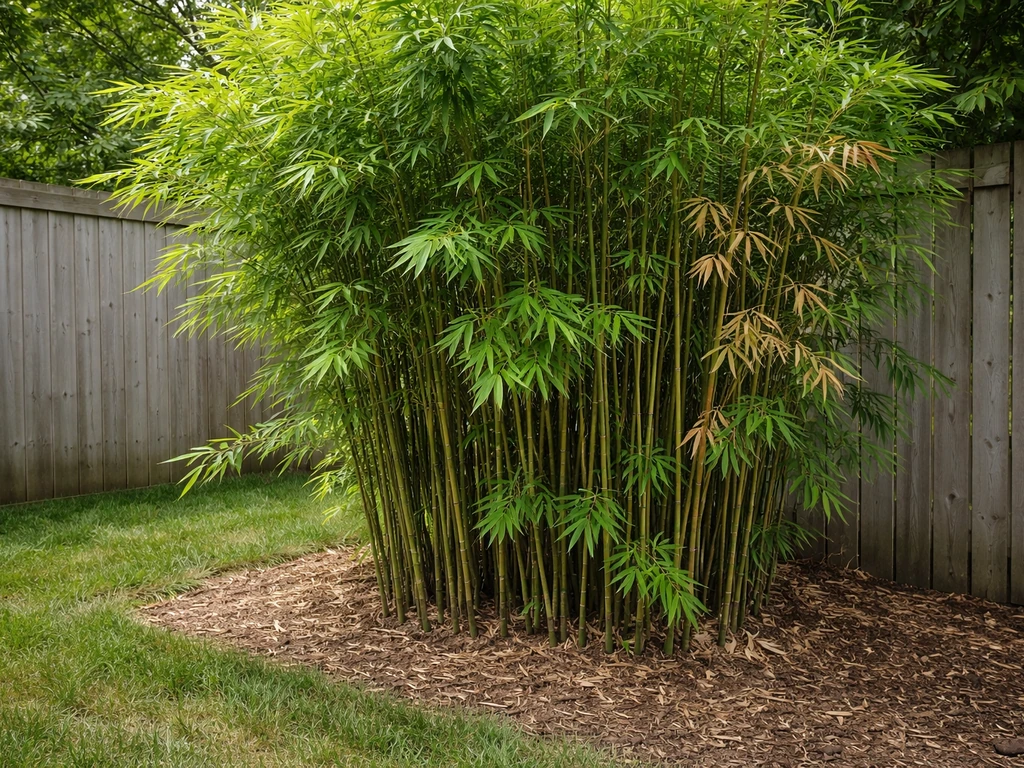
Missouri has a continental climate: hot, humid summers that bamboo loves, and winters that range from unpleasant to legitimately brutal. The northern tier of the state sits in zone 5b, where temperatures occasionally crash below -10°F. Kansas City is generally zone 6a, Springfield sits around zone 6b, and St. Louis edges into zone 7a, where hard freezes are common but extended sub-zero stretches are less frequent. For bamboo growers, this means you have a real but defined challenge: the growing season (roughly April through October) gives bamboo six to seven months of solid warmth, but January and February can deliver the killing blow if you chose the wrong species or skipped winter prep.
The honest truth is that Missouri is a manageable bamboo state, not an easy one. Gardeners in Kentucky and Tennessee have a slightly easier time, and Iowa growers face a tougher challenge than most of Missouri. Gardeners often ask whether bamboo can grow in Kentucky, and the answer is yes when you choose cold-hardy cultivars and prepare for winter. If you're wondering can bamboo grow in Iowa, focus on cold-hardy species and protect the roots through winter the way you would in the Midwest Iowa growers. But in the Missouri sweet spot, especially from the I-70 corridor south, bamboo can become a permanent, low-maintenance landscape plant once it establishes.
Which Bamboo Types Actually Survive Missouri Winters
Cold-Hardy Running Bamboos (Phyllostachys and Relatives)
Running bamboos in the genus Phyllostachys are the workhorses of cold-climate bamboo growing, and several species are well-suited to Missouri. These spread by underground rhizomes (more on managing that later), but they also develop into the tallest, most dramatic stands you can grow in the state. Here are the species most reliable in Missouri conditions:
- Phyllostachys nuda: hardy to around -20°F (zone 5a), one of the most reliably cold-tolerant running bamboos available; excellent for northern Missouri
- Phyllostachys aureosulcata (Yellow Groove Bamboo): hardy to about -10°F to -15°F (zone 5b), reaches 20 to 30 feet at maturity, widely grown in the Midwest
- Phyllostachys bissetii: hardy to -10°F, very vigorous, an excellent privacy screen or windbreak species for central and northern Missouri
- Phyllostachys aurea (Golden Bamboo): hardy to about -5°F (zone 6a), better suited for St. Louis and Springfield than for the northern tier
- Phyllostachys nigra (Black Bamboo): hardy to about 0°F to -5°F, a showpiece plant best grown in zone 6b and warmer parts of Missouri
Clumping Bamboos for Missouri
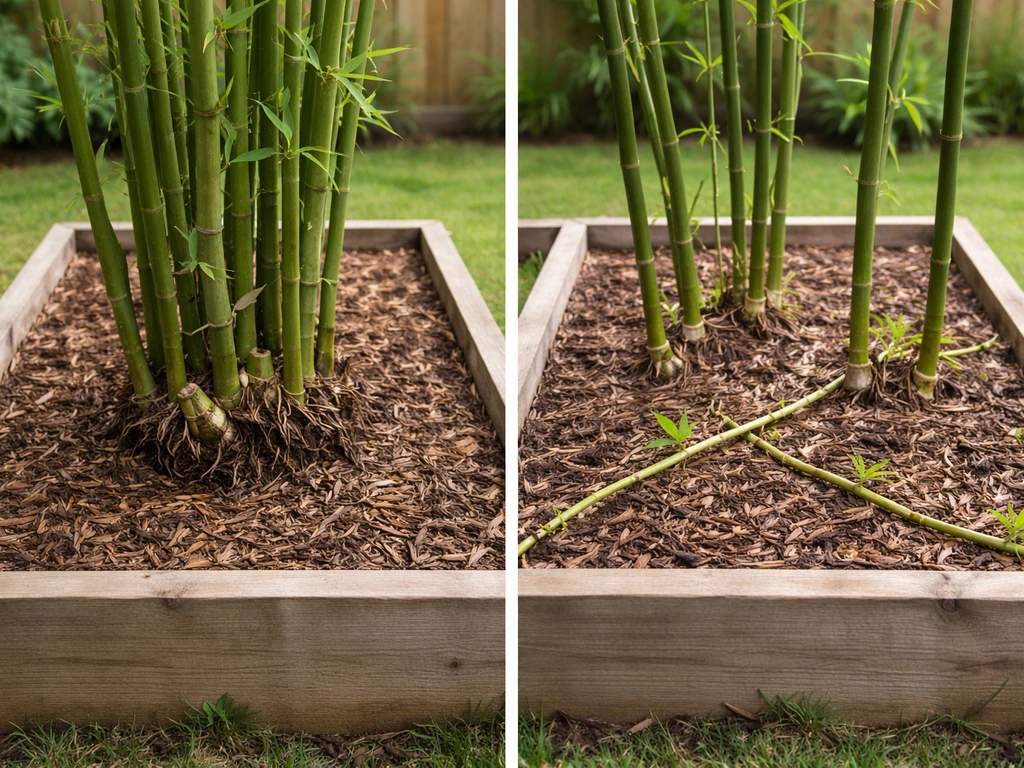
Clumping bamboos stay in a tight, expanding clump rather than sending rhizomes across your yard. The tradeoff in Missouri is cold hardiness: most clumping bamboos come from milder climates and struggle in zones colder than 6b or 7. Fargesia species are the major exception. Fargesia robusta (Clumping Umbrella Bamboo) handles temps down to around -10°F and is genuinely cold-hardy through most of Missouri. Fargesia murielae and Fargesia nitida are similarly tough. If you want a no-containment-needed bamboo and you're in central or southern Missouri, Fargesia species are a smart call. Just know they top out around 8 to 12 feet, not 25 feet like a mature Phyllostachys stand.
A Side-by-Side Look at Your Main Options
| Species | Type | Cold Hardiness | Max Height | Best Missouri Zone | Spreads Aggressively? |
|---|---|---|---|---|---|
| Phyllostachys nuda | Running | -20°F (Zone 5a) | 20-25 ft | All of Missouri | Yes, needs barrier |
| Phyllostachys aureosulcata | Running | -15°F (Zone 5b) | 20-30 ft | All of Missouri | Yes, needs barrier |
| Phyllostachys bissetii | Running | -10°F (Zone 5b) | 18-25 ft | All of Missouri | Yes, needs barrier |
| Phyllostachys aurea | Running | -5°F (Zone 6a) | 15-20 ft | Central to south MO | Yes, needs barrier |
| Phyllostachys nigra | Running | 0°F (Zone 6b) | 15-25 ft | St. Louis, Springfield | Yes, needs barrier |
| Fargesia robusta | Clumping | -10°F (Zone 5b) | 8-12 ft | All of Missouri | No |
| Fargesia murielae | Clumping | -15°F (Zone 5b) | 8-12 ft | All of Missouri | No |
For most Missouri gardeners, my honest recommendation is this: if you want tall, dramatic bamboo and are committed to installing a root barrier, go with Phyllostachys bissetii or aureosulcata. If you want low-maintenance and don't want to think about containment, plant Fargesia robusta. Both approaches work. The failure cases I've seen almost always involve someone planting a zone 7 or 8 bamboo in zone 5b Missouri, watching it die back to the roots in February, and concluding that bamboo can't grow there. That's a species mismatch problem, not a Missouri problem.
Where and How to Plant: Sun, Soil, Drainage, and Spacing
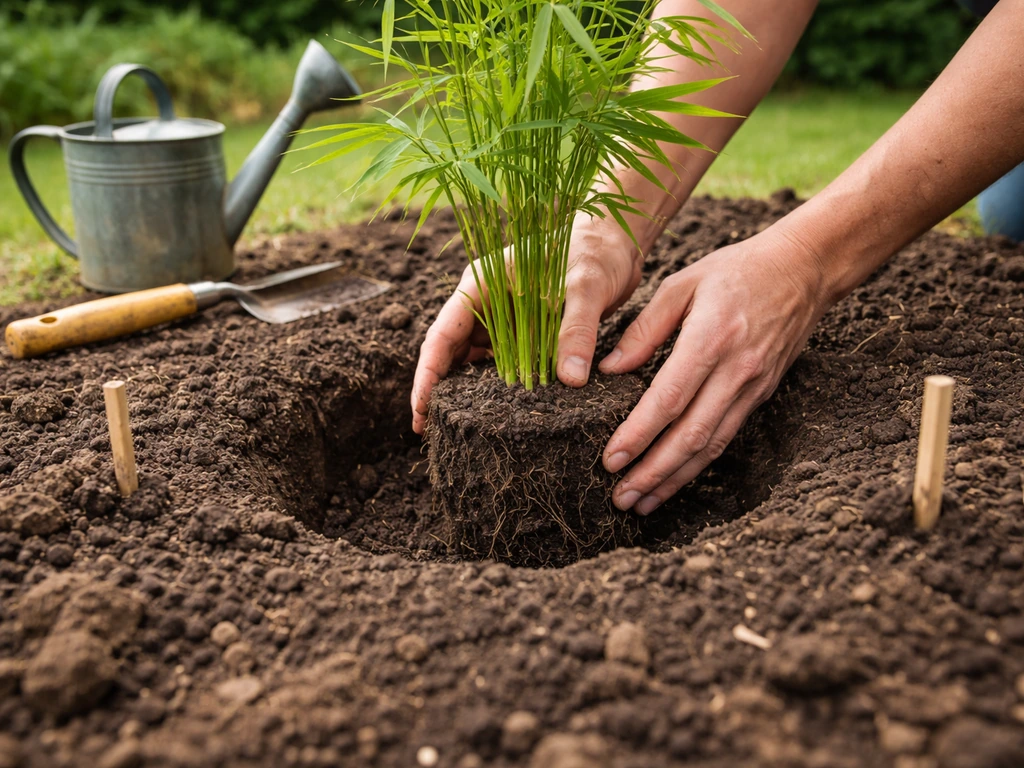
Bamboo in Missouri does best in a location that gets at least 4 to 6 hours of direct sun per day. Full sun accelerates growth significantly, but afternoon shade in summer is not a problem and can actually reduce moisture stress during Missouri's hot July and August. Avoid planting in low spots or areas with poor drainage. Bamboo does not tolerate waterlogged roots, and standing water after rain will rot rhizomes faster than any winter cold will.
Soil-wise, bamboo is forgiving but not infinitely so. Target a well-draining loam or sandy loam with a pH between 5.5 and 7.0. Missouri soils in the northern plains tend toward heavier clay, which you'll want to amend before planting. Work a 3 to 4 inch layer of compost into the top 12 inches of the planting area. In dense clay, consider raising the planting bed 4 to 6 inches or mixing in coarse sand to improve drainage. In the Ozarks, soils are often rocky and acidic, which bamboo generally handles well, but thin soils over rock can limit root depth and affect winter survival.
For spacing, running bamboos planted as a privacy screen or grove benefit from 3 to 5 foot spacing between plants. They'll fill in within two to three years. Clumping Fargesia can be spaced 4 to 6 feet apart. Plant bamboo in spring after the last hard frost, which in most of Missouri falls between mid-April and early May. Spring planting gives the plant an entire growing season to establish roots before its first Missouri winter, which dramatically improves survival odds compared to fall planting.
Watering, Fertilizing, and Mulching Through the Seasons
Watering
Newly planted bamboo needs consistent moisture during its first summer. Plan on deep watering two to three times per week if there's no rain, aiming for about 1 inch of water per week at the root zone. Once bamboo is established after its first or second full season, it becomes significantly more drought-tolerant, but Missouri's summer heat means you should still water during extended dry spells of two weeks or more. Soaker hoses or drip irrigation work well for bamboo groves.
Fertilizing
Bamboo is a grass, and like all grasses it responds well to nitrogen. Apply a balanced granular fertilizer with a higher nitrogen ratio (something like 10-5-5 or a dedicated lawn fertilizer) in early spring when new shoots are just beginning to emerge, and again in early summer. Avoid fertilizing after August 1st in Missouri. Late-season nitrogen pushes new growth that won't have time to harden off before frost, and soft late-season growth is one of the most common causes of winter dieback in otherwise hardy bamboo.
Mulching
Mulch is one of the most important and underused tools for Missouri bamboo growers. Apply a 3 to 4 inch layer of organic mulch (wood chips, straw, shredded leaves) over the entire root zone in late October before the first hard freeze. This insulates the rhizomes from the worst temperature swings and retains soil moisture through the winter. Bamboo rhizomes sitting in frozen, bare soil are far more vulnerable than rhizomes under a thick insulating layer. In northern Missouri especially, mulching the root zone heavily every fall is non-negotiable.
Getting Through Winter and Bouncing Back in Spring
Here's the thing about bamboo winter damage in Missouri: it looks catastrophic and usually isn't. Cold-hardy species will often have foliage that turns brown and stems that die back during harsh winters, but as long as the rhizomes are alive underground, the plant will push new culms in spring. The rhizome system is hardier than the visible aboveground portion. So don't panic in February if your bamboo looks dead. Wait until late April before making any decisions.
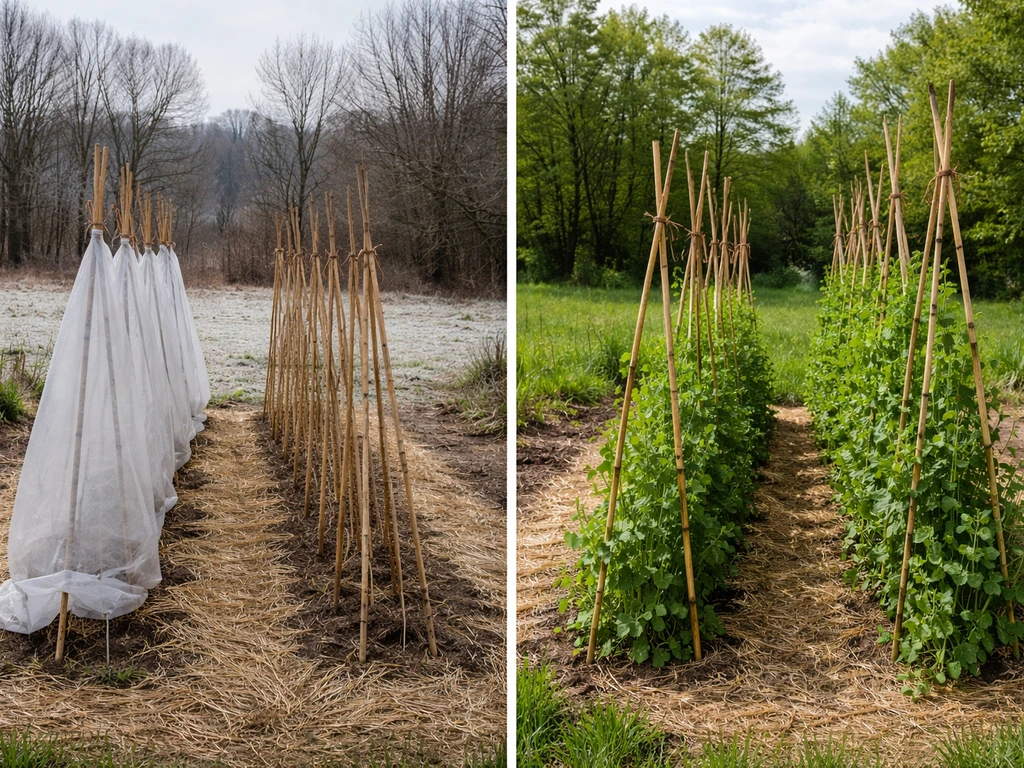
For extra protection in zones 5b and 6a, you can wrap smaller or younger bamboo clumps in burlap before the first hard freeze. This is most useful in the first and second winter before the root system is fully established. Mounding extra mulch or straw around the base of the canes also helps protect the crown where rhizomes are closest to the surface. For container-grown bamboo (more on that below), bring the pot into an unheated garage or shed for the winter rather than leaving it outside exposed.
In spring, cut back any dead or brown canes to the ground in late March or early April. New shoots will begin emerging in April and May depending on species. Once you see new culms pushing up, resume watering and apply your spring fertilizer. The plant's energy is focused entirely on shooting up new growth in that window, so consistent moisture during spring shooting season makes a measurable difference in culm height and vigor.
What to Expect in the First Two Years: Growth Timelines
Year one is almost always underwhelming, and that's completely normal. A newly planted bamboo in Missouri will spend most of its first season establishing its root and rhizome network rather than pushing up impressive new canes. You might see a few new shoots in the first spring or summer after planting, but they'll often be similar in size to or smaller than what you planted. Don't mistake this for failure. The plant is doing critical underground work.
Year two is when things start to look more promising. You'll typically see more numerous and taller new shoots than in year one. With running bamboos like Phyllostachys bissetii, year two shoots might reach 6 to 12 feet, noticeably taller than the original transplant. Clumping Fargesia will expand the clump diameter slowly and push up new culms but won't explode in size the way running bamboo eventually does. The old saying with bamboo is 'sleeps, creeps, leaps': year one it sleeps, year two it creeps, and by year three to four it genuinely leaps. In Missouri's climate, that timeline holds true, though the leap phase may be slightly delayed compared to zone 7 or 8 growing regions.
By year three or four, a healthy stand of Phyllostachys in central or southern Missouri should be producing culms that match or approach the species' advertised mature height, especially if watering and fertilizing have been consistent. A 25-foot Phyllostachys aureosulcata stand in St. Louis isn't unrealistic after five or six years of good establishment.
Common Problems and How to Fix Them
| Problem | Likely Cause | Fix |
|---|---|---|
| Plant dies completely in winter | Wrong zone, or roots froze due to no mulch | Choose zone 5 hardy species; mulch root zone heavily every fall |
| Leaves brown but canes survive | Normal cold stress, not death | Wait for spring; cut dead foliage; apply fertilizer when new shoots emerge |
| No new shoots in spring (year 1-2) | Plant still establishing root system | Be patient; water consistently and wait until mid-May before worrying |
| Yellow leaves in summer | Overwatering or poor drainage, or nitrogen deficiency | Improve drainage; check soil moisture before watering; fertilize with nitrogen |
| Bamboo spreading into neighbor's yard | Running bamboo with no root barrier installed | Install 60-mil HDPE barrier 18-24 inches deep, or begin rhizome pruning annually |
| Leggy, thin culms | Too much shade, insufficient nitrogen, or overcrowding | Increase sun exposure if possible; fertilize in spring; thin old culms |
| Slow or no growth after 2+ years | Soil compaction, waterlogged roots, or pH imbalance | Aerate the planting area; test and adjust soil pH to 5.5-7.0 |
Container Growing and Indoor Options in Missouri
If you're not ready to commit to an in-ground planting, or if you want a species that isn't quite cold-hardy enough for your part of Missouri, container growing is a legitimate option. Grow the bamboo in a large pot (25 gallons or more for running types, 15 gallons for Fargesia) and move it into an unheated garage or basement between November and March. The plant needs to go dormant and doesn't need light during that period, just above-freezing temperatures. This approach lets Missouri gardeners experiment with species like Phyllostachys nigra or slightly tender ornamental types without risking winter kill. The downside is that containerized bamboo will never reach the size or vigor of an in-ground planting, and it needs repotting every two to three years as the roots become pot-bound.
Containing Running Bamboo: Do This Before You Plant
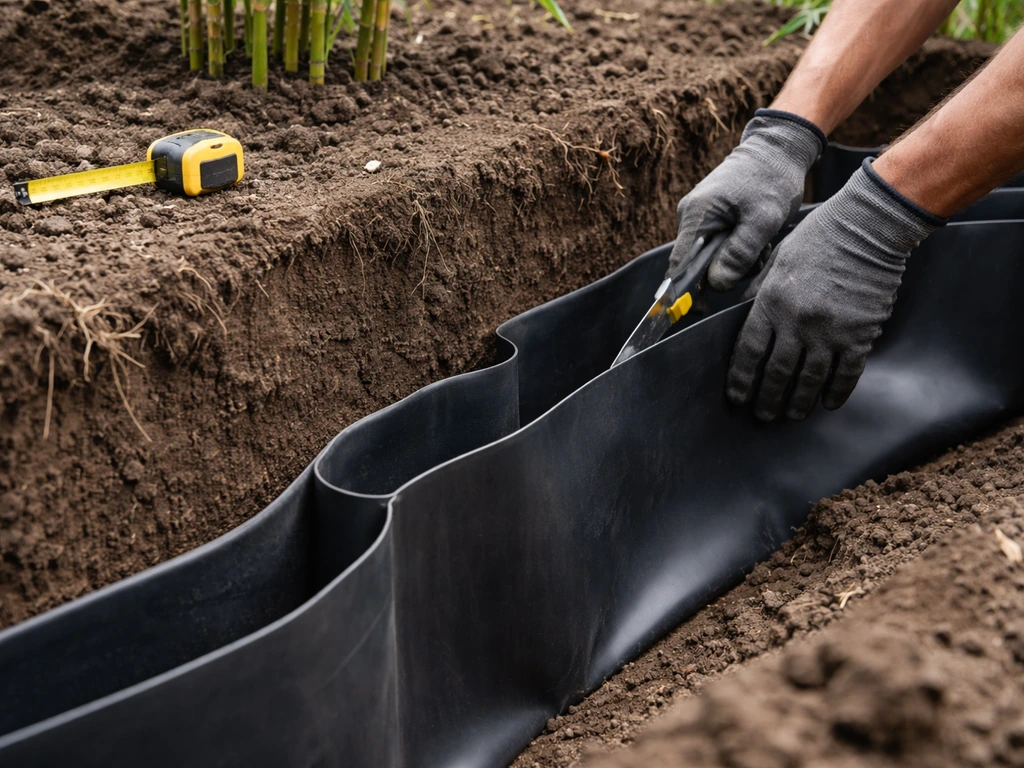
If you choose a running bamboo (and for most Missouri growers looking for height and impact, running types are the practical choice), containment is not optional. Phyllostachys species can send rhizomes 10 to 15 feet or more in a single growing season once established. In Missouri's fertile soil and warm summers, this spread is real and can happen faster than you'd expect. The solution is a physical rhizome barrier installed at planting time, not after the bamboo has already escaped.
Use a 60-mil (or thicker) HDPE barrier, installed in a trench 18 to 24 inches deep around the perimeter of where you want the grove to stay. Leave 2 to 3 inches of the barrier above the soil surface so rhizomes can't escape over the top. Overlap barrier ends by at least 6 inches and seal them with stainless steel clamps. This approach is standard practice for anyone growing running bamboo in residential settings, and it works reliably when installed correctly.
If you didn't install a barrier and the bamboo is already spreading, the management approach is annual rhizome pruning. In spring, before new shoots emerge, use a sharp spade or mattock to cut and remove rhizomes along the boundaries where you don't want bamboo. Do this every spring without exception. Cutting new shoots as soon as they emerge outside the desired zone also works, since a shoot that never leafs out cannot contribute energy back to the main plant. This is more labor than a barrier but it does keep spread under control if you're consistent.
Missouri is genuinely good bamboo country if you match the species to the zone and go in with realistic expectations. If you're looking for bamboo that will grow in KY, the same key is choosing a cultivar matched to your Kentucky hardiness zone. The winters are manageable with cold-hardy cultivars and good mulching, the summers provide excellent growth energy, and the soil in most of the state supports strong establishment. Pick a species rated at least one full zone colder than your actual zone, install a barrier if you go with running bamboo, mulch hard every fall, and give it three years to hit its stride. Most Missouri gardeners who stick with that plan end up with exactly what they were hoping for. If you're wondering can you grow bamboo in Kansas, the key is still choosing cold-hardy species matched to your local winter lows and giving them the right planting setup.
FAQ
What bamboo in Missouri should I avoid if I want it to survive winter?
Avoid warm-climate “ornamental” bamboo that is not explicitly rated for cold winters, especially species marketed for zones 8 to 10. In Missouri, the most common failure is not winter cold alone, it is repeated freeze-thaw combined with unprotected rhizomes, so choose cultivars known for 5b or 6a tolerance and plan to mulch heavily every fall.
If my bamboo dies back to the ground in February, how can I tell whether it will come back?
Wait until late April, then do a simple rhizome check: gently dig a small area near where the shoot base should be and look for firm, cream-colored rhizomes rather than mushy or hollow ones. If the rhizomes are firm and alive, new culms usually follow, but if they are rotted, you will need to replant.
Can I grow bamboo in Missouri from seed or should I buy plants?
Seed is possible for some species, but for most Missouri growers it is impractical and slow, and seed-grown plants may not match the hardiness or growth traits you expect. In practice, buy established nursery divisions (clumping) or verified cold-hardy running bamboo rhizomes/plants, and plant them in spring so they can establish before winter.
Does afternoon shade help or hurt bamboo in Missouri?
Afternoon shade usually helps in Missouri because it reduces heat and moisture stress during peak summer. What matters most is still getting roughly 4 to 6 hours of direct sun total per day, and avoiding locations where the soil stays damp or drains poorly after rain.
How close to my house, fence, or utility lines can I plant bamboo in Missouri?
For running bamboo, keep a lot of space and treat containment like part of the landscaping design, not an afterthought. Even with barriers, plan for at least several feet of clearance from structures, and avoid planting where you will be digging for utilities or foundations in the future, because barrier maintenance and rhizome pruning may be needed.
Will a rhizome barrier still work in Missouri if the ground freezes hard?
Yes, but the barrier has to be installed correctly and at the right depth, typically 18 to 24 inches, with a couple inches above grade so rhizomes cannot climb out. Freezing does not “destroy” HDPE, but poorly sealed joints and wrong installation depth are what usually lead to escapes in the long run.
What’s the best watering approach for bamboo during Missouri summers?
During the first one or two growing seasons, aim for deep, infrequent watering at the root zone, about 1 inch per week without relying on daily sprinkling. After establishment, bamboo tolerates drought better, but you still should water during extended dry spells longer than about two weeks, especially for containers and young groves.
How much mulch should I use, and when exactly should I apply it in Missouri?
Use 3 to 4 inches of organic mulch across the entire root zone and apply it in late October before hard freezes. Avoid piling mulch right against the canes as a thick “nest,” since it can trap moisture; the goal is insulated soil temperatures around the rhizomes.
Should I fertilize bamboo in Missouri in fall?
No. Skip nitrogen after August 1 because late growth can stay soft and more likely die back during winter. If you want fall help, keep it minimal and avoid “lawn-like” nitrogen blends late in the year, focusing instead on compost and the mulch insulation strategy.
Can I grow bamboo in a container outdoors all year in Missouri?
For most Missouri gardeners, leaving containers outside through winter is risky, especially for running types with larger rhizomes. Move the pot to an unheated garage or shed between about November and March, keep it just above freezing, and water sparingly so the roots do not dry out completely.
How fast should I expect bamboo to spread in Missouri?
Clumping types mostly expand gradually, while running types can expand quickly once established. With proper containment, rhizomes may still push and test the barrier within the first couple of seasons, so expect some management work during spring and plan to inspect barrier edges and overhangs annually.
What soil problems in Missouri cause bamboo issues, and how do I fix them?
Waterlogged clay is a major problem because bamboo does not like sitting in saturated soil. If your site stays wet after rain, raise the planting bed by 4 to 6 inches, mix in coarse material to improve drainage, and prioritize a soil profile that drains within a reasonable time window after storms.
Is it better to choose a clumping bamboo or a running bamboo for beginners in Missouri?
If you do not want to manage spread, choose clumping bamboo, with Fargesia species being the main Missouri-friendly option. If you want tall screens and dramatic height, running bamboo works well in Missouri but only if you install a proper rhizome barrier at planting time and commit to yearly checks or spring rhizome pruning if containment fails.
Next Article
Can Bamboo Grow in Arizona? How to Plant and Care
Can bamboo grow in Arizona? Species choice, site prep, irrigation, and care steps for hot dry success and troubleshootin