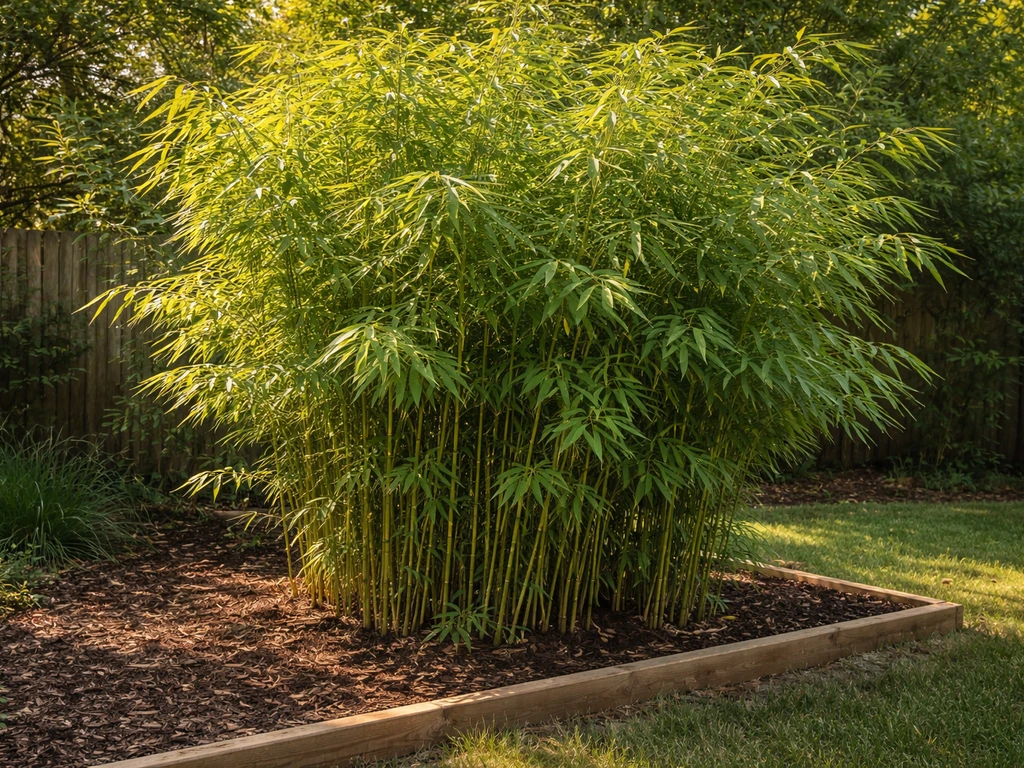
Yes, bamboo grows very well in Florida. Bamboo can also grow in Georgia, but the right clumping species and cold-hardy selection matter because winter temperatures vary widely across the state. If you're wondering does bamboo grow in Texas, the answer depends on whether you can match the right bamboo type to your local heat, humidity, and winter lows. If you're wondering does bamboo grow in louisiana, look at the same clumping bamboo selection rules based on your local winters and humidity. Oklahoma can grow bamboo too, but you have to choose a cold-hardy clumping variety that fits your winter lows does bamboo grow in Oklahoma. In fact, Florida's warm, humid climate is genuinely one of the better environments for bamboo in the entire United States. South and Central Florida are especially hospitable, but even North Florida gardeners can grow a solid range of species with the right variety selection. North Carolina can also be suitable for some cold-hardy clumping bamboo types, but you need to match the variety to your USDA zone and winter lows. The key decision you need to make upfront is not whether bamboo will grow here, but which type to plant and how to keep it from spreading where you don't want it.
Does Bamboo Grow in Florida? How to Grow It Successfully
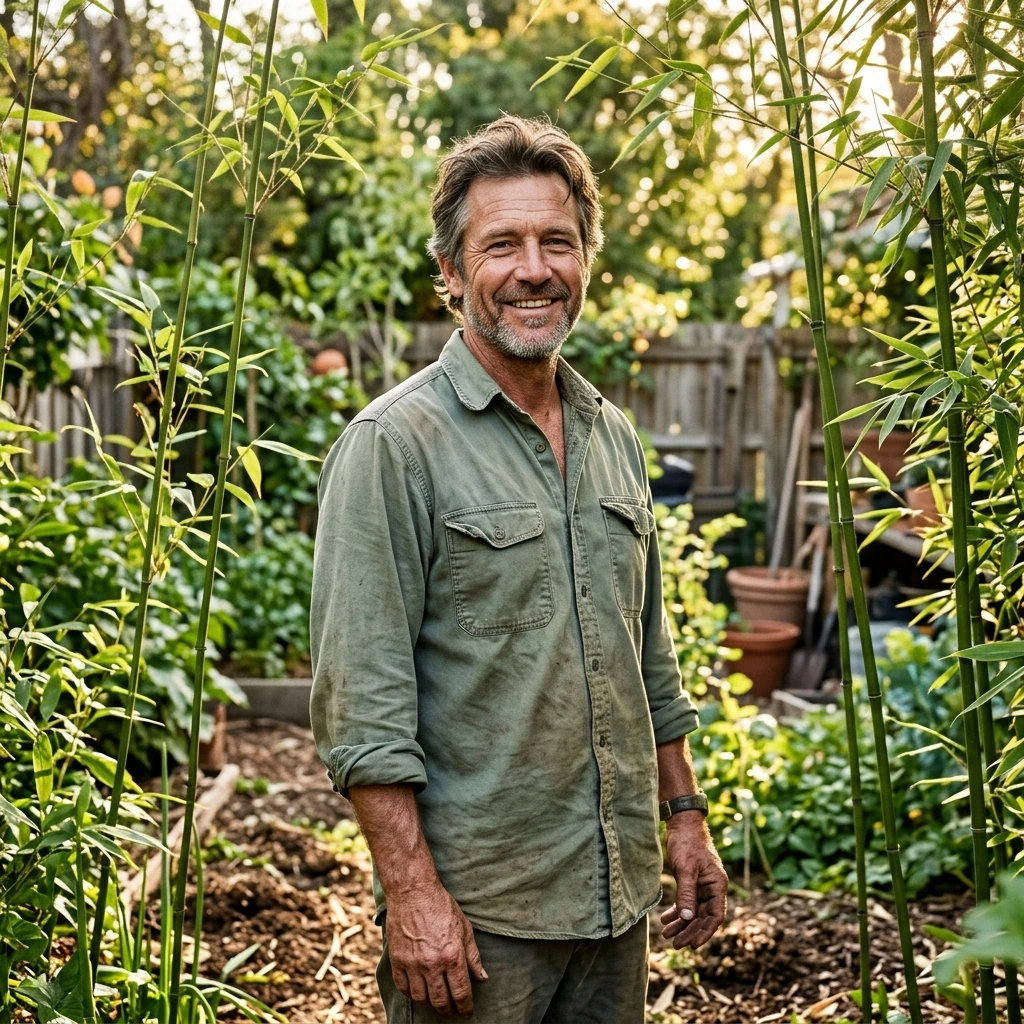
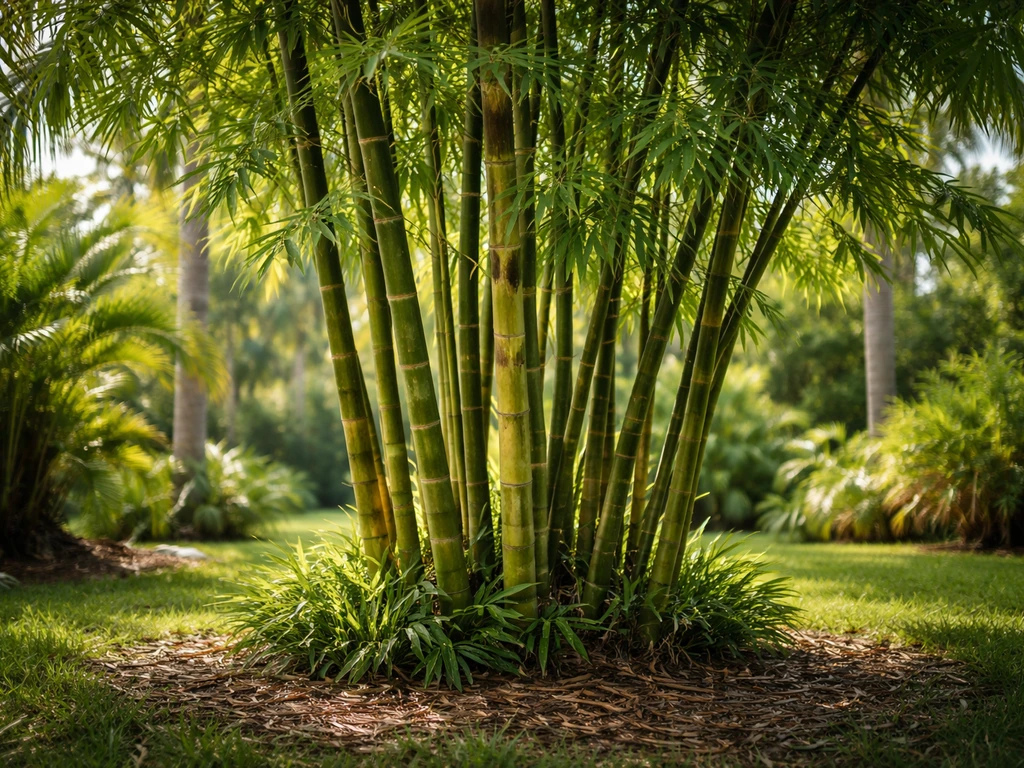
How Florida's climate and zones stack up for bamboo
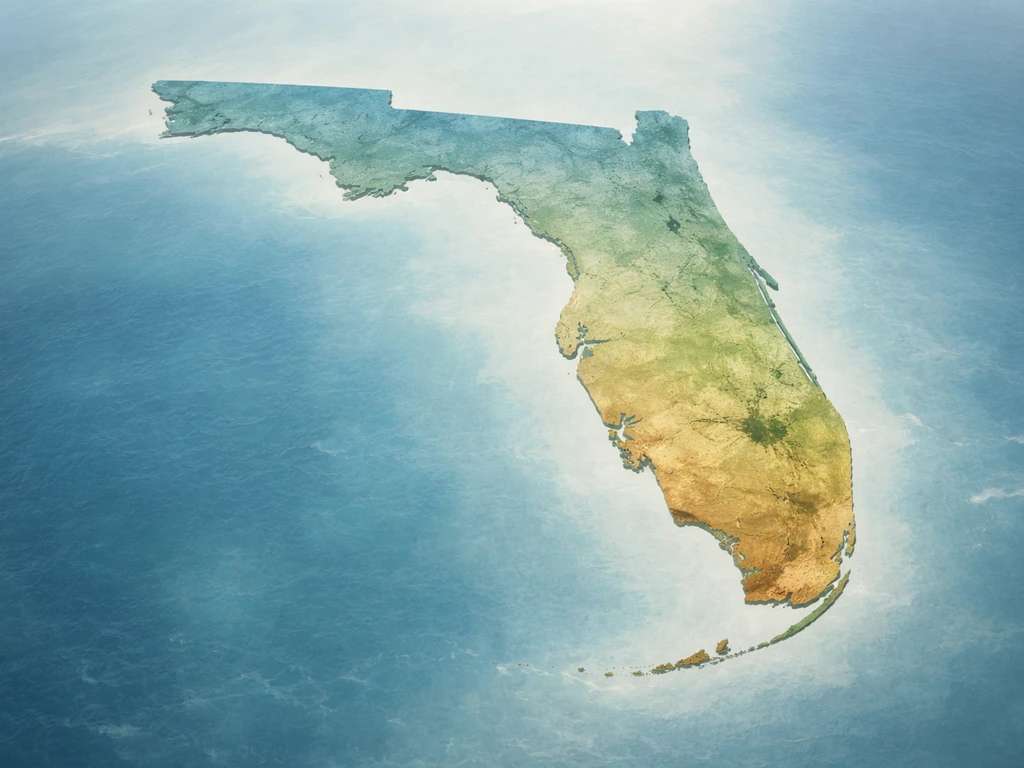
Florida spans USDA hardiness zones 8a in the Panhandle and far north all the way to zone 11 at the southern tip and Keys. That's a wide range, and it matters a lot for bamboo selection. Most of the state sits in zones 9 and 10, which means mild winters, high humidity, and long growing seasons. Bamboo loves all three.
South Florida (Miami, Fort Lauderdale, Naples) sits in zones 10 to 11 and is essentially frost-free. This opens up the most tropical bamboo species, including large timber varieties that wouldn't survive a freeze anywhere else in the continental US. Central Florida (Tampa, Orlando, Gainesville) covers zones 9a to 9b, where light frosts occur occasionally but rarely cause lasting damage to established bamboo. North Florida and the Panhandle drop into zones 8 and 9, which means you'll want cold-hardier clumping varieties, though plenty of species still do fine there.
Coastal versus inland location also plays a real role. Coastal areas benefit from the thermal buffer of the ocean, staying warmer in winter and cooler in summer. That generally extends your bamboo options slightly even in northern coastal spots. Inland North Florida, however, can see hard freezes that knock back cold-sensitive tropical species, so variety selection becomes more critical the further north and inland you go.
Picking the right bamboo for Florida
This is where most beginners make their mistake. They search 'bamboo for sale' and grab whatever is available, without checking whether it's clumping or running, or whether it's suited to their specific zone. Florida's conditions favor clumping bamboos (Bambusa, Dendrocalamus, and Gigantochloa genera) for most residential situations, and UF/IFAS Extension backs this up consistently. Clumping bamboos grow in tight, expanding clumps rather than sending out aggressive underground rhizomes, making them far safer in a yard or near property lines.
For Central and South Florida specifically, a few species stand out based on extension research and on-the-ground performance. Timor Black (Bambusa lako) is a striking variety with dark culms that handles Florida heat and humidity well. Java Black (Gigantochloa atroviolacea) is another beautiful dark-culm option that thrives in these conditions. Black Asper (Dendrocalamus asper 'Bering Hitam') is a massive timber bamboo recommended for zone 9b and 10, and it can reach impressive heights in South Florida's climate. For North Florida or anyone in zone 8 to 9a, look at cold-hardier clumping bamboos like Bambusa multiplex varieties, which UF/IFAS notes can thrive in North Florida as well. If you're wondering does bamboo grow in Alabama, many clumping varieties suited to zone 8 and 9b conditions can work well with the right protection from winter freezes North Florida or anyone in zone 8 to 9a.
| Species | Common Name | Best Zone | Type | Notes |
|---|---|---|---|---|
| Bambusa lako | Timor Black | 9b-11 | Clumping | Dark culms, heat and humidity tolerant |
| Gigantochloa atroviolacea | Java Black | 9b-11 | Clumping | Deep purple-black canes, ornamental |
| Dendrocalamus asper 'Bering Hitam' | Black Asper | 9b-10 | Clumping | Large timber bamboo, impressive height |
| Bambusa multiplex | Hedge Bamboo | 8a-11 | Clumping | Cold-hardier, great for North Florida |
| Bambusa oldhamii | Giant Timber Bamboo | 9-11 | Clumping | Fast-growing, large privacy screen |
One thing to avoid in Florida: running bamboos. Species like Phyllostachys aurea (Golden Bamboo) spread aggressively through underground rhizomes and have already been documented invading parts of the Southeast. UF/IFAS explicitly warns that running bamboos carry a high risk of invasion in Florida's climate. Stick with clumping types unless you have serious containment infrastructure in place.
How to actually set up and plant bamboo in Florida
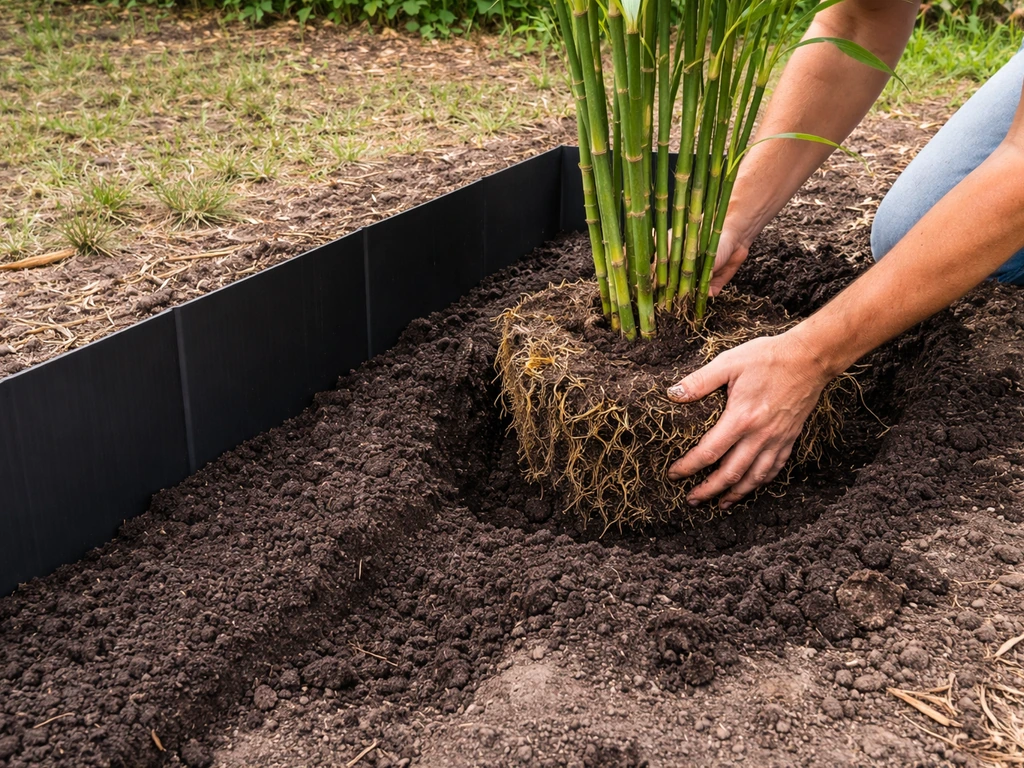
Getting bamboo established in Florida is straightforward if you follow the right sequence. Here's how I'd walk through it from start to finish.
- Choose your site: Pick a spot with at least 4 to 6 hours of direct sun daily. Bamboo tolerates partial shade but grows faster and fuller in full sun. Avoid low spots that collect standing water after heavy rain.
- Decide: in-ground or container. Most clumping bamboos do well planted directly in the ground in Florida. Containers work if you have limited space, a small patio, or want maximum control. Container plants will need more frequent watering and will be smaller overall.
- Prepare the planting area: Dig a hole twice as wide and just as deep as the root ball. Florida's sandy soils are common, so mix in compost or organic matter to improve water retention and nutrients.
- Plant at the right time: Spring planting (March through May) gives bamboo a full growing season to establish before any cool weather. You can also plant in early fall in South and Central Florida since winters are mild.
- Water in thoroughly after planting and add a 3 to 4 inch layer of mulch around the base to retain moisture and regulate soil temperature.
- Give it time: Most clumping bamboos take 2 to 3 years to fully establish and reach their growth stride. Don't judge a newly planted bamboo by its first-year performance.
Soil, sun, water, and fertilizer: what bamboo actually needs
Soil
Bamboo prefers well-draining soil with a slightly acidic to neutral pH, ideally between 5.5 and 7.0. Much of Florida has sandy, fast-draining soil which actually helps with drainage but can be low in organic matter and nutrients. Amend your soil generously with compost before planting, and top-dress with organic mulch annually to keep improving soil structure over time. Avoid planting in areas with consistently wet or waterlogged soil, even in South Florida where rainfall is heavy. Root rot is one of the few reliable ways to kill an otherwise tough bamboo plant.
Sun
Full sun is ideal. Six or more hours of direct sunlight per day will produce the fastest growth, thickest culms, and densest clumps. Partial shade is tolerated and can actually help in extreme South Florida heat for some species, but growth will be noticeably slower. If you're planting bamboo as a privacy screen, prioritize the sunniest available spot.
Watering
Florida's summer rainy season (roughly June through September) often provides enough water on its own for established bamboo. During the dry season (October through May), you'll want to water deeply once or twice a week for established plants, and more frequently for newly planted ones. Newly planted bamboo needs consistent moisture for the first 6 to 12 months while the root system develops. A drip irrigation setup works extremely well for bamboo and saves time during dry spells.
Fertilizing
Bamboo is a grass and responds well to nitrogen-rich fertilizers. Apply a balanced slow-release granular fertilizer (something like 16-4-8 or a dedicated lawn fertilizer) in spring when new growth is pushing, and again in midsummer. Avoid heavy fertilization in fall or winter. Organic options like compost top-dressing or well-aged manure work well and also improve soil health over time. In Florida's leaching sandy soils, consistent light fertilization is better than occasional heavy applications.
Managing bamboo responsibly: rhizomes, containment, and keeping peace with your neighbors
This section matters more in Florida than almost anywhere else because the climate is so favorable that poorly managed bamboo can become a serious problem fast. Let's be direct: if you plant a running bamboo in Florida's warm climate without containment, you will likely regret it within a few years, and so will your neighbors.
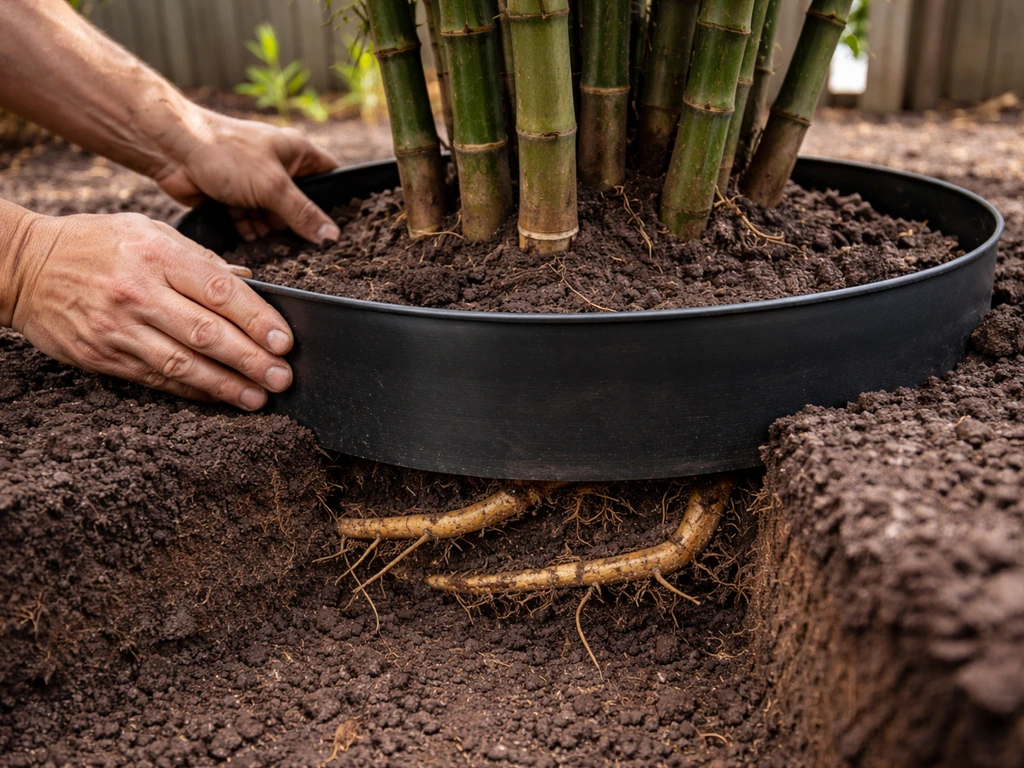
The rhizome type is the most important factor in long-term management. Clumping bamboos have pachymorph rhizomes that grow outward slowly in a U-shape, staying close to the parent plant. Running bamboos have leptomorph rhizomes that can sprint underground for 10 feet or more in a single season. In Florida's zone 9 to 11 conditions, running rhizomes are even more active than they'd be in cooler states like Tennessee or North Carolina. In Tennessee, your best bet is to select cold-hardy clumping bamboo that fits your local winter lows. UF/IFAS CAIP makes it clear: running bamboos pose a genuinely high invasion risk, while clumping bamboos are 'less risky but not risk-free.'
If you do choose to plant a running type for any reason, or even as extra insurance with a clumping variety near a property line, install a physical rhizome barrier. Use 60 mil or thicker HDPE barrier material buried at least 24 to 30 inches deep, with the top edge extending 2 inches above soil level so rhizomes don't escape over the top. Check the barrier annually and cut back any rhizomes attempting to go over or under.
For clumping bamboos, the main management task is simply preventing them from getting too large over many years. You can control the size by dividing the clump every few years or cutting back outer culms to your desired boundary. This is much easier and less stressful than chasing running rhizomes across your yard. In terms of local regulations, some Florida municipalities and HOAs have rules about bamboo planting, particularly for running types. It's worth a quick check with your local county extension office or HOA before planting.
Bamboo grown thoughtfully in Florida is a genuinely rewarding plant. It grows fast, looks dramatic, provides real privacy, and handles the heat and humidity better than most landscape plants. Get the species right, give it a proper start, and manage it from the beginning rather than playing catch-up later, and you'll have an impressive planting that serves your yard for decades.
FAQ
If bamboo grows in Florida, will it survive every winter statewide?
Florida’s warmth helps bamboo grow, but it does not guarantee survival of every species. Even clumping bamboos need to match your USDA zone and, for North Florida and the Panhandle, your coldest winter lows, not just average temperatures. If you’re near the 8a to 9 boundary, choose a cold-hardy clumping variety and plan for brief winter dieback or protection during freezes.
What spacing should I use for bamboo privacy screens in Florida?
For most home landscapes, start with clumping types because they are naturally easier to manage. If you want the densest privacy screen, plant closer than you would for a decorative grove, and expect that spacing needs adjustment based on the final clump width of your chosen species. Thinner spacing fills in faster, but it also increases competition for water and nutrients.
What should I check before buying bamboo plants in Florida?
When buying, confirm two things that sellers sometimes skip: the rhizome type (clumping versus running) and the mature size (height and clump spread). A species labeled “bamboo” without rhizome information is a red flag, and a variety that looks small in a container can still become very large in warm Florida conditions.
Can I grow bamboo in containers in Florida to control spread?
Yes, you can grow bamboo in pots in Florida, but large containers and frequent watering are usually required, especially in summer heat. Use a well-draining potting mix, a pot with drainage holes, and fertilize lightly but regularly during the growing season. Pots also reduce rhizome spread, but plants can freeze more easily than in-ground bamboo during cold snaps.
How often should I water bamboo in Florida, and what’s the biggest watering mistake?
Water needs change after establishment. Newly planted bamboo typically needs more consistent moisture for the first 6 to 12 months, while established clumps often tolerate Florida’s wet season and only need deep watering during the drier months. Overwatering is a common mistake in Florida because soggy spots can lead to root rot, particularly in poorly drained soil.
Should I give my bamboo full sun or partial shade in Florida?
Bamboo generally grows best in full sun, but in extreme South Florida heat, partial shade can help reduce stress for some species. If you see leaf scorch or weak growth, the fix is not always more fertilizer, it’s usually improving sun exposure (morning sun is often better than intense afternoon sun) and ensuring reliable moisture during dry spells.
When and how should I fertilize bamboo in Florida sandy soil?
Florida’s leaching sandy soils can make nutrients harder to hold, so a strategy of slow-release, lighter feeding works better than big late-season doses. Apply fertilizer when new growth starts and again mid-summer, then stop before fall so the plant does not push tender growth that can suffer in winter cold events.
Do I need a rhizome barrier even if I’m planting clumping bamboo?
Rhizome barriers are mainly relevant if you have running bamboo, or if you’re using a clumping bamboo near a boundary where you want extra certainty. For running types, the barrier depth and the above-ground lip matter, and barriers should be inspected annually. For clumping types, routine size control (dividing or cutting outer culms) is usually enough.
How do I keep clumping bamboo from taking over my yard over time?
Bamboo in Florida can become invasive mainly with running species, but even clumping bamboos can outgrow a yard over time. A practical approach is to choose clumping varieties for residential use, then set a maintenance schedule to thin or divide every few years. This keeps the clump within a predictable footprint without the constant monitoring that running rhizomes require.
Are there Florida local regulations or HOA rules I should check before planting bamboo?
Yes, local rules can affect what you can plant, especially running bamboo and sometimes even large clumping species near property lines. Before you buy, check your HOA and your county extension office for any restrictions, and confirm whether you need permits or specific containment practices for your address.
What are the most common reasons bamboo fails in Florida?
If your bamboo stalls or declines, the most common causes are mismatch with winter lows, waterlogged soil, or not enough sunlight. Another frequent issue is planting the wrong rhizome type for the location, since a variety that thrives in Zone 10 to 11 may struggle in Zone 8 or 9a during cold events.
Does Bamboo Grow in Texas? Best Types and How to Plant
Find out if bamboo grows in Texas, best clumping or running types, legality tips, and step-by-step planting care.