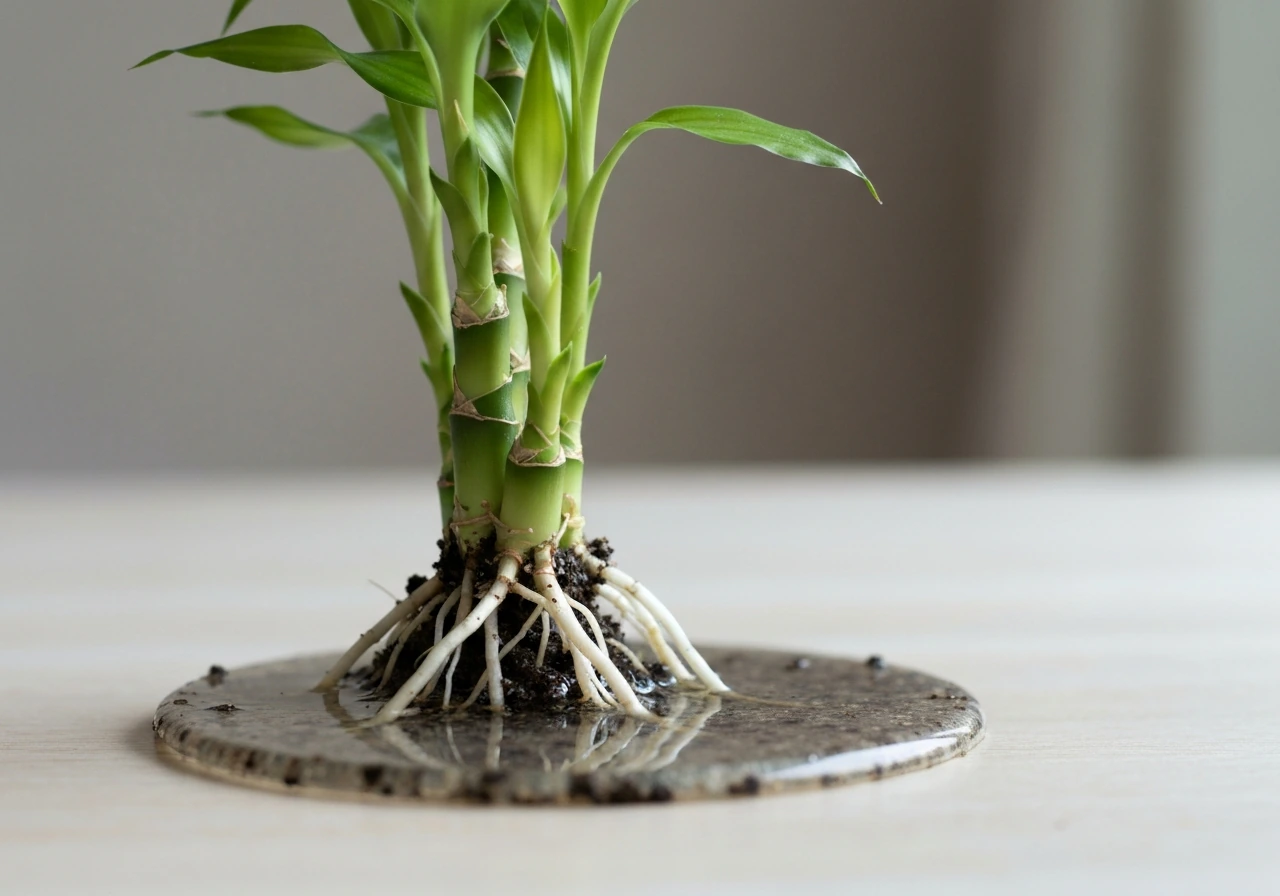
Yes, lucky bamboo can grow outside, but only in warm, frost-free climates. If you live somewhere with mild winters that never dip below about 10°C (50°F), you can keep it outdoors year-round. If you're in the UK or anywhere with cold winters, lucky bamboo is a seasonal outdoor plant at best. It is not hardy, it is not frost-tolerant, and leaving it outside through a British winter will kill it. The good news is that you can absolutely move it outside during the warmer months, and with the right setup it will thrive. The same indoor-to-outdoor care lets the stalks keep growing during the warmer months if temperatures stay warm enough do lucky bamboo stalks grow. You just need a clear plan for bringing it back in before autumn turns cold.
Can Lucky Bamboo Grow Outside? UK Guide and Care

Marcus Hartwell
21 Apr 2026
The short answer on outdoor survival
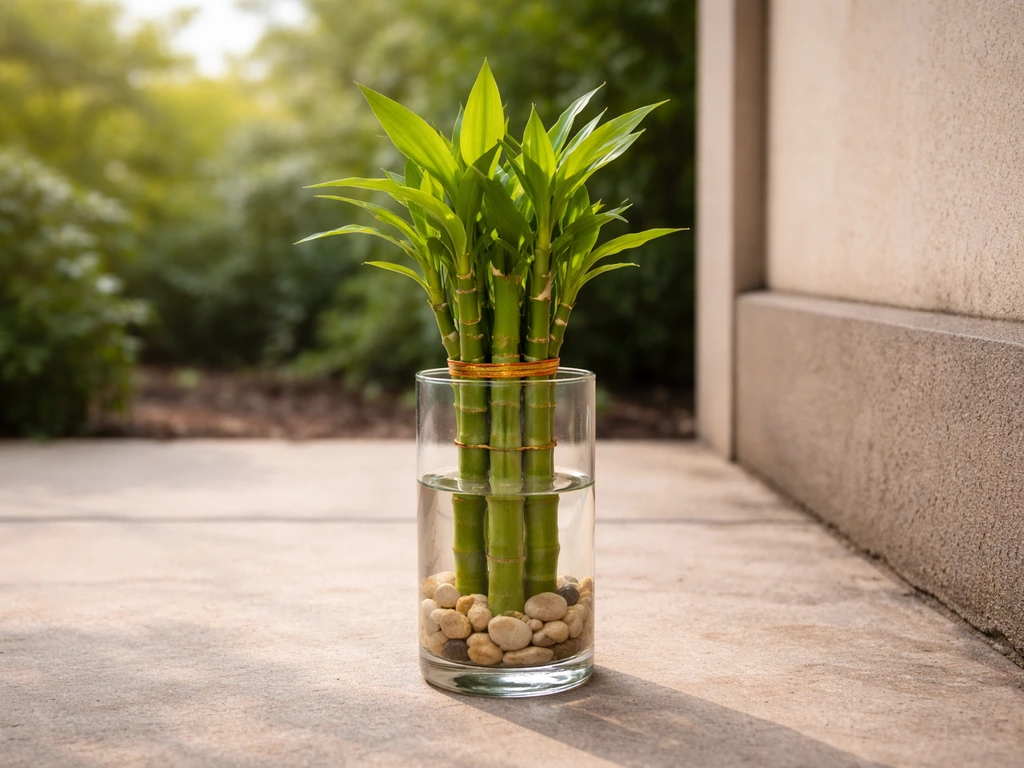
Lucky bamboo is Dracaena sanderiana, a tropical plant native to Central Africa. Lucky bamboo is Dracaena sanderiana, which is why it is treated as a houseplant rather than a hardy outdoor garden plant. Despite the name and the way it looks, it is not a true bamboo at all. It is a tender Dracaena, and that matters a lot for outdoor growing. The Royal Horticultural Society classifies it as a greenhouse or houseplant-type species rather than a UK-hardy garden plant. Thompson and Morgan sells it explicitly labelled 'Tender.' Its USDA hardiness zone minimum is 10a, which corresponds to an average annual minimum temperature of around -1°C to 1.7°C (28–35°F), but that is the absolute floor, not the comfort zone. The ideal temperature range is 16–27°C. In practice, lucky bamboo performs best outdoors in USDA zones 10 to 12, which means subtropical and tropical regions like South Florida, Hawaii, or coastal Southern California. The UK sits firmly in zones 8 to 9 at best, which means outdoor year-round growing is off the table without protection.
UK climate limits: what to check before you put it outside
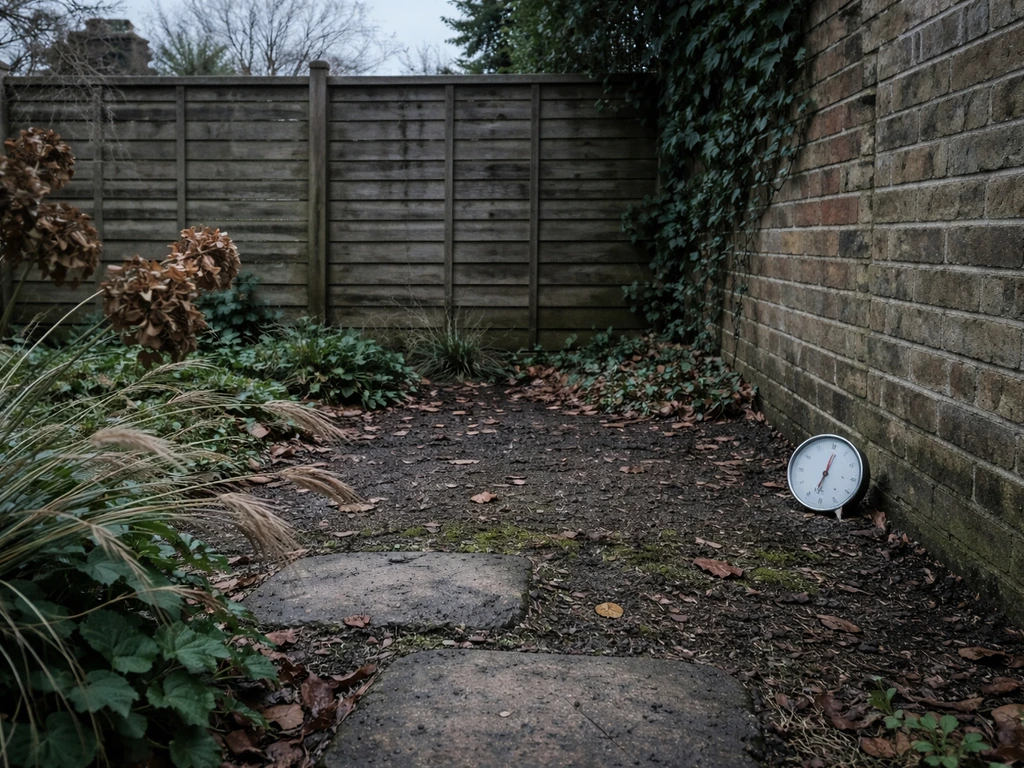
Before you move your lucky bamboo outdoors anywhere in the UK, check two things: your average overnight low temperatures from May through September, and how exposed the spot is to wind and rain. UK nights in May and September can still drop to 7–9°C in many areas, which is already below the safe threshold. The plant starts to struggle below 10°C (50°F), and some care guides put the minimum closer to 13–15°C (55–60°F) for consistent health. That leaves a fairly narrow outdoor window, roughly late June to late August in most of England, and even narrower in Scotland or elevated areas.
Wind is the other major factor people underestimate. Lucky bamboo is used to still, humid tropical air. A draughty terrace or windy balcony desiccates the leaves fast and causes brown tips and yellowing. If your outdoor spot gets regular breeze, you need a sheltered microclimate: a south or west-facing wall, a corner between fences, or a covered patio. The more shelter you can provide, the longer your safe outdoor window will be.
Rain exposure is also worth thinking about before you commit to putting it outside. Lucky bamboo grown in water vases or hydroponically has very little tolerance for waterlogged roots from heavy rainfall. UK summer rain combined with a poorly drained container is one of the fastest ways to lose the plant to root rot. This is entirely manageable, but it requires the right container setup (more on that below).
Getting the light, temperature, and seasonal timing right
Lucky bamboo outdoors needs bright, indirect light, not full direct sun. In its natural habitat it grows under a forest canopy, so it is adapted to filtered light. Moving a plant that has been sitting on a windowsill indoors into direct afternoon sun outdoors is a shock that will scorch its leaves within days. A spot with morning sun and afternoon shade, or dappled light under a tree canopy, is ideal. The 'sun or semi shade' siting guidance from specialist retailers is accurate: semi shade is usually the better choice outdoors, especially in warmer spells.
For temperature management, use 10°C (50°F) as your hard lower limit. When outdoor overnight temperatures are forecast to drop to or below that point, bring the plant back inside. In practice, for most of the UK, this means the outdoor season runs from mid-June to early September at the outside. Keep a thermometer near the plant or use a weather app with hourly overnight lows rather than just daily averages. BBC Gardeners’ World Magazine also notes that lucky bamboo is a houseplant that needs protection because it can be sensitive to temperature changes. A cold snap that drops to 8°C overnight in late August can do real damage even if the days are warm.
Container setup, drainage, and water management outside
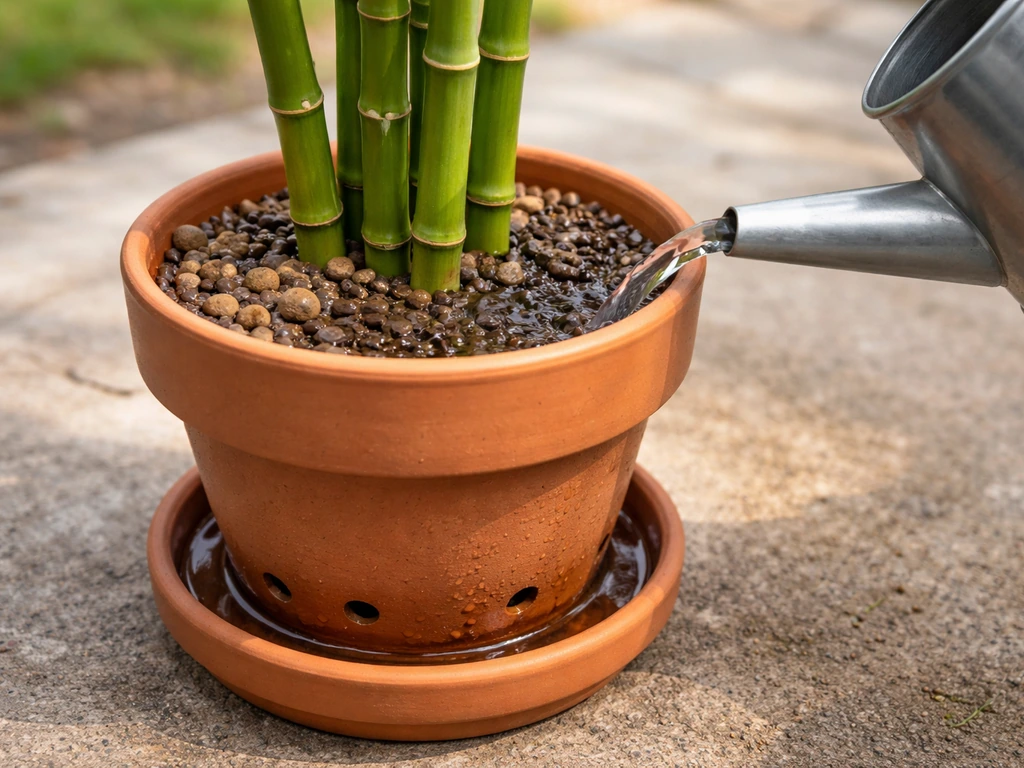
Always grow lucky bamboo outdoors in a container rather than planting it directly in the ground. Container growing gives you the flexibility to move it back indoors when temperatures drop, which is non-negotiable in the UK. It also lets you control drainage far more precisely than ground soil allows. Use a pot with large drainage holes and place it on pot feet or a raised surface so water exits freely. In a wet UK summer, a tray underneath the pot can fill up and create standing water around the roots, so remove any saucers or check them daily.
If you have been growing your lucky bamboo hydroponically in a water vase (the classic pebbles-and-water setup), you have two realistic options for outdoor use. You can keep it in that same vase and place it in a sheltered outdoor spot, monitoring the water level closely so it does not become stagnant or overflow in rain. If you are wondering can lucky bamboo grow in aquarium setups, it is essentially the same water-root method as hydroponics, just with more controlled water quality hydroponically. If you are asking can bamboo grow in rocks, the key idea is still how the roots access water and drainage, which matters as much as the surface the plant sits on. Or you can transition it to a soil-based container, which is more forgiving outdoors and handles rainfall variation better. Transitioning to soil is covered in the step-by-step section below. Whichever method you use, check the water or soil moisture every day when it is outside, because conditions change much faster outdoors than indoors.
Fluoride in tap water is worth mentioning here. Lucky bamboo is sensitive to fluoride, and if you are topping up a water vase outdoors with tap water, you may notice leaf tips turning yellow or brown even when everything else seems fine. Using filtered water or leaving tap water to sit overnight before using it reduces this problem. Rainwater collected in a butt is actually ideal for this plant outdoors.
Soil, compost, and feeding outdoors
If you are potting lucky bamboo into compost for outdoor growing, use a well-draining mix rather than standard multipurpose compost on its own. A blend of peat-free multipurpose compost with around 30 percent perlite or coarse horticultural sand gives the drainage and aeration the roots need. Avoid heavy, moisture-retentive composts, which hold too much water in UK conditions and set the plant up for root rot. The soil should feel just moist but never waterlogged. It is worth noting that lucky bamboo can also grow in soil indoors or outdoors with equal success when drainage is handled correctly, which is a common question among growers who are used to the water-only method.
Feeding outdoors is straightforward. Lucky bamboo is not a heavy feeder. During the active growing season (roughly May to September), a diluted balanced liquid fertiliser once a month is plenty. Use it at about a quarter of the recommended dose, as this plant is sensitive to over-fertilising, which shows up as brown leaf tips just like fluoride damage. Do not feed at all during autumn and winter once you have brought it back indoors, as the plant goes into a slower growth phase and excess nutrients will sit unused in the soil.
What tends to go wrong outside and how to fix it
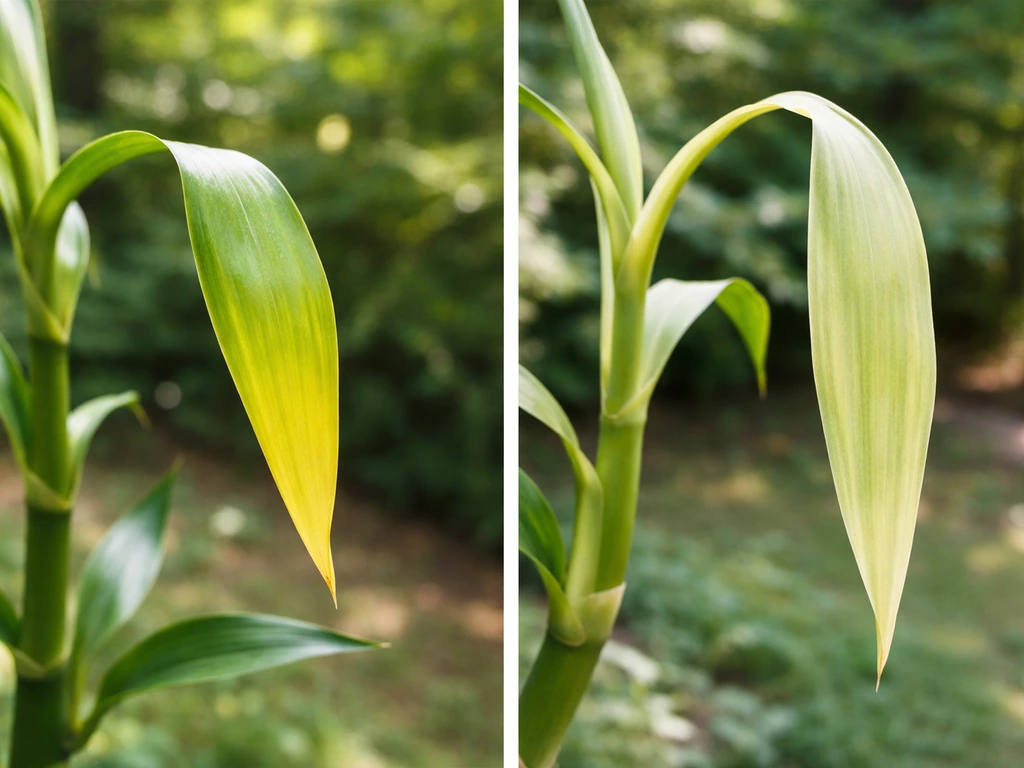
Yellowing leaves are the most common complaint when lucky bamboo moves outside. The causes differ depending on where the yellowing appears. Yellow tips usually point to fluoride or chlorine in the water, low humidity, or wind stress. Yellow patches across the leaf often mean too much direct sun. Whole-leaf yellowing that starts at the base and works upward is the most serious and usually points to root rot from overwatering or poor drainage. If you catch root rot early, remove the plant from its container, cut away any black or mushy roots with clean scissors, let the healthy roots air dry for an hour, and repot into fresh well-draining compost. Discard the old soggy mix entirely.
Cold damage looks different from rot. Leaves that turn pale, limp, or translucent usually mean the plant got caught by a cold night. This is not always fatal if it was brief, but repeated cold exposure weakens the plant significantly. If the stalks themselves turn soft or mushy at the base, that is culm rot and is very hard to recover from. The cleaner intervention is to propagate healthy upper sections as cuttings and start fresh.
Pests are worth monitoring carefully when the plant is outdoors, because exposure to garden air brings in insects that an indoor plant would never encounter. The most common pests for Dracaena types are mealybugs, spider mites, and scale insects. Mealybugs look like white cottony fluff at leaf joints. Spider mites cause fine webbing and stippled, pale leaves, and tend to flare up in warm, dry spells. Scale appears as small brown or tan bumps on stems. All three respond well to a wipe-down with diluted neem oil or insecticidal soap, applied weekly until clear. Check the undersides of leaves every time you water, because that is where infestations start.
| Problem | Likely cause outdoors | Fix |
|---|---|---|
| Yellow leaf tips | Fluoride/chlorine in water, wind, low humidity | Switch to rainwater or filtered water; move to a more sheltered spot |
| Yellow patches mid-leaf | Too much direct sun | Move to dappled or indirect light |
| Whole-leaf yellowing from base | Root rot from poor drainage or overwatering | Repot in fresh mix, cut dead roots, improve drainage |
| Limp or translucent leaves | Cold damage (temperature below 10°C) | Bring indoors immediately; avoid further cold exposure |
| Soft mushy stalk base | Culm rot | Propagate healthy cuttings; discard rotted stalk |
| White cottony clusters | Mealybugs | Treat weekly with neem oil or insecticidal soap |
| Fine webbing on leaves | Spider mites | Neem oil spray; increase humidity around the plant |
| Brown bumps on stems | Scale insects | Remove manually; treat with insecticidal soap |
How to move it outside without killing it: a step-by-step plan
Transitioning an indoor lucky bamboo to outdoor conditions takes about two weeks if you do it properly. Rushing it is the most common mistake. The plant needs time to adjust to higher light intensity, moving air, and temperature variation before it can handle full outdoor exposure.
- Wait until overnight temperatures are consistently above 15°C before even starting the transition. In most of the UK, this means mid to late June is the earliest realistic window.
- On day one, place the plant outdoors in a fully shaded, sheltered spot for just two to three hours, then bring it back inside. Do this for three to four days.
- After that, extend the outdoor time to four to five hours and introduce a small amount of morning light (not afternoon sun). Continue for another four days.
- By the end of week two, the plant can stay outside all day in its final spot: bright indirect light, sheltered from wind, with good airflow but no direct draught.
- If it is in a water vase, check the water every day. Top up with rainwater or filtered water rather than tap water directly. Change the water completely every one to two weeks to prevent stagnation.
- If you want to transition it into compost, choose a pot with drainage holes, fill with a 70:30 compost-to-perlite mix, plant at the same depth it sat in the vase, water lightly, and keep it in shade for a further week while the roots adjust.
- Feed with a quarter-strength balanced liquid fertiliser once in July and once in August. That is enough for a full outdoor season.
- Set a reminder for early September to monitor overnight temperatures daily. The moment forecasts show nights approaching 10°C, bring the plant back indoors to its usual indoor spot.
Realistic expectations: what you will actually get
Lucky bamboo grown outdoors during a UK summer will typically look greener, grow slightly more vigorously, and develop broader leaves than it does indoors, because outdoor light levels are genuinely better than most windowsills. Do not expect dramatic height gains in one season: this is a slow-growing ornamental, and the stalks are often trained and shaped rather than grown for height. What you will get is a healthier, more vibrant plant that goes back indoors in September in better shape than it came out. Treat the outdoor season as a health boost rather than a growth phase, and you will be realistic about what it can do.
For growers elsewhere in the world in USDA zones 10 to 12, the picture is different. In those climates, lucky bamboo can live permanently outdoors in a container on a shaded patio or veranda, require minimal intervention, and grow continuously year-round. The UK just is not that climate, and no amount of optimism changes the plant's cold tolerance. Work with that reality rather than against it, use the seasonal outdoor window it does give you, and you will get excellent results.
FAQ
Can I leave my lucky bamboo outside all summer in the UK if days are warm?
No, not safely in the UK. Lucky bamboo is damaged when overnight temperatures hover around or below 10°C, so a full-year outdoor setup needs reliable frost-free nights. If you want to keep it outside longer, use a sheltered corner plus a cold-protective cover, but plan to bring it in when forecasts show nights near 10°C or lower.
Can lucky bamboo grow outside in a hydroponic or aquarium setup?
Yes, but only if you avoid “water vase” problems. In heavy rain or if the container fills and the water stagnates, roots can rot even though the plant likes humidity. If you keep it in a water or aquarium-style setup outdoors, use a sheltered spot, monitor the water daily, and refresh or top up with correctly conditioned water.
Why does my lucky bamboo start yellowing after I move it outside even though I watered it less?
It can, and this is a common reason plants fail outdoors. If the pot sits in a saucer or the soil stays soggy after rain, root rot can develop quickly in cool UK weather. Use pot feet or a raised platform, remove saucers, and empty any tray water the same day.
How should I acclimate lucky bamboo to outdoor light in hot weather?
Move it gradually using a two-step “light ramp.” Start with morning light or dappled shade for several days, then increase exposure only if overnight lows stay well above 10°C. Sudden placement in bright afternoon sun outdoors is the fastest way to scorch leaves.
What’s the best way to decide when to bring lucky bamboo back inside in the autumn?
The priority is night temperature, not daylight. Use hourly overnight low forecasts or a nearby thermometer, because a single cold night can cause limp, pale, or translucent leaves. As soon as nights are expected to reach your 10°C limit, bring it back indoors.
Can lucky bamboo handle being outside on a windy balcony?
Use a sheltered microclimate and aim for bright, indirect light. If your spot is windy, even a temperature-safe location can cause brown tips and yellowing. A south or west wall, fence corner, or covered patio typically works better than an exposed balcony.
What’s the correct watering routine for lucky bamboo outside in a container?
You can, but treat it as a maintenance-friendly container plant. Watering depends on weather and pot drainage, so the rule is to check daily outdoors, water only when the root area is slightly moist, and never leave standing water. Large drainage holes and a draining stand matter more than “how much” you water.
Does tap water affect lucky bamboo when it’s outdoors in the UK?
Filtered water or rainwater is best, especially for topping up a vase. If your tap water is fluoridated, tip yellowing or browning can appear even when temperature and light are perfect. Let tap water sit overnight, but if the problem persists switch to filtered or rainwater.
If it gets a bit cold outdoors, will my lucky bamboo recover?
Yes, it can produce leaves again after a setback, but prolonged cold or rot is harder to recover from. If leaves turn pale and limp after a cold night, improve warmth and shelter and wait to see new growth. If the base stalk is soft or the roots smell sour, start with a cut-back or fresh propagation rather than trying to “nurse” the whole plant.
Should I fertilise more if my lucky bamboo looks weak outdoors?
Do not overcorrect. Many growers increase fertiliser when leaves yellow, but lucky bamboo is sensitive and overfeeding can worsen brown tips. For outdoor feeding, use diluted balanced liquid about once a month during the warm season, then stop entirely once you move it indoors.
What should I do if I suspect root rot from outdoor rain?
Yes, and it’s often the easiest way to save the plant. Remove the plant from wet compost, cut away black or mushy roots with clean scissors, air-dry the healthy roots for about an hour, then repot into fresh well-draining mix. Discard old soggy compost completely.
How can I tell whether outdoor yellowing is from sun, water, or drainage issues?
Most leaf yellowing has a likely cause, but you can narrow it down by pattern. Tips yellow first often points to water chemistry or wind, patches suggest direct sun stress, and whole-leaf yellowing starting near the base suggests roots or drainage. Knowing the pattern helps you choose the right fix instead of changing everything at once.
Next Article
Can Lucky Bamboo Grow in Soil? How to Grow in Dirt
Learn if lucky bamboo can grow in soil and get step-by-step tips, soil mix, watering, and water-to-soil transition care.