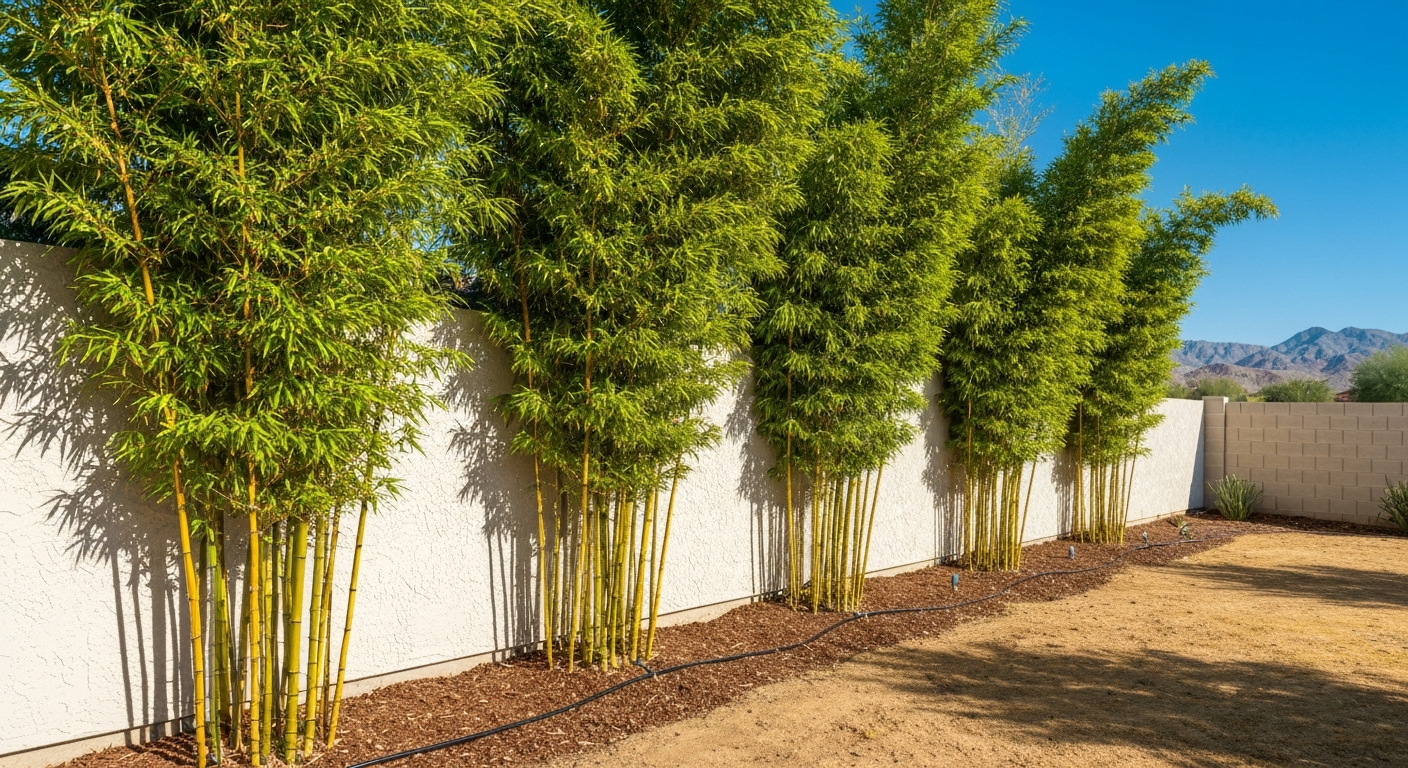
Yes, lucky bamboo (Dracaena sanderiana) can absolutely grow in soil. Most people first encounter it sitting in a vase of water, so the idea of planting it in a pot feels like a risk, but it isn't. Soil is actually a perfectly natural growing medium for this plant, and many growers find that it produces stronger, more robust stems over the long term than water culture does. The catch is that the wrong soil, a pot without drainage, or careless watering can cause root rot fast. Get those three things right and you're set.
Can Lucky Bamboo Grow in Soil? How to Grow in Dirt
Marcus Hartwell
11 Apr 2026
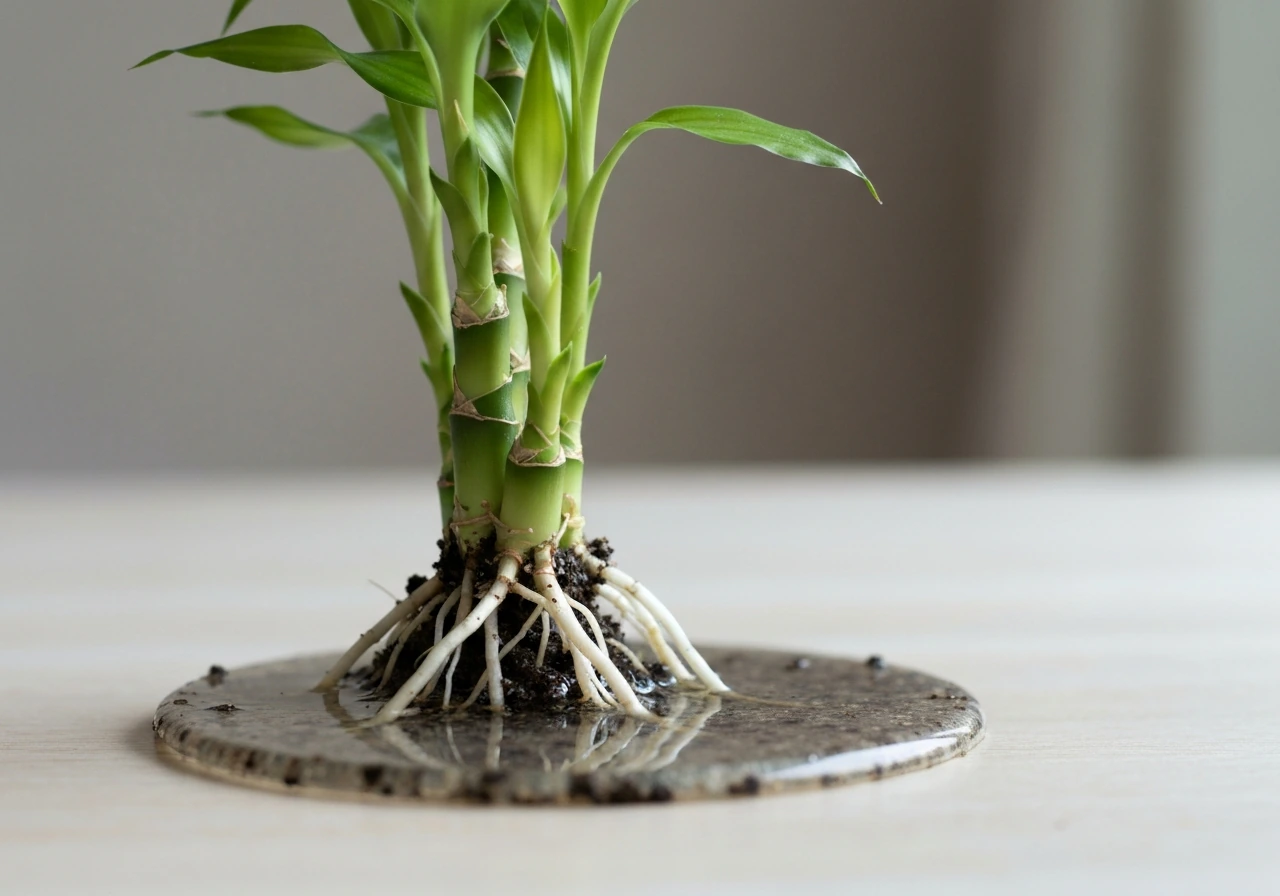
Soil vs water: which is actually better, and which grows faster?
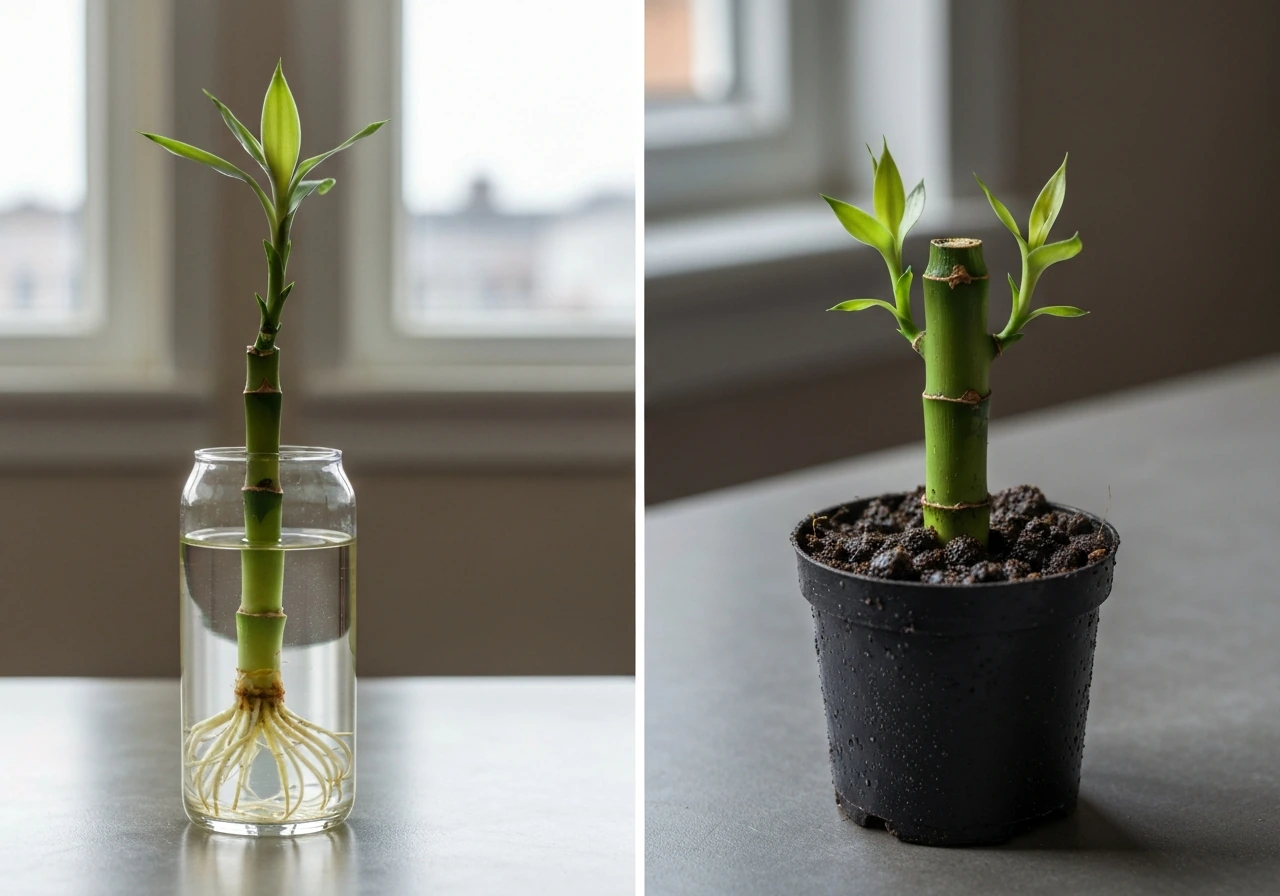
Both methods work. The real question is what you're optimizing for. Water culture is incredibly forgiving for beginners because the setup is simple and the roots are visible, so problems are easy to spot early. Soil culture, done correctly, typically produces faster growth and a stronger root system because the plant has access to a more complete nutritional environment and better gas exchange around the roots.
Here's an honest comparison of the two approaches side by side:
| Factor | Soil Culture | Water Culture |
|---|---|---|
| Growth rate | Generally faster with established roots | Slower; nutrients must be supplemented |
| Root health | Better aeration, stronger root system | Roots can suffocate if oxygen is low |
| Difficulty | Moderate; requires correct watering habits | Easy to start, but water must be refreshed regularly |
| Risk of rot | High if drainage is poor or overwatered | High if water becomes stagnant |
| Maintenance | Water when top inch of soil dries out | Change water every 1–2 weeks |
| Nutrition | Provided by soil mix and occasional fertilizer | Must add liquid fertilizer to water |
| Best for | Long-term growing, stronger plants | Display, beginners, or transitional growing |
My recommendation: if you're keeping lucky bamboo as a permanent houseplant and want it to actually grow well over years, move it to soil. If you bought a small arrangement for display purposes and don't want to fuss with pots, water culture is fine as long as you refresh the water every one to two weeks and use filtered or distilled water rather than tap water loaded with fluoride.
How lucky bamboo grows without soil (understanding water culture)
It helps to understand why lucky bamboo survives in water before you transition it to soil. Dracaena sanderiana has been used in scientific hydroponic research specifically because it handles water-based root environments well enough to stay physiologically active. Its roots can absorb water and dissolved nutrients directly, and the plant maintains normal xylem transport (the internal pressure system that moves water up the stalk) even when growing hydroponically.
The key variable in water culture is dissolved oxygen. Roots submerged in still, stagnant water can't get enough oxygen, which is exactly why root rot develops in poorly maintained water setups. This is the same reason [growing lucky bamboo in an aquarium](/bamboo-propagation-methods/can-lucky-bamboo-grow-in-aquarium) can work when the water is oxygenated and filtered, but fails when conditions are static and oxygen-depleted. In practice, keeping the water shallow (covering only the roots, not the stalk), changing it every one to two weeks, and avoiding direct sunlight on the water are all ways to keep oxygen levels adequate and algae growth in check.
If you've ever wondered whether lucky bamboo plants actually grow in water or just stay alive, the answer is: they do grow, but slowly without supplemental nutrients. A diluted liquid fertilizer (about one-tenth of the recommended dose) added to the water every four to six weeks makes a noticeable difference in leaf color and stalk development.
How to grow lucky bamboo in soil: step-by-step setup
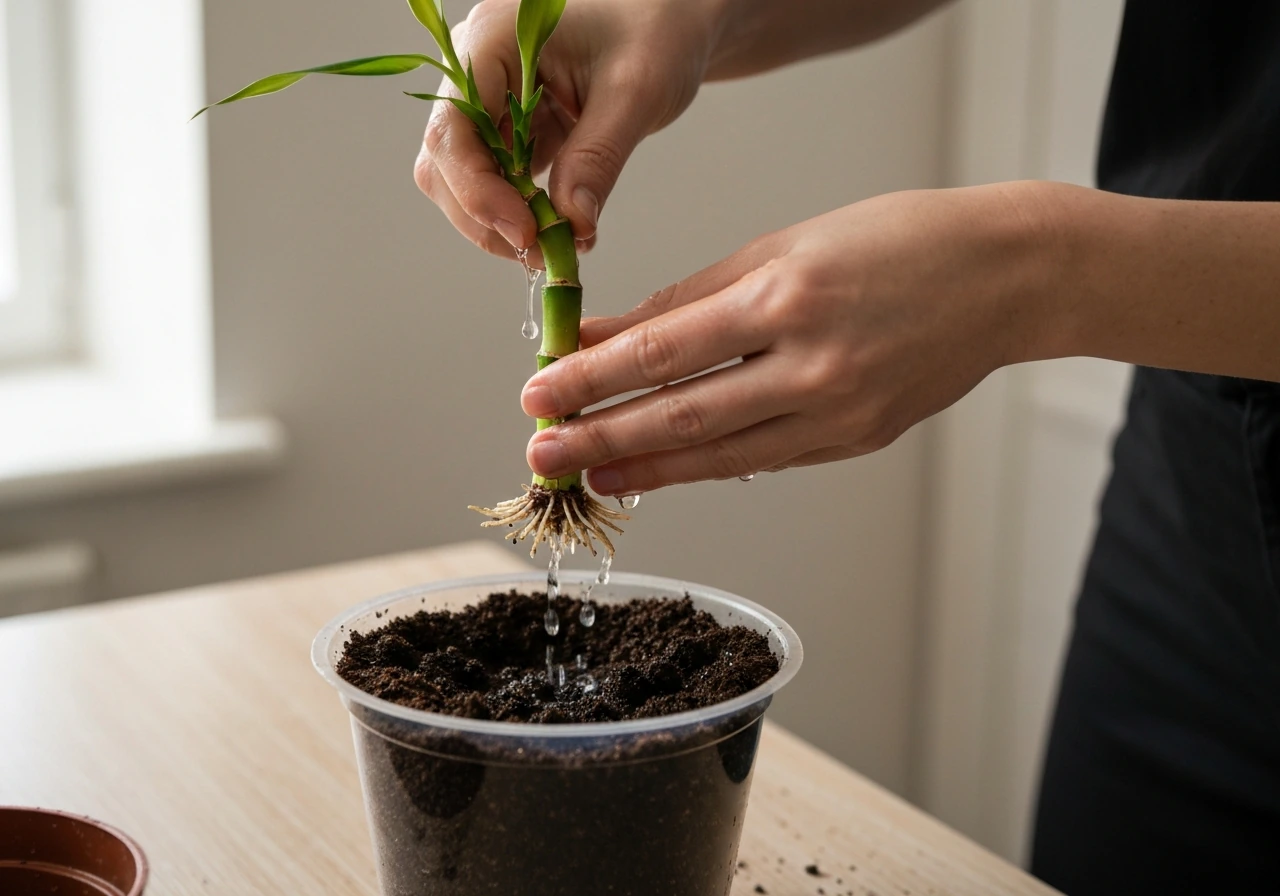
Whether you're starting from a cutting or transitioning a plant that's been living in water, the process is straightforward. The main thing to get right is the transition itself. Roots that developed in water are thinner and less rigid than soil-grown roots, so they need a gentle adjustment period.
- Rinse the roots gently under lukewarm water to remove any residue. If there are any dark, mushy, or foul-smelling roots, trim them off with clean scissors before planting.
- Choose a pot with drainage holes sized about 1 to 2 inches larger than the current root ball. This gives roots room to expand without leaving so much excess soil that it holds moisture too long.
- Fill the bottom third of the pot with a well-draining potting mix (more on the exact mix below). Set the plant in so the base of the stalk sits at roughly the same depth it was previously.
- Fill in around the roots with the remaining mix, pressing gently to eliminate air pockets. Don't pack it tightly.
- Water the plant thoroughly until water runs out of the drainage holes, then let it drain completely. Do not let the pot sit in a saucer of standing water.
- Place the pot in bright, indirect light. Avoid direct sun and keep it away from heating vents, air conditioning drafts, and cold windows. The ideal temperature range is 70 to 90°F; anything below 60°F risks chilling injury.
- Wait at least four weeks before adding any fertilizer. The plant needs time to adjust to its new environment without the added stress of extra nutrients.
During the first three to four weeks, the plant may look slightly stressed. Some lower leaves might yellow or drop. This is normal as it adjusts. Keep your watering consistent and resist the urge to fertilize early. Once you see new leaf growth, the plant has established itself and you can introduce a diluted balanced fertilizer once a month during the growing season.
The right soil, container, and watering routine
Soil mix
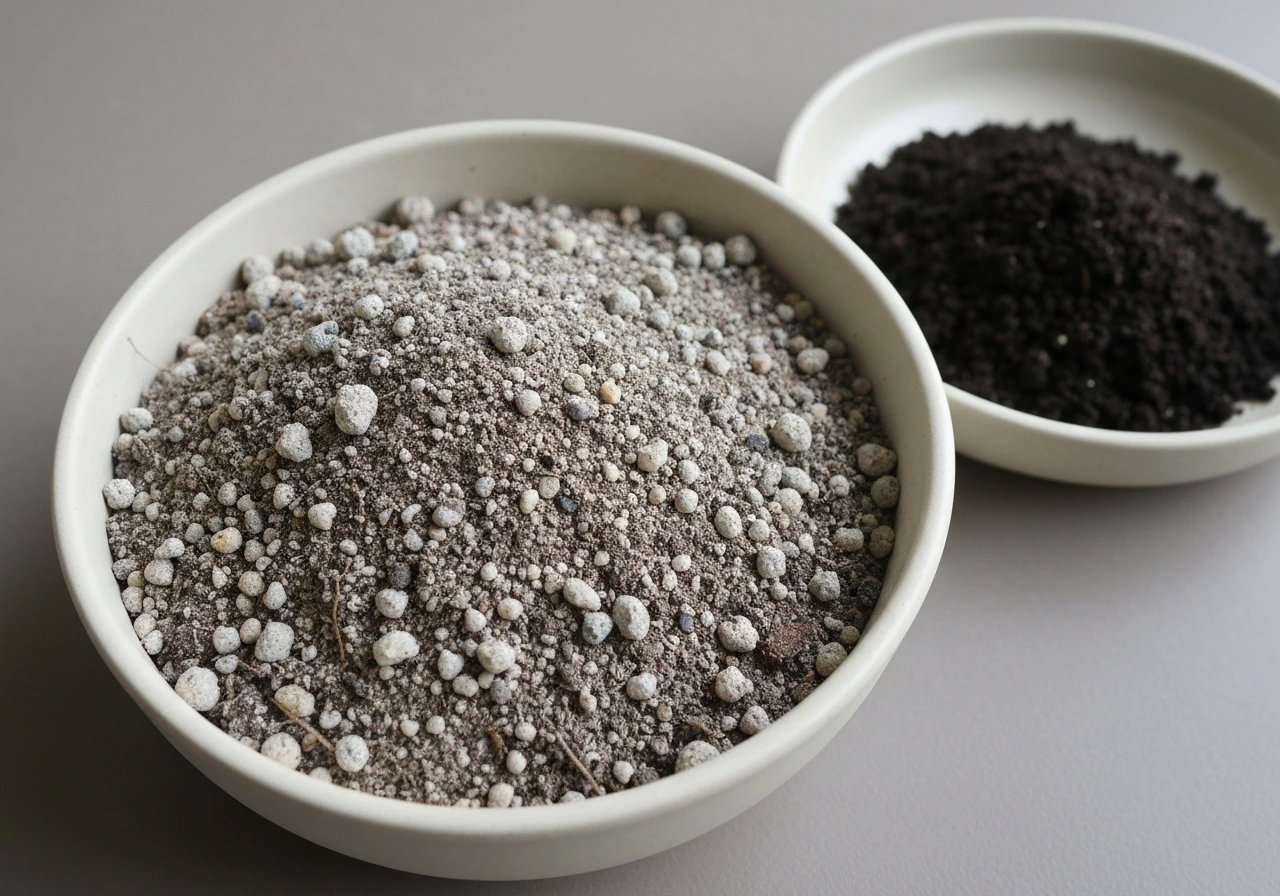
Don't use regular garden dirt or heavy potting soil straight from the bag. Dense, compacted soil holds too much moisture and cuts off root oxygen, which is the fastest path to rot. A good mix for Dracaena sanderiana is one part sphagnum peat, one part pine bark fines, and one part perlite or vermiculite. This combination drains well but still retains enough moisture between waterings.
If you want to skip the DIY blend, a cactus and succulent mix lightened with extra perlite works well. The target soil pH is 6. 0 to 6.
5. If you're using a mix that's outside that range, you may start seeing yellowing or chlorosis that isn't related to watering at all. You can check pH with an inexpensive soil test kit.
This is the same principle that applies when people ask whether bamboo can grow in rocks: the growing medium only works if it provides both drainage and the ability to hold onto some moisture. Pure rocks or gravel without any organic matter can anchor roots but doesn't supply the nutrients or moisture retention the plant needs for sustained growth.
Container
Drainage holes are non-negotiable. A pot without them is a rot trap. Terracotta pots are a good choice because they're porous and help the soil dry out evenly. Plastic or glazed ceramic pots hold moisture longer, which means you'll need to water less frequently but also need to be more careful not to overdo it. Size the pot 1 to 2 inches larger in diameter than the root ball, not more. Oversized pots have too much unused soil that stays wet and creates anaerobic conditions even when you're watering correctly.
Watering
Water when the top inch of soil feels dry to the touch. That's the rule. In most indoor conditions, this works out to watering every five to ten days depending on the season, pot material, and how much light the plant gets. In winter or lower-light conditions, it might stretch to every two weeks. Use filtered or distilled water when possible, as lucky bamboo is sensitive to fluoride and chlorine, which can cause leaf tip browning over time. The University of Arkansas plant health materials note that Dracaena sanderiana (lucky bamboo) is sensitive to fluoride lucky bamboo is sensitive to fluoride and chlorine. If you're using tap water, let it sit overnight to off-gas the chlorine before using it.
Troubleshooting: rot, yellow leaves, stunted growth, and root problems
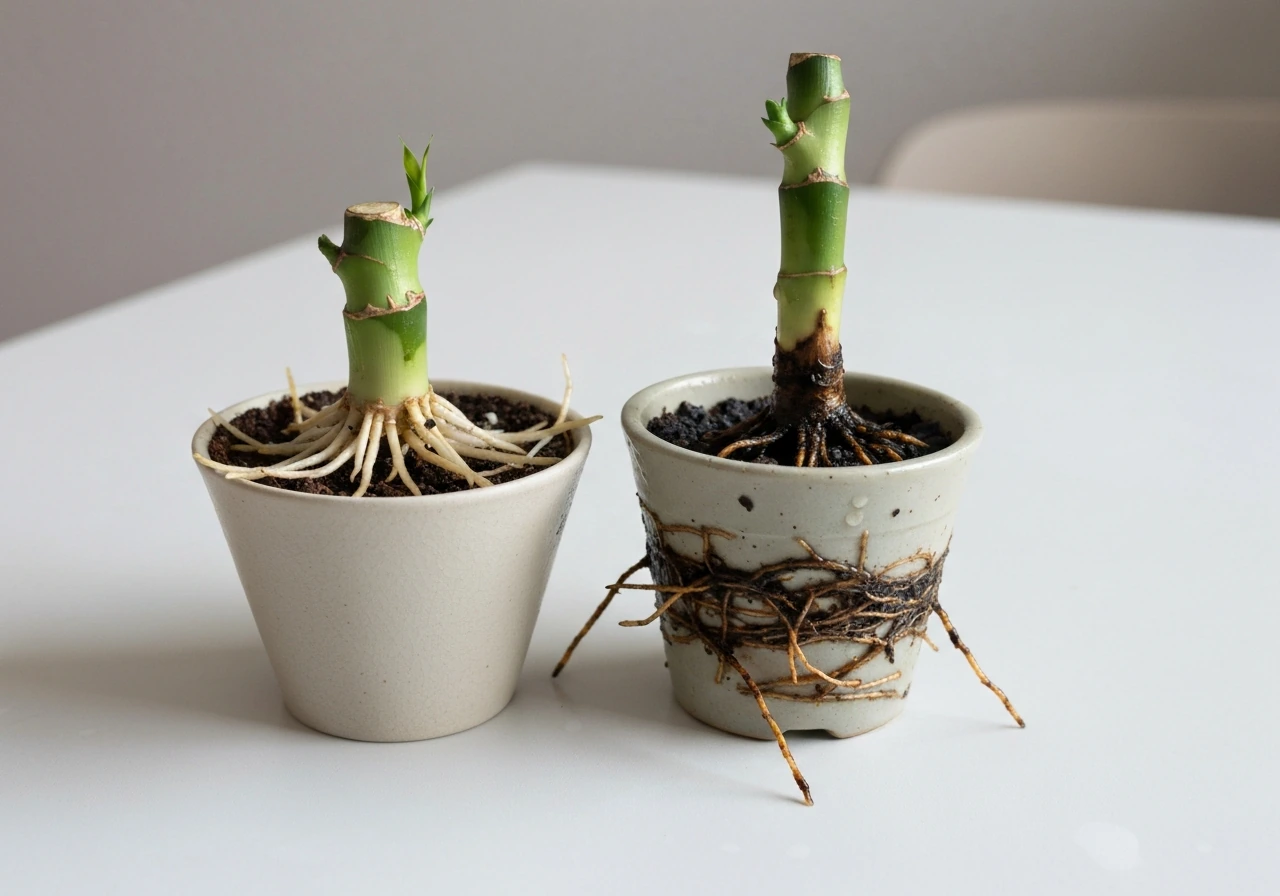
Most problems with lucky bamboo in soil trace back to a handful of root causes. Here's how to diagnose and fix each one:
Root rot
If the stalk feels soft near the base or the roots look dark and smell bad, you're dealing with root rot, almost always caused by overwatering, poor drainage, or soil that's too compacted. Remove the plant, trim off all mushy roots with clean scissors, let the remaining roots air dry for an hour, and repot into fresh well-draining mix in a clean pot with drainage holes. Don't reuse the old soil. It's not worth the risk of reintroducing pathogens.
Yellow leaves
Yellowing is the most common complaint, and it has several possible causes. Overwatering is the first thing to check: feel the soil and look at the roots. Underwatering can also cause yellowing, but the soil will be bone dry and the stalk will feel slightly firm and lightweight. Low humidity is another culprit, especially in heated or air-conditioned interiors.
Dracaena sanderiana prefers humidity around 60% or higher. Cold drafts or temperatures below 60°F cause a specific banded yellowing pattern across the leaves (chilling injury). Finally, if the soil pH is off or soluble salts are too high from over-fertilizing, you'll see chlorosis that doesn't respond to watering adjustments. In that case, leach the soil by running a large volume of water through the pot slowly to flush out excess salts, and check your fertilizer schedule.
Stunted growth
If the plant looks stable but isn't producing any new growth, the most common reasons are insufficient light, low temperatures, or the plant is still in its adjustment period. Lucky bamboo stalks don't elongate the same way true bamboo culms do. If you're curious about exactly how the stalks develop, understanding how lucky bamboo stalks grow helps set realistic expectations. Essentially, the main stalk you have now won't get taller on its own once it's mature. New growth happens from the side shoots. Move the plant to a brighter spot (indirect light, not direct sun), keep temperatures above 65°F, and wait. Growth is slow by nature.
Root problems from poor aeration
Poor aeration in the root zone, caused by heavy soil, compaction, or constantly saturated media, creates anaerobic (low-oxygen) conditions that damage roots even before visible rot sets in. The plant may look fine on top but be slowly losing its root system. If you notice strap-like or distorted new leaves along with slow growth, repot into fresh, loose, well-draining media. This is exactly what commercial Dracaena growers do when root disease or poorly aerated soil is suspected: the fix is fresh media, not more fertilizer or more water.
One more thing worth knowing: if you've been growing your lucky bamboo indoors and are wondering whether taking it outside might help it grow faster or recover from stress, that's a legitimate option in warm climates. Check out what's involved in growing lucky bamboo outside before making the move, because temperature thresholds, humidity, and light exposure outdoors are very different from interior conditions and the plant responds accordingly.
FAQ
Can I plant lucky bamboo cuttings directly into soil, or do I need to root them in water first?
You can plant them directly, but the transition is more reliable if the cutting already has healthy roots. If you start in soil without roots, use a very airy mix and keep it evenly moist (not wet) for the first few weeks, then switch to the normal “top inch dry” watering. Expect slower establishment compared with water-rooted cuttings.
What’s the best way to transition a lucky bamboo from water to soil without losing the roots?
After potting, keep the soil slightly on the moist side but never saturated, and do not fertilize for the first three to four weeks. During the adjustment, avoid moving it between very different light levels, since stress plus overwatering is a common cause of yellowing and rot.
How much sunlight does lucky bamboo in soil need, and can I put it in direct sun to speed growth?
Aim for bright indirect light. Direct sun can scorch leaves and increase drying at the pot surface, which confuses watering. If you increase light, do it gradually over 1 to 2 weeks so the root system and leaves can adjust together.
Is it okay if my potting mix is “mostly soil” as long as I add perlite?
Be cautious. If the base soil is heavy or tends to compact, the perlite may not be enough to prevent low-oxygen conditions. If water drains slowly or the mix stays wet for days, switch to a lighter, chunkier blend (peat plus pine bark fines plus perlite works well).
How do I know whether yellow leaves are from overwatering versus underwatering?
Check both the soil and the plant feel. Overwatering usually comes with consistently wet soil and roots that look dark or mushy. Underwatering typically leaves the soil bone dry and the stalk slightly firm and lighter than usual. Also look for foul odor as a rot clue.
Can I use tap water if I leave it out overnight?
Sometimes, but it depends on your water. Letting water sit helps off-gas chlorine, but it does not remove fluoride. If you see recurring tip browning or gradual leaf decline, switch to filtered or distilled water and reassess your fertilizing frequency.
Should I fertilize lucky bamboo in soil, and how do I avoid burning it?
Use a diluted balanced fertilizer during the growing season only, after new growth appears (not immediately after repotting). Flush the pot occasionally if you suspect salt buildup, and follow the low-dose approach, because strong fertilizer plus slow-draining soil accelerates chlorosis.
My plant is in soil, but the stalk looks soft at the base. What should I do right away?
Treat it as root or crown rot. Remove the plant from the pot, cut away all mushy tissue and any rotten roots with clean scissors, air-dry remaining healthy roots for about an hour, then repot into fresh, dry-ish well-draining mix in a clean pot with drainage holes. Discard the old soil.
Do lucky bamboo plants have a normal “resting” cycle in winter, and should I water less then?
Yes. Growth slows in lower light and colder indoor conditions, so water needs typically drop. Use the top inch dry rule, and expect watering to stretch out more in winter, especially with terracotta pots.
What pot size should I choose, and can I keep it in a larger decorative planter without holes?
Choose a pot only about 1 to 2 inches larger than the root ball. A decorative planter without drainage should be avoided, unless you keep the plant in a separate nursery pot with holes and empty the outer cache after watering. Extra wet, unused soil is a fast route to anaerobic roots.
Is it normal for lucky bamboo to stop growing upward in soil?
It can be. Once a stalk is mature, it often does not elongate much, and new growth usually appears as side shoots. If there is no new growth, the usual culprits are insufficient indirect light, temperatures below 65°F, or ongoing adjustment stress.
Can lucky bamboo grow in soil outdoors, and what changes compared with indoor care?
In warm climates, it can, but it needs different light and moisture management. Outdoors you must protect it from chill periods (avoid conditions near or below 60°F), choose a well-draining spot, and account for humidity and sun intensity that change soil drying speed dramatically.
Next Article
Can Bamboo Grow in Las Vegas? Guide to Success in Desert
Yes, bamboo can grow in Las Vegas with the right species, irrigation, shade, and containment; step-by-step planting and保护