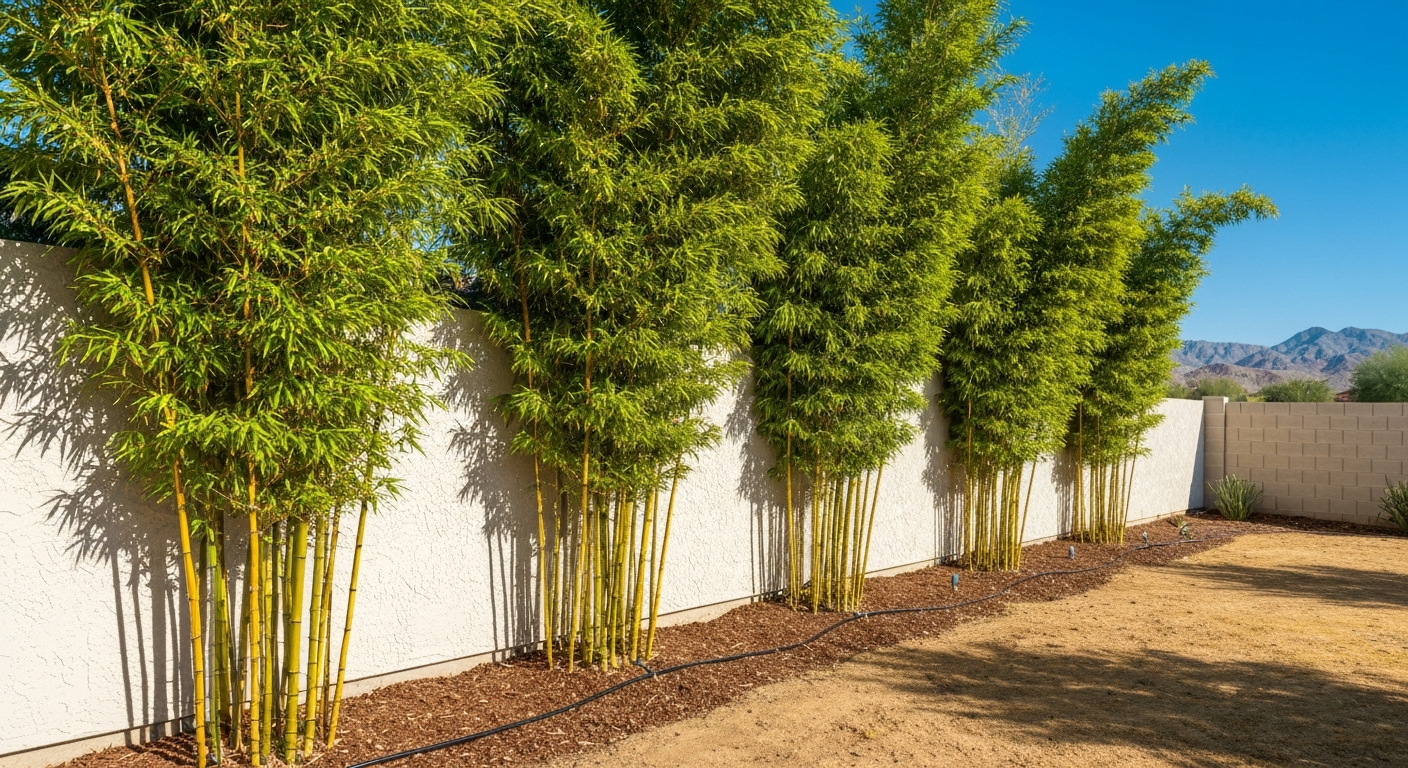
You can grow bamboo almost anywhere, but where you plant it and how you set it up makes the difference between a thriving grove and a garden nightmare. Bamboo grows outdoors across most of the continental US, large parts of Europe, and throughout Asia and Australia, with the right species matched to your climate. It also grows indoors in containers if you pick the right type. The honest answer to "where can you grow bamboo" is: probably right where you are, as long as you make a few smart choices upfront.
Where Can You Grow Bamboo Best: Home, Outdoors, Setup Guide
Marcus Hartwell
4 Apr 2026
Outdoor vs indoor: picking your growing location
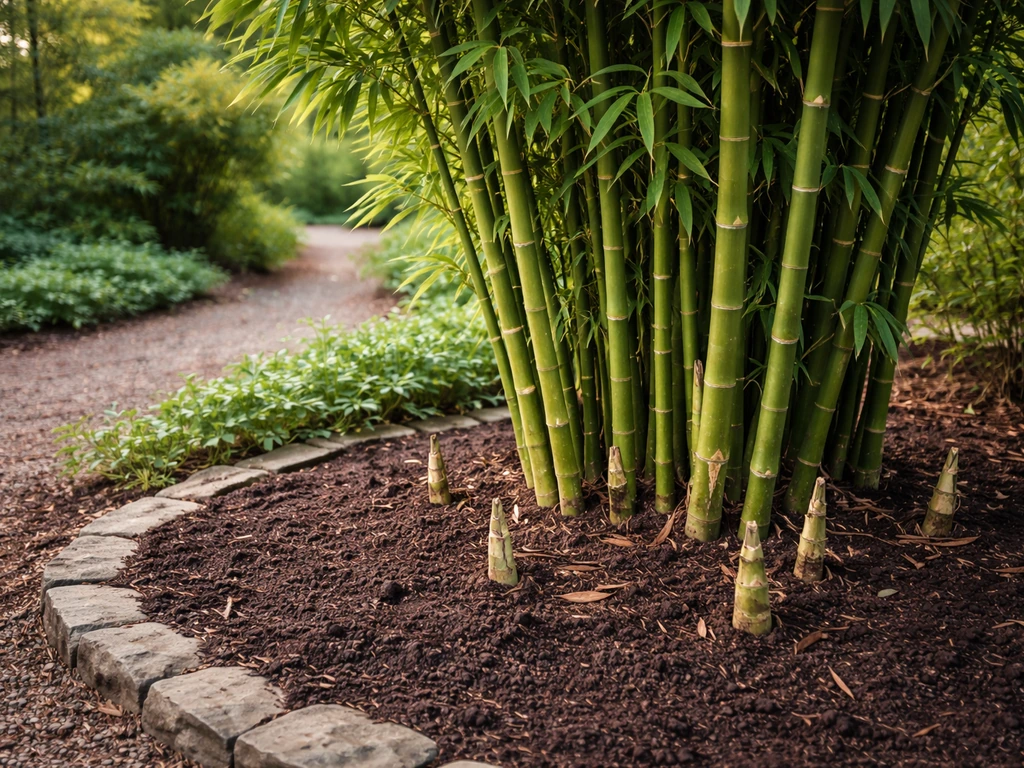
Outdoors is where bamboo really performs. Most species are outdoor plants that need open soil, natural rainfall, and seasonal temperature swings to reach their full height and culm diameter. If you have garden space, a yard, or even a balcony with large containers, outdoor growing is the way to go. growing bamboo successfully outdoors mostly comes down to species selection and site prep, which we'll walk through below.
Indoor growing is possible but comes with real limits. Bamboo indoors needs a bright window or supplemental grow lighting, consistent humidity, and enough pot size to keep it from becoming root-bound every season. It won't reach timber-bamboo heights indoors, and you'll be repotting it every two to three years. That said, smaller clumping species and lucky bamboo (which is technically a Dracaena, not a true bamboo) do fine as houseplants. If your outdoor climate is genuinely outside bamboo's cold tolerance range, indoor container growing or overwintering in a garage or greenhouse becomes your workaround.
Climate and geography: where bamboo thrives and where it struggles
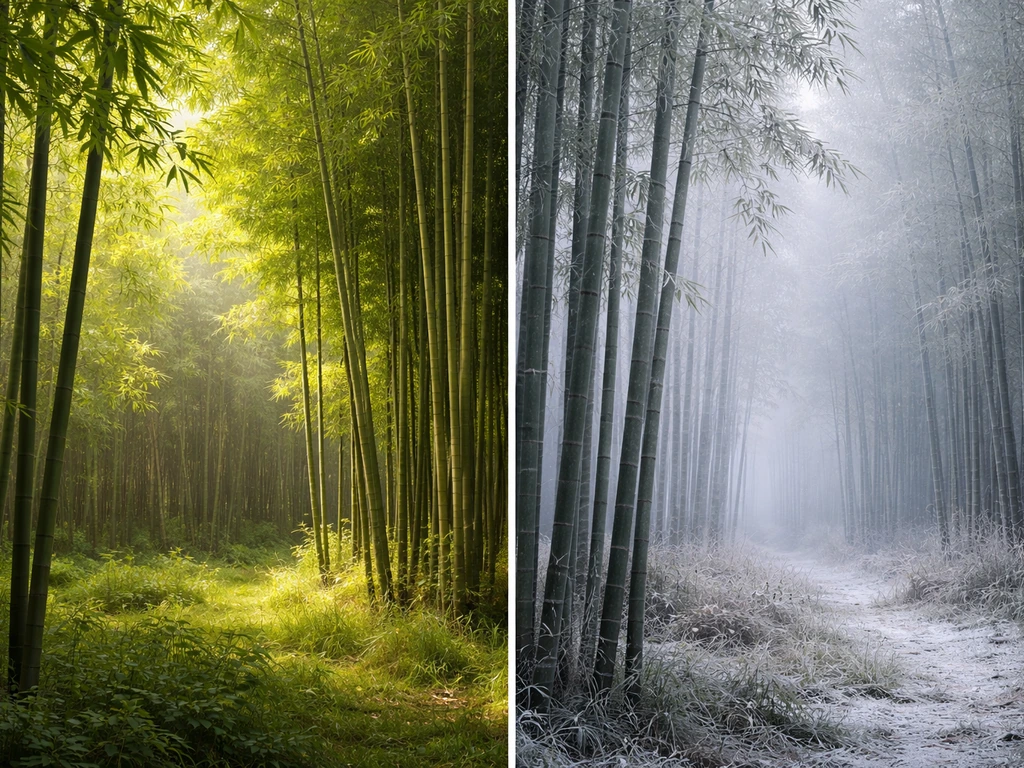
Bamboo spans a huge climate range, but cold hardiness is the first filter. The most widely planted running bamboos, the Phyllostachys family (golden bamboo, yellow groove bamboo, and others), are adapted to blank" rel="noopener noreferrer">USDA hardiness zones 5 through 10. That means Phyllostachys aurea, for example, can handle minimum winter temperatures down to around -10°F to -20°F at the cold end of its range, which covers most of the eastern US, the Pacific Northwest, and similar temperate zones in the UK and western Europe. For context, that's a similar climate window to parts of central Japan, where many of these species originate.
For warmer climates, clumping bamboos like Bambusa multiplex are a better fit. These are tropical and subtropical species that prefer USDA zones 7 through 10. blank" rel="noopener noreferrer">USDA Plant Hardiness Zones are based on average yearly minimum temperatures. Bambusa multiplex can survive down to about 15°F, but its leaves and culms start showing damage below that threshold. In a Reddit discussion about whether Bambusa multiplex survives extreme cold, people shared concerns about cold snaps and observed damage risk as temperatures drop well below the plant’s comfort range Bambusa multiplex can survive down to about 15°F. If you're in the Gulf Coast, Southern California, Florida, Southeast Asia, or northern Australia, this is your default genus. In the UK, growing giant tropical bamboo is genuinely tricky, and growing giant bamboo in the UK requires careful species selection and often some frost protection in harsh winters.
Rainfall and moisture matter almost as much as temperature. Bamboo is not drought-tolerant in the way cacti are. It needs consistent moisture throughout the growing season, but it absolutely cannot sit in waterlogged soil. The sweet spot is well-drained soil that stays evenly moist, similar to what you'd aim for with most fruiting trees. If your region gets less than about 30 inches of annual rainfall, you'll need to supplement with irrigation, especially during the first two growing seasons while the root system establishes.
| Climate Type | Recommended Species | USDA Zone | Min. Temp Tolerance | Notes |
|---|---|---|---|---|
| Cool temperate (NE US, UK, central Europe) | Phyllostachys aurea, Ph. aureosulcata | 5b–8a | ~-10°F (-23°C) | Running types; containment required |
| Warm temperate (SE US, Pacific NW, S. Europe) | Phyllostachys vivax, Fargesia rufa | 6b–9a | 0–5°F (-18°C) | Mix of running and clumping options |
| Subtropical/tropical (FL, Gulf Coast, SE Asia) | Bambusa multiplex, B. oldhamii | 8b–12 | ~15°F (-9°C) | Clumping preferred; low containment risk |
| Arid/semi-arid (SW US, Mediterranean) | Fargesia species (shade), irrigated Phyllostachys | 6–9 | Varies by species | Irrigation essential; afternoon shade helps |
Site conditions checklist: sun, wind, and drainage
Before you dig a single hole, walk your site and run through these four factors. Getting these right reduces establishment time significantly and prevents the most common bamboo failures.
- Sun exposure: Bamboo prefers full sun to partial shade, ideally 5 to 6 hours of direct sun per day. Most running Phyllostachys types grow fastest and tallest in full sun. Clumping Fargesia species actually prefer partial shade and will scorch in intense afternoon sun, making them better choices for shadier spots or hotter climates.
- Wind: Young bamboo culms are vulnerable to wind rock during establishment. Avoid exposed hilltops or wind tunnel corridors between buildings for newly planted groves. Once established (usually after 2 to 3 years), bamboo's dense root system makes it wind-tolerant and even useful as a windbreak.
- Drainage: This is non-negotiable. Bamboo roots sitting in standing water will rot. Walk your site after heavy rain and check for pooling. If water sits for more than an hour, you need raised beds, amended soil, or a different location. Good drainage is as important as any other site factor.
- Soil: Bamboo is adaptable to a wide soil pH range (5.5 to 7.0 is ideal), but it does poorly in compacted clay without amendment. Loamy, well-structured soil with organic matter is ideal. Sandy soils drain too fast and dry out quickly, so add compost to increase water retention.
- Proximity to structures: Running bamboo rhizomes travel underground and can emerge 10 to 15 feet from the main plant within a few years. Never plant running bamboo close to foundations, driveways, or fences without containment installed first.
In-ground, containers, or raised beds: planting method and media
In-ground planting
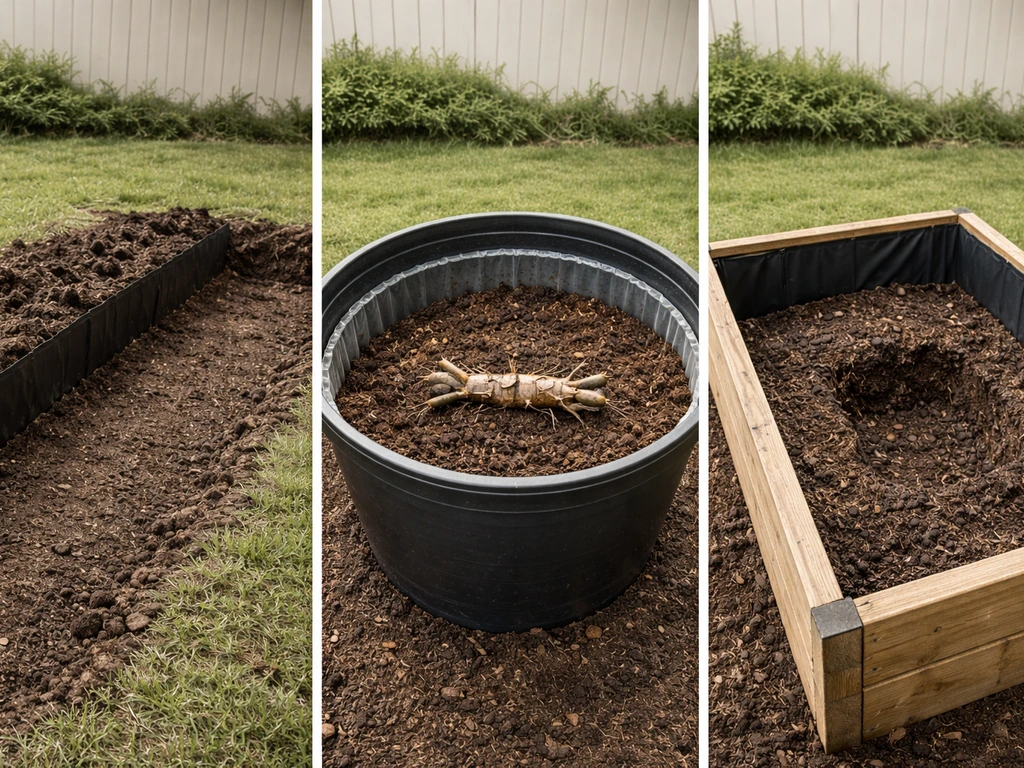
In-ground planting gives bamboo the best access to moisture, nutrients, and room for rhizome development. It's the default for permanent privacy screens, groves, and windbreaks. Dig a hole roughly twice the width of the root ball and no deeper than the root ball itself. Backfill with your native soil amended with compost, and water deeply at planting. If you're planting running bamboo in-ground, containment is not optional (more on that below).
Container growing
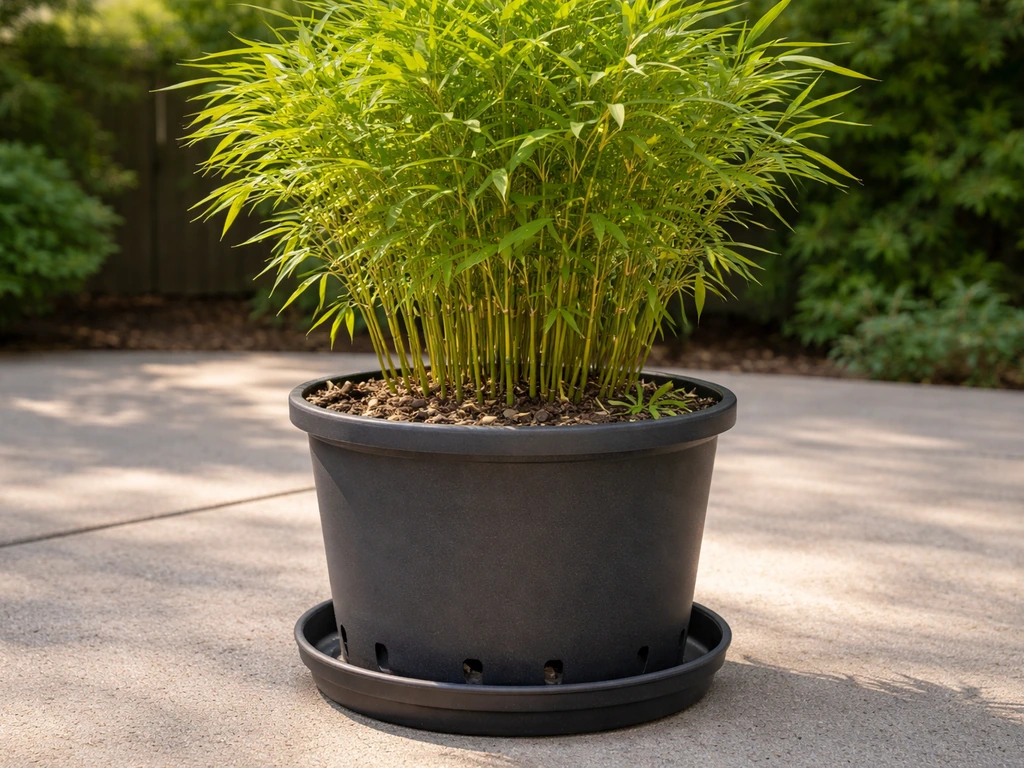
Containers are one of the smartest choices for bamboo, especially in tight spaces, rental properties, or colder climates where you want the option to move plants before a hard frost. For containers, clumping bamboos are generally the better fit because they don't produce the aggressive lateral rhizomes that running types do, making them much easier to manage in a confined pot. Use a good-quality potting mix that drains well but retains some moisture, and always make sure your container has drainage holes. Roots sitting in water at the bottom of a pot is one of the fastest ways to kill bamboo. A half wine barrel or a 25-gallon nursery container is a reasonable minimum size for most ornamental bamboos; go larger if you want meaningful height.
If you want to explore propagation to start new container plants, knowing that growing bamboo from a branch cutting is possible (though limited to certain species and conditions) can be useful when expanding your container collection.
Raised beds
Raised beds are a good middle ground: better drainage than native soil, more volume than containers, and easier to retrofit with rhizome barrier material if you're planting running types. Fill your raised bed with a blend of topsoil and compost (roughly 60/40) for a structure that drains well and holds moisture without compacting. A raised bed depth of at least 18 to 24 inches is recommended to give roots adequate room.
Containment and root management: don't skip this step
If you're planting any running bamboo species (Phyllostachys, Pleioblastus, Pseudosasa, and similar genera) in the ground, containment is the most important decision you'll make about where to grow it. Running bamboo rhizomes can travel underground at surprising speed, and once they've spread into a neighbor's yard or under a foundation, removal is genuinely painful.
The two proven containment methods are container planting (already covered above) or installing a vertical rhizome barrier around the planting area. Barriers should be made from 30 to 40 mil HDPE plastic geomembrane, installed to a depth of 22 to 30 inches around the full perimeter of the planting zone. The top edge of the barrier should extend 2 to 3 inches above the soil surface (or above a raised berm) so rhizomes don't simply grow over the top. Deeper installation is better for larger, more aggressive Phyllostachys species, which can send rhizomes down 24 inches or more in soft soil.
Even with a barrier installed, you should walk the perimeter annually in spring (when rhizome growth is most active) and cut back any rhizomes that have grown over the lip or found gaps at seams. Containment is not a one-time install and forget: it's an annual maintenance task, but a manageable one.
What to grow in, under, and alongside bamboo
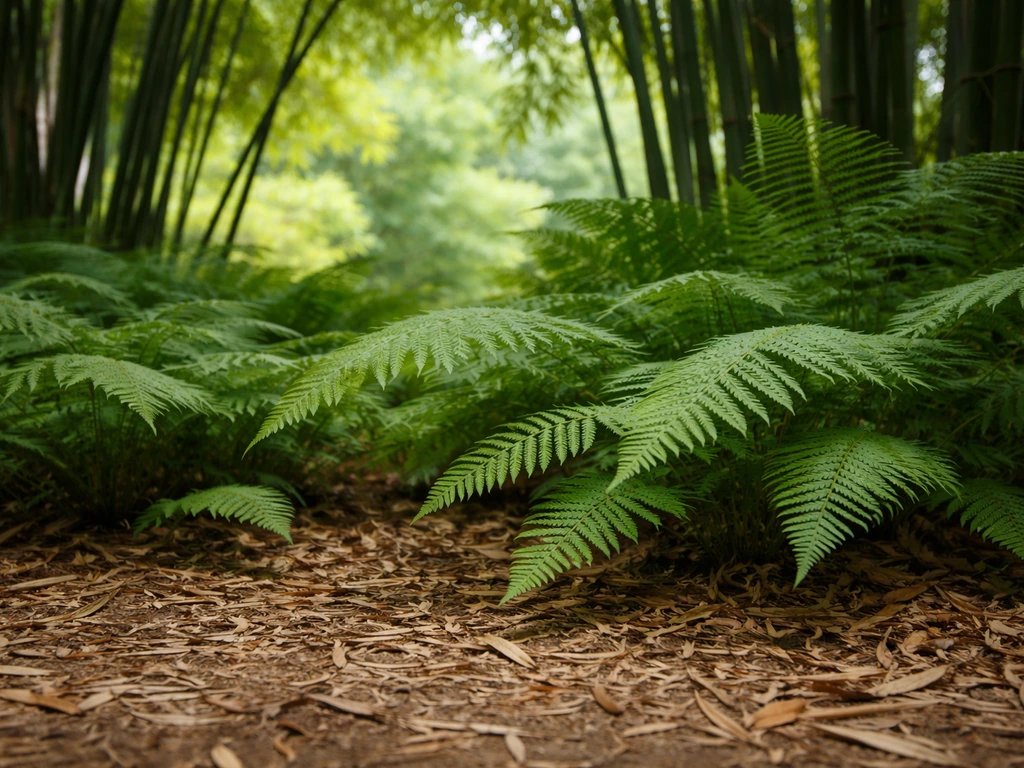
Bamboo creates a distinctive microclimate beneath its canopy: dappled to moderate shade, relatively dry soil near established rhizomes, and lots of dropped leaf litter that suppresses weeds naturally. Choosing companion plants that suit this environment (rather than fighting it) makes for a much more attractive and low-maintenance garden. If you want a full breakdown, plants that grow well alongside bamboo covers a broader range of companion options beyond groundcovers.
For groundcovers directly under bamboo, shade-tolerant ferns are one of the best choices. They handle low light, tolerate the dry periods between waterings, and add a lush, layered look to the base of a bamboo planting. Japanese painted fern, ostrich fern, and autumn fern all work well in temperate climates. For sunnier edges where bamboo's canopy thins out, creeping thyme and low-growing sedum are practical options: they suppress weeds, handle some foot traffic, and need very little water once established. The key question to ask about any groundcover is competitive vigor. Some groundcovers that handle the conditions well can also crowd out everything else nearby, so match the plant's spread rate to the space you're trying to fill.
A broader look at which plants thrive under bamboo shows that the winners are almost always shade-tolerant, have modest root competition, and can handle irregular moisture. Hostas, mondo grass, and sweet woodruff are other reliable performers in bamboo understories. Avoid planting aggressive spreaders like mint or Bishop's weed directly under bamboo unless you want a containment problem layered on top of another containment problem.
How to pick your spot and get started today
Here's the practical sequence to go from "thinking about it" to "bamboo in the ground" this week:
- Identify your USDA hardiness zone (or equivalent in your country) and match it to a species. If you're in zone 6 or colder, focus on cold-hardy Phyllostachys or Fargesia. Zone 8 and warmer opens up clumping Bambusa options.
- Walk your site after the next rain. Check for drainage issues, note how many hours of direct sun the area gets, and identify any wind exposure problems. This 20-minute walk will tell you more about site suitability than any soil test.
- Decide: running or clumping? If you want a large, fast-growing privacy screen and are willing to install containment, running bamboos deliver faster results. If you want lower maintenance and a smaller footprint, clumping types are the smarter call.
- If planting running bamboo in-ground, source your rhizome barrier material before you plant, not after. Install a 30 to 40 mil HDPE barrier to at least 24 inches depth around your planting zone before putting any plant in the ground.
- Prepare your soil or container mix. Amend heavy clay with compost and grit. For containers, use a quality potting mix in a container with drainage holes of at least 25-gallon capacity.
- Plant in spring or early fall when soil temperatures are moderate and rainfall is more consistent. Water deeply at planting and keep the root zone moist (not wet) for the first growing season.
- Choose companion plants and groundcovers based on the light level under your bamboo canopy. Ferns and hostas for shade; creeping thyme and sedum for sunnier edges.
- Set a spring reminder to walk your rhizome barrier perimeter each year and trim any escaping rhizomes before they get a foothold outside your intended planting zone.
Bamboo is one of the most rewarding plants you can grow, but it rewards the people who plan the planting location thoughtfully. Get the species-climate match right, sort out your drainage, and handle containment from day one if you're going with a running type. Do those three things and you'll be the person with the thriving bamboo grove, not the one spending weekends digging up rhizomes.
FAQ
Can I grow bamboo in my cold climate if I protect it in winter?
You can sometimes, but protection is species dependent. If you are near the edge of the bamboo's USDA hardiness range, choose the cold-tolerant type first (for many people that means Phyllostachys over tender tropical clump types). Then add extra mulch and consider wrapping the crown, but do not expect winter coverings to fully replace cold hardiness for heat-loving bamboo that drops below its threshold.
What’s the best option for where you can grow bamboo if I don’t have open soil, just a paved yard or patio?
Use large containers or a raised bed. Containers work for both clumping and some running bamboos if you keep the plant small and manage moisture, but clumping species are usually easier. For running bamboos, raised beds are often a safer middle ground because you can incorporate a rhizome barrier into the bed structure.
How much sun does bamboo need for the best growth where I live?
Most outdoor bamboos grow best with several hours of light, but exact needs vary by species and local heat. In very hot regions, partial shade during the hottest part of the day helps prevent leaf scorch, while in cooler climates, more sun supports faster establishment. If you see slowed growth with yellowing, increase light rather than adding more fertilizer right away.
Can bamboo grow near foundations, driveways, or utilities without problems?
It depends on whether it’s a running or clumping type, and whether you have true rhizome containment. Running bamboo should not be planted close to foundations or utility lines unless you install an appropriate barrier and still maintain it annually. Even with a barrier, plan a buffer zone so you are not constantly troubleshooting gaps at seams.
Is bamboo okay in areas that are wet in winter but dry in summer?
It can be, as long as the soil drains well. Bamboo needs consistent moisture during growth, but it cannot tolerate standing water. If your site stays saturated in winter, improve drainage first, consider a raised bed, and avoid planting in low spots where runoff pools around the roots.
Can I grow bamboo in raised beds even if I want running varieties?
Yes, and it’s often easier than in-ground planting. Build the raised bed with enough depth for root volume, then integrate a vertical rhizome barrier within the perimeter so rhizomes cannot escape. This also keeps mowing, soil disturbance, and containment checks more manageable.
How far apart should I place bamboo if I’m trying to grow a dense privacy screen?
Space depends on whether the bamboo is clumping or running and how fast you want closure. For privacy, people typically start denser than they think, but do not crowd so tightly that you cannot access the base for annual containment or pruning (for running types). If you are using containers for a screen, plan for eventual repotting and do not rely on temporary tight spacing for long-term height.
What’s the most common mistake when choosing where to grow bamboo?
Choosing the wrong species for the site’s temperature tolerance, then planting into soil that stays too wet. Many bamboo failures trace back to cold damage or root stress from waterlogged conditions. Before planting, confirm the hardiness match, then test drainage by observing how the area behaves after heavy rain.
If I buy bamboo as a small plant, can I start it in a tiny container then move later?
You can start small, but avoid leaving it root-bound too long. When the root system fills the pot quickly, growth can stall and water management becomes harder, especially for containers. Plan to upsize within the first year or two, and for frost-prone areas, decide early whether you will overwinter in place or relocate the container before freezes.
How do I know if my groundcover choice under bamboo is going to become a problem?
Before planting, check the groundcover’s natural spread rate and growth strategy. If it forms fast runners or aggressively self-seeds, it may crowd out slower understory plants and create a maintenance issue under a spreading bamboo. If you want low maintenance, prioritize shade-tolerant plants with modest spread and use barrier edging where needed.
Next Article
Can Bamboo Grow in Las Vegas? Guide to Success in Desert
Yes, bamboo can grow in Las Vegas with the right species, irrigation, shade, and containment; step-by-step planting and保护