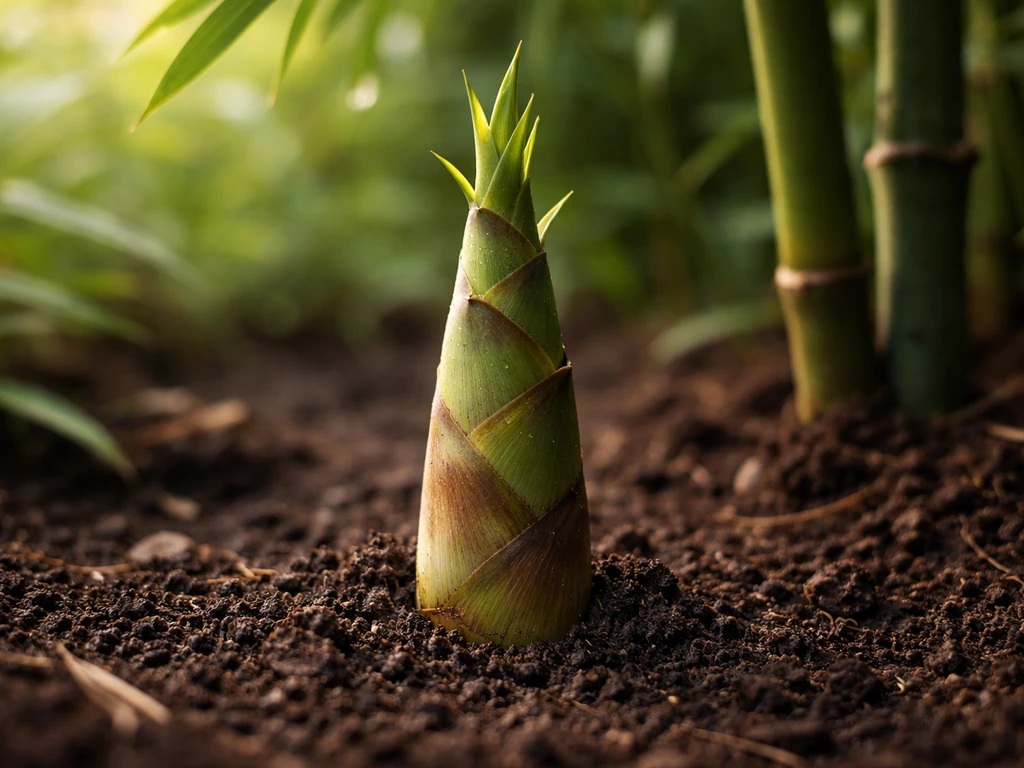
Yes, you can see bamboo grow, but whether you'll catch it happening in real time depends heavily on the species, the season, and how established the plant is. During the spring shooting window, fast-growing runner species like Moso (Phyllostachys edulis) can push a shoot from ground level to full height in as little as 35 to 40 days. That's fast enough that checking on it daily will show you measurable change. Clumping types and newly transplanted plants are a different story: they tend to spend their first year or two quietly building root systems underground while you wonder if anything is happening at all.
Can You See Bamboo Grow? What to Expect and How to Watch
Marcus Hartwell
2 May 2026
How bamboo actually grows (and what's visible vs. what's underground)
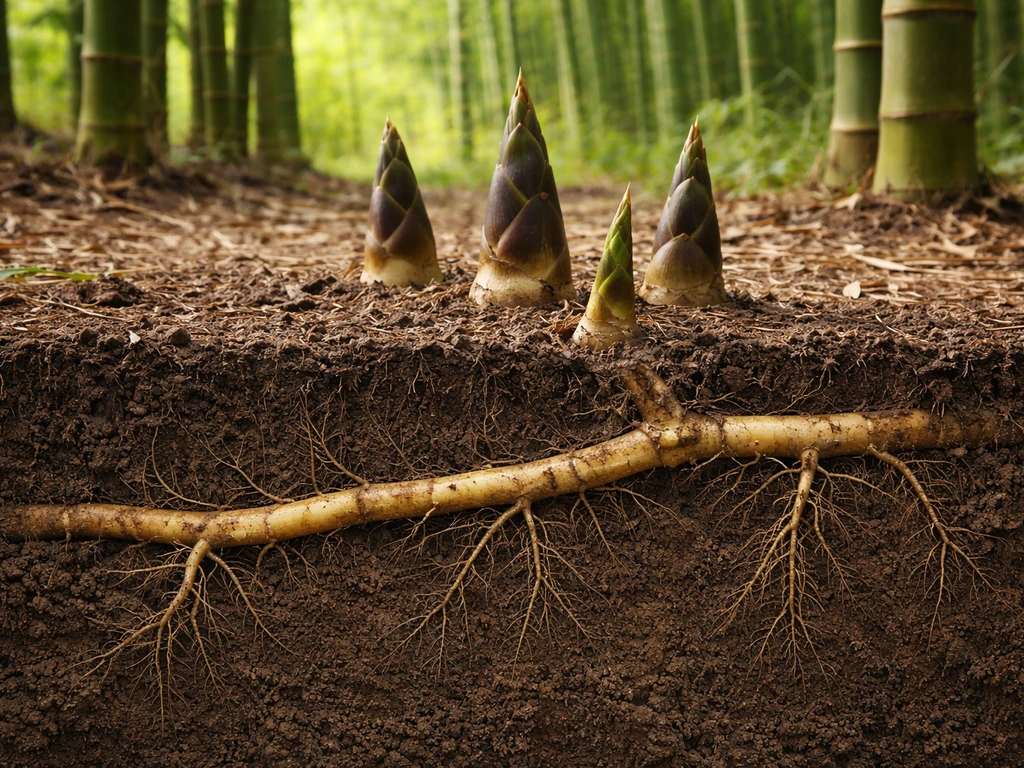
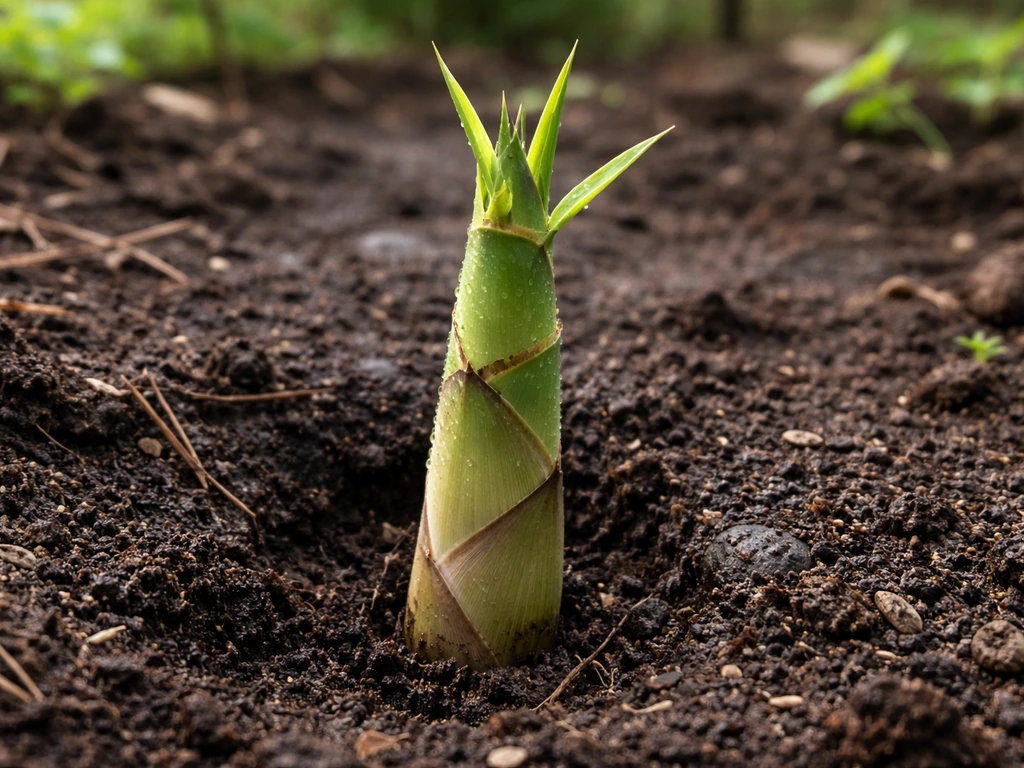
Bamboo has two distinct growth phases that rarely happen at the same time. Underground, rhizomes (horizontal stems) spread quietly through the soil, sending out roots and positioning themselves to produce new culms. This is the phase that's almost entirely invisible. Then, when conditions are right, a shoot emerges from the rhizome and races upward in a burst of above-ground growth. That second phase, the shooting phase, is the one you can actually watch.
For Moso bamboo, shoots are actually initiated from the rhizome during the previous summer (June through August) and then sit underground for months before breaking the surface at the end of March the following year. By the time you see the tip poking out of the ground, the plant has already done most of the slow prep work. What follows is visually dramatic: full height achieved in about two months, often without producing a single leaf during that rapid extension phase. A 2023 peer-reviewed review on moso bamboo reports that in suitable spring conditions, a bamboo shoot can grow up to about 1 meter per day and may reach final height in roughly 1.5 to 2 months full height achieved in about two months. Leaves come later, after the culm has reached its permanent height.
The key takeaway here is that bamboo growth is episodic, not constant. University of Maryland Extension notes that many temperate bamboos grow new culms during a single spring emergence window, roughly 6 to 12 weeks between March and May spring emergence window between March and May, roughly 6 to 12 weeks. Most of the year, especially with established plants, there isn't much to see above ground. But during the right window, growth is genuinely observable day to day. If you're trying to watch bamboo grow and you're looking at the wrong time of year, you'll think nothing is happening when actually everything is happening below the surface.
Growth rates and what you'll actually notice day to day
Runner bamboos in active shooting season are the best candidates for visible daily growth. Moso can complete its entire height in 35 to 40 days after emergence, which works out to several inches per day at peak. Even more modest temperate runners can put on inches per day during their spring shooting window (typically a 6 to 12 week stretch between March and May, according to University of Maryland Extension). If you mark the ground near an emerging shoot and check it every morning, you will see a difference.
Clumping bamboos behave quite differently. A Fargesia, for example, might add modest increments of height and density over a full growing season rather than producing a dramatic sudden shoot. New culms do appear (usually late summer and fall for clumpers), but the pace is slower and less visually striking. In its first year, a 3-gallon container of clumping bamboo might produce just one or two new shoots total.
| Type | Shooting Season | Visible Daily Growth | First Year Expectation |
|---|---|---|---|
| Temperate runners (e.g., Phyllostachys) | Spring (March to May) | Inches per day at peak | Limited above-ground change while roots establish |
| Tropical/subtropical clumpers (e.g., Bambusa) | Late summer to fall | Slower, steadier | 1 to 2 new shoots from a small container |
| Hardy clumpers (e.g., Fargesia) | Summer to early fall | Very gradual | Modest height and density increments over the season |
Leaf replacement is also observable, but on a shorter timeline. University of Maryland Extension notes that bamboo foliage turns over in species-specific spring or fall windows that last about 2 to 3 weeks. You might notice older leaves dropping and fresh ones filling in during that period. It's not dramatic, but it's a real sign of active growth.
Outdoors, indoors, and in containers: where you're most likely to see growth
Outdoors in the ground
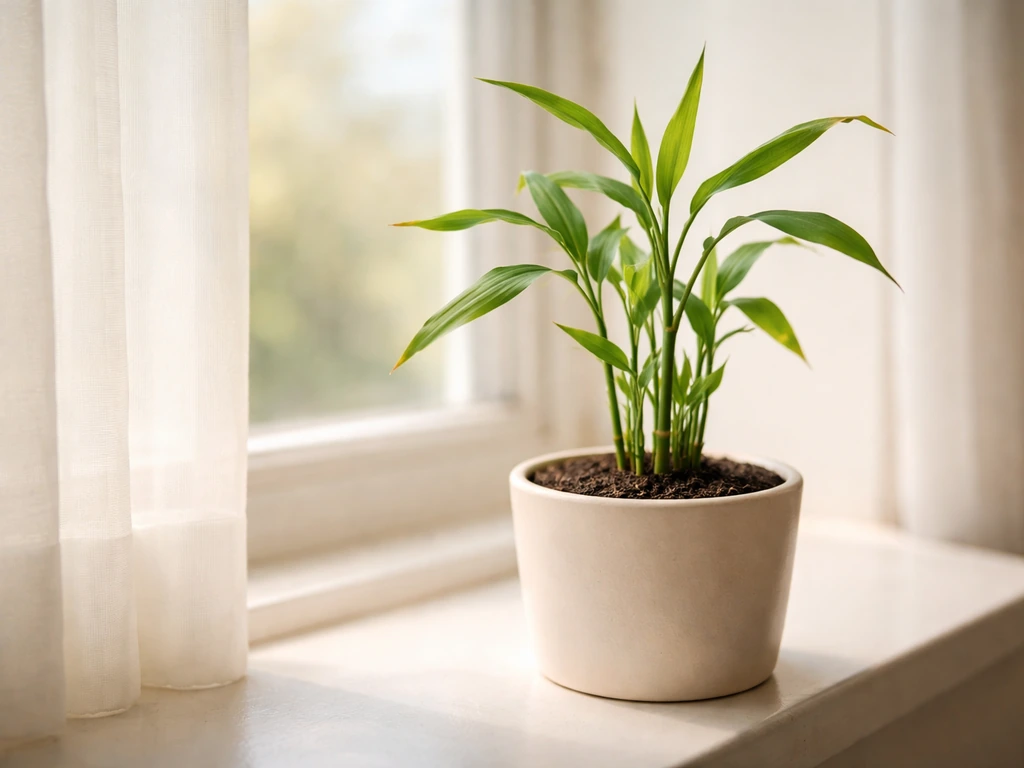
This is where bamboo is most likely to show you visible, even dramatic, growth. An established outdoor planting with healthy rhizomes, adequate light, and appropriate seasonality will produce the most noticeable shooting. The tradeoff is that you need patience through the establishment phase, typically one to two years of underwhelming above-ground activity before the plant really takes off.
Indoors
True bamboo grown indoors is challenging. Most indoor environments don't provide the 6 or more hours of direct sunlight per day that species like Bambusa multiplex need, and indoor temperatures rarely deliver the seasonal temperature swings that trigger shooting in temperate species. You can grow bamboo indoors, but your chances of watching it shoot dramatically are low. Growth tends to be slow and leaf-focused rather than culm-focused. If you're indoors, a south-facing window or supplemental grow lighting helps, but manage your expectations.
In containers
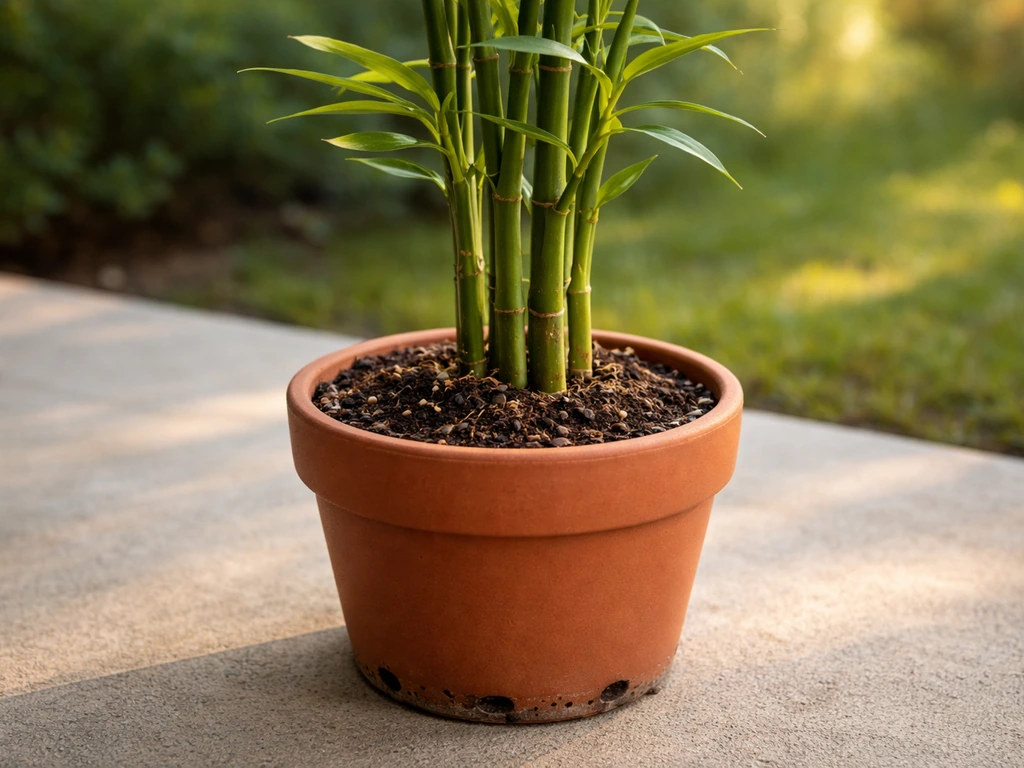
Container bamboo sits between those two extremes. You get more control over soil and drainage, and you can move the pot to optimize light. The constraints are root-bound conditions (which can stall shooting once the container fills up) and drainage. Bamboo Sourcery is blunt about this: good drainage is the primary factor in container growth performance. A pot without proper drainage holes will drown the roots, invite rot, and stop visible growth entirely. With the right container, good drainage, and outdoor placement during warm months, container bamboo can show you real shooting activity.
What actually makes bamboo grow visibly faster
Light
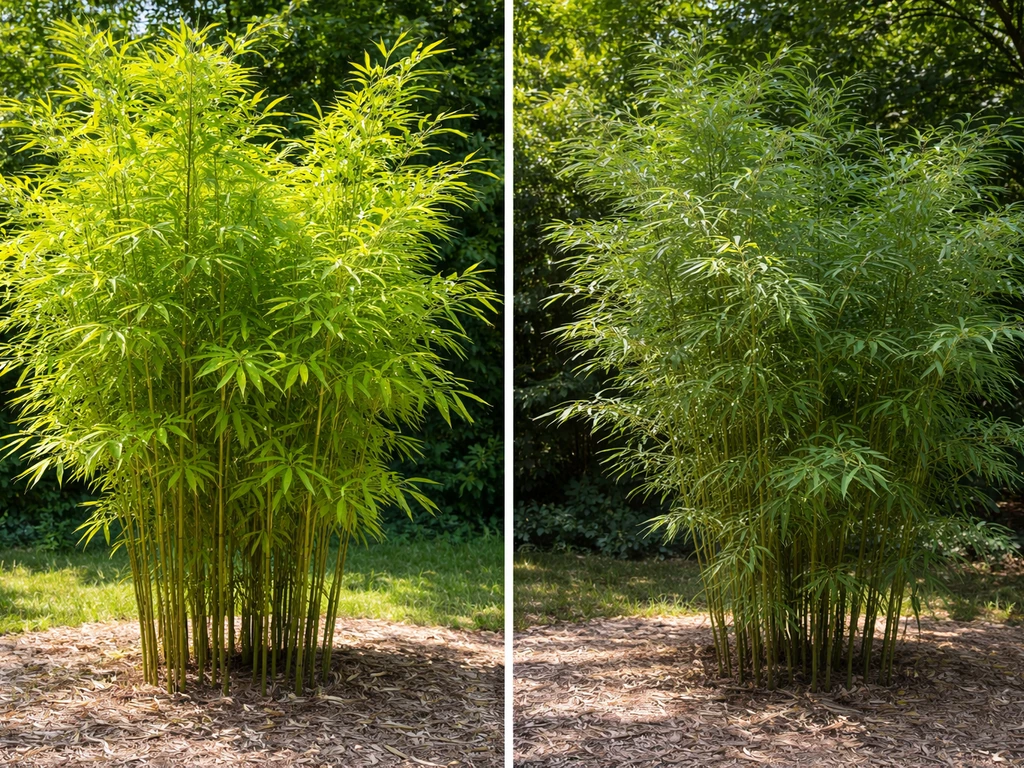
Full sun means at least 6 hours of direct sunlight per day. This isn't optional for most bamboo species if you want to see meaningful shooting. Shady conditions push energy toward survival rather than vigorous culm production. If your bamboo is in a shaded spot, moving it (or clearing the canopy above it) may be the single most impactful change you can make.
Warmth and seasonality
Temperature cues drive shooting timing. Temperate runners shoot in spring when soil warms up. Tropical clumpers shoot in late summer and fall. You can't rush the calendar much, but you can ensure the plant isn't cold-stressed. Mulching over the root zone insulates rhizomes and helps soil warm faster in spring, which can nudge shooting to start a bit earlier.
Watering rhythm
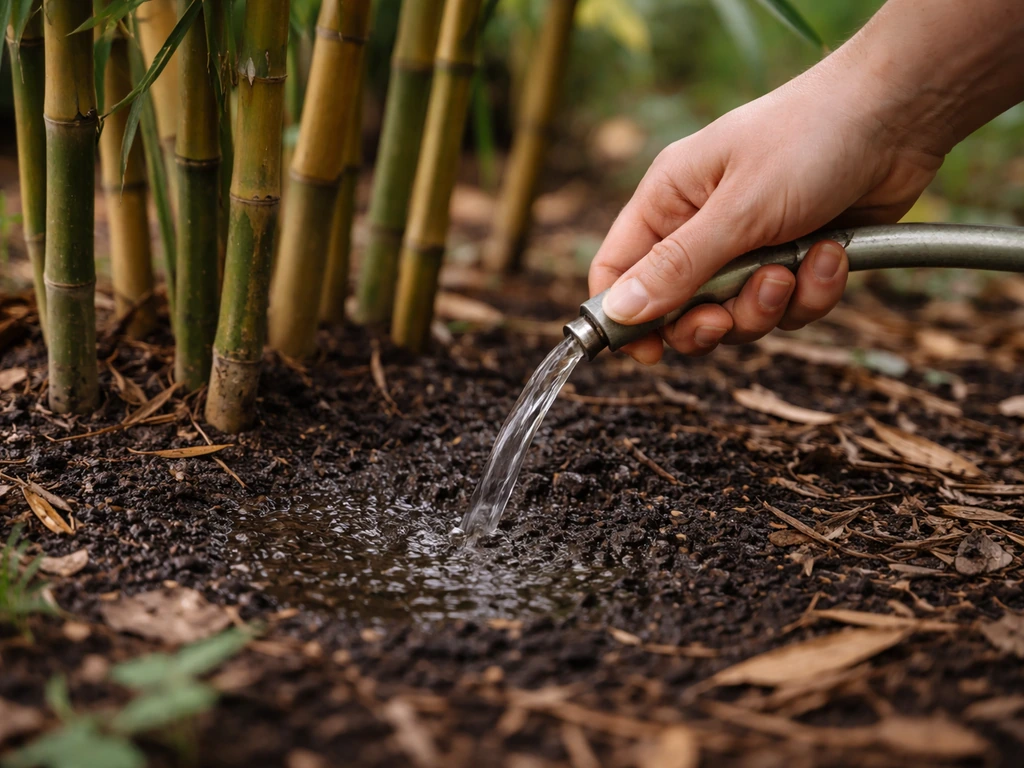
During active growth and hot weather, bamboo needs consistent moisture. Bamboo Garden's care guidelines suggest watering 2 to 3 times per week in summer during normal weather, with more frequent watering during heat spikes. The goal is consistently moist soil, not soggy soil. Let the top inch dry slightly between waterings, but never let the root zone dry out completely during a shooting period.
Soil quality and drainage
Wet, compacted, or poorly draining soil is one of the fastest ways to stall visible growth. Waterlogged soil leaves no air space for roots, setting the stage for root rot. If your bamboo is planted in heavy clay or a container without drainage, it's probably not going to shoot well even if everything else is right. Amend heavy soils with organic matter, and always use containers with drainage holes.
Fertilizer timing
Feeding bamboo just before and during the shooting window gives it the nitrogen boost it needs for rapid culm extension. A balanced or high-nitrogen fertilizer applied in early spring for runner types, or late summer for clumpers, is well-timed. Don't fertilize heavily when the plant is dormant or stressed from transplanting because it won't be absorbed and can burn roots.
Rhizome barriers
Rhizome barriers don't directly speed up growth, but they matter for visible results because they concentrate the plant's energy within a defined area instead of letting runners spread wide. If you're trying to establish a contained grove or container planting, barriers help the plant focus. HDPE barriers of 60 mil or thicker are recommended, installed at a depth of at least 22 to 28 inches depending on your soil type. One important note from University of Maryland Extension: don't mulch up against the barrier lip, because mulch can hide rhizome escape and you'll miss early signs of spread.
Seeds, rhizomes, and what gets visible fastest
If you want to watch bamboo grow in the short term, starting from seed is the most patient approach. Bamboo seeds typically germinate within 3 to 7 days of sowing, which is genuinely exciting to watch. A rhizome system begins developing about 1 to 2 months after germination. But getting from seedling to a shooting, full-sized culm takes years. You'll see early leaf development (the first leaf can appear within about 5 days of branching under good conditions), but you won't see dramatic shooting for a long time.
Starting from an established rhizome division or a container plant with existing culms gives you a much faster path to visible above-ground change. Even then, Bamboo Sourcery is honest that the first year or two after transplanting is dominated by root system establishment, not above-ground drama. You might see short, bushy first-year shoots rather than tall, impressive culms. That's normal. Each subsequent year, as the rhizome network matures, shoots get taller and more numerous.
| Starting Method | Time to First Visible Leaf/Shoot | Time to Impressive Culm Growth | Best For |
|---|---|---|---|
| Seed | 3 to 10 days (germination and first leaf) | Several years | Patient growers, educational observation |
| Rhizome division/bare root | First shooting season after planting | 2 to 3 years | Those willing to wait out establishment |
| Established container plant | Same or next shooting season | 1 to 2 years | Fastest visible results for home gardeners |
Why it seems like your bamboo isn't growing at all
This is probably the most common frustration I hear. You planted bamboo, you're watering it, and nothing seems to be happening. Here are the most likely explanations:
- New shoots are forming underground and haven't broken the surface yet. Rhizomes initiate shoot growth months before emergence. You may be weeks away from visible action without knowing it.
- Transplant shock. A recently planted bamboo diverts almost all its energy to regrowing roots damaged during digging and transport. Above-ground growth is deliberately suppressed during this recovery. This can last a full season.
- Seasonal dormancy. If you're looking in late fall, winter, or early spring before the soil has warmed, you're just outside the window. Temperate runners simply don't shoot outside their spring window.
- Root restriction in containers. A root-bound plant can't push new culms efficiently. If your container plant has been in the same pot for several years without repotting, it may be physically constrained.
- Poor drainage or overwatering. Root rot is silent until it's severe. Soggy soil suppresses new growth and can kill the root system before you see obvious above-ground symptoms.
- Low light. A bamboo in heavy shade may stay alive but won't produce new culms with any regularity. This is especially common with indoor bamboo.
- Wrong season for your species. Checking a clumping bamboo for new shoots in March is like watching water boil. It shoots in late summer and fall. Timing expectations to your specific species matters.
One thing that catches a lot of people off guard: when culms do emerge during the shooting window, they emerge and complete their height growth fast, and then they're done vertically for life. For windbound bamboo, the key question is whether the shoot that got knocked over can regrow from the rhizome and new culms can still emerge later windbound does bamboo grow back. A bamboo culm never gets taller after its first season. So if you missed the shooting window, you'll wait until next year for new, taller culms. The ones already standing won't gain another inch in height.
What you can do right now to see growth sooner
- Check the season first. If it's currently late fall or winter, your priority is protecting the root zone with mulch and waiting. If it's spring or summer, you're in or approaching the window for action.
- Audit your light. Go outside and count how many hours of direct sun your bamboo's location actually gets. Be honest. If it's under 6 hours, consider relocating the plant or trimming whatever is causing shade.
- Check your drainage. Push a finger 2 to 3 inches into the soil. If it's soggy more than a day after watering, you have a drainage problem. For containers, check that drainage holes are unblocked. For in-ground plantings, consider whether the area needs amendment or raised bed treatment.
- Feel the soil moisture daily. During active growing season, bamboo shouldn't dry out completely. Adjust your watering schedule toward 2 to 3 times per week if you're in summer heat.
- Look at the base carefully. Part the mulch and leaf litter at the base of your plant and look for small pointed shoot tips just at or below the soil surface. Especially in spring, these can be hidden just an inch or two underground.
- Consider a spring fertilizer application. If you haven't fed your bamboo recently and it's approaching or in the shooting season, a balanced or high-nitrogen fertilizer can support culm extension. Skip this step if the plant was just transplanted.
- Give newly transplanted plants a full season of patience. Transplant shock is real and normal. Keep it watered, keep it in good light, and let the root system rebuild. You'll see more activity in year two.
- If you're in a container, check whether repotting is overdue. Roots circling the bottom of the container or pushing out of drainage holes are a sign the plant is constrained. Moving up one pot size can unlock new shoot production.
- For runners, scout the soil surface around the planting perimeter. New shoots often emerge several feet away from the original clump. You might be looking in the wrong spot.
If you've gone through that list and addressed the obvious problems, your best tool is patience tuned to the calendar. The shooting window for most temperate runners runs March through May, with full height achieved by June or July. For clumping types, expect action from late summer through fall. Mark your calendar, keep conditions right, and when the window opens, check daily. That's when bamboo growth goes from invisible to genuinely impressive in a matter of days.
There's a related question worth mentioning here: whether bamboo growth is loud enough to hear, which is a real phenomenon some people report during peak shooting periods when growth rates are at their highest. Whether bamboo growth is loud enough to hear depends on the species and conditions during the shooting phase, so results vary from person to person can you hear bamboo grow. That's a different rabbit hole, but it gives you a sense of just how concentrated and intense the shooting phase can be when conditions align. The short version is that what looks like nothing for weeks can turn into very visible, very fast change almost overnight once the season flips.
FAQ
If I check my bamboo every day, will I always be able to see growth during spring or summer?
Not necessarily. Even in active shooting season, the most dramatic changes happen only after the shoot has started, and some plants may still be “queued” underground from prior months. If you see no above-ground change, check rhizome or culm emergence cues near the base (small bumps or tip movement), and consider that a recently planted or stressed plant may skip the best part of the window.
Why does my bamboo look alive but never produces a tall shoot?
Often it is either the wrong species for your timing or the plant is not established enough to commit energy to culm extension yet. Newly transplanted bamboo commonly spends 1 to 2 years building underground systems, and even if shoots appear, they may be short the first season or two.
Can I force bamboo to shoot earlier by warming it or moving it?
You can sometimes nudge timing, but you cannot reliably “force” the shooting phase. Temperate runners usually respond to soil warming in spring, so mulching over the root zone can help soil warm faster. In general, avoid aggressive heat indoors or sudden temperature swings, because stress can delay visible growth.
How much direct sun do I actually need to see noticeable shooting?
Plan on at least 6 hours of direct sun for most species if your goal is visible culm growth. If your bamboo is in partial shade, you may still get leaves and slow increments, but shooting can be reduced. For outdoor plants, clearing canopy shade or relocating the pot during warm months can make a bigger difference than fertilizing.
What watering pattern helps bamboo shoot without causing rot?
During the shooting period, keep the soil consistently moist but not waterlogged. A practical approach is watering enough to saturate the root zone, then allowing the top inch to dry slightly before the next watering. If the pot or bed holds water (especially in clay), visible growth often stalls even when you are watering regularly.
Is it normal if bamboo shoots grow tall but never look “healthy” with leaves right away?
Yes. Many species complete the rapid culm extension phase before leaves fully develop, so you can see a tall, leaf-sparse culm first and then later foliage. The key is that the culm height increases quickly, then leafing follows afterward rather than simultaneously.
My bamboo culm got knocked over. Will the fallen stalk grow taller again?
No. A culm does not keep extending after its initial season. If the original shoot was damaged, the plant may still produce new culms later from the rhizome network during the next appropriate shooting window, but the fallen stalk typically will not resume vertical height growth.
Do rhizome barriers improve how fast bamboo grows, or just how it spreads?
Primarily, they help control spread and concentrate growth within a defined area, but they do not guarantee faster shooting. Proper installation matters, HDPE barriers installed deep enough to prevent escape and avoiding mulch piled against the lip can make early signs of spread easier to notice and help the grove perform as intended.
Why does my container bamboo stall or stop shooting even though it gets sun?
Container growth commonly stalls for two reasons: drainage problems and root crowding. Even if the plant is receiving sun, soggy media can trigger rot and reduce vigor, and a pot that has filled with roots can limit new culm extension. Use drainage holes, a well-draining mix, and be prepared to up-pot when growth slows.
Should I fertilize bamboo to encourage shooting? If so, when?
Feeding can help, but timing is important. Apply nitrogen-leaning fertilizer close to the start of the shooting window for your species (early spring for many temperate runners, later for clumpers) and avoid heavy feeding while the plant is stressed from transplanting or during true dormancy, since root uptake may be limited.
Can I hear bamboo growth while it is shooting?
Some people report hearing or feeling a “sound” during peak shooting, but it varies widely by species, conditions, and what you are interpreting. If you want more certainty, focus on observable cues like emergence timing and daily height change rather than relying on sound as an indicator.
If I start bamboo from seed, will I ever see the same dramatic shooting you get from established plants?
You will eventually see growth, but not the same quick shooting you observe from an established rhizome system. Seed germinates quickly under good conditions, but it typically takes years for seedlings to reach the stage where dramatic above-ground culm extension happens. Seed is best if you want to watch early development, not if you want near-term shooting.
Next Article
Can You Hear Bamboo Grow? What’s Real and What’s Not
Can you hear bamboo grow? Get science-based reasons you may hear movement and realistic growth timelines plus next-step