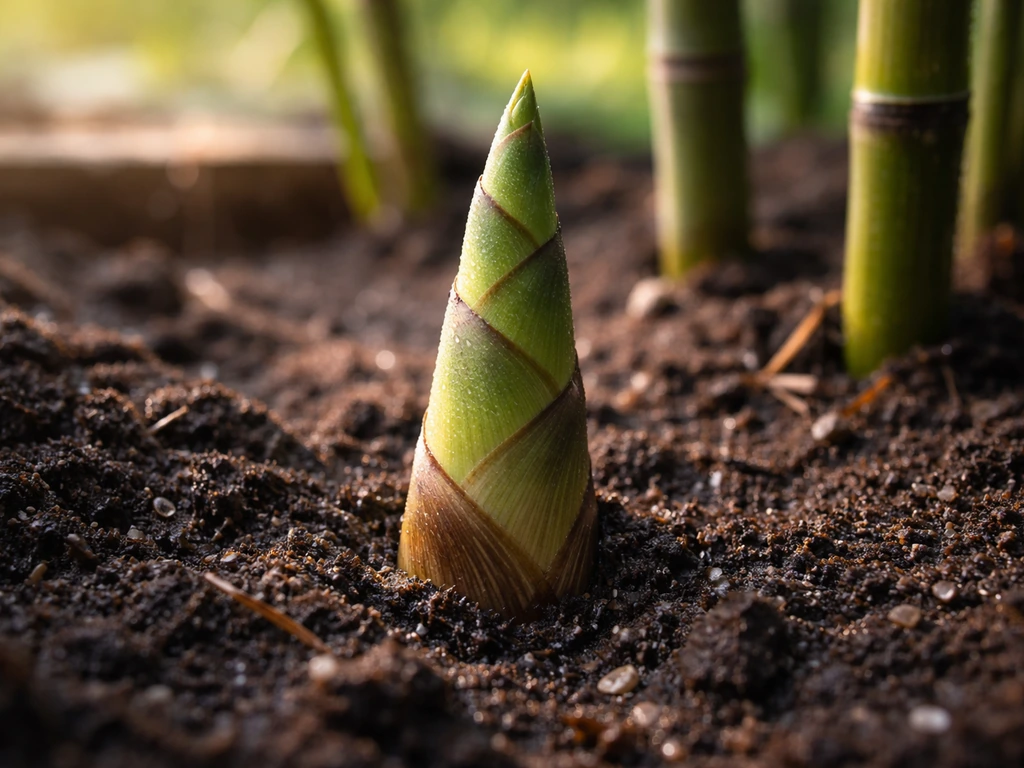
Yes, bamboo can grow close to 3 feet in a single day, but only in one very specific set of circumstances: the right species, during the peak elongation phase of spring shoot emergence, with ideal temperature, water, and soil conditions all lined up at once. Under real-world garden conditions, most bamboo grows nowhere near that fast. The Guinness World Record cites around 91 cm (about 35 inches) in 24 hours for certain bamboo species, and research on Moso bamboo (Phyllostachys edulis) confirms peak rates above 91 cm/day are possible during the explosive growth phase. But that's the ceiling, not the average. Most bamboo, on most days, grows somewhere between 10 and 80 cm per day during its active spring sprint, and far less, or nothing at all, outside that window.
Can Bamboo Grow 3 Feet in One Day? What to Do Today
What actually drives bamboo's fastest growth
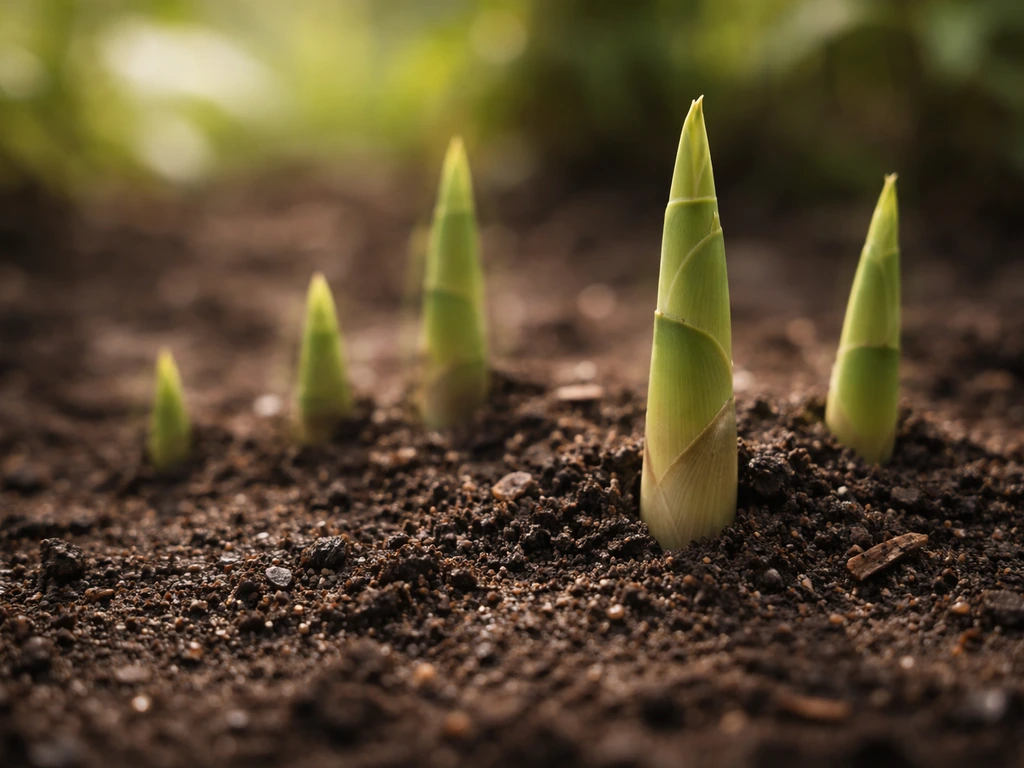
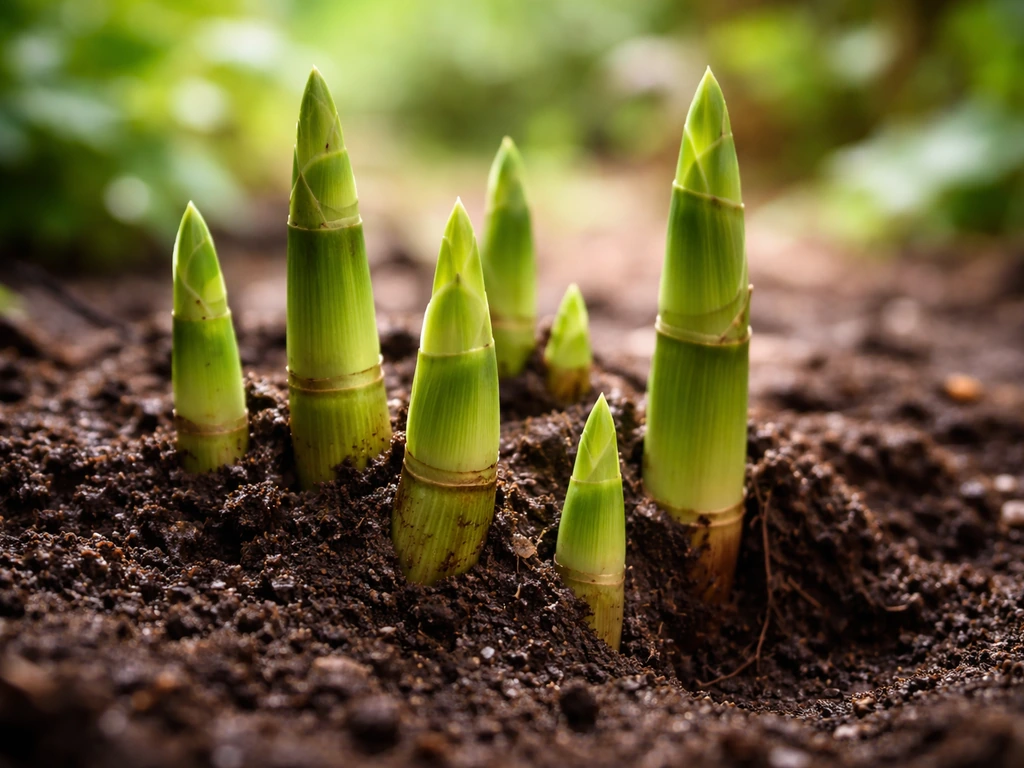
Bamboo's dramatic speed isn't a constant feature, it's a sprint that happens during a narrow seasonal window. When a new shoot first emerges from the ground in spring, the plant funnels massive carbohydrate and water reserves from its established rhizome system into that one culm. Internodes expand rapidly from the base upward, and the culm reaches its full height, in the case of Moso bamboo, within about 35 to 40 days after emergence. After that, it never gets taller. The entire height of a mature bamboo culm is determined in that single growing sprint.
Three environmental factors have to align for peak daily growth to happen. First, soil temperature needs to clear a threshold, research on Phyllostachys species shows shoots won't even emerge until soil temperatures reach at least 9°C (about 48°F). Second, water availability has to be high. Scientific work on Moso bamboo ties rapid elongation directly to water transport in the root zone; the cells in each internode expand by filling with water, so drought stress kills the sprint immediately. Third, the plant has to be established enough, with a mature rhizome network, to have the stored energy reserves to fund that explosive push. A bamboo planted last year from a nursery container simply doesn't have those reserves yet.
Shoot emergence timing is also tightly seasonal. Studies on Moso bamboo show that shooting typically begins in early spring, around the first week of April in temperate climates, and runs through late May. In a molecular and phenological study of Moso (Phyllostachys edulis), shoot emergence started in early spring, was observed around the first week of April, and continued through the end of May at the sampling site, defining the seasonal window for fast daily growth shooting typically begins in early spring, around the first week of April in temperate climates, and runs through late May.. Sympodial (clumping) bamboo species have their own emergence windows, often tied more directly to moisture and rainy season conditions than to temperature alone. Outside those windows, 3 feet per day isn't happening, no matter what you do.
Why the "3 feet per day" story spreads so easily
A lot of the confusion comes from how and when people measure. Here's what actually happens: a bamboo shoot can sit mostly underground, elongating within its protective sheath, before it visibly breaks the soil surface. Once it does emerge, the visible section can shoot upward very fast, sometimes appearing to grow several inches in just a few hours. Someone who checks their bamboo in the morning, then again in the evening, sees a dramatic change and assumes that rate continues around the clock. It doesn't, but the impression sticks.
There's also a genuine record-keeping issue. The Kew Gardens measurement of Bambusa bambos growing 90 cm in 24 hours (recorded in 1855) is one of the most-cited data points in plant biology, and it gets repeated so often that people assume it applies to all bamboo, all the time. For context, some reports claim bamboo plants can grow 91 centimeters, but those numbers are exceptional and not a typical daily expectation. It was a peak observation under specific conditions for a specific species, not a baseline. Meanwhile, the range reported in scientific literature for Moso bamboo during a typical growing season is 10 to 80 cm per day, and that's at the high end of what well-established plants in good conditions can do.
Your species and setup matter more than anything else
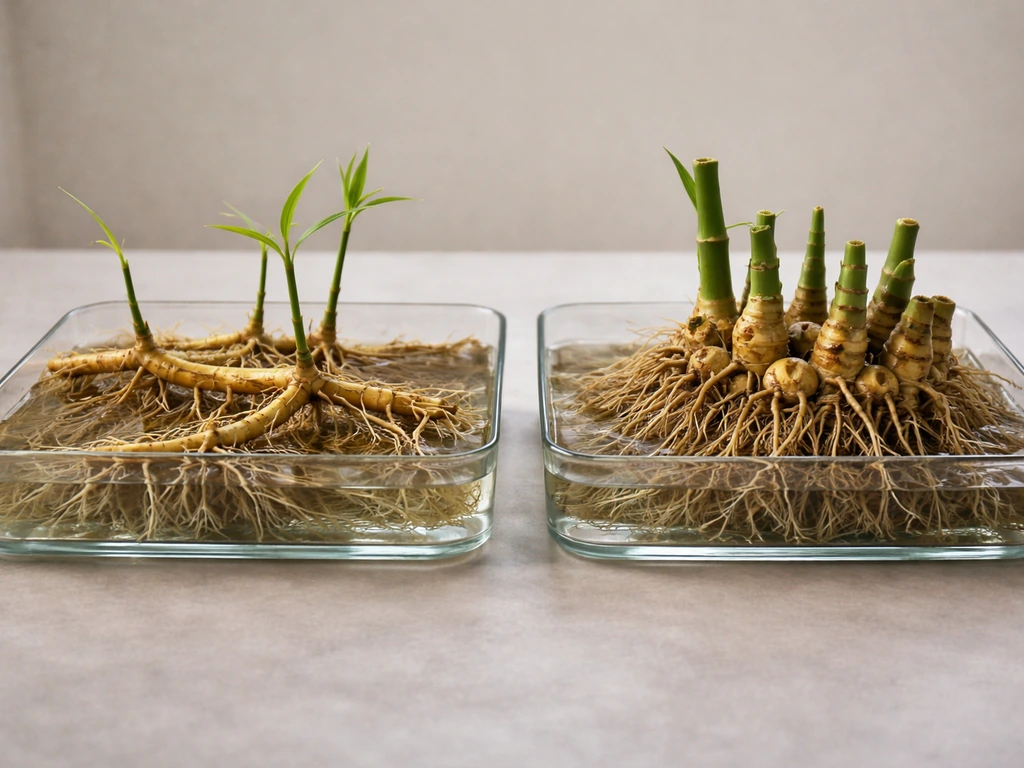
Not all bamboo is created equal when it comes to speed, and the gap between species and setups is significant. Running bamboos (leptomorph rhizome types like Phyllostachys) tend to be more vigorous and faster-growing than clumping types (pachymorph or sympodial, like Bambusa or Fargesia). Moso bamboo is the classic example of explosive growth; it's a running type native to China and adapted to cool-temperate climates. Clumping bamboos, which are generally safer for home gardens because they don't spread aggressively, typically grow more slowly and are less likely to produce the dramatic daily rates you see in the headlines.
| Feature | Running Bamboo (Phyllostachys) | Clumping Bamboo (Bambusa / Fargesia) |
|---|---|---|
| Rhizome type | Leptomorph (spreading) | Pachymorph (tight clump) |
| Peak daily growth potential | Up to 91 cm/day in ideal conditions | Generally much slower; rarely exceeds 20–30 cm/day |
| Best climate | Cool-temperate (e.g., Pacific Northwest, Eastern US) | Tropical/subtropical (Bambusa) or cool/alpine (Fargesia) |
| Invasiveness risk | High — needs a rhizome barrier | Low |
| Establishment timeline for fast growth | 3–5+ years to full vigor | 3–5+ years to full vigor |
| Indoor suitability | Poor (needs full sun and root space) | Limited (Fargesia tolerates shade better) |
Indoor and container-grown bamboo almost never hit fast daily growth rates. The reasons are mechanical: restricted root volume limits rhizome development, indoor light levels are a fraction of full outdoor sun, and temperature swings common in indoor settings don't match the stable warming conditions bamboo needs to trigger rapid elongation. If someone tells you their potted 'lucky bamboo' grew 3 feet in a day, they're measuring something else, or misremembering. True lucky bamboo (Dracaena sanderiana) isn't even bamboo.
Climate fit is another huge variable. Moso bamboo in the Pacific Northwest or Japan, where cool springs and reliable rainfall match its native range, can approach headline growth rates. The same species planted in central Texas, where spring temperatures spike fast and soils dry out quickly, will struggle to approach even a fraction of that. Know your species and know your climate before setting any expectations.
How to push your bamboo toward its fastest growth
If you want to get the most out of your bamboo's spring growth sprint, there are concrete things you can do right now. None of them are magic, but all of them are supported by the science of what actually drives rapid elongation.
Light
Get your bamboo into as much direct sun as possible. Most fast-growing running bamboos thrive with 6 to 8 hours of full sun daily. More sun means more photosynthetic output, which feeds the carbohydrate reserves the rhizome draws on during shoot emergence. If you're growing in a container, move it to the sunniest spot you have. If it's in the ground and surrounded by shade trees, the tree canopy is limiting your growth ceiling.
Water and soil moisture
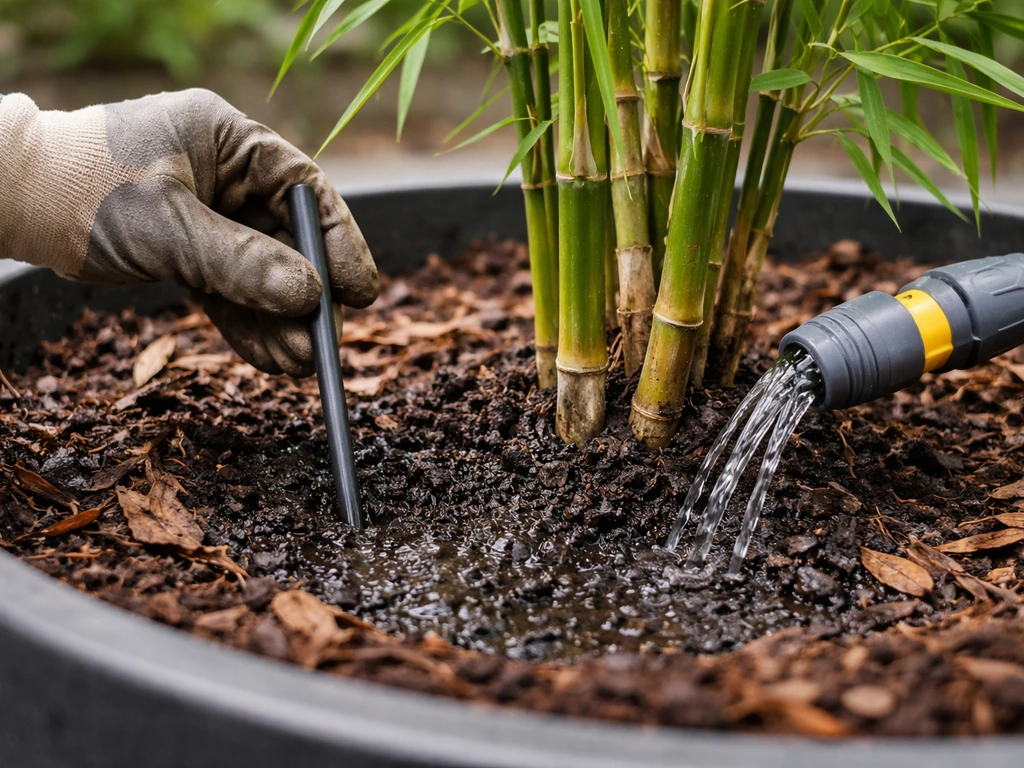
Consistent moisture is probably the single most important variable during the shooting window. Research on Moso bamboo links rapid internode elongation directly to water transport in the culm. Shoots expanding quickly are basically filling their cells with water, so any drought stress during this phase slows or stops the sprint. Aim to keep the root zone consistently moist but not waterlogged. Waterlogged roots go hypoxic and fail just as badly as dry ones. Mulching heavily around the base helps retain soil moisture, especially in climates where sun can dry the surface quickly. Soil pH should ideally sit between 5.0 and 6.9.
Soil and root zone
Bamboo needs loose, well-draining soil with good aeration. Compacted clay or poorly draining soil restricts rhizome development and limits water and nutrient uptake during the growth sprint. If you're transplanting or establishing new bamboo, avoid doing it just before the shooting season, transplant shock can delay or suppress the spring growth flush by a full season. Established plants with mature rhizome networks are the ones that produce dramatic daily growth.
Fertilizer timing
Bamboo responds well to fertilizer, but timing matters more than quantity. Apply a balanced, nitrogen-rich fertilizer in early spring, before shoots emerge, to support the rapid elongation that follows. Don't over-apply; excess nitrogen can burn roots and cause more harm than good. If you haven't done a soil test, get one before adding nutrients blindly. The goal is to support the plant's natural growth window, not force-feed it outside of it.
Temperature
You can't control the weather, but you can choose the right timing. Don't expect anything near 3 feet per day until soil temperatures are consistently above 9°C (48°F). In most temperate climates, that means mid-to-late spring is your window. If you're in a warmer zone, your shooting season may start earlier; in cooler zones, patience is required.
Not seeing fast growth? Here's where to look first
If your bamboo isn't growing the way you expected, the cause is almost always one of a short list of fixable problems. Go through these before concluding something is fundamentally wrong with your plant.
- Wrong time of year: Bamboo's explosive growth is a spring phenomenon. If you're checking in summer, fall, or winter, you're outside the window. Wait for spring.
- Soil too cold: If soil temperature hasn't cleared 9°C (48°F), shoots won't emerge. Use a soil thermometer to check, not just air temperature.
- Water stress: Both drought and waterlogging shut down rapid elongation. Check that the root zone is consistently moist but well-drained.
- Plant is too young or recently transplanted: A bamboo in its first or second year from a container doesn't have the rhizome reserves to produce explosive growth. Give it 3 to 5 years to establish.
- Wrong species for your climate: A tropical Bambusa in a zone-7 garden, or a cold-hardy Fargesia in a hot-summer climate, will underperform regardless of care.
- Insufficient light: Less than 6 hours of direct sun significantly caps growth speed for most running bamboos.
- Nutrient deficiency or over-fertilization: Both cause problems. Do a soil test and apply a balanced fertilizer at the right rate in early spring.
- Shoot not yet in the elongation phase: New shoots may be emerging but haven't hit the rapid elongation window yet. Give it a few days and re-measure.
- Rhizome barrier restricting growth: If you installed a rhizome barrier, check that it isn't causing root-bound conditions that are limiting the plant's energy supply.
Check your bamboo today: a quick-action list

If you're trying to figure out right now whether your setup can realistically approach fast daily growth, work through this list in order. If you are wondering how much does bamboo grow a day in real life, this quick-action list helps you check the conditions that control daily growth. If you want a realistic answer to how fast bamboo can grow in 24 hours, start by checking your species, your season, and whether your shoots are in the active shooting window how fast can bamboo grow in 24 hours. If you're also wondering how much bamboo you can grow in an acre, the same species, climate, and spacing factors set the realistic yield how much bamboo can you grow in an acre. It takes about 15 minutes and will tell you a lot.
- Confirm your species. Look it up by name. Is it a running type (Phyllostachys, Pseudosasa) or a clumping type (Bambusa, Fargesia)? Running types have a higher ceiling for daily growth.
- Check the calendar. Are you in the spring shoot emergence window for your climate? If you're past late May or before early April in a temperate zone, you've likely missed the sprint for this year.
- Take a soil temperature reading. Use a basic soil thermometer at 4 to 6 inches depth. Below 9°C means no shooting, even if everything else is right.
- Check soil moisture right now. Dig a finger 3 to 4 inches into the soil near the base. It should feel moist, not dusty-dry and not swampy. Adjust irrigation immediately if needed.
- Count the hours of direct sun your bamboo receives. Less than 6 hours means growth is being limited by light. If possible, remove shade sources or relocate a container.
- Look for new shoots emerging. If you see pointed tips pushing through the soil, mark them with a stake and measure again in 24 hours. That will give you a real baseline for your actual conditions.
- Assess plant age and root zone. Plants under 3 years old or recently transplanted are unlikely to produce explosive growth this season. Adjust expectations and focus on establishment.
- Review your fertilizer history. If you haven't applied nitrogen-rich fertilizer in early spring, note it for next year. Don't apply heavy fertilizer now if the plant is mid-sprint, you risk burning roots.
- Consider your climate match. Look up your hardiness zone and compare it to your species' ideal range. A mismatch is a growth limiter no amount of care can fully overcome.
FAQ
Can I make bamboo grow 3 feet in one day if I water it heavily and give it fertilizer?
Not in a typical home-garden setting. The “almost 3 feet” rate only occurs during a short spring elongation window when soil is warm enough (around or above 9°C), the shoot is actively emerging, and the plant is well-established with steady root-zone water. Outside that window, the visible stalk may not grow much even if the shoot is already lengthening underground.
Why does my bamboo look like it grows fast overnight, but not all day long?
Wait for the shoot to actually be in the active elongation phase. Before it breaks the soil surface, a shoot can extend within its sheath with little visible change. Once you see above-ground emergence, the growth can look fast between check-ins, but it will still peak only when temperatures and moisture align.
My neighbor says their ‘bamboo’ grew 3 feet in a day. How can I tell if it’s real bamboo and real growth?
Most likely, you are comparing different plants or different measures. True bamboo species vary a lot, and “lucky bamboo” (Dracaena sanderiana) is not bamboo. Also, people sometimes measure the length of a new leaf or stem segment rather than the culm height increase in a 24-hour period.
Are running bamboos more likely than clumping bamboos to hit extreme day growth?
Yes for a subset of species and climates, but it still depends on being inside the shooting window. Running bamboos (for example, many Phyllostachys types) are generally more likely to show dramatic daily elongation than clumping bamboos. Even then, container-grown plants usually lack the root volume and stable conditions needed for headline rates.
If several shoots start at the same time, will one of them still grow 3 feet in a day?
Multiple shoots can be in the system at once, but the fastest growth is tied to what the plant can fund from its rhizome reserves and current water/temperature conditions. If many shoots are competing, a single culm may not match record-like daily numbers. Focus on overall shoot emergence conditions rather than trying to “target” one culm.
What should I avoid during the spring shooting period so growth doesn’t stall?
If a shoot emerges, you can still slow or halt the sprint. Common killers are drought stress, waterlogged roots, and root disturbance close to shooting time. Prevent extremes in moisture, keep soil aerated, and avoid transplanting or major digging until after the growth flush is finished.
What’s the best way to measure bamboo growth over 24 hours so I’m not fooled by misleading snapshots?
Measure height at the same point each day, preferably with a consistent reference (for example, from soil line to the top of the visible culm). Don’t rely on “morning to evening” impressions, because visible growth can accelerate after emergence but is not constant throughout the day.
How can I estimate whether my bamboo’s roots are warm enough for fast shooting?
Use soil temperature as a practical guide, not air temperature alone. Bamboo responds to root-zone warming, so cold ground can delay emergence even when the daytime air feels springlike. If your soil is still cool, daily growth targets are unlikely regardless of watering.
How Much Does Bamboo Grow a Day? Real Growth Rates
Real bamboo daily growth rates in inches and feet, with what affects how fast it grows indoors vs outdoors.