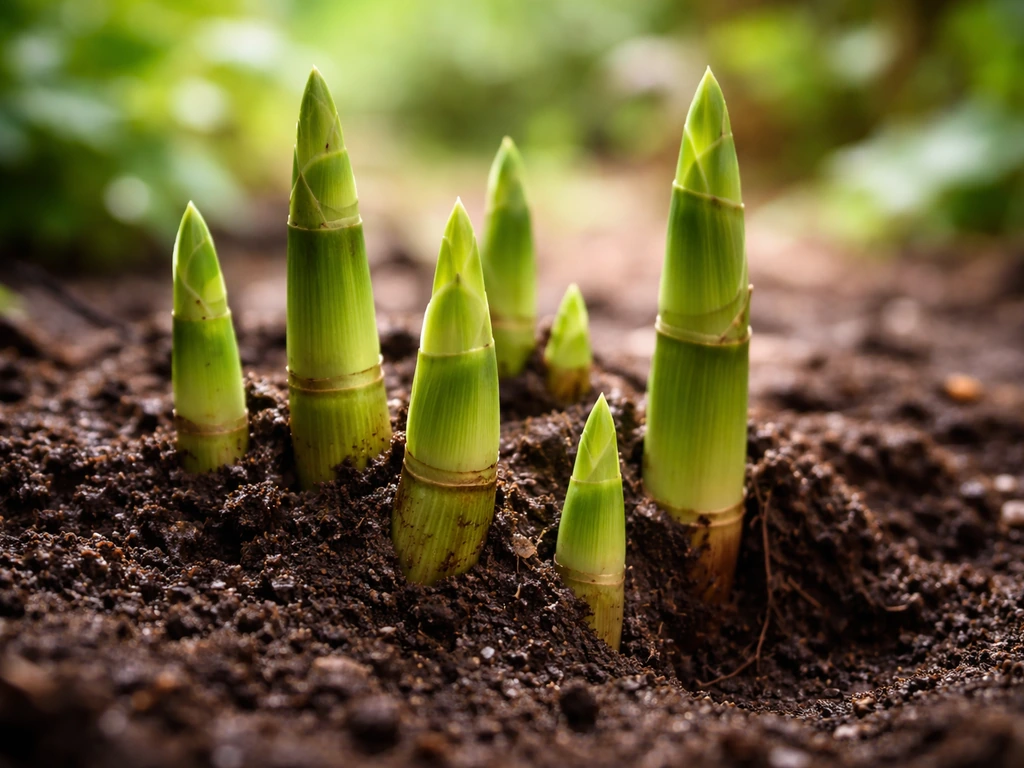
Yes, bamboo can grow close to 3 feet (about 0.9 m) in 24 hours, but only under a very specific set of conditions and only during the brief explosive phase when a new culm (cane) is actively shooting upward. This is not something you'll see every day, or even every year in a typical garden. The famous records, like Phyllostachys edulis reportedly hitting around 91 cm in a single day in Japan, are real but exceptional. For most home gardeners growing bamboo in their yard or a container, daily growth during spring shooting season is more realistically in the 10 to 30 cm (about 4 to 12 inches) range. That said, if you have the right species, a well-established root system, the right temperature window, and consistent moisture and nitrogen, you can absolutely witness dramatic visible height gains within a single day.
Can Bamboo Grow 3 Feet in 24 Hours? Realistic Answer
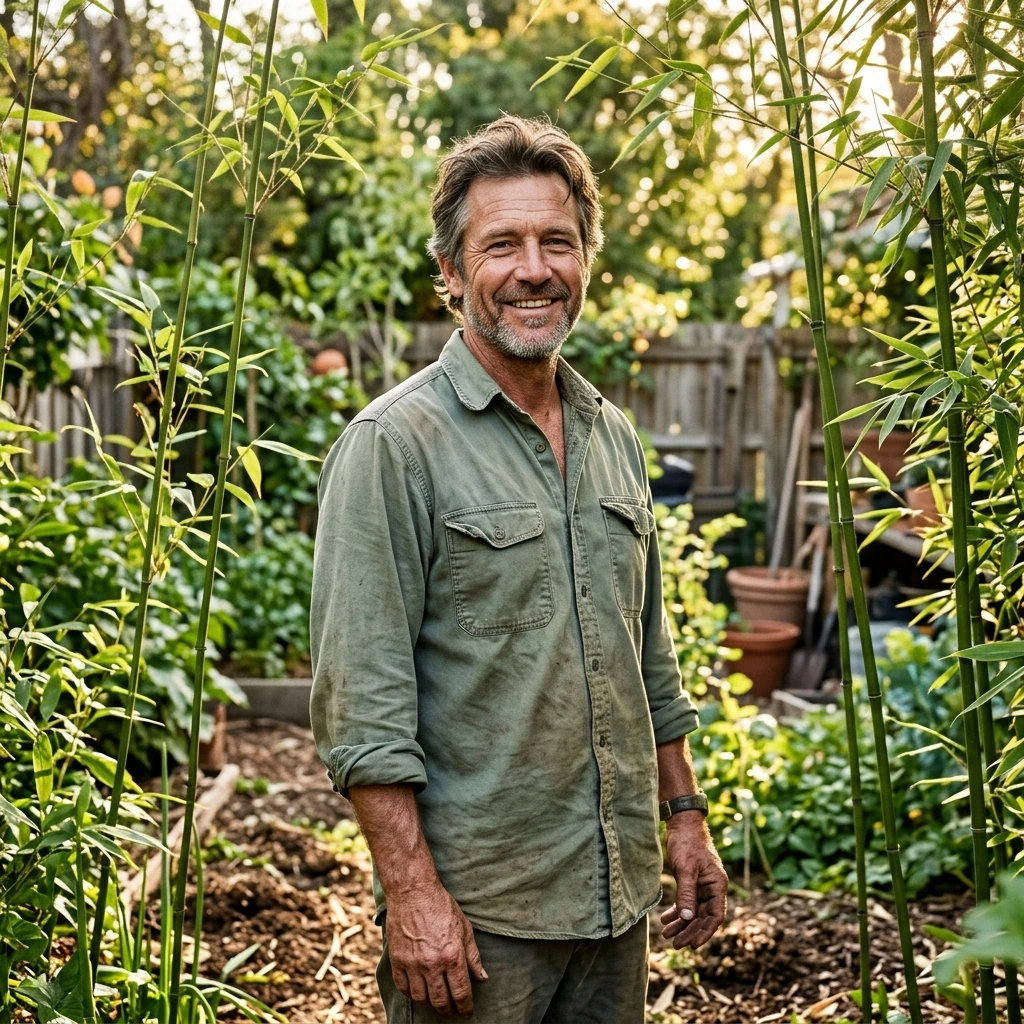
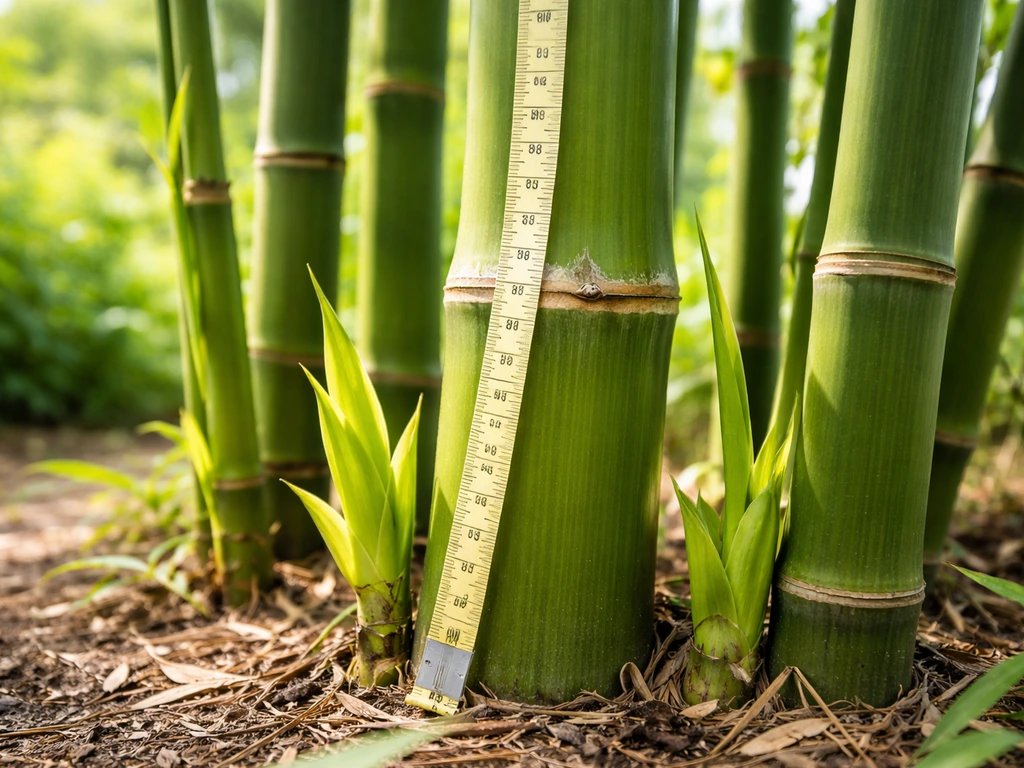
Reality check: can bamboo really grow 3 feet in 24 hours
The 3-foot-in-24-hours claim is not a myth, but it is heavily context-dependent. Wikipedia documents record-level growth rates for certain species, including claims of up to 91 to 120 cm in a single day tied to specific locations and conditions. The Peradeniya Royal Botanical Gardens in Sri Lanka logged notable single-day growth for Dendrocalamus giganteus, and moso bamboo (Phyllostachys edulis) has well-documented observations from Japan. INBAR's background data puts the general range at 75 to 400 mm per day during active shooting, which is a wide range for a reason: species genetics, climate, and plant maturity all matter enormously.
What these records have in common is that they all involve a new culm during the peak of its elongation phase, not a mature cane that has already reached full height. Once a culm stops growing (which happens within roughly 35 to 40 days of emergence for moso bamboo, according to research published in Scientific Reports), it does not get any taller. In a Scientific Reports study on moso bamboo growth patterns, an estimated short-term order of magnitude of about 0.5 m per day is discussed in the context of culm elongation versus time , it does not get any taller. Ever. So the 3-feet-per-day window is short-lived and very specific to that new shoot emergence period.
Community discussions online show a healthy mix of amazement and skepticism about these numbers. Experienced growers on bamboo forums point out that seeing even 6 to 8 inches per day in a home garden is exciting, and hitting a foot per day is exceptional. If someone tells you their bamboo grows 3 feet every single day for weeks, that is a stretch. In practice, the number of culms and how fast they shoot up largely determines how much bamboo you can grow in an acre. But a single dramatic 24-hour spike during peak shooting? That is documented science.
What '3 feet' means in bamboo terms: new culm height vs. leaf growth
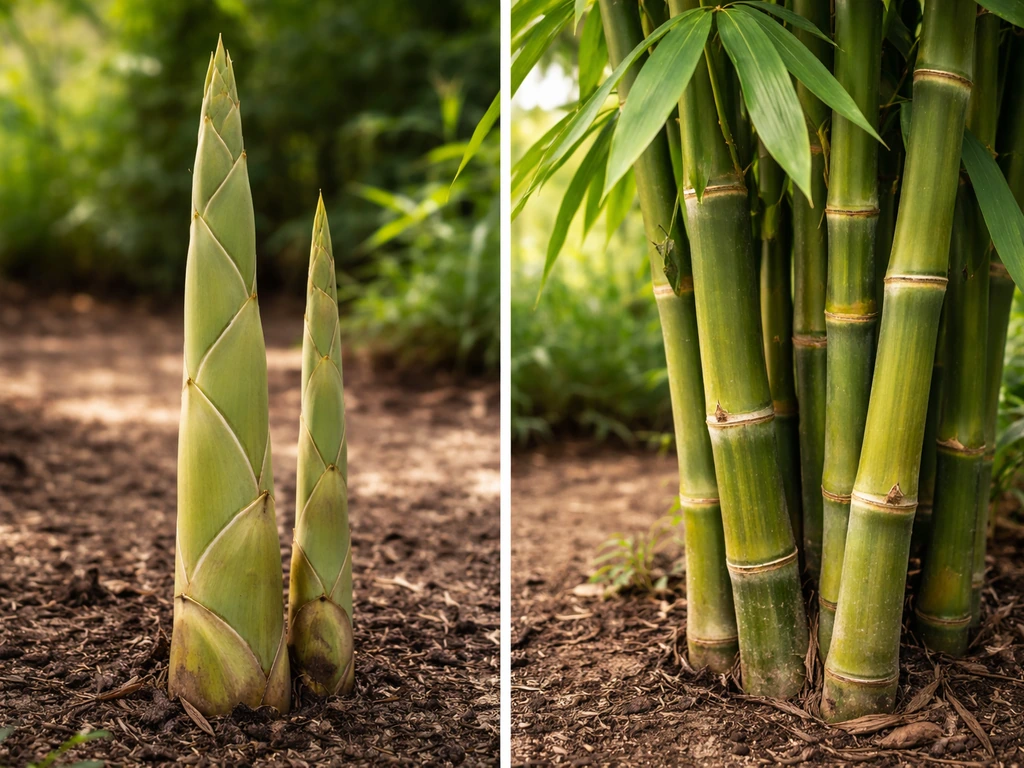
This is a really important distinction that trips up a lot of gardeners. When researchers or experienced growers talk about bamboo growing 3 feet in a day, they are always talking about culm elongation, meaning a brand-new cane shooting upward from the ground. This is not the same as leaves getting bigger, branches spreading out, or existing canes getting taller. An existing bamboo cane does not grow in height at all after it finishes its first growth season. Zero. The height you see after that 35 to 40 day shooting window is the height that cane will have for its entire life.
Leaf and branch growth does happen on established canes, but it is slow and not what drives the dramatic numbers you read about. The rapid elongation that makes bamboo famous happens entirely in the culm (the hollow cane), starting from the moment a shoot breaks the soil surface and continuing through an explosive upward push powered largely by energy stored in the plant's rhizome network underground. This is why an established grove with deep, mature rhizomes can produce new culms that shoot up dramatically, while a newly planted bamboo with a small, undeveloped root system will barely show an inch of growth per day.
During this culm growth phase, the shoot is still enclosed in papery sheaths that fall off as the cane extends, so the growth can look almost alien in speed when conditions are right. Knowing this distinction helps you calibrate your expectations: if you want to see fast height gains, you need to be looking at new culms in spring, not watching an existing cane.
Conditions that drive fastest bamboo growth
If you want to push your bamboo toward its fastest possible growth rate, you need to hit several conditions at once. Bamboo can grow in a day under the right species, timing, and conditions, but only during the brief peak shooting phase fastest possible growth rate. These are not optional extras. They are stacked requirements, and missing even one of them will noticeably cap how fast your new culms rise.
- Temperature: Active culm elongation happens fastest when daytime temperatures are in the 21 to 28°C (about 70 to 82°F) range. Research on Dendrocalamus hamiltonii shows strong growth through monsoon conditions in this temperature band. Grower observations for Phyllostachys edulis show that at 45 to 50°F (7 to 10°C), you get roughly 1 to 2 inches per day. Push the average daily temperature to around 60°F (15°C) and that same species can approach a foot per day. Warmer is faster, up to a point.
- Water: Consistent, deep soil moisture is non-negotiable. Bamboo shooting season coincides with spring rains in many climates for a reason. If your soil dries out between waterings, shoot elongation stalls. UC IPM recommends monthly heavy watering during spring growing season specifically to encourage rapid growth.
- Nitrogen: Bamboo is a grass, and like all grasses it responds strongly to nitrogen availability. A 2026 Frontiers in Plant Science study confirmed that nitrogen availability affects bamboo growth beyond just culm elongation, influencing leaf and branch development too. Feed with a nitrogen-rich fertilizer in early spring before and during the shooting window.
- Sunlight: Full sun drives faster photosynthesis and more energy production to support rapid elongation. Bamboo in shade will grow slower and produce smaller culms.
- Root system maturity: This is the biggest real-world limiter. A new planting has minimal rhizome mass. An established planting with 3 to 5 years of rhizome development has massive stored energy reserves and can support dramatically faster shooting. The difference in daily growth between a 1-year-old planting and a 5-year-old grove can be 5 to 10 times.
Species matters: which bamboo types can approach extreme short-term growth
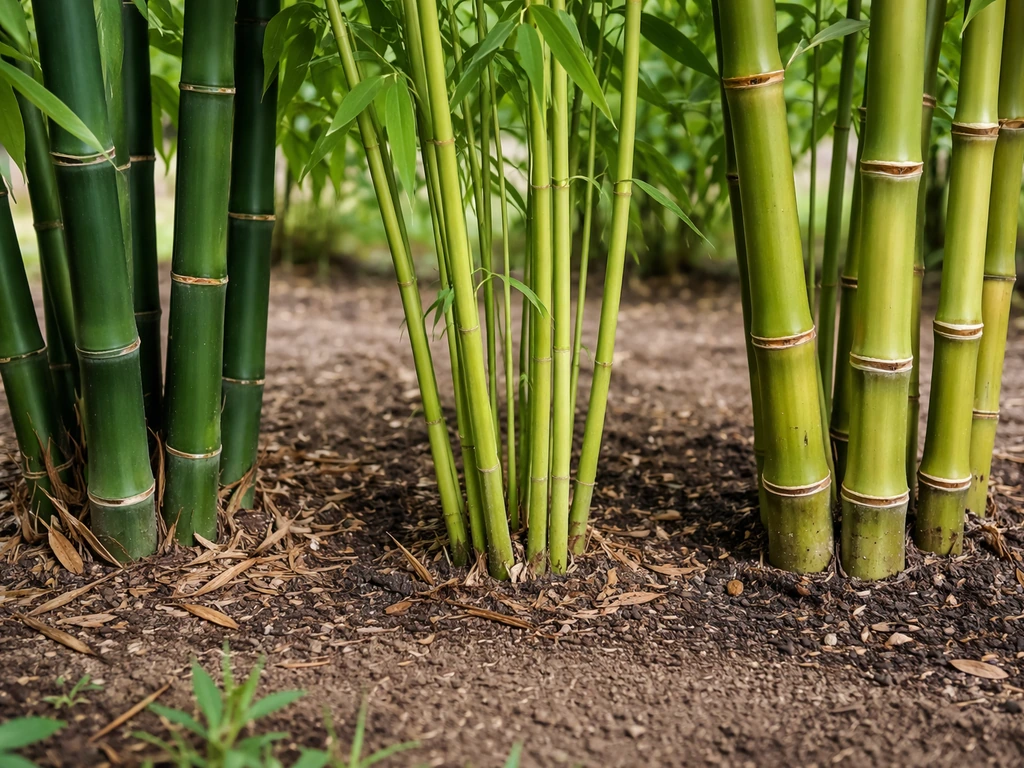
Not all bamboo is created equal when it comes to raw growth speed. The species you plant is probably the single biggest factor in how close you can get to that 3-foot-per-day ceiling. Here is how the major candidates compare:
| Species | Max recorded daily growth | Typical home garden rate | Climate fit |
|---|---|---|---|
| Phyllostachys edulis (Moso) | ~91 cm (~3 ft) in 24 hours under ideal conditions | Up to ~30 cm/day during peak shooting | Zones 6–10; temperate climates |
| Dendrocalamus giganteus (Giant Bamboo) | Historical records of 1 m+ in 24 hours | Less commonly grown by home gardeners; needs tropical/subtropical conditions | Zones 9–12; tropical/subtropical |
| Bambusa tulda | Up to ~70 cm per day during strong growth | 20–40 cm/day in good conditions | Zones 9–11; tropical/subtropical |
| Bambusa balcooa | ~77 cm per day during vigorous growth phase reported in research | 15–30 cm/day in suitable climates | Zones 9–11; tropical |
| Phyllostachys aureosulcata (Yellow Groove Bamboo) | Slower than moso; typically 10–20 cm/day | Reliable in colder zones | Zones 5–9; cold-hardy option |
| Most clumping bamboos (Fargesia, etc.) | Typically 5–15 cm/day during shooting | Slower, more compact growth | Zones 5–9; cold and shade tolerant |
If you are in a temperate climate and want the fastest possible growth, Phyllostachys edulis (moso) is the gold standard and the species behind most of the extreme records. In tropical or subtropical climates, Dendrocalamus giganteus and Bambusa species can rival or exceed moso's pace. For colder zones where moso struggles, Phyllostachys aureosulcata is a practical runner-up. Clumping bamboos like Fargesia are beautiful and manageable, but they will not get anywhere near 3 feet per day under any realistic conditions.
Geography and season fit: climate, hardiness zones, and indoor vs. outdoor
Where you live and what time of year it is dramatically shapes whether fast growth is even possible. USDA APHIS notes that climate suitability is a key determinant of whether plant species can persist and perform well, which matters when assessing bamboo performance USDA APHIS plant pest info. The fastest culm elongation in temperate climates happens in a roughly 6 to 12 week window between March and May, according to University of Maryland Extension. Miss that window and you are waiting until next year for another shot at peak growth. In tropical and subtropical climates, the growth window extends through monsoon season when temperatures and humidity stay in the ideal range (around 21 to 28°C and 75 to 95% humidity, per research on Dendrocalamus hamiltonii).
In USDA Hardiness Zones 6 and 7, you can grow moso and similar fast runners, but hard winters will kill top growth and force the plant to spend energy recovering rather than shooting upward. This delays your fastest growth years. In Zones 8 to 10, you get the best of both worlds: warm enough winters to protect rhizomes, warm enough springs to trigger fast shooting. In Zones 4 and 5, stick to cold-hardy species and accept that you will see slower maximum growth rates.
Indoor bamboo is a different story entirely. Lucky bamboo (Dracaena sanderiana) is not actually bamboo, and true bamboo species grown indoors almost never achieve anything close to outdoor growth rates. Light intensity indoors is too low, temperatures are too stable, and root restriction from containers severely limits rhizome development. If you want fast, impressive height gains, outdoor planting in the ground is the path. In the real world, how fast bamboo can grow in 24 hours depends on the same factors that control culm elongation, especially species, season, and root development. A large outdoor container in a sunny spot is a distant second option.
How to tell if your bamboo is set up to grow fast
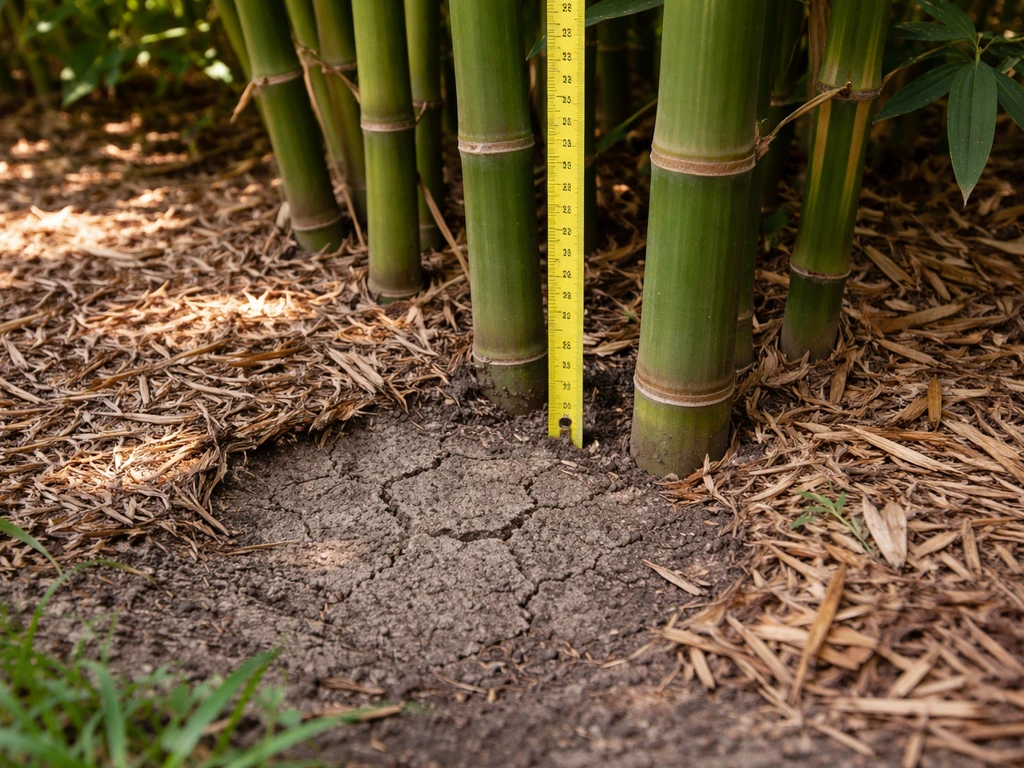
If your bamboo seems slow or you are not seeing the kind of growth you expected, run through this quick diagnostic. Most growth problems trace back to one of these five factors.
- Check your timing. Is it spring shooting season in your climate? If it is July or August in a temperate zone, the shooting window has likely already passed. New culms emerge in spring. If you are outside that window, the plant is consolidating, not shooting.
- Check your light. How many hours of direct sun is the planting getting? Bamboo wants at least 5 to 6 hours of full sun per day for strong growth. Shaded plantings will always underperform.
- Check your watering. Is the soil consistently moist down to root depth, or does it dry out between waterings? Dig 4 to 6 inches down and feel. If it is dry, you need more frequent or deeper watering, especially during shooting season.
- Check how long it has been in the ground. A bamboo planted within the last 1 to 2 years is still establishing its rhizome network. The rule of thumb in the bamboo growing community is 'sleep, creep, leap': year one the plant sleeps, year two it creeps, year three it leaps. Do not expect 3-foot days from a first-year planting.
- Check your soil pH and fertility. UGA Extension recommends a soil pH of around 6.0 to 6.5 for bamboo. Outside that range, nutrient uptake suffers. Get a cheap soil test (under $20 from most garden centers) and adjust if needed. Also check whether you have applied any nitrogen-rich fertilizer this spring.
If you find multiple problems at once, prioritize water first, then light, then fertilizer. Root maturity is the one thing you cannot fix immediately, but the other factors you can address today.
Practical next steps if you want fast height growth
Here is the fastest realistic path to maximizing your bamboo's growth rate, broken down by what you can actually do right now.
If you have not planted yet
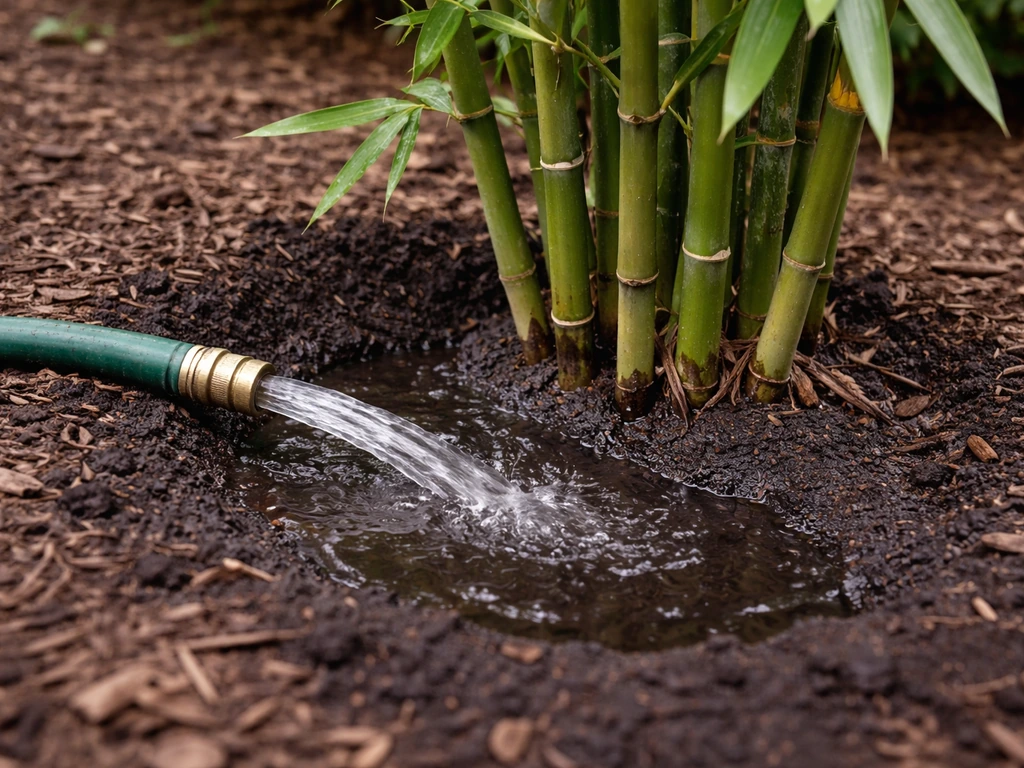
Choose a species matched to your climate zone and growth ambitions. For the fastest possible growth in temperate climates (Zones 6 to 9), Phyllostachys edulis is the top pick. For tropical or subtropical zones (9 to 12), consider Dendrocalamus or Bambusa species. Plant directly in the ground, not in a small container. Containers restrict rhizome expansion and will cap your growth ceiling significantly. Dig in compost to bring soil pH toward 6.0 to 6.5, and choose the sunniest spot you have.
If your bamboo is already in the ground
- Water deeply right now: give a slow, thorough soak that reaches down 12 to 18 inches into the root zone. Do this consistently through the shooting season, at least once or twice per week in dry conditions.
- Apply a 3 to 4 inch layer of mulch around the base (wood chips or straw work great). Mulch holds soil moisture, moderates temperature, and as it breaks down it feeds the rhizome zone. This is one of the highest-return moves you can make for bamboo growth speed.
- Feed with a nitrogen-rich fertilizer in early spring before shooting starts. A 10-10-10 or higher-nitrogen lawn-type fertilizer applied monthly during the active growth window works well. Follow package rates and do not overfeed in summer once shooting is done.
- If you are in a container, assess whether the pot is root-bound. Roots circling the container base mean the plant is starving for space. Transplanting to the ground or a significantly larger container (think 25 to 30 gallon minimum for large runners) will unlock faster growth.
- Be patient with newly planted material. The rhizome network that drives explosive culm shooting takes 3 to 5 years to develop. If you are in year one or two, your job is to feed, water, and mulch aggressively so the root system develops as fast as possible.
Realistic expectations to take with you
Most home gardeners with an established, well-cared-for planting of a fast-running species will see new culms growing 6 to 12 inches per day during peak spring shooting, with exceptional days potentially reaching 18 to 24 inches. Hitting 3 feet in 24 hours is theoretically possible for species like moso under perfect conditions, but it represents the absolute ceiling, not the average. Think of it like a marathon runner's world record pace: it happens, it is real, but it is not what you should bet your planning on. What you should bet on is that with the right species, an established root system, deep watering, mulch, nitrogen feeding, full sun, and warm spring temperatures, your bamboo will reward you with some of the most dramatic visible growth of any plant in your garden.
FAQ
If I measure daily, how do I tell whether my bamboo is actually growing 3 feet in 24 hours (or if I’m just noticing other changes)?
It can, but only if the new culm is actively elongating and you are measuring the height change of that specific shoot (from papery-sheathed shoot height to the next 24-hour point). If you measure a whole clump or an existing cane that already finished shooting, you will see little to no height increase because the elongation stops after the shoot’s brief peak period.
Can I force bamboo to hit 3 feet in 24 hours by changing care or adding fertilizer right away?
You cannot speed up the elongation period like a growth switch. What you can do is line up conditions so the plant hits its natural peak: plant the right species for your zone, keep soil moisture steady (especially during the shooting window), and avoid actions that stress rhizomes right when shoots are emerging.
If bamboo can grow that fast once, why can’t it keep growing 3 feet every day for weeks?
A single 24-hour burst is rare, and weeks of 3 feet per day is not realistic. What happens instead is multiple culms each doing short, high-speed elongation during the peak window, so you may see dramatic total height and coverage across the grove even if each culm’s fastest growth is brief.
Once my bamboo culm has stopped shooting, will it ever grow taller again?
When a cane finishes its elongation phase, it does not get taller, even if you add more nitrogen or water later. Later improvements you might notice are mostly leaf size, branching, and thickening, not additional vertical height from that same cane.
What watering routine actually supports fast bamboo shooting without drowning the roots?
The safest approach is to water deeply but not waterlogged. In most gardens, consistent moisture during the shooting window matters more than frequent light watering, which can lead to shallow rooting. Mulch helps stabilize moisture so rhizomes can support rapid culm elongation.
Can bamboo in a large pot still reach near-3-feet-in-24-hours growth?
Yes, containers often reduce achievable growth because they limit rhizome expansion and the underground network that fuels elongation. If you must use a container, choose the largest available size, keep it in full sun, and expect slower maximum growth than in-ground planting.
Is it okay to prune or thin bamboo when I see shoots starting to grow fast?
Topping, pruning, or heavy disturbance during the shooting phase can reduce performance by disrupting energy flow and shoot development. If you prune, do it outside the main shooting window and focus on shaping older culms rather than cutting active new shoots.
Which species gives the best shot at extreme 24-hour growth in my climate, and what local factors can still block it?
Moso (Phyllostachys edulis) and other fast runners are the best match for extreme-growth claims, but the exact result depends on your local temperature, humidity, and how mature the rhizomes are. Cold winters or immature root systems can make the “ceiling” unattainable even with perfect summer care.
Why doesn’t indoor “lucky bamboo” grow like outdoor bamboo that can grow 3 feet in 24 hours?
Lucky bamboo (Dracaena sanderiana) is not true bamboo and will not behave like outdoor culm-forming bamboo shoots. Indoor “growth” you see is usually new stems or leaf expansion, not the rapid culm elongation that produces record-style height gains.
My bamboo is growing, but not fast. What’s the quickest checklist to diagnose why it’s capped?
If growth seems slow, first check whether shoots are actually in the peak elongation window (new culms just breaking the soil, not existing canes). Then verify sun exposure, soil moisture consistency, nitrogen adequacy, and whether you are accidentally container-limited.
Can Bamboo Grow 3 Feet in One Day? What to Do Today
Can bamboo grow 3 feet in one day? Learn realistic species rates, timing, and steps to boost growth today.