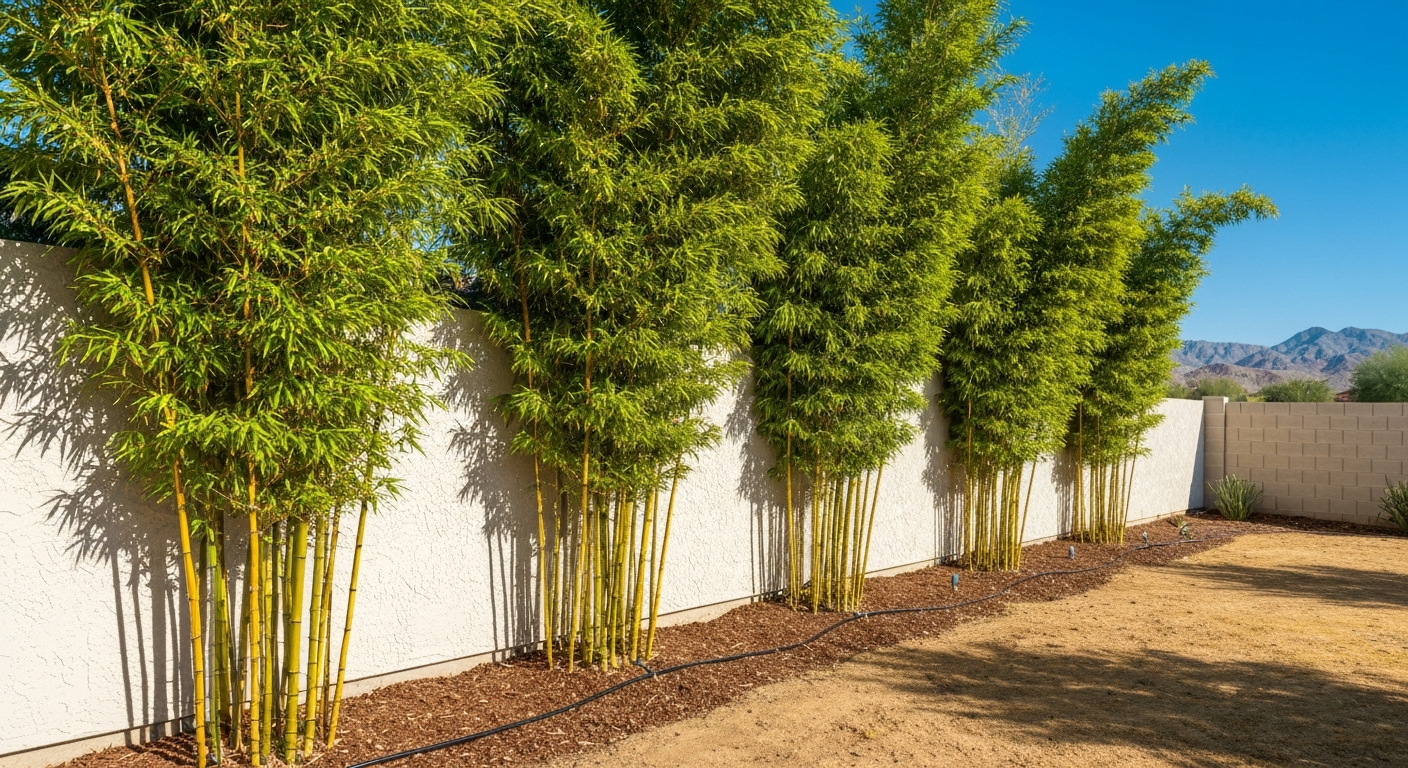
Bamboo grows through an underground rhizome system that sends up new shoots, which then expand into full culms (the woody stems most people think of as bamboo stalks). Unlike a tree that adds height every year, a bamboo shoot reaches its full height in just 2 to 3 months and never gets taller after that. What changes year over year is the size and number of new shoots the plant pushes up, which is driven by how well-established the underground rhizome network has become. Once you understand that, most questions about how bamboo grows start to make a lot more sense.
How Do Bamboo Grow: Step-by-Step Growth, Care, and Timing
Marcus Hartwell
7 Apr 2026
What bamboo actually is and how it grows
Bamboo is not a tree. It belongs to the grass family, which surprises a lot of people when they first hear it. Bamboo is a group of perennial evergreens in the true grass family Poaceae. Calling it a "bamboo tree" is understandable given how tall some species get, but structurally it is a grass with woody culms. That classification matters because it explains a lot about how bamboo grows: instead of adding rings of wood each year like an oak, bamboo sends up entirely new shoots from underground and those shoots expand rapidly to reach full height before hardening off.
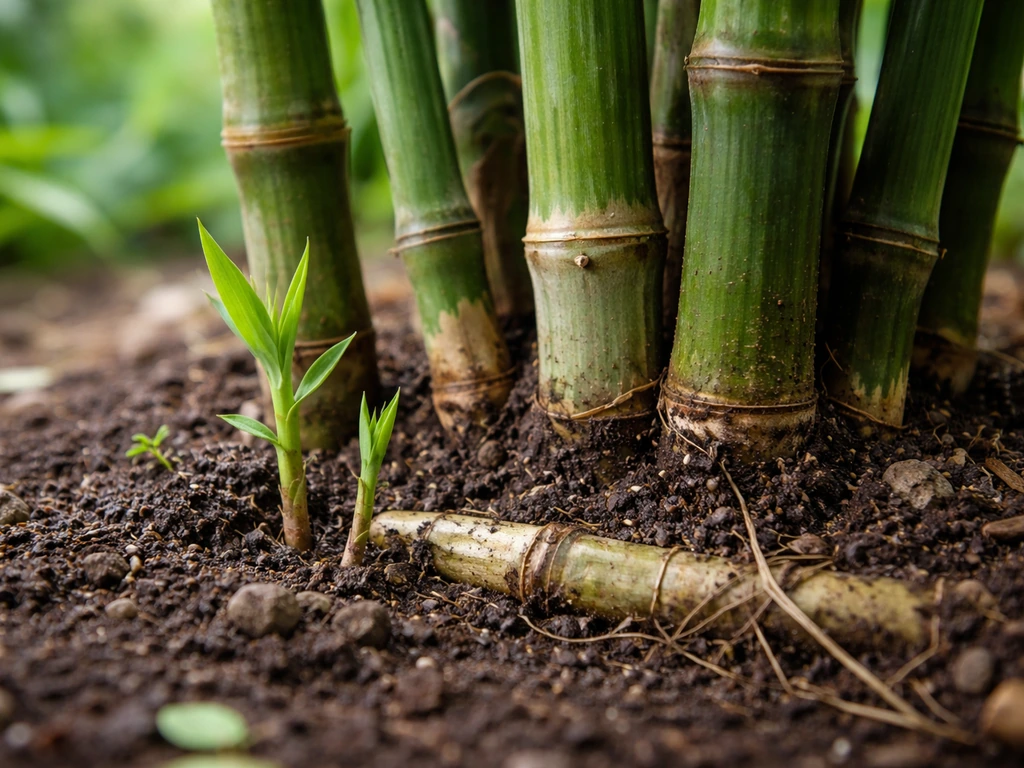
The engine behind all of this is the rhizome, the horizontal underground stem that stores energy and produces new shoots. There are two fundamentally different rhizome types: pachymorph rhizomes (sympodial growth, associated with clumping bamboos) and leptomorph rhizomes (associated with running or spreading bamboos).
In pachymorph systems, terminal buds develop into new shoots while lateral buds form new rhizome segments, keeping growth relatively compact. In leptomorph systems, rhizomes extend outward aggressively and can send up culms far from the parent plant. A young shoot is essentially a new growth arising from the distal end of a pachymorph rhizome or from a lateral bud of a leptomorph rhizome, depending on the species.
Understanding which rhizome type your bamboo has is probably the single most important thing to know before you plant.
Clumping vs running bamboo: a real difference with real consequences
There are two main growth habits in bamboo: clump-formers and runners. Clumping bamboos stay in a tight clump and spread only a few inches out from the base each season. blank" rel="noopener noreferrer">Running bamboos, by contrast, can send rhizomes several feet in a single season and pop up new culms far from where you originally planted. This is not a small distinction. A running bamboo like Phyllostachys planted without containment can become a serious management problem within a few years, while a clumping species like Bambusa multiplex stays where you put it.
As a general rule, temperate bamboos are mostly runners that shoot in spring, while tropical and sub-tropical varieties are generally clumpers that shoot in late summer or fall. So your climate largely determines which type you are dealing with. If you are in a cooler, temperate region and you bought a bamboo without checking the species, there is a decent chance it is a runner. Worth verifying before it becomes your neighbor's problem too.
The realistic growth timeline: what to actually expect
The famous statistic that bamboo can grow up to 35 feet in about two months is real, but it applies to large, well-established plants under strong conditions, not a freshly transplanted division. In practice, the first year or two after transplant often shows very little above-ground growth while roots and rhizomes establish. This is normal and expected. The plant is investing energy underground, and you will not see payoff above ground until that foundation is solid.
Once established, new shoots reach their full height in about 2 to 3 months during shooting season, and outside that window, most of the growth is happening underground. Spring is when most temperate bamboos push their main flush of new shoots. An established Phyllostachys aureosulcata, for example, can begin shooting as early as the second week of February in mild climates like Portland, Oregon. If you are wondering when does bamboo grow in your specific region, shooting timing depends heavily on your local climate and the species you have.
Year by year, as the rhizome system expands, the plant's ability to produce larger, taller, and more numerous culms increases. A grove that looks modest at year two can look dramatically different at year five. Patience during establishment is genuinely important here.
Growing conditions that actually move the needle
Sunlight
Most bamboo species perform best in full sun to partial shade. Full sun drives faster, more vigorous growth in most temperate species. Shade is tolerated, but you will typically get thinner culms and slower establishment. If you are growing indoors, placing your plant near a bright south or west-facing window and adding a humidifier or a small fountain nearby helps replicate the humidity and light levels bamboo prefers.
Water
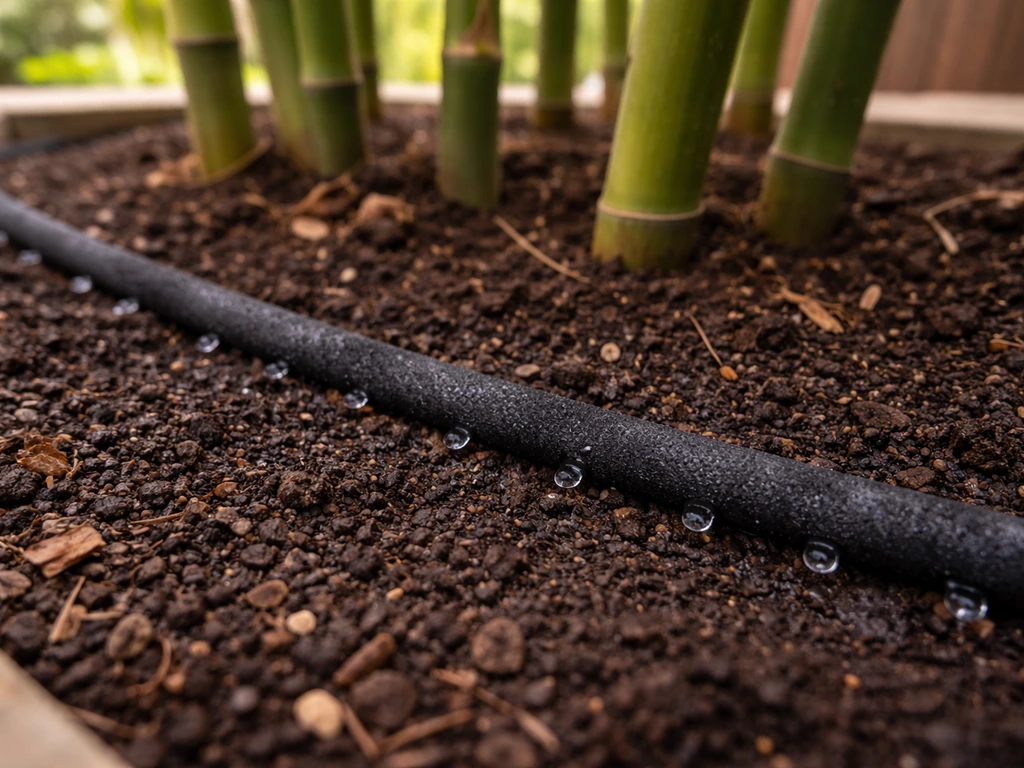
Bamboo likes consistent moisture but not waterlogged soil. Waterlogging displaces air around roots and can essentially drown them, which is a surprisingly common mistake. During the first three years of establishment, watering 1 to 3 times per week in summer is a solid target. After that, established bamboo is considerably more drought-tolerant. The key is well-drained soil so you can water generously without creating standing water.
Soil and pH
Growth is best in rich, deep, well-drained soils. Sandy loams with good drainage consistently outperform heavy clay or poorly drained soils, where you can expect reduced stem diameter and height. Aim for a soil pH of about 5.5 to 6.5, which is slightly acidic. This range supports nutrient uptake and root health. If your soil is compacted or poorly drained, amending it before planting will save you a lot of frustration later.
Nutrients
Bamboo is a heavy feeder, especially during the shooting season. A nitrogen-rich fertilizer in spring supports shoot development and overall vigor. Slow-release formulas work well for the growing season, and a lighter feeding in fall can help with rhizome energy storage heading into winter. Do not over-fertilize in late summer or fall for cold-climate plants, as pushing tender new growth before a frost is counterproductive.
Climate and location: can bamboo grow where you are?
Bamboo's cold hardiness varies widely by species. Some varieties handle USDA Zone 4 winter conditions, and hardier species like Phyllostachys aureosulcata are rated for Zones 5 through 10, tolerating lows down to around -28.8°C (-20°F) at the tougher end of Zone 5. Tropical clumping bamboos are far less cold-tolerant and are generally best suited to Zone 8 and warmer. Before buying, check the hardiness zone rating for your specific species against your location. A bamboo that is borderline hardy in your zone will survive but grow much more slowly than one that is fully suited to your climate.
For outdoor growing, bamboo in a warm, humid climate with long growing seasons will behave very differently from the same species in a dry, continental climate. Bamboo in Japan or the American Southeast can achieve dramatically different results compared to bamboo in Texas or the Midwest, even at the same latitude. Microclimates matter too: a south-facing, wind-sheltered wall can make a marginal zone work for a species that would otherwise struggle.
Growing bamboo indoors
True bamboo can be grown indoors, but it is more demanding than people expect. You need bright light, consistent humidity, good airflow, and temperatures above about 50°F (10°C) at all times. Air movement and fresh air circulation genuinely help indoor bamboo stay healthy. One thing worth clarifying: lucky bamboo, the twisty stalks sold in gift shops, is not true bamboo at all. It is Dracaena sanderiana. Overwatering and root rot are the most common indoor failure causes for both, but the care requirements are quite different. If you are evaluating whether bamboo is easy to grow indoors, the honest answer is that it requires more attention to humidity and light than most houseplants.
How to plant bamboo and get those first shoots
- Start with rhizomes from two- to three-year-old plants if possible. Older, established divisions establish faster than very young seedling starts.
- Dig a planting hole or trench that accommodates the root ball comfortably, and incorporate compost or well-rotted organic matter into the backfill.
- Plant at the same depth the plant was growing previously. Burying it too deep stresses the rhizomes.
- Water thoroughly at planting and keep the soil consistently moist for the first several weeks.
- Mulch around the base (keeping mulch away from the culms) to retain moisture and moderate soil temperature.
- For runners, install your rhizome barrier at planting time, not later. Later installation requires excavating established rhizomes, which is unpleasant work.
- Be patient: in about three months after a spring planting, you should begin to see new shoot activity if the plant has settled in well.
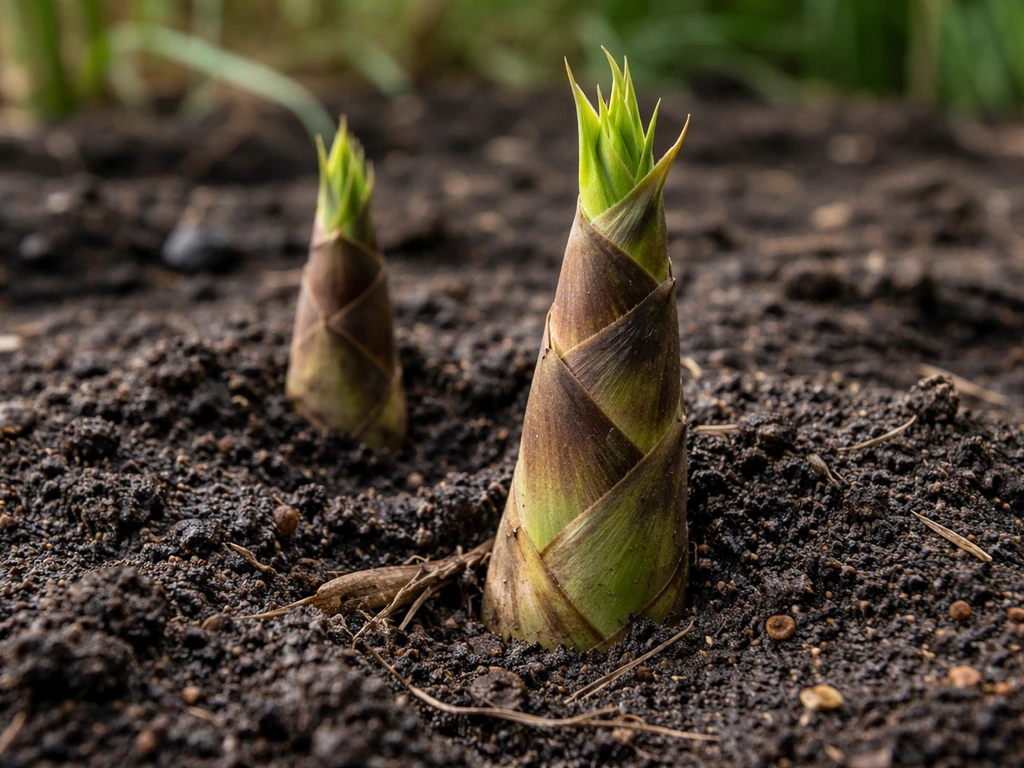
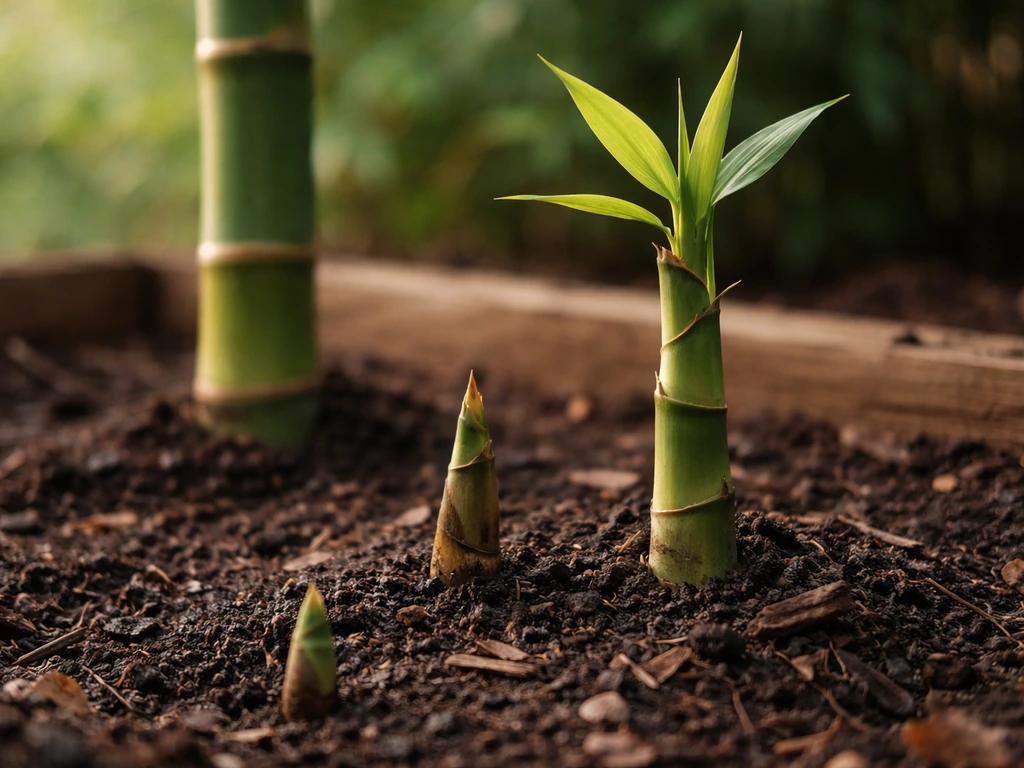
If you want to know what bamboo looks like when it starts to grow, new shoots emerge as tight, pointed spears pushing up through the soil, often with a papery sheath around them. They can look surprisingly delicate before they harden off into proper culms.
Why your bamboo isn't growing and how to fix it
| Problem | Likely Cause | Fix |
|---|---|---|
| No new shoots after the first year | Still establishing underground rhizomes | Keep watering consistently and wait; this is normal for freshly transplanted bamboo |
| Short, bushy, weak culms | Freshly dug division or stressed root system | Ensure consistent moisture, add fertilizer in spring, and give it another full season |
| Yellowing leaves | Overwatering or waterlogged soil | Check drainage; reduce watering frequency; amend soil if compacted |
| No growth in spring after a cold winter | Cold damage to culms or rhizomes | Cut damaged culms to the ground; rhizomes may still be alive and will push new growth if temperatures have warmed |
| Stunted, thin culms | Poor soil drainage or low fertility | Improve drainage, adjust pH to 5.5–6.5, and feed with nitrogen-rich fertilizer in spring |
| Roots circling or plant not spreading | Container-bound or compacted soil around roots | Loosen the root ball at planting; break up compacted soil in a wider area around the planting hole |
One thing that catches people off guard: if you dug your bamboo from an established grove and replanted it, the first year's above-ground growth will likely be short and bushy. That is normal. The plant is re-establishing its root system in the new location before it can push full-sized culms. Give it time rather than reaching for more fertilizer.
Controlling spread and keeping bamboo manageable long-term
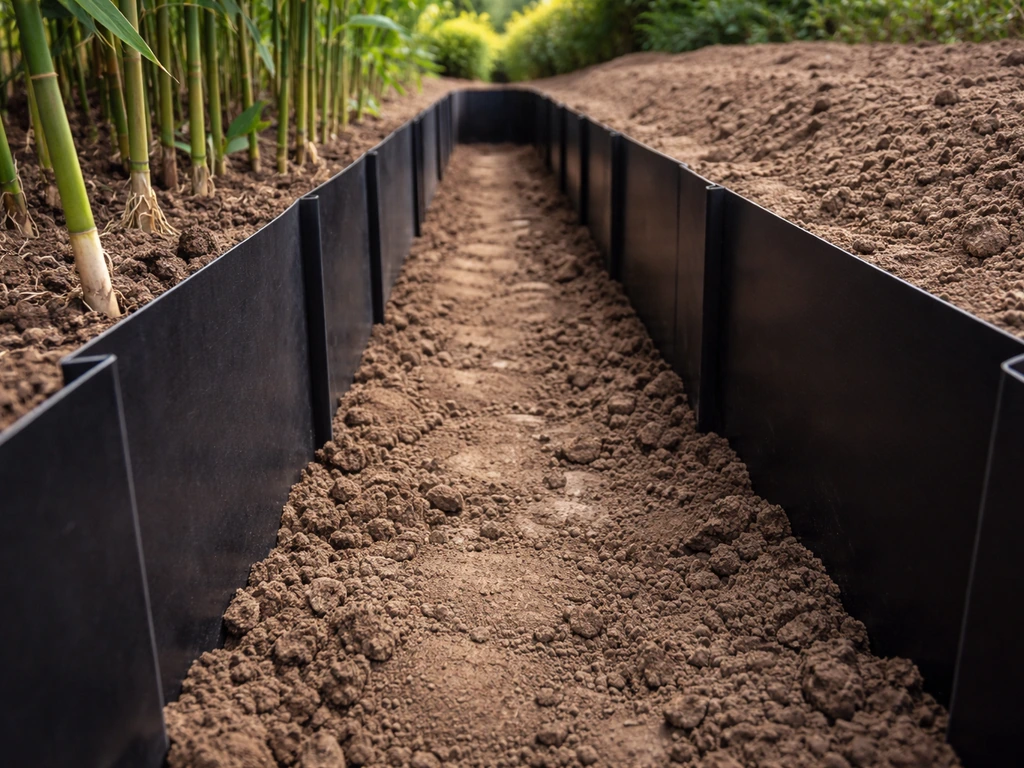
For running bamboos, containment is not optional if you care about your yard or your relationship with your neighbors. The standard approach is a physical HDPE rhizome barrier installed vertically around the planting area before you put the bamboo in the ground. A 30 mil HDPE barrier creates a permanent boundary that contains aggressive rhizomes and prevents spread beyond the designated area. The barrier needs to protrude at least 7.5 cm (3 inches) above the soil surface to stop rhizomes from arching over the top. For large species like Phyllostachys, the barrier should enclose at least a 2.5 meter (about 8.25 feet) diameter area to give the plant enough room to develop without being immediately root-bound.
Barrier depth matters too. With a 30-inch barrier, for example, you need a trench about 28 inches deep so that 2 inches remains above grade. Bamboo roots typically run 8 to 12 inches deep, with some timber bamboo roots reaching around 18 inches, so a properly deep barrier will intercept almost all lateral rhizome growth. HDPE invasive species barriers, installed vertically to form a permanent boundary, are the most reliable long-term solution for running types.
Beyond the barrier, annual rhizome pruning around the perimeter in late summer (after shooting season) is good practice. Use a sharp spade to cut any rhizomes that have reached the barrier, which relieves pressure on the containment and keeps the grove tidier. Clumping bamboos are far more forgiving on this front since they spread only a few inches per season, though even they benefit from occasional division every few years to prevent overcrowding at the center of the clump.
Long-term, healthy bamboo management comes down to three things: choosing the right species for your climate and space, containing runners properly from day one, and maintaining soil fertility and moisture during the establishment years. Get those right and bamboo is genuinely rewarding to grow. The combination of fast seasonal growth, evergreen foliage, and structural presence in a garden is hard to beat once you have a well-established grove working for you.
FAQ
How can I tell if the plant I bought will actually grow from rhizomes like true bamboo?
It helps to ask “is it bamboo or a fast grass?” True bamboo must have a rhizome-based structure, where new shoots emerge from underground buds or segments. If your plant is a gift-shop “bamboo” with twisted stems (Dracaena), it does not grow shoots from rhizomes and will not behave like the bamboo described in the article.
My bamboo looks small after I transplanted it. Is that normal, and what should I do differently?
After transplanting a division, it is common to see short, bushy growth above ground for the first year because the rhizome network is rebuilding. Instead of pushing growth with more fertilizer, focus on consistent moisture and avoid letting the soil stay waterlogged, since recovering roots need oxygen as much as they need nutrients.
Why isn’t my bamboo growing taller right now, even though it looks healthy?
Yes. Bamboo can look like it “stopped,” but for many species the above-ground flush is seasonal, while roots and rhizomes keep expanding outside that window. In practice, check whether it is near shooting season for your climate and whether new shoot spears are present at the right time of year.
My bamboo shoots fast, but the culms are weak and thin. What’s the most likely cause?
If you get lots of fast leafy growth but thin culms, it usually points to insufficient light or overly rich feeding late in the season. Correct by giving more sun or bright light, using balanced feeding focused on spring, and stopping nitrogen-heavy feeding in late summer to avoid tender growth that does poorly with cold or dry conditions.
I’m watering regularly, but the soil stays wet. Should I water more or less?
The biggest mistake is misunderstanding “dry” versus “waterlogged.” Bamboo often fails from poor drainage, not from lack of water. Aim for generous watering followed by drainage, and if the ground stays soggy or puddles, adjust the soil or planting location rather than watering more.
How do I know when my bamboo has moved past the establishment phase and I can water less?
Most bamboo needs consistent moisture during the first few years to establish, then becomes more drought-tolerant. A practical approach is to water enough to keep soil evenly moist but not saturated, then reduce frequency once you see stable shoot production and a well-rooted stand.
Can I keep true bamboo indoors year-round, and what conditions matter most?
Indoor bamboo should not be treated like a typical low-humidity houseplant. It needs bright light, steady humidity, and airflow, temperatures above about 50°F (10°C), and careful watering to avoid root rot. If you cannot provide humidity and airflow, growth will stall or decline quickly.
What are the most common reasons containment fails with running bamboo?
For runners, containment failures usually come from barriers that are too shallow, too small, or not extended above grade. Make sure the barrier is installed vertically, deep enough to intercept lateral rhizomes, and that it protrudes at least several inches above the soil so rhizomes do not arch over.
How big should my containment area be before I notice problems?
Barrier size and space are not optional, especially for larger runner species. If the barrier encloses too small an area, the stand can become root-bound quickly and produce fewer, smaller shoots. Enlarge the containment footprint when you see crowding rather than repeatedly dividing into more stress.
Why does bamboo often take years to look like the “mature grove” photos?
A realistic expectation is that bamboo becomes more impressive gradually, year by year, because the rhizome system expands underground first. If you see limited culm height at year one or two, that is often normal, and the grove can look dramatically better by year five if fertility, drainage, and moisture are correct.
If a bamboo survives my winter, should I still expect slower growth in my zone?
“Cold hardy” can mean it survives but does not grow well. If your species is only borderline for your USDA zone, it may live through winter yet shoot later, produce fewer culms, or stay smaller. Match the species hardiness rating to your location, then consider microclimates like wind shelter.
What’s the best practical way to encourage a stronger shooting season?
If you want faster, denser shoot development, focus on strong light (sun or bright exposure), spring nitrogen support, and well-drained rich soil. Do not chase growth by fertilizing heavily in fall, since that can create tender shoots that struggle with frost.
Next Article
Can Bamboo Grow in Las Vegas? Guide to Success in Desert
Yes, bamboo can grow in Las Vegas with the right species, irrigation, shade, and containment; step-by-step planting and保护