The short answer to whether bamboo is easy: yes, for most outdoor gardeners in temperate and subtropical climates who choose the right type and set it up properly. It gets complicated fast when people skip the homework on species selection or ignore rhizome control. So let's go through exactly what bamboo needs, what to expect, and how to avoid the traps.
What bamboo actually needs to thrive
Light
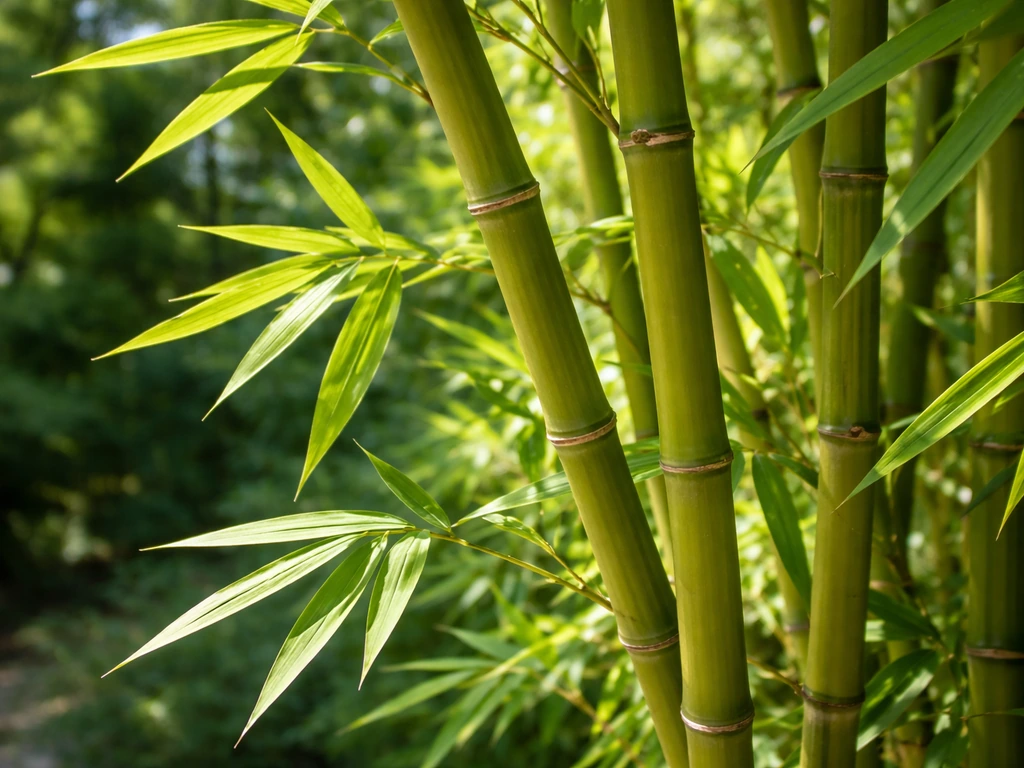
Most bamboos want full sun to partial shade. Running types like Phyllostachys (the big timber bamboos) do best with at least 6 hours of direct sun and will produce taller, denser canes with more light. Clumping Fargesia types are the exception: they're native to mountain forest understories and actually prefer partial shade, especially in hot climates where afternoon sun can scorch the leaves. If you're in a region with intense summer heat, Fargesia planted in a spot that gets morning sun and afternoon shade will look noticeably better than one baking in full western exposure all day.
Water
Bamboo needs consistent moisture but absolutely cannot sit in standing water. Root rot is one of the most common ways bamboo dies, and it almost always traces back to saturated soil. Think of the watering requirement as steady, not soaking. For newly planted bamboo, water 1 to 3 times per week during the summer for the first three years, adjusting based on rainfall and how quickly your soil drains. Once bamboo is fully established, it becomes much more drought-tolerant, but during that first establishment window, inconsistent watering is a fast path to slow or failed growth. If you're in a hot, dry summer climate, err toward the 3-times-per-week end of that range.
Temperature and humidity
Temperature tolerance varies dramatically by species, which is why matching bamboo to your climate zone matters so much (more on that in the species selection section below). What most bamboos share is a dislike for temperature extremes: hard freezes kill tropical types outright, and prolonged, intense summer heat and high humidity stress out cold-hardy mountain bamboos like Fargesia robusta, which is rated for USDA zones 7 to 9 but is explicitly not recommended for hot, humid summers.
Wikipedia notes Fargesia murielae is suited to USDA hardiness zones 5 through 9 and is “not desirable” in hot and humid climates like southeastern-state conditions Fargesia robusta, which is rated for USDA zones 7 to 9 but is explicitly not recommended for hot, humid summers. .
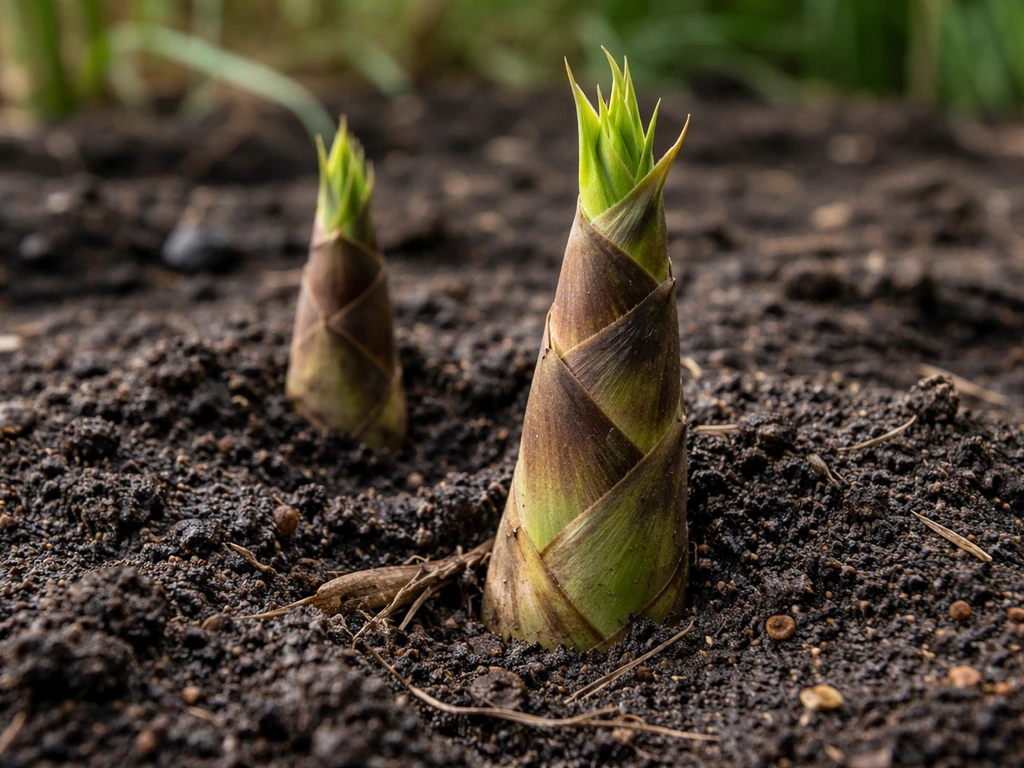
New shoot growth in Phyllostachys types in the Northern Hemisphere typically initiates around March and runs through May, which is directly temperature-driven. When spring soil temperatures rise, bamboo wakes up and shoots fast. When temperatures are cold or erratic, shoots emerge slowly or not at all.
Soil setup, drainage, and rhizome control
Soil pH and drainage
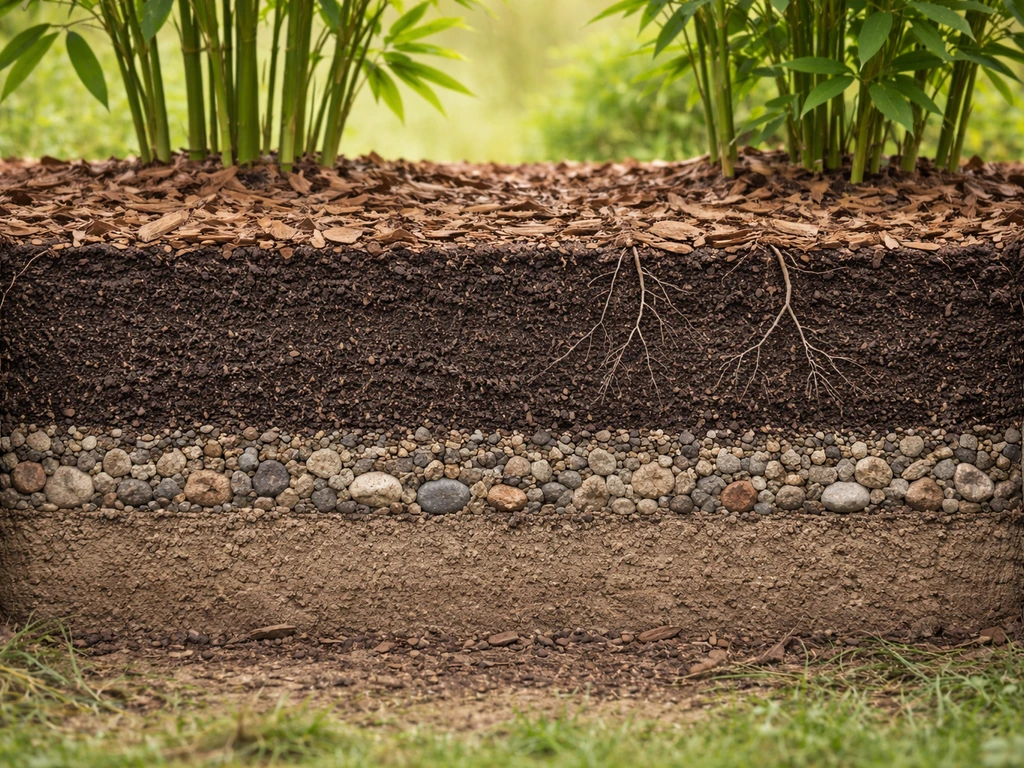
Bamboo grows best in well-draining, slightly acidic soil with a pH somewhere between 5.5 and 6.5. Some species tolerate a wider range, with certain bamboos handling pH as low as 5.0 without much complaint. A pH near 6.0 is a solid target that works across most common species. Poor drainage is a bigger practical problem than pH for most home gardeners: if water pools in your planting area for more than an hour after heavy rain, that site is not suitable for bamboo without amendment or raised planting. Amend heavy clay soils with compost and coarse sand, or plant on a slight raised mound to keep roots from saturating.
Ground planting vs containers
Ground planting gives bamboo room to establish a full root and rhizome system, which is ultimately what powers rapid above-ground growth. Containers limit that expansion, so container bamboo tends to grow more slowly and needs repotting every few years before it becomes root-bound and declines. Containers work well for patios and small spaces, and clumping types are much better candidates for pots than running types. If you're using a container, drainage holes are non-negotiable. No drainage, no bamboo.
Rhizome containment for running bamboo
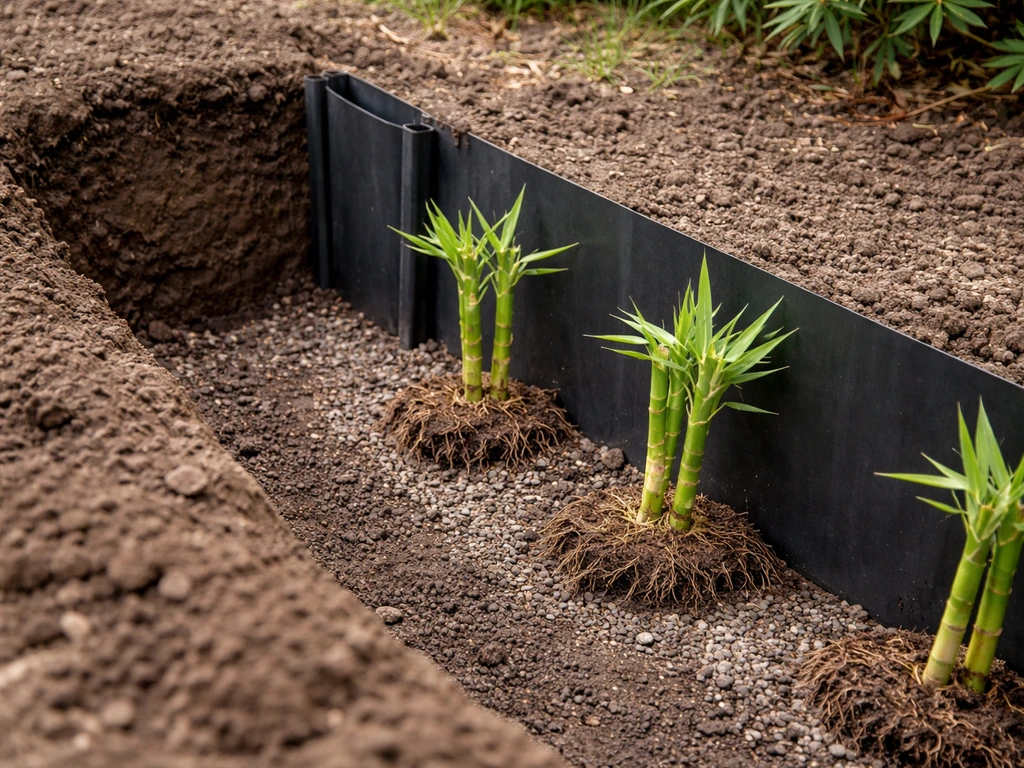
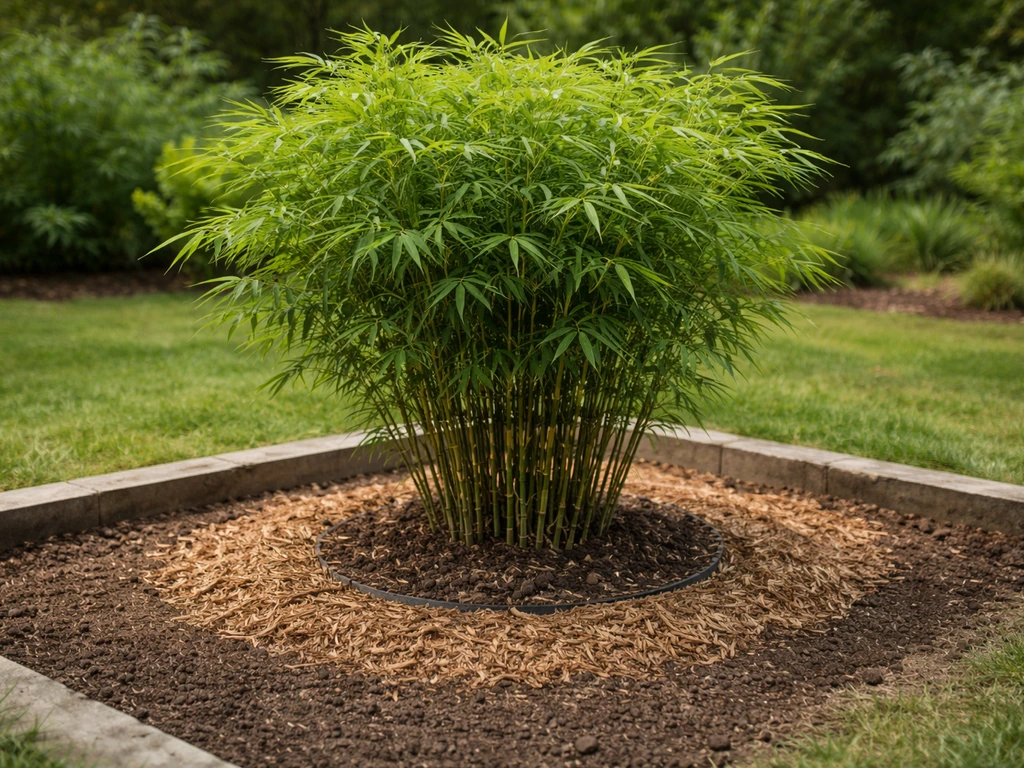
This is the single most important setup step if you're planting any running bamboo like Phyllostachys in the ground. Running bamboo sends out underground rhizomes that can push into neighboring yards, under fences, and through garden beds at surprising speed. The fix is a continuous HDPE or polypropylene rhizome barrier installed before planting. Standard recommendations for most Phyllostachys types call for a 30-inch deep, 60 mil thick (0.
Commercial bamboo rhizome barriers are commonly marketed in specific HDPE thickness options such as 30 mil for containing moderately aggressive running bamboo, with some sellers offering deeper systems 30-inch deep, 60 mil thick (0. 060 inch) barrier.
060 inch) barrier. For larger, more vigorous species, stepping up to 36-inch depth and 80 mil thickness adds a meaningful margin of safety. The barrier has to form a complete, unbroken ring, sealed with closure strips at the joint. Leave about 2 inches of the barrier protruding above the soil surface so rhizomes that try to escape go up and over, where you can see and cut them.
The trench you dig should be 2 inches shallower than the barrier depth so the barrier sits at the right height.
Skipping or skimping on the barrier is the reason bamboo develops a reputation for being invasive and uncontrollable. Clumping bamboos (Fargesia, Bambusa) spread much more slowly and don't typically require barriers for general gardening, though very strict containment situations may warrant a barrier even for clumpers.
What to expect in the first year (and why it's slower than you think)
Bamboo follows a well-known pattern that frustrates a lot of first-time growers: it spends its first one to three years building root mass underground rather than putting energy into tall above-ground canes. In year one, new shoots from a freshly planted division are often only slightly taller than the canes that came with the plant, and they may look short and bushy rather than the impressive upright culms you were hoping for.
If you’re curious what bamboo looks like in its first growth stage, expect short, bushy new shoots at first while it builds roots underground what does bamboo look like when it starts to grow. This is completely normal. Clumping bamboos like Fargesia tend to be shorter and more compact even in established plantings, so their first-year growth looks especially modest compared to what you'd see from Phyllostachys.
Once bamboo is established (typically after year two or three), growth shifts dramatically. Phyllostachys shoots in spring can grow over a foot per day during peak shooting season, and some sources document growth of up to 4 feet per day for the most vigorous species under ideal conditions. That's not an exaggeration for marketing purposes. Bamboo has a unique biological structure where the shoot emerges from the ground at its full final diameter and telescopes upward rapidly, fueled entirely by stored root energy. This means the root system you built during years one and two is what determines how tall year three's canes will be. Patience during establishment is not optional, it's the investment.
You may also notice leaf drop or yellowing during the establishment period and during seasonal transitions. Older canes shed leaves and produce a fresh crop annually, and early leaf turnover is a normal part of bamboo's growth cycle, not a sign of failure. Understanding when bamboo grows and what normal early growth looks like saves a lot of unnecessary alarm.
Picking the right bamboo for where you live
Species selection is where most beginner mistakes happen, and it's the one factor that determines whether bamboo is easy or nearly impossible in your specific location. If you’re wondering how do bamboo grow, the key is matching the species to your climate and giving it the right setup for light, water, and drainage.
If you’re wondering how do bamboo grow, the key is matching the species to your climate and giving it the right setup for light, water, and drainage. If you want to know whether bamboo can grow in your yard, start by checking your climate and matching the species to it how do bamboo grow. The two broad groups to understand are running bamboos (mainly Phyllostachys) and clumping bamboos (mainly Fargesia and Bambusa). Their climate tolerances are very different.
| Bamboo Type | Example Species | USDA Hardiness Zones | Best Climate | Spreading Behavior |
|---|
| Running (cold-hardy) | Phyllostachys aureosulcata | 5a–10b | Temperate, 4-season climates | Aggressive spreading, barrier required |
| Clumping (cold-hardy) | Fargesia robusta | 7–9 | Cool to mild, low humidity summers | Slow, clumping, no barrier needed |
| Clumping (tropical) | Bambusa oldhamii | 9–12 | Warm subtropical/tropical, frost-free | Moderate clumping, no barrier needed |
If you're in USDA zones 5 or 6 with cold winters, Phyllostachys is your main option for a large bamboo. It handles cold well but needs containment. If you're in zones 7 to 9 and want something that won't spread, Fargesia is excellent, but avoid it in hot, humid climates like the Gulf Coast or Deep South: Fargesia robusta 'Wenchuan' is specifically flagged as not recommended for intense heat and high summer humidity. In zones 9 to 12, tropical clumping bamboos like Bambusa oldhamii are right at home and grow vigorously without the invasive spread concerns of running types. Matching your species to your zone is the single biggest predictor of whether your bamboo grows easily or struggles constantly.
What goes wrong and how to fix it
Slow or no growth
If bamboo is barely growing after planting, the most likely causes are insufficient establishment watering, poor drainage slowing root development, or simply a normal first-year pattern where the plant is building roots rather than shoots. Check that you're watering 1 to 3 times per week in summer, that the soil drains freely, and that the planting site gets adequate light for the species you chose. If you're in year one and shoots are short but the plant looks otherwise healthy, wait. Year two and three growth is almost always significantly better.
Yellowing leaves
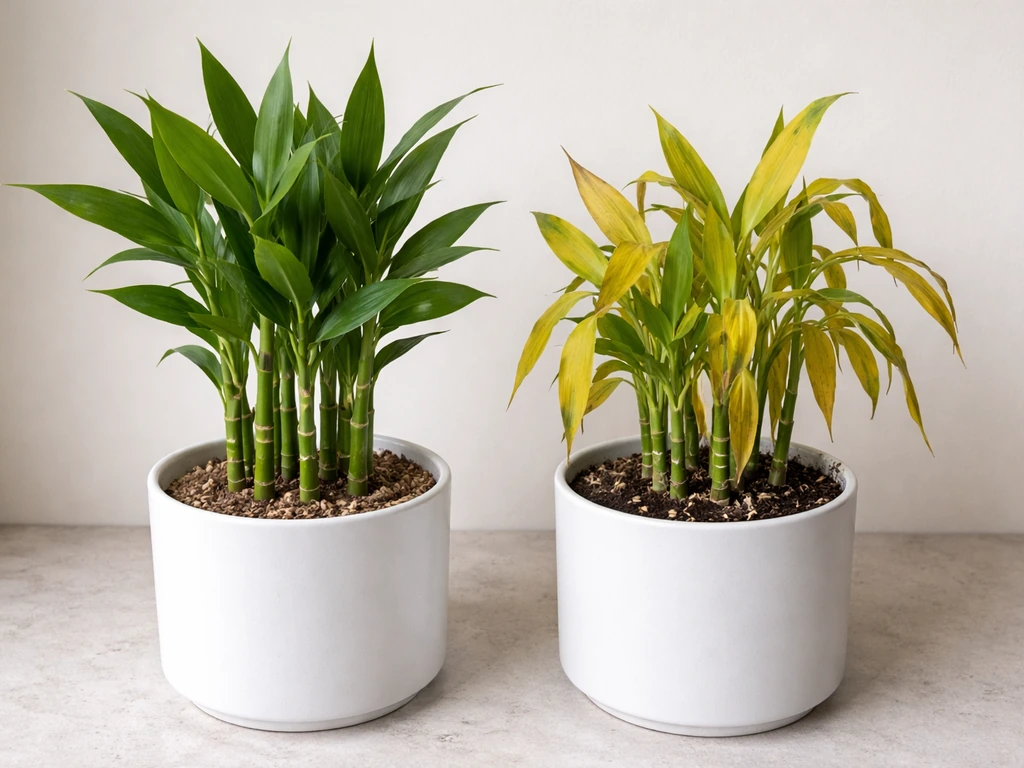
Yellow leaves have several possible causes. Seasonal leaf turnover is normal and not a problem. Root damage (from planting stress, digging too close, or physical damage) impairs nutrient movement and causes yellowing. Over-fertilizing is another culprit: excess fertilizer salts build up in the soil, cause root burn, and produce the same nutrient-deficiency symptoms you'd expect from under-feeding. If you suspect over-fertilization, flush the soil with deep, slow watering to leach excess salts. If root damage is the cause, reduce stress on the plant and make sure drainage is good while it recovers.
Root rot and dieback
Root rot almost always comes from consistently saturated soil or poor drainage. Symptoms include yellowing and browning leaves, wilting despite wet soil, and eventual cane dieback. If a cane shows dieback from the tip downward, cut into the affected section: discolored vascular tissue inside the cane confirms a disease or rot problem rather than physical damage. The fix is to improve drainage immediately, reduce watering frequency, and remove any dead or dying canes at the base. For container plants, make sure drainage holes haven't become blocked and repot into fresh, well-draining mix if the roots are waterlogged.
Rhizome escape
If running bamboo is spreading where you don't want it, you have two options: install a proper barrier system now (better late than never, though it requires digging a full trench around the existing grove), or cut and dig escaping rhizomes at least twice per year in spring and late summer before they establish. The rhizome barrier approach is the only long-term solution. Cutting rhizomes without a barrier is an ongoing management task, not a one-time fix. If you're currently dealing with Phyllostachys that's already spread, dig out the rhizomes in the areas you want clear, sever them from the main plant, and install barrier to prevent future spread.
Wrong species for the climate
This one doesn't have a quick fix. If you planted a tropical Bambusa in USDA zone 7 and it dies back hard every winter, or you planted Fargesia in Houston and it looks miserable every August, the honest answer is to replace it with a species suited to your actual climate. Trying to coddle a fundamentally mismatched bamboo rarely ends well long-term. Check your USDA hardiness zone, factor in your summer heat and humidity, and select accordingly.
Your practical next steps
Here's what to actually do if you're starting today or troubleshooting a struggling plant:
- Look up your USDA hardiness zone and average summer conditions before buying any bamboo. Choose a species rated for your zone and suited to your summer climate.
- If you're planting a running bamboo (any Phyllostachys) in the ground, buy and install a 30-inch deep, 60 mil HDPE rhizome barrier in a continuous, sealed ring before planting. Do not skip this.
- Test or amend your soil to target a pH of 5.5 to 6.5 and confirm drainage is adequate. If water pools after rain, fix drainage before planting.
- Water new plantings 1 to 3 times per week during summer for the first three years. Do not rely on rainfall alone during establishment.
- Expect modest above-ground growth in year one. Look for improved cane height in year two, and strong shooting growth in year three and beyond.
- If leaves yellow, check for overwatering, root damage, or excess fertilizer before assuming the worst. Some leaf turnover is normal and seasonal.
- If rhizomes are escaping, act immediately: dig them out and install a barrier to prevent ongoing spread.
Bamboo is genuinely one of the more rewarding plants you can grow once you get the setup right. The growth speed once it's established is spectacular, and a well-chosen, well-contained bamboo planting is low-maintenance for years. The work is in the beginning: picking the right species, preparing the site, and watering through that establishment window. Get those three things right and bamboo is about as easy as gardening gets.