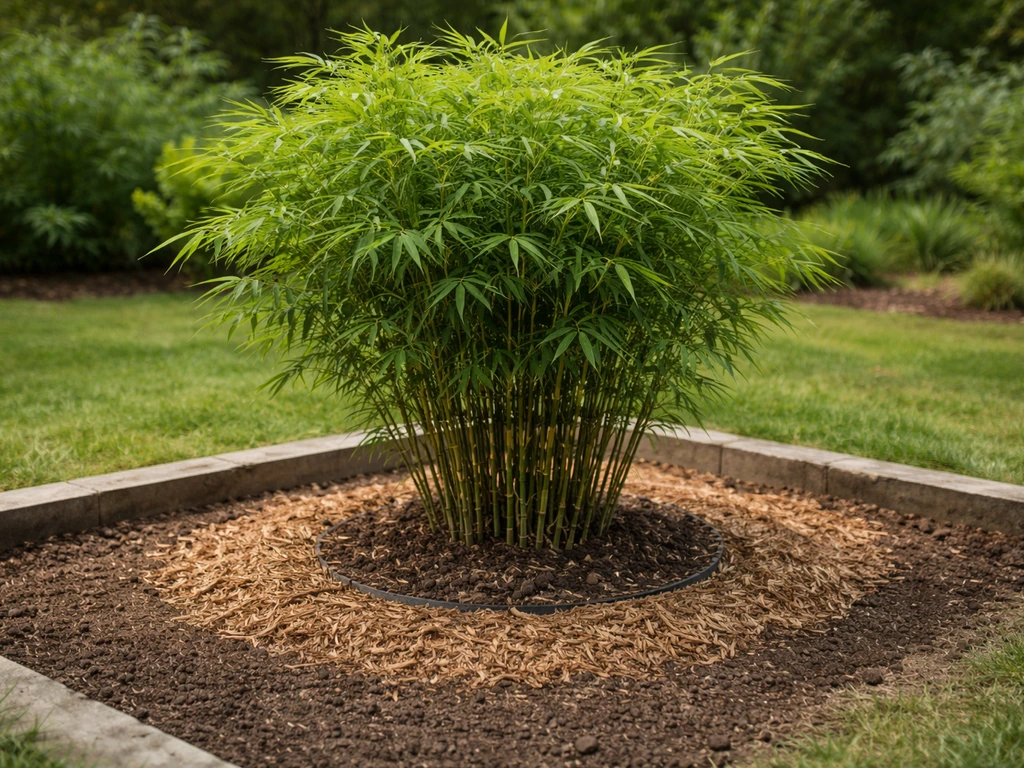
Bamboo's main growth window is spring, roughly February through May in temperate climates, when soil temperatures climb above 50°F (10°C) and new shoots push out of the ground. Once a shoot emerges, a fast-growing species like moso can reach its full height in as little as 35 to 40 days. That said, the exact timing shifts depending on your climate, your species, and whether your plant is newly installed or a well-established grove. If your bamboo isn't moving yet in mid-May, you're not necessarily in trouble, but there are specific things worth checking. If you have the right species for your hardiness zone and you mimic the soil-warming conditions bamboo needs, it can be surprisingly easy to grow is bamboo easy to grow.
When Does Bamboo Grow? Timing, Cycles, and How to Boost It
Marcus Hartwell
14 May 2026
What "bamboo growth" actually means (it's not one thing)
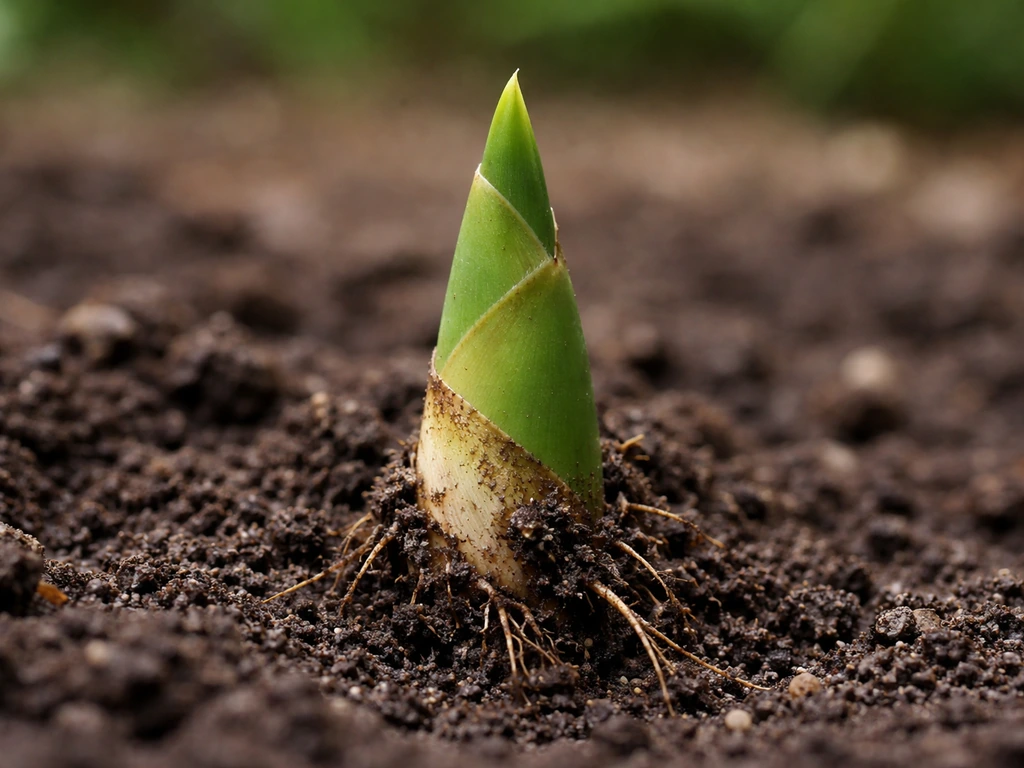
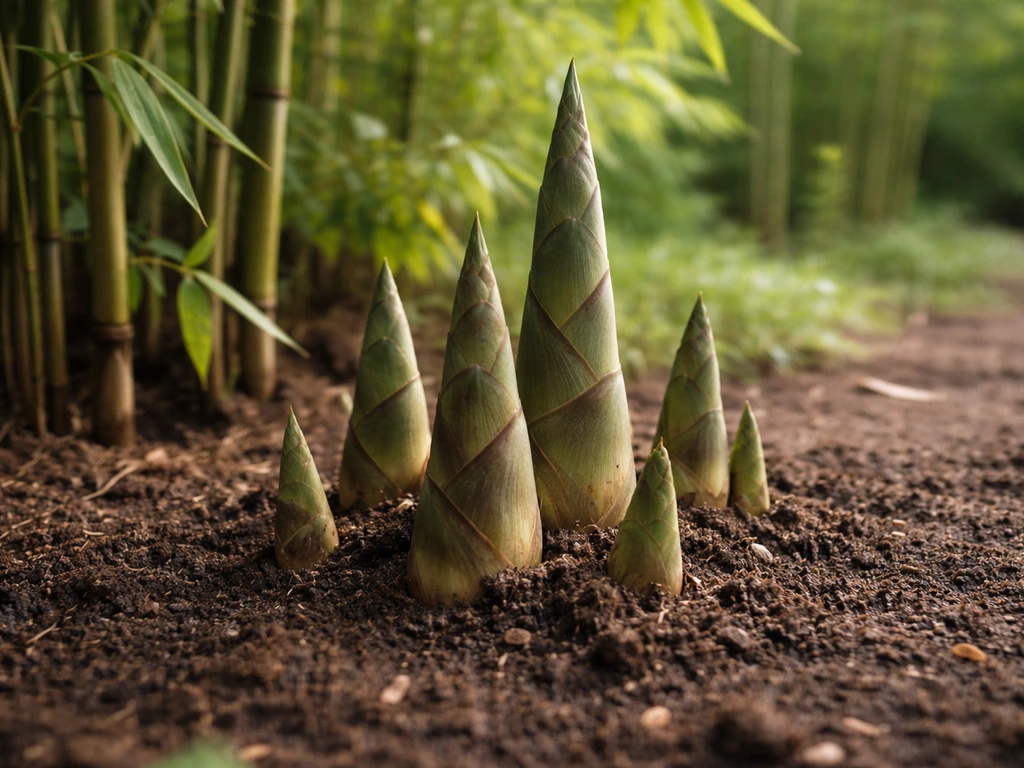
People use the word "growth" to mean three different things with bamboo, and mixing them up leads to a lot of confusion. The first is shoot emergence: when a new culm pushes up from the rhizome underground and breaks the soil surface. This is the most dramatic event and the one people watch for. The second is height gain: once a shoot appears, it races upward, and in fast species this can mean several feet per day at peak. The third is culm maturation: after a culm reaches its maximum height (usually within 35 to 60 days), it spends the next one to five years hardening, thickening its walls, and developing the strength and color it'll have for the rest of its life.
Research on moso bamboo breaks this into two formal stages. Stage one covers the period from shoot emergence until the culm hits maximum height. In moso bamboo research, the “first stage” runs from shoot emergence until culms reach maximum height, and it occupies a much shorter time than the latter stage after maximum height until harvestable maturity. Stage two is everything after that until the culm is fully mature and harvestable. Stage one is surprisingly short. Stage two takes years. If you're standing in your yard wondering why your new shoot stopped getting taller after six weeks, that's perfectly normal. It's done growing up. Now it's just getting stronger.
The seasonal timeline: when bamboo wakes up and when it rests
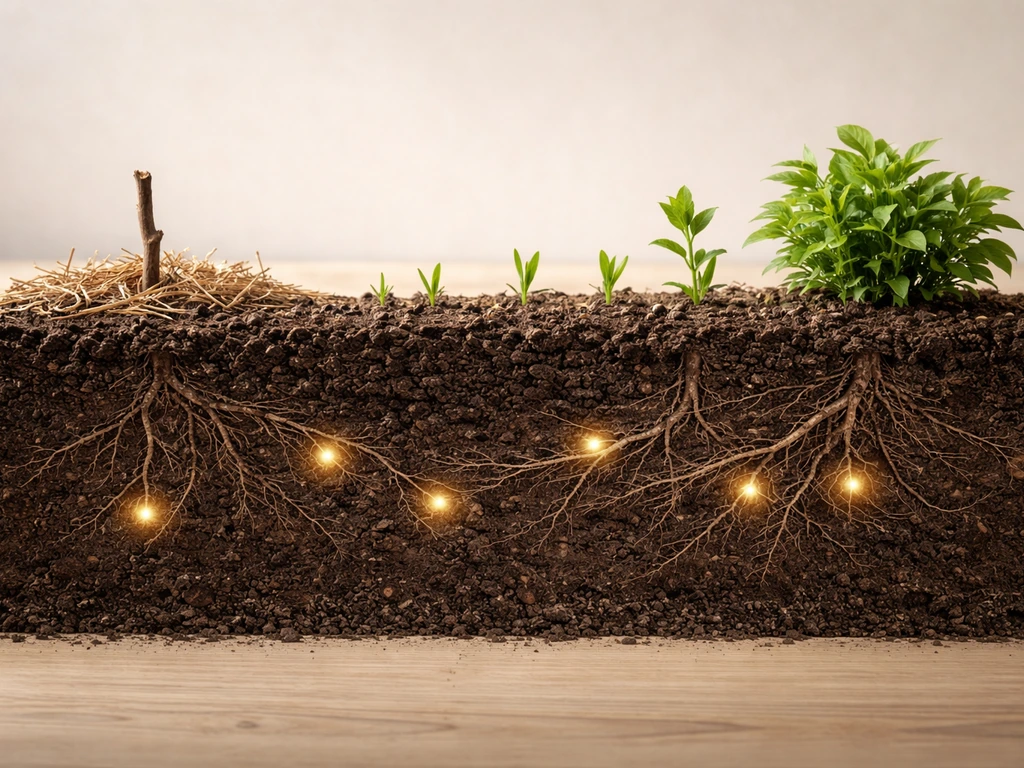
In a typical temperate year, bamboo follows a clear seasonal rhythm. Underground rhizomes spend late fall and winter in dormancy. As soil temperatures creep above 50°F in late winter or early spring, the plant starts allocating energy toward the buds forming on those rhizomes. Shoots begin to emerge anywhere from February in mild climates to April or even May in colder zones. The main shooting season runs roughly February through April in most of the U.S., U.K., and similar climates. A second, smaller flush of growth often happens in late summer, which is why fertilizer guidance recommends a second feeding in summer to take advantage of it.
By midsummer, most new culm height gain is finished. The plant shifts energy toward root expansion, rhizome development, and hardening new culms. Come fall, growth slows dramatically. By the first hard frost, the above-ground plant essentially stops, and the rhizome settles back into dormancy. This annual cycle is predictable enough that once you've watched your plant for a full year, you'll know almost to the week when to expect new shoots.
Month-by-month summary for temperate regions
| Month | What's Happening Underground/Above |
|---|---|
| December – January | Dormancy; rhizomes storing energy |
| February – March | Buds swelling; early shoots in warm climates (USDA zones 8–10) |
| March – April | Main shooting season in zones 6–8; shoots emerging rapidly |
| April – May | Peak height gain; shoots expanding fast in cooler zones (5–6) |
| June – July | New culms hardening; secondary growth flush possible |
| August – September | Rhizome expansion; energy storage building for next year |
| October – November | Growth slowing; plant preparing for dormancy |
How climate and location shift your timing
The calendar dates above are averages. Where you live moves them around significantly. In coastal Southern California or coastal Portugal (both roughly USDA zone 10), bamboo may push new shoots as early as January or even year-round in mild wet winters. In interior Texas or Spain (zones 8–9 but with hot, dry summers), the spring flush comes fast and hard in March, but the heat of July and August can suppress a second flush unless you're irrigating consistently. In the Pacific Northwest, cool temperatures delay shooting until April or May, but the wet springs and mild summers mean long, productive growing seasons once they start.
Cold winters matter in a specific way. It's not just that frost stops growth. A hard freeze that penetrates the soil can damage or kill rhizomes in less cold-hardy species. Most Phyllostachys species (the classic running bamboos) handle temperatures down to 0°F to -5°F (-18°C to -21°C) once established, which covers zones 6 and above. Fargesia species (clumping bamboos from high-altitude Chinese forests) tolerate down to -20°F (-29°C), making them the go-to for zones 4 and 5. Guadua and tropical bamboos are a different story and really want to stay above 25°F (-4°C). Knowing your species and your hardiness zone together is how you figure out whether a late spring is just a late spring or an actual cold damage situation.
Heat is underappreciated as a growth driver. Bamboo doesn't just need warm air. It needs warm soil. A stretch of 70°F days after a cold April can trigger a shooting flush within a week. That's why experienced growers watch soil temperature, not just air temperature, as the real trigger.
Running vs. clumping, new plants vs. established ones
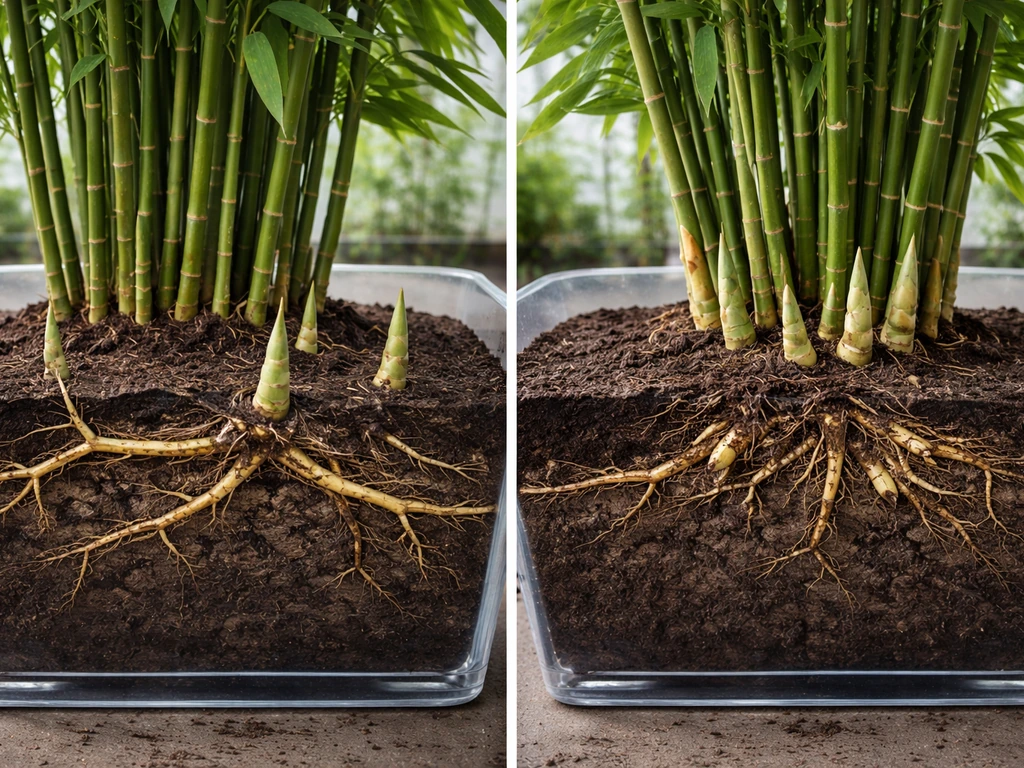
Species and growth habit change both when and how dramatically you see growth. Running bamboos (Phyllostachys, Pseudosasa, and most of the spreading types) have aggressive rhizomes that spread outward from the original planting. They tend to shoot prolifically once established and respond fast to spring warming. Clumping bamboos (Fargesia, Bambusa, Dendrocalamus) have a tighter, more predictable spread pattern. They often take longer to show explosive growth because energy goes into widening the clump rather than shooting out across the yard. Neither is better, but the experience of watching them is different.
Age and establishment matter enormously. There's a saying in bamboo circles: "First year sleeps, second year creeps, third year leaps." It's accurate. A newly planted bamboo in year one is doing almost all of its work underground, building out the rhizome system that will power everything later. You might see one or two small shoots and think nothing is happening. In year two, rhizomes have spread and a few more, slightly taller culms emerge. By year three or four, if conditions are right, the plant often surprises people with a sudden explosion of thick, tall new shoots. If you planted bamboo last spring and it barely moved this spring, that's not failure. That's the pattern.
Indoor bamboo and container growing: a different clock
Bamboo in pots indoors doesn't follow the same seasonal triggers as bamboo in the ground. Without the natural light-length and temperature cues of outdoor seasons, potted indoor bamboo tends to grow more slowly and less dramatically year-round rather than in a concentrated spring flush. The upside is that you can manipulate conditions. Move a container bamboo to a sunny window or under grow lights in late winter, start watering more generously, and feed it as temperatures in the room rise. Many people see their indoor bamboo put out modest new shoots from February through October with no true dormancy if the space stays warm enough (above 60°F consistently).
The downside of containers is that root-bound plants stop growing, period. If your potted bamboo hasn't been repotted in three or more years and the roots are circling or escaping drainage holes, it's essentially stuck. Root trimming and a fresh, larger pot can restart growth surprisingly quickly. Also, lucky bamboo sold in water and stones is not actually bamboo at all. It's Dracaena sanderiana. If you're growing that in water on your windowsill, the timing and care guidance in this article doesn't apply to it.
What to do right now to trigger and support growth
Since we're in mid-May, you're in or just past the main shooting window for most temperate climates. Here's what matters most at this point in the season.
- Water deeply and consistently. Bamboo needs steady moisture during active growth, especially while new shoots are expanding. An inch or more per week, either from rain or irrigation, keeps the process moving. Don't let the soil dry out completely between waterings during shooting season.
- Fertilize now if you haven't. A high-nitrogen fertilizer, the same type used for lawns, is the right choice for bamboo during shooting season. Apply it around the drip line (not against the culms) and water it in well. A second feeding in late summer supports root and rhizome development going into fall.
- Check your soil pH. Bamboo prefers slightly acidic to neutral soil, roughly 5.5 to 7.0 pH. If your soil is too alkaline (above 7.5), nutrients are less available even if you fertilize correctly. A simple soil test tells you quickly, and sulfur amendments can bring pH down over a few months.
- Don't disturb the rhizomes. If you've been digging around the base of the plant, moving rocks, or doing any grading nearby, you may have damaged the rhizomes just as they were gearing up. Give the plant a few undisturbed weeks and keep conditions consistent.
- Remove old dead culms. Cutting away woody, dead, or damaged old culms redirects energy toward new growth and improves air circulation through the grove.
- For containers: repot if overdue, use a well-draining potting mix (bamboo hates waterlogged roots), and make sure the pot gets at least four to six hours of direct sun per day.
Why your bamboo isn't growing: a troubleshooting checklist
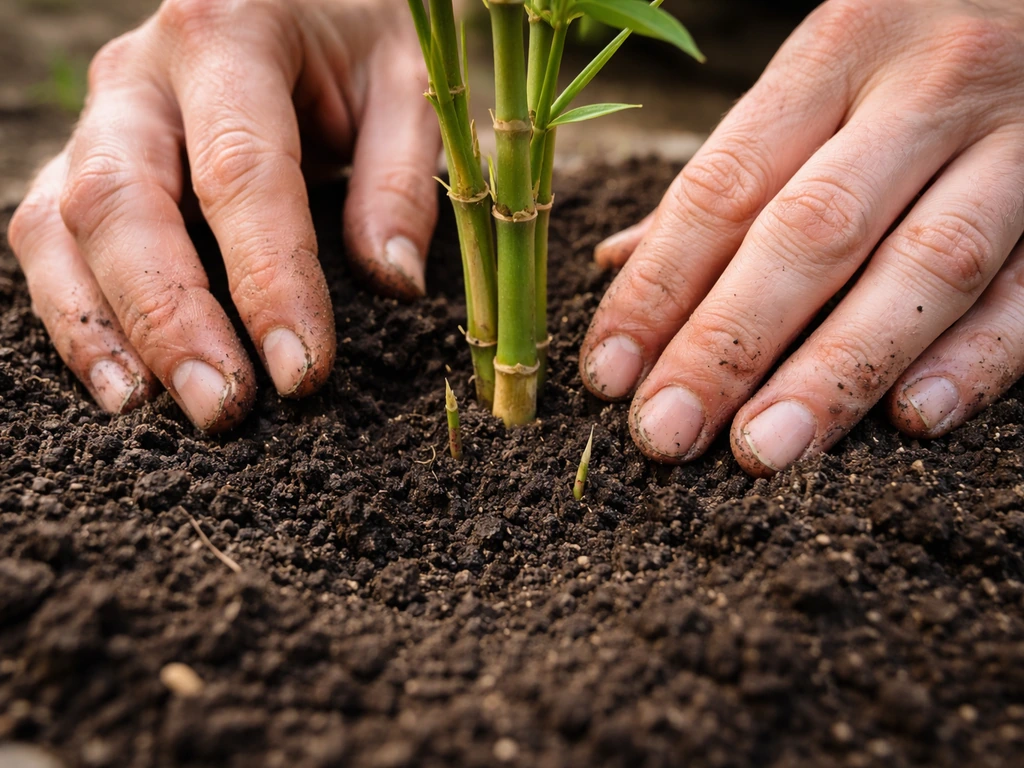
If it's mid-May and you're seeing nothing, here are the most common causes and how to check for each one.
- It's a new plant (under two years old): Totally normal. The energy is underground. Look for any tiny shoot tips at soil level before concluding nothing is happening.
- Cold soil: Even if air temps are warm, soil can lag behind, especially in shaded spots or heavy clay. Soil thermometer check: you want above 50°F at root depth (4 to 6 inches). A 2-inch layer of dark mulch speeds soil warming.
- Drought stress: If the plant went into spring already water-stressed from a dry winter or fall, it will be slow to respond. Deep watering now, not just surface watering, helps.
- Root-bound container: Inspect drainage holes and the soil surface. Visible roots escaping or a pot that dries out within a day of watering are signs you need to repot.
- Cold damage to rhizomes: If you had an unusually cold winter for your species, scratch the rhizome surface lightly with a fingernail. Green or white underneath means it's alive. Brown and dry means that section is dead. Live sections will still produce shoots.
- Too much shade: Bamboo needs at least four hours of direct sun for decent growth. Heavy canopy overhead or a northern exposure with no direct light will suppress shooting significantly.
- Wrong species for your climate: A tropical bamboo planted in a zone 6 garden will struggle every spring, not because of care mistakes, but because it was the wrong choice for the location.
- Fertilizer issues: Either no feeding at all, or a fertilizer high in phosphorus or potassium and low in nitrogen during shooting season. Nitrogen drives green, vertical growth. Make sure you're using a balanced or high-N formula.
- Recently transplanted: Any bamboo moved in the past six to twelve months will prioritize root re-establishment over shooting. Give it another full season before drawing conclusions.
Setting realistic expectations for your setup
Fast-growing running bamboos like moso or golden bamboo in ideal conditions (established plant, warm climate, regular water and feed) can genuinely produce new culms at rates that seem impossible. In research staging for moso bamboo, dormancy occurs with winter underground dormant buds, early spring up-earthing marks the break from dormancy, rapid growth happens at roughly 50 cm aboveground, and slow growth continues until about 150 cm aboveground moso developmental staging ranges from dormancy through rapid and slow growth. Research confirms moso completing its entire height gain within 35 to 40 days. But "ideal conditions" is doing a lot of work in that sentence. A three-year-old plant in zone 7 with good irrigation and spring fertilization will perform far better than a first-year plant in zone 5 with no amendments and irregular watering. Managing your expectations by year of establishment and regional climate matters more than chasing peak growth rates you read about in research on mature groves in subtropical China.
The question of how bamboo grows and what it looks like as it starts is worth exploring in detail alongside the timing question, especially if you're new to the plant. If you're wondering does bamboo grow year-round, the answer depends mostly on your climate, your species, and whether the plant is in the ground or a container how bamboo grows. If you are also wondering how bamboo grows from shoot emergence to full height, the growth stages section breaks it down clearly. The shoots that emerge look nothing like mature culms, and understanding what you're seeing at each stage makes it much easier to know whether your plant is doing well. Once you have the seasonal timing dialed in for your location and species, the practical care steps above apply year after year with only small adjustments for unusual weather seasons.
FAQ
If my bamboo has not sent up shoots by mid-May, should I assume it failed?
Not necessarily. For many temperate locations, new shoots usually peak earlier and may have already finished the height-gain phase. Re-check soil warmth (not just air temperature), confirm you are growing the right species for your zone, and look for minor emergence signs near the original clump (small breaks in mulch or tiny shoot tips).
How can I tell whether I’m seeing delayed shooting versus cold damage to rhizomes?
Delayed shooting often improves after a spell of warm soil days, because bamboo responds to soil temperature. Cold damage is more likely if you had a hard freeze that likely penetrated the soil, especially for less cold-hardy species, and you see no new shoot activity at all across the whole expected emergence area over the next several weeks.
Does bamboo grow year-round in warm climates, or does it still follow cycles?
Even in mild or coastal climates, bamboo usually has uneven growth rather than truly constant shooting. You may see earlier starts or longer seasons, but many plants still show bursts tied to seasonal conditions and then shift energy to hardening and root development.
Why does a new shoot stop getting taller after about six weeks?
That pattern is typically normal. Bamboo height gain is the short stage, after which the culm is in the longer maturation phase. New shoots may not appear taller quickly, because energy shifts toward strengthening the culm and thickening cell walls rather than continued upward growth.
Should I fertilize more when I’m late to the spring shooting window?
Be cautious. Bamboo often benefits from feeding timed to the seasonal flush, and a second feeding in summer is commonly used to match a smaller later flush. If you missed the main timing, avoid heavy late spring dosing blindly, because you may simply push less useful foliage growth or increase stress if water is inconsistent.
How do I know whether my bamboo’s “second flush” will happen in my area?
A second flush is more likely where summers are mild and irrigation is consistent, since heat and dry spells can suppress it. If you are in a hot, dry interior climate, plan for dependable watering if you want to encourage any late-summer activity.
Do indoor potted bamboo and outdoor bamboo shoot at the same time?
Usually no. Indoor containers rely on room temperature and light patterns rather than outdoor seasonal cues, so growth is often slower and spread out across months instead of a dramatic spring emergence. If you want a stronger flush, increasing light and maintaining consistently warm conditions matters more than waiting for the calendar.
My container bamboo seems stuck, even though it’s warm. What’s the most common cause?
Root restriction. If the pot has been in place for several years and roots are circling or escaping through drainage holes, growth can stop regardless of season. Repotting or root trimming into a larger container often restarts active growth quickly.
Is it safe to assume “lucky bamboo” will behave like true bamboo in terms of growing time?
No. Lucky bamboo is typically Dracaena sanderiana, not bamboo. Because it is a different plant, the growth timing, seasonal triggers, and care approach described for true bamboo do not apply.
What’s the fastest way to improve timing success, soil warmth or watering?
Soil warmth is a key trigger, but watering and irrigation consistency are what keep conditions favorable once warmth arrives. If warm air returns but soil stays cool or water is irregular, shooting can still be delayed.
Do running and clumping bamboos show the same kind of emergence pattern?
They look different in how activity appears across the landscape. Running types often show more dramatic spread-driven emergence once established, while clumping types tend to build the clump more tightly and can take longer to show a visually explosive pattern even when the plant is healthy.
Next Article
Is Bamboo Easy to Grow? A Practical Guide for 2026
Learn if bamboo is easy to grow: species choice, soil, light, watering, rhizome control, and fixes for common problems.