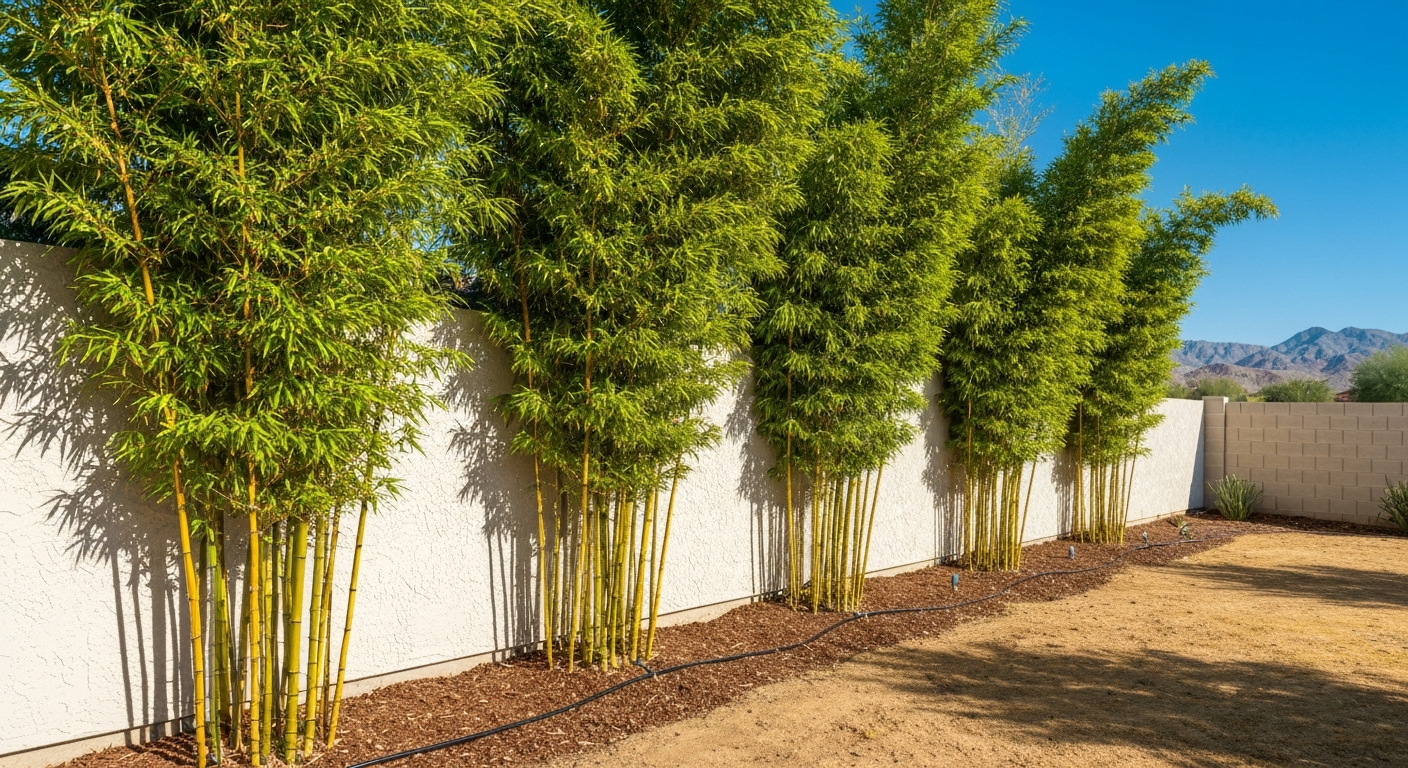
Bamboo shoots emerge in spring for most temperate species, typically between March and May, with the exact timing depending on your climate zone, species, and soil temperature. Most running bamboos (Phyllostachys types) push up new shoots when soil temperatures climb to around 8–10°C (46–50°F). Clumping bamboos, especially tropical ones, follow a different schedule entirely, sending up new shoots in late spring through summer, often tied more to rainfall and moisture than to temperature alone.
When Do Bamboo Shoots Grow? Timing and Growth Guide
Marcus Hartwell
8 Jun 2026
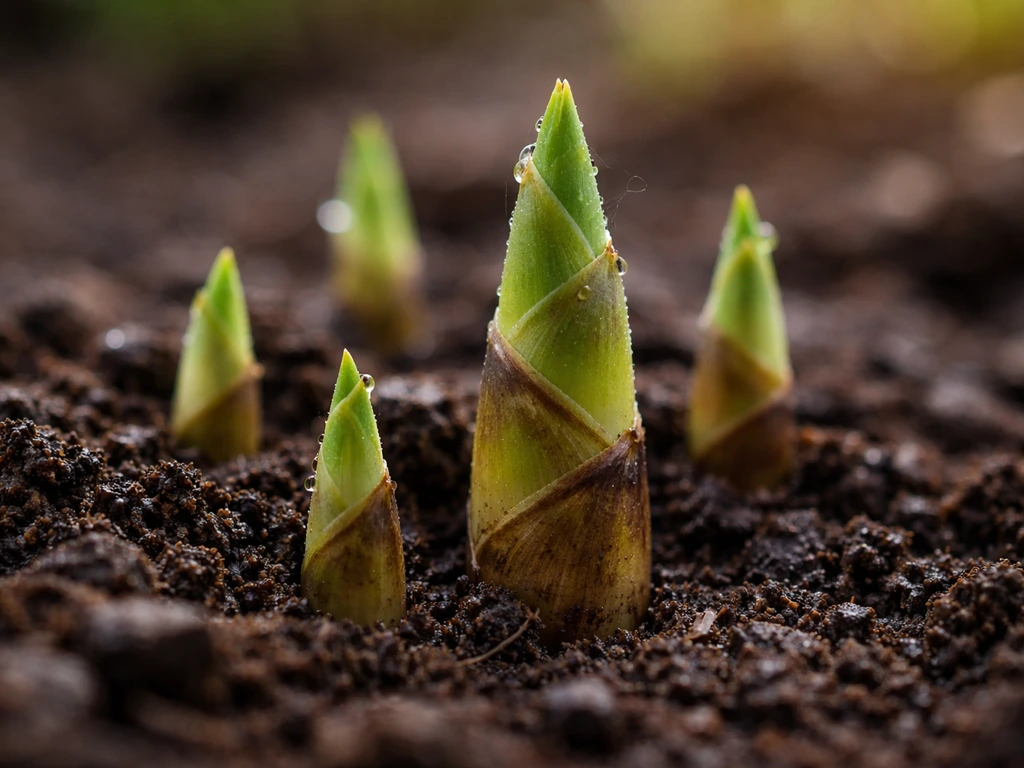
When bamboo shoots actually emerge: the seasonal window
For temperate running bamboos like Phyllostachys edulis (Moso), Phyllostachys atrovaginata, and similar species, the shooting window is fairly concentrated. University of Maryland Extension research puts the active new culm growth period at roughly a 6–12 week window between March and May. In warmer climates like Hunan, China, Moso shoots can appear as early as the last week of March through mid-April. In cooler climates like Central Europe, that window shifts to April through May. In Mediterranean climates like parts of Italy, you might see the process span late March all the way to June depending on the developmental stage you're tracking.
Clumping bamboos work differently. Species like Dendrocalamus asper (giant clumping bamboo popular in tropical and subtropical gardens) don't shoot in spring at all. Field observations in Southeast Asia show emergence running from late June through September. Lowland clumping bamboos in the southeastern United States typically start sending up new shoots in late spring to early summer and keep going until October or November. So if you're growing a clumper and waiting for a March flush that never comes, you're probably waiting for the wrong thing.
How bamboo shoots actually grow: from rhizome to shoot
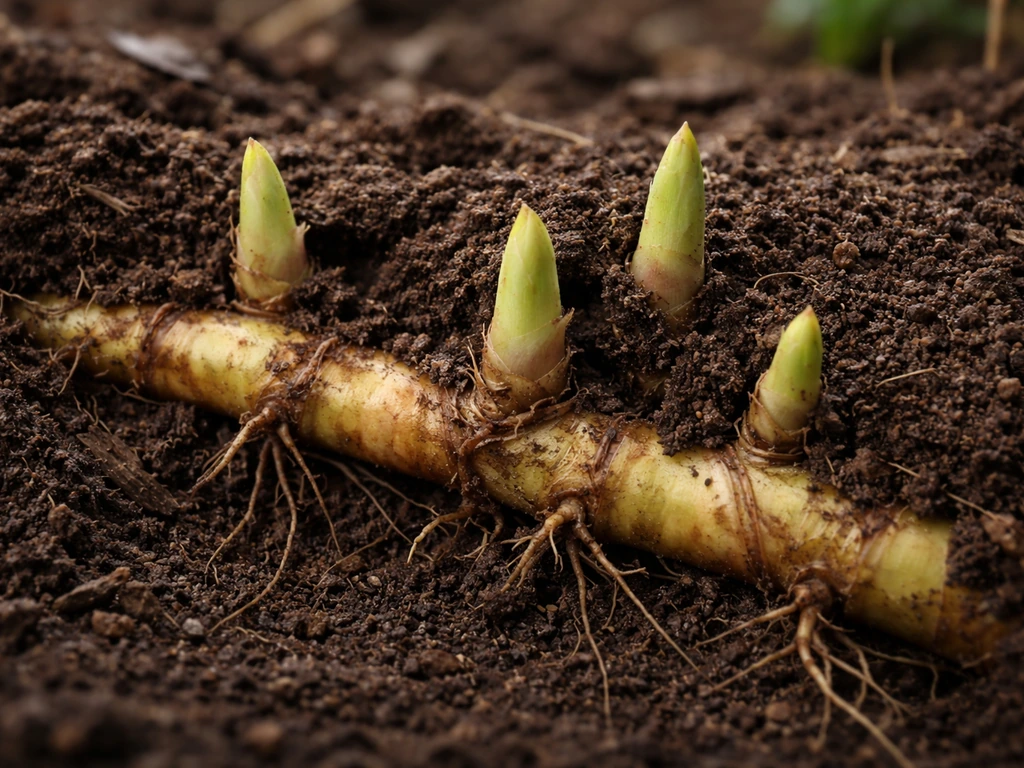
What looks like a sudden event in your garden is actually months in the making underground. Bamboo develops shoots from lateral buds along its rhizome system. In Moso bamboo, researchers have mapped out a clear progression: buds sit dormant through winter (stage S0), then break dormancy in early spring and begin pushing toward the surface (stage S1, sometimes called 'up-earthing'). By stage S2, you have a visible shoot about 50 cm above ground and growth is explosive. Stage S3 has the shoot at roughly 150 cm and growth starts slowing down relative to that peak phase.
The key point here is that the rhizome bud has to accumulate enough energy and experience the right environmental cues before it can produce a viable shoot. Rhizomes store starch over the prior growing season, and that stored energy is what fuels the rapid elongation you see in spring. If the plant had a poor growing season the year before, or if the rhizome was damaged, shoot production in the following spring will reflect that directly. This is why newly planted bamboo often takes two to three years before it starts shooting aggressively: the rhizome network is still building up.
What triggers bamboo to start shooting
The two biggest triggers for temperate bamboos are soil temperature and soil moisture. Research on Phyllostachys species in Central Europe pinned the soil temperature threshold for shoot emergence at around 8–8.5°C. Emergence increased as soil temps rose through the 10–16°C range, then essentially stopped once soil hit about 16°C. That's a pretty narrow window, which is why bamboo shoots appear suddenly, grow furiously, and then stop within weeks. You're not getting a slow trickle all season long with most running bamboos.
Moisture is the other major lever, and it becomes the dominant one for tropical clumping bamboos. FAO silviculture research on sympodial (clumping) bamboos links shoot emergence directly to soil moisture availability and the onset of the rainy season. That's why those species shoot in summer rather than spring: they're responding to rain, not temperature. Even for temperate runners, soil moisture matters. Dry spring soil will delay or reduce shooting even when temperatures are ideal. Mulching, which can raise soil temperature by 4–5°C while conserving moisture, is used commercially on Phyllostachys praecox groves in China to push the shooting window earlier.
Light and nitrogen play a supporting role, particularly during bud germination. Studies on Dendrocalamus latiflorus found that light intensity and nitrogen supply interact to affect whether buds successfully germinate and emerge. This is practical advice: a heavily shaded, nutrient-poor grove isn't going to shoot as prolifically as one getting adequate sun and soil fertility.
Clumping vs running bamboo: different patterns, different timing
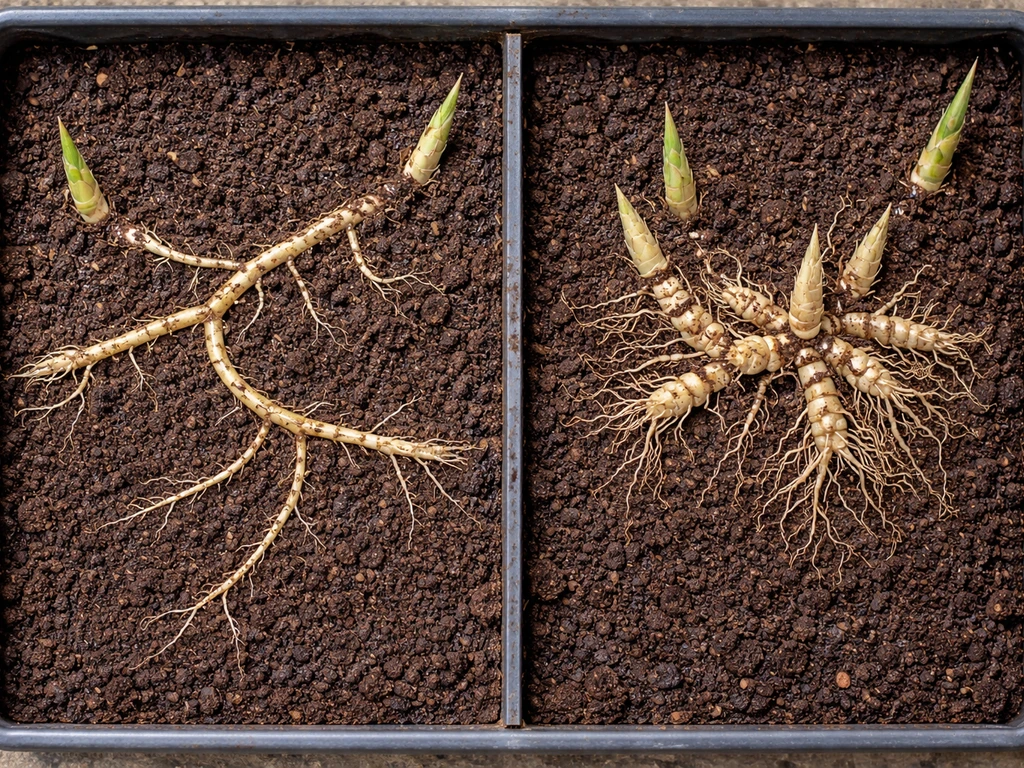
The rhizome architecture is what drives the different behavior between these two types. Running bamboos (monopodial) send long horizontal rhizomes in all directions at a shallow depth, typically 2–18 inches underground. New shoots can pop up far from the parent plant and tend to emerge in a concentrated spring window. Clumping bamboos (sympodial) have a more compact, tightly bunched rhizome system. Their new shoots emerge from the edge of the existing clump, usually in a more gradual pattern spread across summer months.
| Feature | Running Bamboo (Monopodial) | Clumping Bamboo (Sympodial) |
|---|---|---|
| Rhizome type | Long, spreading horizontal rhizomes | Compact, curved rhizomes at clump base |
| Typical shooting season (temperate) | March to May (6–12 week window) | Late spring through fall (longer window) |
| Typical shooting season (tropical/subtropical) | Variable; often spring | Late June through September or later |
| Main trigger | Soil temperature (8–16°C range) | Soil moisture / rainy season onset |
| Shoot emergence location | Can appear far from parent plant | Emerge from clump perimeter |
| Full culm development time | ~60 days post-emergence | 3–4 months during rainy season |
If you're deciding which type to grow, the shooting timing matters practically. A running bamboo in a temperate garden will demand your full attention for about 6–12 weeks in spring when new shoots need to be managed or contained. A clumping bamboo in a subtropical yard gives you a more spread-out, gentler shooting season. Neither is inherently better, but knowing which type you have tells you when to look and what to expect. If you want the best bamboo to grow, start by matching bamboo type and species to your climate and the growth timing you can support.
How fast do shoots grow after they appear
This is where bamboo earns its reputation for fast growth, and the numbers are genuinely remarkable. Moso bamboo during its explosive growth phase has been recorded growing at up to 114.5 cm per day under peak conditions. Even at more moderate rates, it's common to see several centimeters of growth in a single morning. The rapid elongation phase lasts roughly 21–25 days, during which the shoot goes from small emergence to near-full height. Moso can reach its mature stature of 10–15 meters within about 60 days of first appearing above ground.
That said, Moso is one of the largest and fastest bamboos in the world. Garden-scale running bamboos like Phyllostachys aurea or Phyllostachys nigra grow impressively fast but won't hit those extremes. Expect vigorous garden bamboos to put on 30–90 cm per day during peak growth, depending on species, rhizome maturity, and conditions. After that explosive elongation phase ends, the culm stops getting taller. Bamboo doesn't grow any taller once the shoot has finished elongating. The height a shoot reaches in its first season is its permanent height.
What to check today if your shoots aren't showing up
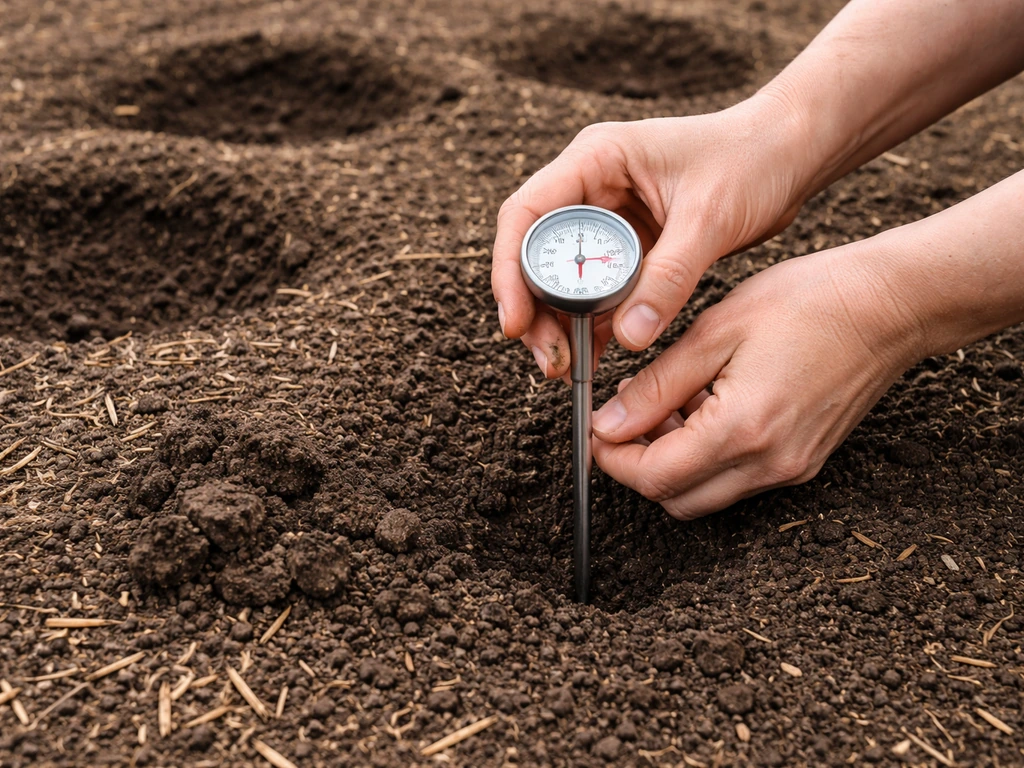
If it's currently spring (or the expected shooting window for your species and location) and you're seeing nothing, work through this list before assuming something is seriously wrong. A species-specific timing window for Phyllostachys shoot management, including thinning guidance, is also summarized in the Bamboo Garden maintenance resource Phyllostachys thinning maintenance.
- Check soil temperature, not air temperature. Stick a soil thermometer 4–6 inches down. If it's below 8°C (46°F), shoots from temperate running bamboos simply aren't going to emerge yet regardless of what the weather feels like. Give it more time or apply a mulch layer to warm the soil.
- Check soil moisture. Dry spring conditions are a common culprit for delayed shooting. The soil around bamboo rhizomes should feel consistently moist but not waterlogged. If it's dry, water deeply and mulch to retain moisture.
- Consider how old the planting is. Bamboo planted within the last 1–3 years is still establishing its rhizome network. Year one and two are almost always low-shoot years. That's normal, not a failure.
- Think about what happened last growing season. A drought, transplant stress, root disturbance, or heavy rhizome cutting the prior year can suppress shooting the following spring. The rhizome needs time to rebuild stored energy.
- Look at light exposure. Bamboo in heavy shade will shoot less vigorously. If surrounding trees have filled in and now cast deep shade on your grove, that's a factor worth addressing.
- Check for root damage. If someone dug near the bamboo, laid irrigation lines, or disturbed the soil around the rhizome zone, viable buds may have been damaged. Running bamboo rhizomes sit only 2–18 inches deep, making them surprisingly vulnerable to digging.
- Verify you have the right species for your climate zone. A tropical clumping bamboo like Dendrocalamus won't survive outdoors in a temperate climate, and a cold-hardy Phyllostachys in a warm, humid subtropical climate may behave differently than expected.
Realistic expectations and quick troubleshooting
New growers often expect bamboo to perform like the internet says it will from day one. The reality is more nuanced. A newly planted running bamboo in its first spring might put up zero new shoots, or just one or two thin ones. That's completely normal. By years three to five, a well-established grove with good soil, consistent moisture, and adequate sun will produce robust shooting every spring. The size and number of shoots increase year over year as the rhizome matures, so each spring should be more impressive than the last once the plant is established.
For clumping bamboos, patience is similarly required. The first couple of years are about root establishment. Once a clumping bamboo is settled in, you can expect new culms from the clump edge each growing season, with each generation of culms generally being taller and thicker than the last until the plant reaches its mature genetic potential.
Quick troubleshooting by symptom
| Symptom | Most Likely Cause | What to Do |
|---|---|---|
| No shoots in spring (temperate running bamboo) | Soil too cold, too dry, or plant is newly established | Check soil temp (needs 8–10°C+), water deeply, mulch, wait |
| Shoots appear then stop growing | Sudden temperature or moisture drop, or shoot was damaged | Protect from late frost, keep soil moist, do not disturb emerging shoots |
| Shoots are smaller/thinner than previous years | Rhizome stress, over-thinning, drought, or nutrient depletion | Add nitrogen-balanced fertilizer, water consistently, reduce culm removal if overcutting |
| Clumping bamboo not shooting in spring | Wrong seasonal expectation — clumpers shoot in summer | Wait for late spring to summer; ensure adequate moisture as rainy season approaches |
| Shoots stopped after transplanting | Root/rhizome disturbance suppressed bud viability | Allow 1–2 full growing seasons for recovery; keep watered and mulched |
| Shoots appear but fall over or look weak | Insufficient stored energy in rhizome or late frost damage | Protect with frost cloth if frost is possible; feed with balanced fertilizer after shooting |
Understanding when bamboo shoots grow is really about understanding your specific plant, your climate, and what the rhizome has been through. If you're trying to decide whether to plant it in the first place, revisiting why grow bamboo can help you choose between running and clumping species based on your goals. The timing question is tightly connected to deeper questions about what conditions bamboo needs to thrive, which species suits your situation, and what factors drive fast healthy growth.
Once you have those pieces in place, the spring (or summer) shoot flush becomes one of the most satisfying things to watch in the garden. Knowing what makes bamboo grow also helps you predict the shoot flush for your species and location.
FAQ
My bamboo is in the ground but shoots do not appear during the usual window, what are the most common reasons?
The most frequent causes are that the rhizome network is still immature (especially in the first 1 to 3 years), the prior growing season was weak (low carbohydrates from poor growth), spring soil is too dry even if temperatures look right, or you planted a clumping species that will not flush in spring. Also check whether the clump or rhizome was recently disturbed or damaged, since that can suppress emergence the following season.
How much does soil temperature matter compared with air temperature?
Soil temperature is the main cue for temperate running bamboos, air temperature alone is misleading. If days are warm but nights or cold snaps keep soil cool, shoots can stall. A practical approach is to monitor soil depth rather than just using weather forecasts, since rhizomes sit several inches underground.
Why do my shoots start, then stop early in the season?
Stopping usually means the growth conditions no longer meet the rhizome’s energy and moisture needs, even if temperatures briefly rose. In practice, this can happen when spring rains fade, mulch is insufficient and soil dries, or the grove is shaded and nutrient-limited. For runners, the shoot flush is naturally a short, intense period, so an early end can also be normal if you caught the tail of the emergence window.
Do bamboo shoots always emerge above ground at the same time they break dormancy underground?
No. Dormancy break and visible emergence can be separated by days to weeks depending on soil warmth and moisture. That means you might notice underground activity only indirectly (slight soil disturbance, new shoots just at the surface), then see a more obvious surge once conditions stay favorable.
What is a reliable way to tell if I have a running bamboo or a clumping bamboo before the next shoot season?
Look at how rhizomes behave over time. Runners usually send shoots that appear farther from the original clump, often in a wider ring beyond what you would expect from edge growth. Clumpers tend to produce new culms from the edge of the existing clump and, as the season progresses, the emergence pattern stays localized to that perimeter.
Can mulching really shift the timing of bamboo shoot emergence?
Yes, mulching can nudge timing for temperate runners by warming soil and conserving moisture. The article notes commercial practice where mulch raised soil temperature several degrees, which can move the shooting window earlier. Use organic mulch thick enough to hold moisture, but avoid creating a soggy mat, since overly waterlogged soil can still limit oxygen for rhizomes.
Does adding fertilizer in spring make bamboo shoots appear sooner?
Fertilizer can help, but it is not a substitute for the core triggers. Since rhizomes need stored energy and correct moisture and soil temperature cues, excess fertilizer without adequate soil moisture or warmth may not produce earlier shoots. Nitrogen supports bud germination, so the best results typically come when feeding aligns with the period just before or during the local shooting window.
Why did last year’s poor growth reduce this year’s shoot flush?
Bamboo rhizomes rely on carbohydrate reserves built during the prior growing season. If the plant experienced drought, nutrient shortage, or significant stress, the rhizome mat stores less energy, so fewer buds develop into viable shoots the next spring. This effect is especially noticeable in large runners where shooting relies on a mature, well-fed rhizome network.
I bought a new bamboo, when should I expect my first strong shoot flush?
New plantings often take longer than expected. For many gardeners, running bamboos may produce little or no visible shooting in the first spring or two, then increase noticeably by years three to five as the rhizome system expands and stores more energy. For clumpers, the first couple of years are commonly about root establishment, with taller and thicker culms improving in subsequent seasons.
How can I encourage shooting for a temperate running bamboo if spring is dry?
Prioritize consistent moisture in the weeks when soil temperatures are near the shoot emergence threshold. Water deeply enough to reach the rhizome zone, not just the surface. Keeping mulch on and maintaining even moisture can prevent shoot delays or reductions, because dry soil can delay emergence even when temperatures are in range.
Are there situations where bamboo shoots might be present but I cannot see them?
Yes. Sometimes shoots are there but remain below the soil line temporarily if conditions are marginal, such as cool or uneven soil warmth. Heavy mulch depth, compacted soil, or crusting can also slow how quickly shoots reach the surface. If nothing emerges visibly, gently check near the expected emergence area without damaging rhizomes.
Do bamboo shoots stop growing in height permanently, or can they keep elongating later?
Once a shoot finishes its elongation phase, its height is set for the season. The rapid growth window is relatively brief, then elongation slows and stops, so you cannot expect shoots that emerged early to suddenly catch up later if conditions change after the growth phase ends.
Next Article
Can Bamboo Grow in Las Vegas? Guide to Success in Desert
Yes, bamboo can grow in Las Vegas with the right species, irrigation, shade, and containment; step-by-step planting and保护