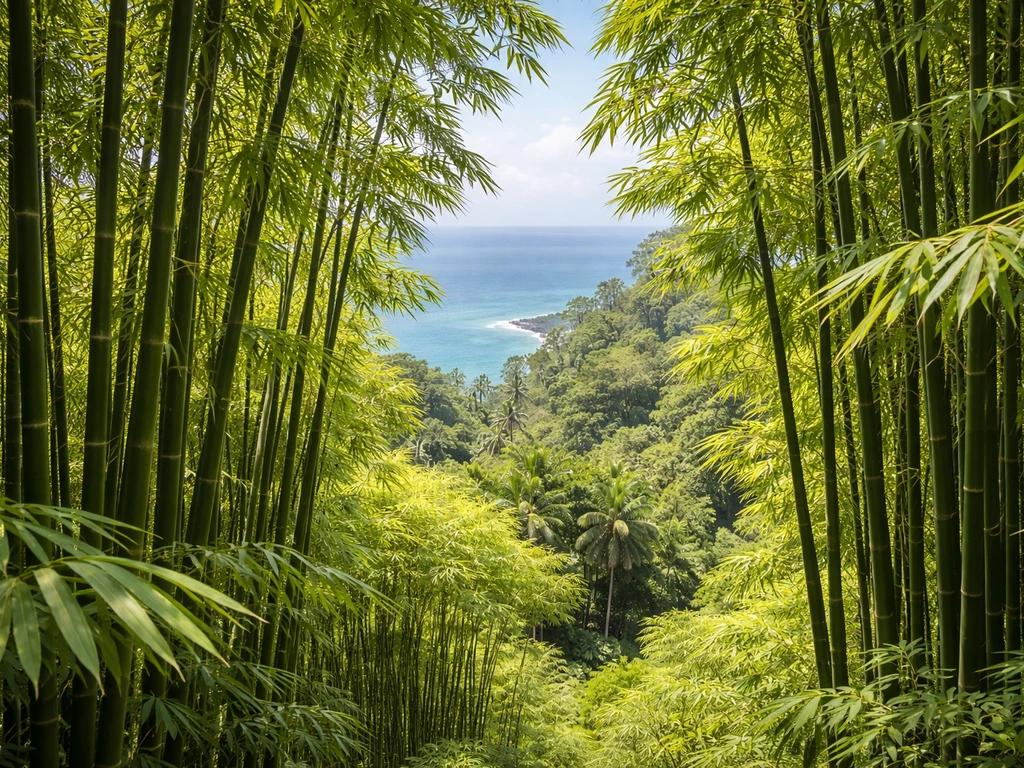
Yes, bamboo grows very well in California, and in many parts of the state it thrives with minimal fuss. Southern California, the Central Valley, and coastal zones are genuinely some of the most bamboo-friendly climates in the continental US. The main variables that determine success are picking the right species for your specific microclimate and keeping running types contained so they don't take over your yard (or your neighbor's).
Can Bamboo Grow in California? Yes, Here’s How to Do It
Marcus Hartwell
23 May 2026
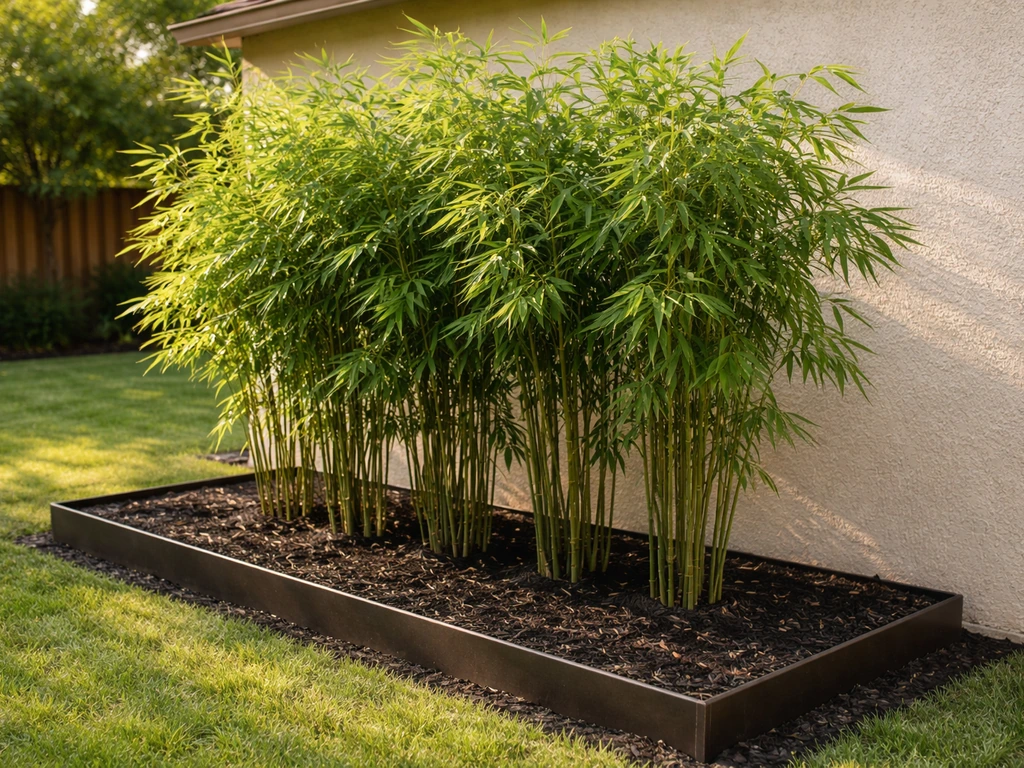
The overall reality: California is great bamboo territory
California spans USDA Hardiness Zones 5 through 11, which means it covers nearly the entire bamboo hardiness spectrum in a single state. Coastal areas from San Diego to Humboldt rarely dip below freezing for long, inland valleys get heat that tropical clumping types love, and even the Sierra Nevada foothills can support cold-hardy runners. The main challenge in California isn't cold, it's usually heat, drought, drying winds, and managing invasive spread.
If you're in Minnesota or Montana, winter survival is the primary puzzle. Bamboo can grow in Montana if you choose cold-hardy species and plan for winter survival and wind protection can bamboo grow in Montana. Bamboo can grow in Minnesota, but winter survival is the main factor you need to plan for. Here in California, you're mostly choosing the right species for your heat zone and building a watering routine to get through dry summers.
One honest caveat: California is large, and the word 'California climate' covers everything from foggy, 55°F coastlines to desert edges pushing 115°F. Your success depends heavily on your microclimate, not just your zip code. A garden on a north-facing slope in San Francisco behaves completely differently from an exposed south-facing yard in Riverside. So while the broad answer is yes, bamboo grows here, the specific answer depends on understanding your own yard's conditions.
Southern California: hot, dry, and actually very bamboo-friendly
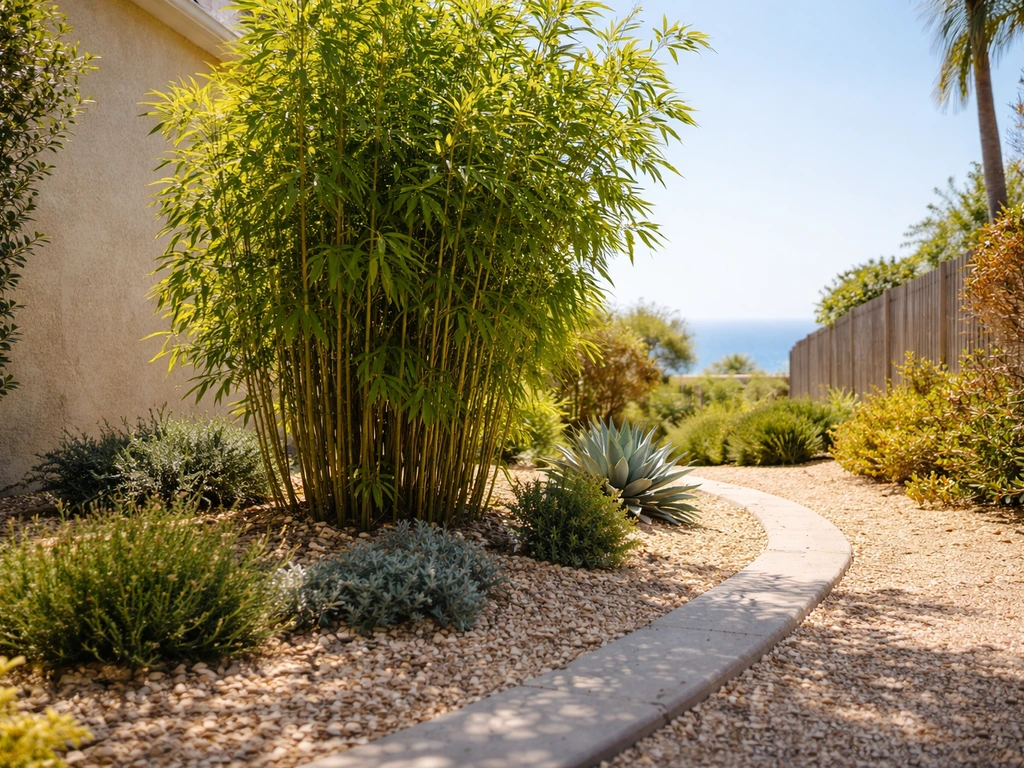
Southern California is some of the best bamboo-growing territory in the country. Coastal communities like San Diego, Los Angeles, Santa Barbara, and Long Beach have mild, frost-free winters and warm summers, perfect conditions for clumping tropical bamboos like Bambusa oldhamii (Giant Timber Bamboo), which is cold hardy down to about 20–21°F and reaches USDA Zones 9–11. Inland SoCal valleys (Riverside, San Bernardino, parts of the Inland Empire) still support most clumping types but will occasionally see frost events, so choosing species rated to at least Zone 9 with some buffer is smart.
Microclimates matter enormously in Southern California. A yard near the coast with marine influence stays cooler in summer and warmer in winter than a valley yard just 20 miles inland. Ocean-facing exposures also tend to have persistent afternoon wind, which desiccates bamboo foliage fast. Desert-adjacent areas like Palm Springs or the eastern Coachella Valley get extreme heat and need consistent irrigation and some afternoon shade for most bamboo species. Work with your specific conditions rather than assuming 'SoCal' means one thing.
Best bamboo types for California conditions
The single most important choice you'll make is clumping vs. running bamboo. UC IPM recommends using clumping bamboo species for most home landscapes because they expand slowly and predictably from a central root mass rather than sending rhizomes in every direction. If you do plant a running type, a rhizome barrier is non-negotiable. More on that below.
Top clumping bamboos for California
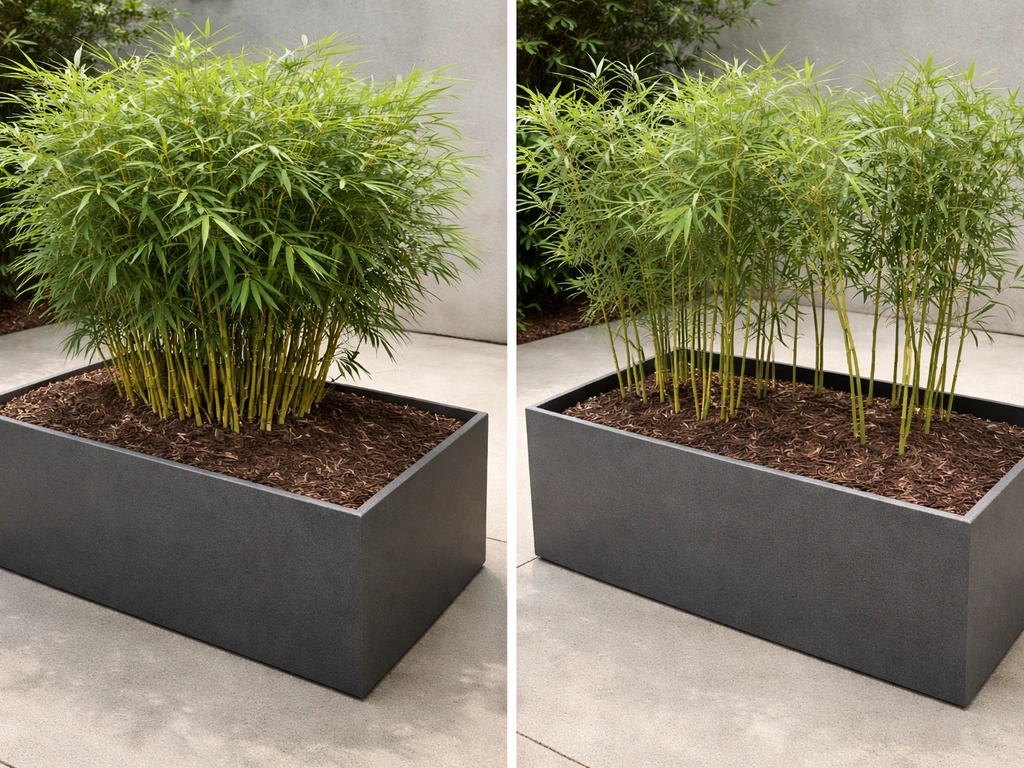
- Bambusa oldhamii (Giant Timber Bamboo): The go-to for Southern California. Hardy to 20°F, reaches 40–55 ft at full size, and handles heat well. Ideal for Zones 9–11. Excellent privacy screen or statement planting.
- Fargesia rufa (Orange Fountain Bamboo): Cold-hardy to Zone 5, clumping, and shade-tolerant — a great pick for Northern California yards or inland spots with cooler winters. Grows 6–10 ft tall and 6–8 ft wide. Thrives in partial shade, which makes it useful under tree canopies.
- Bambusa multiplex (Hedge Bamboo): A medium-sized clumping type (15–25 ft) that handles coastal conditions and wind better than most. Hardy to around Zone 8.
- Otatea acuminata aztecorum (Mexican Weeping Bamboo): A slender, elegant clumping bamboo that handles Southern California heat and dry conditions better than almost any other species. Tops out around 15–20 ft.
- Chusquea culeou (Chilean Bamboo): Cold-hardy, clumping, and solid-stemmed — great for NorCal and higher-elevation gardens. Handles frost well and grows 12–20 ft.
Running bamboos for California (with containment)
- Phyllostachys bissetii: Cold-hardy runner suitable for Northern California and foothill gardens. Handles cold snaps well and grows vigorously once established — but must be contained with a barrier.
- Phyllostachys dulcis (Sweetshoot Bamboo): Another cold-tolerant Phyllostachys with edible shoots and solid size. Long-established specimens at research gardens have survived decades of winter cold, demonstrating its durability.
- Phyllostachys nigra (Black Bamboo): A popular ornamental runner with striking dark culms. Works well in NorCal and cooler SoCal areas with a barrier installed.
| Species | Type | USDA Zones | Min Temp | Height | Best California Region |
|---|---|---|---|---|---|
| Bambusa oldhamii | Clumping | 9–11 | 20°F | 40–55 ft | Southern CA, Central Valley |
| Fargesia rufa | Clumping | 5–9 | -20°F | 6–10 ft | Northern CA, cooler inland areas |
| Bambusa multiplex | Clumping | 8–10 | 15°F | 15–25 ft | Coastal CA |
| Otatea acuminata | Clumping | 9–11 | 22°F | 15–20 ft | Southern CA, dry climates |
| Phyllostachys bissetii | Running (barrier required) | 5–9 | -10°F | 20–30 ft | Northern CA, foothills |
| Phyllostachys nigra | Running (barrier required) | 7–10 | 0°F | 20–30 ft | NorCal, cooler SoCal |
Where to plant: sun, soil, wind, water, and space
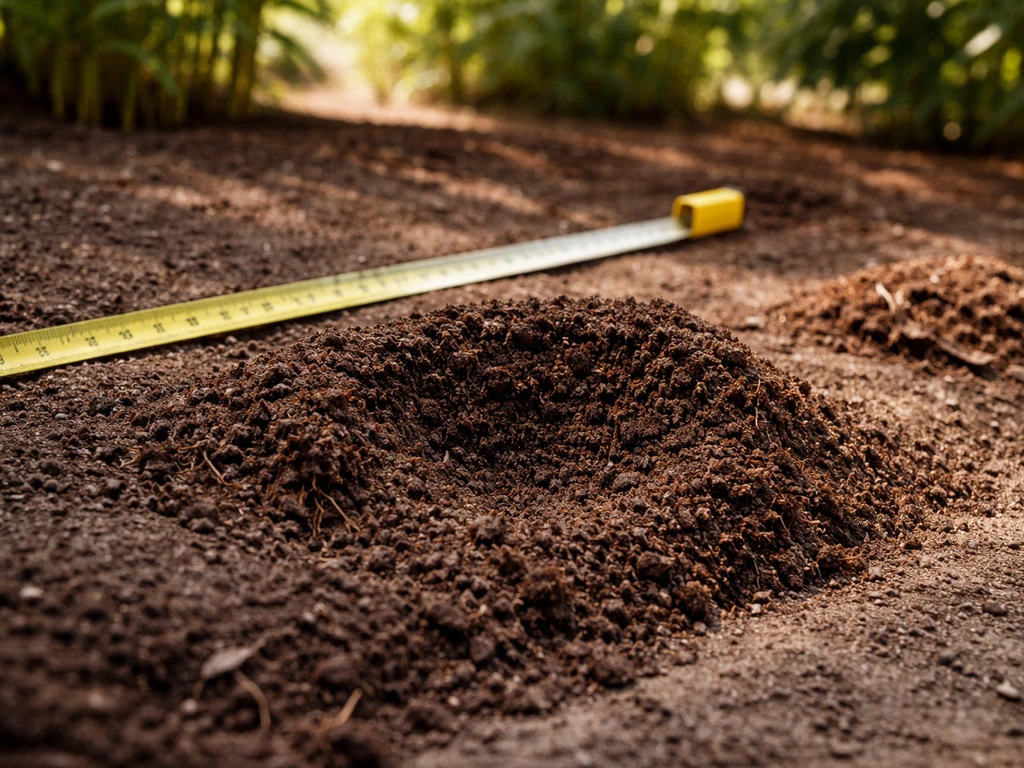
Most bamboo wants full sun to partial shade, roughly 4 to 6 hours of direct sun per day is a good baseline for vigorous growth. Shade-tolerant species like Fargesia rufa handle dappled light or north-facing exposures well. Tropical clumping types like Bambusa oldhamii need more sun and will underperform in deep shade.
Soil drainage is critical. Bamboo does not tolerate waterlogged roots, saturated soil is one of the fastest ways to kill a planting and a known risk factor for Armillaria root rot. In heavy clay soils, amend with compost and consider raised planting or bermed beds to improve drainage. Sandy soils in Southern California drain well but require more frequent irrigation. A loose, slightly acidic to neutral soil (pH 6.0–7.0) is ideal.
Wind is a bigger deal in California than most people expect. Constant drying winds off the coast or down desert canyons will shred bamboo foliage and stress plants year-round. Plant bamboo in a sheltered position where possible, or choose tougher species like Bambusa multiplex or Otatea acuminata that handle exposure better. A windbreak fence, hedge, or building on the prevailing wind side helps enormously.
For spacing, clumping types should be planted at least 5–8 feet from structures, fences, and property lines, they spread slowly but do expand over time. Give running types a minimum of 3–5 feet inside the rhizome barrier so there's room for the colony to develop. Don't crowd bamboo against walls or in narrow strips without a containment plan.
What to expect in year one and two
Bamboo follows what growers call the 'sleep, creep, leap' pattern, and it's real. In year one, most of the plant's energy goes underground to develop its root system. You'll see little to no new shoot growth above ground, and that's normal, resist the urge to over-fertilize or overwater out of frustration. The plant is doing its most important work out of sight.
In year two, you'll typically start to see new culms (canes) emerge, and they may be slightly larger than the ones that came with the plant. This is the 'creep' phase. Don't be alarmed that the new shoots aren't much bigger than the originals, bamboo culms grow to their full diameter and height in a single shooting season, so bigger culms come as the root system matures, not from the same culm growing taller each year. By years three and four you'll hit the 'leap' phase, when shoots come up noticeably larger and the grove fills in rapidly.
For California specifically, timing your planting matters. Spring planting (March through May) gives bamboo a full warm season to establish roots before summer heat sets in. Fall planting is possible in Southern California but gives less establishment time before the cooler winter months. Water consistently during the first two dry seasons, bamboo that dries out during establishment takes much longer to get going.
Ongoing care: watering, fertilizing, and containing spread
Watering
UC IPM is direct on this: monthly deep watering combined with feeding during spring encourages vigorous growth, while limiting water and fertilizer suppresses it. In California's dry summers, established bamboo still needs supplemental irrigation, even drought-tolerant species struggle without water in July and August in most of the state. Deep, infrequent watering (soaking the root zone thoroughly every 1–2 weeks in summer) is better than frequent shallow irrigation, which encourages shallow roots and increases crown rot risk. In coastal areas with summer fog, you can water less frequently. Avoid overhead watering that keeps foliage wet overnight.
Fertilizing
A balanced fertilizer with a higher nitrogen ratio (like a 16-4-8 or similar lawn-type fertilizer) works well for bamboo. Apply in early spring as new shoots begin to emerge, and again in late spring or early summer. A fall application of a lower-nitrogen, higher-potassium formula helps harden the plant for cooler weather. Don't fertilize heavily in late summer or fall, pushing soft new growth heading into cooler months increases frost damage risk, particularly in Northern California and inland valley gardens.
Containing running bamboo
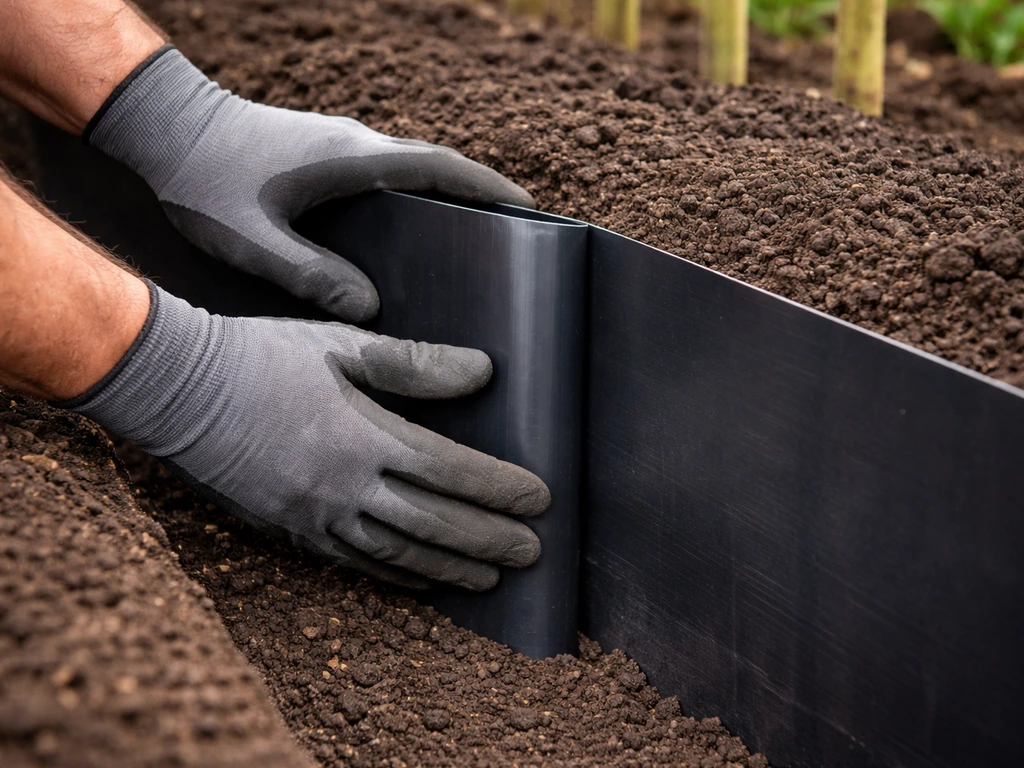
If you're planting any running bamboo (Phyllostachys, Pseudosasa, or similar genera), install a physical rhizome barrier before you plant. The standard recommendation is a high-density polyethylene barrier at least 60 mil thick and 18–24 inches deep (some sources recommend up to 48 inches for very vigorous species). The barrier should form a complete circle around the planting and extend 2–3 inches above the soil surface so you can spot and cut any rhizomes trying to escape over the top.
Overlap the barrier ends by at least 12 inches and seal them with a clamp or heavy staples, rhizomes will find any gap. Inspect the barrier perimeter every spring, cut back any rhizomes that have crested the top, and check that the barrier hasn't shifted or cracked over time.
If you already have running bamboo spreading without a barrier, the options are physical removal (digging out all rhizomes, which is intensive work) or repeated cutting of new shoots as they emerge, which eventually exhausts the plant's energy. University of Maryland Extension's containment guidance emphasizes that any soil outside the barrier must be cleared of rhizomes, since even small fragments can regenerate a colony.
Troubleshooting common problems
Cold damage
Even in California, unexpected frost events happen, particularly in inland valleys, foothill zones, and Northern California. The Arnold Arboretum notes that a long-lived Phyllostachys dulcis stand established decades earlier can survive winters when the right species is chosen for the cold-snow climate, illustrating how species selection drives winter survival As a practical example.
If bamboo foliage turns brown after a hard freeze, don't panic and don't cut it back immediately. The culms and root system are usually fine even when foliage dies. Wait until new growth emerges in spring, then cut back the brown culms. UC Davis Arboretum recommends covering stems with frost cloth or straw during freeze events as a practical preventive step in frost-prone California gardens.
Established plants recover much better from cold damage than recently planted ones, so protecting new plantings in their first winter is worth the effort.
Drought stress
Drought-stressed bamboo shows curling or rolling leaves (the plant reduces transpiration by curling leaf edges inward), yellow foliage, and tip dieback. In California's dry season, this can happen surprisingly fast, especially in sandy soils or windy exposures. Deep water immediately, and consider adding 2–4 inches of mulch around the root zone to retain moisture. Consistent irrigation during the first two establishment years is the single biggest thing you can do to avoid drought stress problems.
Poor drainage and root rot
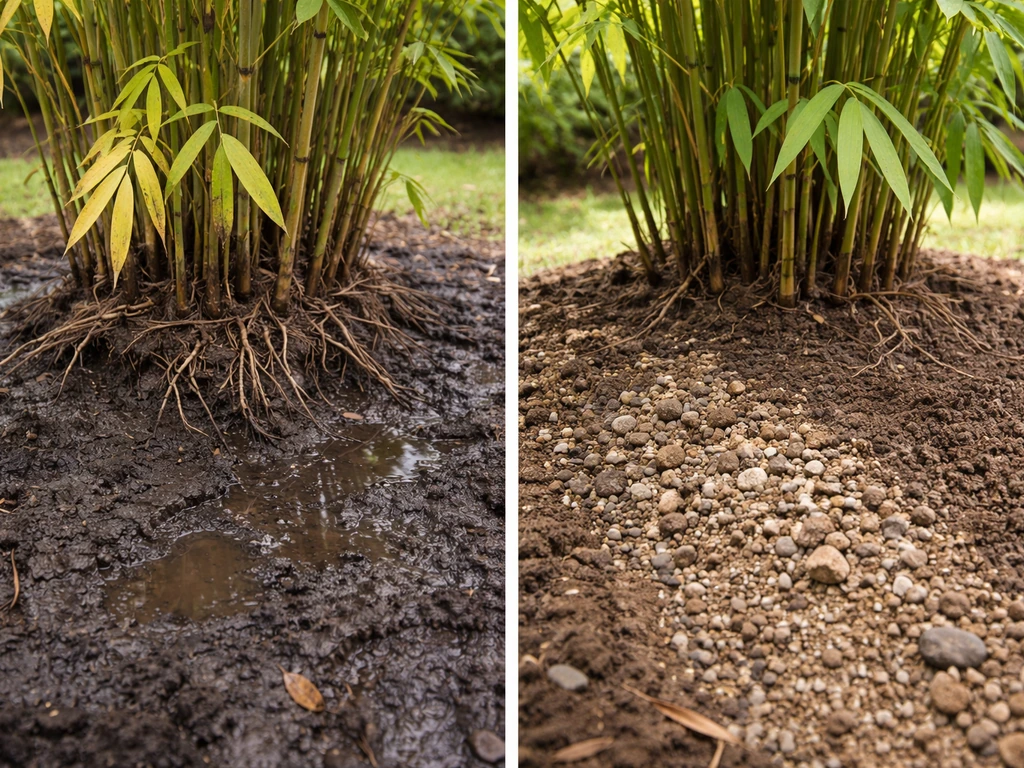
Waterlogged soil is the other end of the spectrum. If bamboo is planted in low-lying areas or heavy clay soils that drain slowly, prolonged saturation can trigger Armillaria root rot, a soil-borne fungal disease that kills roots and eventually the whole plant. The fix is prevention: improve drainage before planting, avoid overwatering, and never plant bamboo in areas that collect standing water after rain. If you suspect root rot (plant declining despite adequate water, white fungal growth at the soil line), remove affected material and improve drainage in the area.
Pests
California has a couple of specific bamboo pest threats worth knowing about. Bamboo pit scale (Bambusaspis miliaris) has been intercepted across California consistently since the 1990s, making it a real local risk, look for small scale insects on culms and undersides of leaves. Bamboo mealybug is recognized as a pest locally, particularly in San Diego County, and shows up as waxy white clusters at nodes and leaf joints. Both can be managed with horticultural oil sprays applied when crawlers are active in spring and early summer. Check new plants carefully before bringing them home, and inspect your planting regularly so problems don't get ahead of you.
Spread escaping containment
If running bamboo is spreading beyond where you want it, the fastest short-term fix is cutting new shoots to the ground as soon as they emerge, this prevents the plant from investing energy in new culm growth. Persistent shoot cutting over one to two seasons significantly weakens runners. For a permanent fix, install a rhizome barrier on the side you want contained, and manually dig out rhizomes on the outer side. It's hard work, but it ends the problem for good.
California really is one of the best places in the US to grow bamboo, better, honestly, than most of the other states people ask about, like Minnesota, Alaska, or Montana where winter survival is a constant struggle.
If you're starting today, pick a clumping species matched to your specific zone, plant it in well-drained soil with good sun and some wind protection, water it consistently through its first two summers, and you'll have a thriving grove before you know it. So does bamboo grow in Hawaii? Can bamboo grow in Washington State too?
It depends mainly on cold hardiness, your local microclimate, and how well you protect plants from winter freezes So does bamboo grow in Hawaii? . Yes, but success depends on choosing the right species for your conditions and providing proper care thriving grove.
FAQ
Can bamboo grow in California if I have only winter lows, not the exact USDA zone for my yard?
Yes, but you should treat it like a “zone plus microclimate” decision. Before buying, note your closest winter low (not just the USDA zone) and your exposure, wind, and summer water availability, then choose a clumping species rated for a colder zone than your own to build in a buffer.
Is clumping bamboo always safer than running bamboo in California, and what’s the usual containment failure point?
For most home gardens in California, aim for a containment-first plan, meaning clumping types if you want low effort. If you choose running bamboo anyway, budget time for an inspection routine every spring and after major soil shifts, and plan for root barrier overlap and sealing because most containment failures happen at the seams.
When is the worst time to plant bamboo in California, and is fall planting ever a good idea?
The best time is typically spring planting (March to May) for faster root establishment, and the main exception is if you are in a mild, coastal microclimate with minimal early cold. If you plant in fall, reduce stress by ensuring the first months get consistent moisture, because late planting leaves less time to build roots before winter.
Can I grow bamboo in California with clay soil and hard water?
You can, but avoid waterlogged areas and overhead sprinkling that keeps foliage wet overnight. If you live with hard water or very alkaline irrigation, monitor leaf color and growth, and consider soil testing because bamboo prefers roughly neutral soil (about pH 6 to 7) and can stall if nutrients are locked up.
Will bamboo survive hard freezes in inland California if it’s already established?
Yes, though it is less forgiving. Tropical clumping bamboos generally tolerate more warmth than cold, so in inland valleys with occasional hard freezes, you should expect winter dieback on foliage and sometimes delayed spring recovery. Use a cold-hardy clumping species and prioritize wind protection and adequate establishment watering before the first winter.
After frost, should I prune immediately or wait to avoid damaging bamboo?
A common mistake is cutting brown foliage right after freeze damage, it often makes recovery look worse. Instead, wait until new shoots emerge in spring, then remove dead culms and focus on restoring normal watering and avoiding late-season fertilizer that encourages soft growth.
How can I tell if my bamboo is actually drought-stressed versus just going dormant?
Bamboo in California often suffers from establishment drought even when the overall climate is mild. As a rule of thumb, if your top few inches dry quickly in summer, plan for supplemental irrigation, and use mulch (a few inches) to slow moisture loss, especially in sandy or wind-exposed spots.
My bamboo barely grew above ground in the first year, is that normal?
Probably, because the “sleep, creep, leap” pattern can look like failure. In year one, low shoot output is normal because the plant is investing underground, so avoid heavy fertilizing and keep watering steady while you wait for the first meaningful culms to appear.
Why does my bamboo seem to need water all the time, could my watering schedule be causing shallow roots?
Yes, and it’s also one of the easiest ways to encourage shallow rooting. If you water too often without soaking deeply, bamboo may not develop robust roots and can be more vulnerable to rot and drought swings, so switch to deep, infrequent soaking in summer.
What should I look for during routine inspections to catch bamboo scale or mealybugs early?
Regular checks matter because pest issues start small. If you see scale insects or mealybug clusters, treat when you first detect activity in spring or early summer and keep inspecting nodes and leaf undersides, because repeated early interventions work better than waiting until the infestation is heavy.
How far should bamboo be from fences and property lines to prevent problems in California?
If you want to keep bamboo out of a neighbor’s yard, distance alone may not be enough, especially with running types. For clumping, follow spacing from structures and property lines, and for running types, rely on a properly installed rhizome barrier that is continuous and not shifted or cracked over time.
Next Article
Does Bamboo Grow in Hawaii? Types, Conditions, and Planting Tips
See if bamboo grows in Hawaii, which types thrive by climate, and exact planting tips plus containment to prevent spread