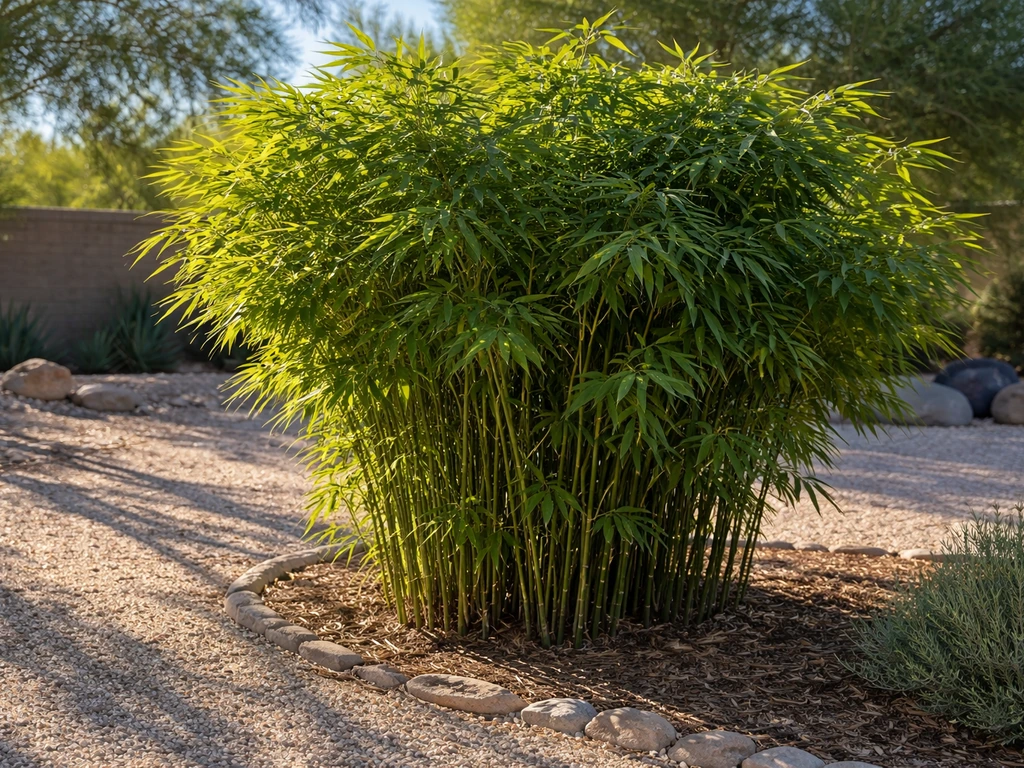
Yes, bamboo can grow in Utah, and it can do surprisingly well if you pick the right variety and put it in the right spot. In Phoenix, conditions are very different from Utah, so choosing a heat-tolerant variety and providing shade and irrigation matter even more bamboo can grow. If you are wondering whether can bamboo grow in Las Vegas too, the key is choosing heat-tolerant varieties and giving them shade and consistent moisture. In a similar way, bamboo can grow in Arizona if you choose heat-tolerant varieties and give them shade, reliable water, and wind protection. Utah is not an easy state for bamboo, the winters are cold, the air is dry, the wind can be brutal, and summer heat swings hard in both directions depending on where you live. But cold-hardy clumping bamboos like Fargesia and tough running types like Phyllostachys have been growing in Utah yards for years. The key is pairing the right cultivar to your specific zone, giving it a protected microclimate, and managing it through its first couple of winters.
Can Bamboo Grow in Utah? How to Grow It Successfully
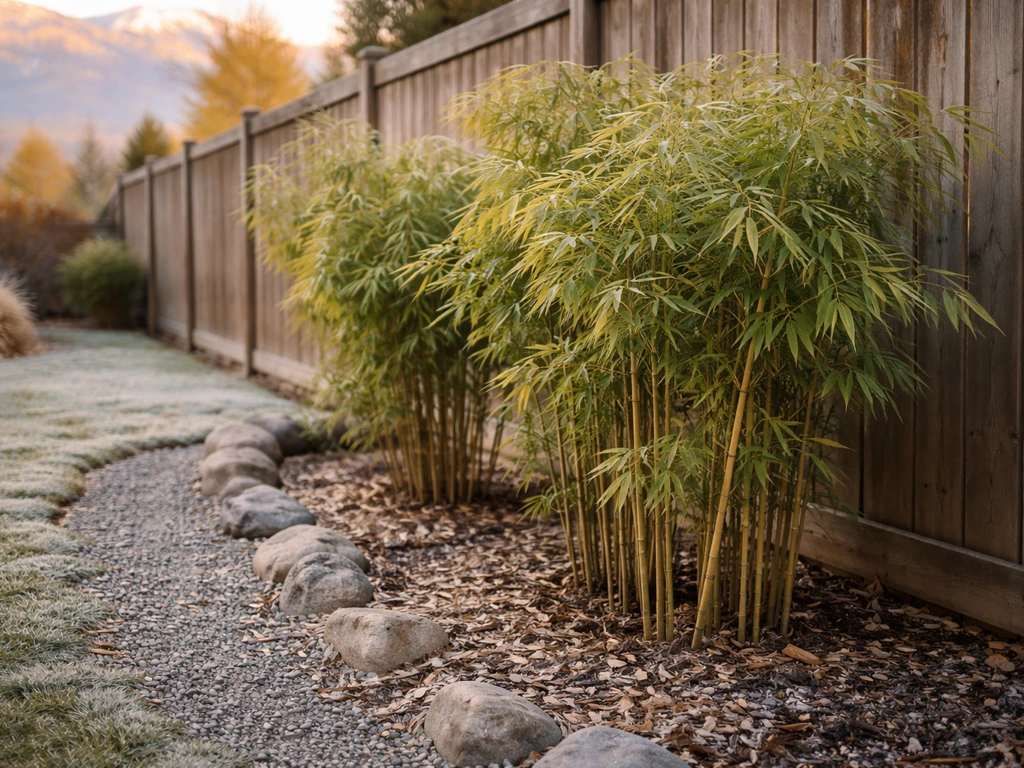
What Utah's climate actually means for bamboo
Utah is not one climate, it is several stacked on top of each other, and that matters enormously when you are deciding whether bamboo will survive in your yard. Salt Lake City sits around USDA hardiness zones 6b to 7a depending on your exact neighborhood. Provo ranges from 6a to 7a based on microclimate. Saint George in southern Utah is warmer, with its last spring frost around March 25 and first fall frost around November 5, giving it a much longer growing window. Salt Lake City's last average spring frost is around April 26, and Provo's is closer to May 21, which tells you how different even nearby cities can be.
The practical implication: a bamboo rated cold-hardy to zone 6 may survive in a sheltered Salt Lake City backyard but struggle on an exposed hillside in Provo. Zone numbers are a starting point, not a guarantee. Wind-chill, soil drainage, and whether your yard sits in a frost pocket all matter as much as the zone on paper. Salt Lake City's cold profile has also been shifting gradually warmer over recent decades, so bamboos that were borderline a generation ago are more viable today, but you still need to plan for occasional harsh winters.
The biggest threats to bamboo in Utah are not just cold temperatures but the combination of cold plus dry winter wind plus soil that can freeze hard. That desiccation, where the plant loses moisture from its leaves faster than frozen roots can replace it, is what kills bamboo in Utah more often than the cold alone. A sheltered spot against a south- or east-facing wall, away from prevailing winter winds, changes the odds dramatically.
Choosing the right bamboo for Utah
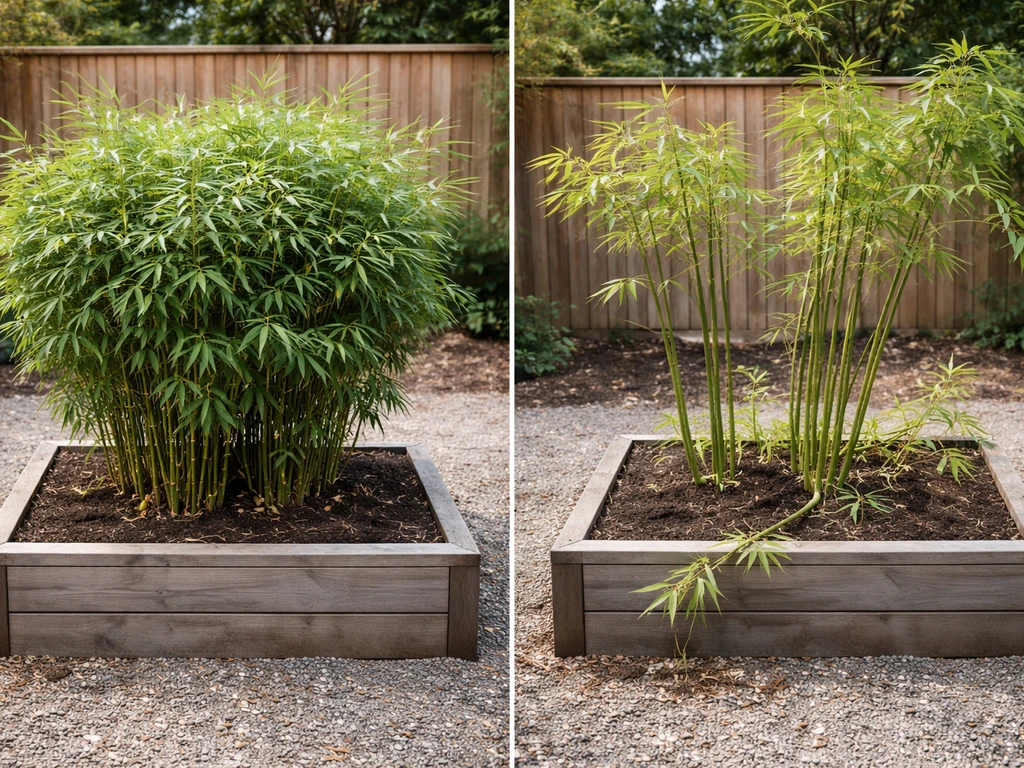
There are two categories of bamboo you need to understand before you buy anything: clumping and running. Clumping bamboos (mainly the Fargesia genus) stay contained and spread slowly outward in a tidy clump. Running bamboos (mainly Phyllostachys) send underground rhizomes aggressively outward and can cover a lot of ground fast. Both can work in Utah, but they require different management strategies and suit different situations.
Clumping bamboo: Fargesia is your safest bet
For most Utah gardeners, Fargesia is the place to start. Fargesia murielae is cold-hardy to USDA zone 5, meaning it can handle temperatures well below what most Utah winters deliver. Fargesia rufa 'Green Panda' is another excellent option, it thrives in part shade, tolerates full sun in fertile and moist well-drained soil, and handles cold well. These clumpers are ideal for smaller yards, privacy screens near patios, and anyone who does not want to spend their summers chasing rhizomes. They also handle Utah's dry air better than many tropical bamboos because they evolved in mountain climates.
Running bamboo: Phyllostachys for those who want size
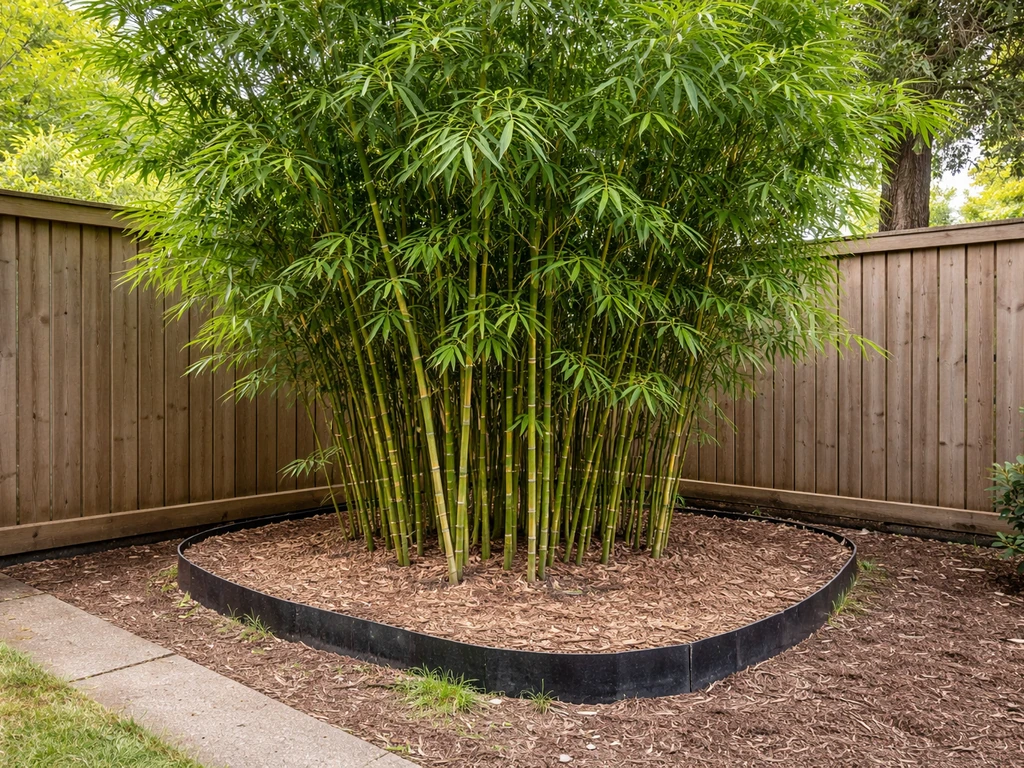
If you want a tall grove or a large privacy screen, running bamboos in the Phyllostachys family deliver. Phyllostachys bissetti and the aureosulcata group are among the most cold-tolerant runners available, and golden bamboo (Phyllostachys aurea) can tolerate temperatures as low as around -4°F (-18°C), which covers even the colder Utah valley winters. The tradeoff is that running bamboo requires real containment work, rhizome barriers, annual checks, and a commitment to managing spread. Skip the containment plan and you will spend years dealing with the consequences.
| Type | Example Varieties | Cold Hardiness | Spread Behavior | Best Utah Use |
|---|---|---|---|---|
| Clumping | Fargesia murielae, F. rufa 'Green Panda' | Zone 5–9 | Slow, contained clump | Patios, containers, small yards |
| Running | Phyllostachys bissetti, P. aureosulcata, P. aurea | Zone 5–7 (varies) | Aggressive rhizome spread | Large screens, groves with barriers |
For most Utah gardeners who are not managing a large property with room to spread, Fargesia is the honest recommendation. It is less dramatic than a towering Phyllostachys grove, but it is reliable, manageable, and well-suited to the zone variability across the state. If you are in southern Utah or a warm Salt Lake City microclimate and you want something bigger, a contained Phyllostachys with a proper rhizome barrier is the next step up.
How to plant bamboo in Utah, step by step
Step 1: Pick the right site
Site selection is where most Utah bamboo failures begin. You want a spot that gets morning sun and afternoon shade in summer (especially important in hotter Utah valleys), and that is protected from north and west winds in winter. A south-facing wall or fence that radiates heat is genuinely helpful for marginal varieties. Avoid frost pockets, low-lying areas where cold air pools overnight. Good air drainage is just as important as good soil drainage in Utah.
Step 2: Prepare the soil
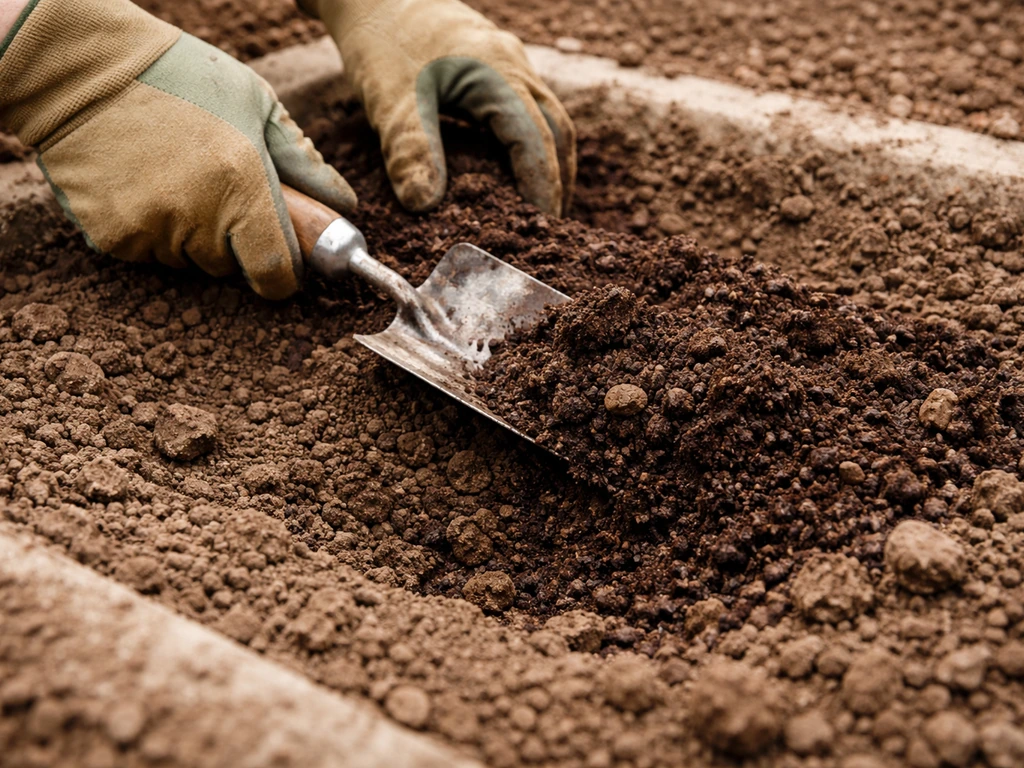
Utah soils tend toward clay or alkaline sandy loam, and bamboo prefers fertile, well-drained soil with decent organic matter. Before planting, work in compost generously, a few inches mixed into the top foot of soil makes a real difference. Good drainage is non-negotiable; bamboo roots sitting in waterlogged clay through a Utah winter is a death sentence. If your yard has heavy clay, consider raised beds or mounding the planting area slightly to encourage drainage.
Step 3: Time your planting
Plant in spring after the last frost risk has passed. In Salt Lake City that means after April 26 on average, in Provo closer to late May, and in Saint George you have flexibility from late March onward. Spring planting gives the bamboo a full growing season to establish roots before dormancy hits. Planting in fall is risky in Utah because a newly planted bamboo with undeveloped roots is far more vulnerable to hard freezes and desiccating winter winds.
Step 4: Plant correctly
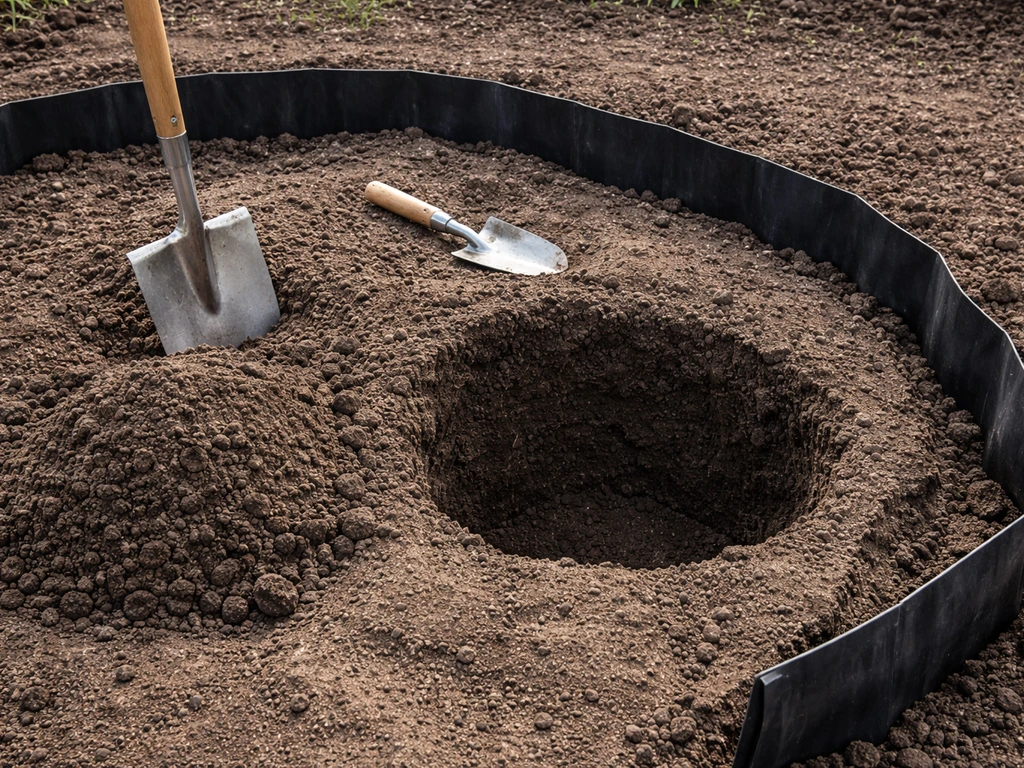
- Dig a hole two to three times the width of the root ball and about the same depth.
- If installing a rhizome barrier for running bamboo, trench the perimeter first to 28–30 inches deep, install the barrier with several inches above ground, and overlap and seal the ends before backfilling.
- Place the plant so the top of the root ball is at or just slightly above grade — do not bury the crown.
- Backfill with your amended soil, firm it in, and water deeply immediately after planting.
- Apply 3–4 inches of mulch over the entire root zone right away, keeping it a few inches away from the culms themselves.
Ongoing care: watering, feeding, and mulching in Utah
Watering
Water is where Utah bamboo growers most often go wrong. Bamboo needs ample water, especially in its first two to three years of establishment, and Utah's dry climate means you cannot rely on rainfall. During the growing season, water deeply and regularly, more often in summer heat, less once temperatures cool. The American Bamboo Society is direct on this: many bamboo failures trace back to inadequate water. If your bamboo looks stressed in July, water more before you try anything else. Drip irrigation works well here because it delivers moisture at the root zone without wetting foliage in a way that can encourage fungal issues in humid monsoon periods.
Fertilizing
Bamboo responds well to nitrogen-rich fertilizer. A balanced lawn-type fertilizer applied in spring as new shoots emerge, and again in early summer, gives the plant what it needs to push strong culm growth. Do not fertilize in late summer or fall in Utah, pushing new tender growth before winter is asking for frost damage. Keep it simple: spring and early summer feeding, then let the plant harden off naturally.
Mulching
Mulch is one of the most important things you can do for bamboo in Utah, and most people do not apply nearly enough. Keep 3–4 inches of organic mulch (wood chips, shredded bark, straw) over the entire root and rhizome zone year-round. In late fall before hard freezes, add more, a foot or two of mulch over the root zone provides meaningful insulation against Utah's hard soil freezes. The American Bamboo Society explicitly recommends keeping mulch over roots and rhizomes, and in marginal cold climates, heavy mulching through winter is one of the main reasons successful growers succeed where others fail.
Sun and heat considerations
Fargesia in particular prefers part shade and can suffer leaf scorch in Utah's intense summer sun, especially at altitude. If you are growing Fargesia in a full-sun spot in the Salt Lake Valley in July, you may see leaf curl during the hottest hours, this is the plant protecting itself from heat stress and is not necessarily fatal, but consistent afternoon shade helps. Phyllostachys handles full sun better but still benefits from shelter in Utah's windiest exposures.
Getting bamboo through Utah winters
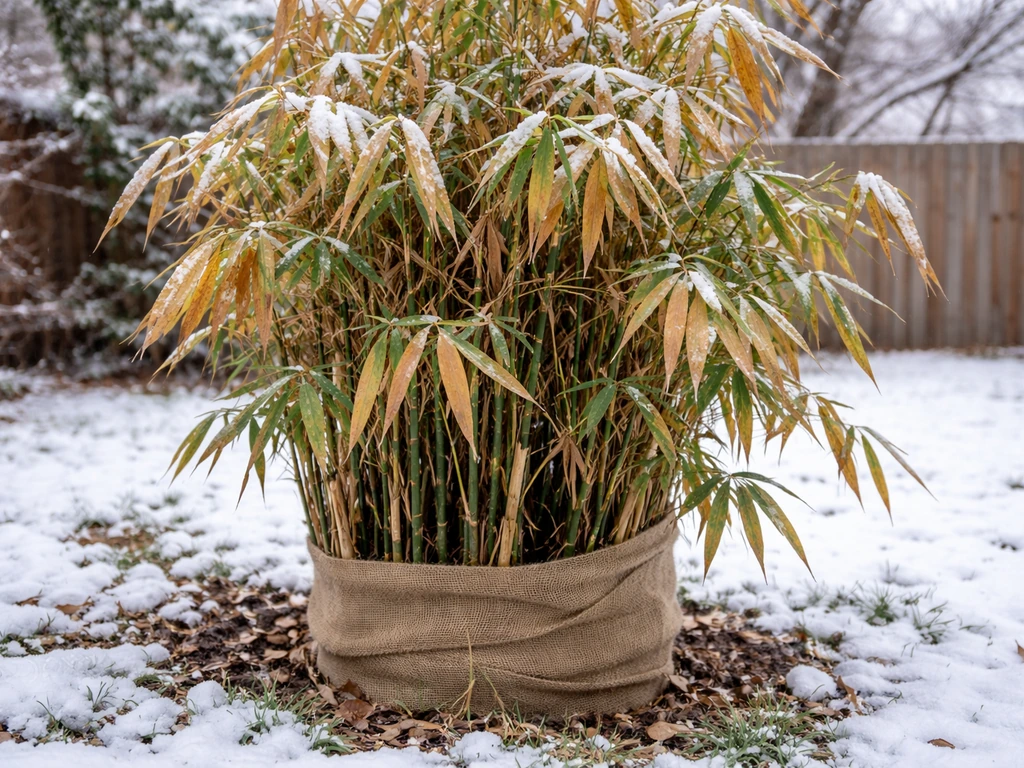
Winter management is where Utah bamboo growing gets real. Even cold-hardy varieties can show significant foliage damage after a hard Utah winter, leaf burn, browning, and sometimes full above-ground dieback. The important thing to understand is that foliage dieback does not necessarily mean the plant is dead. In many cases, the rhizomes and lower culm sections survive and the plant pushes new growth in spring. A bamboo that looks devastated in March can look healthy again by June.
Before winter hits
- Stop fertilizing by late August to let new growth harden off before frost.
- Water deeply in late fall before the ground freezes — well-hydrated roots handle cold better than dry ones.
- Do not water in the evening before a known freeze event, as wet foliage and surface soil can increase frost damage.
- Pile on extra mulch — up to a foot or two over the root zone — before temperatures drop hard.
- For smaller or more vulnerable plants, consider wrapping the culms and foliage loosely with burlap to reduce wind desiccation.
After winter: what to do in spring
Once temperatures stabilize in spring, assess the damage. Brown or crispy leaves are normal after a rough Utah winter. Wait until you see signs of new growth before making any decisions about cutting back. If culms are brown all the way down but the base looks green and viable, cut the damaged culms back to where they look healthy. Remove the burlap wrapping and ease back on the extra mulch layer as temperatures warm. Resume regular watering as the plant comes out of dormancy.
Realistic timeline
In Utah, do not expect spectacular growth in year one. Bamboo follows the old rule: sleep, creep, leap. Year one, the plant is establishing its root system. Year two, you might see modest new culm growth. Year three onward, with good care and favorable winters behind it, a Fargesia starts filling out into a real presence and a Phyllostachys starts to spread. Be patient and consistent with water and mulch, and the plant will reward you.
Keeping bamboo contained and out of trouble
This section matters more than most people realize before they plant. Clumping Fargesia requires minimal containment, it spreads slowly and predictably. Running Phyllostachys is a different story and needs to be treated seriously from day one. Bamboo failures in the sense of 'it took over my yard and my neighbor's yard' are management failures, not plant failures, and they are entirely preventable.
Rhizome barriers for running bamboo
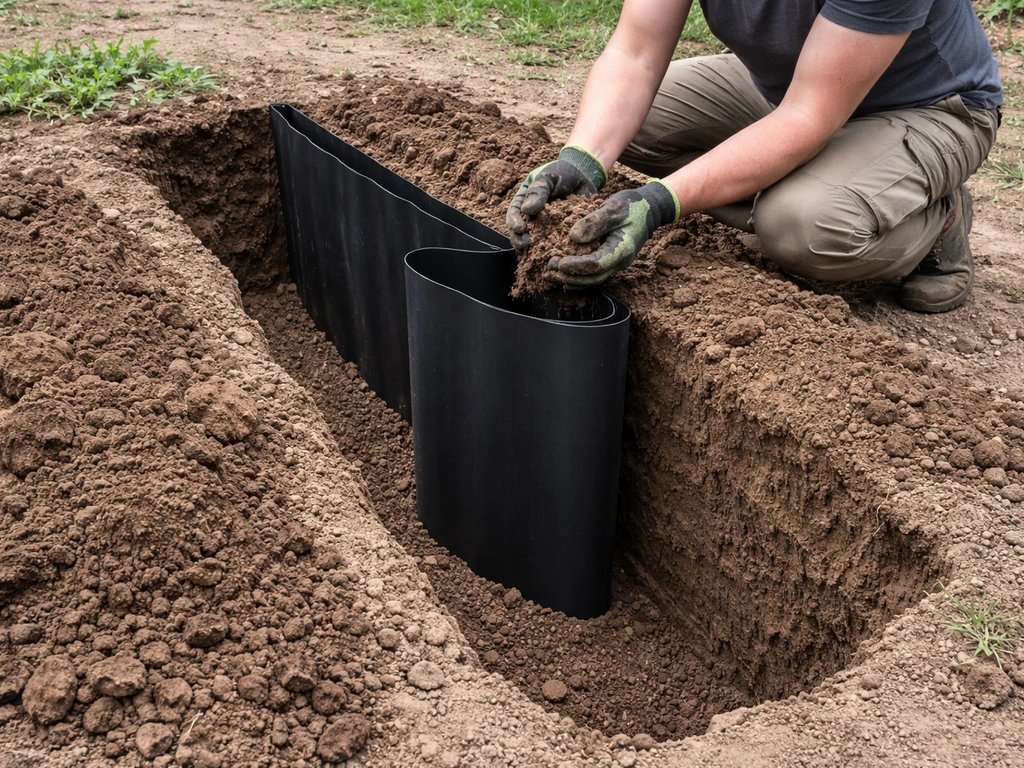
If you are planting any running bamboo, install a rhizome barrier before you plant, not after. The standard recommendation is a barrier at least 28–30 inches deep, rhizomes typically extend around 18 inches down, so a 30-inch barrier provides the necessary margin. Use high-density polyethylene (HDPE) barrier material that is at least 40 mil thick. When you install it, leave 2–3 inches of barrier above the soil surface to stop rhizomes from arching over the top. Overlap the ends of the barrier by at least 2 feet and seal them with stainless steel clamps or the manufacturer's overlap connector, the seam is the most common escape point.
Annual rhizome checks
Every spring before the growing season accelerates, walk the perimeter of your bamboo planting and check for rhizomes trying to escape. Look for new shoots appearing outside the barrier zone. If you catch them early, you can sever them with a sharp spade. If you miss a season, you can find yourself dealing with established runners well outside the intended area. This annual patrol takes 15 minutes and saves hours of later remediation.
Container growing as a containment strategy
If you want bamboo on a patio, against a building, or in a small yard, containers are an elegant solution to the containment problem entirely. Large pots (20-gallon or bigger) work well for Fargesia, and the plant naturally stays manageable. In Utah, containerized bamboo needs extra winter protection since pot walls do not insulate roots the way ground soil does, wrapping the pot in burlap or moving it to an unheated garage during the coldest stretches reduces freeze risk significantly.
Your next steps based on where you are in Utah
If you are in Salt Lake City or Provo in a sheltered yard, start with Fargesia murielae or Fargesia rufa 'Green Panda'. Plant in late April to mid-May after frost risk, pick a spot with afternoon shade, amend your soil with compost, mulch heavily, and water consistently. That combination gives you the best odds of getting through the first winter and establishing a healthy plant. If you are wondering about bamboo in New Mexico, focus on cold tolerance, wind protection, and deep mulching just as you would for Utah. If you are in Saint George or another southern Utah location with milder winters, you have more flexibility and can experiment with a contained Phyllostachys if you want a larger statement plant. If you are in a higher-elevation or northern Utah location (Ogden, Logan, Park City), stay with the most cold-tolerant Fargesia options and be aggressive about winter mulching and wind protection. The same principles apply in Colorado and other intermountain West states where cold and dryness combine, the approach does not change much across that region. The bottom line: bamboo in Utah is doable, it just asks for deliberate variety selection, patient establishment, and honest winter management. If you are wondering about bamboo in Mexico instead of Utah, the same idea applies: choose a variety that matches your local climate and give it proper site protection.
FAQ
Can bamboo grow in Utah in containers, like on a patio or balcony?
Yes, but it is riskier than planting ground-level because root temperatures swing more in containers. If you keep the pot outside, pack the pot into the ground (at least to the rim) or insulate the pot with burlap plus an insulating wrap, then keep a thick mulch layer on top. Plan to water less frequently in winter, but do not let the root ball fully dry out during freeze-thaw cycles.
If my bamboo browns in winter, does that mean it is dead?
Cold-hardy bamboos can still lose above-ground foliage to winter desiccation and wind, even when the plant survives. A practical check is to wait for fresh shoots or new green culms in spring, then cut only the dead sections. If the base is green or plump at the soil line, the rhizomes are likely alive.
How do I prevent running bamboo from escaping in Utah over the years?
For running bamboo, you should treat containment as a long-term system, not a one-time install. Besides the underground barrier, you still need spring perimeter patrol to catch rhizomes that may escape at seams or around edges. Also avoid planting near hardscape seams, where rhizomes can find gaps under fences or edging.
Do I need to water bamboo in Utah during winter?
Yes, but do not rely on it alone, especially in winter. After the growing season, watering schedules should prevent deep drying and desiccation, but you still want the soil to drain well so roots are not sitting wet during freezes. In practice, water when the ground is workable and the forecast has a mild period, then let it drain.
Will Fargesia or Phyllostachys tolerate full sun in Utah?
It can if the soil is well-drained and the plant gets afternoon shade, but Utah’s dry air makes constant full sun harder on many clumpers. For Fargesia, watch for leaf scorch and curl in the hottest weeks, and prioritize wind protection even if summer sun is tolerated.
What fertilizer schedule works best for bamboo in Utah?
Yes, because Utah soils often run alkaline and may not be sufficiently fertile. Use compost at planting and consider a light nitrogen-focused feeding in spring and early summer, but avoid heavy fertilization in late summer so you do not push tender growth that can be damaged by frost.
When should I prune bamboo in Utah after winter damage?
Do it cautiously and early in the season. In Utah, wait until you see new growth before major pruning, then remove only clearly dead culms. Cutting back too aggressively right after a winter freeze can remove energy stores the plant needs to regrow.
How much mulch is too much, and where should it be placed?
Mulch is beneficial, but piling it incorrectly can create problems. Keep mulch several inches thick over the root zone, then avoid burying the crown and lower culm so air can still reach the base. If you use very deep mulch, do it gradually and ensure there is no chronic standing moisture.
Can I overwinter bamboo plants the same way in-ground and in pots?
Usually, yes, but only when you have the right container and protection. Ground freezes do not threaten roots as much as container wall freezes, so you may need to overwinter container bamboos differently, such as moving them to a protected unheated area and wrapping the pot. Also, larger pots dry out more slowly, which helps during dry winter winds.
Which bamboo type should I choose for my Utah yard, clumping or running?
A quick decision aid is to match planting type to your space and your willingness to manage. If you want a low-effort, contained plant for privacy, start with clumping Fargesia. If you have room for containment work and regular yearly checks, then consider a cold-tolerant Phyllostachys with a correctly sized rhizome barrier.
Can Bamboo Grow in Arizona? How to Plant and Care
Can bamboo grow in Arizona? Species choice, site prep, irrigation, and care steps for hot dry success and troubleshootin