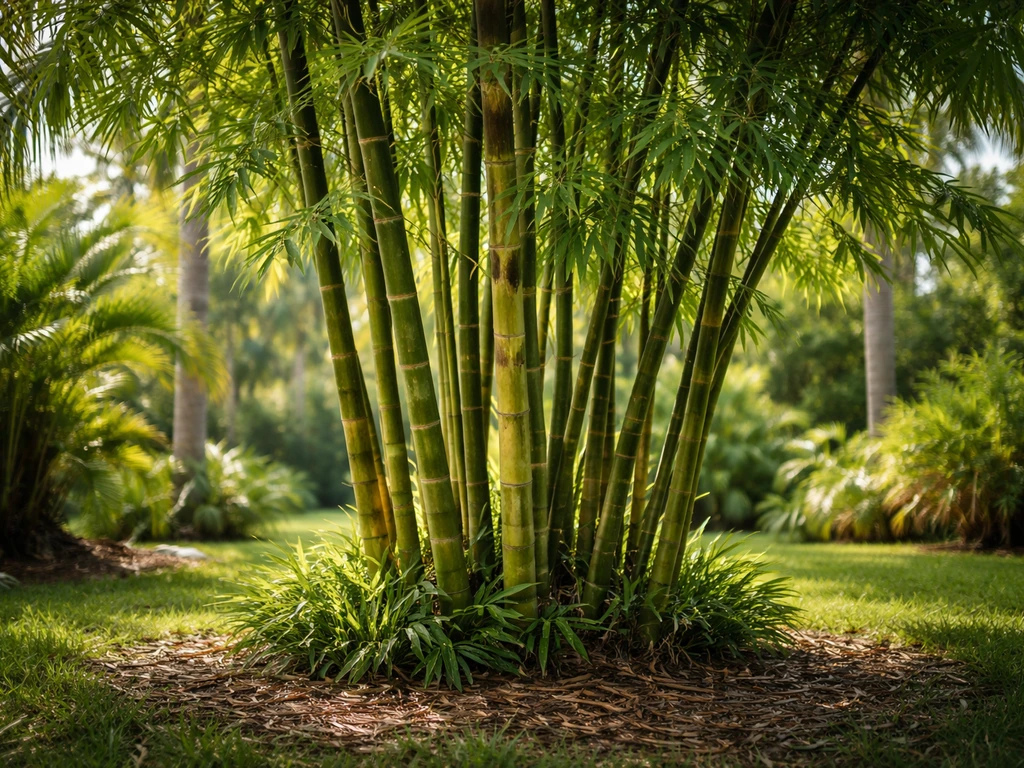
Yes, bamboo grows in North Carolina, and it grows well in most of the state. In Louisiana, bamboo can also grow, but your options depend heavily on the local winter low temperatures and protection needs bamboo grow in Louisiana. If you're wondering about a different region, you can also check whether bamboo grows in Texas and what temperatures it needs to survive.
Does Bamboo Grow in North Carolina? Can You Grow It

Marcus Hartwell
4 May 2026
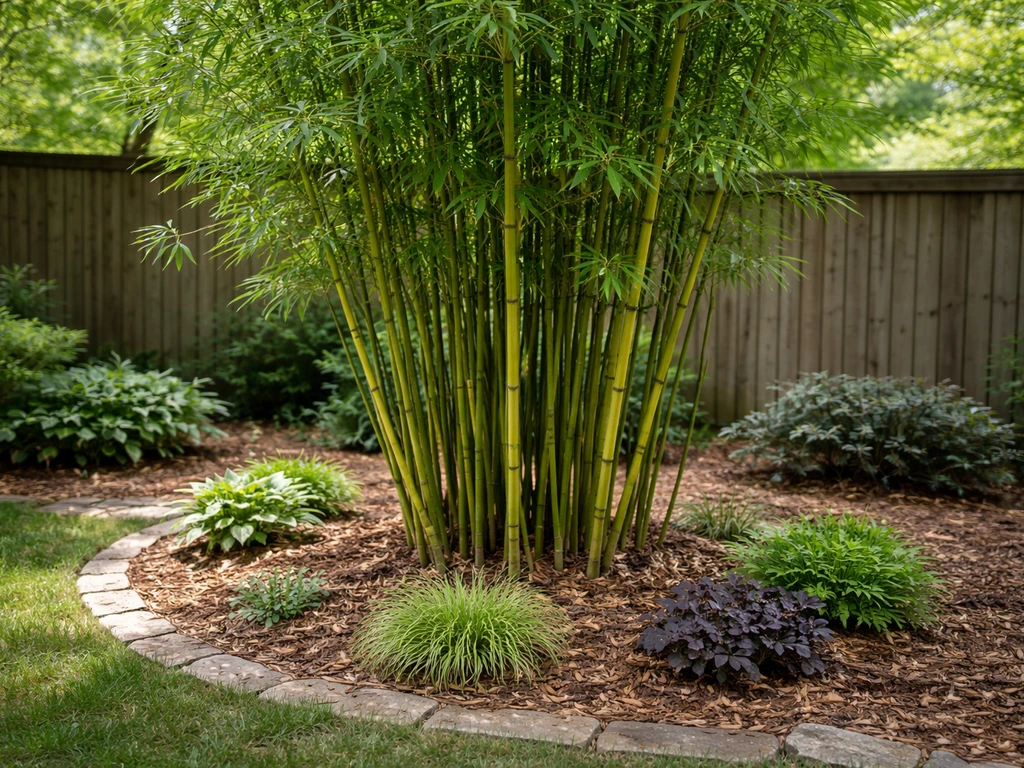
North Carolina spans USDA hardiness zones 5b through 8b depending on where you are, and a wide range of cold-hardy bamboo species can handle that range without much fuss. Whether you're in the piedmont, the coastal plain, or the mountains, there's a bamboo that can survive your winters, establish quickly, and give you real results within two to three growing seasons.
North Carolina vs. South Carolina: What Changes Across the State Line
The short version: both states can grow bamboo, but South Carolina is generally easier because it's warmer. If you're also wondering does bamboo grow in alabama, the same warmth and species hardiness factors apply, but you'll want to check your local zone first. South Carolina sits mostly in zones 7a through 9a, which means milder winters, earlier last-frost dates, and a longer active growing season.
That matters because bamboo does most of its growing in warm months, so more warmth equals more height, faster establishment, and a wider species selection. In NC, the mountain counties in the far west can dip into zone 5b, which eliminates some of the more tropical species that would thrive in Myrtle Beach or Charleston without any protection.
For most NC gardeners in the piedmont and coastal plain (zones 7a to 8a), the practical difference from South Carolina is modest. You lose a few frost-tender ornamental species, but the workhorses like Phyllostachys and Fargesia do just fine. If you're in the NC mountains around Boone or Asheville, you'll need to stick to the genuinely cold-hardy options and give new plantings some protection in their first winter or two.
Readers comparing nearby states will find that Georgia and Tennessee present similar trade-offs to NC, while Florida sits in a different category entirely. Tennessee gardeners can use many of the same cold-hardy bamboo options, especially if you match the species to your local USDA hardiness zone bamboo in Tennessee. Georgia can also support bamboo, but the cold-hardy choices and site selection matter depending on which part of the state you are in.
That said, bamboo can grow in Florida too, but the species and care approach need to match the heat and humidity Florida sits in a different category entirely.
Which Bamboo Types Actually Survive NC Winters
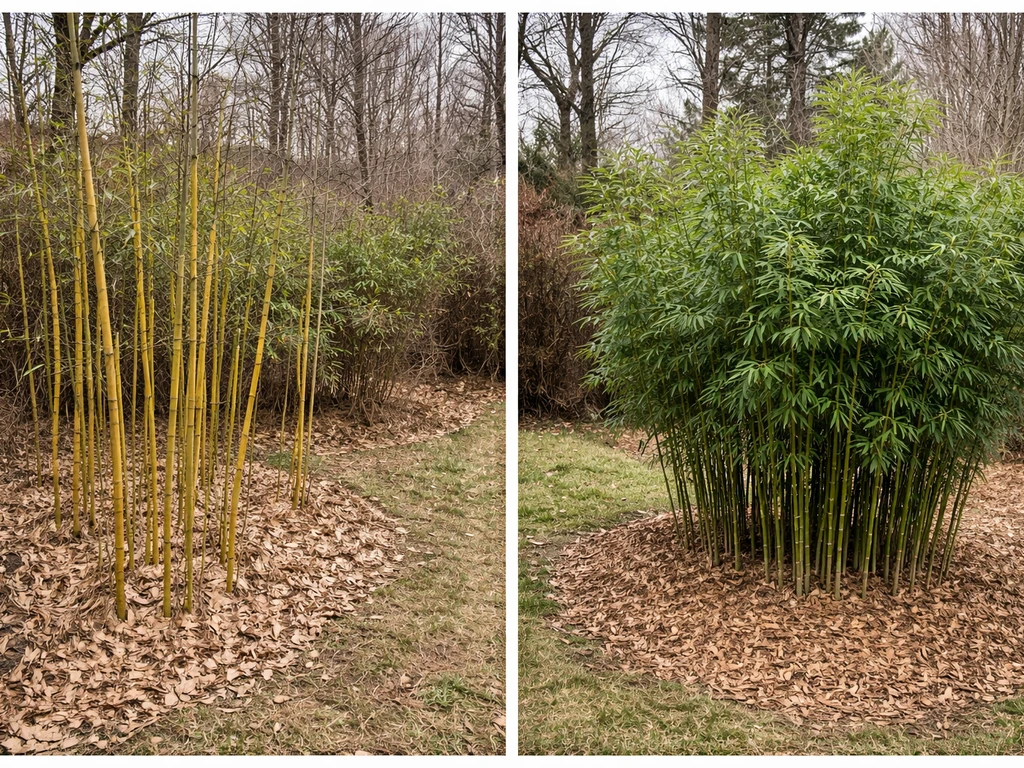
Bamboo splits into two broad categories that matter a lot for NC: running bamboo (monopodial) and clumping bamboo (sympodial). Cold hardiness varies hugely by genus and species, so zone matters more than the running/clumping distinction when it comes to winter survival.
Hardy Running Bamboo
Phyllostachys species are the most common running bamboos in NC and they're genuinely tough. Phyllostachys aureosulcata (yellow groove bamboo) handles zone 5b, making it one of the few options for NC mountain gardeners. Phyllostachys nigra (black bamboo) is reliable to zone 6 and looks stunning. Phyllostachys bissetii survives zone 5 and is one of the hardiest of the bunch. These are also the ones that spread aggressively if you don't contain them, which we'll cover later.
Hardy Clumping Bamboo
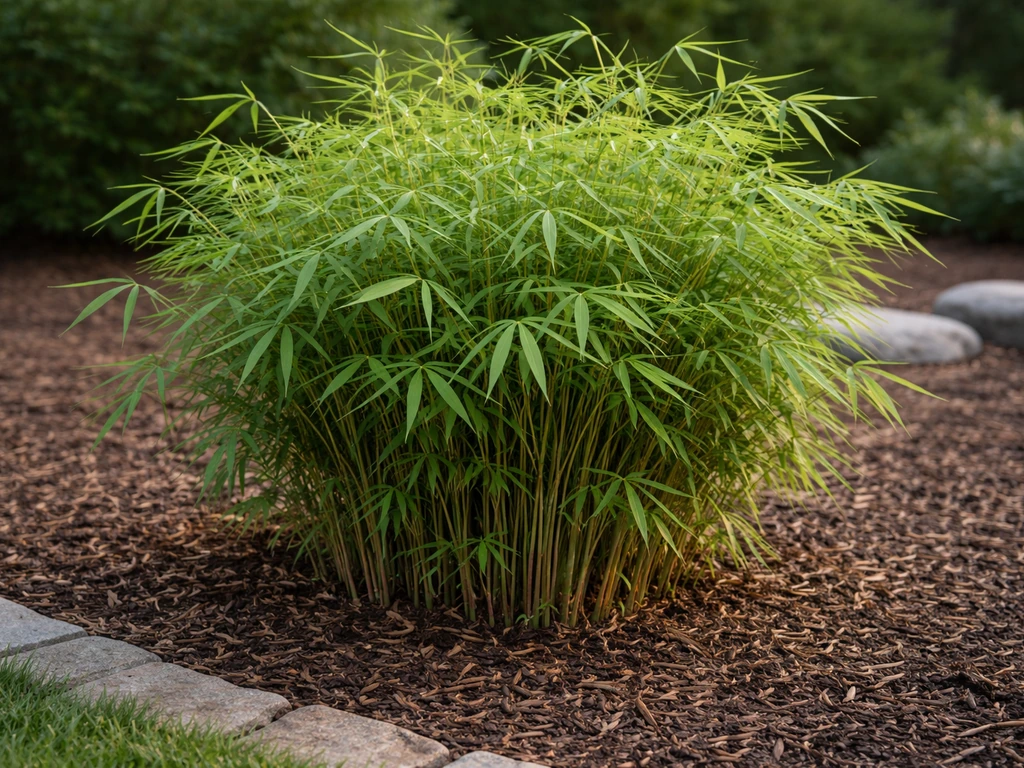
Fargesia species are the gold standard for clumping bamboo in NC. Fargesia rufa (umbrella bamboo) and Fargesia robusta are both rated to zone 5 or 6 and stay in a tidy clump without spreading runners. Fargesia rufa is commonly described as a clumping bamboo form and is often referenced as commonly cultivated for its compact habit [Fargesia rufa (umbrella bamboo) and Fargesia robusta are both rated to zone 5 or 6 and stay in a tidy clump without spreading runners.
](https://en. wikipedia. org/wiki/Fargesia_%27Rufa%27). These are the safest bet if you're worried about containment, and they handle partial shade well, which is a bonus in the humid NC climate.
The trade-off is height: most Fargesia species max out around 10 to 15 feet, while running Phyllostachys can reach 30 to 40 feet under good conditions.
| Species | Type | Hardiness Zone | Max Height | Best for NC Region |
|---|---|---|---|---|
| Phyllostachys aureosulcata | Running | Zone 5b+ | 20–30 ft | Mountains, Piedmont, Coastal |
| Phyllostachys bissetii | Running | Zone 5+ | 15–20 ft | Mountains, Piedmont, Coastal |
| Phyllostachys nigra | Running | Zone 6+ | 20–30 ft | Piedmont, Coastal |
| Phyllostachys bambusoides | Running | Zone 7+ | 30–40 ft | Piedmont, Coastal |
| Fargesia rufa | Clumping | Zone 5+ | 8–12 ft | Mountains, Piedmont, Coastal |
| Fargesia robusta | Clumping | Zone 6+ | 10–15 ft | Piedmont, Coastal |
| Bambusa multiplex | Clumping | Zone 7+ | 15–25 ft | Coastal plain only |
Picking the Right Spot in Your Yard
Bamboo is adaptable, but the right site makes the difference between a plant that thrives and one that just survives. In NC, you have some real advantages: decent rainfall, warm summers, and mostly fertile soil. Here's what to prioritize.
- Sun: Most bamboo species want at least 4 to 6 hours of direct sun per day. Full sun is ideal for Phyllostachys. Fargesia species actually prefer dappled shade or morning sun with afternoon shade, which makes them excellent under tall pines or hardwoods.
- Soil: Bamboo does best in well-drained, slightly acidic soil with a pH between 5.5 and 6.5. NC's native soils are often naturally acidic, so this usually works in your favor. Avoid heavy clay that holds water for hours after rain.
- Drainage: This is the one non-negotiable. Bamboo roots do not tolerate standing water. If your planting area puddles after a heavy rain and doesn't drain within an hour or two, amend it with compost and coarse material or choose a raised bed.
- Wind protection: Young bamboo, especially in the mountains and western piedmont, benefits from a windbreak on the north and northwest sides. Cold, drying winds in January and February are more damaging than the cold itself.
- Frost pockets: Avoid low-lying spots where cold air settles on still nights. NC State Climate Office data shows first fall freeze in the mountains can come as early as mid-October; low spots freeze first and hardest.
How to Start: Rhizomes, Containers, and What to Expect
You have three realistic starting options in NC: bare-root rhizomes, container-grown plants, and divisions from an established grove. Seeds are technically possible but so slow and unreliable that most experienced growers ignore them entirely.
Container Plants (Easiest)
Container-grown bamboo is the most forgiving starting point. You're planting an already-established root system, which means faster establishment and better first-winter survival. Plant in spring after the last frost (mid-April for most of NC, early May for the mountains) so roots have the full growing season to spread before winter. Freeze Explorer by the North Carolina State Climate Office can help you look up last spring freeze and first fall freeze dates for your location in North Carolina Plant in spring after the last frost. Dig a hole twice as wide as the pot, water thoroughly, and mulch 3 to 4 inches deep.
Bare-Root Rhizomes
Rhizomes are cheaper and work well if you plant them correctly. The window is narrow: early spring, ideally March through mid-April in the piedmont and coastal plain. Rhizomes need to go in before heat arrives but after the hardest freezes are done. Plant them 2 to 4 inches deep, horizontally, with buds facing up. Keep them consistently moist for the first six weeks. First-year shoots will be short and sparse. That's normal. The rhizome is spending its energy growing underground.
Divisions
If you know someone with an established bamboo grove in NC, a division is the fastest way to get started. Take divisions in late winter or very early spring before new shoots emerge, keeping as much root mass intact as possible. These establish fast because the rhizome mass is already mature.
Container Growing (for Tight Spaces or Uncertain Zones)
Growing bamboo in large containers (25 gallons minimum, 45 gallons or larger for running types) is a real option in NC, especially for mountain gardeners who want less cold-hardy species or for anyone on a deck or patio. You can move containers to an unheated garage or shed for the coldest weeks. Use a well-draining potting mix cut with perlite, and expect to repot every 2 to 3 years as the root mass fills the container.
How Fast Bamboo Grows in North Carolina
Bamboo follows a well-known pattern called the 'three-year rule': sleep the first year, creep the second, and leap the third. In NC's climate, this holds up pretty accurately. Here's what that actually looks like on the ground.
- Year 1: You'll see a few small shoots, maybe reaching 2 to 4 feet. The plant is investing heavily in rhizome development underground. Don't panic if growth looks disappointing.
- Year 2: Shoots get noticeably taller and thicker, typically reaching 50 to 70 percent of their eventual mature height. More of them emerge.
- Year 3 and beyond: This is the leap. Canes start hitting mature height and diameter. A well-established Phyllostachys grove in the NC piedmont can push up new canes at 12 inches per day or more during the spring shooting season in April and May.
What does 'success' look like in NC? A mature Phyllostachys grove in the piedmont or coastal plain should reach 20 to 35 feet tall with dense canes within 4 to 5 years from planting. Fargesia clumps will be more modest, 8 to 12 feet, but full and lush. If your bamboo is still struggling after three full growing seasons, look at drainage, soil compaction, or shade as the likely culprits.
Keeping Running Bamboo Under Control
This is the section that really matters if you're planting Phyllostachys or any other running species. Running bamboo is not inherently evil, but it will absolutely cross property lines, invade flower beds, and come up through lawn if you don't have a plan. North Carolina has no statewide bamboo ordinance as of 2026, but some municipalities and counties have nuisance ordinances that can make uncontrolled bamboo a legal headache.
Root Barrier Installation
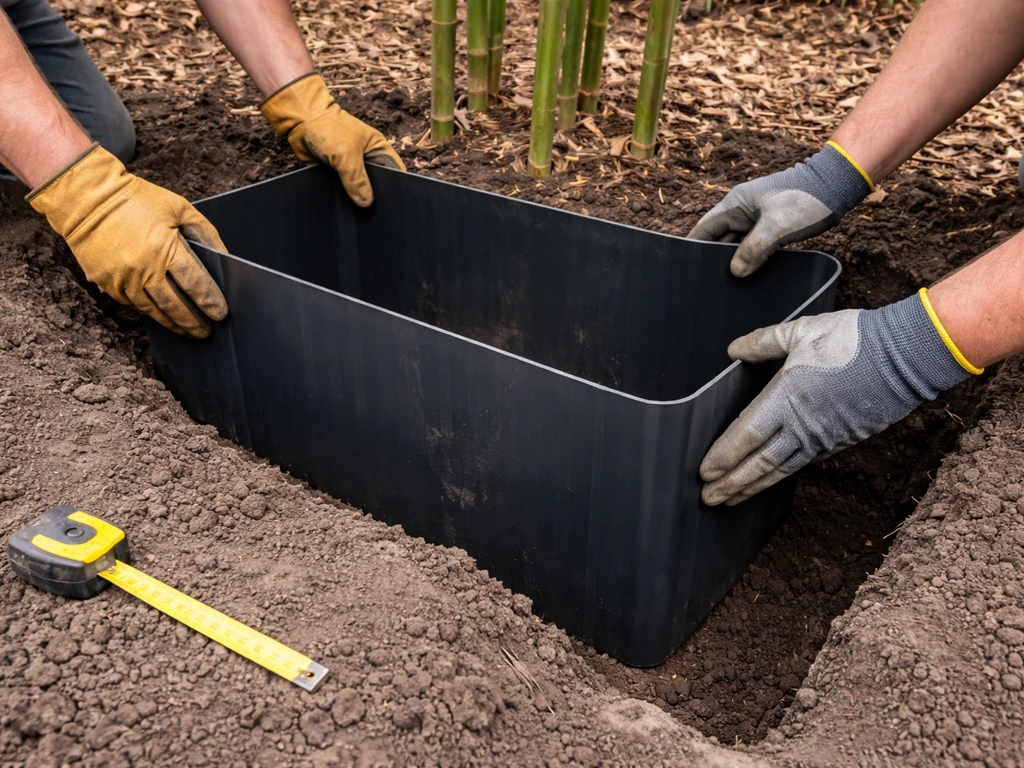
The gold standard is a high-density polyethylene (HDPE) root barrier, at least 60 mil thick, installed to a depth of 24 to 30 inches around the planting area. Shallower barriers just redirect rhizomes downward before they pop up on the other side. Leave 2 to 3 inches of the barrier above soil level so you can see when rhizomes try to climb over the top. This is the most effective long-term containment and it's worth the upfront cost.
Annual Trench Method
If you skip the barrier, cut a trench 12 to 18 inches deep around the perimeter of the grove every fall. Sever any rhizomes that cross the line. It works but requires consistent effort every year without exception. Miss one year and the rhizomes will be several feet past the boundary.
Choose Clumping Bamboo Instead
If spread control sounds like too much work, just plant Fargesia. It genuinely stays in a clump. The rhizomes expand slowly outward from the crown, maybe 2 to 4 inches per year, instead of sending runners 10 to 15 feet in a single season. For most residential NC landscapes where you don't have acres to dedicate to a running grove, clumping bamboo is the smarter choice.
Ongoing Care: Watering, Fertilizing, Pruning, and Winter
Watering
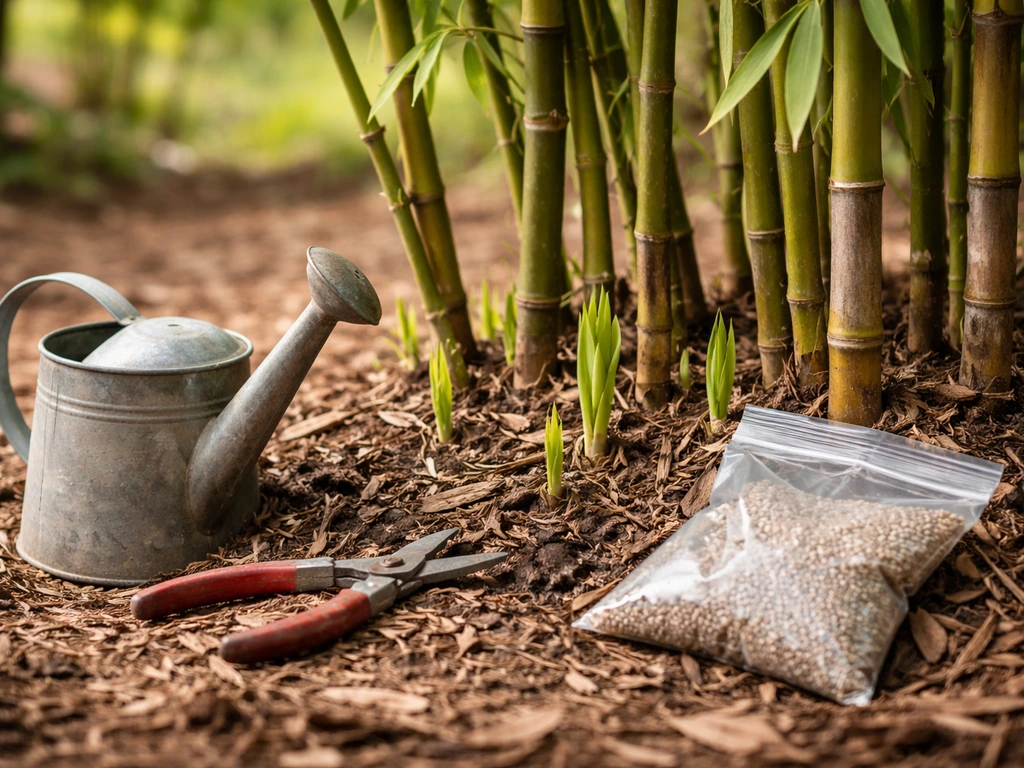
In the first year, water new plantings deeply two to three times per week if there's no rain, especially during the hot NC summers. Once established (year two and beyond), most bamboo in NC is fairly drought-tolerant and NC's average annual rainfall of 40 to 50 inches carries most of the load. During extended dry spells in July and August, give established groves a deep soak every week or two rather than shallow frequent watering.
Fertilizing
Bamboo is a grass, so it responds well to nitrogen. A balanced lawn fertilizer (something like 16-4-8 or similar) applied in early spring as new shoots are emerging and again in late spring gives you the best growth response. Don't fertilize after mid-summer in NC, because you don't want to push tender new growth that'll get hit by early frost. Avoid high-phosphorus fertilizers, which bamboo doesn't use efficiently.
Pruning
Pruning bamboo is mostly about managing the appearance of the grove rather than plant health. Remove dead or damaged canes at the base using loppers or a pruning saw. If the grove is getting too dense, thin out the oldest, darkest canes at ground level in late winter or early spring before shooting season. Never cut a cane partway up unless you want a blunt stub, because bamboo canes do not branch or regrow from a cut point.
Overwintering in NC
For cold-hardy species planted in zones 6b and above, no special winter care is needed for established plants. For new plantings in their first winter, mulch the root zone 4 to 6 inches deep with straw, shredded leaves, or wood chips to insulate the rhizomes. In the NC mountains (zones 5b to 6a), you can wrap the canes of young plants loosely in burlap during the coldest weeks of January and February. Leaf browning and some dieback on canes is normal after a hard freeze; the plant almost always recovers from the roots and rhizomes even when the above-ground portion looks dead. Wait until May before writing off a plant after a rough winter.
FAQ
If my property is in the right USDA zone, will bamboo automatically survive North Carolina winters?
Yes, but only if you match the bamboo type to your microclimate. In North Carolina, small pockets that stay cold longer (low spots, north-facing slopes, windy ridges) can be colder than your USDA zone suggests, so new plantings may need extra mulch or temporary cane protection even in the Piedmont.
My bamboo canes look dead after winter, how do I know if the plant is actually gone?
Most people see bamboo die back above ground after a hard freeze, then recover because rhizomes stay alive. Wait until late spring (around May) to judge success, and avoid digging it up after a freeze, since that can damage living rhizomes.
What are the most common first-year mistakes when growing bamboo in North Carolina?
Clumping types like many Fargesia usually recover better from minor mistakes, while running types are more sensitive to poor containment during the first year. Also, avoid overwatering in winter, especially in poorly drained areas, because cold plus soggy soil can cause rhizome loss.
Will growing bamboo in a container protect it from cold in North Carolina?
Container placement matters. A pot on an exposed deck or patio can freeze harder than the ground, because roots cool faster. If you use containers, keep them in a sheltered spot or cluster pots near a wall, and move them to an unheated garage only for the coldest stretches.
Can I grow bamboo from seed in North Carolina?
Not reliably. Bamboo seeds can take a very long time to germinate and produce plants that are inconsistent in hardiness and performance, so most North Carolina growers choose container plants, divisions, or rhizome starts.
How close to a property line or neighbor should I plant bamboo in North Carolina?
You can, but expect very different results by type. Running Phyllostachys can spread fast once established, so you still need a containment plan even if it’s near a fence. Clumping bamboo is the easier option for tight yards because it expands slowly from the crown.
When should I install a root barrier for running bamboo, and how deep does it need to be?
If you choose running bamboo, install containment as soon as you plant, not after it starts spreading. A barrier that is too shallow or installed years later is harder to fix, because rhizomes may already be beyond the intended perimeter.
Can bamboo grow in partial shade in North Carolina?
Yes, but choose a species first. Most common NC recommendations work in partial shade, especially Fargesia, while Phyllostachys typically grows taller and faster with more sun. In heavy shade, growth slows and your bamboo may look thin even if it survives.
When is the best time to fertilize bamboo in North Carolina, and when should I stop?
Fertilize early spring and late spring, then stop by mid-summer. If you push nutrients too late, you can get tender new shoots that are more likely to brown or die back after early cold snaps.
What pruning schedule works best for bamboo in North Carolina?
Yes, and the timing helps. Prune dead canes in late winter or early spring for neatness, then thin dense clumps before new shoots emerge. If you cut too late, you can remove canes that would have helped during the season’s growth burst.
Do I need to wrap bamboo for winter in the NC mountains?
You can get away with less winter fuss for established plants in zones 6b and above, but new plantings benefit from insulation. Use a 4 to 6 inch mulch layer over the root zone, and in the mountains consider loosely wrapping young canes during the coldest January to February weeks.
Why would bamboo struggle in North Carolina, even when I water and fertilize?
Yes, particularly for running bamboo. If your soil holds water, rhizomes can suffer during cold wet periods. Improving drainage or avoiding low, soggy areas is often more important than adding more fertilizer or watering.
How often should I water bamboo during hot summers in North Carolina?
Most established bamboo in NC becomes relatively drought tolerant, but heat waves in July and August still matter. Instead of frequent shallow watering, use deep soakings spaced about every week or two during extended dry stretches.
If my bamboo looks small for a couple years, when should I be concerned?
It depends on what you planted and how quickly it’s established. In many NC yards, you should see noticeable improvement by the second season, and running types can look dramatically better by the third. If there is essentially no growth after three full growing seasons, re-check sun exposure, drainage, and whether winter dieback is repeatedly killing rhizomes.
Next Article
Does Bamboo Grow in Florida? How to Grow It Successfully
Yes, bamboo grows in Florida. Learn which types to plant, where in Florida, and how to manage and contain it.