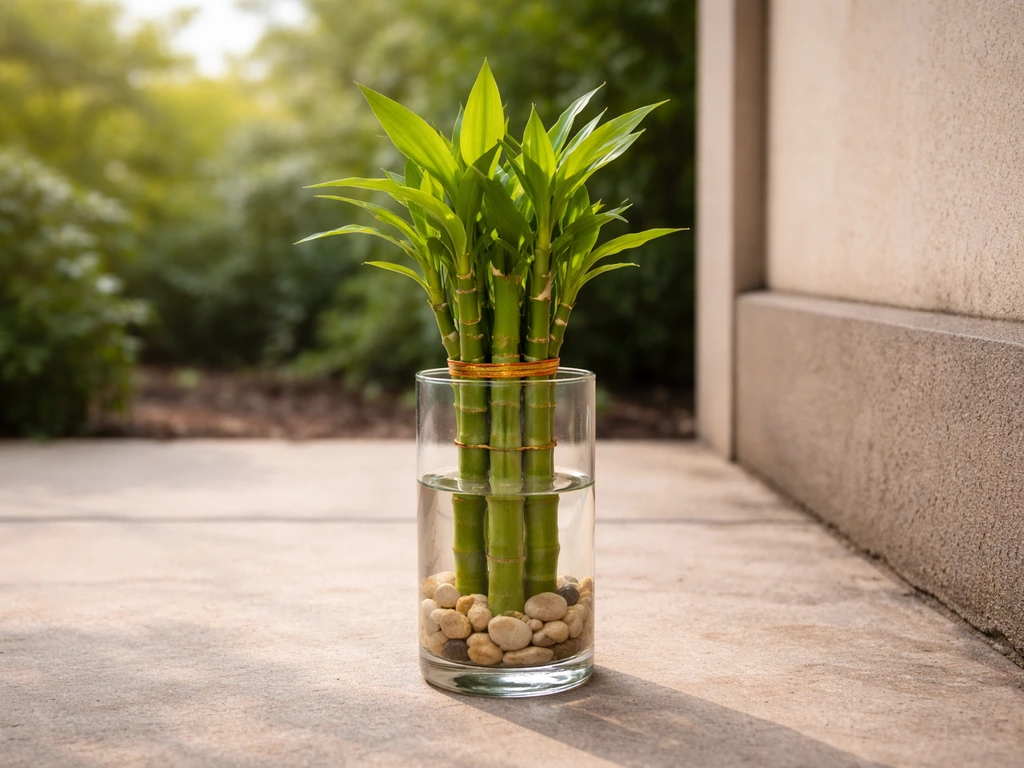
Yes, lucky bamboo absolutely grows, but it does so on its own quiet schedule and only when a few key conditions are right. Under good care, you can expect new shoots to emerge from a pruned node within 3 to 6 weeks, roots to develop on cuttings in 3 to 8 weeks, and overall new cane and leaf growth to become clearly visible over a few months. Get the light, water quality, and temperature dialed in, and this plant is reliably easy. Ignore those factors, and growth stalls fast.
Do Lucky Bamboo Plants Grow? How to Make It Thrive

Marcus Hartwell
3 May 2026
What lucky bamboo actually is (it's not bamboo)
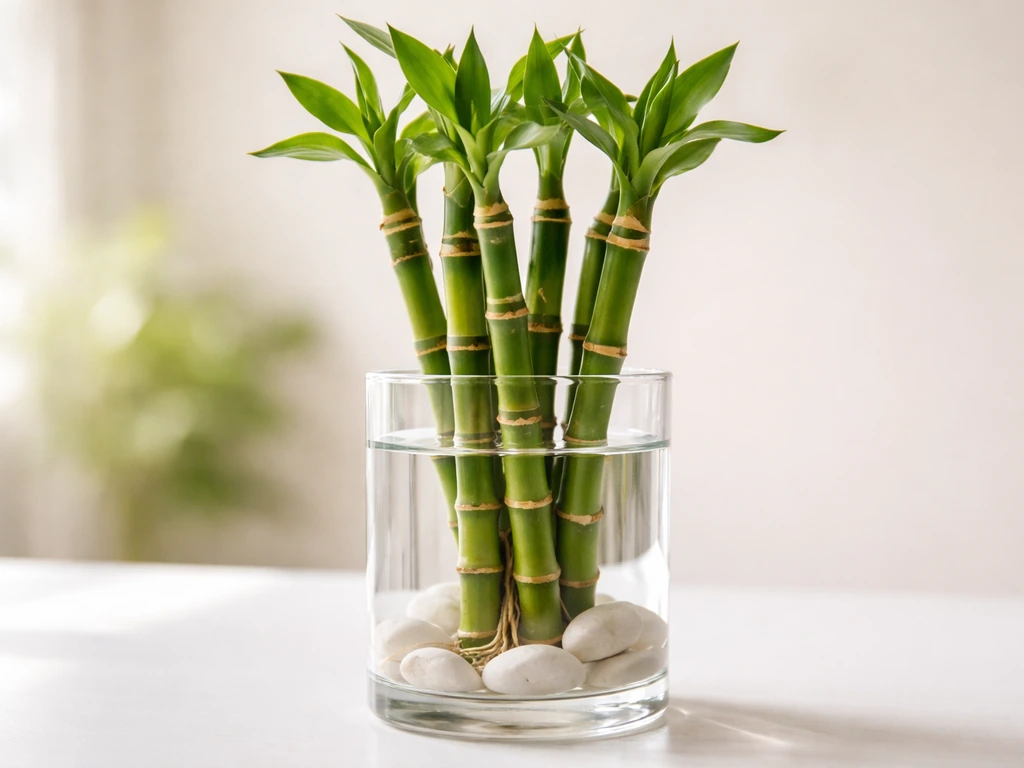
The plant sold as lucky bamboo is Dracaena sanderiana, sometimes called friendship bamboo. It is not a true bamboo at all. Dracaena sanderiana is taxonomically distinct from true bamboos, and the common name “bamboo” reflects its appearance rather than it being a true bamboo blank" rel="noopener noreferrer">It is a true bamboo at all.. The University of California ANR puts it plainly: lucky bamboo is a houseplant in the Dracaena family, full stop. It just happens to have segmented, cane-like stems that look vaguely similar to bamboo culms, which is where the name comes from commercially.
This distinction matters a lot for growth expectations. True bamboo grows from rhizomes underground and can shoot up dramatically fast. Dracaena sanderiana grows from rooted stem cuttings and develops much more gradually, producing new side shoots and foliage rather than sending up giant new canes from the soil. It is a tropical West African native, which tells you immediately that it wants warmth, indirect light, and humidity, not full sun and cold windowsills.
Does lucky bamboo actually grow? What to realistically expect
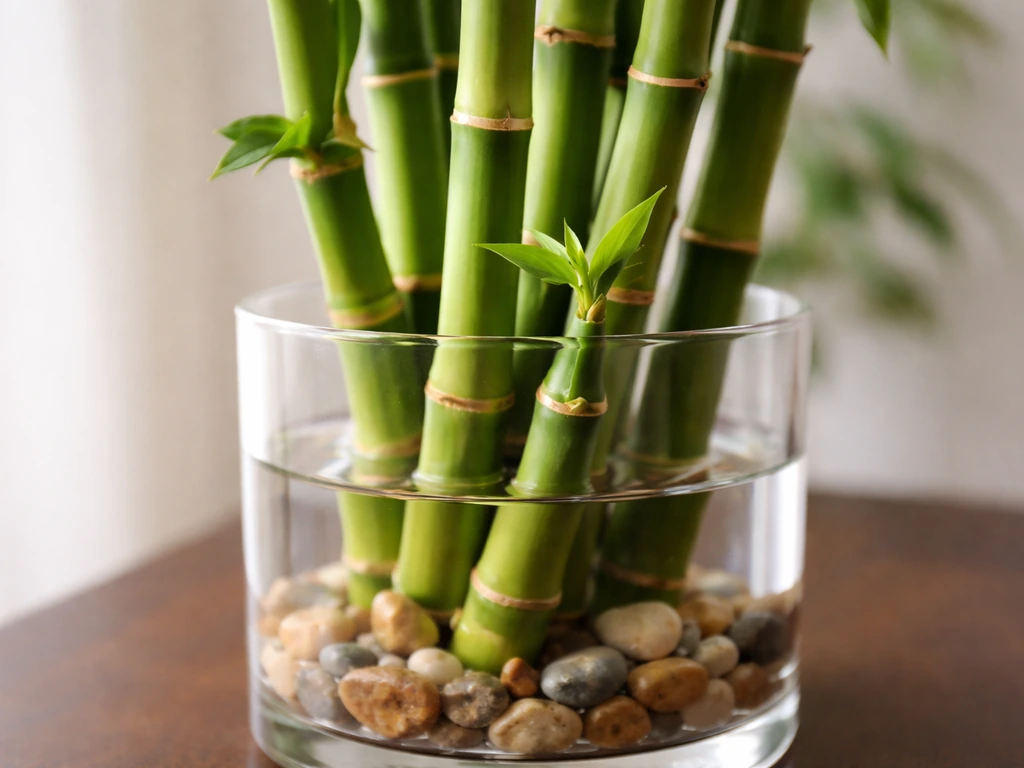
It does grow, but slowly and in a specific way. The main canes (stems) you buy are usually already mature. They are not going to stretch upward dramatically on their own. What you will see is new leaf growth from the tops of those canes, occasional side shoots emerging from nodes along the stem, and root development at the base. If you prune a cane above a node, a new shoot typically emerges in about 3 to 6 weeks. Roots on cuttings placed in water usually develop in 3 to 8 weeks. Full establishment in soil after repotting takes closer to 2 to 3 months.
So manage your expectations: this is not a plant that doubles in size over a summer. It is a slow, steady grower that rewards consistent care with gradual, healthy new growth. If yours has been sitting in the same water for months with no new leaves at all, that is a sign something is off, not that the plant does not grow.
What lucky bamboo grows in: water vs. potting mix
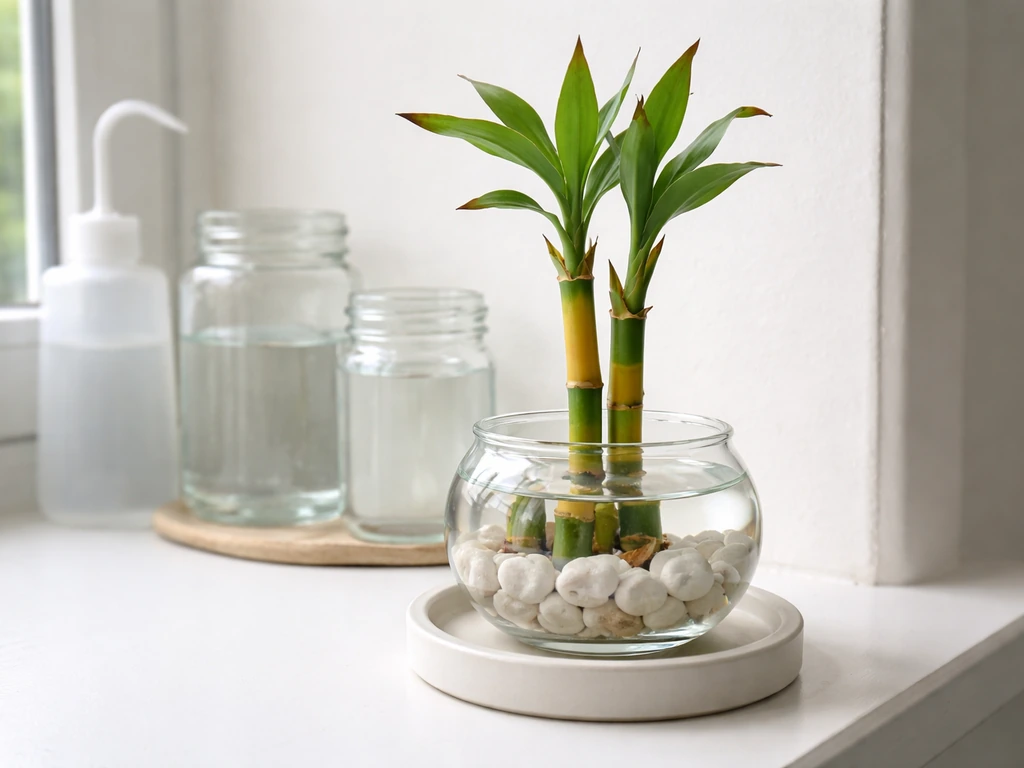
Lucky bamboo is commonly sold in a pebble-and-water setup where the canes are held upright by stones and the roots sit in shallow water. This works well and is probably the most popular way to keep it. It can also grow in soil, and both methods are genuinely viable as long as you follow the rules for each.
Growing in water
Change the water every one to two weeks, and use distilled or filtered water whenever possible. This is not optional advice. Dracaenas are genuinely sensitive to chlorine and fluoride in tap water, and those chemicals will show up as brown leaf tips and eventually yellowing canes. Keep the water level consistent but do not submerge the canes, just the roots. Stagnant water goes oxygen-poor quickly, which sets the stage for rot at the base of the stalks. Rinsing out the container when you change the water prevents buildup.
Growing in soil
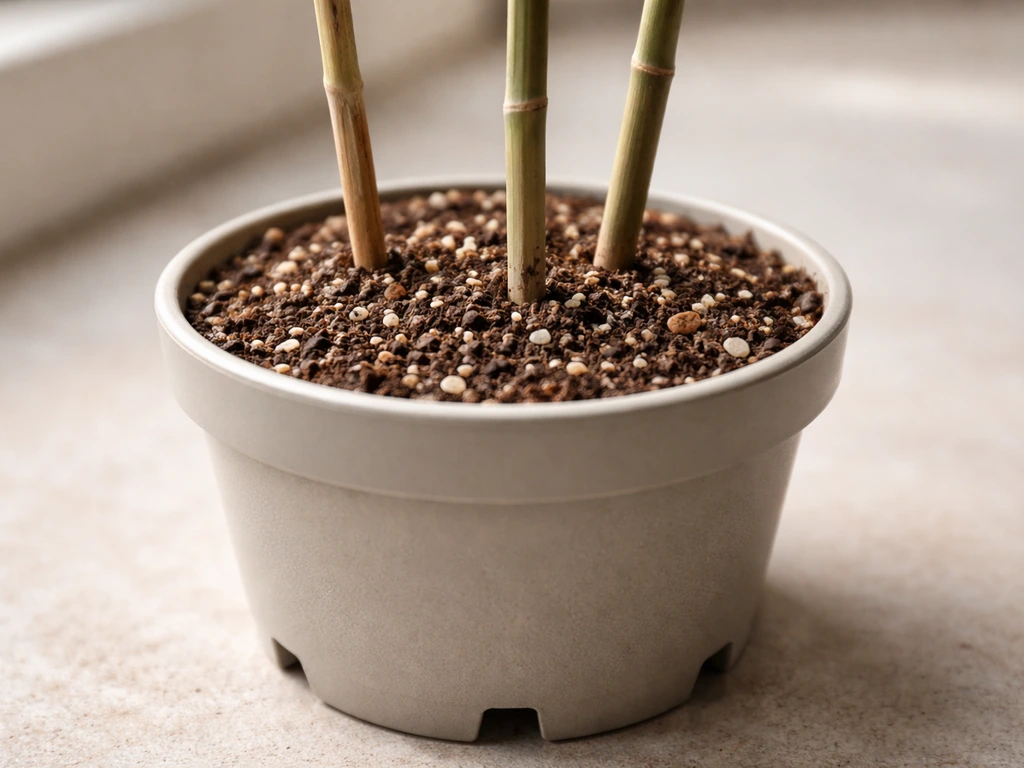
If you prefer soil, use a light, well-draining potting mix. The key here is never soggy, which mirrors the water-grown advice about avoiding stagnant conditions. Keep the mix moderately moist. Soil growing tends to support more robust root development over time and is a good option if you want to encourage the plant to really establish itself long term.
| Factor | Water (pebbles + container) | Potting mix |
|---|---|---|
| Setup effort | Low, minimal materials | Slightly more setup, needs drainage |
| Water quality sensitivity | Very high, use filtered/distilled | Moderate, regular watering |
| Root visibility | Roots visible, easy to monitor | Roots hidden, harder to check |
| Growth rate | Steady when water is clean | Often more robust long term |
| Risk | Root/stalk rot from stagnant water | Overwatering and soggy mix |
| Best for | Display pieces, beginners | Long-term growth, establishment |
Both methods work. Water setups are easier to start with and look great on a desk. Soil is the better choice if you want the plant to grow more vigorously over time and develop a stronger root system.
Where it grows best: light, temperature, humidity, and placement
Lucky bamboo wants bright, indirect light. That means a spot well-lit by natural light, but not one where direct sunlight hits the leaves. Placing it about 6 to 8 feet from a sunny window is a good rule of thumb. It also does fine under fluorescent office lighting, which is part of why it turns up in so many workplaces. What kills it is direct sun, which scorches the leaves, and very dim corners, which slow growth to almost nothing.
Temperature-wise, keep it between 65°F and 75°F (18°C to 23°C) for ideal growth. It can tolerate up to around 90°F, but cold is a real problem. Keep it away from drafty windows in winter, air conditioning vents, and any spot that drops below 60°F regularly. It is a tropical plant and behaves like one.
Humidity is worth thinking about, especially in dry climates or heated homes in winter. Lucky bamboo appreciates moderate humidity. If your home gets very dry, grouping it with other plants or placing a shallow tray of water nearby can help. You will notice the tips browning more in dry conditions even if the water quality is fine.
How lucky bamboo actually grows: canes, roots, and patterns
The canes (also called stalks) are segmented stems with distinct nodes, which are the slightly raised rings you see along the length. New growth emerges from these nodes. When a cane is pruned just above a node, that node activates and sends out a side shoot, usually within 3 to 6 weeks. The tops of unpruned canes will continue producing new leaf clusters as long as conditions are right.
The roots grow from the base of the canes and are typically reddish-orange in color when healthy. In water setups, you can watch them develop, which is genuinely satisfying. In soil, healthy roots should be firm and white to tan. Mushy, dark, or slimy roots are a rot warning sign, usually from stagnant water or soggy soil.
One thing worth knowing: the existing canes do not grow taller on their own in any significant way once they are mature. Growth is expressed as new shoots, new leaves, and root expansion rather than the cane itself elongating dramatically. If you want taller plants, you propagate by cutting stem sections with nodes and rooting them separately, which is a different process. The sibling topic on whether lucky bamboo stalks grow gets into this in more detail if you want to dig further. The sibling topic on whether lucky bamboo stalks grow goes into what causes taller growth versus new shoots.
How to make it grow faster: practical adjustments you can make today
- Switch to distilled or filtered water immediately if you are using tap water. This single change removes the chlorine and fluoride that slow root development and cause yellowing.
- Move it closer to a bright window, but make sure the light is indirect. More light (without direct sun) is almost always a growth accelerator for this plant.
- Check your temperature. If the room drops below 65°F at night or sits near a vent, relocate the plant to a warmer, more stable spot.
- Feed it every two weeks with an all-purpose liquid plant food. Lucky bamboo does not need heavy fertilizing, but a light, regular feed supports steady growth, especially in water where there are no soil nutrients.
- Prune above a node on any cane that looks leggy, unbalanced, or stalled. This signals the plant to activate that node and push out a new shoot within a few weeks.
- Change water-grown plants' water weekly if possible, and rinse the container thoroughly each time to prevent bacterial buildup.
None of these changes are dramatic, but together they create the consistent, stable environment that this plant needs to grow steadily. Think of it like tuning several small variables at once rather than looking for one magic fix.
Why it won't grow and what to fix right now
If your lucky bamboo has not shown any new growth in months, run through this checklist. Most stalled plants have one of these problems:
- Tap water with chlorine or fluoride: this is the most common culprit. Yellowing from the base of the cane, brown leaf tips, and sluggish growth are all signs. Fix: switch to distilled or filtered water and change it weekly.
- Stagnant water: if the water smells off or looks cloudy, it has gone anaerobic and is actively harming the roots. Fix: dump it, scrub the container, refill with fresh filtered water.
- Too little light: a dim corner will keep the plant alive but not thriving. Fix: move it to a brighter spot with indirect light today.
- Cold or drafty placement: near a window in winter or an AC vent in summer will suppress growth. Fix: relocate to a stable spot between 65°F and 75°F.
- Mushy or rotting canes: this usually means rot has set in from stagnant water or soggy soil. Fix: remove any soft or discolored sections with a clean cut above a healthy node, improve water or soil drainage, and give it time to recover.
- No fertilizer for a long time: water-grown plants especially can run low on nutrients. Fix: start a light liquid fertilizer routine every two weeks.
- Direct sun exposure: leaves that are yellowing from the top rather than the base often point to sun damage. Fix: move the plant back from the window or use a sheer curtain to filter the light.
The good news is that lucky bamboo is resilient when caught early. Address the most obvious problem first, give it two to four weeks of corrected care, and you will usually see the plant respond with new leaf growth or fresh root development. If you are also wondering whether this plant can grow outside or in an aquarium setting, those are genuinely different situations with their own rules worth looking into separately. It does not grow like true bamboo, so the rocks-and-soil question depends on whether you are talking about lucky bamboo or real bamboo can bamboo grow in rocks. If you are considering an aquarium specifically, the water chemistry, oxygen, and temperature matter just as much as light can lucky bamboo grow in aquarium. If you do keep it outside, treat it as a warm-weather container plant and only place it in conditions similar to its indoor setup can grow outside.
FAQ
Can lucky bamboo grow if the canes are submerged?
Yes, it can grow in water, but the canes should stay dry above the water line. Only the roots should be in the water, and the water should be changed every 1 to 2 weeks to keep oxygen levels up and prevent rot at the base.
Do lucky bamboo plants grow better with distilled water only, or can I use tap water?
Distilled or filtered water helps, because chlorine and fluoride can cause browning leaf tips and gradual yellowing. If you must use tap water, let it sit out overnight to reduce chlorine, but this is still not as reliable as filtered water for long-term growth.
How long should I wait to see growth before I assume something is wrong?
If nothing looks different after about 6 to 8 weeks, check water quality first (chlorine and fluoride), then confirm light is bright and indirect, and finally verify temperature is not dropping below about 60°F regularly. You can also gently inspect roots, mushy or slimy roots usually mean rot from stagnant or soggy conditions.
Where should I cut lucky bamboo to make it grow new shoots?
You should prune above a node to encourage a side shoot. If you cut mid-stalk, you often get no response because the node is what activates growth. After pruning, expect a side shoot in roughly 3 to 6 weeks if conditions are correct.
Should I fertilize lucky bamboo to speed up growth?
Do not fertilize right away when you first buy it, especially if it is in a simple water arrangement. After it starts showing new leaves, use a very diluted houseplant fertilizer at low frequency (overfertilizing can burn tips), or stick with just clean water until you see consistent growth.
Why are my lucky bamboo leaves browning, even though I changed the water?
Brown tips in water-grown plants can be from dry air, but yellowing or progressive decline is more often water chemistry or low oxygen. If tips are brown yet roots look healthy and the plant is producing new leaves, raise humidity slightly rather than changing everything at once.
Why won’t my lucky bamboo cane get taller?
It is normal for the main canes not to grow much taller once mature, most visible change comes from new side shoots and new leaf clusters. If you want a taller-looking plant, you usually need to propagate and grow additional stems rather than expecting the original cane to elongate.
Can lucky bamboo grow outside in summer, and what temperatures are unsafe?
For outdoor placement, it should be treated like a warm-weather container plant. That means bright, indirect-like conditions, protection from direct sun, and avoiding cold drafts and temperatures below about 60°F. If your home is cooler than indoors, bring it back in before nights get too cold.
What are the signs of root rot, and what should I do?
Fuzzy or slimy roots, dark mushy bases, or a foul smell are rot signs. In water, immediately remove the affected parts and start with clean, fresh water (or switch to fresh, well-draining soil). If many roots are damaged, regrow from a healthy section rather than hoping the plant recovers in-place.
Is it worth switching lucky bamboo from water to soil to get faster growth?
Yes, but it can be slower and usually more stable over time if the mix stays just moderately moist. Use a light, well-draining potting mix, avoid waterlogged soil, and give it bright indirect light so the root system can expand without stagnation.
After I fix the problem (light or water), when should I expect new growth?
Lucky bamboo will typically respond to corrected care within a couple of weeks if the issue is environmental (light, temperature, water quality). If it still shows no change after 4 weeks, look harder at root health and consider whether the plant was recently repotted or cut, since recovery can take longer.
Next Article
Can Lucky Bamboo Grow Outside? UK Guide and Care
UK guide on growing lucky bamboo outdoors: conditions, setup, protection, and quick troubleshooting for yellow leaves an