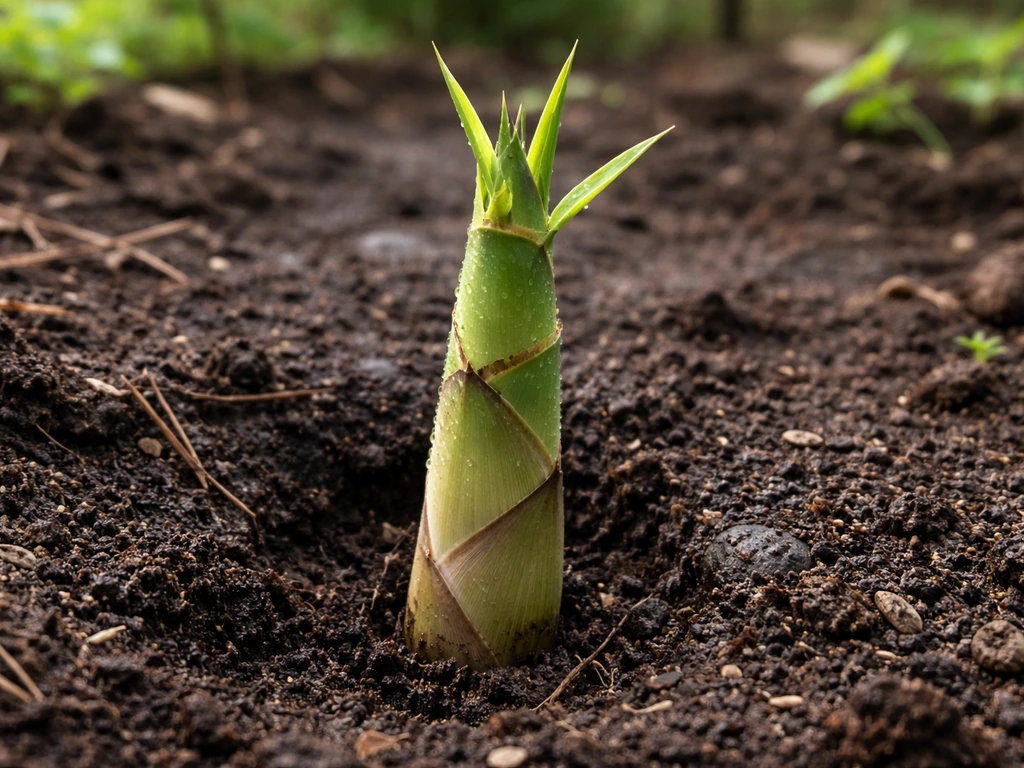
Yes, you can see bamboo grow in real time, but only during a very specific window, and only if you know what to look for. During the peak elongation phase, the fastest-growing species like Moso bamboo (Phyllostachys edulis) can put on up to 114.5 cm in a single day. That works out to roughly 4 to 5 centimeters per hour, which is genuinely visible if you mark a culm and check back every hour or two. Outside of that window though, you will see almost nothing, because bamboo does not grow continuously year-round. Understanding when that window opens, and what it actually looks like, is the whole game.
Can You See Bamboo Grow in Real Time? What to Expect
Marcus Hartwell
15 Jun 2026
What 'real-time' bamboo growth actually means
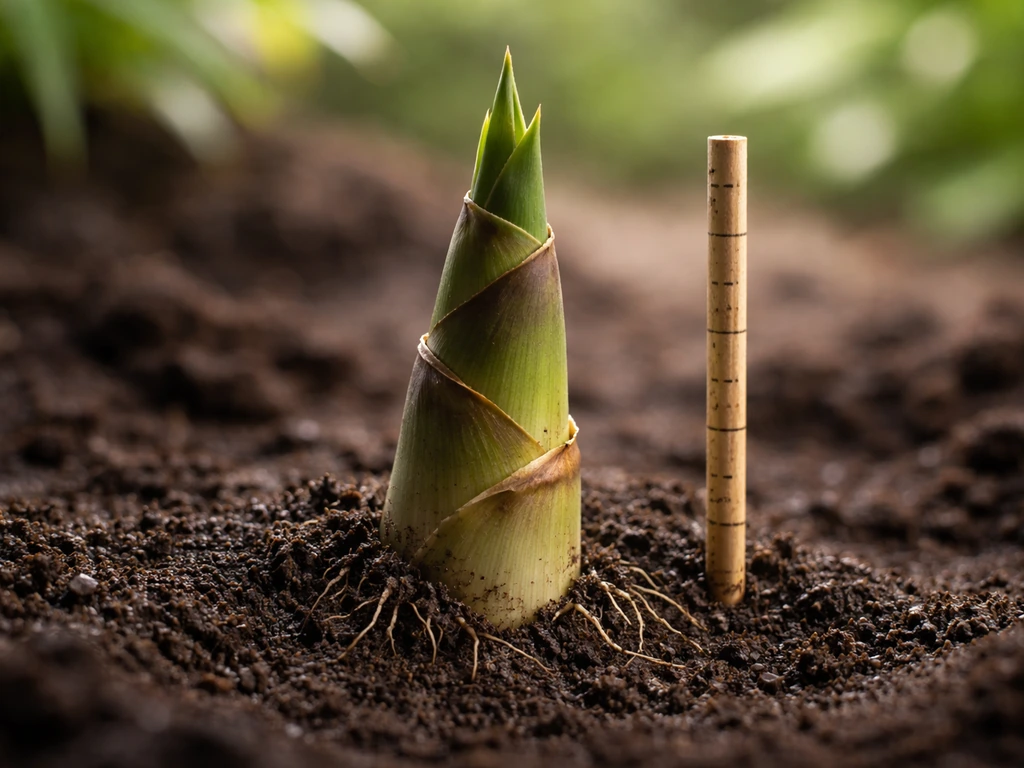
When people ask whether they can see bamboo grow in real time, they usually imagine watching a shoot creep upward over the course of an afternoon, like a plant equivalent of watching the minute hand on a clock. That is actually possible, but only during what researchers call the rapid elongation phase, and only for certain species. What is happening biologically is that the internodes (the segments between nodes) are undergoing explosive cell division and elongation simultaneously. Once a culm breaks through the soil, internode cells are already present and just need the right signal to expand fast. This is fundamentally different from how most plants grow, where new cells are added at a slow, steady pace at the tip.
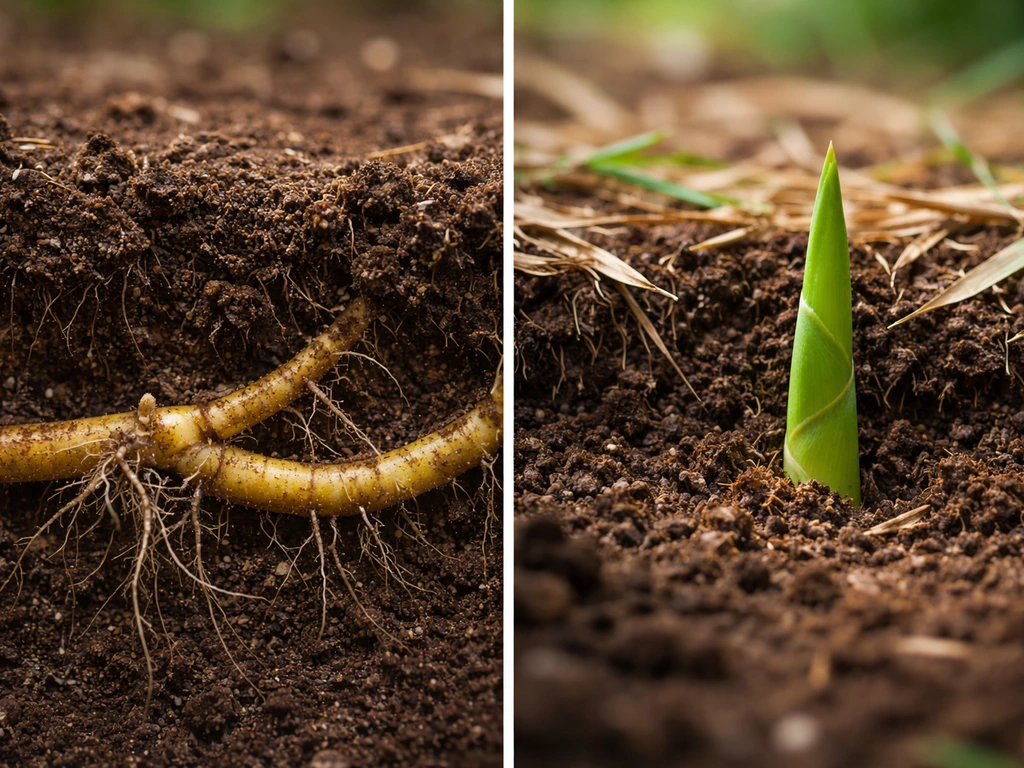
Outside this rapid phase, bamboo growth is underground and invisible. Rhizomes are extending horizontally, the root system is thickening, and energy is being stored, but you will not see any of that from above ground. The distinction matters because a lot of people stand in front of their bamboo in October and wonder why nothing is happening. Nothing visible is happening, but the plant is not stalled. It is just not in its above-ground growth mode.
How fast bamboo grows: hours, days, and seasons
Let's break this down at each time scale so you know exactly what to expect depending on when and how you are watching.
Hour to hour
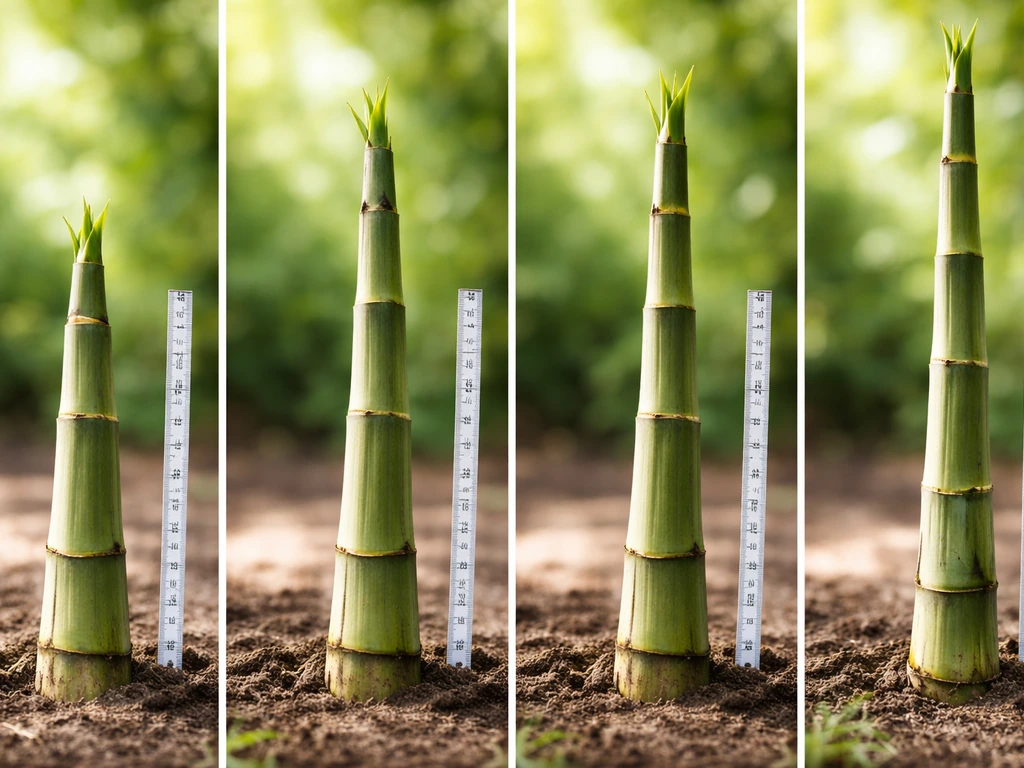
At peak growth, Moso bamboo gains several centimeters per hour. If you mark a culm at 7am and come back at noon, you may well see 15 to 25 cm of new height. This is only true during the rapid elongation phase, typically just a few weeks during the active shooting season. For most other species and outside that peak window, hourly changes are too small to notice without a ruler.
Day to day
This is where bamboo really earns its reputation. Daily measurements during the shooting season are dramatic and satisfying. Even more moderate species will show gains of 10 to 30 cm per day during active elongation. Moso's documented peak of around 114 cm per day is extraordinary, but even half that rate is visually striking. Taking a photo at the same time each morning during this phase will produce a genuinely impressive time series.
Week to week and season to season
A bamboo culm achieves its full mature height and diameter within roughly 35 to 60 days of breaking through the soil, and then it never grows taller or wider again. That is the whole show for that culm. The visible shooting season for most temperate running bamboos like Phyllostachys varieties lasts about 6 to 12 weeks in spring, typically between March and May in climates similar to Maryland or the mid-Atlantic US. After that window closes, there are no new culms pushing up, and the above-ground plant looks essentially static until the following year.
What you can realistically see: culm emergence and the elongation window
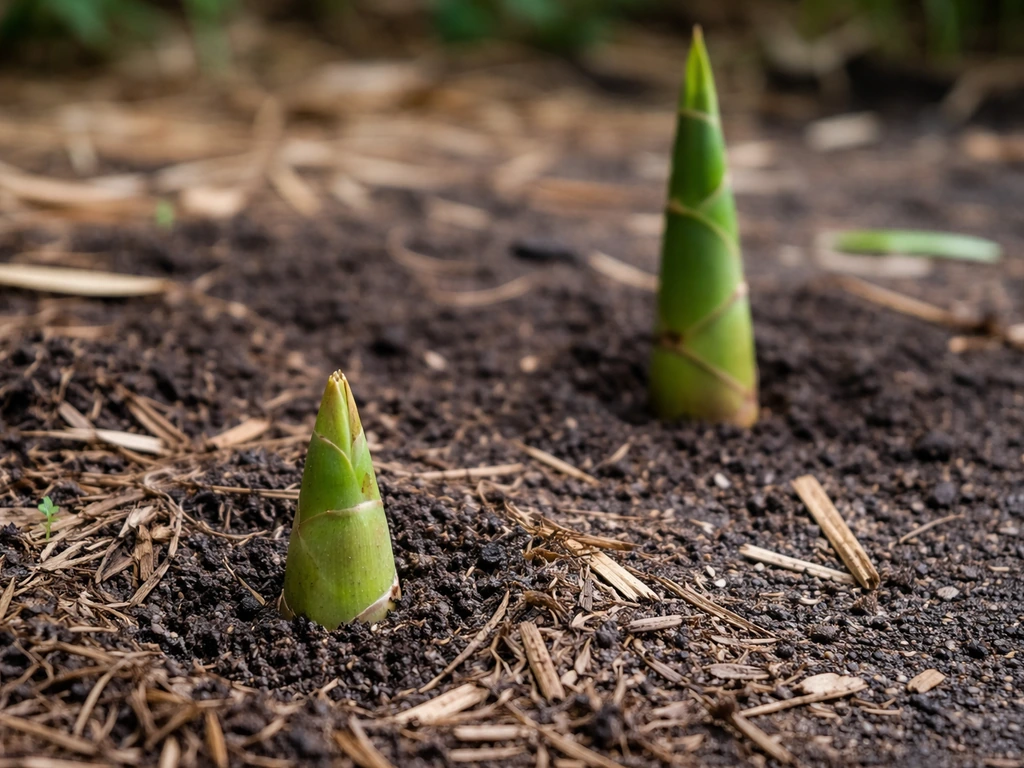
There are two visually distinct stages to watch for. The first is culm emergence, when a new shoot breaks through the soil surface. At this point it often looks like a stubby, sheath-covered spike. The papery sheaths are protective covers that wrap the new culm tightly, and they start to shed as the culm elongates, which is actually a useful visual cue that the plant is actively growing. If sheaths are dropping, you are in the window.
The second stage is rapid elongation, when the internodes expand and the culm rockets upward. This is the phase where hour-to-hour growth can be visible with the right species. After elongation ends, the culm shifts into a maturation phase: branches extend, leaves develop, and the cane hardens. Height gain stops completely. So the window where you can actually see measurable growth is concentrated into a few intense weeks, not spread evenly across the year.
Conditions that make growth visible sooner
Bamboo is not secretive about what it needs to grow fast. Get these four factors right and you will see results much earlier and more dramatically during the shooting season.
- Temperature: Warmer soil triggers shoot emergence and accelerates elongation. Studies on Bambusa oldhamii confirm that temperature regime is one of the strongest predictors of when shoots emerge and how fast they elongate. Soil temperatures consistently above 60°F (15°C) are a good minimum threshold for most temperate species, with growth rates increasing noticeably as temperatures climb through the 70s°F.
- Water: Bamboo during the elongation phase is pulling massive amounts of water to fuel cell expansion. Consistent, deep moisture during the shooting season directly supports visible daily gains. A dry spell mid-season can visibly slow or stall a shoot that was otherwise rocketing upward.
- Light: Full sun (6+ hours of direct sunlight) supports the photosynthesis needed to fuel rapid growth. Shaded bamboo grows, but more slowly and with less dramatic daily increments during the shooting phase.
- Nutrients: Nitrogen availability is particularly important for supporting rapid cell production. A balanced fertilizer applied in early spring, before shoots emerge, gives the plant a reserve to draw on during the elongation burst. Do not fertilize during dormancy expecting to trigger growth.
Indoor vs outdoor, and container vs in-ground: what changes
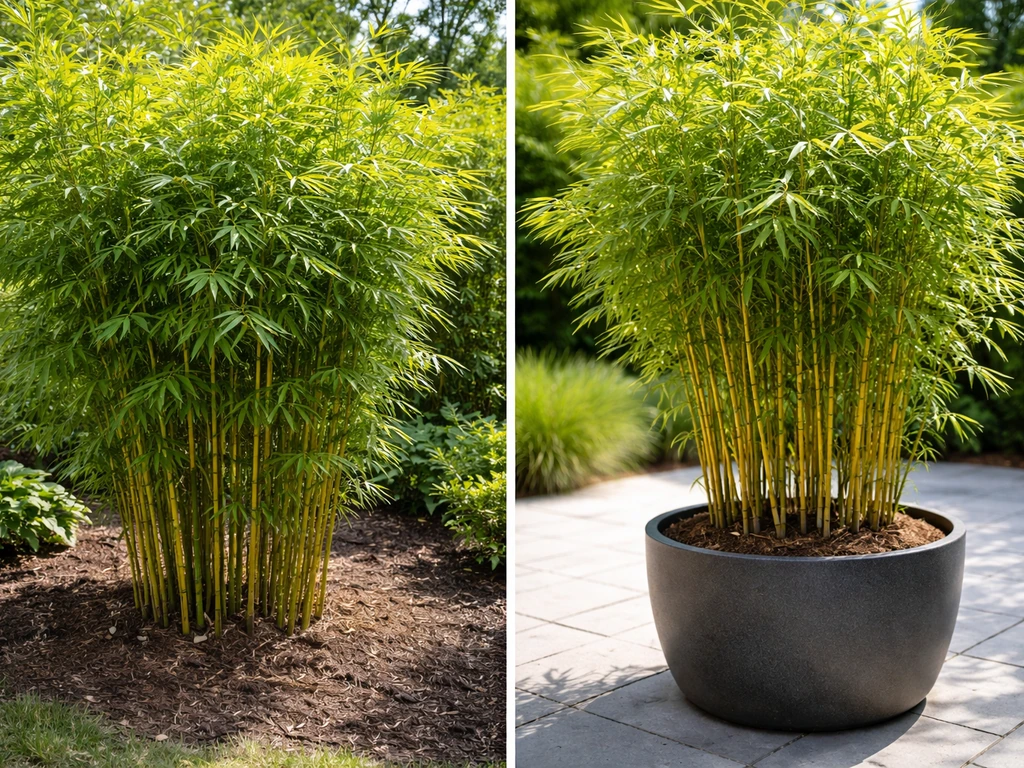
The short version: in-ground bamboo outdoors gives you the most dramatic, visible growth. Everything else involves a trade-off.
| Setup | Typical shooting season | Visible daily growth potential | Mature size vs in-ground |
|---|---|---|---|
| In-ground, full sun outdoors | 6-12 weeks in spring | High (centimeters to tens of cm/day depending on species) | Full potential |
| Container outdoors | Shorter, more variable | Moderate (root restriction limits energy available) | 10-20% smaller than in-ground |
| Container indoors | Minimal or absent seasonal flush | Low to none during most of year | Significantly reduced |
| In-ground with root barrier | Normal spring window | Comparable to open in-ground | Near full potential |
Container bamboo is the most common source of disappointment. Once the roots hit the container walls and can no longer expand, the plant stalls above ground. Container-grown bamboo typically reaches only about 10 to 20% less than its predicted mature size, but more importantly, the shooting season shortens and the growth you see day to day is far less impressive than what in-ground bamboo produces. If you are specifically trying to observe visible growth in real time, plant in the ground if you possibly can.
Indoor bamboo rarely produces a proper shooting flush because it lacks the seasonal temperature cues that trigger culm emergence. You might see occasional slow growth, but you are unlikely to witness the kind of day-to-day height changes that make bamboo famous. If you want to observe real bamboo growth speed, an outdoor in-ground planting during the spring shooting season is the only setup that reliably delivers it.
How to measure and document growth starting today
If you are in the northern hemisphere and it is currently spring or early summer, you may be right at the edge of the shooting window or just past peak, depending on your climate. Here is how to document what is happening in a way that is actually satisfying and scientifically useful.
- Mark active culms at the base with a paint marker or flagging tape noting the date and starting height. Check every 24 hours at the same time of day and log the measurement. A simple notebook or spreadsheet works fine.
- Set up a time-lapse camera or use your phone's time-lapse mode pointed at a new shoot emerging from the soil. Even a 12-hour lapse compressed to 30 seconds will show visible movement during peak elongation. Position the camera at a fixed distance with consistent lighting for the clearest results.
- Photograph culms against a fixed reference point, like a fence post or a ruler mounted to a stake, at the same time each morning. Side-by-side comparisons over a week during active shooting are genuinely dramatic.
- Mark individual internodes with a waterproof marker at the node level. As the culm elongates, you can see exactly which internodes are expanding and by how much, which adds biological detail to your observations.
- Scout daily during the 6 to 12 week spring window. New shoots can emerge overnight, and the first few days of elongation are some of the fastest. Missing two or three days during peak season means missing visible changes of 30 to 60 cm or more.
Common misconceptions and what to do if you are not seeing anything
Misconception: bamboo grows visibly all year
This is the most common frustration. People plant bamboo expecting to watch it grow continuously, then feel like something is wrong when nothing happens in August or November. The reality is that above-ground growth for most temperate species is concentrated into a single annual spring window. Windbound does not mean bamboo is a separate type of bamboo. Bamboo regrows from its underground rhizomes, and the new shoots show up in seasonal bursts rather than continuously. In Animal Crossing: New Horizons, bamboo also follows a seasonal pattern, so it will not keep “growing back” constantly above-ground growth for most temperate species is concentrated into a single annual spring window. Outside that period, the plant is not dormant in the way a deciduous tree is, but it is not producing new culms either. blank" rel="noopener noreferrer">The underground rhizome system may be actively extending, which is biologically important but invisible from the surface.
Misconception: fast-growing bamboo means constant visible growth
Moso bamboo's legendary growth speed is real but phase-specific. A culm completes its entire height in 35 to 60 days and then never grows taller again. That intense burst is what generates the reputation. The rest of the year, the plant is doing important things underground, but the dramatic above-ground activity is seasonal and brief. A related question some people have is whether you can hear bamboo grow, which speaks to how intense this brief growth phase can feel when you are watching it closely.
Troubleshooting: you are not seeing any growth
- Check the calendar first: if it is outside the spring shooting window (roughly March through May in temperate climates), you are simply not in the season for visible above-ground growth.
- Check soil temperature: if the soil is consistently below 60°F, most species will not push shoots regardless of what the air temperature is doing.
- Check root space: container bamboo that is root-bound may produce little to no shooting flush. Re-potting into a larger container or dividing the root mass can help restore vigor.
- Check species expectations: not all bamboo is Moso. Clumping tropical species like Bambusa oldhamii grow quickly but on different schedules, while many smaller ornamental varieties simply do not produce the same dramatic daily gains.
- Consider the establishment period: newly planted bamboo, especially in-ground divisions, typically spends one to three years building its root system before producing impressive shooting seasons. The common saying is 'first year sleep, second year creep, third year leap,' and it is reasonably accurate.
If your bamboo has been in the ground for three or more years and you are still not seeing a proper spring shooting flush, revisit your soil, water, and nutrient conditions. Well-established bamboo in good conditions rarely fails to shoot in spring. If it does, checking drainage (bamboo dislikes waterlogged roots despite its love of moisture) and soil fertility are the two most productive places to start.
What to do next
If you want to see bamboo grow in real time in the most literal sense, choose a fast-growing running bamboo like a Phyllostachys variety, plant it in-ground in full sun, water consistently, and be ready with a camera during the spring shooting window. That is the combination that delivers the kind of results worth photographing. If you are working with container bamboo indoors, set realistic expectations: you will see growth over weeks and months, but the hour-by-hour drama of outdoor in-ground bamboo during peak season is simply not something a container plant can replicate. Either way, knowing when and how bamboo grows, rather than just assuming it grows continuously, is what makes the difference between disappointment and a genuinely impressive experience.
FAQ
How do I tell the difference between culm emergence and true rapid elongation?
Emergence looks like a short, sheath-covered spike that is barely taller day to day. Once rapid elongation starts, you will see the sheaths shed quickly and the culm’s visible height will jump noticeably between morning and midday when you measure from the same reference point.
Will every bamboo plant in the same yard shoot at the same time?
No. Even within the same species, different clumps and rhizome sections can start slightly earlier or later because soil temperature and moisture reach the trigger at different times and depths, so the first shoots may appear, then others follow over days.
Can I use time-lapse video to see bamboo grow in real time?
Yes, and it often works better than watching with your eyes. For the peak weeks, shoot at a consistent schedule (for example, 1 photo every 5 to 10 minutes during daylight) and use a stable camera position, because minor camera shifts can make small growth look exaggerated or hide it.
What measurement method actually makes growth visible in photos?
Mark a single culm with a non-damaging tie at a fixed height, then photograph with the same framing and include a ruler or tape in one plane. Growth during peak weeks is easiest to confirm when both angle and scale stay constant between shots.
Why does my bamboo look “stuck” after a new shoot appears?
A shoot can emerge without immediately entering peak elongation, or it may be competing with other shoots for energy during the same season. Also, if the rhizome zone is stressed (waterlogged soil, low fertility, or root restriction), elongation can slow noticeably even though the plant is alive and reconfiguring underground.
If I live somewhere warm, can I see bamboo grow year-round outdoors?
Usually not. Many temperate running bamboos still concentrate visible above-ground growth into a seasonal shooting window, even if the overall climate is warm. Warmer regions may shift the timing earlier, but you should still expect bursts rather than continuous day-by-day height gain.
Does “running bamboo” guarantee visible growth faster than “clumping bamboo”?
Not automatically. Running types (like many Phyllostachys) are more likely to produce a dramatic, rapid shooting flush, but specific species and local conditions still control how much and how fast. If your goal is to see day-to-day height changes, prioritize species known for short shooting periods and strong elongation.
Can I force bamboo to shoot sooner for a real-time experiment?
You can sometimes encourage earlier activity by improving spring conditions, but forcing is unreliable. Focus on full sun, consistent watering, and avoiding waterlogging and cold shocks. If you start with a stressed clump, the first visible flush may still lag until the plant builds enough root and stored energy.
What should I do if my bamboo is planted in the ground but still not shooting after years?
Check two practical things first: drainage and available nutrients. Even long-established bamboo can underperform if its rhizome zone stays too wet or too low in fertility. If those are fine, confirm you planted the correct species for your climate, because some bamboos require specific seasonal cues to initiate culm emergence.
Is it safe to inspect the culms or move them while they are shooting?
Best practice is to avoid handling during rapid elongation. Touching or tying too tightly can damage tender tissues, which can slow growth or increase stress right when you are trying to observe the natural burst.
Next Article
Can You See Bamboo Grow? What to Expect and How to Watch
Know when you can see bamboo growth, what changes to watch, and how light, water, season, and planting affect timelines.