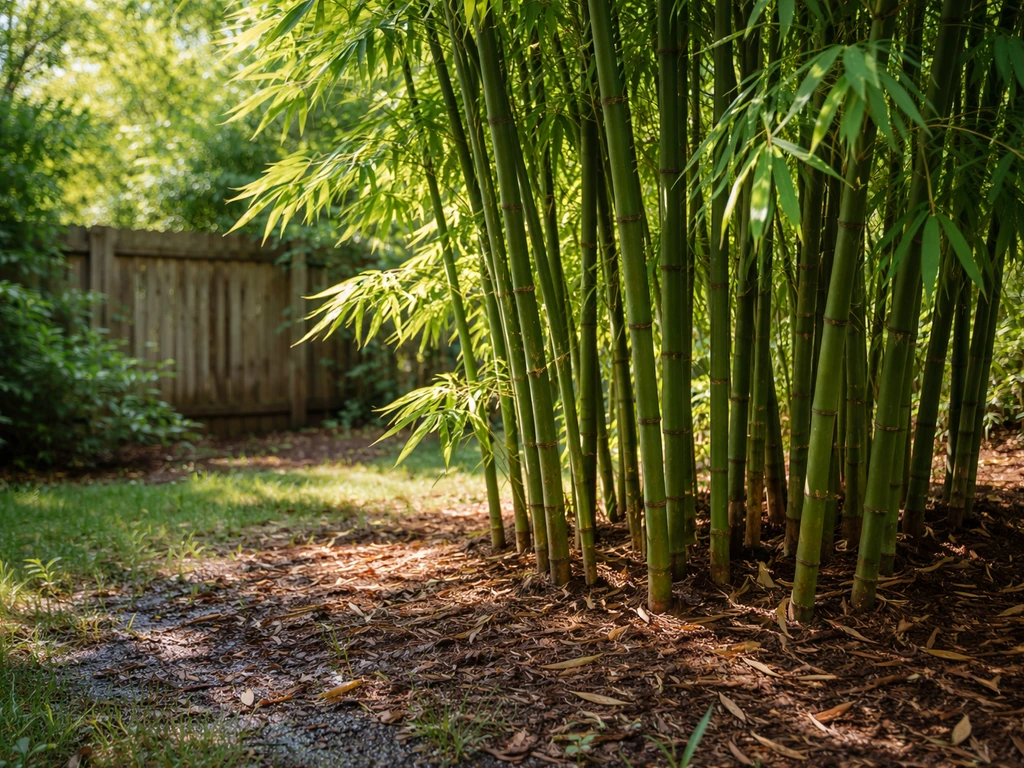
Yes, bamboo can grow in New York, but the species you choose and where in the state you're planting makes an enormous difference between a thriving grove and a dead clump by March. If you're wondering does bamboo grow in Pennsylvania, the same idea applies: species choice and site conditions determine whether you get a thriving clump or winter dieback bamboo can grow in New York. New York City, Long Island, and the Hudson Valley have enough winter warmth to support a wide range of bamboo. Upstate New York, especially above Albany, is genuinely cold and demands cold-hardy cultivars, serious mulching, and a little more patience. Pick the right bamboo and the right site, and you'll have a plant that survives hard winters and spreads on its own timeline. Get it wrong and you'll be replanting every spring.
Can Bamboo Grow in New York Upstate and How to Start
New York's climate reality for bamboo growers
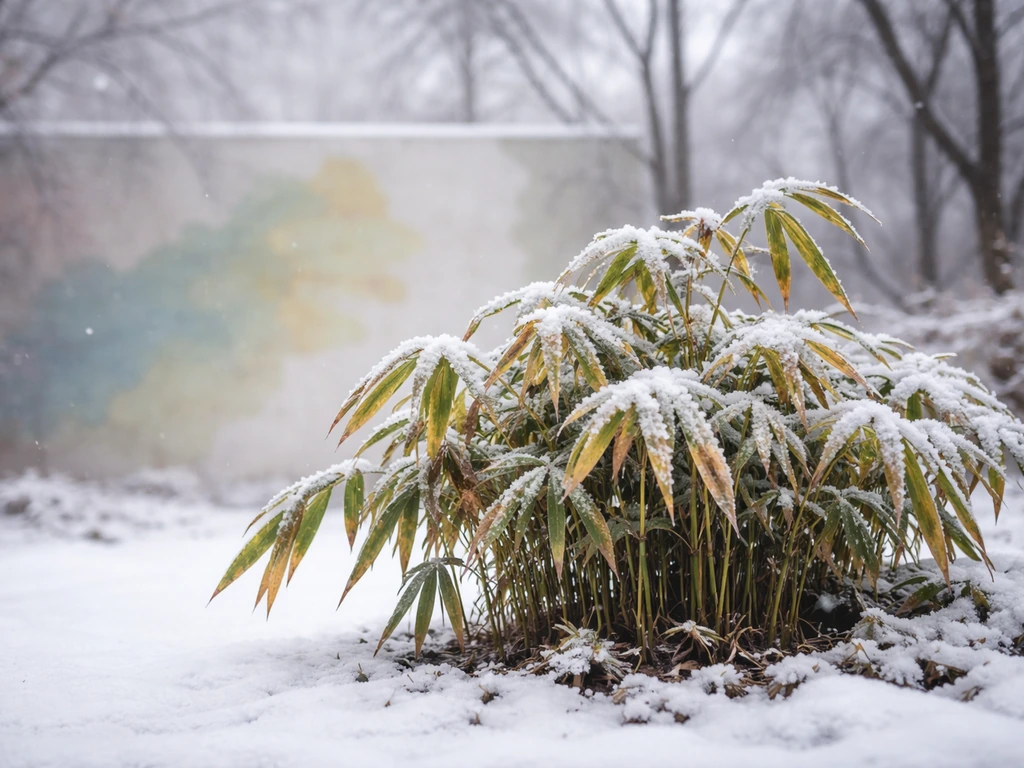
New York spans USDA hardiness zones 3b through 7b depending on where you are. That range matters enormously. Zone 7b (parts of NYC and Long Island) sees average winter lows around 5°F to 10°F, which is workable for most temperate bamboos. Zone 5a or 4b in the Adirondack foothills sees lows of -15°F to -20°F, which rules out everything except the most cold-tolerant species. The USDA hardiness map is based on 30-year average extreme minimum temperatures, so it's a useful starting point, but it's not a guarantee. Local microclimates matter. Cold air pools in valleys, hilltops get wind-blasted, and urban heat islands make Brooklyn considerably warmer than a rural site at the same latitude. Always cross-check your specific zone before buying.
One honest caveat: zone ratings for bamboo are optimistic under the worst conditions. A bamboo rated to -5°F might defoliate completely or die back to the roots in a year when temperatures hit that mark with no snow cover, sustained wind, and frozen soil. Snow is actually helpful, it insulates rhizomes. A dry, windswept winter with the same low temperature is much harder on bamboo than a snowy one. Keep that in mind if you're near zone edges.
Upstate NY vs NYC and Long Island: what changes
Downstate, New York City, Long Island, Westchester, and the lower Hudson Valley, you're generally in zones 6b to 7b. That means a solid selection of running and clumping bamboos can establish and thrive outdoors without extraordinary effort. Many people in Brooklyn or the Bronx grow Phyllostachys species (running bamboo) and Fargesia (clumping bamboo) without any winter protection at all, though a layer of mulch never hurts.
Upstate New York, Albany and northward, the Catskills, the Finger Lakes region, and especially the North Country, is a different story. You're working in zones 4b to 6a, and winter lows regularly hit -10°F to -20°F in exposed areas. At that range, most Phyllostachys species will survive underground (the rhizomes are hardier than the culms) but may die back to the ground every winter, dramatically limiting your useful height. The Fargesia clumpers perform better here because several cultivars are genuinely rated to -20°F or colder. If you're planting in upstate NY, commit to the cold-hardy shortlist below, mulch heavily, and expect slower above-ground progress in years one and two.
The mid-Hudson Valley sits in an interesting middle zone (roughly 5b to 6b) where you have good options if you're strategic about site selection. A south-facing slope protected from north winds gives you an effective microclimate boost of roughly half a zone, which can be the difference between a bamboo that survives and one that thrives.
Best bamboo types for New York gardens
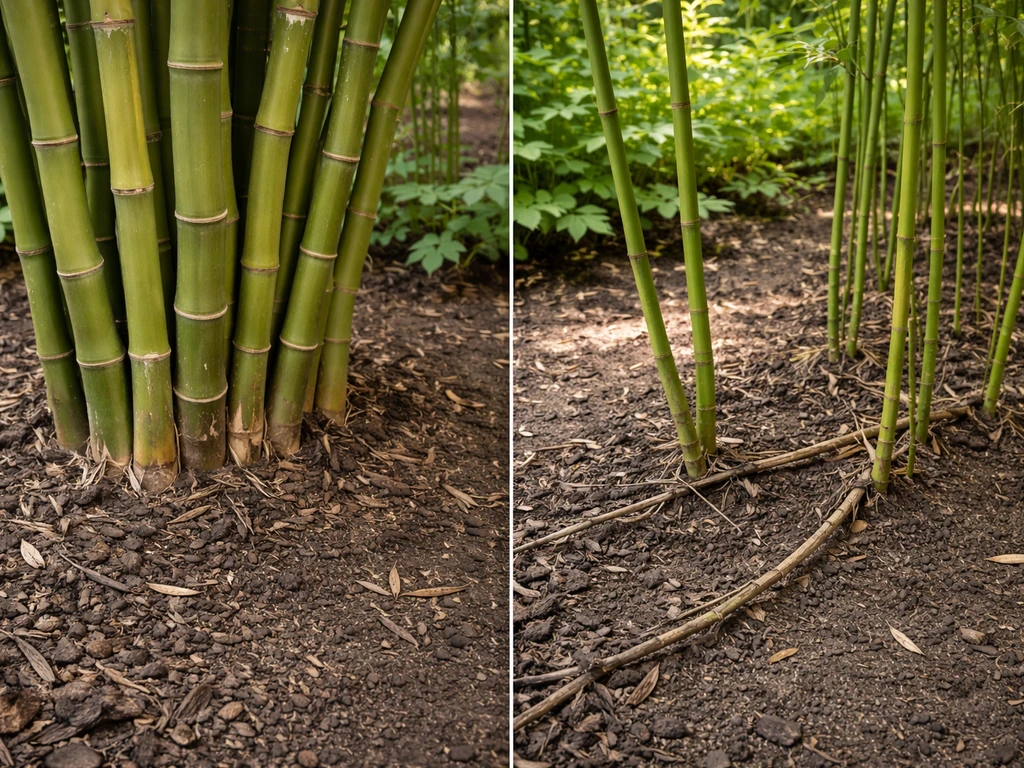
There are two fundamental categories to understand: running bamboo (Phyllostachys and similar genera, which spread via long horizontal rhizomes) and clumping bamboo (primarily Fargesia species, which expand slowly outward from a central crown). For most home gardeners in New York, clumping bamboo is the more responsible and manageable choice. For a larger property where you want a windbreak or dense screen and you're willing to manage containment, running bamboo can be spectacular.
Cold-hardy clumping bamboos (best for upstate and tight spaces)
- Fargesia robusta (Umbrella Bamboo): hardy to around -10°F (zone 5), upright and elegant, great for screens. Tops out around 10–15 feet in New York conditions.
- Fargesia rufa (Green Panda Bamboo): hardy to about -10°F, slightly smaller at 6–10 feet, very wind-tolerant, and one of the easier Fargesias to establish.
- Fargesia demissa 'Gerry': cold-hardy selection available from specialty growers, suited to colder parts of zone 5 and worth seeking out for exposed upstate sites.
- Fargesia nitida (Blue Fountain Bamboo): rated to -20°F by some sources, making it one of the few legitimate options for zone 4b–5a areas in the Adirondack foothills.
Cold-hardy running bamboos (best downstate with containment)
- Phyllostachys bissetii: one of the hardiest running bamboos available, tolerates lows around -10°F to -15°F, spreads aggressively but makes a dense screen fast.
- Phyllostachys nuda: rated to roughly -10°F or colder in sheltered sites, produces thick culms and handles cold snaps well.
- Phyllostachys atrovaginata (Incense Bamboo): cold-tolerant running species with documented survival near -10°F, used in zone 5 plantings across the Northeast.
- Phyllostachys aureosulcata (Yellow Groove Bamboo): widely grown in New York and surrounding states, handles zone 5b–6a conditions reliably, especially with mulching.
| Species | Type | Cold Hardiness | Best NY Region | Max Height (NY) |
|---|---|---|---|---|
| Fargesia nitida | Clumping | To -20°F (zone 4b) | Upstate, North Country | 8–12 ft |
| Fargesia robusta | Clumping | To -10°F (zone 5) | Mid-Hudson, Upstate | 10–15 ft |
| Fargesia rufa | Clumping | To -10°F (zone 5) | Statewide | 6–10 ft |
| Phyllostachys bissetii | Running | To -15°F (zone 5) | Hudson Valley, Downstate | 15–25 ft |
| Phyllostachys nuda | Running | To -10°F (zone 5b) | Hudson Valley, Downstate | 20–30 ft |
| Phyllostachys aureosulcata | Running | To -5°F (zone 6a) | NYC, Long Island | 20–30 ft |
How to site, prep soil, and plant bamboo in New York
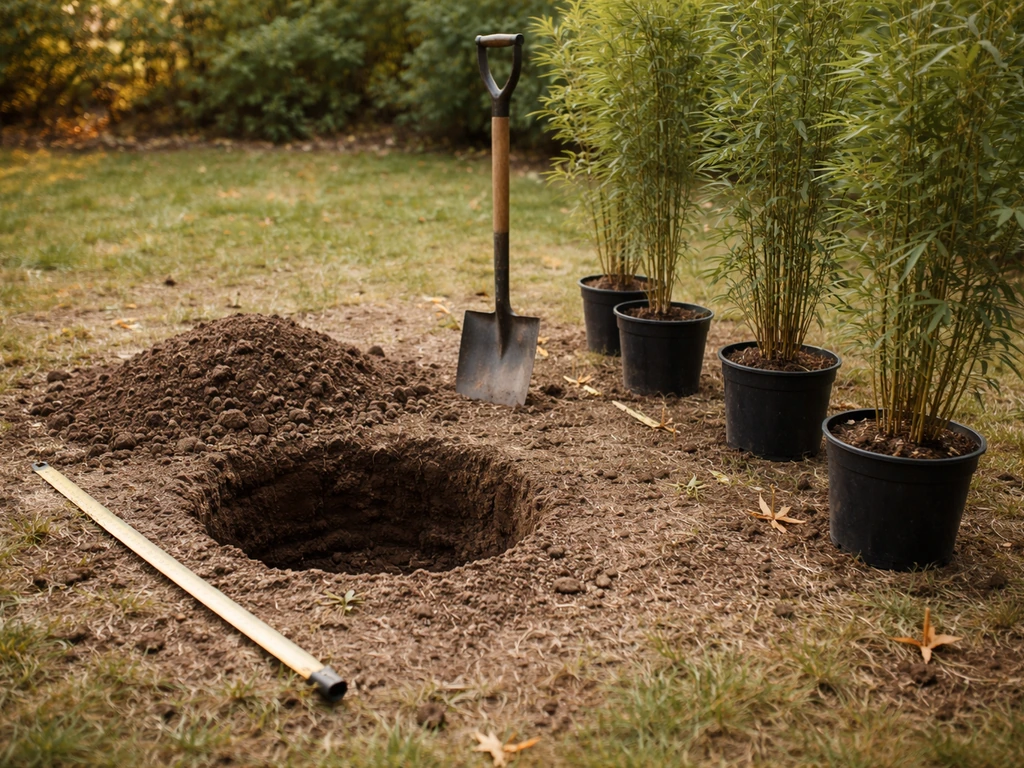
Picking the right spot
Bamboo grows best in full sun to partial shade, 4 to 6 hours of direct sun per day is the minimum for strong growth, and 6 to 8 hours gives you the most vigorous culms. In upstate New York, a south or southeast-facing position that's sheltered from prevailing north and northwest winds makes a significant difference in winter survival. Avoid frost pockets: low-lying areas where cold air drains and pools on still, clear nights can be several degrees colder than a nearby slope, which matters when you're right at a species' cold limit.
Soil and drainage
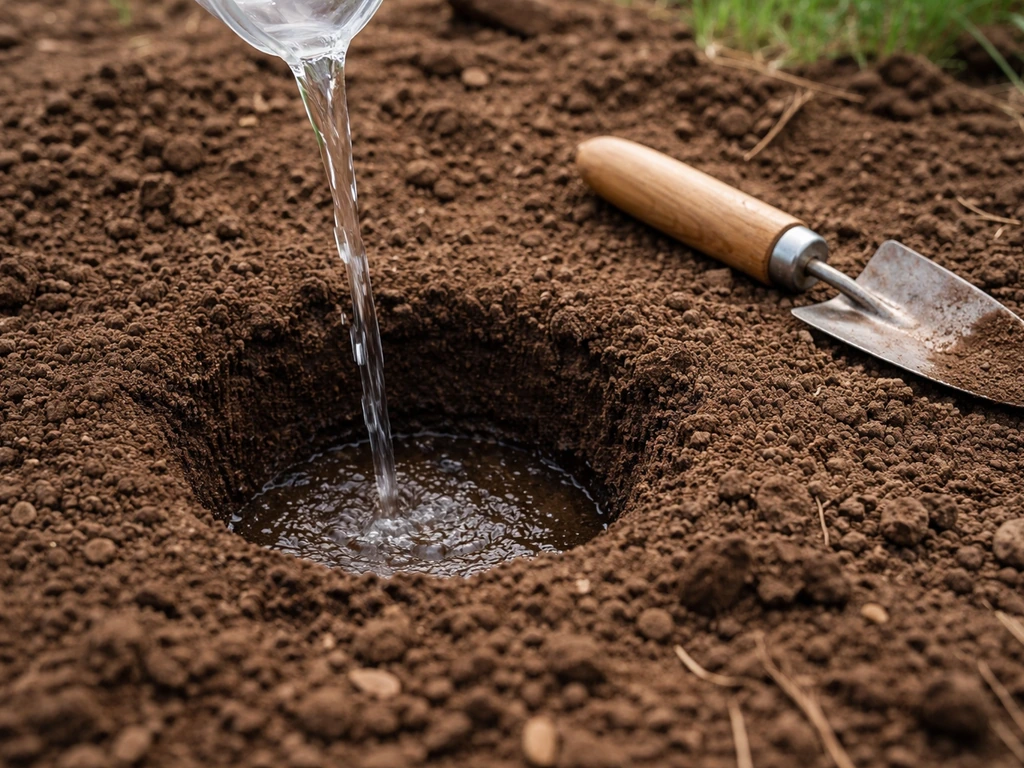
Bamboo is remarkably adaptable to New York's varied soils but does best in well-drained loam with a pH between 5. In one Reddit thread, gardeners also discuss container-grown bamboo needing winter storage choices to help avoid rhizome freezing container-grown bamboo may need winter storage decisions to avoid rhizome freezing. 5 and 7.0. The one thing bamboo consistently hates is waterlogged soil in winter, sitting in cold, saturated ground is a reliable way to kill rhizomes even in otherwise-adequate zones. If your site has heavy clay (common in many parts of New York's glacially-deposited soils), work in compost to improve drainage before planting. Raised planting areas or berms are a legitimate solution on tough sites. Bamboo is not especially demanding about fertility, a mid-spring nitrogen application helps shoot production but it's not critical in year one.
Planting
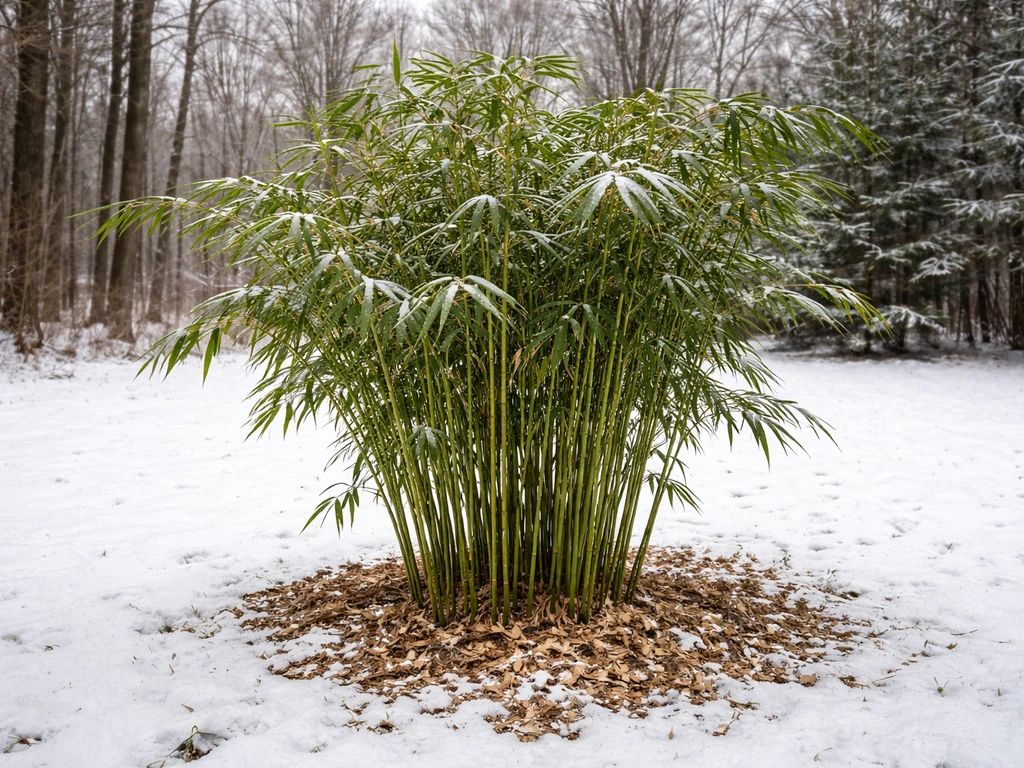
The ideal planting window in New York is late April through June, which gives the plant a full growing season to establish before winter hits. Early fall planting (August to mid-September) works in downstate New York with proper mulching, but is riskier upstate because the plant has less time to root before freezing temperatures arrive. If you do plant late, the American Bamboo Society's guidance is clear: mulch heavily, we're talking 4 to 6 inches of wood chips or straw over the root zone, and protect from drying winter winds. Dig a hole about twice the width of the root ball and the same depth, backfill with the native soil mixed with compost, water thoroughly at planting, and keep the soil consistently moist for the first 8 weeks.
What to expect in year one and year two
Be ready for a slow first year, this is completely normal and not a sign something went wrong. Bamboo follows the well-known pattern of 'sleep, creep, leap': year one it sleeps (establishes roots with minimal visible top growth), year two it creeps (starts pushing a few new shoots), and year three onward it leaps. In a New York climate, this pattern tends to stretch slightly compared to warmer climates because the growing season is shorter and the plant spends more energy on cold acclimation.
In year one, you might see a few new shoots emerge in spring but they'll likely be smaller and fewer than what the plant will eventually produce. Don't be tempted to fertilize heavily to push growth, a modest top-dressing of balanced fertilizer in May is plenty. In year two, most well-sited bamboos in New York start to demonstrate their character, pushing noticeably more and taller shoots. By year three, running bamboos downstate can look genuinely impressive. Upstate plantings of cold-hardy Fargesia species often take a full three to four years to fill in noticeably, but once they're established they're remarkably persistent.
One realistic note on height: bamboo culms reach their full height in a single growing season, typically 4 to 8 weeks. They don't grow taller year over year, each spring's new shoots are the tallest the plant produces for that year, and successive years gradually send up taller culms as the rhizome system matures. In New York, the first year's shoots might be 1 to 3 feet. By year four or five, you could easily be seeing 10 to 20 foot culms on an established running bamboo downstate, or 6 to 10 feet on a mature Fargesia upstate.
Getting your bamboo through a New York winter
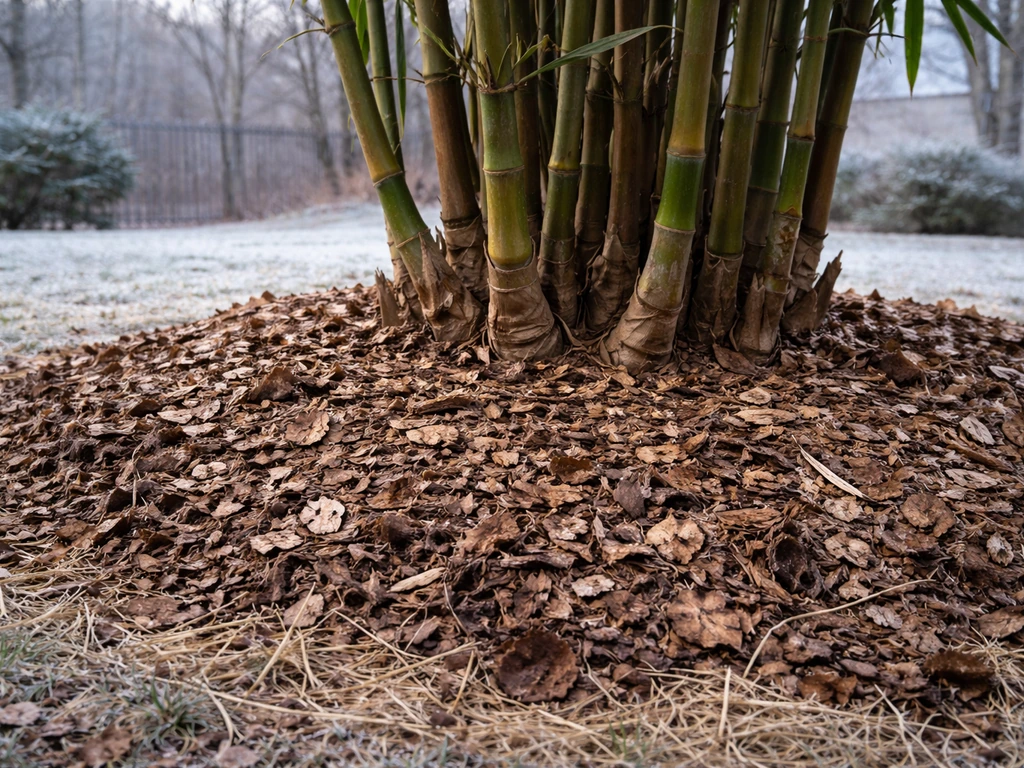
Downstate bamboo growing in zones 6b–7b generally needs minimal intervention, a 3-inch mulch layer over the root zone going into winter is good practice but not critical for established plants. The real work is upstate and in colder zones where you need to be more deliberate.
- Apply 4 to 6 inches of mulch (wood chips, straw, or shredded leaves) over the entire root zone in late October before the ground freezes. This insulates rhizomes from the hardest temperature swings and is the single most effective thing you can do.
- Install a wind barrier on the north and northwest sides of the planting if you're in a cold or exposed location. Burlap fencing, a wooden snow fence, or even a temporary plywood panel reduces desiccating wind that kills foliage and stresses culms.
- For newly planted bamboo in its first winter (especially upstate), consider wrapping culms loosely in burlap or row cover material to reduce wind desiccation. Remove it in early April.
- Container-grown bamboo should be moved into an unheated garage, shed, or basement for winter. The roots are the vulnerable part — a pot sitting outside in -10°F will freeze solid and kill the rhizomes even if the same species would survive in-ground.
- Expect leaf curl and bronzing during cold snaps — this is the plant conserving moisture and is not a sign of death. Leaves typically re-green when temperatures moderate.
- Do not remove dead-looking culms until late April. Many culms that appear dead in February will still be alive and leafing out by May. Cutting too early removes viable growth.
Containing running bamboo so it doesn't take over your yard
This is where a lot of New York gardeners get into trouble. Running bamboo (Phyllostachys species) spreads via horizontal rhizomes that can travel 5 to 15 feet per year in good conditions once established. Without containment, it will move into your neighbor's yard, under your fence, and through your garden beds within a few years. Clumping Fargesia expands slowly (a few inches per year from the crown) and is generally self-containing, which is one reason it's the recommended choice for smaller properties.
If you want to grow running bamboo, install a physical rhizome barrier before planting. Use 60-mil high-density polyethylene (HDPE) barrier material, thinner options are not reliable. The barrier should be buried at least 18 inches deep with 2 to 3 inches left above the soil surface so rhizomes trying to escape over the top are visible and easy to cut. Join the barrier ends with metal clamps, not just overlap, to prevent gaps. Inspect the barrier edge every spring and cut any rhizomes that have gone over the top. This is non-negotiable annual maintenance.
If you skip the barrier and running bamboo is already spreading, the approach is mechanical removal: dig out escaping rhizomes with a mattock or spade in early spring when they're shallow and easier to trace. Cutting young shoots as they emerge (before they harden) repeatedly over 2 to 3 seasons will significantly weaken a spreading stand. It's much easier to stay on top of containment from day one than to try to reclaim lost ground later.
Annual maintenance for contained running bamboo also includes thinning, removing old, thin, or damaged culms at the base each spring to keep the grove open, healthy, and at a manageable density. Clumping bamboos need very little maintenance beyond removing dead culms and dividing large clumps every several years if they outgrow their space.
Your next steps based on where in New York you are
If you're in New York City, Long Island, or Westchester, you have solid options, both clumping and running species work here, and your biggest job is managing spread if you go with Phyllostachys. Start with Phyllostachys aureosulcata or bissetii if you want a tall screen fast, or Fargesia rufa if you want something that manages itself. Plant in May, mulch in, and you'll likely have a genuinely attractive planting by year two or three.
If you're in the Hudson Valley or Catskills region, lean toward Fargesia robusta or rufa for reliability, or Phyllostachys bissetii if you're in a sheltered zone 5b site with good sun. Pick a protected south-facing spot, invest in a real rhizome barrier if you go running, and plan to mulch heavily each fall for the first few winters while the plant establishes.
If you're in upstate New York, Albany, the Finger Lakes, the North Country, blank" rel="noopener noreferrer">Fargesia nitida is your most reliable bet for colder sites, and Fargesia rufa works in the more moderate parts. Keep expectations realistic: these are slower-growing plants in a short season, but they're genuinely cold-hardy and will build into a beautiful, self-contained grove over time. Gardeners in neighboring New England states face similar challenges, and the same principles apply across that region. In Maine, bamboo can sometimes be grown, but it needs very specific cold-hardy species and protection depending on your location neighboring New England states. If you’re wondering does bamboo grow in New England, the short answer is yes, but your chances depend on choosing the right cold-hardy species and matching the right site Gardeners in neighboring New England states face similar challenges. Gardeners in Massachusetts face similar hardiness and site-selection issues, so use the same approach when choosing a cold-tolerant bamboo can bamboo grow in massachusetts.
The bottom line: bamboo absolutely grows in New York. If you're also wondering whether bamboo is illegal to grow in your area, local rules can vary, so check before planting is bamboo illegal to grow. It just rewards those who choose the right cultivar for their zone, site it thoughtfully, and treat the first winter as a critical period. If you're wondering whether bamboo can grow in Virginia, the same basic factors like winter lows, site selection, and mulch determine what will thrive bamboo grow in virginia. Do those three things right and you're most of the way to a successful planting.
FAQ
Can bamboo survive winters in New York without protection at all?
Downstate, many established plantings tolerate normal winters with only basic winter mulch, especially for clumping types. Upstate, survival becomes much less consistent on windy or exposed sites, even when the cultivar has a cold rating, because frozen, waterlogged soil and winter wind can cause root and rhizome failure. If you are near a cold limit, treat the first winter as mandatory protection time, with heavy mulch (4 to 6 inches) and a wind-sheltered placement.
What’s the biggest reason bamboo dies in New York, even when the species is “cold-hardy”?
The most common failure is winter waterlogged conditions (cold, saturated ground) rather than the lowest air temperature. Bamboo roots and rhizomes can rot or lose vigor when soil stays wet through freeze-thaw cycles. If your yard has heavy clay, improve drainage before planting (amend with compost, consider a raised berm, and avoid low spots that hold meltwater).
Is it better to plant bamboo in spring or fall in New York?
Spring (late April through June) is the safer choice for most of the state because it gives a full growing season to root before freezing weather. Early fall planting (August to mid-September) can work downstate, but it is higher risk upstate since less time underground means less cold resilience when the first deep freezes arrive. If you plant late, be stricter about mulch depth and wind protection.
How do I choose between running bamboo and clumping bamboo for New York?
Clumping bamboo (like Fargesia) is usually the practical option for yards where you do not want annual containment work, because it expands slowly from the crown. Running bamboo (like many Phyllostachys) can look great as a fast screen, but it requires an installed rhizome barrier and yearly inspection and cutting of escapees. If you want “set it and forget it,” prioritize clumping species.
If I install a rhizome barrier, do I still need to check it every year?
Yes. Barriers do not create a forever-proof system. Rhizomes can sometimes find gaps at joints, ride up if the barrier is too shallow, or bypass through damaged edges over time. Inspect the perimeter each spring and cut any rhizomes that appear above the soil line (or at seams) so you prevent spread before it becomes a multi-season cleanup project.
Can running bamboo spread even with a barrier if the soil is frozen?
Frozen ground does not stop rhizome growth, it only changes timing. In cold climates, rhizomes may move later in the season when soil warms, so you can still see escape attempts the following spring if there were weak points earlier. This is why barrier depth, end connections (clamps, not overlap), and annual checks matter more than seasonal temperature alone.
Do I need to fertilize heavily to make bamboo grow faster in New York?
Usually no, and heavy feeding can backfire if it encourages weak, slow-to-cold acclimate growth. A modest top-dressing in May is typically enough, especially in year one. Focus on getting establishment right first (sun, drainage, consistent moisture for the first 8 weeks), because the “sleep, creep, leap” timeline cannot be forced reliably.
How much sun does bamboo need in New York for good winter hardiness?
Bamboo performs best with full sun to partial shade, about 4 to 6 hours of direct sun as a minimum for strong growth. In colder parts of New York, more sun helps plants build energy reserves before winter, and it can improve shoot maturation, which indirectly supports survival. Combine sun with a sheltered position (ideally protected from prevailing cold winds) to reduce winter stress.
What should I do if bamboo shoots look small or delayed in year one or year two?
That is often normal, bamboo typically focuses energy underground first. Avoid panicking and do not over-fertilize or overwater. Instead, check three things: drainage (no standing water in winter), wind exposure (wind-chill and drying), and mulch coverage (enough depth over the root zone). If it fails to produce any shoots by early to mid-summer for your planting year, then reassess site conditions and consider replanting later in the season.
How cold is “cold enough” for bamboo in New York, using zone ratings?
Zone ratings are a starting point, not a guarantee, because bamboo performance also depends on snow cover, wind, soil moisture, and the specific microclimate (valleys can be colder, hilltops can be windier). If you are choosing near the cultivar’s lower limit, assume colder-than-average stress can occur during dry, windy freezes with little snow, and plan extra mulch and shelter accordingly.
Can bamboo grow in containers in New York to avoid winter problems?
Containers can work for experimentation or for very small clumping plants, but they are not the easiest method for long-term cold protection. In-ground conditions buffer soil temperature, while pots can freeze through and dry out faster, stressing rhizomes and roots. If you try containers, use a large pot, insulate the sides, keep drainage excellent, and do not assume container culture will let you grow borderline cold species safely outdoors.
What are the legal or practical constraints I should check before planting bamboo in New York?
Rules can vary by locality, and bamboo spread can create nuisance issues even when it is allowed. Before planting, check local regulations or HOA rules about invasive or fast-spreading plants and confirm you are not putting a running bamboo corridor near property lines or shared fences. If you are planting near neighbors, plan for containment maintenance so it does not become a dispute.
Does Bamboo Grow in the US? Where It Thrives and How to Check
Learn if bamboo grows in the US, which regions fit best, and how to check your site using climate, USDA zone, soil.