Yes, bamboo grows in the United States, both naturally and when planted. The southeastern US has native bamboo species that have been here for thousands of years, and dozens of non-native species grow successfully outdoors across a wide range of US climates. Where things get nuanced is the difference between what grows naturally on its own versus what you can realistically plant and maintain in your specific location. If you are asking does bamboo grow in virginia, the answer is yes, but choosing cold-hardy species for your zone is what determines success. Let me break that down clearly so you know exactly what applies to you.
Does Bamboo Grow in the US? Where It Thrives and How to Check
Marcus Hartwell
19 Apr 2026
Does bamboo grow naturally in the US?
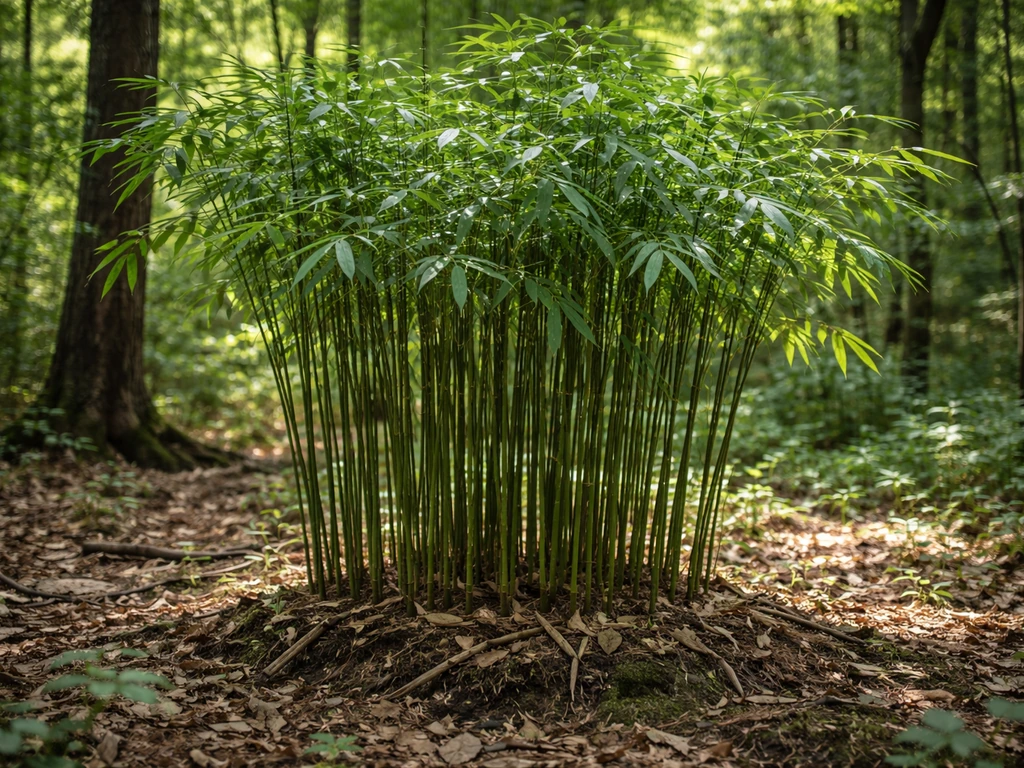
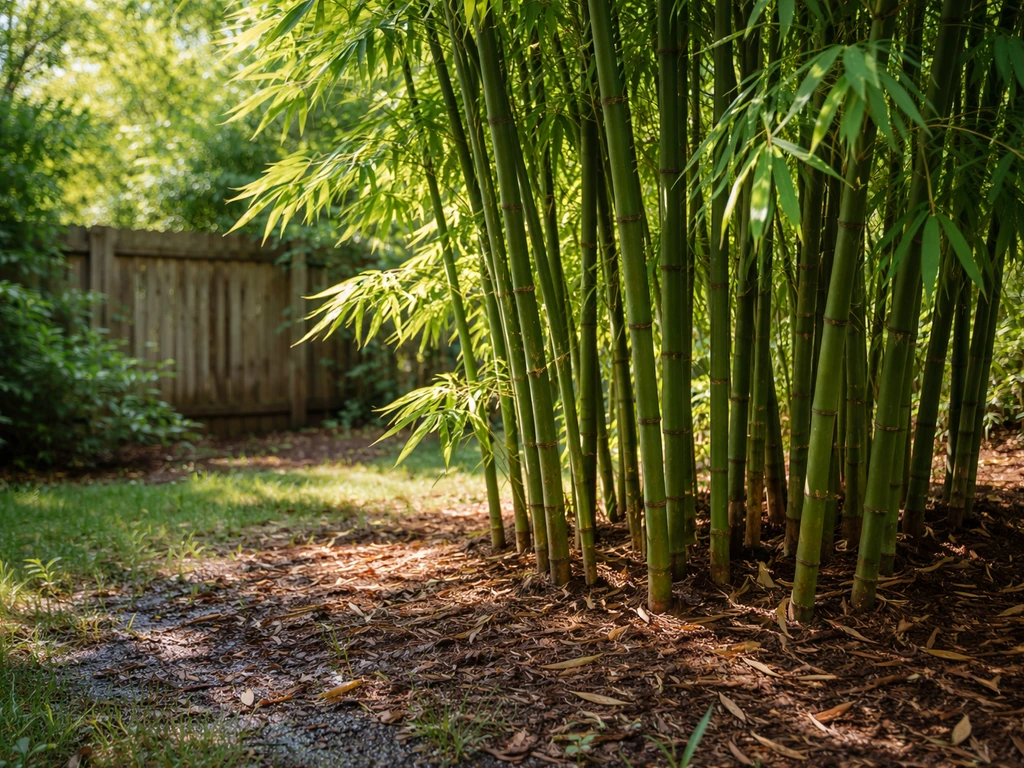
Yes, the US has native bamboo. The genus Arundinaria includes several species native to North America, and these are the only bamboos truly indigenous to the United States. The most documented is Arundinaria gigantea, commonly called river cane or giant cane. The USDA Forest Service and the National Park Service both document it as native to the floodplains and riparian areas of the southeastern US, where it historically formed massive, dense thickets called canebrakes that were ecologically significant across the region.
River cane spreads through underground rhizomes, the same way most running bamboos do. A related species, Arundinaria appalachiana (hill cane), occupies slightly different terrain in the Appalachian region. According to the USDA NRCS, there are three native bamboo or cane species documented in the US, all within the Arundinaria genus. The National Park Service notes that rivercane's native range extends beyond the deep South into areas including the National Capital Region, so it isn't strictly confined to the warmest states.
Here is where the distinction matters: most of the bamboo people see in US gardens, backyards, and hedgerows is not native. Species like golden bamboo (Phyllostachys aurea) and yellow groove bamboo (Phyllostachys aureosulcata) were introduced from Asia and are now widely cultivated. Some have escaped cultivation entirely. Phyllostachys aureosulcata has naturalized in nine US states according to a USDA APHIS weed risk assessment, meaning it is growing and reproducing outdoors on its own without human intervention. That is different from being native, but it does confirm that these species can absolutely survive outdoors in US conditions.
Where in the US does bamboo grow by region and climate
Bamboo's success in the US tracks closely with temperature and humidity. The Southeast is the easiest region to grow bamboo, both because native species are already there and because the warm, humid climate suits most ornamental bamboo species extremely well. States like Florida, Georgia, North Carolina, South Carolina, Alabama, Mississippi, Louisiana, and Tennessee see bamboo thrive with very little intervention. In fact, UF/IFAS in Florida specifically warns against planting golden bamboo because it escapes so readily into natural areas in that climate.
The Pacific Northwest, including Oregon and Washington, is another strong region. The mild, wet winters and moderate summers suit many cold-hardy bamboo species, and the Pacific Coast has some of the most established bamboo nurseries and collections in the country. California, particularly coastal and central California, also works well for a wide range of species, with warmer inland valleys supporting timber bamboos that need more heat.
The Mid-Atlantic states, including Virginia, Maryland, Pennsylvania, and parts of New York, can grow bamboo successfully, though cold winters narrow the species selection. Hardy running bamboos in the Phyllostachys genus tolerate these conditions if they are established in a sheltered microclimate. Growers in colder states like Massachusetts, Maine, and throughout New England face real limitations, with fewer species reliably surviving harsh winters above ground, though rhizomes can sometimes survive even when canes die back and regenerate in spring. If you are wondering whether does bamboo grow in Maine, the key is choosing cold-hardy species and planning for winter dieback Massachusetts, Maine, and throughout New England. In general, bamboo can survive in New England only with cold-hardy choices, protection from winter extremes, and realistic expectations about dieback bamboo grow in New England.
The Midwest and Great Plains are tougher territory. Arundinaria gigantea's native range specifically excludes states like Illinois, Indiana, Kansas, Missouri, and Ohio according to USDA Forest Service documentation, which signals that the climate in those areas does not naturally support even native bamboo. US Forest Service FEIS species reviews describe Arundinaria gigantea as forming extensive monotypic canebrakes that were a dominant landscape feature in the southeastern United States at the time of European settlement. Cold, dry winters and temperature extremes make bamboo cultivation there challenging but not impossible with the right species and site.
Can bamboo really grow outdoors in the US year-round
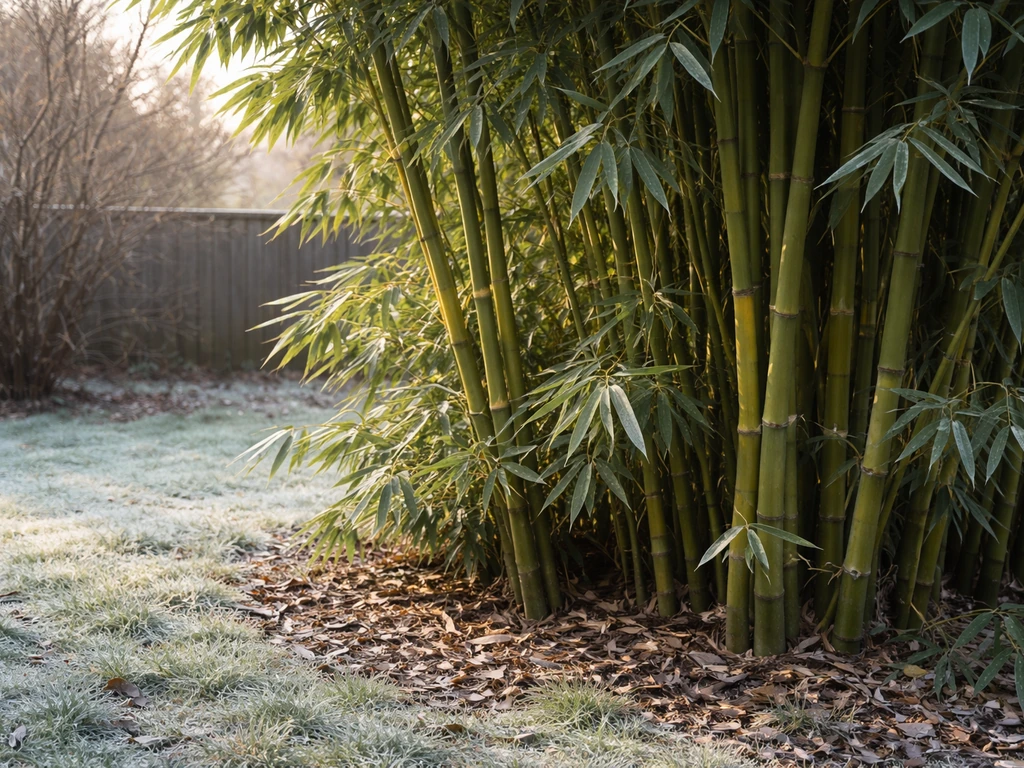
For most of the southern half of the US and along the Pacific Coast, yes, bamboo can grow outdoors year-round without any special protection. In Zone 7 and warmer (roughly the Southeast, Southwest, and coastal Pacific), the majority of popular bamboo species will stay evergreen through winter and put on significant growth each spring and summer. This is why bamboo has become a go-to privacy screen and garden plant in those areas.
In colder zones, the picture changes. Many running bamboos have a useful quirk: even if the above-ground culms are killed by frost, the rhizomes underground can survive temperatures that would kill the canes entirely. In Zone 5 and 6 areas, you might lose the foliage and canes in a bad winter but still see regrowth from the root mass in spring. That is not the same as thriving year-round, but it does mean bamboo is not completely off the table in colder climates if you choose cold-hardy species and protect them through their first couple of winters.
The realistic expectation for colder US regions is a bamboo that looks rough in late winter, bounces back in late spring, and grows vigorously through summer before slowing again in fall. If you want a tall, dense, evergreen screen through December and January in Zone 5, bamboo is probably not your best choice. But if you want a fast-growing, dramatic plant that comes back reliably each year, there are cold-hardy options worth considering.
The best places in the US to grow bamboo
The conditions that bamboo loves are warm temperatures, consistent moisture, humid air, full to partial sun, and well-draining soil. Matching those conditions to a US location gives you a pretty clear map of where bamboo is happiest.
| US Region | Climate Suitability | Best Bamboo Types | Notes |
|---|---|---|---|
| Southeast (FL, GA, SC, NC, AL, LA) | Excellent | Running and clumping, timber bamboos | Native Arundinaria present; escape risk for ornamental species |
| Pacific Northwest (OR, WA) | Very good | Cold-hardy running bamboos, Phyllostachys | Mild, wet winters; large established collections |
| California (coastal and central) | Very good to excellent | Wide range including timber bamboos | Warmer inland valleys support larger species |
| Mid-Atlantic (VA, MD, PA, parts of NY) | Good with caveats | Hardy Phyllostachys species | Microclimate and species selection critical |
| Southwest (TX, AZ, NM) | Moderate; variable | Drought-tolerant clumping bamboos | Heat and aridity require consistent irrigation |
| Midwest and Great Plains | Challenging | Very cold-hardy running bamboos (Zone 5 rated) | Dry cold winters; limited species; sheltered sites needed |
| New England (MA, CT, RI, VT, NH, ME) | Difficult | Only hardiest Phyllostachys species | Short growing season; rhizome survival over cane survival |
The Southeast and Pacific Coast are genuinely the sweet spots. If you are in those regions, bamboo is not a stretch; it is a reliable, proven plant. As you move north or into dry continental interiors, you are working against the climate rather than with it, and the investment in getting bamboo established rises accordingly.
How to check if your location can grow bamboo
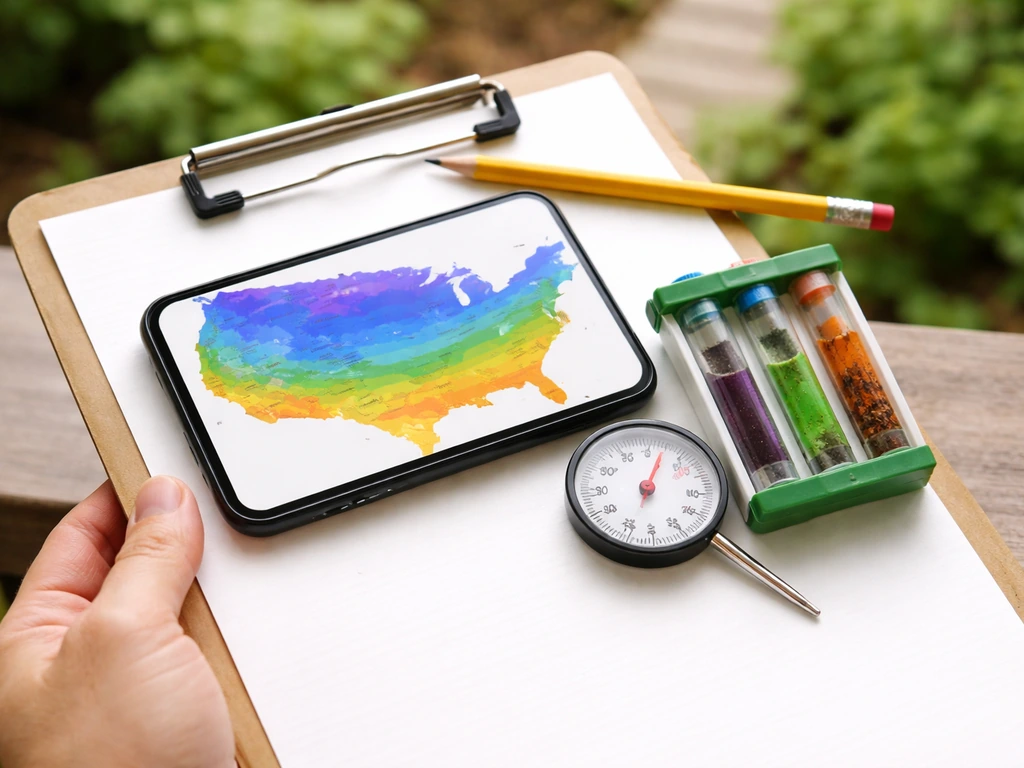
The first thing to do is look up your USDA Plant Hardiness Zone at planthardiness.ars.usda.gov. This tool uses your zip code to give you the average annual minimum winter temperature range for your area, which is the single most important factor in determining which bamboo species can survive outdoors where you live. Most bamboo guides and nursery tags use USDA zones as the primary filter, so knowing your zone immediately tells you which species are in play.
As a general framework: Zone 9 and warmer covers most of coastal California, southern Florida, and parts of the Gulf Coast, and virtually any bamboo species will grow there. Zone 7 to 8 covers much of the Southeast, Mid-Atlantic, and Pacific Northwest, and most cold-hardy running bamboos do well here. Zone 5 to 6 covers the Midwest and parts of the Northeast, where you are limited to the hardiest Phyllostachys species and native Arundinaria relatives. Below Zone 5, outdoor bamboo becomes a real gamble.
Beyond the zone map, pay attention to your microclimate. A south-facing wall or fence can add a full zone of protection compared to an open, exposed yard. Elevation, nearby bodies of water, and urban heat islands all matter. Some growers in Zone 6 successfully maintain bamboo that technically needs Zone 7 by choosing a sheltered, south-facing spot with good drainage. The zone map is the starting point, not the final word.
Also consider whether your state or municipality has any restrictions on planting bamboo, particularly running bamboo. Several states and local governments have enacted or are considering rules around invasive running bamboo, so it is worth a quick check before you plant. That said, local rules can determine whether you are allowed to plant certain bamboo types, including whether bamboo is illegal to grow in your area is bamboo illegal to grow. This is especially relevant if you are in the Mid-Atlantic or Southeast, where running bamboos have been documented escaping into neighboring properties and natural areas.
Practical tips for growing bamboo in the US
Picking the right site
Bamboo wants full sun to partial shade, with at least four to six hours of direct sunlight per day for most species. In hotter southern climates, a bit of afternoon shade can actually help. The site should have good air circulation but protection from harsh winter winds if you are in a colder zone. Avoid low-lying areas where cold air settles and frost lingers, as these spots will stress your bamboo more than the zone average suggests.
Soil and drainage
Bamboo thrives in well-draining, slightly acidic soil. Poor drainage is one of the most common reasons bamboo fails in the US, particularly in clay-heavy soils in the Southeast and Pacific Northwest. If water pools in your planting area after rain, you need to amend the soil, build a raised bed, or choose a different location. A good rule of thumb: if the spot stays wet for more than a day after heavy rain, it is not ready for bamboo without drainage work. Aim for a soil pH around 5.5 to 6.5 for most species.
Watering during establishment
The first two years are critical. Newly planted bamboo needs consistent moisture while its root system establishes, especially during hot summers in the South and Southwest. Once established, most bamboo is remarkably drought-tolerant, but do not assume that from day one. Deep, infrequent watering encourages roots to go deeper, which improves both drought tolerance and cold hardiness over time.
Containing running bamboo
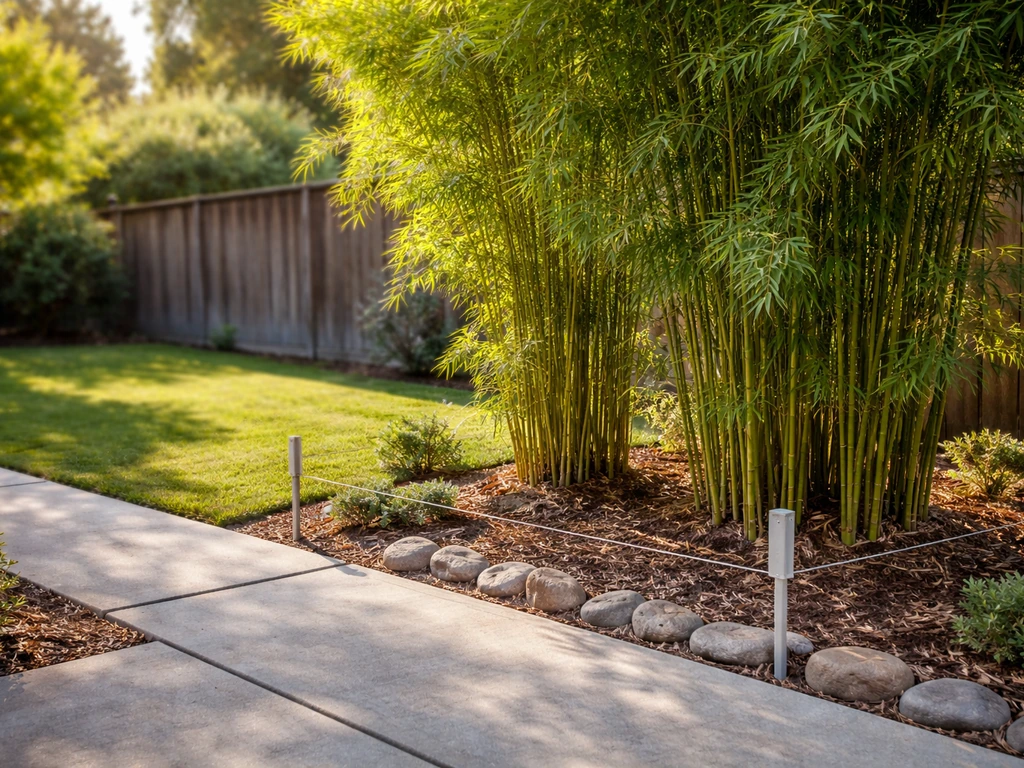
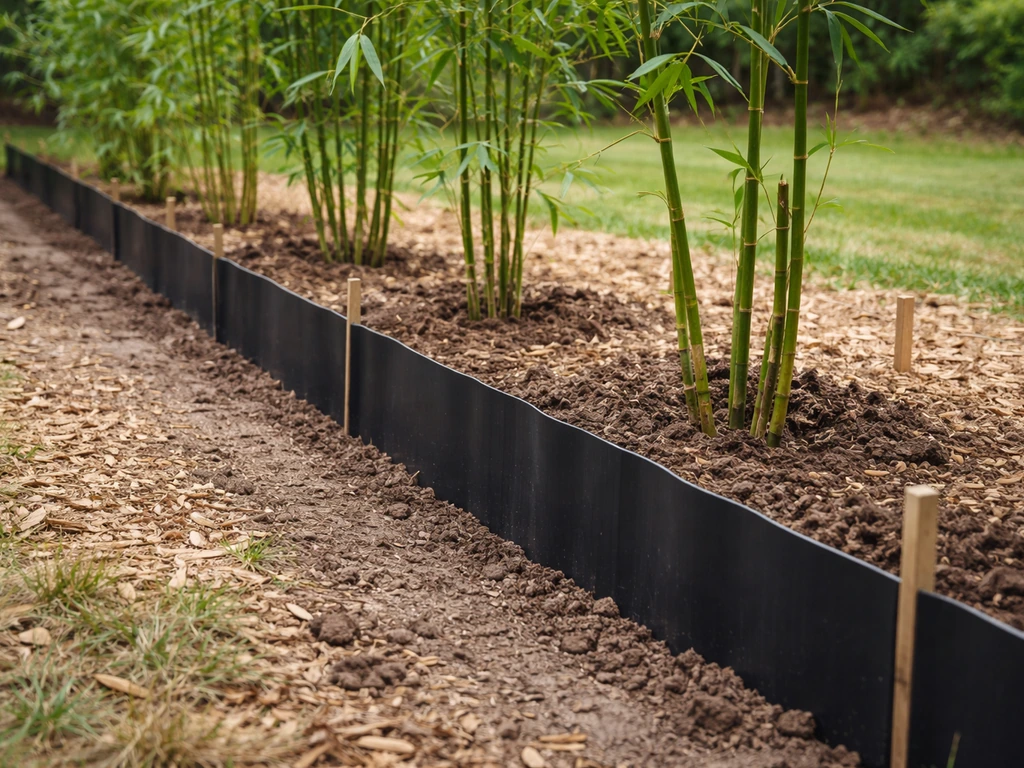
If you are planting any running bamboo species (Phyllostachys and related genera), containment is non-negotiable. Running bamboo spreads aggressively through horizontal rhizomes, and without a physical barrier, it will move into neighboring yards, gardens, and natural areas. Use HDPE root barrier rated for bamboo, installed at a depth of 30 to 36 inches. The 36-inch depth is recommended for larger Phyllostachys species. Leave two to three inches of barrier above the soil surface so rhizomes cannot sneak over the top. Check and cut back any rhizomes that reach the barrier edge each year. This is not optional maintenance; it is the price of growing running bamboo responsibly.
Species selection is everything
More than any other single decision, choosing the right species for your zone and climate will determine whether your bamboo succeeds or struggles. Clumping bamboos (Fargesia species are a good example) are better choices for colder climates and smaller spaces because they grow more slowly, stay contained naturally, and tolerate cold better than many running types. Running bamboos offer faster growth and greater height but require containment and more management. Match the species to your zone first, then consider size, appearance, and purpose.
If you are in the Mid-Atlantic or Northeast and want to know what specific states can realistically support bamboo, the situations in states like New York, Pennsylvania, Virginia, and Massachusetts each have their own nuances worth exploring. Because Pennsylvania winters can be tough, you generally need to choose cold-hardy bamboo species and protect them in the right microclimate bamboo in the US. If you are in Massachusetts specifically, the key question is can bamboo grow in Massachusetts given your winter zone and microclimate. The short version: the warmer and more southerly your location within those states, the better your odds, and species selection becomes increasingly critical the farther north you go.
The bottom line: bamboo absolutely grows in the US. Native species have been here all along, and dozens of introduced species grow reliably outdoors across a broad range of US climates. Your job is to match the right species to your zone, give it a well-drained site with adequate sun and water, and if you choose a running type, contain it properly. Do those things, and bamboo is a genuinely rewarding plant that can transform a yard in just a few seasons.
FAQ
What is the difference between native bamboo and bamboo you can plant in the US?
Native bamboo in the US is limited to Arundinaria species, mainly “river cane” and “hill cane” types. Most backyard bamboo is non-native, often from Asia, and may be able to live outdoors for years even though it is not indigenous. If your goal is ecological compatibility or low escape risk, prioritize native Arundinaria and treat most running Phyllostachys as higher risk.
If bamboo survives winter, will it still look good year-round?
Survival does not guarantee evergreen foliage. In colder zones (around Zone 5 to 6), many bamboos lose culms and leaves after freezes and regrow later, so you should expect a rough late-winter look. For a consistently attractive privacy screen through winter, clumping types or locations with strong winter protection typically perform better than running bamboos.
Does bamboo need to be planted in the ground, or can I keep it in a container?
You can grow bamboo in containers, and it is often a good option in colder climates or where invasiveness is a concern. However, containers dry out faster and freeze through more easily than ground soil, so choose a large pot, use insulating mulch around the root ball, and be prepared to water during winter thaws if drainage is good.
Will bamboo spread if I plant a clumping type?
Clumping bamboos are generally slower and stay tighter, but “clumping” does not mean “never spreads.” Some species can expand over time, and roots can shift into nearby beds. If you have a small space or tight boundaries, still monitor growth and consider a barrier if you want a hard stop.
How do I tell if my bamboo is dying versus dormant after a cold snap?
In winter cold, canes may die back while rhizomes remain alive. Signs of dormancy include no green shoots yet, but a plant that does not collapse or rot at the crown. After the warm-up, watch for new shoots at the base in spring, and avoid heavy fertilizer until you see active growth.
What’s the biggest mistake new bamboo growers make in the US?
Overwatering in poorly drained soil is one of the most common failures. Bamboo can handle wet periods better than many plants, but it does not tolerate waterlogged conditions for more than a day after storms. If the planting spot stays soggy, amend with drainage work or raise the bed before planting.
Do I need a root barrier even for “running bamboo” purchased from a nursery?
Yes, if you are growing running types (commonly Phyllostachys and relatives). Nursery labeling can be incomplete, and even one missed running rhizome can create escape. Use a bamboo-rated barrier installed at the correct depth, and plan on yearly inspections at the barrier edge.
Can bamboo grow in dry climates like the Southwest or inland California?
Often yes, but establishment is the challenge. Once roots establish, many bamboos tolerate some drought, yet newly planted clumps and rhizome systems need deep, consistent watering through hot seasons. Use well-draining soil and consider partial afternoon shade in very hot, arid spots to reduce stress.
Is bamboo ever truly “no maintenance” once it’s established?
Even hardy, well-established bamboo requires periodic attention. Running bamboo especially needs barrier checks and root control at least once per year. You also may need to remove dead culms after winter dieback, and thin dense stands to improve airflow and reduce disease pressure.
Are there local or state restrictions I should check before planting bamboo?
Yes. Some states and municipalities restrict planting running bamboo because it can naturalize and spread beyond property lines. Before you buy, check your city or county rules, and if you want a safer default, consider clumping species or native Arundinaria where appropriate.
Next Article
Is Bamboo Illegal to Grow? US and California Rules
Get the real answer on whether bamboo is illegal to grow in the US, with California rules, local checks, and next steps.