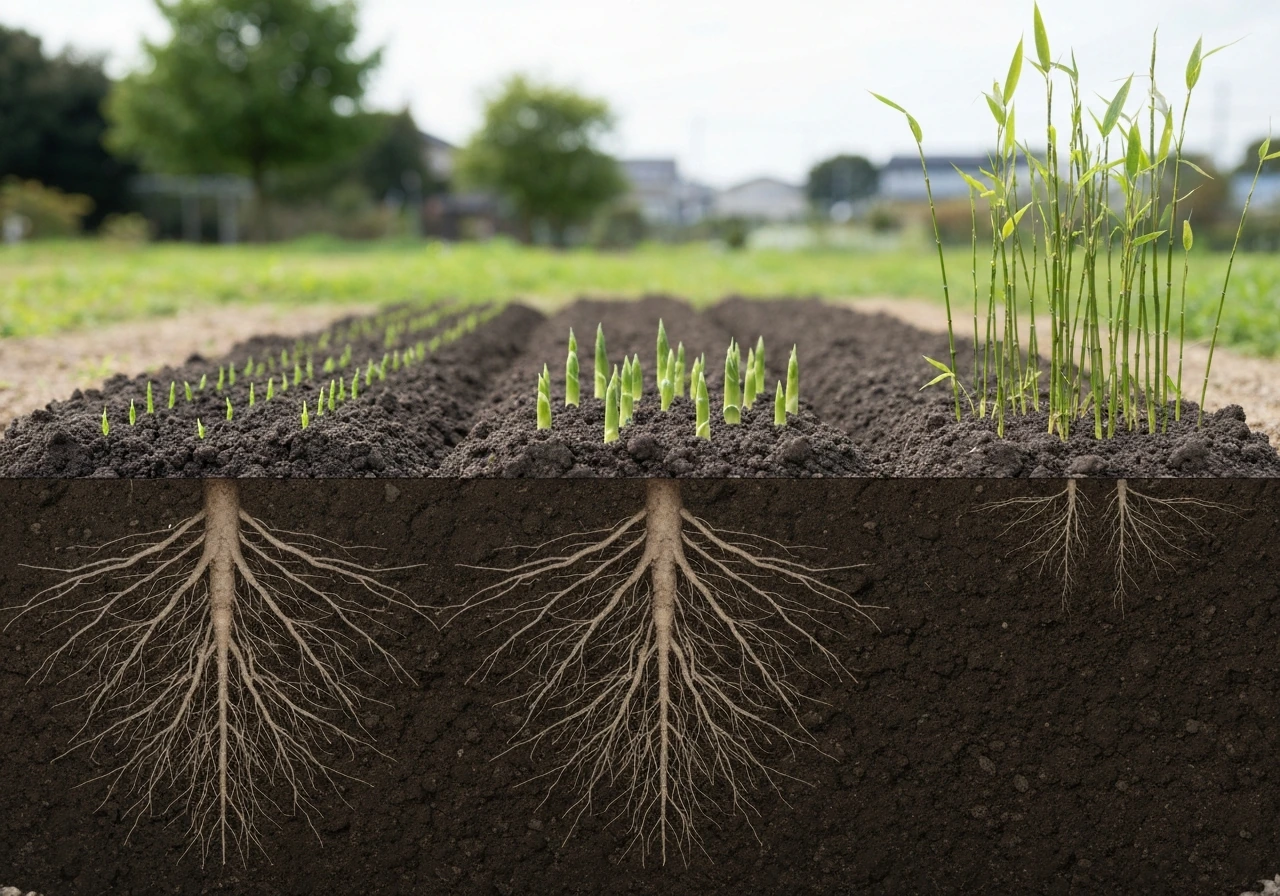
Bamboo grows underground continuously for the life of the plant, but the first 1 to 3 years after planting are almost entirely devoted to building that underground network. You can estimate the cost to grow bamboo by factoring in plant or division prices, soil amendments, containers or barriers for rhizome control, and ongoing water and maintenance how much does it cost to grow bamboo. During that establishment phase, you'll see little dramatic above-ground action. Then, once the rhizome system matures, running bamboo rhizomes can push outward 5 to 15 feet per year, while clumping types creep just a few inches annually. The short version: underground growth never really stops, but the first few years are slow, the jump happens around year 3 or 4, and by year 5 to 7 you have a full, productive system working beneath the soil.
How Long Does Bamboo Grow Underground? Timelines and Spread

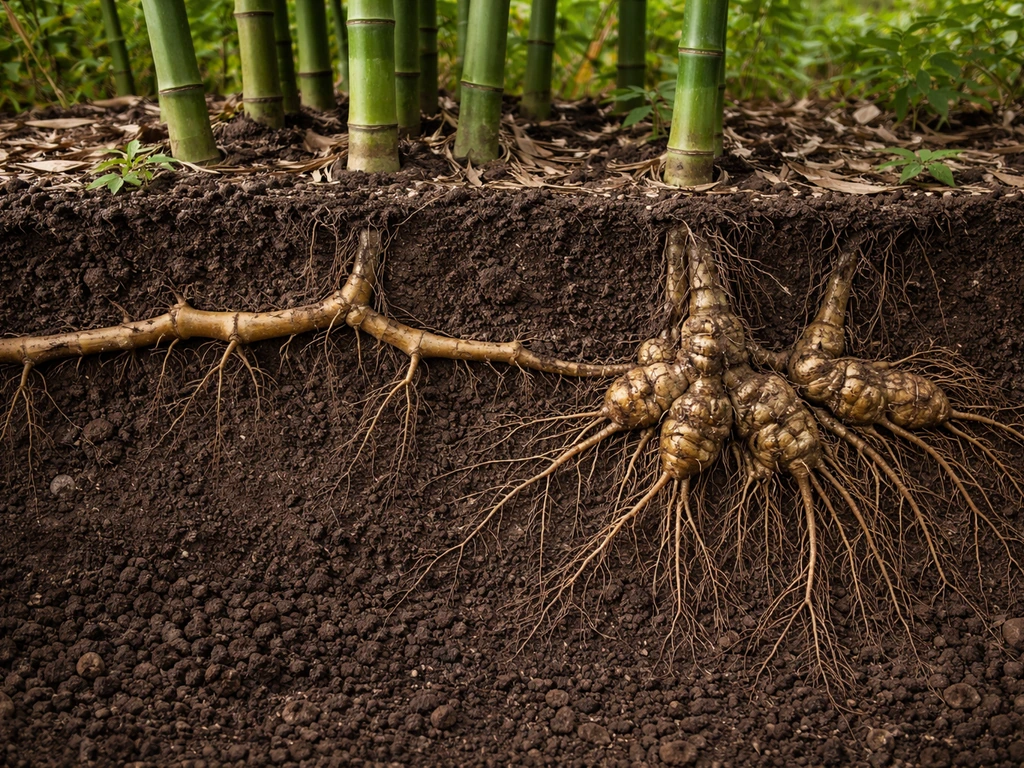
What's actually happening underground: rhizomes vs culms

The part of bamboo you see above ground, the tall hollow cane, is called a culm. The underground part is the rhizome, which is essentially a horizontal stem that runs beneath the soil surface. Rhizomes are not roots in the traditional sense. They're storage organs, spreading structures, and the launch pads for new culms. When a rhizome node activates, it either sends out another rhizome to extend the network or pushes a shoot upward that becomes a new culm. This is why bamboo can appear to "jump" to a new location with no visible connection to the original plant.
There are two fundamentally different rhizome systems, and they behave very differently underground. Running bamboos (leptomorph/monopodial types) send long horizontal rhizomes traveling in a straight-ish line underground, sometimes for impressive distances before surfacing. Clumping bamboos (pachymorph/sympodial types) have shorter, curved rhizomes that stay close to the mother plant, forming a tight expanding circle rather than distant runners. These two systems are the single biggest factor in how far and how fast underground spread happens.
How long it takes to establish underground: realistic timelines
The old saying "sleeps, creeps, leaps" is genuinely accurate for bamboo underground growth. Year one is almost entirely a sleep phase. The plant is investing energy into building fine roots and laying down the first short rhizome segments. You'll see the original culms stay alive and maybe produce a few small new shoots, but don't expect noticeable spread. Underwatering in year one is the most common reason bamboo fails, so don't mistake the quiet above ground for a healthy underground process.
Years two and three are the creep phase. The rhizome network starts extending in earnest, and you'll likely see new shoots emerge further from the planting site than before. For running types, this is when you first realize how serious containment needs to be. Most sources agree that it takes roughly 2 to 3 years for a bamboo to develop a well-established root and rhizome system. If you are growing Chinese bamboo, the timeline is similar: most of the early growth focuses on building rhizomes, with noticeable spread typically starting in years 2 to 3. In fact, even well-established bamboo typically needs closer to 3 years to build a strong rhizome system before it really ramps up growth 2 to 3 years. After that, the full underground network kicks into high gear.
By years 4 through 7, most bamboos reach full productive clump or grove size. The underground network is now mature enough to support rapid annual expansion. This is the leap phase, and for running bamboo in a warm climate it can feel sudden and dramatic. You'll also notice that each season's new culms are taller and thicker than the last, because the rhizome system has enough stored energy to fuel bigger growth.
| Phase | Typical Timeframe | Underground Activity | What You See Above Ground |
|---|---|---|---|
| Sleep | Year 1 | Fine roots form; first short rhizome segments laid down | Original culms survive; minimal new shoots |
| Creep | Years 2–3 | Rhizomes extend noticeably; network branches out | New shoots appear further from original planting |
| Leap | Years 4–7+ | Full rhizome network active; rapid annual expansion | Taller, thicker culms; grove or clump reaches mature size |
How far rhizomes actually spread underground
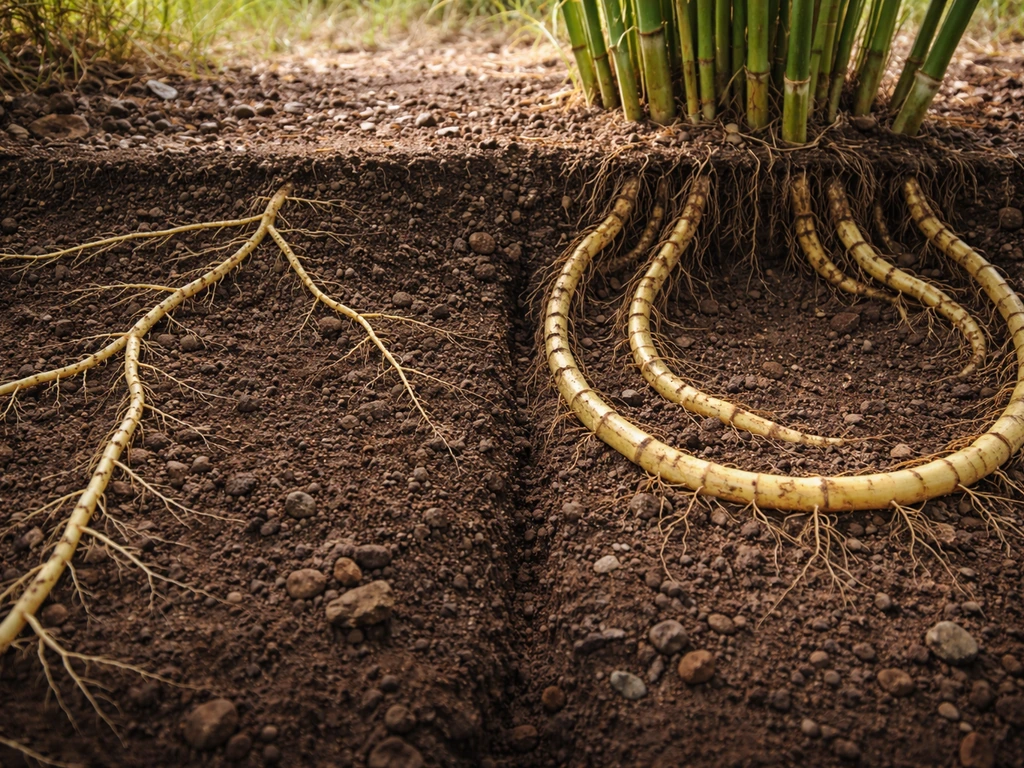
This is where running and clumping bamboo really diverge. Running bamboo rhizomes can spread as much as 15 feet underground in a single growing season once the plant is established. Some sources cite up to 5 metres (about 16 feet) per year for vigorous species in ideal conditions. A single leptomorph rhizome can travel several feet in one season before any shoot emerges, which is why you can suddenly find bamboo culms appearing well outside the area you thought you were managing.
Clumping bamboo is a completely different story. The rhizomes curve back toward the mother clump and expand only a few inches per year in cool climates, or up to a foot or two annually in hot, humid conditions. If you're in a tight space and want bamboo without the containment headache, a true clumping species is the practical choice.
Depth-wise, most running bamboo rhizomes travel in the top 6 inches of soil, though they can go deeper in loose or sandy soils. This is actually useful information for containment: because the rhizomes stay shallow, a well-installed barrier at 2 to 3 feet deep is usually sufficient to stop them from going under. They won't typically dive beneath a deep barrier, they'll try to go over it or find a gap at a seam instead.
What speeds up or slows down underground growth
Species and rhizome type
The biggest variable is always the bamboo itself. A Phyllostachys (running) species planted in Georgia will behave completely differently underground than a Fargesia (clumping) species planted in the same spot. Know your species before you plant, because the rhizome type determines everything about spread rate, depth, and the containment strategy you'll need.
Climate and growing zone
Warmer climates dramatically accelerate underground growth. Bamboo in USDA zones 8 to 10, think coastal Texas, the Gulf South, or the Pacific Coast of California, can push rhizomes far more aggressively than the same species planted in zone 6 in the Mid-Atlantic. In colder zones, late frosts and cold soils limit how early in spring the rhizome system activates, compressing the growing season. The plant survives but doesn't build as much underground infrastructure per year. Compare bamboo growing in subtropical Japan versus bamboo in a zone 6 garden in Pennsylvania: the Japanese plant can be sending out runners in March while the Pennsylvania plant is still dormant.
Soil texture and nutrients
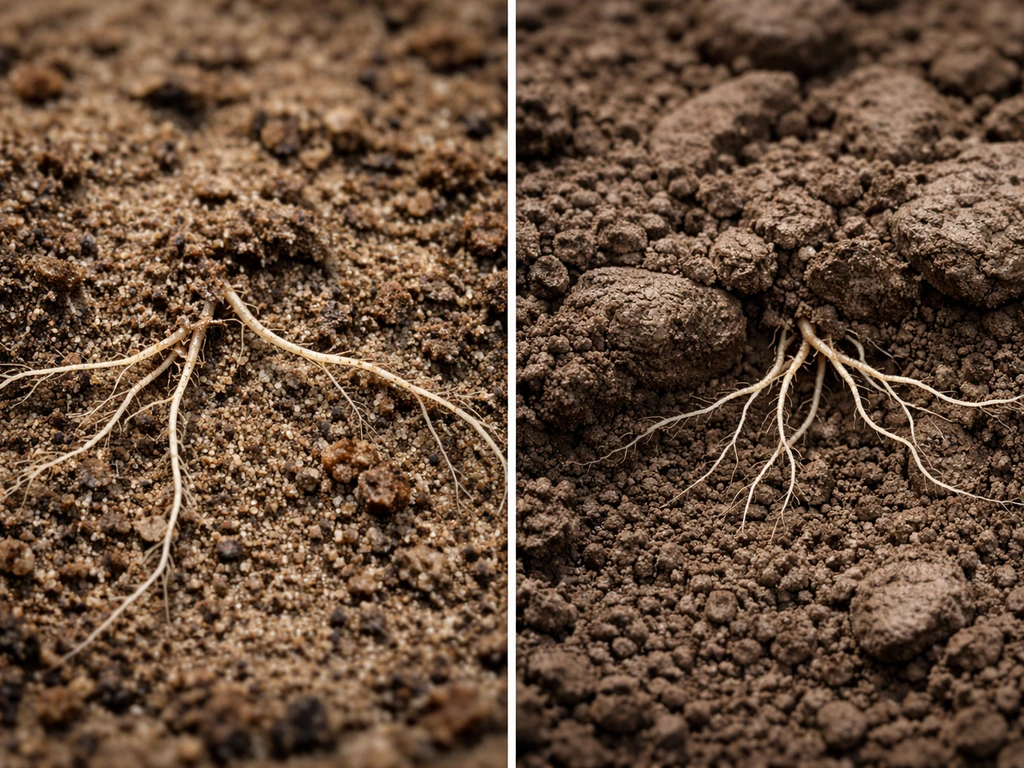
Loose, well-draining soil with good organic matter is ideal for rhizome expansion. Sandy or loamy soils let rhizomes travel faster and further than compacted clay. That said, heavy clay does slow rhizomes down, which is one reason some gardeners in clay-heavy zones are surprised when their bamboo seems slow to spread. Enriching your planting area with compost and improving drainage before planting gives the rhizome network an easier path to travel.
Moisture and watering
Consistent moisture is probably the most controllable factor in underground growth speed. During the first year especially, keep the soil moist but not waterlogged. In the second and third years, deep watering 2 to 3 times per week during summer dry periods supports active rhizome growth. In extreme heat, daily watering may be needed. If your goal is to maximize spread and grove size, watering every week when there's no rain makes a real difference. For containers, plan on about 1 to 2 gallons per watering session depending on pot size.
Rhizome health and plant age
Planting older, more established stock (2 to 3 year old plants) gives you a head start on underground establishment compared to younger divisions or bare rhizomes. The existing rhizome network in an older transplant has more stored energy to invest in spreading from day one. A fresh division from a friend's yard will still establish, it just takes longer to hit that leap phase.
Planting setup that encourages healthy underground growth
Getting the planting setup right in year one pays off for years. Here's what actually matters for giving the underground system a good start.
- Planting depth: Cover rhizomes to about 5 to 6 inches deep in standard soil. In clay or hardpan, you may need to amend the planting pit so the top 15 cm or so of soil is loose and nutrient-rich to encourage early rhizome spread.
- Spacing: For a grove or hedge, space plants 3 to 5 feet apart for running types and 4 to 6 feet for clumping types. Closer spacing creates a denser result faster but isn't necessary for the underground network to develop.
- Soil preparation: Dig out your planting area and mix in compost to improve drainage and organic content. Rhizomes travel faster through improved soil.
- Watering in year one: Water deeply 2 to 3 times per week during the growing season. Never let the soil dry out completely in the first summer. If planting in late fall or winter, apply 2 to 3 inches of mulch over the root zone to prevent freeze damage to the young rhizomes.
- Mulching: A 2 to 3 inch layer of mulch over the planting area retains moisture, moderates soil temperature, and slowly improves soil as it breaks down. This is especially important if you're planting in a marginal zone or during a dry season.
- First-season fertilizing: A balanced slow-release fertilizer applied in early spring of year two, once the plant has had one growing season to settle in, supports the rhizome network's push into active expansion.
Containment: why underground spread is the real concern
For running bamboo, containment is not optional. Once that rhizome network matures and is pushing 10 to 15 feet per year underground, managing it reactively is exhausting. The right time to install a barrier is before you plant, not after you've already got culms coming up in your neighbor's lawn.
Installing a rhizome barrier
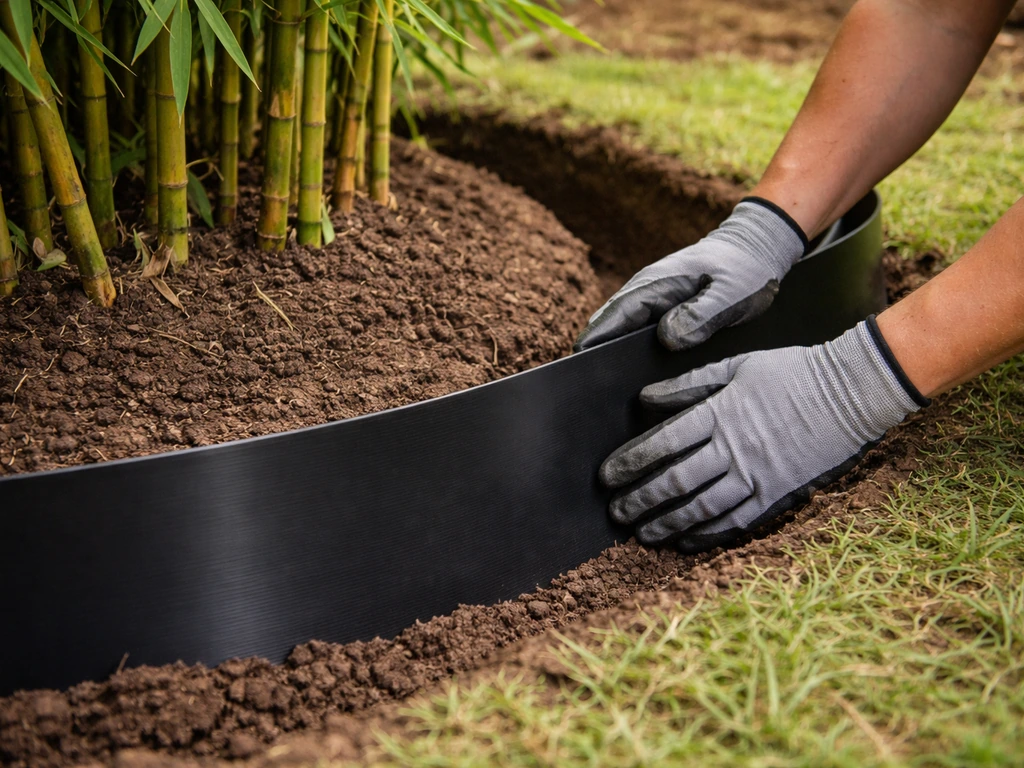
Use HDPE (high-density polyethylene) barrier sheeting rated at least 60 mil thick. Some experienced growers recommend going up to 80 mil for more vigorous or mature colonies. Install the barrier in a trench around the planting area, ideally to a depth of 28 inches (22 inches is a workable minimum in compacted clay or hardpan). Overlap seam sections by about 4 feet and secure them with HDPE seam tape to create a watertight, rhizome-proof joint. The biggest failure mode is an incomplete or poorly sealed seam: rhizomes are very good at finding any gap, and a breach at a loose overlap can allow escape within just two growing seasons.
The barrier doesn't need to go all the way to the soil surface. Leaving the top inch or two above grade actually helps you spot when a rhizome is trying to escape over the top, which they will attempt. When you see a rhizome cresting the barrier, cut it off. This is easier than dealing with an established runner that got through a seam.
Ongoing monitoring and control
Even with a barrier installed, plan on an annual inspection and a two-month window in spring when you need to be actively watching for and removing any emerging shoots outside the barrier. University of Maryland Extension specifically recommends targeting this two-month emergence window as the most effective time to control new growth. For any rhizome that does surface outside your intended zone, cut it off at the soil surface repeatedly until it exhausts itself. Persistence is key: a rhizome that gets cut back three or four times in a season will not have enough energy to keep pushing.
Real-world expectations by scenario
New outdoor planting
If you planted this spring, expect most of the action to be underground and invisible for the next 12 to 18 months. If you planted in Dreamlight Valley, expect the big visible growth to lag the underground buildup during the first couple of years how long does it take bamboo to grow dreamlight valley. You'll see the original culms green up, and maybe a modest flush of new shoots in year two. Don't panic that nothing dramatic is happening above ground. The rhizome network is building. Your job right now is to water consistently, mulch the root zone, and keep an eye out for any above-ground stress signals like yellowing leaves (usually a watering or nutrient issue). This is the same pattern whether you're growing a privacy screen in the Pacific Northwest or a grove in the Southeast: year one is about roots, not results.
Established outdoor clump (3 or more years in the ground)
If you have bamboo that's been in place for 3 or more years, the underground network is already well-developed. For running types, this is the point where containment becomes urgent if you haven't already addressed it. Rhizomes from an established planting can travel 10 to 15 feet in a single growing season. You'll want to walk the perimeter of your bamboo area each spring and cut off any escaping rhizomes before they send up culms. For clumping types, a 3-year-old plant is probably 2 to 3 feet wider than when you planted it. Still manageable, but worth edging annually to keep it where you want it.
Bamboo in containers
Container growing puts a hard limit on underground spread, which is one reason it's a popular choice for small gardens and patios. The tradeoff is that rhizomes eventually fill the container and the plant can become stunted if not divided or repotted. Use the largest container you can reasonably manage, at least 12 inches deep and ideally much wider than it is deep, since bamboo rhizomes spread horizontally and grow primarily in the top 18 inches of soil. When rhizomes hit the container wall they stop, but they'll circle back and can push out of drainage holes at the bottom. Check the bottom of your pot annually and trim any escaping rhizomes. Most container bamboos need dividing or repotting every 2 to 3 years to stay healthy.
Quick reference: what to do right now
- Just planted this season: water 2 to 3 times per week, mulch the root zone, don't expect dramatic above-ground growth for at least a year.
- Plant is in year 2 or 3: watch for new shoots further from the original planting, start scouting for rhizomes outside your intended zone, and install a barrier now if you haven't.
- Established running bamboo (4+ years): do a spring perimeter inspection, cut any escaping rhizomes, check barrier seams for integrity, and plan on annual monitoring during the two-month shoot emergence window.
- Container bamboo: check drainage holes for escaping rhizomes, assess whether the plant needs dividing, and use a wide, shallow container rather than a narrow deep one.
- Considering planting near a property line or structure: install a 60 to 80 mil HDPE barrier to at least 22 to 28 inches depth before planting, and overlap seams by 4 feet with seam tape.
Understanding what bamboo does underground takes the mystery out of the early slow years and the later explosive spread. The key insight is that underground growth and above-ground growth are funded by the same energy budget: in the early years, the plant spends most of that budget below the surface. Once the rhizome system is mature, you'll see both above and below the ground working hard in every growing season. Knowing which type of bamboo you have, managing moisture consistently, and getting containment right from the start means you'll spend less time fighting your bamboo and more time enjoying it.
FAQ
Does bamboo ever stop growing underground after a certain number of years?
In most cases, it does not stop at any specific age. Bamboo keeps producing rhizomes for the life of the plant, but the pace usually changes by year (slow establishment early, faster spread once the rhizome system is mature). If you want to estimate your timeline, focus on rhizome type (running versus clumping) and how old the plant was when you planted it.
Why is my bamboo not spreading underground yet, even after it was planted?
A lot of homeowners think bamboo is “stuck” when they do not see runners above ground. If year one looks quiet, that is usually normal because the rhizomes are building first. The most common mistake is underwatering in the first year or letting soil dry out between watering cycles, which can delay underground development even when the plant survives.
How does planting with divisions compare to planting older bamboo for underground spread timing?
If you planted bare divisions or very young stock, expect longer than if you planted established plants. Using 2 to 3 year old transplants typically gives a head start because they already have stored energy in an existing rhizome network, so the “leap” phase tends to arrive sooner.
How deep do running bamboo rhizomes actually travel, and what does that mean for barrier depth?
Running bamboo rhizomes typically stay in the upper portion of the soil (often within about 6 inches), which is why a barrier placed 2 to 3 feet deep usually works. However, barriers fail most often due to seams that are not properly overlapped and sealed, not because rhizomes decide to go deeper.
Why does bamboo sometimes appear in a new spot with no visible underground connection?
You can see a “jump” effect when a rhizome node sends up shoots at a new location. That means the new culms may look disconnected from the original plant, even though the rhizome connection is underground. This is especially common with vigorous running types.
How do winter and local temperature changes affect how long bamboo takes to grow underground?
Temperature affects how early rhizomes wake up each spring. In colder zones, late frosts and cold soil can delay activation, so underground growth starts later and the overall season for building rhizomes is shorter. Even the same species can behave differently in warm versus cool climates.
Can soil type change how long bamboo takes to start spreading underground?
Yes, soil conditions can slow or speed underground movement. Compacted clay often slows rhizome travel, while loose, well-draining soil with organic matter supports easier spread. Heavy clay can make bamboo seem slow even when you have the correct rhizome type and proper watering.
What watering schedule most strongly influences underground growth during the first 3 years?
For early establishment, the goal is consistent moisture without waterlogging. In years two and three, deep watering during dry spells (often 2 to 3 times per week in summer) supports active rhizome growth. In extreme heat, the schedule may need to be more frequent to keep rhizomes growing.
If I know the growing conditions, how much still depends on whether my bamboo is running or clumping?
Watering and nutrients can affect vigor, but the biggest driver of underground spread speed is the rhizome system. If you are trying to predict timelines, do not assume all bamboo behaves the same, because running types can expand 5 to 15 feet per year after establishment, while clumping types expand only inches to a couple feet depending on conditions.
Does bamboo still grow underground just as fast when it is planted in a container?
For containers, underground growth is limited by the pot, but it does not mean the rhizomes stop. They can circle at the container wall and sometimes push toward drainage holes. Annual checks for rhizomes at the bottom, plus dividing or repotting roughly every 2 to 3 years, helps prevent stunting.
When is the best time to inspect for rhizomes escaping (even if a barrier is installed)?
If you have running bamboo and you want to prevent escapes, start inspections early in the season and watch the emergence window when new shoots are most detectable. Cutting emerging shoots repeatedly outside the barrier helps drain rhizomes that are trying to push out.
Does Bamboo Take 5 Years to Grow? Timeline Explained
Get a clear answer on bamboo growth: why the 5-year myth exists and what timelines to expect by species and conditions.