In Animal Crossing: New Horizons, bamboo needs at least one empty tile on all eight sides to grow from a shoot into a full bamboo tree. That means no other bamboo, no trees, no rocks, no buildings, no fences, and no cliff edges touching any of the eight squares directly around it. While bamboo in ACNH can still grow in dry-ish areas, you should not rely on watering it heavily to speed things up because spacing and open tiles matter far more no other bamboo. Once it matures (around three to four days), those same empty surrounding tiles become the spawn locations for new bamboo shoots, so keeping that space clear is what drives the whole propagation loop.
How Much Space Does Bamboo Need to Grow in ACNH
Marcus Hartwell
3 Jul 2026
How bamboo growth actually works in ACNH
Bamboo in ACNH behaves almost identically to trees from a spacing standpoint. Nookipedia also notes that in Animal Crossing: New Horizons bamboo shoots must be planted on dirt, grass, or sand tiles (not the beach) and need empty surrounding space to grow Bamboo in ACNH behaves almost identically to trees from a spacing standpoint.. When you plant a bamboo shoot, the game checks each of the eight adjacent tiles every day. If even one of those tiles is blocked by an object, structure, cliff edge, or another plant, the shoot will stall and refuse to grow. This is the same logic that governs every sapling on your island, and bamboo is no exception.
Once a bamboo shoot matures into a full bamboo tree (roughly three to four days after planting), it shifts into propagation mode. Instead of just sitting there looking good, it starts generating new bamboo shoots in the tiles around it. Those shoots then grow into more bamboo trees, which generate more shoots, and the whole thing compounds. The catch: if you've packed your bamboo too tightly, the game runs out of valid spawn tiles and production grinds to a halt. The layout you set up on day one determines whether your bamboo grove thrives or stagnates.
It's also worth knowing that bamboo cannot be planted on beach tiles. Grass, dirt, and sand tiles inland all work fine, but the beach strip at the edge of your island is off-limits. Cliffs are similarly problematic: even if there appears to be a gap between your bamboo and a cliff edge, rounded cliff corners count as full tiles in the game's grid, which can unexpectedly block growth without any obvious visual cue.
How much space each growth type actually needs
Single bamboo stalks
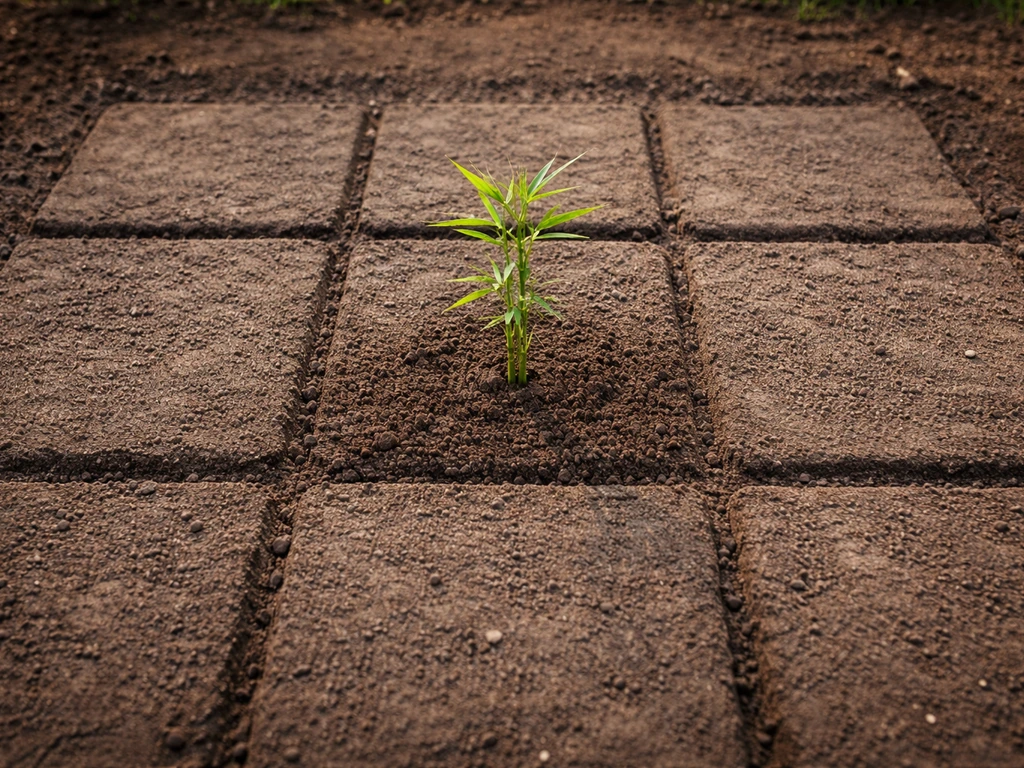
A single bamboo plant needs its one occupied tile plus all eight surrounding tiles kept clear. Think of it as a 3x3 block with the bamboo at the center and nothing else in that entire footprint. The minimum viable spacing between two bamboo trees planted side by side is two empty tiles between them (so they each maintain their full buffer without overlap). One tile between them is technically the absolute minimum for growth, but community testing consistently shows that two tiles of separation gives more reliable shoot production because it keeps more valid spawn tiles available.
Bamboo clumps and grove arrangements
If you want a dense bamboo grove rather than individual stalks scattered around, you need to plan the clump layout carefully. A clump arrangement still requires each bamboo tree to have at least one free tile on all sides, even from its neighbors within the clump. The most efficient clump layout uses a checkerboard-style pattern: place bamboo every other tile diagonally so each plant has open tiles adjacent to it. This gives you density and visual impact without blocking propagation. Avoid placing bamboo in solid, touching rows because that creates a wall where interior plants have no valid spawn tiles and simply stop producing.
The best layout for your island
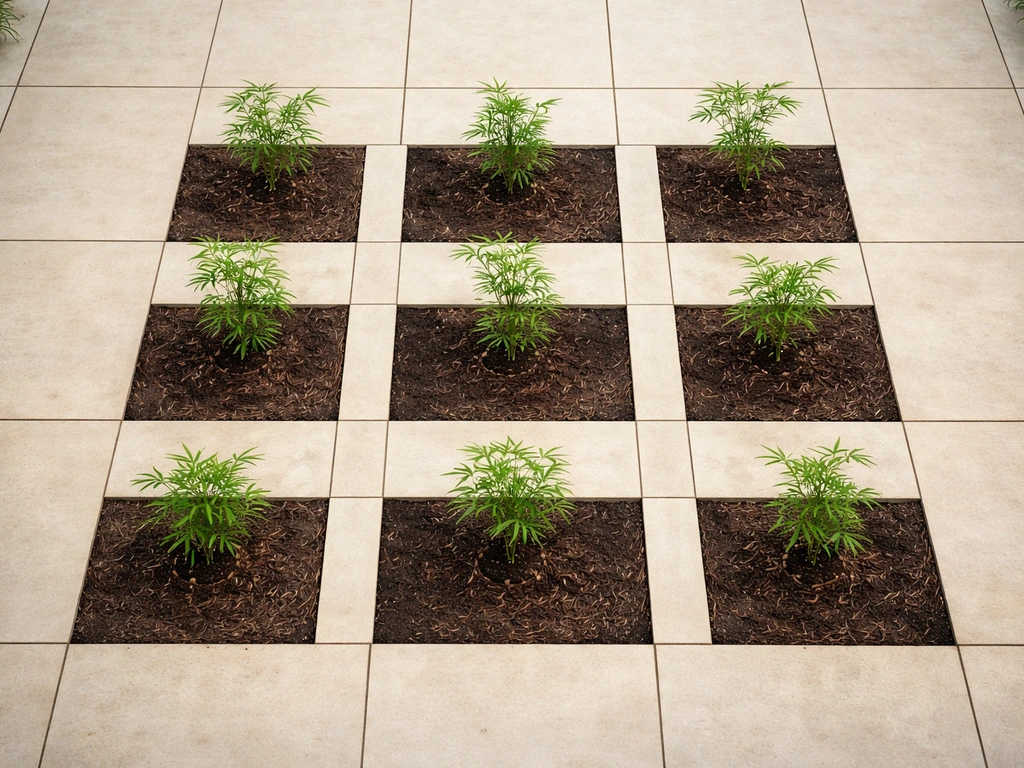
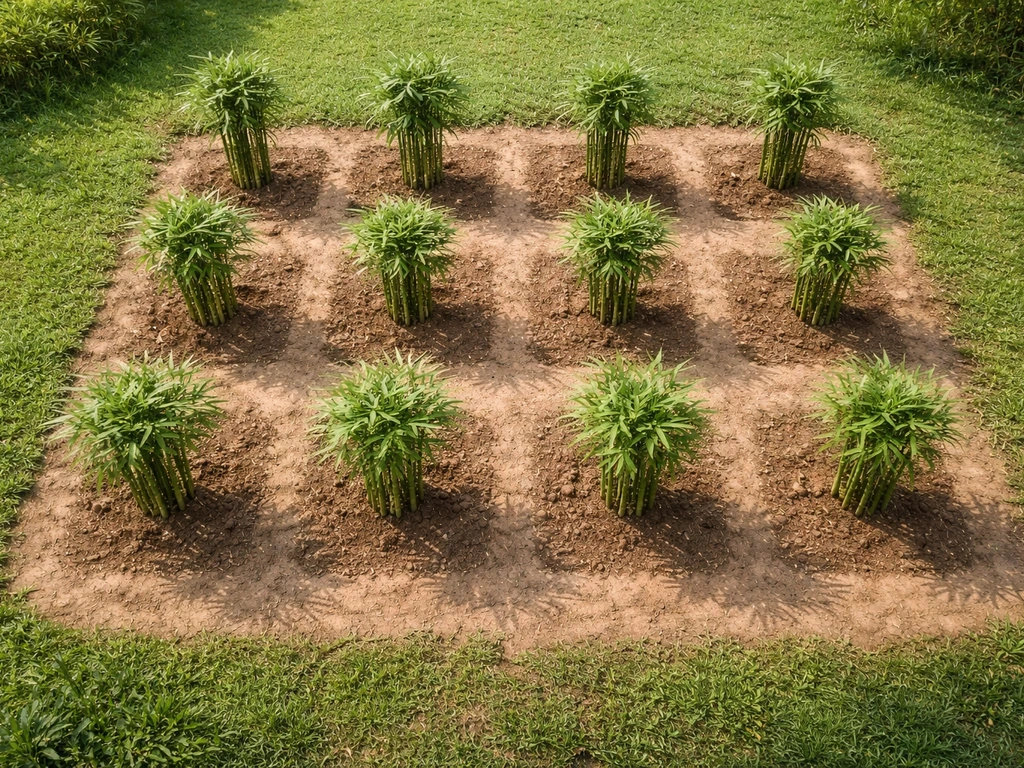
The layout that works most reliably is a grid where bamboo trees are spaced two tiles apart in every direction. This keeps the 3x3 growth zones from overlapping and ensures every plant has multiple valid shoot-spawn locations at all times. Here's a practical way to visualize it on your island's tile grid:
| Layout Type | Spacing Between Plants | Best For | Shoot Production |
|---|---|---|---|
| 2-tile grid | 2 empty tiles in all directions | Dedicated bamboo farming zones | High and consistent |
| 1-tile minimum | 1 empty tile between plants | Compact decorative groves | Moderate, can stall |
| Checkerboard diagonal | Diagonal offset with 1 free tile | Dense aesthetic groves | Good if kept clear of structures |
| No spacing (touching) | 0 tiles between plants | Display only, no growth | None |
For actual bamboo shoot farming, the 2-tile grid is the clear winner. Mark out a flat inland area, keep it at least two tiles from any cliff edge, fence, building, or rock, and plant your bamboo shoots in that grid pattern. If you want rows, run them east-west or north-south with two empty tile gaps between each row and two tile gaps between each plant within a row. This creates a clean grid that the game processes reliably each day.
Avoid placing bamboo near your home, Nook's Cranny, or any other structure. Buildings count as obstructions even if the decorative footprint looks small on screen. Fences are another common trap: if a fence tile borders any of the eight growth squares, it can silently block a bamboo shoot from growing. Wood paths and custom path designs can also count as occupied tiles depending on how you've placed them, so leave the tiles immediately surrounding your bamboo bare.
Soil, sun, water, and timing in the game
Unlike real-world bamboo cultivation (where you'd think hard about soil pH, drainage, and sunlight), ACNH simplifies most of that. In real life, bamboo needs specific growing conditions too, so it's worth understanding what it needs outside the game ACNH simplifies most of that. There's no soil type to worry about, no watering mechanic for bamboo (unlike flowers), and no sun or shade calculation. The variables that actually matter in the game are tile validity, spacing, and time.
Timing-wise, a bamboo shoot takes about three to four days to mature into a full bamboo tree. If you are wondering whether bamboo needs sunlight to grow in Animal Crossing: New Horizons, the spacing rules matter far more than lighting. After that, new shoots begin appearing in adjacent valid tiles. If you're playing in the in-game spring months (March through May), Fandom community notes suggest bamboo spread can be faster during that window, so if you want to expand your grove quickly, spring is the time to let it run. Outside of spring, growth still happens but may feel slower if your available spawn tiles are limited.
One timing tip worth mentioning: once mature bamboo produces a shoot in an adjacent tile, that shoot will grow into a new bamboo tree the following day if it also has valid surrounding space. If you don't harvest the shoots, your grove expands on its own. If you want to keep the grove a fixed size (for aesthetics or island layout reasons), collect the shoots daily to prevent uncontrolled spread.
Common spacing mistakes that kill bamboo growth
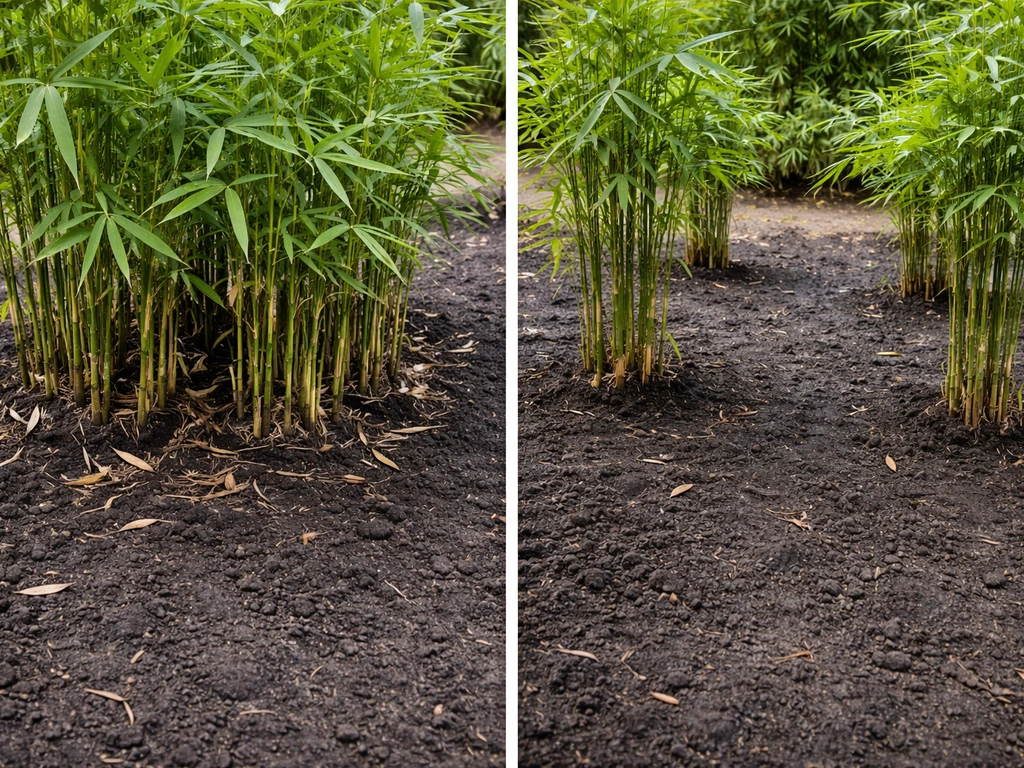
The most common reason bamboo stops growing or producing shoots is one of these five problems: Sun matters too, and bamboo needs plenty of direct light to grow well on your island how much sun does bamboo need to grow.
- Planting bamboo with only one empty tile between plants instead of two: the growth zones overlap and valid spawn tiles get eaten up fast.
- Placing bamboo directly adjacent to a cliff edge: cliff tiles (including rounded corners) count as solid obstructions in the game's grid, so even one cliff-adjacent tile can block growth.
- Surrounding bamboo with decorative fences or path designs: fences and certain path tiles count as occupied, silently blocking the adjacent spawn tiles the game needs.
- Parking a bamboo grove next to a building or shop: structure footprints extend further than the visible building, and their surrounding tiles are often flagged as restricted.
- Placing bamboo on the beach: beach tiles simply don't support bamboo growth at all, even if the shoot appears to plant successfully.
If your bamboo isn't growing and you've already waited four or more days, dig up the affected plant and replant it in a cleaner spot with a full two-tile buffer in every direction. It's tedious, but it's the fix that actually works. You can also use the in-game terraforming tools to flatten a dedicated section of your island specifically for bamboo, which removes cliff edge interference entirely and gives you a clean grid to work with.
Another sneaky issue: if your bamboo grove was producing shoots fine and then suddenly stopped, it usually means the grove has expanded to the point where it's bumping into its own boundaries. New shoots spawned from mature bamboo trees need their own valid 3x3 space to grow, and once the grove fills its available zone, production halts. Light is another factor, so make sure your bamboo gets enough sun to support steady growth. The fix is either to harvest shoots before they sprout into new trees, or to expand the available zone by removing nearby obstructions.
Do this today: your step-by-step bamboo placement plan
- Pick a flat inland area at least two tiles away from any cliff edge, building, fence, rock, or water. A 10x10 tile open area is a comfortable starting zone for a small grove.
- Clear the zone completely: remove any path designs, furniture, or decorations from the tiles you plan to use and the two-tile buffer around the perimeter.
- Mark your planting grid: starting from one corner, count two tiles in from the edge and place your first bamboo shoot. Then count three tiles over (one for the bamboo, two empty) and plant the next. Repeat across the row, then start a new row three tiles down.
- Plant all your shoots in one session, then leave the area alone. No need to water bamboo in ACNH. Just let the game's daily tick run.
- Check back after four days: by then, your first shoots should be full bamboo trees. Look for small shoots appearing in adjacent tiles as a sign that propagation has started.
- If nothing has grown after five days, walk around the affected bamboo and check every one of the eight surrounding tiles for hidden obstructions (fences, path edges, cliff corners). Move anything blocking those tiles, then wait another three days.
- Once your grove is producing reliably, decide whether you want to harvest shoots daily (to keep the grove contained) or let it expand naturally into the buffer zone you set up.
That's the whole system. The spacing rules in ACNH aren't complicated once you understand that bamboo follows the same tile-logic as trees, with the added feature of blank" rel="noopener noreferrer">ongoing shoot production that depends on keeping those adjacent tiles open. Bamboo in ACNH also has requirements beyond spacing, so if you're wondering can bamboo grow in low light, you should plan your island layout accordingly spacing rules in ACNH. Get the 2-tile spacing right from the start, keep structures and cliffs at a distance, and your bamboo grove will run itself.
FAQ
Can bamboo be planted near the beach edge, and why would it fail to grow there?
Not exactly. Bamboo cannot be planted on beach tiles, but the bigger problem is often that your chosen inland tile is too close to an obstruction within the 3x3 footprint (including cliff corners counted as full grid tiles). If your bamboo shoots stall, re-check the eight adjacent tiles, not just what looks visually “open,” especially near cliffs, fences, and paths.
Do fences block bamboo growth in ACNH, even if they are not right next to the bamboo tree?
Yes, but it can also reduce production if it leaves fewer empty tiles available. If you want to use fences, keep bamboo at least two tiles away from fence tiles so none of the fence occupies any of the eight adjacent growth squares. For dense groves, fences can cause “silent” blocking even when the fence line looks separated from the bamboo.
Will wood paths or custom path designs affect bamboo propagation?
Custom paths can matter because they may occupy tiles in the game grid. Treat paths and custom path segments like buildings or furniture for spacing purposes, and leave the full 3x3 area around each bamboo shoot free. If you use paths for aesthetics, place them farther out from your bamboo and avoid running path tiles through what would be adjacent tiles.
If my bamboo shoot stops growing, can I fix it without moving it?
Most of the time, you cannot “force” a stuck shoot to resume by watering or waiting alone. After four days, if the area still has an obstruction within the 3x3 footprint, it will not start reliably. The practical fix is to dig it up and replant it in a location where all eight surrounding tiles are permanently clear.
How do I keep bamboo from spreading beyond my planned area?
If your goal is a fixed-size grove, harvesting matters. Once mature bamboo generates shoots, those shoots will grow into new trees as long as their own surrounding 3x3 spaces are valid. If you do not harvest daily, your grove expands until it runs out of valid spawn tiles, which eventually stops production.
Why did my bamboo grove suddenly stop producing shoots after working for a while?
If you plant multiple bamboo shoots too close, some will stall while others may still produce, then everything can freeze when the grove fills its valid grid. A sudden stop after a period of healthy production usually indicates the grove has expanded into its own boundaries. The solution is to remove obstructions and/or harvest and re-route the layout to create additional two-tile-spaced planting space.
If spacing is correct but bamboo still seems slow, should I worry about sun levels?
Lighting is not the main growth limiter compared to spacing. In most cases where bamboo fails, it is because one of the eight adjacent tiles is blocked by something or because the nearby grid cannot support new 3x3 growth spaces. If growth is failing despite clean spacing, then consider relocating to a clearer section that also receives more direct sunlight.
Can terraforming help bamboo growth near cliffs, and how should I set up the area?
Yes, and the cleanest approach is to prepare a dedicated flat plot and keep it at least two tiles from any cliff edge. Flattening helps remove cliff-corner grid interference that can block growth even when you think there is a gap. After terraforming, replant using the two-tile grid so every plant has multiple valid spawn tiles.
Is a diagonal clump layout always enough for dense bamboo, or can it still fail?
When you use diagonal checkerboard clumping, each bamboo still needs an open adjacent buffer on its eight surrounding tiles. If you try to increase density beyond what the two-tile spacing supports, interior plants can lose available spawn tiles and stop producing even though the outer plants look fine. Stick to a grid pattern that preserves each plant’s 3x3 emptiness.
What’s the safest way to choose the initial bamboo area so I do not break growth later?
If you want reliable production, plant on inland grass or dirt tiles rather than sand, and avoid placing shoots where you will later add buildings, fences, decorations, or paths. The reason is that any later placement that touches any of the eight adjacent tiles can instantly invalidate growth for shoots trying to mature. Plan your “no-change buffer” first.
Next Article
Does Bamboo Need Light to Grow? Sunlight Guide
Yes, bamboo needs sunlight; get outdoor direct sun or bright indoor light, spot low-light signs, and adjust placement sa