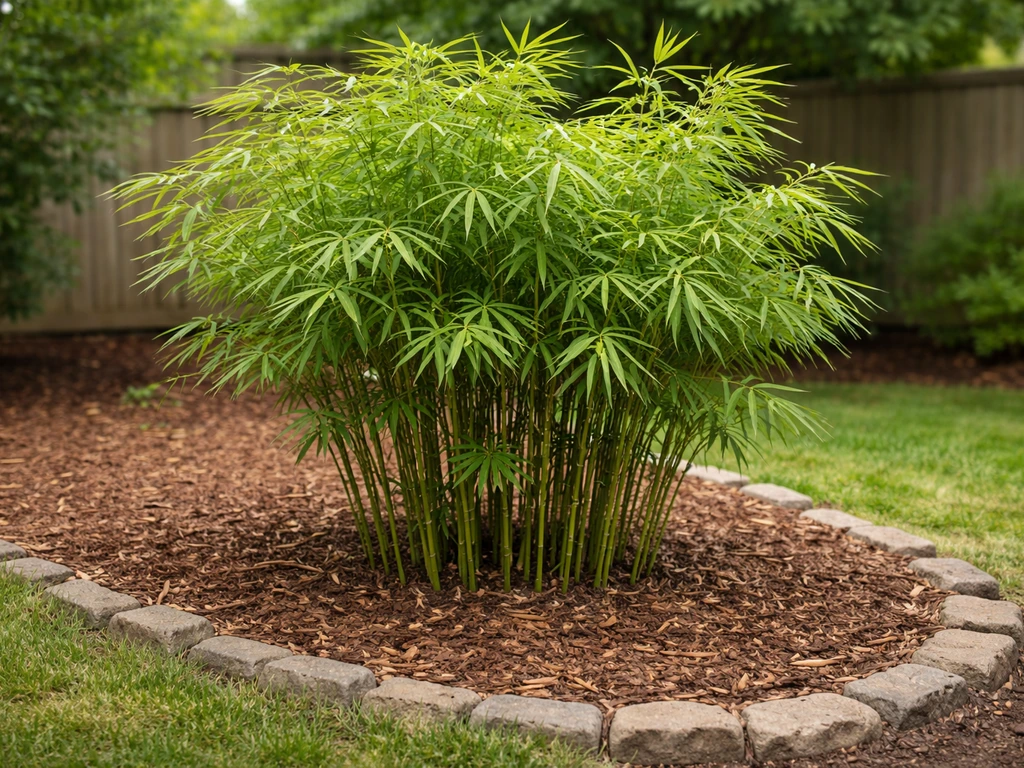
When bamboo first starts to grow, you're looking for a pointed, spear-like shoot pushing up through the soil. It's usually cone-shaped, tightly wrapped in papery sheaths, and can be anywhere from pale cream to deep purple-green depending on the species. In the first day or two above ground it might only be an inch tall, but within a week it can shoot up noticeably fast. If you're watching for it and missing it, that's normal, the above-ground action happens in bursts, and a lot of the real work is underground first. Yes, bamboo can grow quickly, but the exact timing depends on the species and growing conditions does bamboo grow.
What Does Bamboo Look Like When It Starts to Grow
Marcus Hartwell
27 May 2026
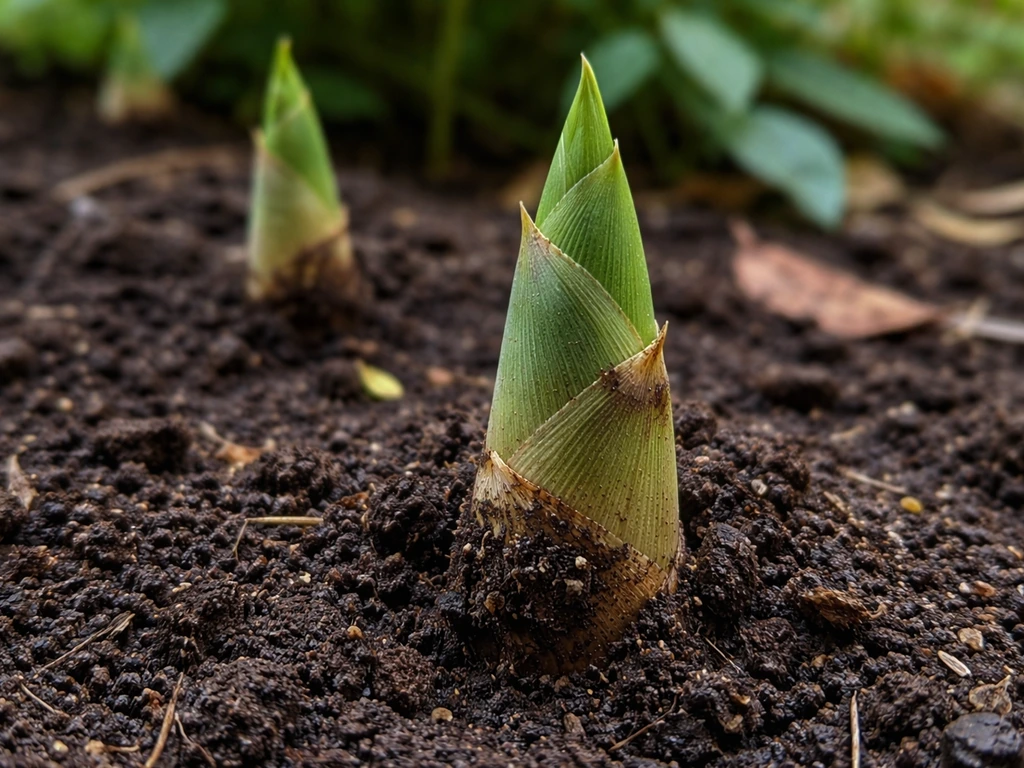
What bamboo actually looks like in the first two weeks
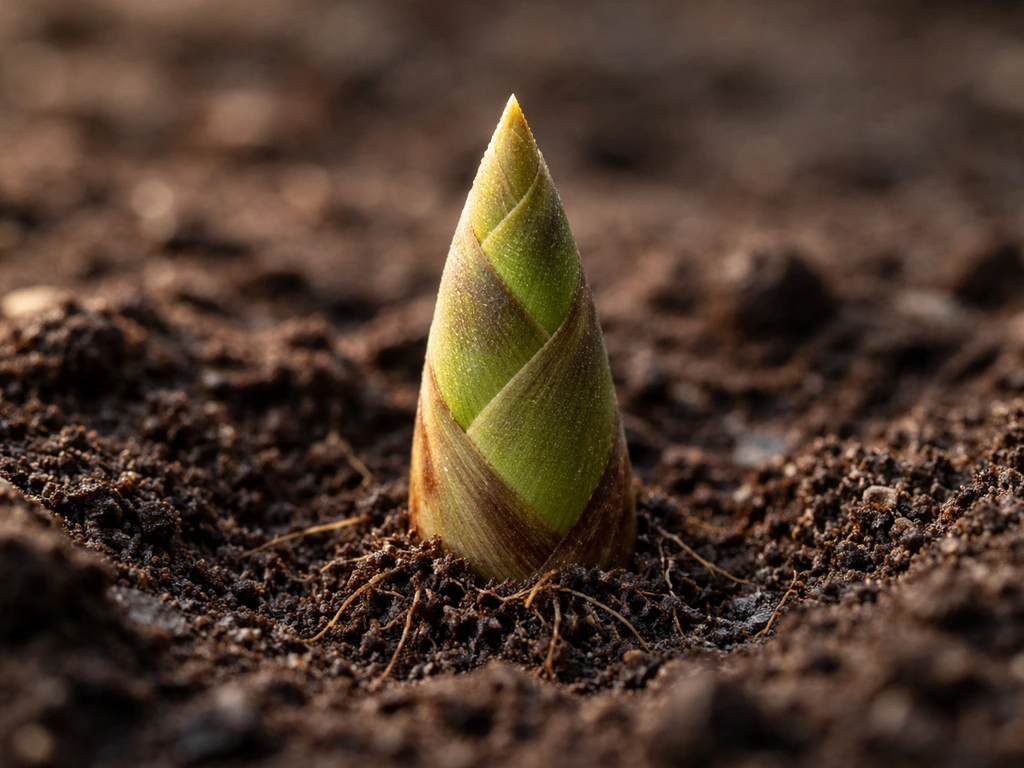
The very first thing you see is what growers call the emerging shoot or culm bud breaking the soil surface. It looks like a tight, pointed cone or spear, sometimes compared to an asparagus tip but wrapped in overlapping, papery leaf sheaths (called culm sheaths) that protect it during the push upward. These sheaths can be tan, brown, reddish, spotted, or almost black depending on the species, but the overall shape is always that same rigid, tapered cone. It does not look like a blade of grass or a seedling with two little leaves. It looks more architectural, almost like something carved.
From day one of emergence to around day 7, that spear may only grow a few inches. But then things accelerate. By the end of week two, a healthy shoot under good conditions can be several feet tall (in larger species) or a noticeable 6 to 18 inches tall in smaller or container-grown types. The culm sheaths start dropping away progressively from the bottom up as the shoot extends, revealing the smooth internode sections between the nodes (those characteristic ringed joints). At this stage, there are still no true leaves, just the sheathed culm reaching upward. Actual leaf branches don't unfurl until after the culm has largely finished its vertical growth, which can be 2 to 4 weeks after emergence.
Here's an important detail the science backs up: in bamboo seedling development, the first true leaf tends to emerge from around the third node, with earlier nodes showing incomplete or vestigial leaf structures. So if you're watching a new seedling and see what looks like leaf sheaths but no real leaves yet, that's completely normal and expected in the first couple of weeks.
Seeds, rhizomes, or transplants: the starting appearance is different for each
Starting from seed
Bamboo seeds germinate fast when conditions are right, typically within 3 to 7 days of sowing in warm, moist media. What you see first is a tiny pale shoot emerging from the seed casing, followed quickly by the first shoot elongating upward over the next 1 to 2 weeks. Early bamboo seedlings look almost grass-like at first: thin, pale green, and delicate. Don't mistake this early grass-like appearance for weakness, it's just the seedling stage. True bamboo character (the noticeable internode structure, the culm sheaths, the more upright habit) develops over the following weeks and months.
Starting from a rhizome division
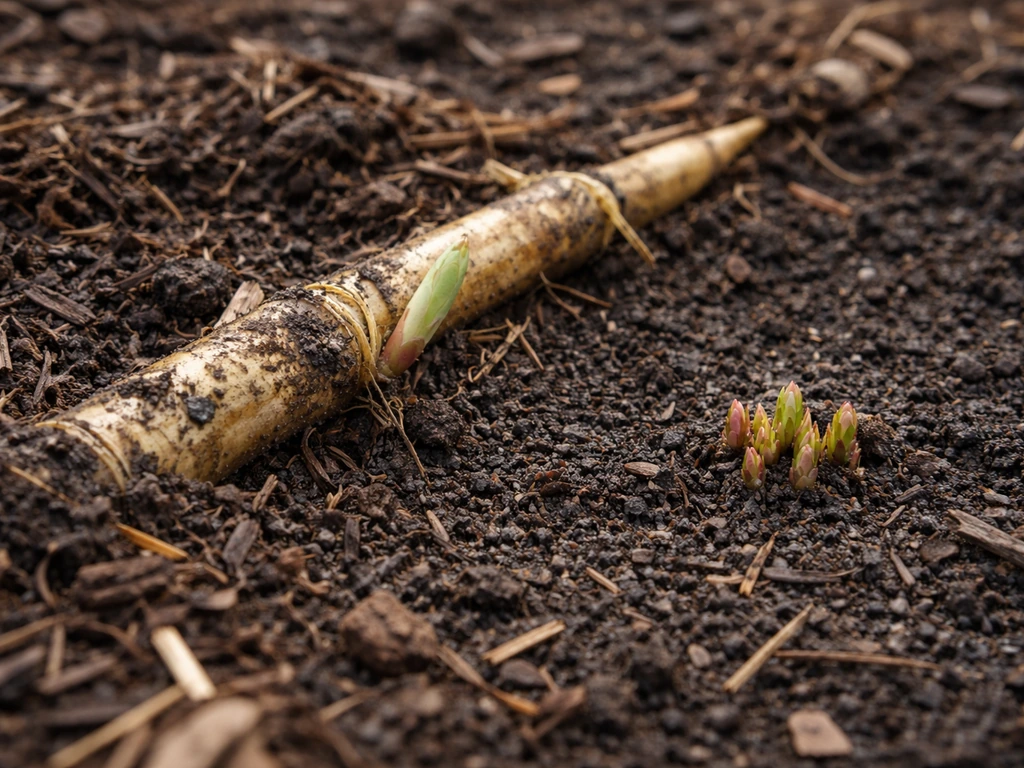
If you planted a bare rhizome or rhizome division, expect a longer wait before you see anything above ground. The rhizome needs to settle, rehydrate, and begin pushing energy toward a bud before a shoot emerges. The shoot that eventually appears will look the same as described above, that classic tapered, sheathed spear, but it may take several weeks to show up, and there will be zero visible activity in the meantime. This is the scenario where most people panic and dig things up too early. Underground, the rhizome is alive and working. Above ground, nothing looks like it's happening yet.
Starting from a potted transplant
A transplanted bamboo (one that already has established culms and leaves when you buy it) may not produce any new shoots in its first season at all, and that's normal. The plant redirects energy into re-establishing its root and rhizome network underground after being disturbed. The existing culms and leaves may look fine, or they may drop some leaves temporarily as the plant adjusts. New shoots emerging from a transplant look identical to those described above, pointed, sheathed spears, but you may be waiting a full year before you see one in the ground. In a container, if it's root-bound and warm, you might see new growth faster.
Running vs clumping bamboo: where and how shoots come up
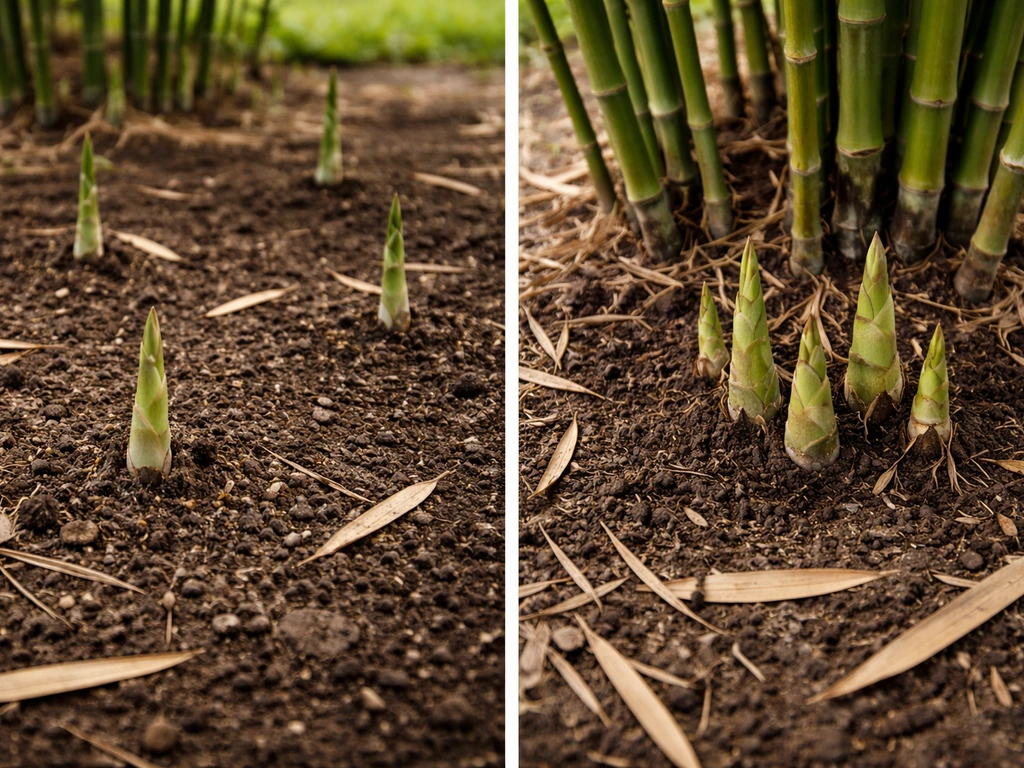
This matters a lot for knowing where to look. The two main types behave very differently when they produce new shoots, and if you're looking in the wrong place, you'll think nothing is growing.
| Feature | Running Bamboo (Leptomorph) | Clumping Bamboo (Sympodial) |
|---|---|---|
| Rhizome behavior | Long horizontal rhizomes spreading in any direction | Short curved rhizomes staying near parent clump |
| Rhizome depth | Typically 2–18 inches below surface | Shallower, more compact root zone |
| Where new shoots appear | Several feet away from the main plant, sometimes unpredictably | Close to or at the edge of the existing clump |
| Early shoot appearance | Pointed sheathed spear, often popping up at a distance | Pointed sheathed spear, emerging at clump perimeter |
| First-year visibility | May see distant shoots before parent plant looks active | New shoots clearly part of the expanding clump |
With running bamboo (think Phyllostachys species like Moso or Golden Bamboo), new culms form at the very tips of the rhizomes, which can be blank" rel="noopener noreferrer">running horizontally 2 to 18 inches underground before pushing upward. That means blank" rel="noopener noreferrer">new shoots can appear several feet away from where you planted, which surprises a lot of first-time growers. With clumping bamboo (like Bambusa or Fargesia species), new culms also form at rhizome tips, but the rhizomes are shorter and curve outward close to the parent clump, so new shoots stay relatively near the original plant and the clump expands gradually outward from the center.
Normal colors and when the leaves actually show up
Early bamboo shoots are not green, at least not the vivid green you associate with a mature plant. Depending on species, healthy emerging shoots range from pale cream or tan, to dusty pink, to reddish-brown, to deep olive or almost black. The color is dominated by the culm sheaths, not the culm itself. This is normal, do not confuse pale or brownish coloration in a new shoot with a dying plant.
Once the shoot reaches its full height (roughly 2 to 4 weeks after first breaking the surface), the sheaths drop and the culm color underneath is revealed. Some species are bright green, others are yellow, blue-green, or mottled. Leaf branches start to extend from the upper nodes at this point, and small rolled leaves begin to unfurl. For some species studied in controlled settings, branch and leaf emergence can lag culm growth by as much as 10 weeks under cooler temperatures, so even a fully-height culm may look bare for a while before it leafs out. Indoors or in warm climates, this lag is shorter.
How your growing conditions change what new growth looks like
Two plants of the same species can look noticeably different when they first emerge, purely based on conditions. Here's what to watch for:
- Low light: Shoots that emerge in shade or indoors with poor lighting can become etiolated — pale yellow, elongated, and weak-looking. The shoot stretches fast but the tissue is thin and flimsy. This isn't a disease, it's a light response. Move the plant to brighter conditions as soon as you see it.
- Cool soil temperature: Bamboo shoot emergence in temperate species requires soil temperatures of at least 9°C (about 48°F). Below that, shoots may stall underground or emerge slowly and look stunted. If spring nights are still cold, this is almost certainly the cause of slow or abnormal-looking growth.
- Waterlogged soil: Roots and rhizomes sitting in soggy, poorly-drained soil can rot before a shoot ever appears. If a shoot does emerge in overly wet conditions, it may look discolored, soft, or collapse quickly. Healthy shoots are firm to the touch.
- Too-deep planting: Running bamboo rhizomes placed deeper than about 12 to 18 inches may delay shoot emergence significantly. The rhizome has more soil to push through before a shoot reaches light.
- Drought stress: Shoot phenology research confirms that soil water content is positively correlated with successful shoot emergence. Dry conditions produce fewer, weaker-looking shoots, or cause shoots to abort underground before they ever surface.
- Warm, moist, bright conditions: This is when bamboo looks its best emerging. Shoots come up firm, deeply colored (for the species), and progress quickly from spear to leafed-out culm.
Nothing is coming up, what to check today
Before you assume something is wrong, check the realistic timeframe. If you are wondering whether bamboo is easy to grow, the short answer is that it can be, as long as you match the right timing and conditions to the species is bamboo easy to grow. A newly planted bamboo rhizome in spring can take 4 to 8 weeks to produce its first visible shoot.
Knowing when does bamboo grow depends on whether you start from seed, a rhizome division, or a transplant, because the timeline changes a lot. A transplant in its first year may produce nothing new above ground at all. Seeds germinate in 3 to 7 days but need consistent warmth and moisture. The most common mistake is digging things up or overwatering out of worry before the plant has had a real chance.
Here's a practical checklist to run through right now if you're not seeing growth:
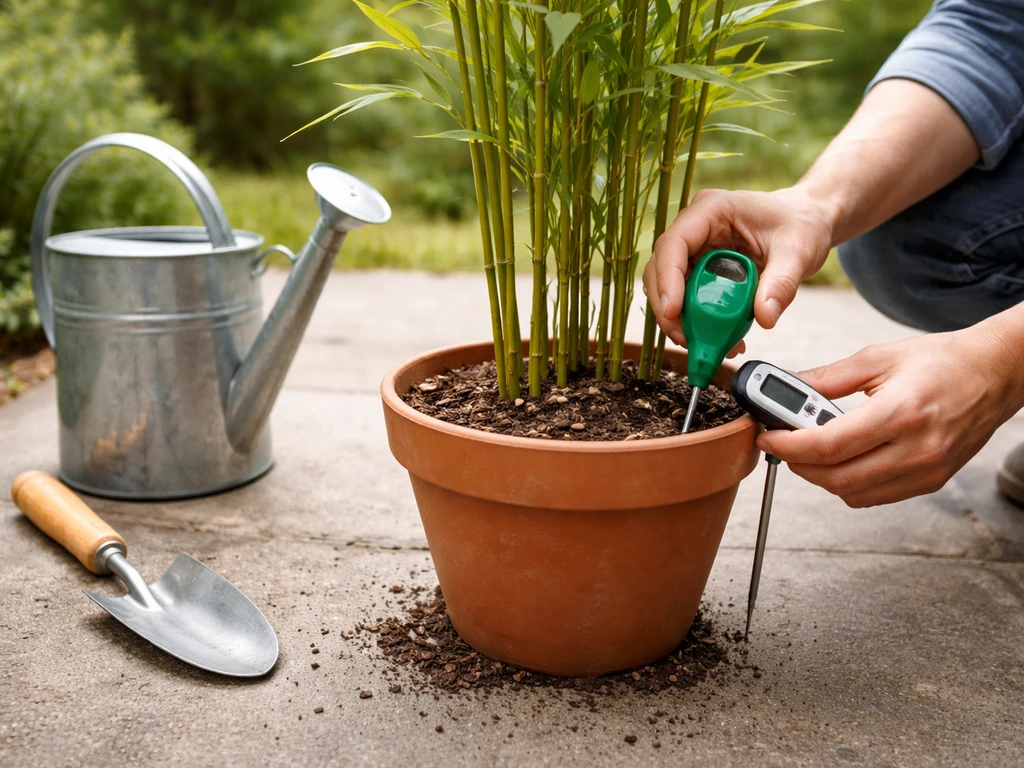
- Check soil temperature. Stick a cheap soil thermometer 2 to 3 inches down. If it reads below 9°C (48°F), your bamboo is almost certainly waiting for warmth. Nothing is wrong — it just needs more time and warmer weather.
- Check soil moisture. It should be consistently moist but not waterlogged. Squeeze a handful: it should clump but not drip. Both bone-dry and soggy soil stall growth.
- Check rhizome depth. If you planted a rhizome division deeper than 12 inches, consider carefully digging to check if it's still firm and healthy-looking (a healthy rhizome is solid, pale-yellow to tan inside, not mushy or black).
- Check light levels. Indoor plants especially need bright indirect light. A dim corner will stall new growth or produce the pale, stretched shoots described above.
- Check the season. Temperate bamboos (Phyllostachys, Fargesia) shoot in spring — typically March through May in the Northern Hemisphere. Tropical clumping types (many Bambusa) shoot in late summer and fall. If it's the wrong season for your species, nothing coming up is completely expected.
- Check container size. A severely root-bound container can restrict new rhizome growth. If roots are circling or escaping the drainage holes, pot up before expecting new shoots.
- Be patient with transplants. The first season is about underground establishment. Limited or zero new above-ground growth is normal and does not mean the plant is dead or failing.
Realistic timelines: indoor vs outdoor, cold vs warm
There's no single answer to how long this takes because species, season, and conditions matter enormously. But here are honest, practical expectations:
| Scenario | When to expect first shoot signs | Notes |
|---|---|---|
| Seeds, warm indoor conditions (21–25°C) | 3–7 days to germination, first shoot visible within 1–2 weeks | Keep media consistently moist; don't let it dry out between waterings |
| Rhizome division, spring planting outdoors | 4–8 weeks after planting, sometimes longer | Soil must warm above 9°C; patience is key — don't dig early |
| Transplant (potted plant), spring outdoor planting | Possibly no new shoots in year one; year two more likely | Existing culms remain; new shoots signal full establishment |
| Running bamboo, temperate climate | Shoots typically emerge March–May | Shoots may appear feet away from where you planted |
| Clumping bamboo, subtropical/tropical climate | Shoots typically emerge late summer through fall | New shoots stay close to parent clump perimeter |
| Indoor container bamboo, heated space year-round | Slower than outdoor but less seasonal; new shoots possible any warm month | Bright light and correct pot size are the limiting factors |
| Cold climate, late planting (fall or early winter) | Likely no shoots until following spring | Rhizome survives underground; emergence waits for spring warmth |
Once a shoot does emerge, the timeline from spear to full-height culm is typically 2 to 4 weeks. For large species like Moso, shoots can reach their final height in roughly two months after emergence. After full height is reached, leaves expand and the plant begins photosynthesizing in earnest. That's when it really starts to look like bamboo.
If you want to dig deeper into what drives the pace of all of this, understanding how bamboo grows underground first is the key, rhizome health and seasonal readiness are what determine everything you see above the soil. If you want a step-by-step look at this timing and growth pattern, see how do bamboo grow from the first shoot to leafing out how bamboo grows underground first.
FAQ
Is my bamboo shoot too thin or small if it first appears?
A newly emerging culm bud often looks slimmer than mature canes, and early growth can be only a few inches above the soil before it “bursts” upward. What matters more than thickness is whether the spear stays firm and intact. If it turns mushy, collapses, or develops a foul odor, that is more likely rot than normal small size.
What color should a healthy emerging bamboo shoot be, and when is pale brown a red flag?
Many species show tan, dusty pink, reddish-brown, deep olive, or even near-black culm sheaths while emerging. Pale or brownish coloring can be normal. A warning sign is a shoot that is discolored and also shrivels, feels soft, or fails to extend even after several warm days.
If I see shoots but no leaf unfurling, is something wrong?
Not necessarily. Bamboo commonly leafs out after the culm reaches most of its vertical height, and cooler weather can delay branch and leaf emergence by weeks. If the culm height looks stable or increasing, lack of leaves for a while is usually expected.
How can I tell bamboo shoots from weeds or new grass blades?
Look for the “sheathed spear” form. Bamboo emergence is cone-like and rigid, wrapped in overlapping papery culm sheaths, rather than a single flat blade or two-leaf sprout. Bamboo also creates a noticeable ringed internode pattern later as the sheaths drop, which weeds generally do not.
Why is my running bamboo shooting up far from where I planted it?
With running types, rhizomes can travel horizontally underground before sending up new culms. That means shoots may appear several feet away from the original planting spot. If you need control, establish barriers early rather than waiting until you spot distant shoots.
I planted a rhizome and nothing shows, when should I stop checking and dig later?
Most bare rhizomes take weeks to rehydrate and begin pushing. Repeated digging and pulling can damage the bud and delay emergence. A practical approach is to wait through at least the first warm-season window for your setup, then check gently only once, focusing on whether the rhizome still feels alive and firm.
Can a bamboo transplant go dormant for a whole season?
Yes. A transplant may direct energy into rebuilding its underground rhizome network and produce no new above-ground shoots for the first season, even though the plant itself can remain alive. Leaf drop shortly after transplanting can happen, especially if roots were disturbed, but continued decline with soft stems is the concern.
Do bamboo shoots look different indoors versus outdoors?
They can. Warm, consistent indoor conditions may shorten the delay between spear emergence and leafing, while cooler indoor spots can stretch the timeline. Also, container growth can change the pace, and root-bound plants sometimes push new growth sooner when conditions are favorable.
What should I do if a shoot emerges and then stops growing?
First, verify conditions rather than assuming death. Check soil moisture and drainage (too much water can cause rot), and confirm you are in the correct seasonal window for that species. If the shoot turns firm but stays stalled for a long stretch, it may be pausing while rhizomes catch up, but if it softens or smells rotten, remove affected material.
How do I know if I’m planting the right bamboo expecting the right growth pattern?
Identify whether it is running or clumping bamboo. Running bamboo shoots can appear away from the planting point due to underground spread, while clumping types expand outward more gradually. Matching expectations to the type prevents the common mistake of thinking “nothing is growing” when shoots pop up elsewhere.
Next Article
Does Bamboo Grow in Your Climate, Soil, and Pots?
Learn what climate, light, soil, and drainage bamboo needs to grow in ground, raised beds, or pots.