
Bamboo cannot grow through solid, intact metal. The rhizomes simply do not have the mechanical force to pierce steel, aluminum, or iron. What bamboo can do, and does very well, is find gaps, seams, corroded spots, and loose connections in metal barriers and exploit them. So if you're seeing bamboo emerge near a metal fence, post, pipe, or edging, it almost certainly got there through a pathway, not through the metal itself. That distinction matters a lot when you're deciding how to respond.
Can Bamboo Grow Through Metal? What to Do Today

Marcus Hartwell
2 Jul 2026
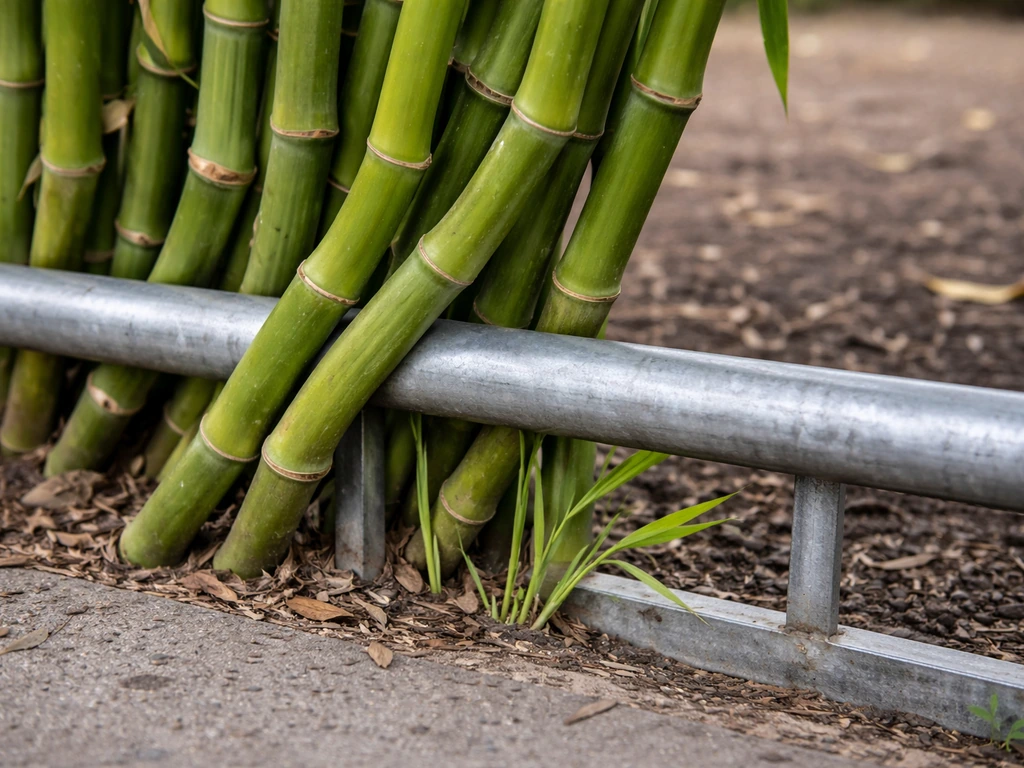
Can bamboo actually penetrate metal? Biology vs the myths
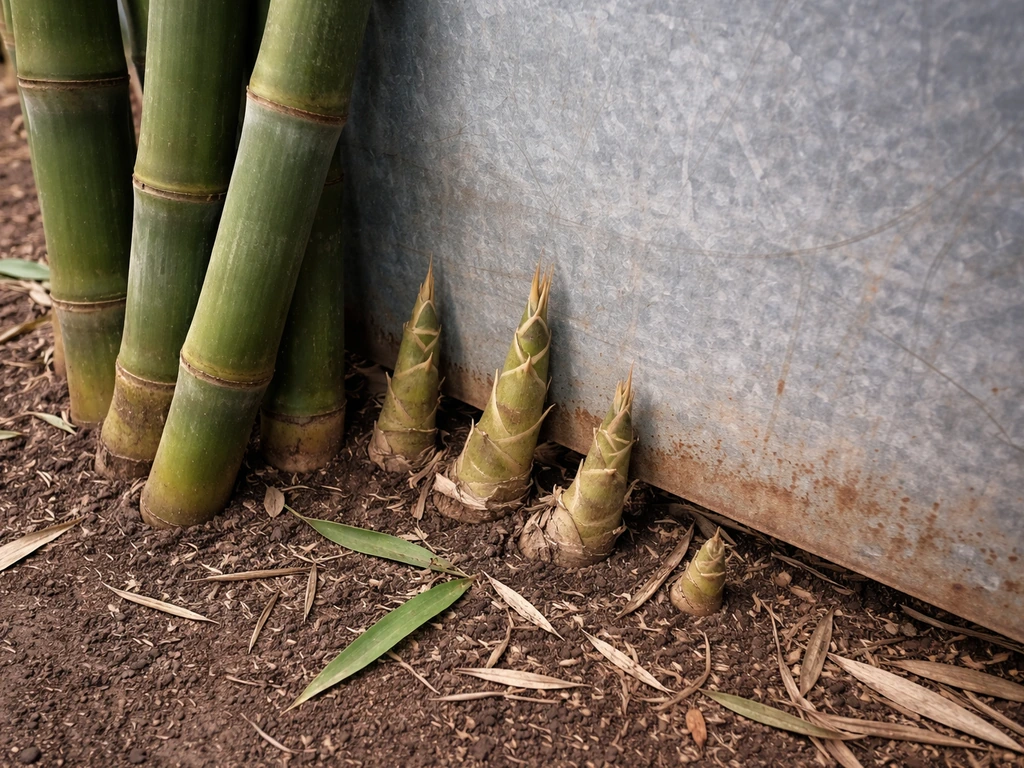
The myth that bamboo can punch through solid metal comes from the well-documented fact that bamboo is genuinely destructive to structures. Running bamboo rhizomes will work through brickwork, drains, cavity walls, and cracked concrete. Fairfax County's invasive species guidance frames it well: bamboo exploits cracks and weaknesses rather than brute-forcing its way through intact solids. The same principle applies to metal. An intact 16-gauge steel panel? Bamboo isn't getting through that. A corroded patch, a loose seam where two panels meet, a gap around a post base, a drain fitting that isn't flush? Those are exactly the access points rhizomes will find and use.
This is important because it reframes the problem from 'bamboo vs metal strength' to 'bamboo vs barrier integrity.' You're not asking whether bamboo is stronger than steel. You're asking whether your metal installation has any openings bamboo can exploit. Almost all do, especially over time as metal shifts, settles, and corrodes.
There is one additional point worth making about sheet metal specifically. The University of Maryland Extension explicitly advises against using sheet metal as a rhizome barrier, noting that it is prone to developing holes and failing over time. So even when metal is installed with the intention of stopping bamboo, it's not a reliable long-term solution, not because bamboo burns through it, but because the metal degrades and creates the pathways bamboo needs.
Clumping vs running bamboo: which one actually moves toward your metal
Not all bamboo is the same threat. Clumping bamboo (mostly Fargesia and Bambusa species) grows in tight, expanding mounds with short rhizomes that stay close to the mother plant. It can press against nearby metal structures as it expands, but it's slow and predictable. Running bamboo, particularly Phyllostachys species, is a completely different situation. It sends out long horizontal rhizomes that can travel 15 to 20 feet or more in a single growing season, staying relatively shallow in the soil, usually in the top 12 inches. Those rhizomes are actively probing for pathways, and they will find every gap in a fence post base, every seam in corrugated metal, every crack around a buried pipe.
If you have running bamboo near any metal structure, treat it as an active problem regardless of whether you can see visible damage today. If you have clumping bamboo, you still want to maintain clearance, but the urgency and scale of intervention is much lower.
To tell them apart, look at the culms (the main canes) where they emerge from the ground. Running bamboo culms come up scattered, sometimes several feet from the main clump, and the rhizomes connecting them are slender, pale, and can run surprisingly far when you dig. Clumping bamboo culms emerge in a dense, bowl-shaped cluster, and the rhizomes are thick, short, and stay right at the base. Phyllostachys species, the most common running bamboo in North American gardens, also have a distinctive flattened node and a visible groove on alternating internodes, which is a reliable ID marker.
How rhizomes actually interact with different metal barriers
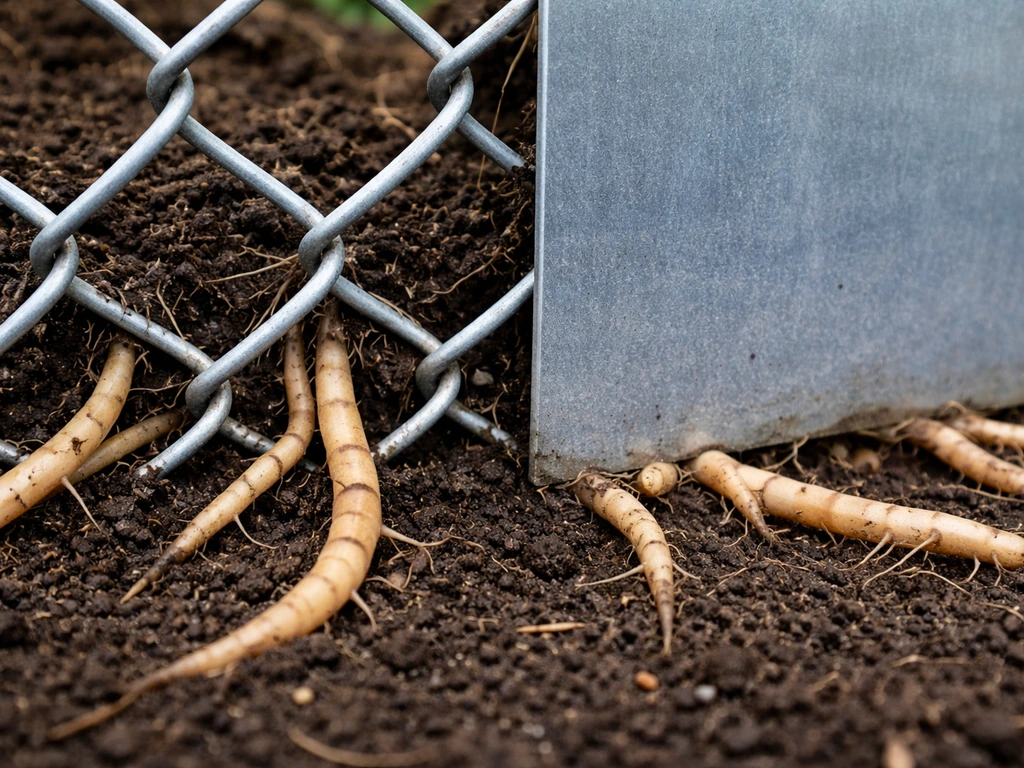
The specifics matter here, because different metal installations have very different failure modes when bamboo is nearby.
| Metal Type | Main Risk | How Bamboo Gets Through |
|---|---|---|
| Chain-link fence | Open mesh design | Rhizomes thread through the mesh openings or grow under the footings |
| Corrugated sheet metal (fencing or edging) | Seams, base gaps, and eventual corrosion holes | Rhizomes find seams between panels or gaps at soil level |
| Steel fence posts | Gap between post base and surrounding soil | Rhizomes grow around posts and re-emerge on the other side |
| Metal garden edging (aluminum/steel strip) | Shallow installation, joins between strips | Rhizomes simply dive below the edging (usually only 4–6 inches deep) |
| Buried metal pipes | Joints, fittings, and corroded sections | Rhizomes exploit loose joints or cracked fittings, similar to what they do with drains |
| Metal planters and containers | Drainage holes, gaps at rim level | Rhizomes escape through drainage holes or over the top if containment isn't managed |
Chain-link is probably the most misunderstood case. People see bamboo growing through chain-link and assume it penetrated metal, but the mesh openings are obvious pathways. The culms grow up through the gaps at or above ground, while the rhizomes travel under the footings. Corrugated sheet metal, as noted, is particularly risky as a containment material because it corrodes and develops holes from the inside out over years, opening up exactly the pathways bamboo needs. If you have corrugated sheet metal installed as a bamboo barrier, treat it as a temporary measure and inspect it regularly. If you are dealing with bamboo on metal surfaces, it's also smart to consider how moisture and decay can contribute to mold does bamboo grow mold.
Quick diagnosis: figure out what you're dealing with before you act
Before you start digging or buying materials, spend 30 minutes doing a proper inspection. Here's a practical sequence:
- Identify your bamboo type using the culm spacing and rhizome morphology clues above. If culms are appearing more than 2 feet from the main plant, you almost certainly have running bamboo.
- Walk the entire perimeter of the metal structure bamboo is near, at soil level. Look for culms emerging within 12 inches of the metal on either side.
- Use a trowel or narrow spade to probe the soil along the base of the metal barrier. You're looking for rhizomes, which feel like firm, pale, horizontally-running stems. Note how deep they are sitting.
- Check every seam, joint, and post base gap in the metal installation. These are your high-risk spots.
- If bamboo has appeared on the far side of a metal barrier, dig carefully to trace how it got there. In most cases, you'll find a gap at the base or a rhizome that went under the barrier's bottom edge.
- Note whether the metal shows any corrosion, loose sections, or gaps large enough to pass a finger through. Document these for repair.
The University of Maryland Extension recommends leaving a narrow trench open along your barrier line so you can actually watch where rhizomes emerge. This sounds tedious, but it's genuinely useful for understanding the scope before you commit to a removal or barrier upgrade plan.
Containment options that actually work
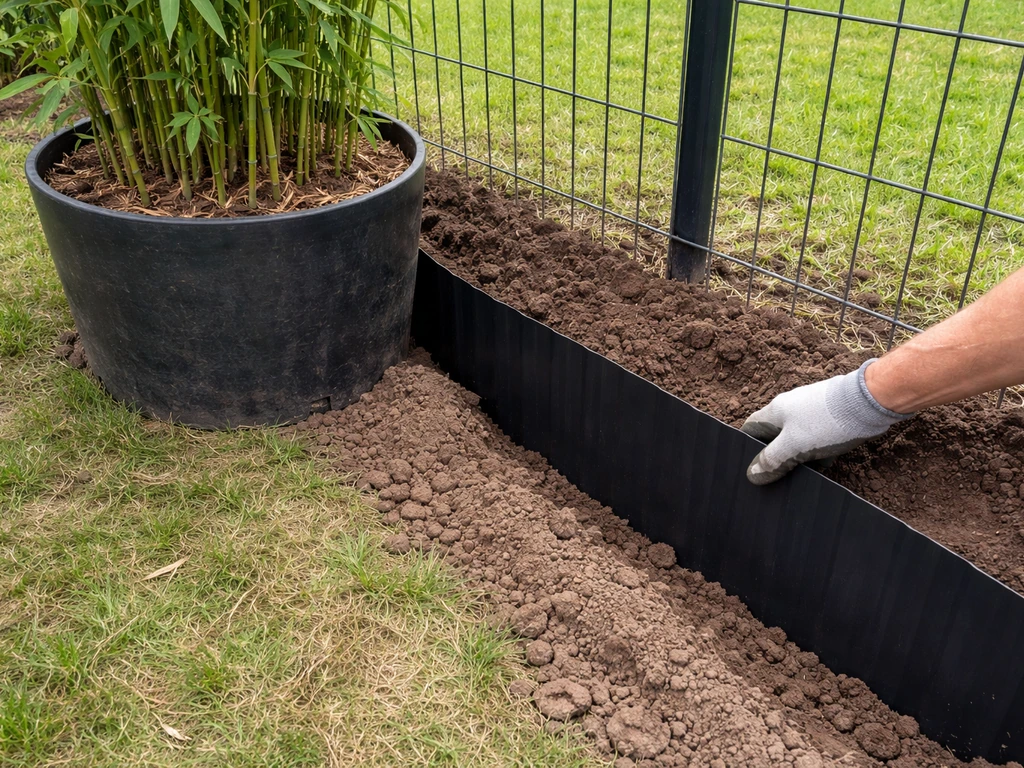
If you want to keep bamboo from reaching or infiltrating metal structures, you have two reliable approaches: grow it in containers, or install a proper rhizome barrier. Half-measures like shallow edging, sheet metal, or landscape fabric will not stop running bamboo long-term. Landscape fabric can slow the problem in the short term, but it is not a dependable barrier against running bamboo long-term.
Installing a rhizome barrier correctly
The Missouri Botanical Garden recommends a vertical plastic rhizome barrier that is 22 to 30 inches deep and at least 30 to 40 mil thick. The University of Hawai'i's CTAHR extension specifies 24 to 30 inches as the depth for containing running bamboo rhizomes. Those numbers align: you want 24 to 30 inches of depth at minimum. Less than that, and rhizomes will simply dive under the barrier and come up on the other side. Plastic barriers can contain running bamboo rhizomes only when installed deep enough, because the rhizomes otherwise can grow through plastic gaps.
- Use high-density polyethylene (HDPE) barrier material, at least 30 to 40 mil thick. This is the right tool for the job. Sheet metal is not.
- Install the barrier in a continuous ring or line with no gaps. Overlap the ends by at least 2 feet and secure them with barrier clamps or stainless steel bolts.
- Leave 2 to 3 inches of the barrier above the soil surface so you can see if rhizomes are trying to go over the top.
- Backfill carefully to avoid creating air gaps along the barrier that rhizomes can follow.
- Maintain at least 24 inches of depth. If your soil is rocky and you can't reach that depth, extend the barrier as deep as possible and plan to inspect more frequently.
Containers as a containment strategy
Growing running bamboo in large containers is actually the most reliable containment method, as long as the container has no drainage holes large enough for a rhizome to escape, or you place a solid saucer underneath. Check containers annually. Rhizomes can circle the inside of a container and eventually find their way out through drainage holes, which connects to the earlier point about metal planters: check those drainage holes every spring.
Removal and repair if bamboo is already pressing against metal
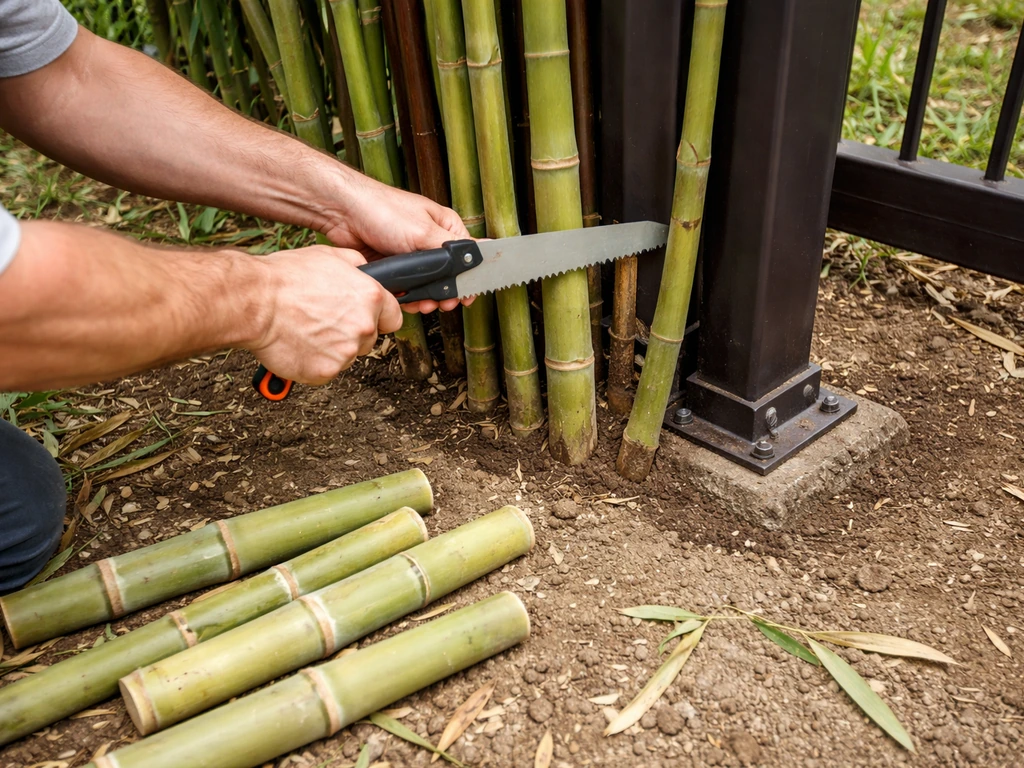
If bamboo has already reached your metal fence, posts, pipes, or edging, here's how to address it systematically. This is not a one-afternoon job for an established running bamboo patch, but working through the steps methodically does get results. OSU Extension Service recommends non-chemical control for bamboo that includes cutting and using a trenching approach, including digging a trench about 36 inches deep.
- Cut all above-ground culms to ground level on the side you're trying to clear. This begins depriving the rhizome network of the photosynthesis it needs to stay vigorous.
- Dig a trench along the metal structure, approximately 12 to 18 inches wide and as deep as you can manage, targeting 36 inches if soil conditions allow (OSU Extension cites this trench depth for effective bamboo control). This exposes the rhizome network.
- Follow rhizomes back toward the main plant and cut them with loppers or a pruning saw. Remove all rhizome fragments you can find. Even small pieces left in the soil can regrow, so be thorough.
- Inspect every gap, seam, and post base you identified during diagnosis. Remove any rhizomes that have threaded through openings.
- Repair metal damage: seal gaps around post bases with hydraulic cement or metal flashing, replace corroded panels, and seal seams. You're closing the access pathways.
- Backfill the trench and mark it so you can re-inspect the same line in 6 to 8 weeks.
- Continue cutting any new shoots that emerge from remaining rhizome fragments. Repeat cutting every 2 to 3 weeks during the growing season. Alabama Extension confirms that repeated cutting until no new shoots emerge is the key to exhausting the root reserves.
Wear gloves and eye protection during this work, and a dust mask if the area has been hosting birds. The University of Maryland Extension specifically flags PPE use when cutting bamboo in areas with potential bird droppings.
Bag and dispose of rhizome fragments rather than composting them. Live rhizome pieces in a compost pile will survive and can reinfest other areas of your yard.
When to call a professional
If the bamboo has been established for more than 3 to 5 years near your metal structure, if it's encroaching on buried utility pipes, or if the rhizome network has spread beneath a patio, driveway, or foundation, bring in a landscaper or bamboo removal specialist. The scope of underground rhizome work at that scale makes DIY excavation unreliable, and hitting a utility line during blind digging is a real risk. Call 811 (in the US) before any digging that goes deeper than 12 inches.
Prevention and long-term maintenance
Once you've addressed the immediate problem, keeping bamboo away from metal structures is mostly about consistent inspection and early intervention. Running bamboo that's caught at the rhizome stage, before it's threaded through a gap, is an hour of work. Running bamboo that's been growing unchecked for two seasons near a fence is a weekend project.
- Inspect the perimeter of any metal structure near bamboo every spring, before the main growth flush. Early spring is when new rhizome growth is easiest to spot and sever.
- Keep a 12 to 18 inch clear zone between any bamboo planting and metal structures. Mow or hand-clear this zone regularly so rhizome activity is visible at the surface.
- If you have a rhizome barrier installed, check the above-soil lip every year for rhizomes trying to crest over the top.
- Re-inspect all seams, post bases, and drainage points in your metal structures annually and repair any corrosion or gaps immediately.
- Don't use sheet metal as a rhizome barrier. Use HDPE barrier material instead.
- Never let a running bamboo planting go uninspected for a full growing season. One season of unchecked growth can add 15 to 20 feet of new rhizome range.
- If you've recently moved rhizome fragments during a removal, check the disposal area for regrowth. Fragments can restart growth from a short stub.
The broader lesson here applies to all bamboo-and-barrier situations, whether you're also thinking about bamboo near concrete, plastic sheeting, or landscape fabric: bamboo doesn't succeed by being physically stronger than the material in its way. It succeeds by being patient and finding pathways. Close the pathways, stay consistent with inspections, and running bamboo becomes very manageable.
FAQ
If the metal looks solid, how can bamboo still get through or around it?
Yes, but only indirectly. Bamboo rhizomes can enter through manufacturing defects or stress cracks in metal (including pinholes, corrosion pits, and welded seams that have separated), so the metal can appear intact while still providing a working pathway.
What’s the most common reason a metal or barrier installation fails against running bamboo?
Usually by bypassing it, not by piercing it. Check the ground line for a continuous barrier, then verify there is at least 24 to 30 inches of vertical depth, because shallow barriers let rhizomes dive under and reemerge beyond the metal line.
Is corrugated sheet metal ever a reliable long-term bamboo barrier?
If it is a corrugated metal sheet, treat it as a temporary measure. Its corrosion and internal pitting create new access points over time, so you should inspect it at least seasonally and plan an upgrade to a properly deep rhizome barrier or containers.
Can running bamboo escape from a container planter?
It can, especially if drainage openings are large or the container is sitting on bare ground. Rhizomes can grow along the inside and escape through gaps, so use containers with small or screened drainage, or place a solid saucer underneath and still check annually.
How can I find the specific pathway bamboo is using near my metal fence or posts?
Yes, if there are entry points at ground level. Look for any space around posts, where edging meets soil, around utility penetrations, and under bottom rails. Bamboo often targets the weakest connection rather than the strongest part of the metal.
Where should I dig or inspect, if I only see bamboo culms at one spot near metal?
Don’t assume the culms are the problem location. Rhizomes typically run shallow (often in the top ~12 inches), so the entry point may be different from where you see the canes emerge, especially if the canes are several feet from the main clump.
Will cutting bamboo canes stop it from reaching a metal barrier?
Mowing or cutting culms will not stop an established running-bamboo rhizome network. If bamboo is already near or infiltrating pathways to metal structures, plan rhizome-directed removal and barrier repair, not just top growth control.
Is landscape fabric a true solution for stopping running bamboo from metal structures?
Landscape fabric can slow growth temporarily, but it usually fails as a containment strategy for running bamboo. Fabric also tends to trap moisture and debris at the soil interface, which can make inspection harder, so treat it as a short-term mitigation at best.
How far away should I inspect from the spot where I first see bamboo near metal?
Check both the fence line and the perpendicular direction toward likely rhizome travel routes (drain runs, garden beds, and under paved edges). Bamboo can spread 15 to 20 feet in a season, so inspect several yards beyond the first visible issue.
Is calling 811 necessary even if I’m only digging shallow around bamboo near metal posts or pipes?
Yes. If there are buried lines within the depth range where you would excavate for a rhizome barrier or removal, call 811 before digging. Even shallow-looking rhizome work can accidentally reach utilities because you are often cutting/loosening soil below the surface.
Next Article
Does Bamboo Grow Mold? How to Diagnose and Fix It
Diagnose and fix mold on bamboo plants or products: spotting signs, finding moisture causes, and preventing recurrence.