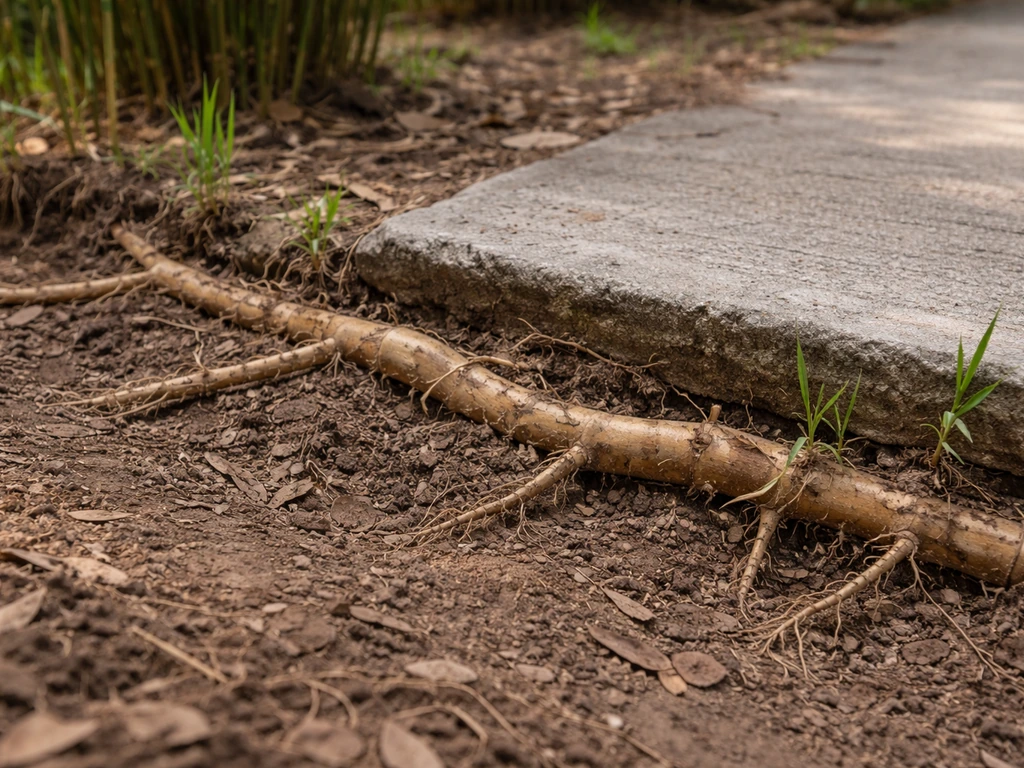
Yes, bamboo can grow mold, but it almost always comes down to one thing: trapped moisture. Whether you're dealing with a living bamboo plant in your garden, a potted clumping bamboo on your patio, or bamboo poles, flooring, or decor inside your home, mold shows up when moisture lingers longer than it should. The good news is that most bamboo mold problems are fixable once you find and cut off the moisture source. If you are dealing with bamboo poles, flooring, or other bamboo products in a damp environment, you can also ask whether bamboo can grow through metal fasteners or fixtures moisture source.
Does Bamboo Grow Mold? How to Diagnose and Fix It

Marcus Hartwell
13 Jun 2026
When bamboo gets mold (and when it doesn't)
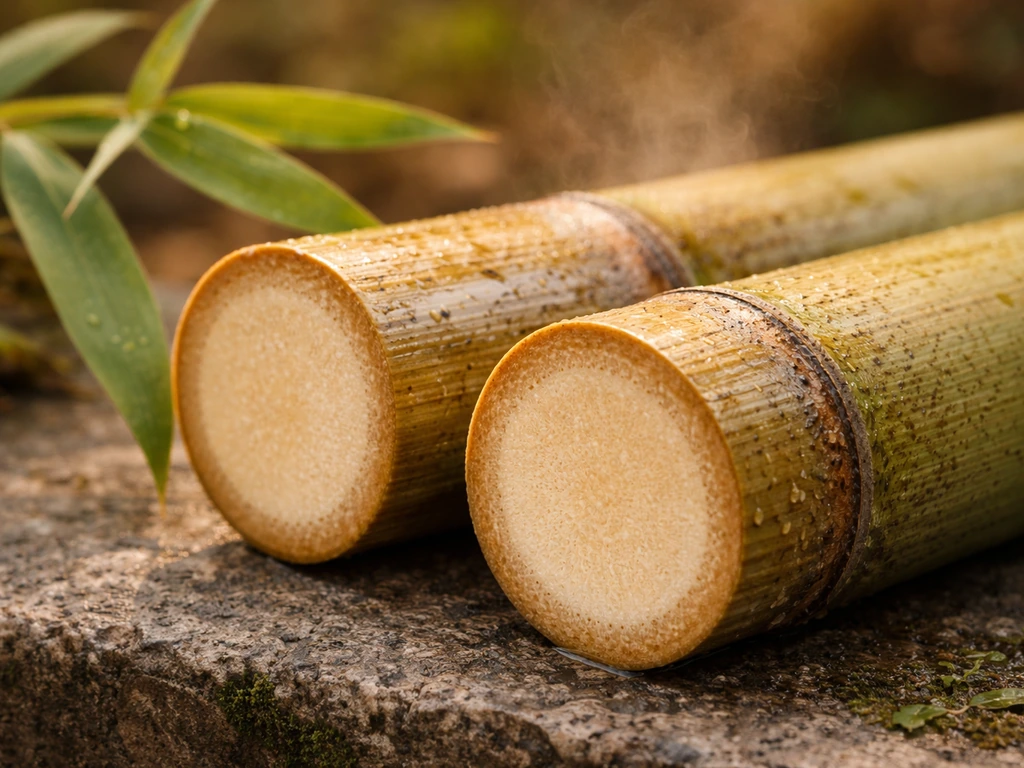
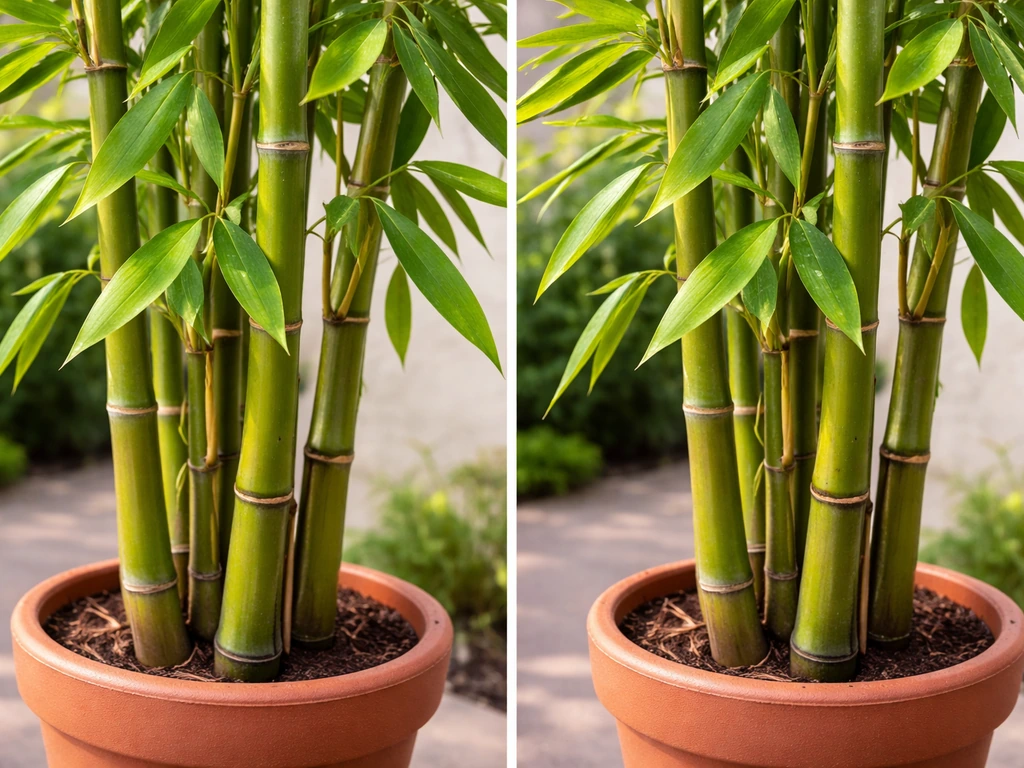
Mold needs four things to grow: moisture, a food source, warmth, and time. Bamboo, both living plants and harvested culms or products, can tick all four boxes under the wrong conditions. Living bamboo is at risk when it's overwatered, poorly ventilated, sitting in shade, or crowded so tightly that air can't move through the canopy. Bamboo products, poles, and structures are at risk when they're damp, stored in humid areas, or haven't been dried down to a safe moisture content (below about 15% water content is the target for harvested culms).
Bamboo that's growing vigorously in well-draining soil with good sun exposure and decent airflow almost never gets mold. The same species planted in a shaded, boggy corner or stuffed into a pot with poor drainage is a different story. Temperature also matters: powdery mildew, one of the most common fungal issues on bamboo leaves, thrives in cool, humid conditions around 55 to 70°F (13 to 21°C). So if you're in a damp, temperate climate and your bamboo is in a shaded spot, you're in higher-risk territory.
What mold on bamboo actually looks like
Not every discoloration on bamboo is mold, and not every mold looks the same. Here are the main types you're likely to encounter:
Powdery mildew
This is the most recognizable. It looks exactly like someone dusted the leaves with talcum powder or light gray chalk. It sits on the surface of leaves and stems rather than soaking in, and it tends to show up first in shaded, low-airflow areas of the plant. Up close it has a fuzzy, dry texture. This is a true fungal growth and it thrives under humid, shaded conditions.
Black leaf spots
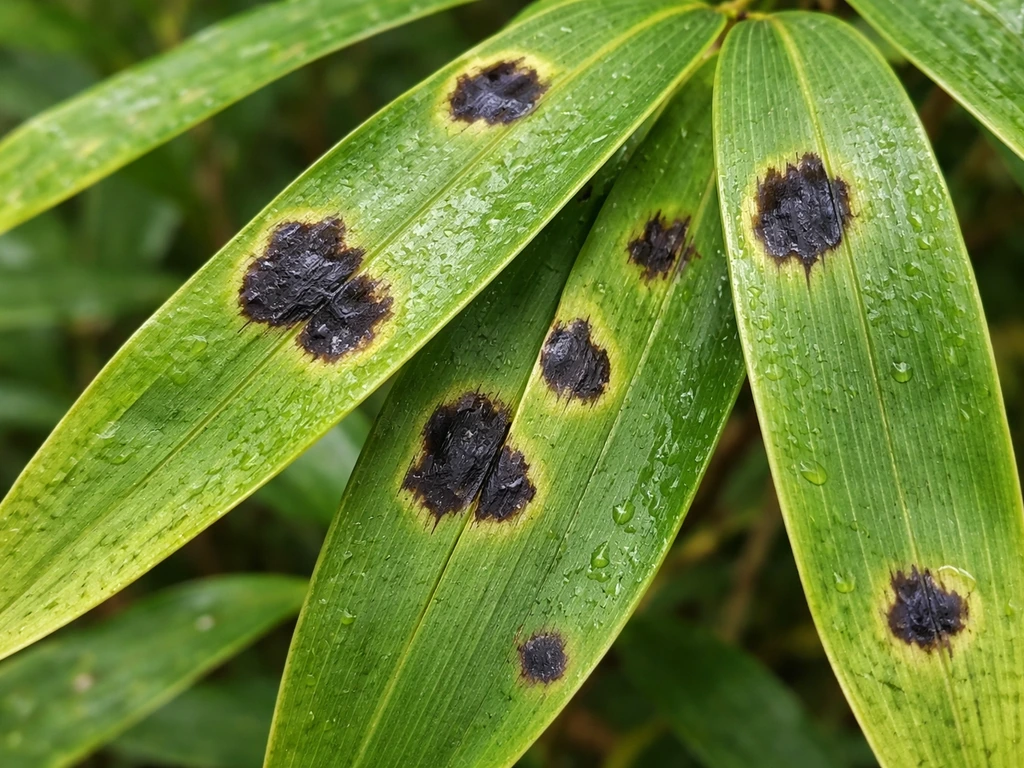
Necrotic black spots on bamboo leaves (sometimes caused by fungi like Cyphellophora sp.) are distinct from powdery mildew. These look like dead, darkened patches rather than surface-level fuzzy growth. They tend to spread when conditions stay wet. Don't confuse these with normal leaf yellowing, which bamboo does seasonally as it sheds older leaves.
Sooty mold
Sooty mold is black, sticky, and looks almost like a dark film or soot coating on leaves and stems. Here's the key distinction: sooty mold doesn't feed directly on bamboo. It feeds on the sticky honeydew secreted by sap-sucking insects like aphids, scale insects, mealybugs, or whiteflies. If you see sooty mold, check carefully for insects on the stems and undersides of leaves. The mold is secondary to the pest problem, and once you deal with the insects and their honeydew, the sooty mold will gradually weather away on its own.
Surface mold on bamboo products and poles
On harvested bamboo (poles, furniture, flooring, containers, decorative items), mold typically appears as a white, gray, or greenish-black fuzzy or dusty film on the surface. This is classic mold growth on an organic material. It's most common when the bamboo hasn't dried fully after harvest or has been stored or used in a humid environment. One practical note: surface mold on bamboo products often appears once or twice while residual moisture inside the culm is still evaporating, and it slows significantly once the bamboo fully dries out.
Normal discoloration vs. true mold
Normal bamboo aging can look alarming if you don't know what to expect. Yellow leaves are part of the plant's natural leaf-drop cycle. Tan or brown patches on older culms can be weathering or sun exposure, not mold. A light green tinge on outdoor bamboo poles is often algae rather than mold. True mold usually has a fuzzy, powdery, or filmy texture and often comes with a musty smell. If you're unsure, rub the discolored area gently with a damp cloth. Algae and dirt tend to wipe off easily and cleanly. Mold will smear, and you may see spore transfer to the cloth.
Find the moisture source first
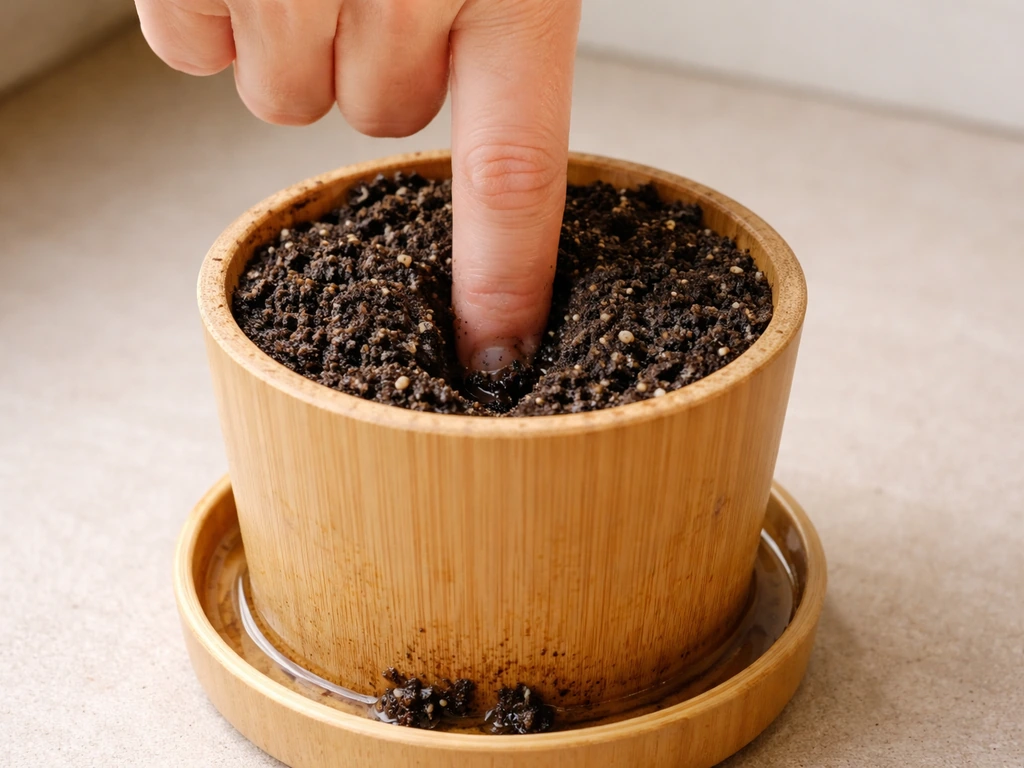
Before you clean anything, figure out where the moisture is coming from. Removing mold without fixing the source is a waste of time. It will come back, usually within days. Here's how to run a quick diagnosis today:
- Check the soil or growing medium. Stick your finger 2 inches into the soil. If it's wet and you haven't watered in days, you have a drainage problem or you're overwatering.
- Look at the pot or planter. Are there drainage holes? Is water pooling in a saucer underneath? Standing water under a container is one of the fastest ways to build up ambient humidity around bamboo roots and lower stems.
- Assess airflow. Is the bamboo crowded against a wall, fence, or other plants? Poor air circulation keeps moisture sitting on leaf surfaces much longer than it should.
- Evaluate sunlight. Shaded bamboo dries out slowly after rain or watering. Even a few extra hours of sun per day makes a real difference in preventing mold.
- For indoor bamboo: check humidity levels with a simple hygrometer. Relative humidity above 60 to 70% significantly raises mold risk. Also check for condensation near windows or vents blowing cold air onto the plant.
- For bamboo products and poles: check whether the item is sitting against a damp wall, on a wet surface, or in a space with poor ventilation. Look at joints, drilled holes, and any areas where water could collect and sit.
- Look for pests. If you see sooty mold, inspect stems and leaf undersides closely for insects before doing anything else.
How to remove mold safely
The approach differs depending on whether you're dealing with a living bamboo plant or a bamboo product or structure. In both cases, protect yourself first: wear gloves and work outdoors or in a ventilated space. Avoid breathing mold spores directly.
On living bamboo plants
- Remove heavily affected leaves or canes by pruning them out cleanly with sterilized scissors or shears. Bag and dispose of the material rather than composting it.
- For powdery mildew: wipe leaves with a cloth dampened with a dilute neem oil solution or a mild soap-and-water mix. Work in the morning so leaves can dry fully before evening.
- For sooty mold: first treat the underlying pest infestation. Once insect populations are reduced or eliminated, you can wash sooty mold off with water or a gentle soap-and-water solution. On hard bamboo stems, soap and water applied with a cloth removes residue effectively.
- For black leaf spots: prune affected leaves, improve airflow, and reduce overhead watering. There are no reliable topical treatments for most fungal leaf spot pathogens, so environmental correction is the main tool.
- Move the plant or adjust its position if sunlight and airflow are contributing factors. Even temporarily shifting an indoor plant closer to a window or near a fan speeds recovery significantly.
On bamboo products, poles, and structures
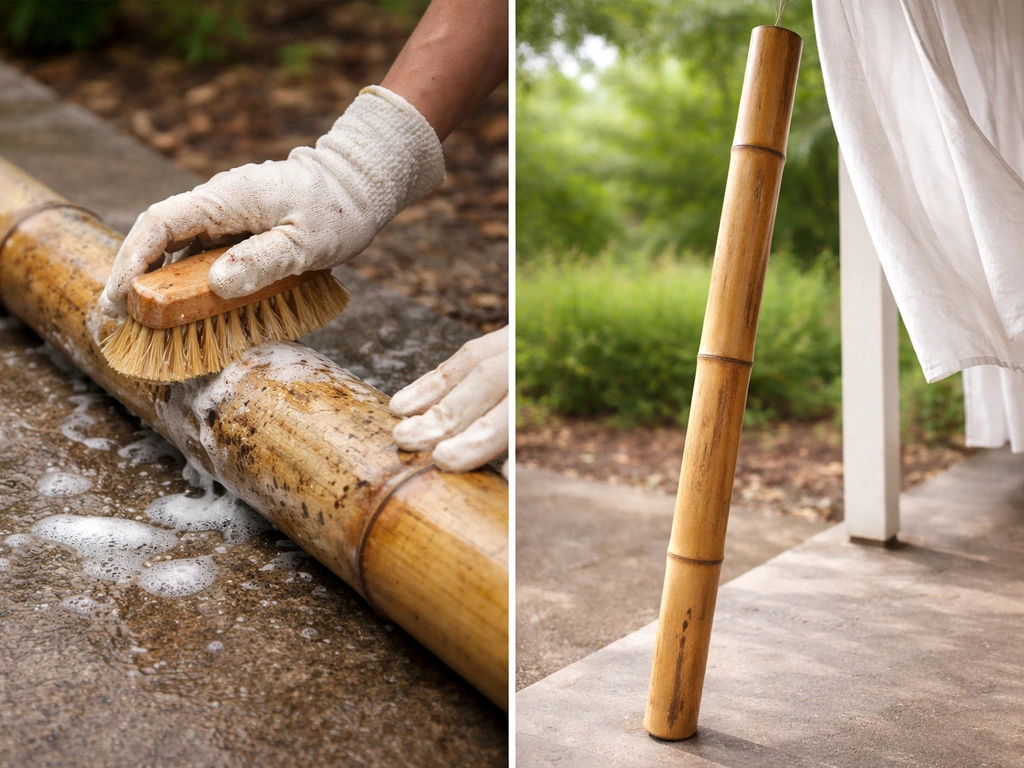
- Act quickly. The EPA recommends cleaning and drying wet or damp materials within 24 to 48 hours to prevent mold from taking hold.
- Scrub the surface with a stiff brush, soap, and water. For tougher mold, a dilute white vinegar solution (undiluted or 1:1 with water) or a dilute bleach solution (1 cup bleach per gallon of water) works on non-porous bamboo surfaces.
- Rinse thoroughly and dry completely. This last step is non-negotiable. The item must be fully dry before being returned to its environment, or the mold will return.
- For bamboo items with deep mold penetration into cracks, joints, or the interior of hollow culms, full removal may not be possible. The EPA notes that porous materials with deep mold growth sometimes need to be discarded rather than cleaned.
- If you're dealing with bamboo poles that have internodes trapping moisture, drilling small drainage holes at the base of each internode can help release trapped water and prevent future moisture buildup.
Care changes to keep mold from coming back
Cleaning up mold is the short-term fix. Changing the conditions that created it is how you actually solve the problem. Here's what to adjust:
Watering
Water bamboo in the morning so the soil and foliage can dry during the day. Avoid wetting the leaves if you can direct water to the base of the plant. Reduce watering frequency if the soil is staying wet for more than a few days. For indoor bamboo, let the top inch or two of soil dry out between waterings.
Airflow and spacing
Bamboo that's planted too densely or pushed against a structure creates its own microclimate of trapped humidity. If you're trying to grow bamboo near a garden bed or pathway, landscape fabric can trap moisture and limit airflow, so bamboo may struggle or stay damp enough to invite mold and other issues. If you're growing a hedge or screen, thin out overcrowded culms from the interior of the clump annually to keep air moving. Indoors, a small fan running nearby does a surprisingly good job of dropping surface moisture on leaves and soil.
Light exposure
More sun means faster drying after watering or rain. Most bamboo species prefer full sun to partial shade. If your bamboo is in deep shade and struggling with mold, that's a strong signal to either move it or prune surrounding plants to let more light through.
Humidity control
For indoor bamboo, keep ambient relative humidity below 60% if possible. A dehumidifier in particularly humid rooms helps. Avoid placing bamboo near humidifiers or in bathrooms unless the ventilation is excellent. Don't place pots near cold windows in winter, where condensation can drip onto the soil and leaves repeatedly.
Drainage
Every bamboo container needs drainage holes. Full stop. If you're using a decorative pot without holes, use it as a cache pot with a proper drainage container inside, and empty the saucer after watering. For in-ground bamboo in heavy clay soils, consider amending with coarse sand or grit, or creating a raised bed to improve drainage.
General cleanliness
Remove fallen leaves from the base of the plant regularly. Decomposing leaf litter holds moisture and can harbor fungal spores. Wipe down bamboo containers and trays periodically, and rinse bamboo leaves with water occasionally if you're in a humid climate and noticing buildup.
When mold signals a bigger problem
Surface mold on leaves or culms is often a nuisance rather than a crisis. But in some cases, it's pointing to something more serious underneath. If you mean through a living person, bamboo cannot grow fast enough to penetrate and pass through the body, but it can still cause serious injury if it’s handled or planted unsafely bigger problem.
Root rot
If you're seeing mold alongside yellowing, wilting, mushy culm bases, or a foul smell from the soil, root rot is likely. This happens when roots have been sitting in waterlogged soil for too long. The fix is to unpot the plant, trim off any black or mushy roots, treat with a dilute fungicide if desired, and repot into fresh, well-draining mix. Caught early, bamboo can recover. Left too long, the root system becomes too compromised to save.
Pest infestations driving sooty mold
As noted earlier, sooty mold almost always means there's a pest population producing honeydew. Aphids, scale, mealybugs, and whiteflies are the usual suspects on bamboo. If you treat the mold without addressing the insects, the mold will return as long as honeydew keeps being produced. Inspect the plant thoroughly, treat with insecticidal soap or neem oil, and repeat applications as needed.
Chronic dampness and structural mold in products
For bamboo poles, furniture, or structures that keep getting mold despite cleaning, the moisture source is chronic rather than occasional. Bamboo can even grow through materials like plastic if moisture and access conditions are right mold despite cleaning. This might mean the item is in contact with a leaking wall, sitting on a consistently damp surface, or in a space with no meaningful ventilation. In these cases, cleaning repeatedly is only managing symptoms. You need to fix the structural moisture problem or relocate the item. If mold has penetrated deeply into bamboo joints or hollow internodes and can't be fully removed, replacement is the right call. ECHO technical guidance on bamboo for construction recommends drilling holes to release trapped air in the internodes during preservation, which helps prevent moisture entrapment in bamboo culms blank" rel="noopener noreferrer">drilling holes to release trapped air in internodes. US EPA also notes that absorbent or porous materials may have to be thrown away if they become moldy because mold can grow within crevices and be difficult or impossible to remove completely.
Prevention checklist: indoor vs. outdoor bamboo
| Prevention step | Indoor bamboo | Outdoor bamboo |
|---|---|---|
| Water in the morning | Yes, and let soil partially dry between waterings | Yes, especially in humid climates |
| Ensure pot/bed drainage | Drainage holes required; empty saucers after watering | Amend clay soils; use raised beds if needed |
| Airflow around the plant | Use a small fan; keep away from cold drafts and walls | Space culms; thin dense clumps annually |
| Light exposure | Brightest available spot; move away from deep shade | Full sun preferred; reduce surrounding shade if possible |
| Humidity management | Keep below 60% RH; avoid humidifiers nearby | Less controllable; focus on drainage and airflow instead |
| Remove fallen debris | Clear dead leaves from soil surface regularly | Rake debris from the base of the planting |
| Inspect for pests | Monthly check of stems and leaf undersides | Seasonal checks, especially in spring and summer |
| Clean containers and tools | Wipe pots and trays; sterilize pruning tools | Clean tools between plants to avoid spreading spores |
| Dry bamboo products fully | Applicable for bamboo decor/furniture indoors | Applicable for poles and structures; drill drainage holes in culms |
One final thought: bamboo is genuinely resilient once its basic needs are met. The species that push through dense soil, thrive in challenging climates, and grow back aggressively after cutting (sometimes causing concern similar to whether bamboo can push through concrete, metal, or landscape fabric barriers) are the same ones that bounce back from mold when you give them better conditions. Fix the moisture, improve the airflow, and give the plant some sun, and you'll usually see improvement within a few weeks.
FAQ
Can I just wipe off mold on bamboo and leave everything else alone?
You can remove surface mold, but it usually returns if the moisture source is still present. After wiping or brushing, focus on stopping damp conditions (better drainage, less humidity, improved airflow, and correcting watering habits). If the bamboo still feels damp inside, you have not fixed the root cause yet.
How can I tell whether it is powdery mildew versus algae or dirt on bamboo?
Powdery mildew typically looks fuzzy with a dry, powder-like residue that smears more when rubbed, and it often appears in shaded areas first. Algae and dust usually wipe off cleanly with minimal smearing and tend to be more associated with damp surfaces or wet shade.
Does bamboo mold mean the plant is dying?
Not automatically. If mold is limited to leaf surfaces and the roots are not waterlogged, bamboo often rebounds after you reduce moisture and increase airflow. Rapid worsening plus mushy bases, foul soil odor, or collapse suggests root rot, which needs faster action.
Is mold on bamboo dangerous to breathe or touch?
Mold spores can irritate lungs and worsen allergies, especially for people with asthma or compromised immune systems. Wear gloves, avoid shaking the plant or rubbing aggressively, and clean outdoors or in well-ventilated areas. Discard heavily contaminated debris rather than reusing it in compost.
What should I do if mold keeps coming back on indoor bamboo?
Check the watering cycle and the humidity environment together. If the pot has no drainage holes, or water collects in a saucer, mold will recur. Also verify airflow (a small fan helps), avoid bathrooms with poor ventilation, and keep ambient humidity lower than about 60% when possible.
Can bamboo mold spread to other plants or surfaces?
Yes, indirectly. Mold itself may not jump species quickly, but spores and damp debris can travel with air movement and handling. Contain the cleanup area, avoid touching other plants right after, and remove fallen leaf litter near the affected bamboo.
Should I prune or remove leaves once mold appears?
If only a few leaves are affected, removing the worst foliage can reduce spore load and improve airflow within the canopy. Cut away and discard infected leaves, then adjust moisture and ventilation. Do not prune so heavily that the plant is stressed during the same period you are correcting watering.
For bamboo poles or furniture, do I need to sanitize after removing mold?
Often, yes, especially if mold was fuzzy or grew in joints or hollow sections. Clean the surface, then allow the item to fully dry before returning it to use. If mold returns after drying, assume moisture is trapped inside and fix the storage or exposure conditions, not just the surface.
How long should harvested bamboo be dried before it is mold-resistant?
A commonly targeted benchmark is drying harvested culms to below about 15% moisture content. If you buy or use bamboo that still holds dampness or feels cool and wet inside, it is at higher risk even if the outside looks okay.
Does freezing or heat kill bamboo mold?
You may reduce some surface growth, but heat and freezing do not reliably remove the underlying moisture problem. Mold resurges once conditions allow spores to grow again. Use temperature changes only alongside proper drying, dehumidification, and moisture-source correction.
If bamboo is in a heavy clay bed, what is the fastest way to reduce mold risk?
Improve drainage first. Options include creating a raised bed, amending with coarse grit or sand, and ensuring water does not pool around the culms. In the short term, reduce watering frequency until the root zone dries between waterings.
When should I replace bamboo products instead of continuing to clean?
Replace when mold seems to persist after thorough drying and when you suspect deep contamination in joints or hollow internodes that cannot be fully cleaned. If the item remains in a consistently damp location or ventilation is poor, relocate it rather than repeatedly scrubbing.
Next Article
Can Bamboo Grow Through a Person? Facts and Control
Bamboo cannot grow through people, but its rhizomes can spread and damage paths or structures. Learn control and removal