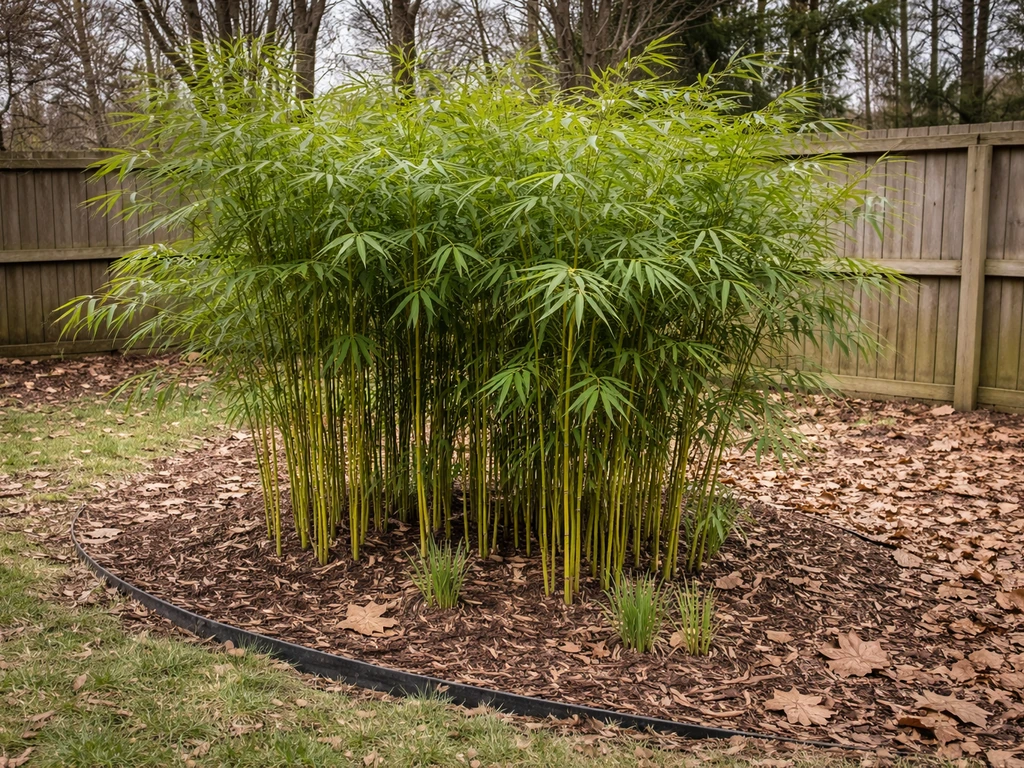
Yes, bamboo can absolutely grow in Indiana. Most of the state sits in USDA hardiness zones 5b through 6b, which is cold enough to rule out tropical bamboo but well within the range of several genuinely tough cold-hardy species. Choose the right type, plant it in a good spot, and you can have a thriving grove that survives Indiana winters without babying it every year.
Can Bamboo Grow in Indiana? How to Succeed
Marcus Hartwell
23 Apr 2026
Indiana climate and hardiness: what the cold actually means for bamboo
Indiana spans a meaningful climate range from north to south. The northwest corner near Chicago sits in Zone 5b, where the average annual extreme low is about −15 to −10°F. The Ohio River counties in the far south reach Zone 7a, where those same extreme lows average only 0 to 5°F. Indianapolis, roughly in the middle, falls in Zone 6a/6b. That range matters enormously when picking bamboo, because a species that thrives in southern Indiana may struggle to recover every spring in the north.
It's also worth knowing that Indianapolis once bottomed out at −27°F on January 19, 1994. That's an extreme outlier, but it's a reminder that Indiana winters can occasionally punch well below their zone averages. The practical takeaway: pick species rated at least one zone colder than your actual zone, and treat that extra margin as insurance rather than overkill.
Cold isn't the only factor. Indiana winters also bring freeze-thaw cycles, occasional ice storms, and persistent northwest winds that desiccate bamboo foliage. A sheltered planting site matters almost as much as species selection.
Clumping vs running bamboo: which type makes sense in Indiana
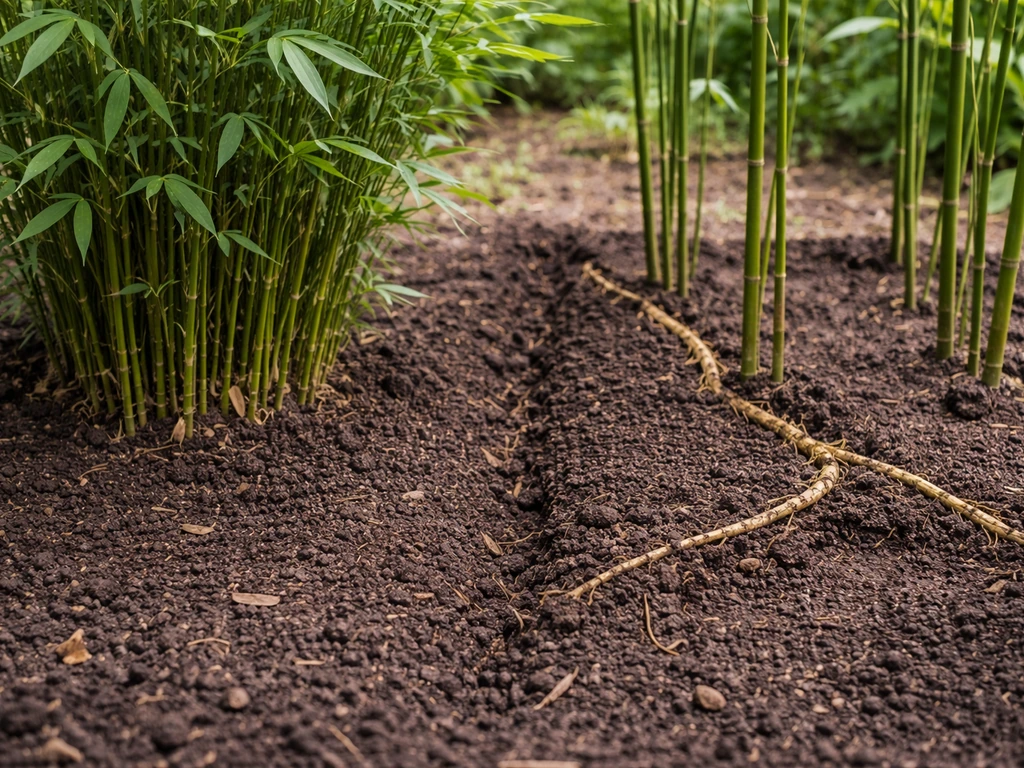
This is the decision that shapes everything else. Running bamboo (Phyllostachys and related genera) spreads aggressively through underground rhizomes that can travel 10 or more feet from the mother plant in a single season. Clumping bamboo (Fargesia and its relatives) spreads slowly outward from a central point, staying put in a well-behaved mound. Both can grow in Indiana, but they come with very different management responsibilities.
Running types are typically hardier in extreme cold and grow faster once established, which sounds appealing. But without a physical root barrier installed at planting time, they will invade neighboring beds, lawns, and potentially your neighbor's yard. If you go with a running type, plan on installing a high-density polyethylene barrier at least 24 to 30 inches deep, with the top lip extending an inch or two above grade so you can spot and trim escaping rhizomes. This is a real infrastructure project, not an afterthought.
Clumping types are the lower-drama choice. They're slower to establish and slower to fill in, but they stay where you put them. For most Indiana home gardeners, especially anyone near property lines, a clumping Fargesia is the more honest recommendation.
Best bamboo species for Indiana by zone
| Species | Type | Cold Hardiness | Best Indiana Zones | Notes |
|---|---|---|---|---|
| Fargesia murielae (Umbrella bamboo) | Clumping | Down to about −15°C (5°F); USDA zones 5–9 | All of Indiana | Non-invasive, tolerates partial shade, great for privacy screens |
| Phyllostachys atrovaginata (Incense bamboo) | Running | Down to about −23°C (−10°F) | All of Indiana | One of the hardiest running types; barrier required |
| Phyllostachys aureosulcata (Yellow groove bamboo) | Running | Zones 6a–6b and colder margins | Central to south Indiana | Fast-growing; flagged as invasive in some states; use a barrier |
| Phyllostachys aurea (Golden bamboo) | Running | USDA zones 6–10 | Zone 6+ in Indiana | Reliable performer; barrier essential; monitor for spread |
| Fargesia robusta (Clumping) | Clumping | USDA zones 5–9 | All of Indiana | Upright habit, heat-tolerant for a Fargesia, good for sun |
For northern Indiana (Zone 5b), Fargesia murielae and Phyllostachys atrovaginata are the safest bets. Both have proven cold tolerance that covers the worst typical winters in that region. For central Indiana (Zone 6), you open up to most of the Phyllostachys family and both Fargesia species listed above. Southern Indiana gardeners in Zone 6b or 7a have the widest selection of all.
Site and soil setup for Indiana gardens
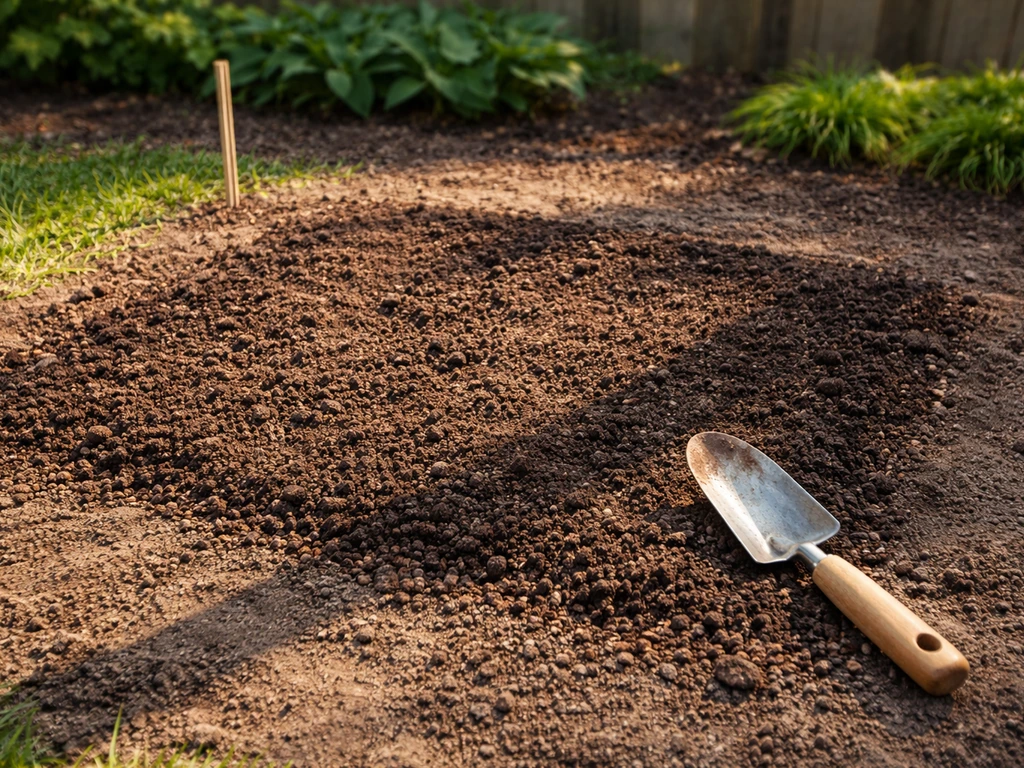
Bamboo is adaptable, but it rewards good site preparation. Sun exposure is flexible: most running types prefer full sun (6 or more hours), while clumping Fargesia actually performs better with afternoon shade in Indiana's humid summers. What bamboo genuinely cannot tolerate is waterlogged soil. If your planting area holds standing water after rain, either build a raised bed or choose a different spot.
Indiana soils range from the heavy clay of the central till plain to sandier soils in the Kankakee river area and silty loams in the south. Clay soils need amendment before planting: work in several inches of compost to improve drainage and loosen the structure. Sandy soils drain well but dry out fast, so they need organic matter added to retain moisture. Either way, [aim for a soil pH between 5.
](https://www. extension. purdue. edu/extmedia/ho/ho-240-w.
pdf)5 and 7. 0. Most Indiana soils fall naturally in that range, but a quick soil test (available through Purdue Extension) will tell you exactly where you stand. Purdue Extension also advises that soil testing can help determine pH and fertility needs, and it provides guidance on proper soil sampling and interpretation [a quick soil test (available through Purdue Extension)](https://extension.
purdue. edu/county/allen/diagnostics. html).
Wind protection is often overlooked. Cold northwest winds in winter strip moisture from bamboo leaves faster than frozen roots can replace it, causing leaf scorch and tip dieback. Plant on the south or east side of a building, fence, or established windbreak if you can. This is especially important in northern Indiana.
How to plant bamboo in Indiana: steps, spacing, and timing
The best planting window in Indiana is late spring through early summer, roughly May through mid-June. This gives roots several months to establish before the ground freezes. Fall planting (September) works but requires more attention to winter protection in that first year. Avoid planting in the heat of July or August unless you can water daily.
- Test your soil pH and amend with compost if you have heavy clay or very sandy soil. Aim for pH 5.5 to 7.0.
- If using a running type, dig the barrier trench first, 24 to 30 inches deep, and install the rhizome barrier before planting. Overlap the ends by at least 6 inches and leave 1 to 2 inches above grade.
- Dig a hole twice as wide as the root ball and the same depth. Do not plant deeper than the original container depth.
- Set the plant, backfill with a mix of native soil and compost, and firm it in gently. No air pockets.
- Water thoroughly at planting and continue watering deeply every 2 to 3 days for the first 4 to 6 weeks.
- Apply 2 to 3 inches of coarse mulch (wood chips work well) over the entire planting bed to hold moisture and moderate soil temperature. Keep mulch a few inches away from the culm bases to prevent rot.
For spacing, clumping Fargesia types can be planted 3 to 5 feet apart for a privacy screen effect within 3 to 5 years. Running types spread on their own, so one to three plants in a contained bed is plenty to start a grove. Planting more than that just speeds up the timeline slightly but doesn't change the long-term outcome.
Watering, feeding, and what to expect for growth
The first year is the hardest to watch. Bamboo famously follows the pattern of sleeping, creeping, then leaping: year one the plant establishes roots with little visible top growth, year two you start seeing more culms and some height gains, and by year three things get noticeably more vigorous. Don't panic if a newly planted bamboo just sits there looking unchanged in its first summer. That's normal.
Watering: during the first season, water deeply 2 to 3 times per week in the absence of rain. Once established (after the first full growing season), most bamboos in Indiana's climate are reasonably drought-tolerant, though they grow faster with consistent moisture. Aim to keep the top 12 inches of soil evenly moist from April through October.
Fertilizing: bamboo is a heavy nitrogen feeder. Use a balanced granular fertilizer with a higher nitrogen number (something like 10-5-5 or a lawn-type fertilizer) in early spring as new shoots emerge and again in midsummer. Avoid fertilizing after August in Indiana, as you don't want to push new soft growth heading into fall that won't harden off before frost.
Growth timeline in Indiana: realistic expectations for cold-hardy running types in central Indiana are culms of 6 to 15 feet by year three or four in a well-established grove. Clumping Fargesia types grow more slowly, typically reaching 8 to 12 feet over 5 to 7 years depending on site conditions. Neither is a quick result, but both are worth the wait if you plant with a purpose.
Winter protection and common problems in Indiana
Getting bamboo through Indiana winters
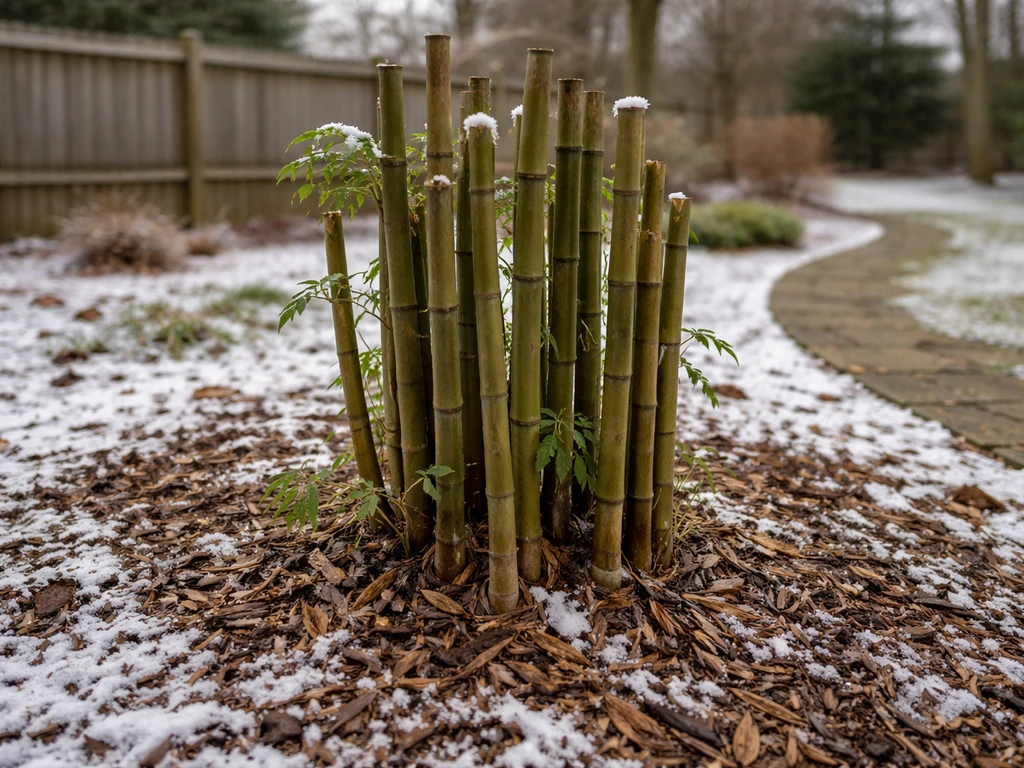
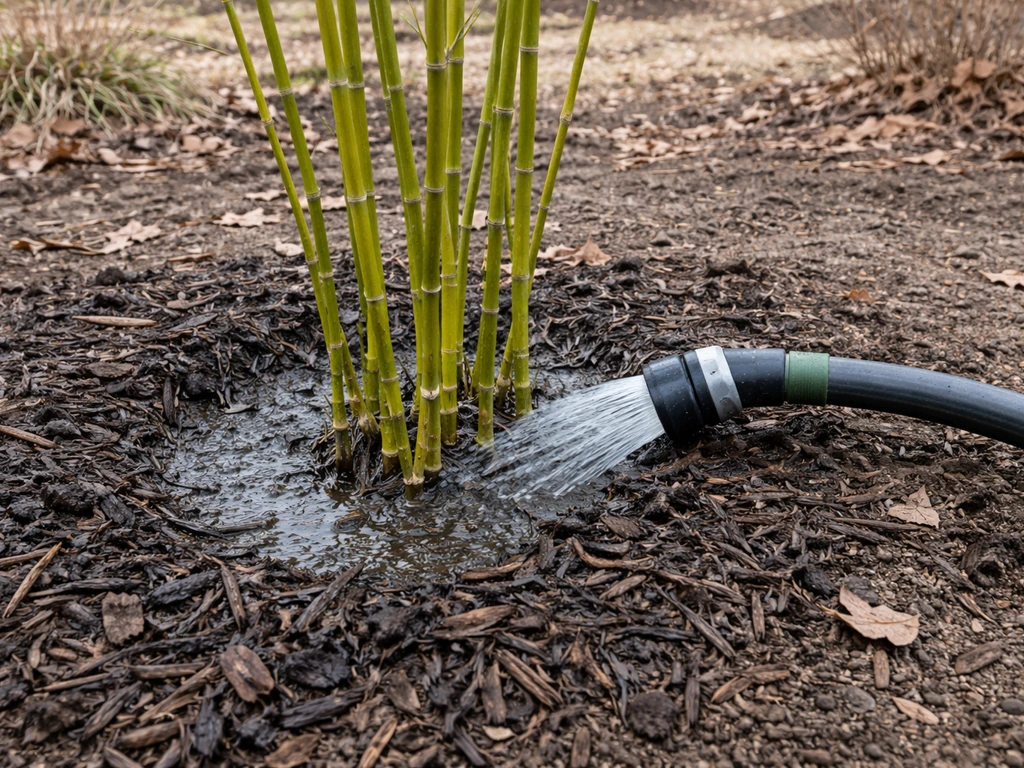
Established bamboo in the right zone for Indiana usually needs minimal winter intervention. But in the first two winters, and any time you're pushing a species to its hardiness limit, a few steps make a real difference. Maintain the 2 to 3 inch mulch layer through fall and add more mulch over the root zone in November before the ground freezes. This slows ground freeze and helps the rhizomes survive even when air temperatures dip well below zero. The Rocky Mountain Products planting guide specifically flags mulching as essential for late-season plantings, and that advice holds for any first-year bamboo in Indiana.
Burlap windscreens on the windward side help with desiccation damage on leaves. You don't need to wrap the whole plant, just block the prevailing northwest wind from stripping moisture from the foliage. Remove the burlap in early March before growth resumes.
Diagnosing winter damage vs actual plant death
After a hard Indiana winter, bamboo often looks terrible before it looks good again. Leaves turn tan or brown, culms may look bleached, and you might be convinced the whole thing died. Before you pull it out, check the culm bases: squeeze or scratch the base of several culms near the soil line. If you find green tissue and the culms feel firm rather than hollow and papery, the plant is alive and will push new growth once soil temperatures warm up in May. A plant that's truly dead will have soft, brown, completely desiccated culm bases with no green anywhere.
New culm emergence in spring is your success signal. Running types push new shoots in April or May; clumping types typically shoot a few weeks later. Once you see new culms pushing up, you know your bamboo made it.
Other common problems and how to handle them
- Rhizome escape (running types): walk the perimeter of the barrier in spring and prune any rhizomes that have topped the barrier edge. Do this every April without fail.
- Yellowing leaves in summer: usually a nitrogen deficiency or water stress. Fertilize and check soil moisture before assuming disease.
- No new shoots after year one: this is normal for many transplants. Check that the root zone isn't waterlogged and that you're fertilizing in spring. Give it a second season.
- Leaf scorch in winter: cosmetic, not fatal in most cases. Trim off the brown leaves in spring; new foliage will emerge. Add a windbreak for next year.
- Slow establishment in clay soil: if growth stays poor after year two, check drainage. Standing water is the most common silent killer of bamboo in Indiana.
Where to source bamboo and your next steps
Local garden centers in Indiana carry bamboo inconsistently, and they don't always stock the cold-hardy species you actually need. Your most reliable options are online specialty bamboo nurseries that ship container-grown plants, many of which list plants specifically by USDA hardiness zone. When ordering, confirm the species name (not just a marketing name like 'Privacy bamboo') and verify the listed cold hardiness zone against your Indiana location. A plant labeled Zone 6 is a reasonable choice for Indianapolis; a plant labeled Zone 7 or 8 is not.
Before you order, check your county's location on the USDA zone map (Purdue Extension has a clear Indiana-specific version) so you know exactly what zone you're shopping for. Bamboo can also be grown in nearby Ohio if you select cold-hardy types and plan for winter protection If you're in the Indianapolis area. Then run the species against the table in this article. If you're in the Indianapolis area, Fargesia murielae for a no-hassle clumping screen or Phyllostachys atrovaginata for a contained running grove are the two choices I'd start with. If you're in the far north near South Bend or Gary, stick to Zone 5-rated species and don't push it.
If you're comparing Indiana to neighboring states, the situation is similar across the Midwest. Growing bamboo in Illinois is very close to the Indiana experience given the shared climate, while Wisconsin growers face a tougher Zone 5 reality that narrows species options further. Wisconsin growers should choose bamboo varieties rated for colder zones than their local conditions, since winter lows can be a limiting factor can bamboo grow in Wisconsin.
Ohio and Michigan fall in a comparable range to Indiana's middle zones. If you want, you can apply the same hardiness-zone approach to determine whether specific cold-hardy bamboo species will work in Ohio bamboo in Ohio. Michigan gardeners can use the same approach: pick a cold-hardy species rated for your zone and plan for winter protection when needed. The species picks and care steps in this article apply broadly across the region, with adjustments for your specific zone.
FAQ
Will bamboo in Indiana come back every year, even after a brutal winter?
In the right USDA zone, most cold-hardy species usually return with little more than mulch and wind protection. The risk factor is the first one or two winters, especially if you plant something right at its hardiness limit or the site stays wet. If your bamboo looks dead, check the culm bases for green tissue before removing it, because spring regrowth often starts after soil temperatures warm.
What’s the fastest way to choose a bamboo that can handle my specific part of Indiana?
Start by confirming your county’s USDA hardiness zone, then buy a species that is rated at least one zone colder than your location. Also verify the actual species name on the tag, not only marketing labels like “privacy bamboo,” and compare the listed zone rating to your address area (north and south Indiana can differ by multiple zones).
Can I grow bamboo in Indiana in a container or pot?
Yes, but container growing is harsher than in-ground because roots freeze faster and drying happens sooner. If you do it, use a large container with excellent drainage, keep it consistently moist through the growing season, and provide winter insulation for the root ball (mulch and protection from wind help). Container bamboos still often struggle if you skip winter root protection during cold snaps.
How much winter protection is actually necessary in northern Indiana (Zone 5b)?
For established plants, mulch and a wind-blocking location are often enough, but first-year plantings and anything near its cold limit should get extra attention. Keep the mulch layer through fall, add more mulch over the root zone before the ground fully freezes, and consider burlap on the windward side to reduce leaf desiccation. Wrapping whole plants is usually unnecessary.
Do I need a root barrier for running bamboo in Indiana?
If you plant running types, a barrier is strongly recommended at installation, not later. The goal is to prevent rhizomes from traveling into lawns and beds, since they can move surprisingly far in a season. Plan for a proper barrier depth (about 24 to 30 inches) and leave a visible top lip so you can spot and trim escaping rhizomes early.
What’s the most common reason bamboo fails in Indiana gardens?
Waterlogged soil and poor drainage are frequent culprits, even when the species is cold-hardy. Indiana’s freeze-thaw cycles can worsen root stress if the planting spot holds standing water after rain. If your site puddles, use a raised bed or relocate, and amend heavy clay with compost to improve drainage before planting.
Should I prune bamboo in Indiana in winter or early spring?
Avoid major pruning in midwinter, because you can increase exposure to wind and cold during the period when the plant is not actively growing. In early spring, remove only clearly dead or badly damaged parts after you’re confident the plant has started pushing new growth. Let late-season dead leaves and culm tops act as winter protection until spring inspection.
When should I worry that my bamboo isn’t alive?
Don’t assume failure after one summer, because year one often focuses on root establishment with little visible top growth. In spring, check culm bases near the soil line, look for firmness and green tissue, and wait for shoot emergence once temperatures warm. True dead culms are usually soft, fully desiccated, and show no green anywhere at the base.
How often should I water bamboo in Indiana after it’s established?
After the first full growing season, bamboo is generally more tolerant of drought, but it still grows best with steady moisture. From April through October, aim to keep the top 12 inches evenly moist, and water more during hot spells or prolonged dry weather. Avoid letting it swing between bone-dry and waterlogged.
Is bamboo safe to plant near property lines or fences in Indiana?
Clumping bamboo is the lower-risk choice for boundary plantings because it spreads slowly from a mound. Running bamboo can invade quickly without an effective barrier, which can create disputes and lawn issues. If you must use a running type, treat containment as part of the planting plan and confirm your barrier will remain intact and accessible for maintenance.
What should I do if I bought bamboo labeled “Zone 7” or higher for Indiana?
It may survive only in the mildest southern locations or it may act as a “limiting species” that repeatedly dies back and struggles to rebuild. If it is not at least one zone colder than your local area, your odds drop, especially with Indiana’s occasional extreme cold. When possible, exchange for a colder-rated species rather than relying on heavy winter protection alone.
Can I plant bamboo in fall in Indiana, and what are the risks?
Fall planting (around September) can work, but the main risk is less root establishment before freezing weather. If you plant in fall, plan on extra winter protection during the first winter, including a maintained mulch layer and additional mulch before the ground freezes. Spring planting (May to mid-June) is the safer option for getting roots established in time.
Next Article
Will Bamboo Grow in Illinois and Chicago? Can You Plant It?
Bamboo in Illinois or Chicago: cold-hardy options, growth timelines, and how to plant legally with containment tips.