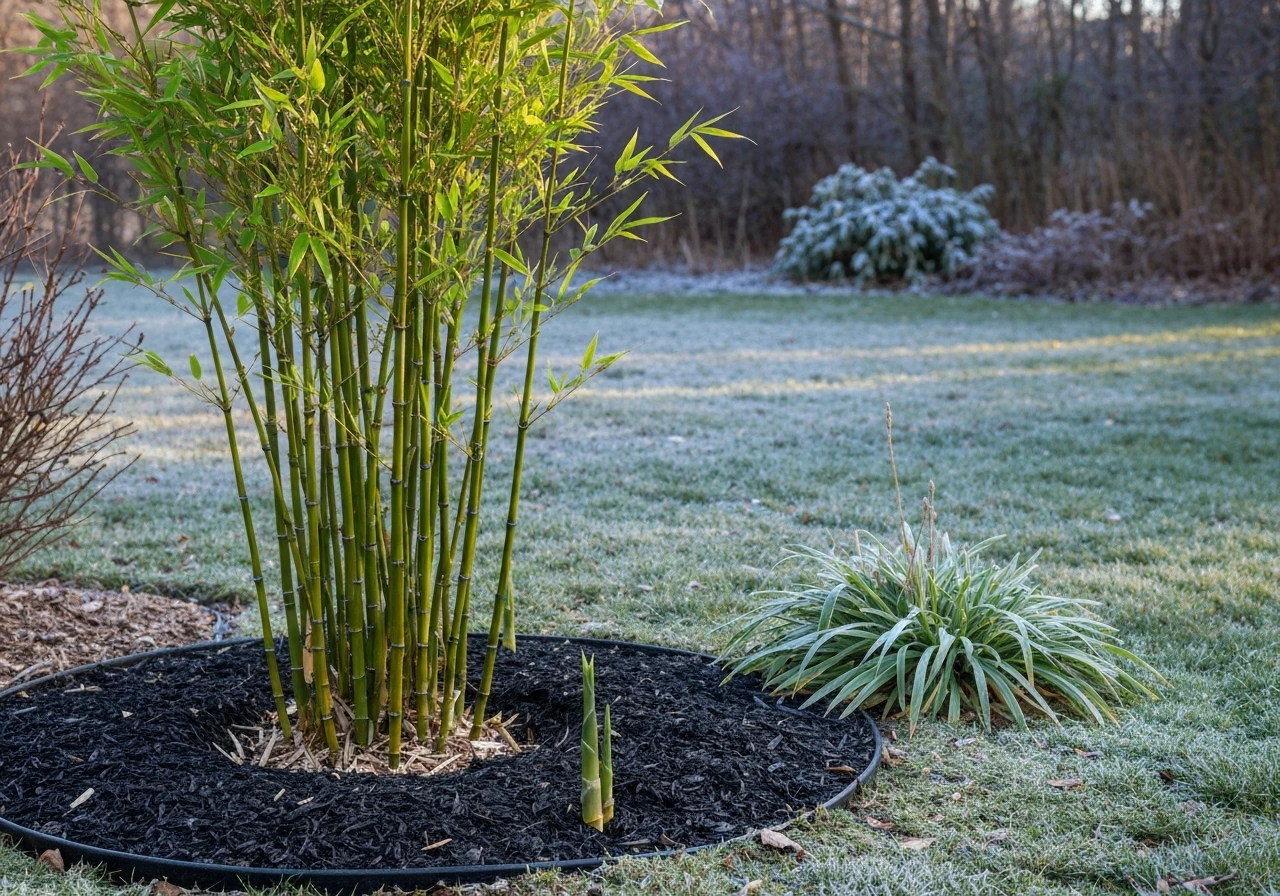
Yes, bamboo will grow in Illinois. The state spans USDA hardiness zones 5a through 7b, and there are cold-hardy bamboo varieties proven to survive those winters, including the brutal freezes that hit Chicago and the northern counties. USDA’s official Plant Hardiness Zone Map uses blank" rel="noopener noreferrer">average annual minimum winter temperatures to define these zones, which you can check on the map. You just need to pick the right species, plant it correctly, and deal with containment before it becomes someone else's problem. The U.S. Botanic Garden notes that growing success depends on blank" rel="noopener noreferrer">matching the bamboo species to the local climate and managing spread so it does not become invasive. That's what this guide covers.
Will Bamboo Grow in Illinois and Chicago? Can You Plant It?
Quick answer for Illinois and Chicago
Illinois overall: yes, bamboo can grow and overwinter successfully across most of the state. Central Illinois sits in zones 6a and 6b, where average winter lows run from about -10°F to 0°F. Southern Illinois edges into zone 7a/7b, making it even more bamboo-friendly. Northern Illinois, including the Chicago metro area, lands in zones 5b and 6a, which are genuinely cold but still within the survival range of several proven hardy varieties.
Chicago specifically: yes, you can grow bamboo in Chicago. Zone 5b/6a winters are real, and Chicago's lake-effect cold and wind make it feel harsher than the zone number suggests. But the Chicago Botanic Garden grows Phyllostachys bissetii (David Bissett bamboo) on its grounds, which is about as clear a confirmation as you can get that the right bamboo can handle a Chicago winter. If you're in a sheltered urban backyard with some wind protection, your odds are even better.
One quick note worth mentioning: if you're researching bamboo in neighboring Midwest states, the situation is quite similar across the region. In Wisconsin, the key is the same as in Illinois: choose cold-hardy bamboo and plan for winter protection where needed can bamboo grow in Wisconsin. If you want the same kind of answer for Indiana, the checklist is essentially the same: pick a cold-hardy bamboo and plan around local winter conditions can bamboo grow in Indiana.
The same cold-hardiness considerations and variety choices come up whether you're in Indiana, Ohio, Michigan, or Wisconsin, since they all share comparable zone ranges. If you're wondering can bamboo grow in Michigan, the key is choosing a cold-hardy variety and planning for winter conditions Indiana, Ohio, Michigan, or Wisconsin. If you’re in Michigan, stick to the cold-hardy varieties discussed for the Midwest and plan for winter survival can bamboo grow in Michigan.
Picking cold-hardy bamboo for Midwest winters
The most important decision you'll make is variety selection. Illinois has one native bamboo species, giant cane (Arundinaria gigantea), which is worth knowing about but isn't what most people plant for screening or ornamental use. For the typical homeowner, the cold-hardy running bamboos in the Phyllostachys genus are the workhorses of Midwest bamboo growing.
Phyllostachys bissetii (Bissett bamboo) is the go-to variety for northern Illinois and Chicago. It's rated hardy to USDA Zone 5, meaning it can handle lows down to about -20°F, which gives you a real safety margin in a Zone 6a Chicago winter. It typically grows 15 to 20 feet tall, stays green through mild winters, and recovers quickly after severe cold even if the canes get frost-burned. It's also container-compatible if you want to avoid in-ground spread.
Other varieties worth considering for Illinois conditions are listed below, roughly by cold tolerance:
| Variety | Cold Hardiness (Zone) | Approx. Height | Notes |
|---|---|---|---|
| Phyllostachys bissetii (Bissett) | Zone 5 (-20°F) | 15–20 ft | Best choice for Chicago and northern IL; very reliable |
| Phyllostachys nuda | Zone 5 (-15°F) | 20–35 ft | Taller, good for privacy screens in central/southern IL |
| Fargesia rufa (Clumping) | Zone 5 (-20°F) | 6–10 ft | Non-invasive clumper; great for small yards or containers |
| Fargesia murielae (Umbrella bamboo) | Zone 4 (-30°F) | 8–12 ft | Extremely cold-hardy clumper, tolerates shade well |
| Phyllostachys aureosulcata (Yellow groove) | Zone 5 (-15°F) | 20–30 ft | Cold-hardy runner, good color interest |
If you're in northern Illinois or Chicago and you want maximum cold insurance without worrying about containment, the Fargesia clumpers (rufa or murielae) are the safest bet. They don't spread aggressively, they're rated to Zone 4 or 5, and they look great in smaller spaces. The trade-off is they're shorter and grow more slowly than running bamboo. If you want tall screening bamboo and are willing to manage spread, Bissett is your best running bamboo option in this climate.
How to plant bamboo successfully in Illinois
Site and sun
Bamboo performs best in full sun to part shade, ideally 5 or more hours of direct sunlight per day. In Chicago and northern Illinois, full sun actually helps because warmth accelerates establishment. A south or west-facing location with protection from prevailing north and west winds makes a big difference in cold survival. A fence, building, or established hedge acting as a windbreak can push your effective microclimate one full zone warmer.
Soil
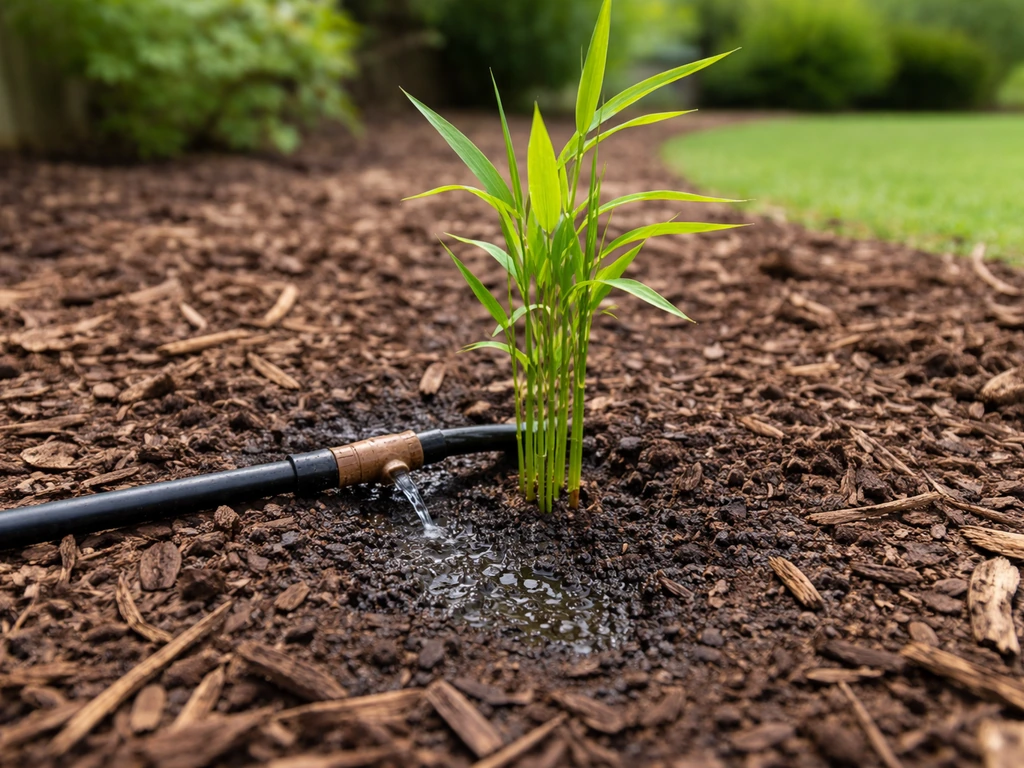
Bamboo likes well-draining, slightly acidic to neutral soil with a pH around 5.5 to 7.0. Illinois soils vary widely, from the heavy clay of the Chicago suburbs to the loamy prairie soils of central Illinois. If you're dealing with clay-heavy soil, which is common in the northern counties, mix in plenty of compost or aged wood chips to improve drainage. Bamboo will tolerate clay better than most people expect, but standing water is its enemy. If your site stays waterlogged after rain, either amend aggressively or build a raised bed.
Watering
The first growing season is critical. New bamboo transplants need consistent moisture, roughly 1 inch of water per week, either from rain or irrigation. Illinois summers can get hot and dry, especially in July and August, so don't assume rain will cover it. Once established after the first full season, most cold-hardy bamboos are surprisingly drought-tolerant. Mulch heavily (3 to 4 inches of wood chips or straw) around the root zone to retain moisture and buffer soil temperature in winter.
Containment and keeping bamboo in its lane
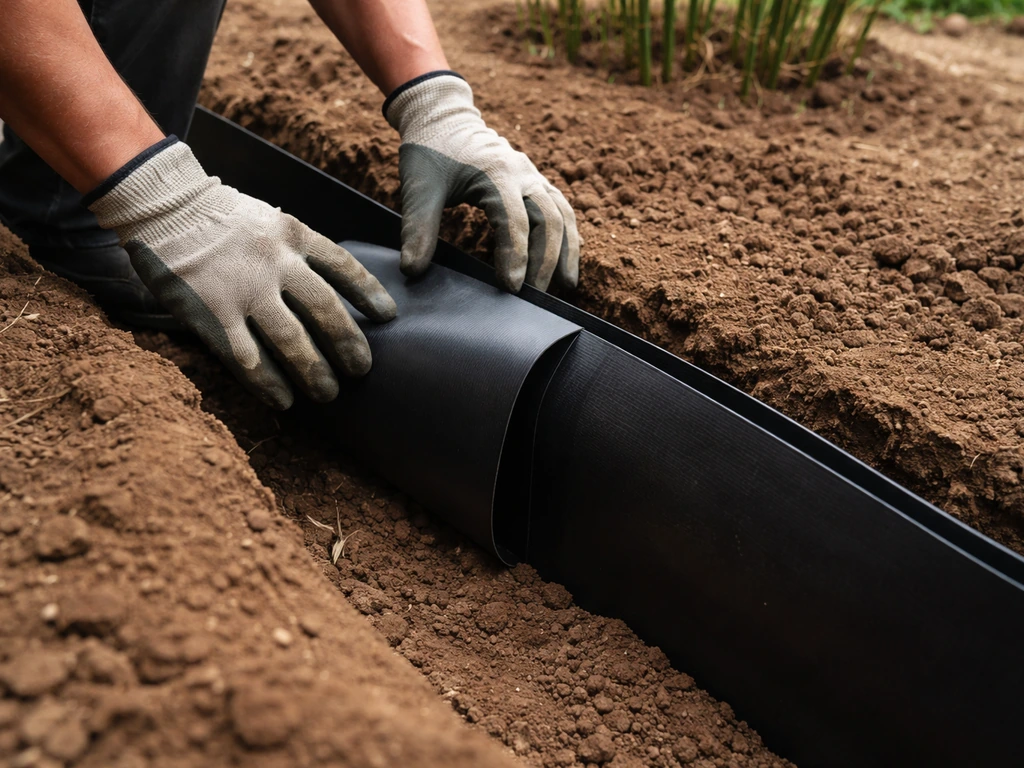
This is the part most people skip over when they're excited about planting, and it's the part that causes the most regret later. Running bamboo (the Phyllostachys species) spreads via underground rhizomes and will absolutely invade neighboring yards, garden beds, and even cracks in pavement if you let it go unchecked. This isn't a scare tactic, it's just how the plant works. The good news is that containment is completely manageable if you plan for it before planting. Because Ohio winters can be similar to parts of Illinois, the same containment approach matters there too.
Root barriers
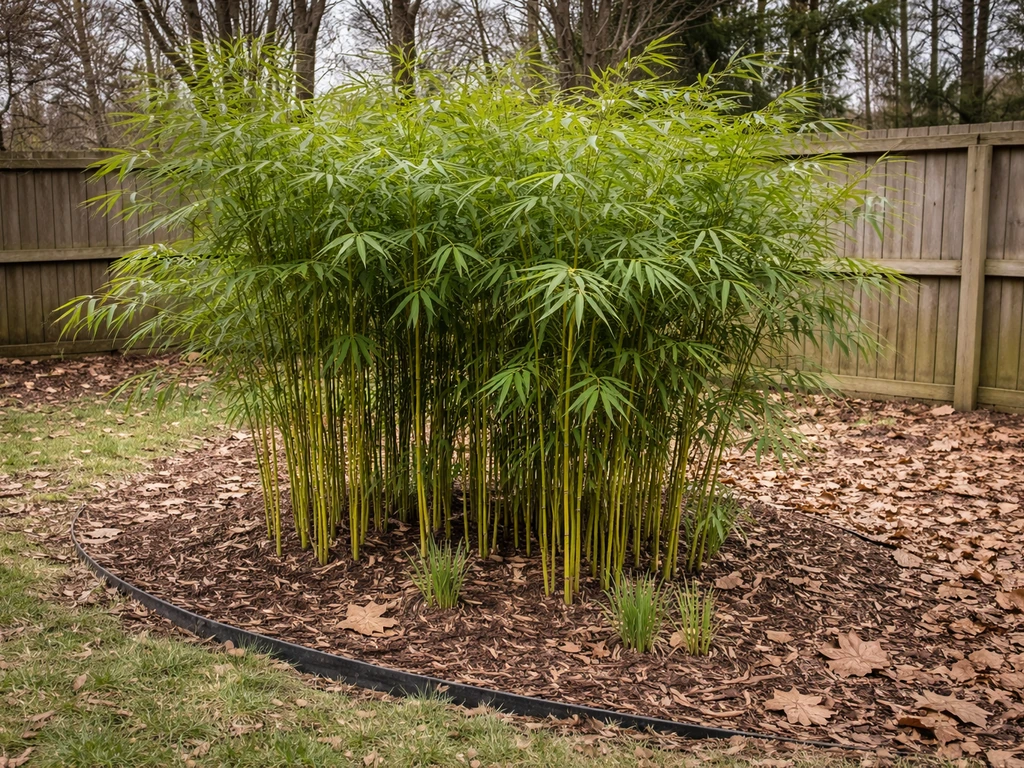
A HDPE (high-density polyethylene) rhizome barrier is the standard solution for in-ground running bamboo. You want a barrier that's at least 60 mil thick and installed at least 24 to 30 inches deep. Shallower barriers get bypassed within a few years. Install it in a complete loop around the planting area, leaving 2 to 3 inches above the soil surface so rhizomes can't creep over the top. Check the edge annually in spring and slice off any rhizomes trying to escape. A good quality barrier installed properly will reliably keep running bamboo where you want it.
Container growing
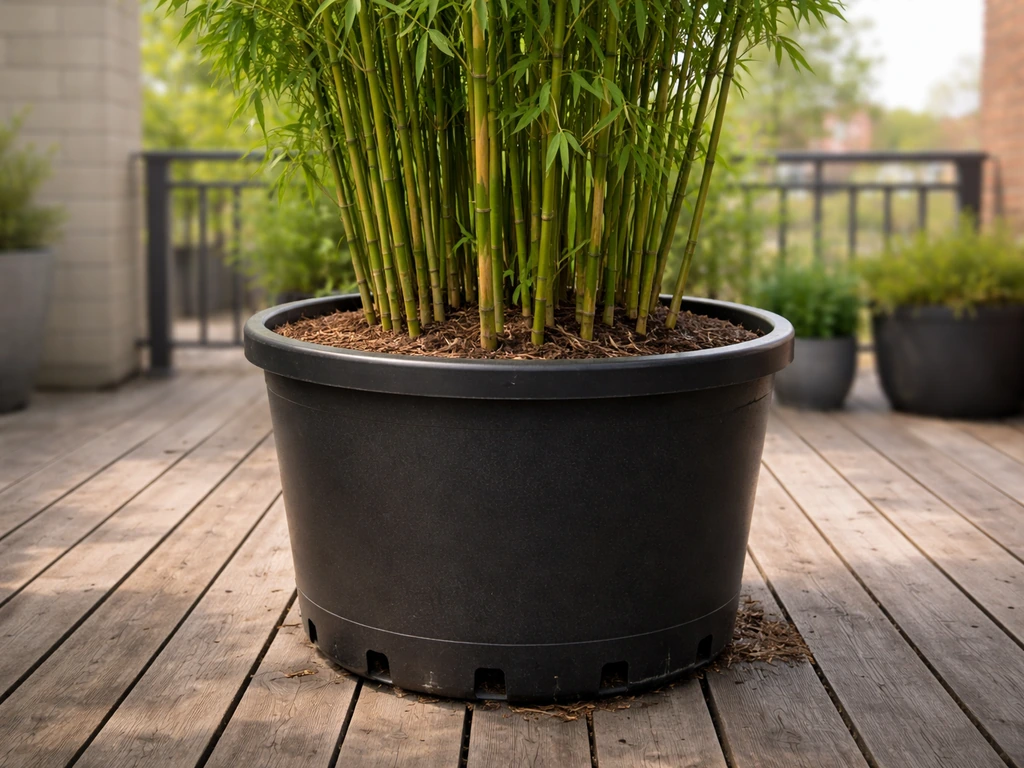
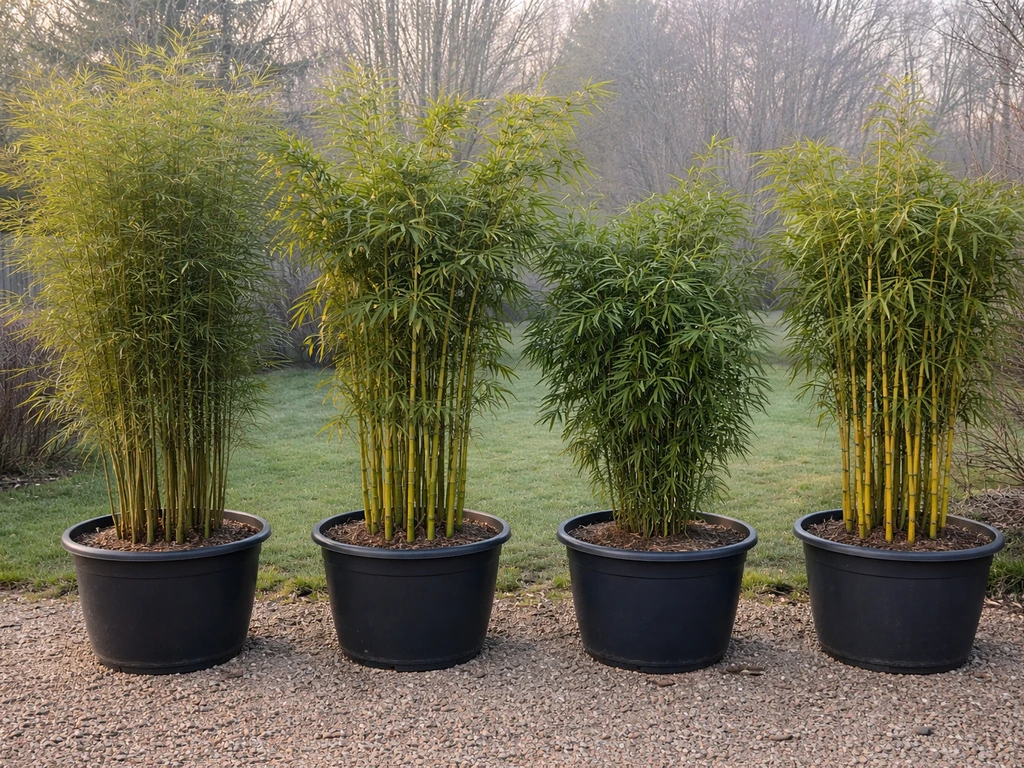
Growing bamboo in a large container (25 gallons or more) is a completely viable option in Illinois, especially in Chicago where patio or deck growing is common. Containers give you total spread control, and you can move smaller pots indoors or to a sheltered spot during a brutal polar vortex event, which adds a survival buffer. The downside is that contained bamboo grows more slowly and needs more frequent watering and fertilizing than in-ground plants. In very cold winters, containers can freeze solid if left exposed, which can kill the roots, so insulate pots or sink them into a sheltered corner.
Choosing clumping bamboo to avoid the problem entirely
The simplest containment strategy is choosing a clumping bamboo variety like Fargesia rufa or murielae. Clumping bamboos spread very slowly outward from the center, maybe 2 to 4 inches per year, and don't send out long-distance rhizome runners. You can plant them in-ground without a barrier and they'll stay well-behaved. The trade-off is height (clumpers are shorter) and growth rate (they're slower), but for most Illinois homeowners who just want a low-maintenance ornamental or small screen, a Fargesia is the right call.
What kind of growth rate to expect in Illinois
Be honest with yourself about the timeline. Bamboo in Illinois is not going to grow like bamboo in Georgia or the Pacific Northwest. The growing season is shorter, winters are real, and the plant needs a full year or two just to get established before it starts putting energy into serious growth.
Here's a realistic timeline for a cold-hardy running bamboo like Bissett planted in Illinois:
- Year 1: Minimal visible above-ground growth. The plant is establishing its root system. You might see a few small shoots. Don't panic, this is normal.
- Year 2: Noticeably more shoots emerge in spring, somewhat larger than Year 1. The grove starts to take shape. You might get canes reaching 4 to 8 feet.
- Year 3: Real growth kicks in. Canes can reach 10 to 15 feet in a good season. The grove starts filling in and looking like actual bamboo.
- Year 4 and beyond: The plant hits its stride. Annual culm (cane) production increases significantly. In a well-established Illinois grove of Bissett, expect 15 to 20 feet of height at maturity.
The old saying about bamboo, 'sleeps, creeps, leaps,' is accurate. The first two years feel frustratingly slow. Then it takes off. For Fargesia clumpers, the timeline is similar but the eventual height and density are less dramatic. Clumpers will give you a tidy, attractive plant in 3 to 4 years but won't produce the towering screen that a mature Phyllostachys grove delivers.
One thing that accelerates growth significantly in Illinois: heavy mulching and fertilizing in late spring. Apply a balanced nitrogen-heavy fertilizer (something like 10-6-4) in April when soil temperatures rise above 50°F, and again in early summer. Nitrogen is what drives cane growth, and bamboo is very responsive to it.
Is it legal to grow bamboo in Illinois?
As of now, there is no statewide Illinois law that bans growing bamboo. At the state level, bamboo is not on Illinois' prohibited invasive species list, so you're not breaking any state law by planting it. However, that doesn't mean there are zero restrictions to worry about.
The legal risk comes from three places: local municipal ordinances, HOA rules, and neighbor disputes. Some Illinois municipalities have enacted nuisance vegetation ordinances that can apply to bamboo if it spreads onto neighboring property or public easements. Chicago itself does not have a specific bamboo ban, but suburban municipalities vary. This is especially relevant in the dense suburban communities of Cook, DuPage, and Lake counties where yards are smaller and bamboo spread is more likely to cause conflicts.
Here's how to check your specific situation before planting:
- Call or email your municipality's code enforcement or planning department and ask specifically whether there are any ordinances regulating bamboo or invasive vegetation.
- Check your HOA's CC&Rs (covenants, conditions, and restrictions) if applicable. Many HOAs restrict plants that can spread to neighboring lots.
- Talk to your immediate neighbors before planting running bamboo. A simple heads-up prevents most disputes, and getting verbal buy-in costs nothing.
- If you're planting running bamboo, install a documented rhizome barrier. This demonstrates due diligence if any future dispute arises about spreading roots.
The practical reality is that most Illinois homeowners plant bamboo without any legal issue at all, especially if they're using clumping varieties or properly contained running bamboo. Problems arise when running bamboo invades a neighbor's yard. That's when nuisance complaints and legal letters start appearing. Contain it properly and the legal risk effectively disappears.
Your practical plan for buying and getting started this season
April is actually a great time to be thinking about this. Soil temperatures in Illinois are starting to warm, and bamboo planted in late spring (May through early June) has the full growing season to establish roots before winter. Here's how to approach your first season:
- Choose your variety: For Chicago and northern Illinois, start with Phyllostachys bissetii or a Fargesia clumper (rufa or murielae). For central or southern Illinois, your options expand to include taller Phyllostachys species like nuda or aureosulcata.
- Buy from a reputable bamboo nursery: Big-box stores occasionally stock bamboo, but specialty bamboo nurseries offer healthier root divisions and better variety selection. Look for online nurseries that ship bareroot or potted divisions, or check if any Midwest-based bamboo suppliers operate near you.
- Prepare your site in advance: Amend clay soil with compost, ensure drainage is adequate, and install your rhizome barrier before the plant goes in the ground. It's much harder to retrofit a barrier after planting.
- Plant at the right depth: Set the root ball at the same depth it was growing in the container. Don't bury it deeper. Backfill with a mix of your native soil and compost.
- Water consistently for the entire first season: Set a reminder if needed. Weekly deep watering (slow soak rather than surface sprinkle) through the summer is critical for Year 1 establishment.
- Mulch heavily: Apply 3 to 4 inches of wood chip or straw mulch over the root zone immediately after planting. This retains moisture in summer and buffers soil temperature in winter, both of which matter significantly in Illinois.
- Fertilize in late spring: Once soil temps hit 50°F (usually mid-May in central Illinois, late May in Chicago), apply a nitrogen-rich fertilizer to encourage root development and first-season shoot production.
Don't expect a bamboo grove by fall. Expect a healthy, established plant that's ready to explode in Year 2 and 3. Set that expectation now and you'll feel great about your progress instead of disappointed. The homeowners who give up on bamboo in Illinois are almost always the ones who expected fast results in Year 1 and bailed before the plant hit its stride. Stick with it, and by Year 3 you'll have exactly what you were picturing when you started searching.
FAQ
When is the best time to plant bamboo in Illinois for the best winter survival?
In Illinois, the safest general window for planting is late spring (roughly May through early June), when soil temps are consistently warm and the plant can root before winter. If you plant earlier (cool wet soil) you increase stress and frost damage risk; if you plant too late (late summer), the roots may not establish well enough for cold snaps.
How much should I water bamboo in Illinois, especially after the first year?
For cold-hardy running bamboo in the ground, you generally want a full watering schedule for the first growing season only. After that, water based on rainfall and leaf behavior (curling or dull color suggests stress). In droughty stretches, plan on deep watering rather than frequent light sprinkling, because deep moisture encourages stronger rhizomes.
If my bamboo canes die back after a brutal winter, will it come back in Illinois?
Yes, running bamboo in Illinois can still survive if some canes die back after extreme cold. What you want to check is rhizome survival at the end of winter, look for new shoots emerging from the base, and remove dead canes once growth resumes. If you see no new shoots by late spring, dig carefully at the perimeter to confirm whether the rhizomes are alive before replanting.
What site conditions in Chicago-area backyards most affect bamboo survival, besides hardiness zone?
Wind protection is often more important than people expect. Choose a site with a barrier such as a fence, building wall, or dense hedge to block prevailing north and west winds, and avoid low spots that collect cold air. Even with the right variety, a too-exposed corner can increase frost-burn and slow establishment.
Which bamboo option is least likely to cause spread or maintenance headaches in Illinois?
Fargesia clumpers are usually the easiest choice if you want to avoid containment work. If you prefer running types but do not want to manage barriers, use containers (25 gallons or larger) and consider moving the pot to a sheltered spot during polar vortex events, then reintroduce it outdoors gradually as temperatures moderate.
What are the most common rhizome-barrier mistakes that lead to escape in Illinois?
A typical beginner mistake is installing a rhizome barrier but leaving gaps at seams or corners. Ensure the barrier forms a continuous loop, overlap seams appropriately (so rhizomes cannot pass through), and check above-ground edges annually in spring for any rhizome emergence. Also confirm the barrier depth is adequate, because shallow placement is a common failure point.
How do I protect bamboo in containers during Illinois freeze events?
In very cold winters, containers can experience root-killing freeze because the pot insulates far less than ground soil. To prevent this, insulate the container and consider wrapping, using an insulating stand, or sinking the pot into the ground or against a sheltered wall. If you do nothing, the bamboo may look fine until spring, then decline when the roots fail.
What should I do if my Illinois soil is heavy clay and stays wet after storms?
If your soil stays soggy after rain, bamboo can lose vigor or suffer dieback even if the variety is cold-hardy. Improve drainage by mixing compost and wood chips, and if water pools, install a raised bed or redirect runoff. The goal is consistently moist but never waterlogged conditions around the root zone.
How should I fertilize bamboo in Illinois without triggering winter damage?
Yes, you can fertilize, but timing matters. Apply fertilizer in late spring once soil temperatures rise (you can think of it as after consistent warming), then do a second application in early summer. Avoid late-season heavy nitrogen because new growth may not harden off before fall cold, increasing winter injury risk.
Why does my bamboo look slow in Illinois compared with photos online, and how long should I wait?
Yes, but expect different behavior. In-ground plants often grow faster than container plants, and running bamboos will fill in more quickly than clumpers. Also, cold slows everything, so a plant that looks stalled in Year 1 may still be rooting and will likely show stronger growth in Year 2 and Year 3.
Can I Grow Bamboo in Ohio? Yes, Here’s What to Know
Learn if you can grow bamboo in Ohio, best varieties, containment, planting tips, winter care, and legal considerations.