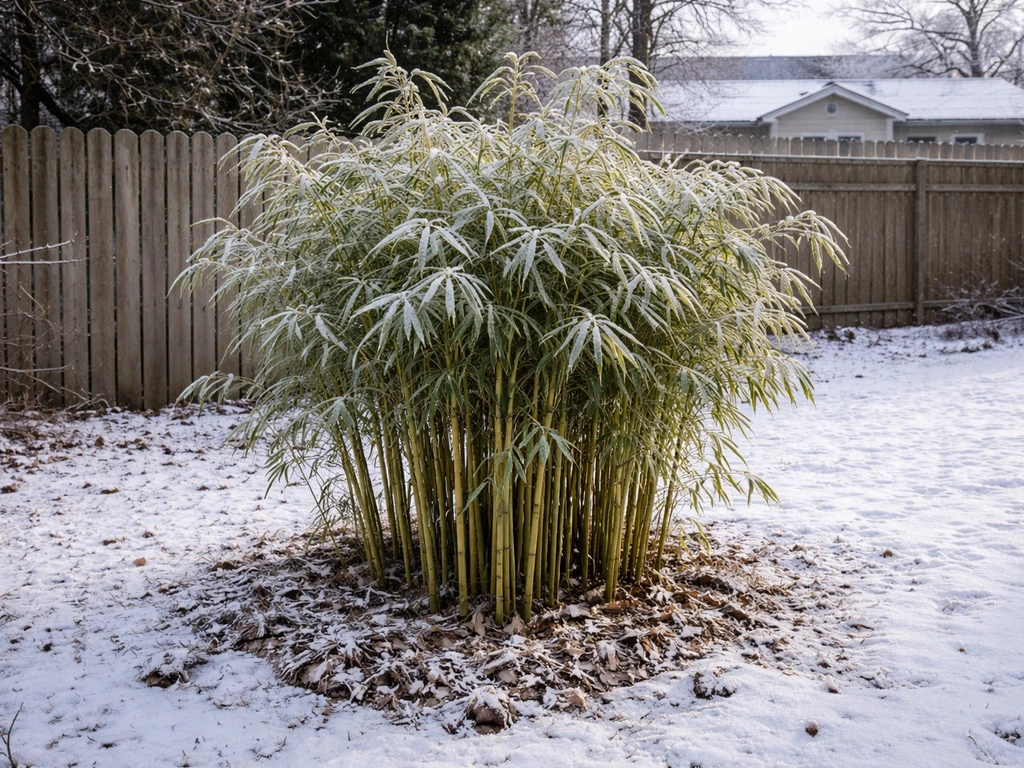
Yes, bamboo can absolutely grow in Kentucky, and it can thrive there with the right species choice and a bit of strategic setup. Kentucky sits in USDA hardiness zones 6a through 7a depending on where you are, with Lexington around zone 6b and Louisville closer to zone 7a. That range is cold enough to kill some bamboo species outright but well within the survival window for several genuinely tough varieties, including some that will grow into impressive stands. The key decisions are choosing a species rated for your specific zone, picking a smart planting spot, and protecting roots through the first couple of winters.
Can Bamboo Grow in Kentucky? Types, Care, and Steps
Marcus Hartwell
16 Jun 2026
Kentucky's climate and what it means for bamboo survival
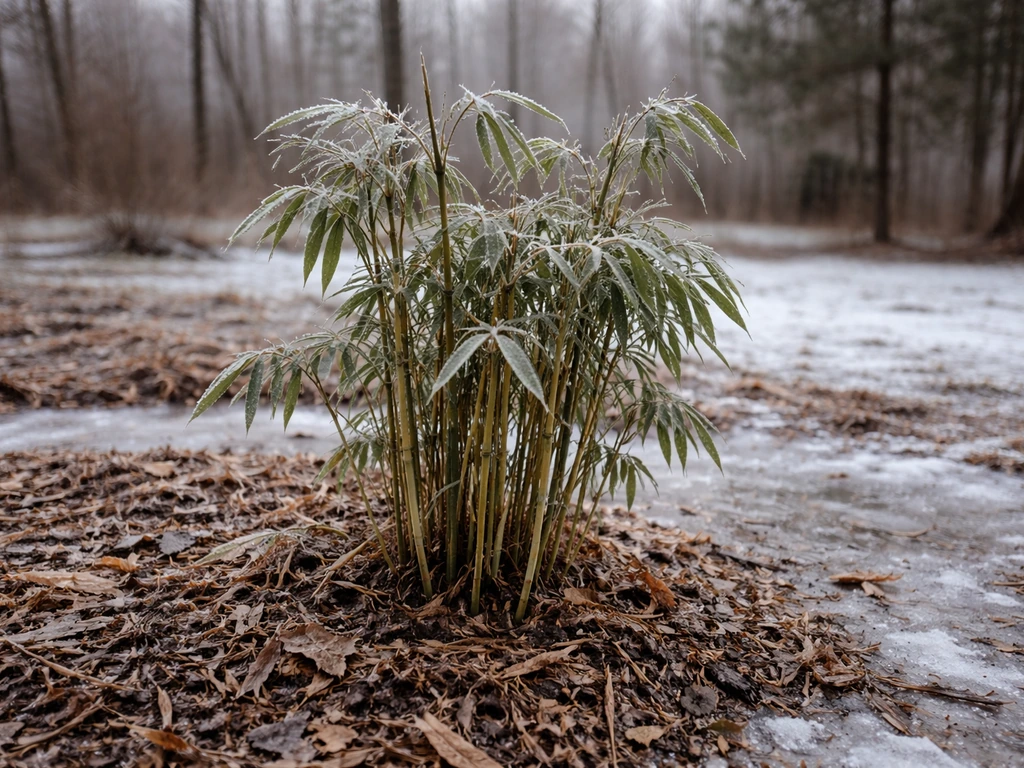
The main challenge Kentucky throws at bamboo is not the cold itself so much as the combination of cold and unpredictable temperature swings. A bamboo that handles a steady zone 6b winter in the mountains can struggle in Louisville when a warm February is followed by a hard freeze in March. The USDA hardiness zone reflects average annual extreme minimum temperatures over a 30-year period, so it's a probability statement, not a guarantee. Zone 6b means your coldest night in a typical year hits somewhere around -5°F to 0°F. Zone 7a, covering the Louisville area, typically sees lows down to 0°F to 5°F at the extreme.
The good news for bamboo growers is that bamboo survival in winter depends more on rhizome survival than on what happens to the visible canes above ground. The rhizomes sit a few inches below the soil surface, and as long as they don't freeze solid, the plant bounces back. You may walk out in spring and find every cane brown and dead-looking, yet still get vigorous new shoots in May. That's not failure, that's just how cold-marginal bamboo behaves. Understanding this distinction saves a lot of unnecessary panic in late winter.
Clumping vs. running bamboo: which one belongs in your Kentucky yard
This is the most consequential decision you'll make, so it's worth getting clear on it before you buy anything. Clumping bamboos (mainly genus Fargesia) spread slowly outward from a central point and are genuinely non-invasive. Running bamboos (mainly genus Phyllostachys) send rhizomes outward aggressively and can colonize a large area within a few years if not contained. Both groups have cold-hardy members that work in Kentucky, but they behave very differently in the ground.
Cold-hardy clumping bamboos for Kentucky
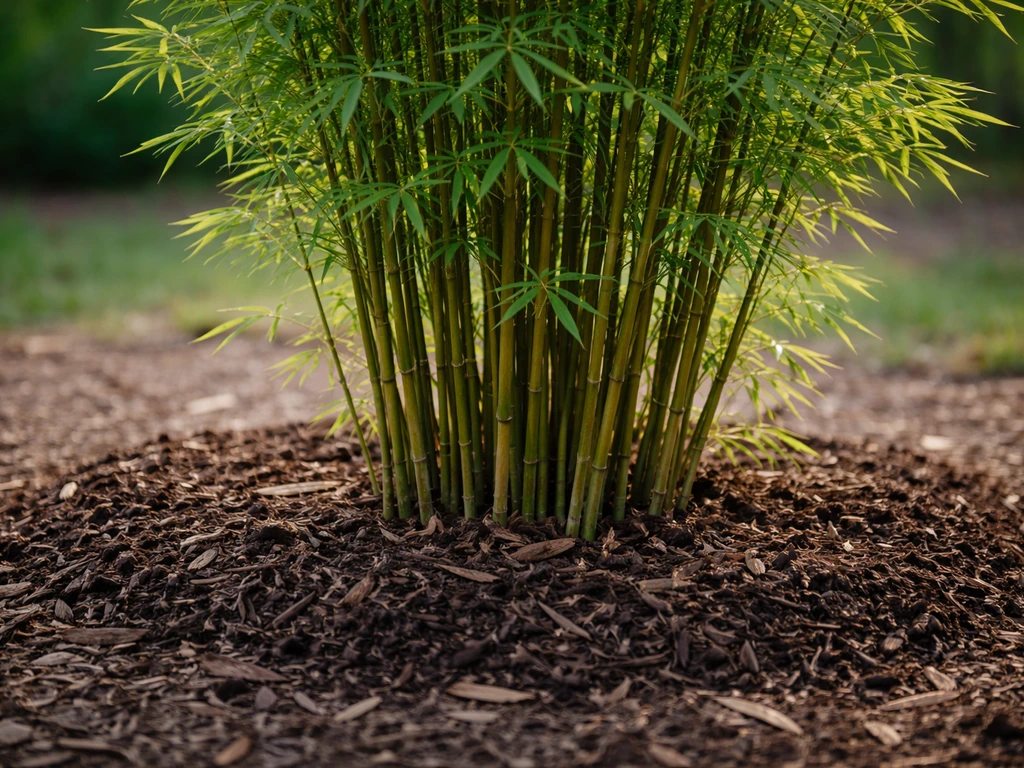
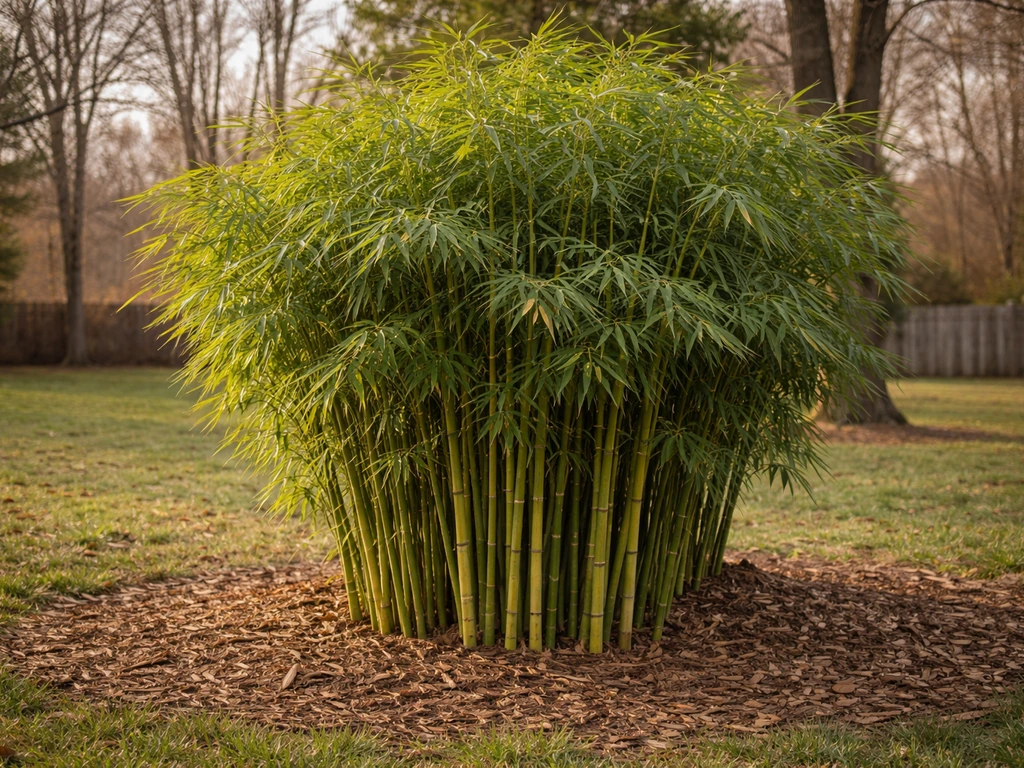
Fargesia species are the go-to clumping bamboos for cold climates, and several are rated to zone 5 or 6, making them reliable in virtually all of Kentucky. Fargesia rufa (clumping, zone 5) and Fargesia murielae (umbrella bamboo, zone 5) are both commonly available and well-suited to Kentucky winters. These are smaller plants, typically reaching 8 to 12 feet tall at maturity, and they prefer partial shade to full sun, which actually suits many Kentucky yards with afternoon tree cover. Fargesia rufa is a shade-loving clumping bamboo, and too much direct summer sun can cause yellowing or leaf burn, so providing afternoon shade helps prefer partial shade to full sun. Fargesia rufa in particular can handle more direct sun than most clumping types but may show some leaf burn in intense midsummer heat without afternoon shade.
Cold-hardy running bamboos for Kentucky
If you want a taller, faster-growing plant, several Phyllostachys species will work in Kentucky. Phyllostachys aureosulcata (yellow groove bamboo) is one of the most cold-tolerant running bamboos available, tolerating extended periods down to around -18°C (-0.4°F) with above-ground dieback but rhizome survival. Phyllostachys bissetii is another solid choice, rated to zone 5, and it handles full sun or part shade in moist, well-drained soil. Phyllostachys aurea (golden bamboo) is also viable in most of Kentucky. The catch with all of these is spread: without a physical rhizome barrier, running bamboo will expand into neighboring beds, lawns, and potentially your neighbor's yard. If you plant running bamboo in Kentucky, install a 30 to 36-inch-deep HDPE rhizome barrier around the perimeter at planting time. That's not optional in a suburban or semi-rural setting.
| Species | Type | Hardiness Zone | Height | Sun Needs | Key Note |
|---|---|---|---|---|---|
| Fargesia rufa | Clumping | Zone 5 | 8–10 ft | Part shade to full sun | Non-invasive, great for borders |
| Fargesia murielae | Clumping | Zone 5 | 10–12 ft | Part shade | Prefers afternoon shade in KY heat |
| Phyllostachys aureosulcata | Running | Zone 5 | 20–30 ft | Full sun to part shade | Extremely cold-hardy, barrier required |
| Phyllostachys bissetii | Running | Zone 5–6 | 15–20 ft | Full sun or part shade | Moist well-drained soil, barrier required |
| Phyllostachys aurea | Running | Zone 6 | 10–20 ft | Full sun | Hardy to around -10 to -15°C, barrier required |
My recommendation for most Kentucky homeowners, especially beginners: start with Fargesia rufa or Fargesia murielae. You get cold hardiness without the containment headache. If you specifically want a bamboo screen or windbreak that gets tall fast, go with Phyllostachys aureosulcata or bissetii, but install the barrier on day one. Similar considerations apply if you're looking at bamboo in neighboring states like Missouri or Kansas, where the zone and temperature-swing patterns are comparable. If you are also wondering whether a bamboo that will grow in Kentucky can be supported elsewhere, the same zone and temperature-swing logic usually applies grow bamboo in neighboring states like Missouri or Kansas. Can you grow bamboo in Kansas? Yes, you can, but it depends heavily on choosing cold-hardy varieties and protecting the root zone through winter bamboo in neighboring states like Missouri or Kansas. can bamboo grow in missouri? Bamboo can grow in Iowa too, but success depends heavily on choosing a cold-hardy clumping type and protecting the root zone over winter can bamboo grow in iowa. It follows similar zone and temperature-swing patterns, so the same species and site protection choices matter bamboo in neighboring states like Missouri.
When to plant and how to set up your site
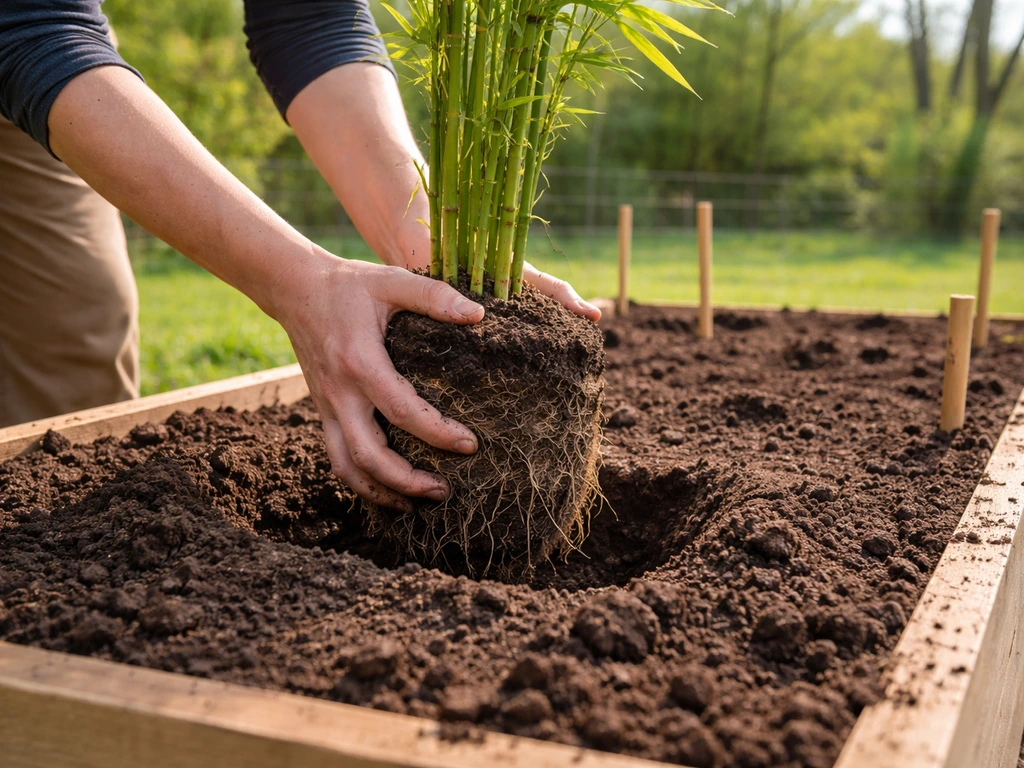
In Kentucky, spring is the best time to plant bamboo, and that means after your last frost date. For Lexington, that's typically around mid-April. For Louisville and western Kentucky, you can often go a week or two earlier. Spring planting gives the plant an entire growing season to establish roots before facing its first Kentucky winter, which dramatically improves survival rates. You can plant container-grown bamboo in summer too, but you'll need to be more vigilant about watering. If you're starting from rhizome cuttings without attached roots, plant specifically in spring, as the University of Kentucky's crop diversification profile explicitly recommends for rhizome cuttings in this region.
Site selection matters more than most people think. South or southeast-facing spots, especially those backed by a wall or fence, can effectively add a half to a full hardiness zone worth of warmth compared to an open exposed location. That wall absorbs heat during the day and radiates it back at night, which can be the difference between rhizome survival and rhizome loss during a hard freeze. Wind exposure is the other big factor. Cold, drying winter winds desiccate bamboo foliage and stress rhizomes, so a spot with some natural windbreak from buildings, hedges, or trees to the north and west is ideal. This is consistent with site guidance from both the University of Kentucky's crop diversification program and the American Bamboo Society.
Soil, sunlight, water, and feeding
Soil and drainage
Bamboo does best in well-drained, moist, fertile soil. Kentucky's soils vary quite a bit, from the clay-heavy soils of the Bluegrass region to sandier soils in western Kentucky. Heavy clay is the biggest issue: bamboo can tolerate moderate clay but will struggle in waterlogged conditions. If your site stays wet after rain, amend the planting area with compost and coarse material to improve drainage, or build a slightly raised planting bed. A soil pH of 5.5 to 7.0 is the general sweet spot for most bamboo species. Most Kentucky soils fall within that range, but it's worth doing a quick soil test if you're not sure. Your local county extension office can handle that for a few dollars.
Sunlight
Most bamboos prefer full sun, but in Kentucky's hot summers, some species benefit from afternoon shade. Running Phyllostachys species are the most sun-tolerant and will push harder growth in a full-sun spot. Fargesia clumpers genuinely prefer morning sun and afternoon shade, especially in central and eastern Kentucky where summer heat can scorch foliage. A spot that gets 4 to 6 hours of direct sun, mostly in the morning, is close to ideal for Fargesia types.
Watering
During the first growing season, water frequently, every one to two days in dry weather, to keep the root zone moist. Once established (after the first full season), bamboo is reasonably drought-tolerant but grows better with consistent moisture. A good rule for established plants is about two to three deep waterings per week in normal summer weather, adjusting based on rainfall and soil type. Check soil moisture a few inches down rather than relying on surface appearance alone. One important note for late fall: do a deep watering before the ground freezes, as this helps the rhizomes enter winter better hydrated. However, avoid watering right before a hard freeze if temperatures will drop below what your variety can handle, as excess soil moisture in that situation can increase freeze damage.
Fertilizing
Bamboo is a heavy nitrogen feeder when it's actively growing. Apply a balanced, nitrogen-rich fertilizer (something like a 16-4-8 or similar lawn-type fertilizer works fine) in early spring as new shoots emerge and again in early summer. Don't fertilize after midsummer in Kentucky: late-season nitrogen pushes tender new growth that won't harden off before frost. Keep the rhizome zone mulched with 2 to 3 inches of organic mulch year-round to retain moisture and add slow-release nutrients as it breaks down.
Winter protection: keeping your bamboo alive through a Kentucky winter
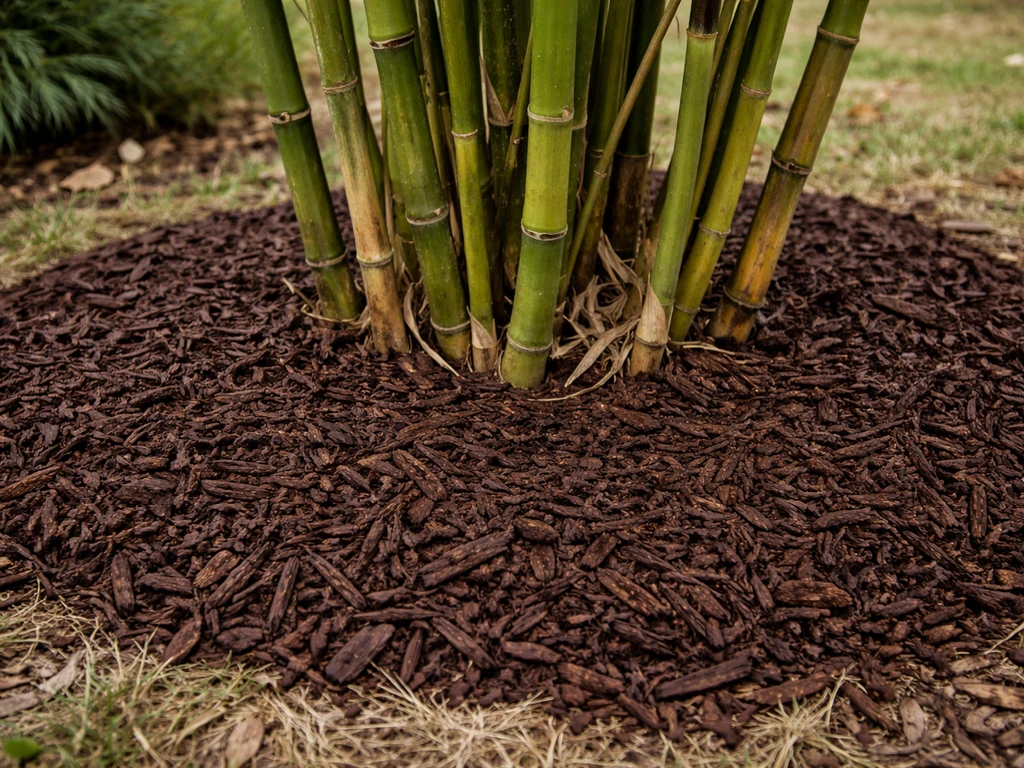
Winter protection is where Kentucky bamboo growing gets decided. Here's what actually makes a difference:
- Apply 3 to 4 inches of mulch over the root and rhizome zone before the first hard freeze, typically by mid-October in Lexington or early November in Louisville. Shredded leaves, wood chips, or straw all work. The goal is to keep soil from freezing solid around the rhizomes.
- For taller running bamboo, use burlap wrapping or a temporary windbreak of burlap on the windward side to reduce desiccation from cold winter winds. This matters most in exposed locations.
- For newly planted first-year bamboo in cold spots (zone 6a or colder), consider adding an extra layer of mulch inside the rhizome perimeter, piling it 4 to 6 inches deep over the root zone specifically.
- Do a deep watering in late October or early November, before the ground freezes, to send the plant into dormancy with adequate moisture in the rhizomes.
- In spring, resist the urge to cut down dead-looking canes immediately. Wait until late April or early May and do a scratch test: scratch the outer layer of a cane with your fingernail. Green tissue underneath means the cane is alive or dormant. Brown, dry tissue all the way through means that cane is dead and can be cut to the ground. New shoots will emerge from surviving rhizomes even if every cane above ground is dead.
Aboveground dieback in Kentucky winters is normal and not a sign that your bamboo is dead. What kills bamboo in Kentucky is rhizome freezing, usually from a combination of very cold temperatures, no snow cover, and no mulch. Protect the root zone and you're almost certainly fine, even after a rough winter.
How fast will bamboo grow in Kentucky, realistically
Manage your expectations for the first two years. Bamboo follows a well-documented pattern that frustrates a lot of new growers: it spends year one and two building out its rhizome system underground while producing relatively modest aboveground growth. Year three is usually when things visibly take off. This is true everywhere bamboo grows, and Kentucky is no exception.
For clumping Fargesia types, expect 1 to 2 feet of height gain per year once established, with very slow lateral spread of just a few inches annually. After five to seven years you'll have a well-developed clump 8 to 10 feet tall. For running Phyllostachys types, once established (year three onward), you can expect 3 to 5 feet of new cane height gain per year, with the grove spreading 3 to 5 feet outward annually if uncontained. New shoots in an established Phyllostachys grove emerge in spring and reach their full height in a matter of weeks, which is the part that genuinely looks dramatic.
In Kentucky's climate, establishment may take a season longer than in warmer states like Tennessee or North Carolina, simply because each winter sets growth back a bit until the rhizome system is large and deep enough to power through cold without significant damage. Be patient through years one and two, keep the mulch on, and the payoff in year three is real.
Container growing vs. in-ground, and your next steps right now
Containers: the tradeoffs in Kentucky
Growing bamboo in containers is a popular option for people who want to keep things manageable or who are renting and can't plant in ground. It works, but there's a serious winter risk that you need to plan around: container soil freezes faster and colder than in-ground soil, exposing the rhizomes to temperatures that would be survivable if they were insulated by earth. In a Kentucky winter, a pot sitting on a deck will freeze solid through much of January and February. The practical solution is to either move containers into an unheated garage or shed when temperatures consistently drop below 20°F, or heavily insulate the pot with bubble wrap, burlap, and mulch on top, and push it against a south-facing wall. An unheated garage is genuinely the better option for zone 6 winters.
Your actual next steps if you want to start now
If you're reading this in June 2026, you're past the ideal spring planting window but still within a workable summer planting range. Container-grown bamboo can go in the ground now with attentive watering. Here's a practical action sequence:
- Decide on species based on your site: Fargesia rufa or murielae for part-shade, non-invasive use; Phyllostachys aureosulcata or bissetii for a taller screen or full-sun spot (with barrier).
- Choose your site: south or southeast facing, protected from north and west winter winds, with good drainage.
- Get a soil test through your county's UK Cooperative Extension office if you're unsure about drainage or pH.
- If planting a running type, trench and install your rhizome barrier (30 to 36 inches deep, leaving 2 inches above ground to catch surface runners) before the plant goes in.
- Plant now with a container-grown specimen, water deeply every one to two days for the first month, and then settle into a regular schedule.
- Mulch the root zone with 2 to 3 inches of organic material immediately after planting.
- By mid-October, add extra mulch depth over the root zone and set up any windbreak protection before the first frost.
- In spring, wait for the scratch test before cutting anything back, then let the plant tell you what survived.
The bottom line is that bamboo growing in Kentucky is not a gamble when you pick the right species. Phyllostachys aureosulcata and bissetii, plus the Fargesia clumpers, have proven themselves in climates colder than Kentucky. Your job is to give them a smart site, protect the rhizomes through the first couple of winters, and stay patient through the slow establishment phase. Do those things and you'll have bamboo that genuinely thrives.
FAQ
How can I tell if my bamboo rhizomes survived after a Kentucky winter?
In late spring, gently scrape away a little mulch and check for firm, not mushy, rhizomes 3 to 6 inches down. If you see new shoots later but the canes stayed brown, that usually means the rhizomes survived and the plant is re-growing from underground. If rhizomes feel hollow, soft, or have a strong rotting smell, survival is unlikely.
What mulch should I use in Kentucky, and how deep should it be?
Use 2 to 3 inches of an organic mulch such as shredded leaves, pine bark, or composted wood chips, keeping it slightly away from cane bases so they can breathe. Avoid dense, water-retaining mulches that form a soggy mat, because prolonged wetness in winter can increase freeze-thaw injury.
Should I cut back dead bamboo canes in late winter?
Wait until after the worst cold has passed, then remove only clearly dead, brittle canes once you see green tissue or new shoots starting. Cutting too early, especially during late cold snaps, can add stress and makes it harder to judge whether the rhizome is still alive.
Do I need a rhizome barrier if I plant clumping bamboo like Fargesia?
Usually no. Clumping types spread slowly outward from the base and are considered non-invasive in typical home settings. However, if your goal is absolute containment, installing a shallow edge barrier anyway can help define the bed line, but it generally is not required for Fargesia.
My running bamboo is in a bed, but I didn’t install a barrier. What should I do now?
You can still reduce spread by installing a barrier as soon as you notice expansion, but it is harder to do after rhizomes have traveled. Dig a trench around the area you want to contain (30 to 36 inches deep), install the HDPE barrier, and remove as many escaped rhizomes as possible. Expect ongoing root management for at least a season.
What’s the best time to water before winter, and how much is enough?
Give a deep watering when the ground is still workable but before freezing weather starts, so moisture is available to the rhizomes through winter. A practical approach is watering until the top several inches are fully soaked, then stop before a hard freeze. Don’t keep the area constantly saturated through repeated warm spells and freezes.
Can bamboo survive Kentucky winters without snow cover?
It can, but survival is less reliable when you remove the natural insulation effect. Snow helps moderate soil temperature, and without it you need dependable mulch over the root zone plus a well-drained planting area to prevent prolonged wet cold conditions.
Is full sun always better for bamboo in Kentucky?
Not necessarily. Running Phyllostachys types tolerate more direct sun, but Fargesia clumpers usually perform best with morning sun and afternoon shade to avoid leaf scorch during hot midsummer. If your site bakes in the afternoon, add shade from nearby trees or use a location that gets morning light only.
What soil tests or amendments are most worth doing in Kentucky?
A quick pH test is useful, since bamboo generally prefers about pH 5.5 to 7.0. If you have clay-heavy soil, focus on drainage first, by mixing compost with coarse material and, if needed, planting in a slightly raised bed. Fertilizing without fixing poor drainage is a common reason for weak growth.
How do I manage bamboo that’s planted too late in the season?
If you missed spring planting and temperatures are cooling fast, shift your priorities to root establishment: keep mulch on, water consistently until the ground starts to freeze, and avoid late nitrogen. For stressed new plants, winter protection and drainage matter more than pushing growth with fertilizer.
Why is my bamboo growing slowly in years one and two, and is that normal in Kentucky?
Yes, it is normal. Many bamboos focus on building their rhizome system underground first, so aboveground height can look minimal. In Kentucky, this can take a little longer because winters can set growth back, so growth acceleration often shows up more clearly around year three.
What are common signs of winter problems I should look for in March or April?
Expect brown, dead-looking canes, that alone does not mean failure. The real warning signs are mushy or rotten rhizomes when you check below the mulch, repeated dieback with no new shoots later in spring, and persistent soggy ground around the crown.
Can I grow bamboo in Kentucky in a container on a patio?
You can, but it is higher risk because container soil freezes faster than in-ground soil. The safer plan is moving the pot into an unheated garage or shed during prolonged cold below about 20°F, or using heavy insulation and placing it against a south-facing wall. Plan for overwintering logistics before you buy the plant.
Next Article
Can Bamboo Grow in Iowa? Cold-Hardy Guide and Steps
Learn if bamboo can grow in Iowa and get step by step tips on cold hardy types, planting, winter protection, and timelin