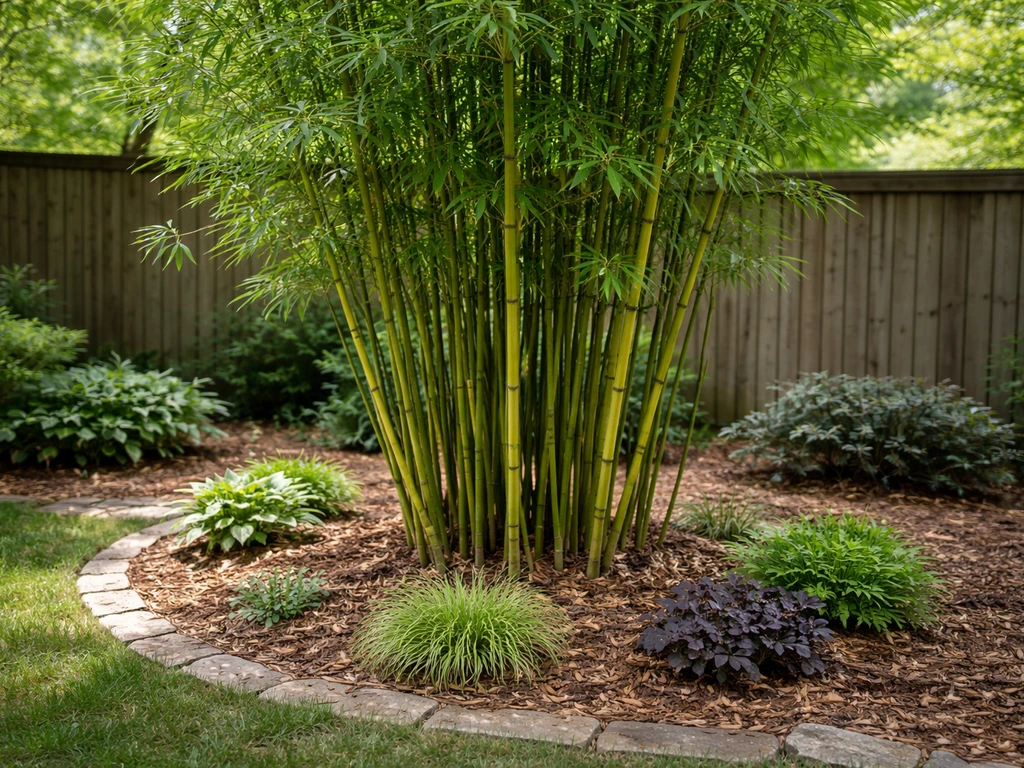
Yes, bamboo grows very well in Georgia. In fact, the blank" rel="noopener noreferrer">University of Georgia Cooperative Extension has an entire bulletin dedicated specifically to growing bamboo in Georgia conditions, which tells you everything you need to know about how seriously viable this plant is here. Georgia's warm, humid climate is genuinely close to ideal for many bamboo species, and with the right variety selection and a little planning, you can have a thriving grove, a dense privacy screen, or a beautiful specimen planting within just a few seasons.
Does Bamboo Grow in Georgia Yes and How to Grow It
Marcus Hartwell
17 May 2026
Clumping vs. Running Bamboo: Which One Belongs in Your Georgia Yard
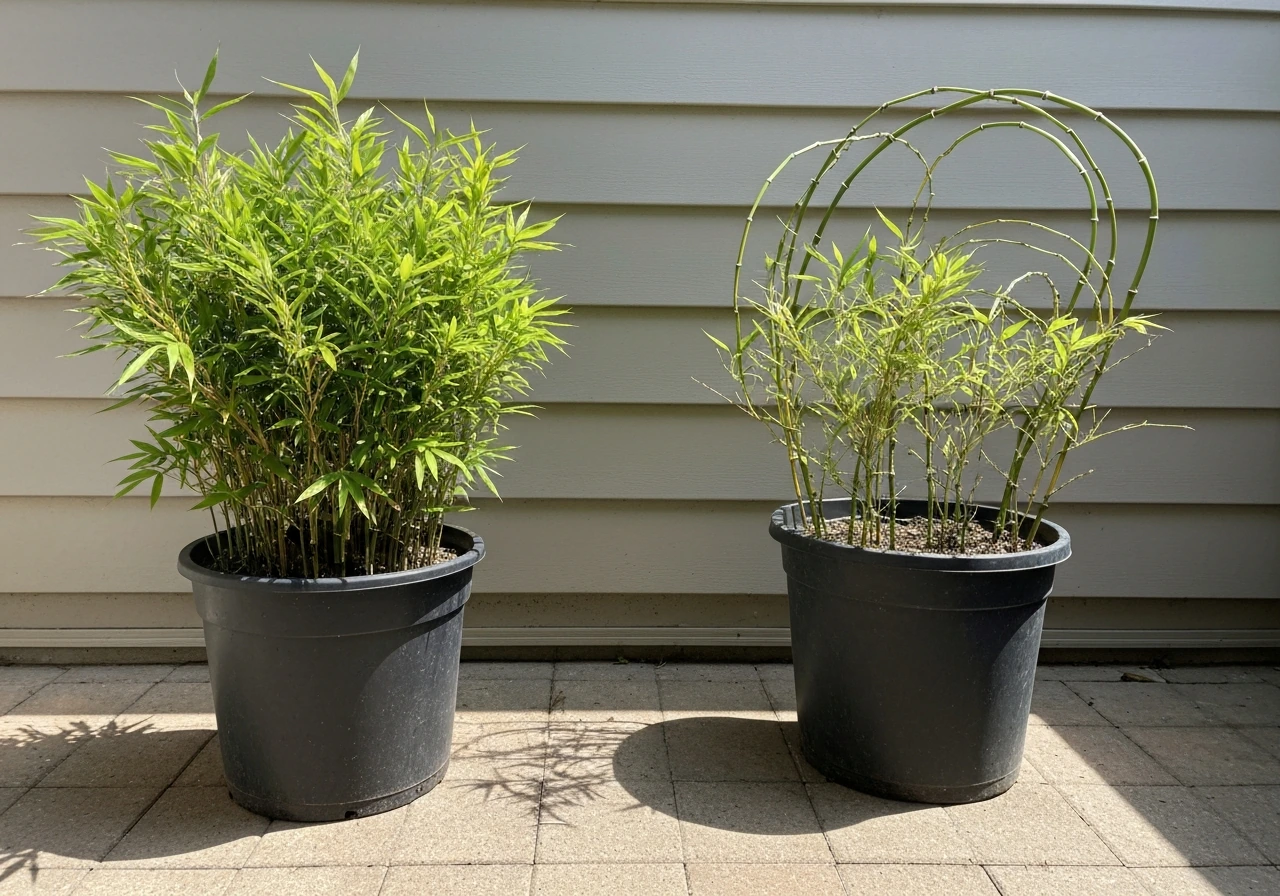
This is the most important decision you'll make before planting, and it's worth spending real time on it. There are two fundamentally different growth habits in bamboo, and they behave very differently in Georgia's conditions.
Clumping Bamboo (Non-Invasive)
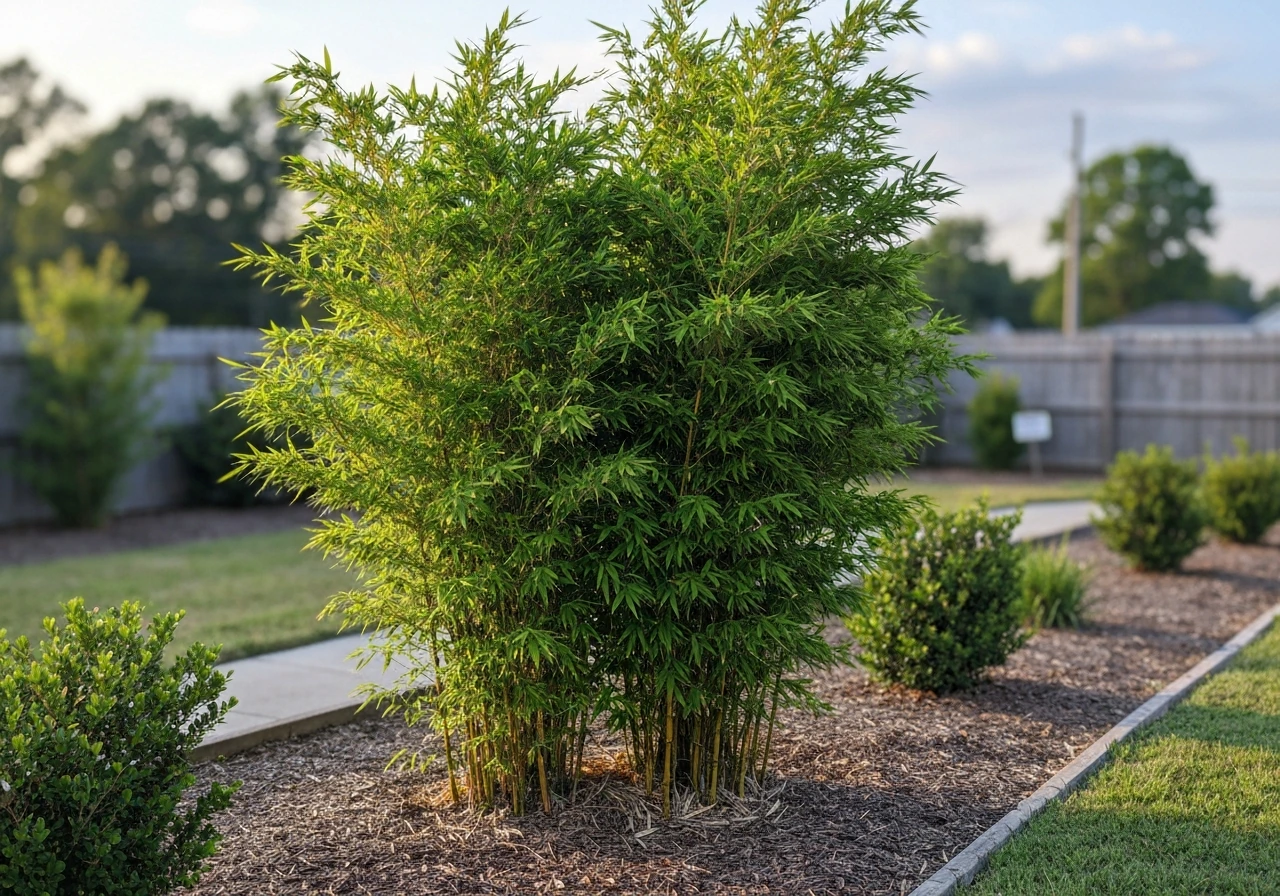
Clumping bamboos spread slowly outward from a central root mass, maybe a few inches per year. They stay where you put them. For most homeowners, this is the smarter choice. In Georgia, popular clumping species include Fargesia (though it prefers cooler spots and partial shade) and Bambusa varieties, which genuinely thrive in Georgia's heat. Bambusa multiplex (Hedge Bamboo) is a standout for Georgia gardens. It handles heat well, looks beautiful, and won't creep into your neighbor's yard five years from now.
Running Bamboo (Invasive Without Management)
Running bamboos spread via underground rhizomes that can travel six to ten feet or more in a single growing season in warm climates. In Georgia's long, warm growing season, running bamboo spreads aggressively, and the UGA Extension explicitly flags these as potentially invasive in Georgia gardens. That doesn't mean you can't grow them, but you must contain them. Phyllostachys species like Phyllostachys aurea (Golden Bamboo) and Phyllostachys nigra (Black Bamboo) are among the most popular running types in Georgia. They're stunning and grow tall quickly, but they require a physical rhizome barrier or container planting to keep them in check.
| Feature | Clumping Bamboo | Running Bamboo |
|---|---|---|
| Spread habit | Slow, outward from center | Fast, underground rhizomes |
| Invasiveness risk | Low (non-invasive) | High without containment |
| Best for Georgia | Landscaping, small yards, near structures | Large properties, contained spaces |
| Example species | Bambusa multiplex, Bambusa oldhamii | Phyllostachys aurea, Phyllostachys nigra |
| Containment needed | No | Yes — HDPE barrier recommended |
| Heat tolerance | High (Bambusa types) | Moderate to high |
If you have a small or mid-sized yard, go clumping. If you have acreage and want a fast-growing windbreak or grove and you're willing to install a root barrier, running bamboo can be a great option. Just don't plant a running species near your property line or a neighbor's fence without a barrier in place first.
Georgia's Climate and What It Means for Bamboo
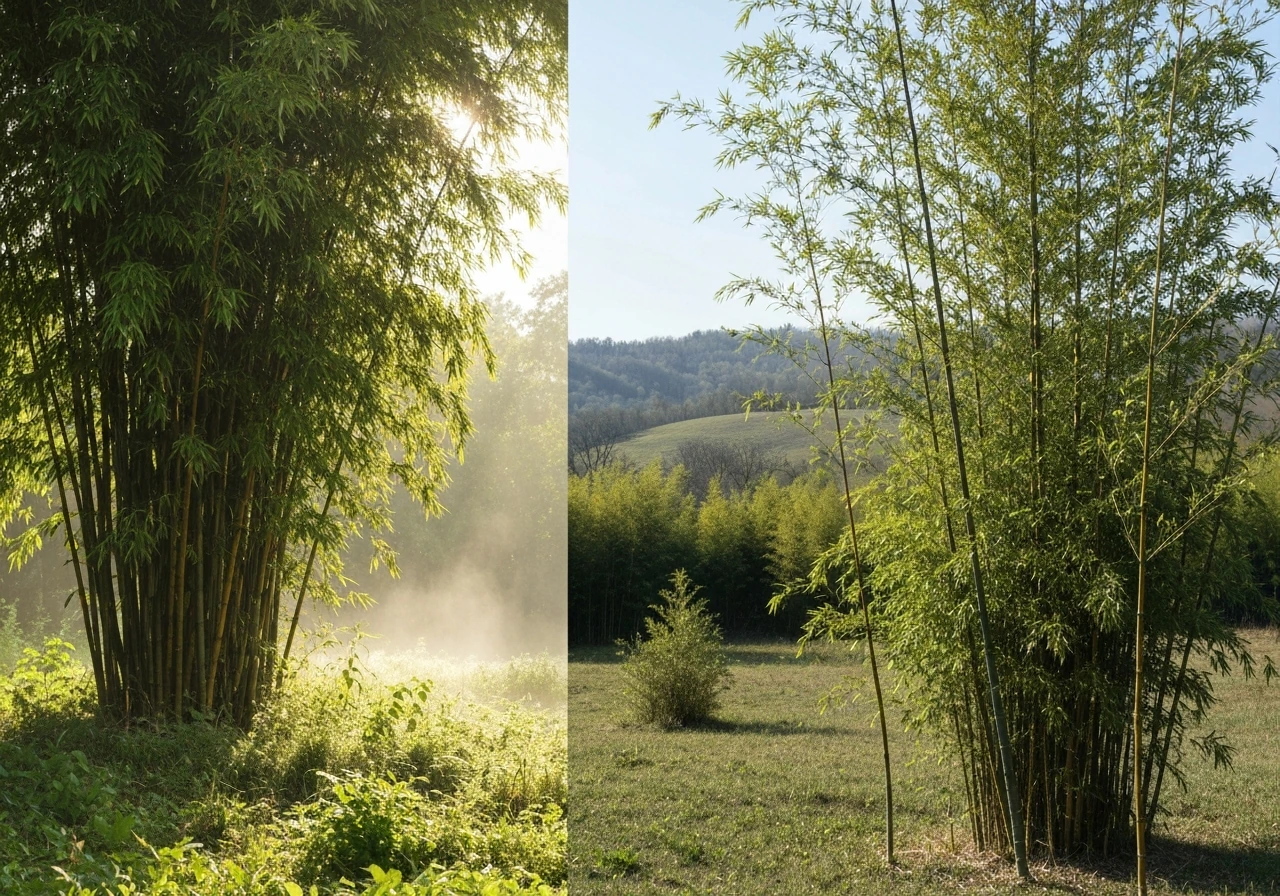
Georgia spans USDA hardiness zones 6b through 9a, from the mountain counties in the north to the subtropical coast near Brunswick and Savannah. That range matters a lot for bamboo selection. Most of Georgia sits in zones 7b to 8b, which is genuinely excellent bamboo territory. Coastal and south Georgia gardeners in zones 8b and 9a can grow a wide range of tropical and subtropical clumping bamboos that struggle anywhere further north. If you’re asking about North Carolina specifically, the shorter growing season and colder winters mean hardier clumping types usually have the best chance, while many bamboo varieties need careful protection North Carolina winters.
Heat and Humidity
Georgia summers are hot and humid, with temperatures regularly pushing into the 90s°F from June through August. Most bamboo species actually love this. Bambusa species in particular are adapted to hot, humid subtropical conditions, similar to their native ranges in Southeast Asia. The humidity reduces the plant's stress load, and the long warm growing season means bamboo has more months to put on new culms (the individual canes) each year compared to growing it in Tennessee or North Carolina, where the season is shorter.
Winter Cold and Hardiness
This is where location in Georgia matters most. In north Georgia, especially in the foothills and mountain regions (zones 6b to 7a), winter temperatures can drop to 0°F or even below in harsh years. That rules out many tropical bamboo species. Phyllostachys species are generally hardy to zone 6 or 7, making them viable in most of Georgia. Bambusa multiplex is hardy to about 15°F (zone 8a), which means it's a better fit for central and south Georgia rather than the mountains. If you're in Atlanta (zone 7b to 8a), you're in a sweet spot where both hardier running types and tougher clumping types can coexist.
Site Exposure Considerations
In north Georgia, give bamboo a spot with some wind protection on the north side, especially young plants in their first two winters. A fence, wall, or existing tree line can make a meaningful difference. In south and coastal Georgia, full sun and good air circulation are your friends, as the heat is less of a problem than the occasional heavy rain and root-level saturation during storm season.
How to Plant Bamboo in Georgia: Step by Step
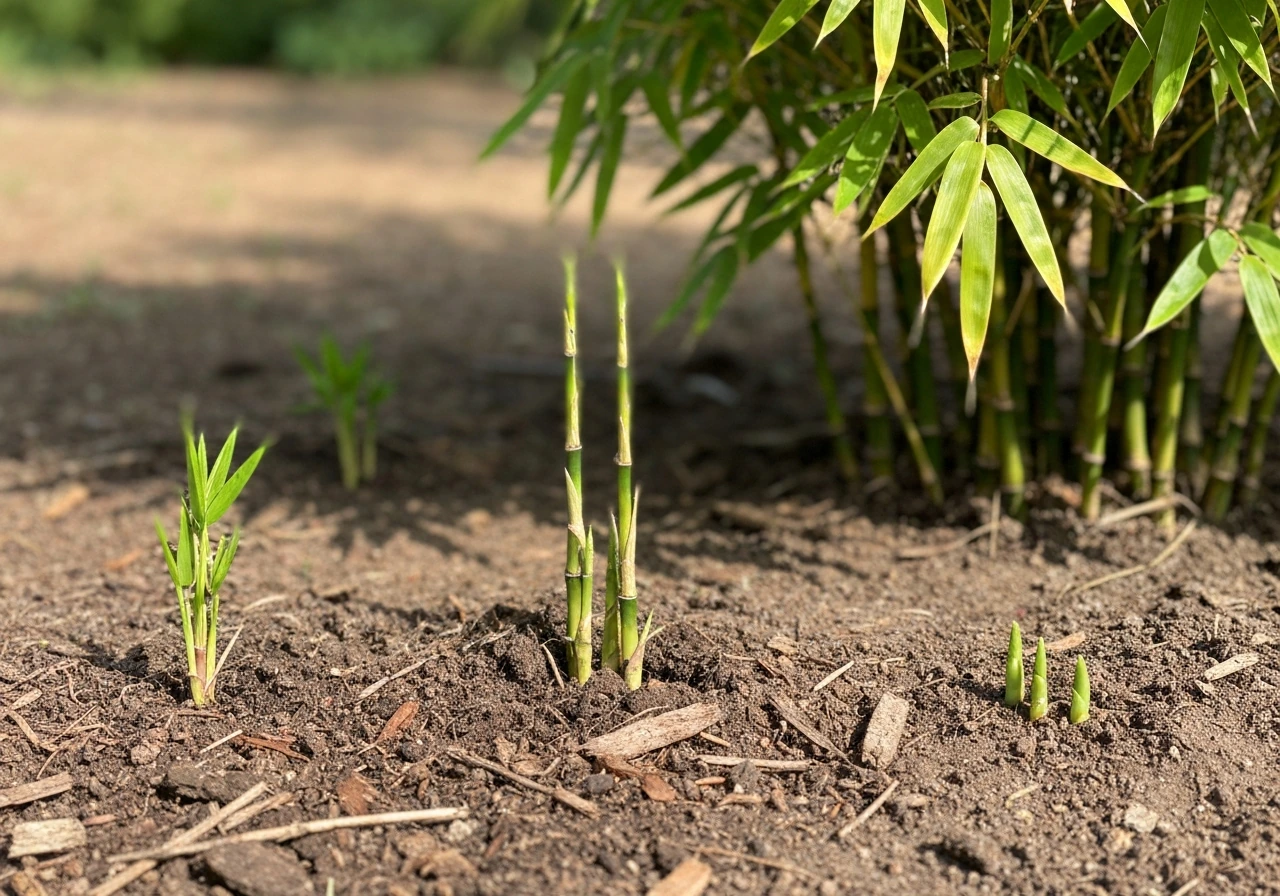
Timing
Spring is the best planting window in Georgia, ideally from late March through early May when soil temperatures are warming but before the intense heat sets in. This gives roots a full growing season to establish before winter. Fall planting (September to October) is a workable second option in central and south Georgia, since winters are mild enough for roots to continue developing slowly.
Choosing a Site
- Full sun to partial shade: Most bamboo in Georgia performs best with at least four to six hours of direct sun daily. In south Georgia's extreme summer heat, light afternoon shade can actually reduce stress on new plantings.
- Good drainage: Bamboo hates wet feet. Avoid low spots that collect standing water after rain. If your soil drains slowly, raised beds or berm planting work well.
- Distance from structures and property lines: Running bamboo rhizomes can travel under sidewalks and fences. Keep running types at least ten feet from any structure, and install a barrier before planting.
- Room to grow: Even clumping types expand over time. Give them space proportional to the mature diameter stated on the plant tag.
Soil Preparation
Georgia soils range from heavy red clay in the Piedmont to sandy loam in the coastal plain. Neither extreme is ideal out of the box, but both can be amended easily. Bamboo prefers a well-draining, slightly acidic soil with a pH between 5.5 and 6.5, which happens to align well with Georgia's naturally acidic soils. Before planting, work in two to four inches of compost across the planting area and till it into the top twelve inches. If you're dealing with heavy clay, adding coarse sand and compost together improves drainage meaningfully. Skip the heavy clay soils entirely if you can by building a raised bed or choosing a higher spot.
Planting Steps
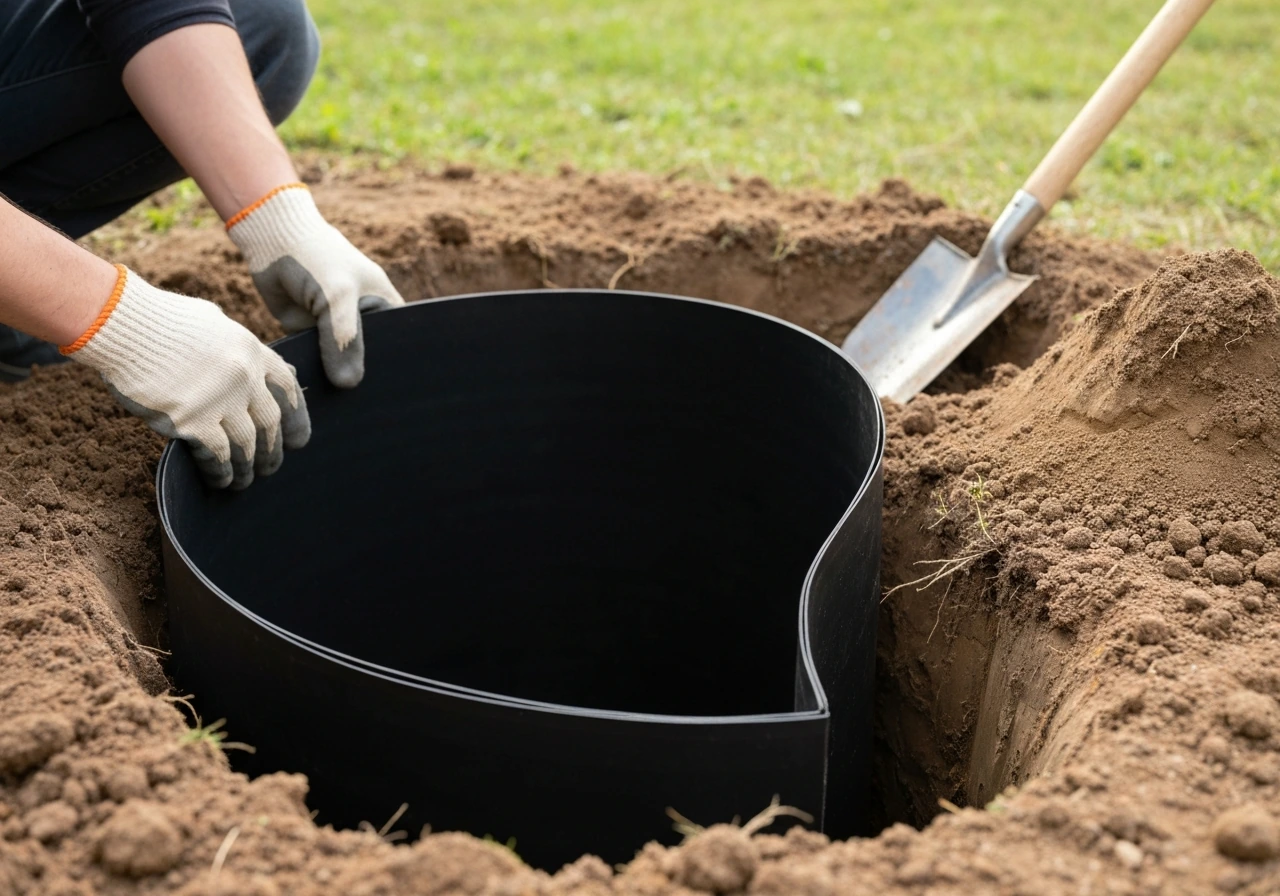
- If planting running bamboo, install an HDPE rhizome barrier (at least 60 mil thickness) around the planting area. It should extend at least 28 to 30 inches deep and protrude two inches above soil level so rhizomes don't arch over the top.
- Dig a hole about twice as wide as the root ball and roughly the same depth. Bamboo roots spread wide rather than deep.
- Remove the plant from its container and gently loosen the outer roots if they're circling.
- Set the plant so the top of the root ball sits at or slightly above ground level — never below grade, especially in heavy soils.
- Backfill with your amended native soil, tamping lightly to remove air pockets.
- Water thoroughly at planting — the goal is to saturate the entire root zone, not just wet the surface.
- Apply a three to four inch layer of mulch over the root zone, keeping it a few inches away from the culms themselves.
Watering, Fertilizing, and Mulching
Watering
The first year is critical. New bamboo in Georgia needs consistent moisture while it's establishing, especially through the first summer when heat is intense. Water deeply two to three times per week during dry spells, giving the root zone a thorough soak rather than a light sprinkle. Once established (after the first full year), bamboo is surprisingly drought-tolerant, though it will always perform better with regular moisture during the spring shooting season. Georgia typically gets 45 to 50 inches of rainfall annually, which is generous, but summer dry spells are common and irrigation makes a real difference during those windows.
Fertilizing
Bamboo is a grass, and like all grasses it responds well to nitrogen. Apply a balanced slow-release fertilizer with a higher nitrogen ratio, something like a 16-4-8 or similar lawn-type granular fertilizer, in early spring just before new growth pushes. A second application in early summer can boost culm production during the shooting season. Avoid heavy fertilization in fall, as you don't want to push tender new growth right before winter. For clumping types, a light topdressing of compost each spring doubles as both fertilizer and soil amendment.
Mulching
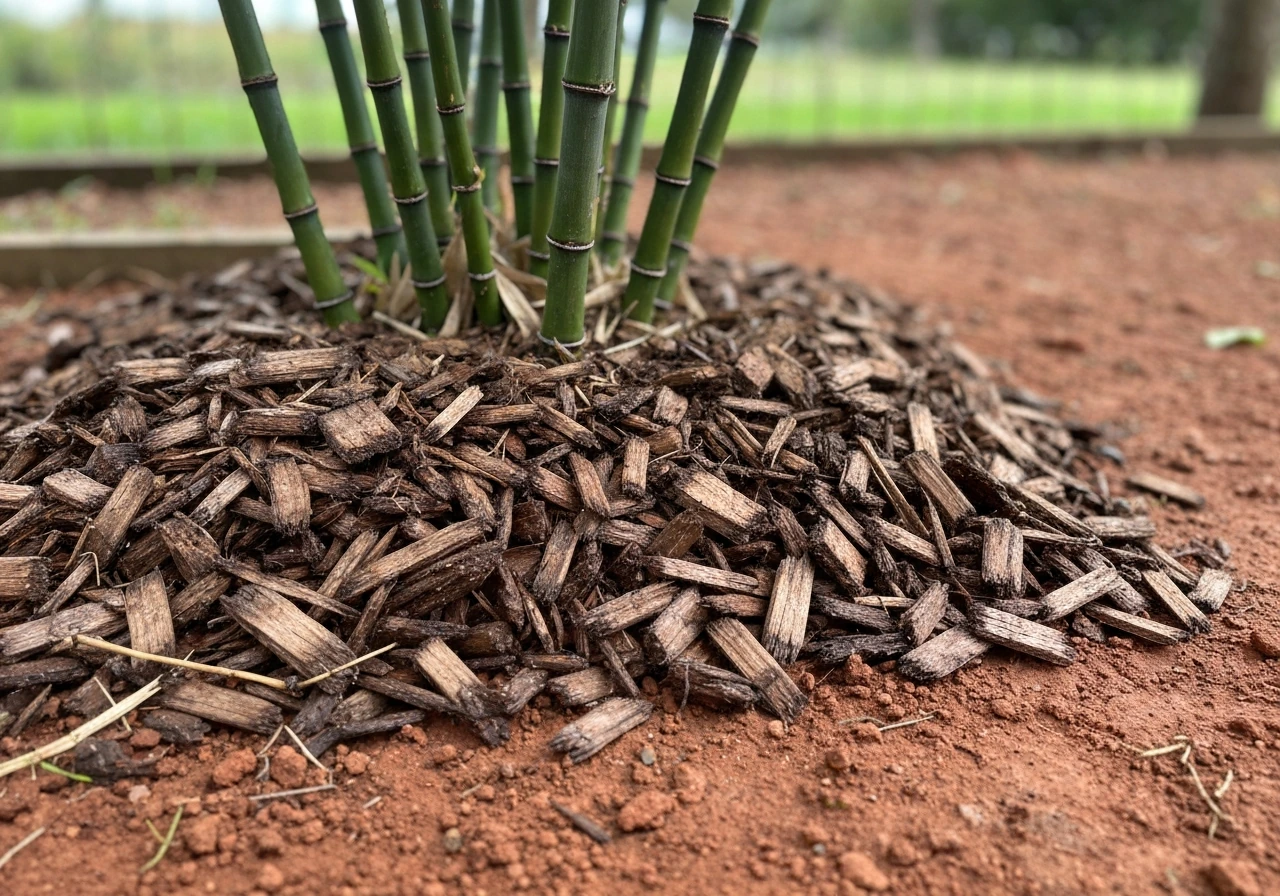
Mulch is one of the most impactful things you can do for bamboo in Georgia. A three to four inch layer of wood chip mulch keeps the soil cool and moist during Georgia's brutal July and August heat, suppresses weeds that compete for nutrients, and protects rhizomes from temperature extremes in north Georgia winters. Replenish mulch each spring as it breaks down. Fallen bamboo leaves are also excellent mulch, let them accumulate naturally around the base of the plant.
What to Realistically Expect: Growth Rate and Timeline
There's a well-known saying about bamboo: the first year it sleeps, the second year it creeps, the third year it leaps. That's genuinely accurate, and Georgia's climate actually accelerates this timeline compared to cooler states like North Carolina or Tennessee. Here's what a realistic timeline looks like:
| Year | What Typically Happens in Georgia |
|---|---|
| Year 1 | Little visible above-ground growth. The plant is building its root system. Don't panic — this is normal and essential. |
| Year 2 | A few new shoots emerge, often taller than the original culms. Clumping types widen slightly. Running types may send a rhizome or two outward. |
| Year 3 | Noticeable expansion begins. New culms are significantly thicker and taller than previous years. Running types begin spreading more actively. |
| Years 4–5 | Established grove behavior. Full shooting season each spring with many new culms. Running types require active management if not contained. |
| Mature grove | Shooting season produces dozens of new culms each spring. A well-established Phyllostachys grove in Georgia can add culms 30–40+ feet tall. |
Georgia's long growing season and warm summers give bamboo more time to photosynthesize and store energy compared to growers further north. A Phyllostachys aurea planted in middle Georgia can reach 20 feet in three years under good conditions. Bambusa oldhamii (Giant Timber Bamboo), which thrives in south Georgia's zone 8b to 9a conditions, is one of the fastest-growing bamboos in the world and can add several feet per day during peak shooting season once established.
Ongoing Care, Problem-Solving, and Keeping Bamboo in Bounds
Managing Culms and Thinning
Every year your bamboo grove produces new culms, and older culms gradually die off over three to seven years. Remove dead or dying culms at ground level to keep the grove healthy and looking good. Thinning out older, smaller culms also channels the plant's energy into producing larger, more vigorous new shoots. This is something you do in late winter or early spring before the new shooting season begins.
Containing Running Bamboo
If you planted running bamboo without a rhizome barrier, you'll need to do regular rhizome pruning. Walk the perimeter of your planting in late summer and early fall, looking for rhizomes that have ventured beyond where you want the grove to go. Cut them with a sharp spade or mattock and remove the section of rhizome entirely. Doing this annually keeps the spread manageable. If you let it go unchecked for several years in Georgia's warm climate, reclaiming the space becomes a significant project.
Winter Protection for Borderline Hardy Varieties
In north Georgia (zones 6b to 7a), bamboo leaves may brown and drop after hard freezes, but established plants with healthy rhizomes usually push new growth in spring. For young plants in their first or second winter, a few inches of extra mulch over the root zone provides meaningful insulation. If you're pushing the cold hardiness limits of a species, wrapping culms loosely in burlap during extreme cold snaps can reduce damage. Once a plant has been in the ground for three or more years, the root mass is large enough to survive most of what Georgia throws at it.
Pests and Disease
Bamboo in Georgia is relatively problem-free compared to many landscape plants. The most common issues are mites and aphids during hot, dry weather, which are easily managed with a strong spray of water or insecticidal soap if populations get out of hand. Root rot is possible in poorly drained soils, which is why site selection and drainage matter so much upfront. Fungal leaf spot can appear during very wet periods but rarely causes serious damage to otherwise healthy plants. Keeping good air circulation by not planting too densely and maintaining a clean mulch layer goes a long way toward preventing these issues.
A Note on Neighboring States
Georgia sits in a particularly favorable band for bamboo growing in the Southeast. In neighboring Oklahoma, bamboo can be possible in the right sheltered location and with the right hardy clumping varieties does bamboo grow in oklahoma. Bamboo can also grow in Texas, but you need to choose varieties that match your Texas heat and winter cold and plan for watering does bamboo grow in texas.
If you've read about bamboo growing in Florida to the south, Alabama to the west, or North Carolina to the north, you'll find Georgia is a close match to all three in terms of climate range, though it bridges the gap nicely between the more tropical conditions of Florida and the cooler winters of the Carolinas and Tennessee. You can expect bamboo to grow in Alabama as long as you choose hardy varieties and match your planting to the local winter cold and heat.
Yes, bamboo can grow in Florida, but you will need to match the right species to the state’s warm, humid conditions and provide appropriate care bamboo growing in Florida. That variety in climate within Georgia itself is why variety selection based on your specific zone matters more here than in states with more uniform climates.
FAQ
Can I grow bamboo in containers in Georgia, or does it have to be in the ground?
Yes, but treat it as a container garden question. In Georgia, you still need the right hardiness match for your zone, plus extra winter protection because pot temperatures swing more than ground temperatures. Use a large pot with drainage holes, keep it sheltered from north winds, and top the root zone with mulch or insulation during cold snaps to reduce freeze-thaw stress.
Why does my bamboo in Georgia smell bad or rot near the base?
The biggest smell comes from diseased or stressed growth, not normal bamboo litter. If you notice a sour odor plus mushy base culms or foul-smelling soil, suspect root rot and improve drainage immediately (and consider removing any severely affected clumps). In most healthy plantings, fallen leaves should break down without a strong odor.
What should I do if my bamboo looks dead after a hard winter in north Georgia?
Don’t panic if culms die back after a tough winter. In north Georgia, some top growth can brown from freeze damage, but healthy rhizomes usually re-shoot in spring. Focus on protecting young plants (mulch, wind protection), and wait until the growing season to decide whether to remove dead culms.
Is it safe to plant bamboo near a septic system or drain field in Georgia?
Yes, but you must manage it as a moisture control system. Running bamboos can be contained with a properly installed rhizome barrier at planting time, however the barrier still needs maintenance checks. For clumping types, keep soil consistently moist during establishment, and avoid letting planters or raised beds dry out completely in summer.
How often should I water bamboo in Georgia during summer versus after it’s established?
In-ground bamboo often needs fewer interventions than many homeowners expect, but it still has a first-year workload. A useful rule is deep watering when the top few inches of soil dry out during summer, then backing off once the plant establishes (after about one full growing season). Consistent early watering matters more than frequent light watering.
Will too much fertilizer hurt bamboo in Georgia?
Fertilizer can boost growth, but too much nitrogen can lead to lush, weaker shoots and more pest pressure. Stick to light, early-season feeding (and avoid late fall applications), then rely on compost topdressing for clumping bamboos. If leaves look overly dark and soft, pause feeding and focus on balanced moisture and mulch.
Why are my bamboo culms thin, weak, or not filling out in year one?
Bamboo culms that go hollow at the joints or look thin can be a stress signal, often from poor drainage, drought during establishment, or nutrient imbalance. In Georgia, verify drainage first (especially in clay), then check for summer dry spells. If the issue starts in year one, correct the care routine right away rather than waiting for a later fix.
Can I propagate bamboo in Georgia, and which method works best for clumping versus running types?
Yes, and it’s a common success strategy. For clumping bamboo, dividing mature clumps can work, but for running bamboo, division can accidentally start new rhizome pieces that escape containment. If you propagate running bamboos, do it with strict control of rhizome fragments and consider professional guidance for barrier installation.
Does bamboo in Georgia get fungal leaf spot, and how can I prevent it without overcorrecting?
It can, especially in yards with overhead irrigation or constant dampness, but well-chosen placement helps. Improve air circulation by not crowding plants, keep mulch at a reasonable depth, and avoid overwatering in winter. If fungal issues appear during very wet stretches, reduce moisture stress but do not remove healthy mulch blankets abruptly.
Can I keep bamboo short by mowing or trimming, like a low hedge?
Yes, if you plan for it. In many Georgia settings, bamboo can tolerate mowing or trimming at the ground level, but repeated cutting can slow culm production and may encourage more shoots that require additional thinning. If you’re aiming for a tidy hedge, plan on periodic removal of older culms rather than cutting everything back at once.
Next Article
Does Bamboo Grow in North Carolina? Can You Grow It
Find out if bamboo grows in North Carolina, best cold-hardy types, planting tips, and how to control invasive spread.