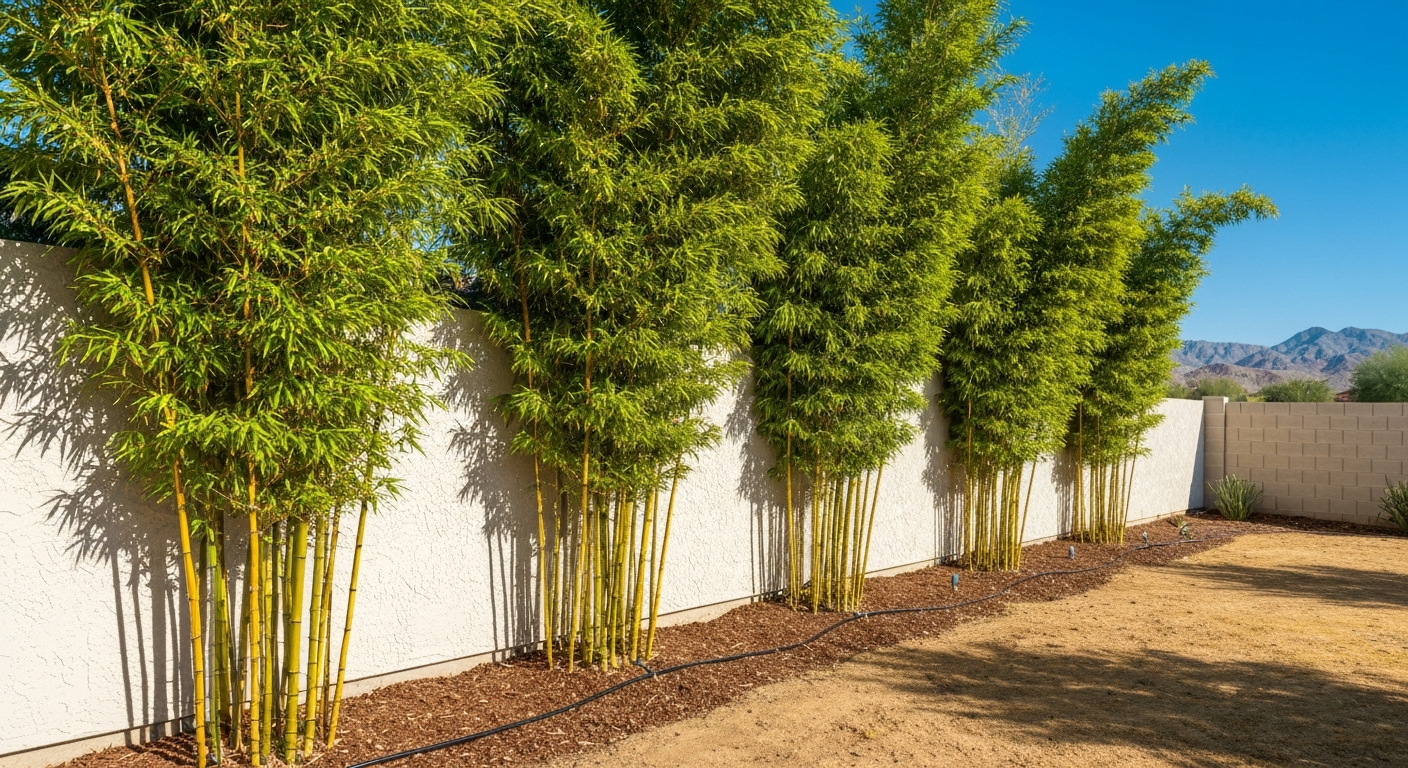
Yes, bamboo can absolutely grow in Maryland, and it can thrive with the right species choice and a little planning. You can also grow bamboo in Connecticut, but the species and winter hardiness matter even more than in warmer states. Most of Maryland falls in USDA hardiness zones 6 to 8, which is well within the cold tolerance of several excellent clumping bamboo varieties. The bigger issue isn't whether bamboo will survive your Maryland winters, it's choosing the right type, staying on the right side of local ordinances, and deciding upfront how you'll manage spread. Get those three things right and you'll have a beautiful, fast-growing bamboo planting that won't become a nightmare.
Does Bamboo Grow in Maryland? Planting, Legality, Care Tips
Marcus Hartwell
5 Jul 2026
What Maryland's climate actually means for bamboo
Maryland's climate spans a wider range than most people expect. Western Maryland mountain areas can dip into zone 6a, with extreme lows around -10°F. The central and suburban regions around Baltimore and the DC suburbs typically land in zones 7a to 7b, while the Eastern Shore and coastal southern Maryland edge into zone 8a. That range matters a lot when you're picking species. If you're wondering can bamboo grow in Vermont, the best starting point is still choosing cold-hardy types and checking your local hardiness conditions before you plant. A bamboo rated for zone 6 will handle the coldest parts of the state with no issue. One rated only to zone 8 might survive a mild winter in Annapolis but get hammered during a cold snap in Frederick or Hagerstown. You can use the USDA Plant Hardiness Zone Map to look up your exact zip code before buying anything.
The general takeaway: clumping bamboos in the Fargesia genus are your most reliable bet across most of Maryland. They're cold-hardy, non-invasive, and well-suited to the Mid-Atlantic's mix of hot summers and cold winters. Running bamboos will also survive, and some grow aggressively well in Maryland's climate, which is exactly why they've become a legal and ecological headache.
The legal situation in Maryland, check this before you plant
There is no statewide ban on planting all bamboo in Maryland as of mid-2026, but the legal picture is more complicated than a simple yes or no. If you're wondering is it legal to grow bamboo in Virginia, you'll want to check state rules and local ordinances before planting, since restrictions can vary by area. Maryland state law gives counties and municipalities the explicit authority to regulate invasive bamboo by local ordinance, including prohibiting planting outright or requiring containment barriers and trenches. That authority was reinforced by legislation in both 2023 (HB 90) and 2026 (SB 266). The Maryland Department of Agriculture actively maintains a list of prohibited invasive plants and has flagged bamboo species for assessment prioritization in 2026, meaning the regulatory environment is moving toward stricter oversight, not looser.
At the local level, some jurisdictions have already moved. The City of Frederick, for example, enacted an ordinance specifically prohibiting the sale and planting of invasive bamboo. Other counties and towns may have similar rules already on the books or in progress. The University of Maryland Extension has also signaled that running bamboo species are invasive in Maryland and could face future regulation at the state level.
Before you plant anything, do these three things: check your county's current ordinances (most are searchable online through the county website or code library), contact your local planning or environmental office if you're unsure, and if you're in an HOA, review your community rules. If you choose a clumping species like Fargesia, you'll sidestep most of this concern entirely, because the regulatory focus is almost entirely on running bamboos like Phyllostachys species. SB 266 (2026) reiterates that governing bodies may regulate invasive bamboo by ordinance, including species identification and an overall regulation framework. Growing a well-behaved clumper is the easiest way to stay legal and avoid neighbor disputes.
Running vs. clumping, make this choice first
This is the single most important decision you'll make, and it shapes everything else. Running bamboos (primarily the Phyllostachys genus) spread via long underground rhizomes that can travel 10 to 15 feet in a single season. Species like Phyllostachys aurea (golden bamboo) and Pseudosasa japonica (arrow bamboo) are specifically called out by the Maryland Invasive Species Council as species that should not be planted. They've escaped cultivation across Maryland, established in natural areas, and caused serious problems for neighbors and ecosystems. They're not just aggressive, they're effectively impossible to remove without sustained, multi-year effort.
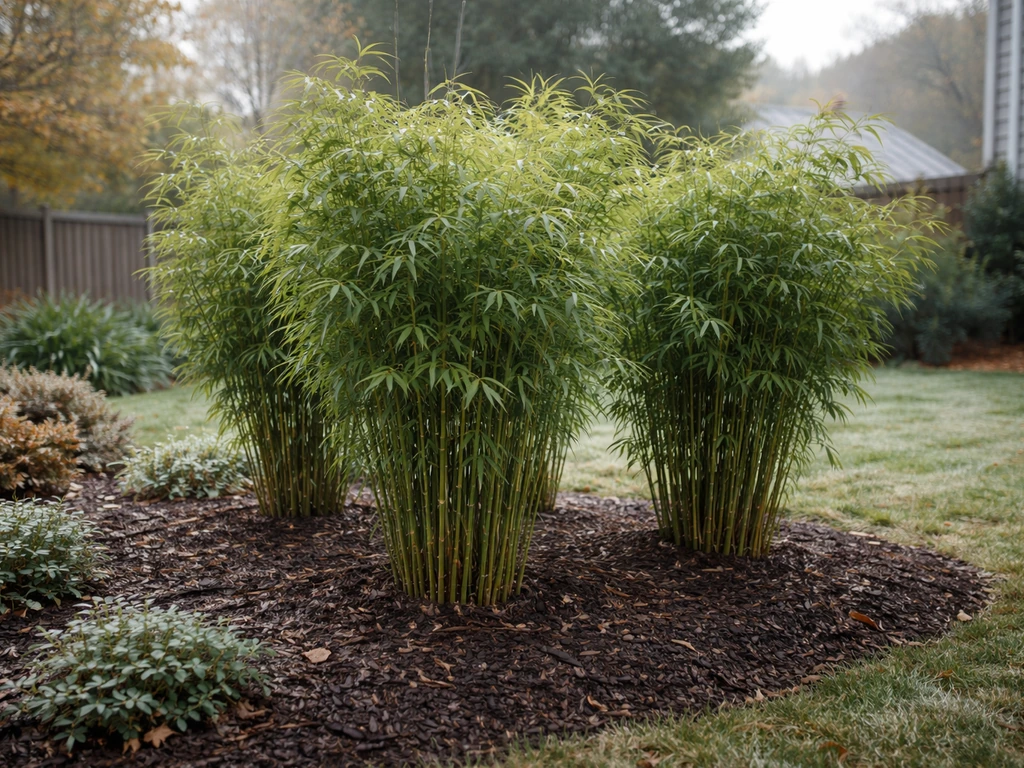
Clumping bamboos, by contrast, expand very slowly outward from a central clump, typically just a few inches per year. They will not tunnel under your fence into the neighbor's yard. The Fargesia genus is the gold standard for clumping bamboo in cool temperate climates like Maryland's. They look elegant, stay manageable, and you won't spend your weekends fighting rhizomes.
If you're genuinely committed to planting a running bamboo for a specific reason (a very tall screen, for example), containment is non-negotiable. That means installing an HDPE rhizome barrier at least 60 mil thick, buried 28 to 30 inches deep, with the top edge bent outward above the soil line. A root trench, a narrow, regularly inspected gap around the planting, is an alternative. Neither is foolproof without consistent maintenance. The University of Maryland Extension's guidance on containing and removing bamboo covers this in detail and is worth reading before you commit.
Best clumping species for Maryland
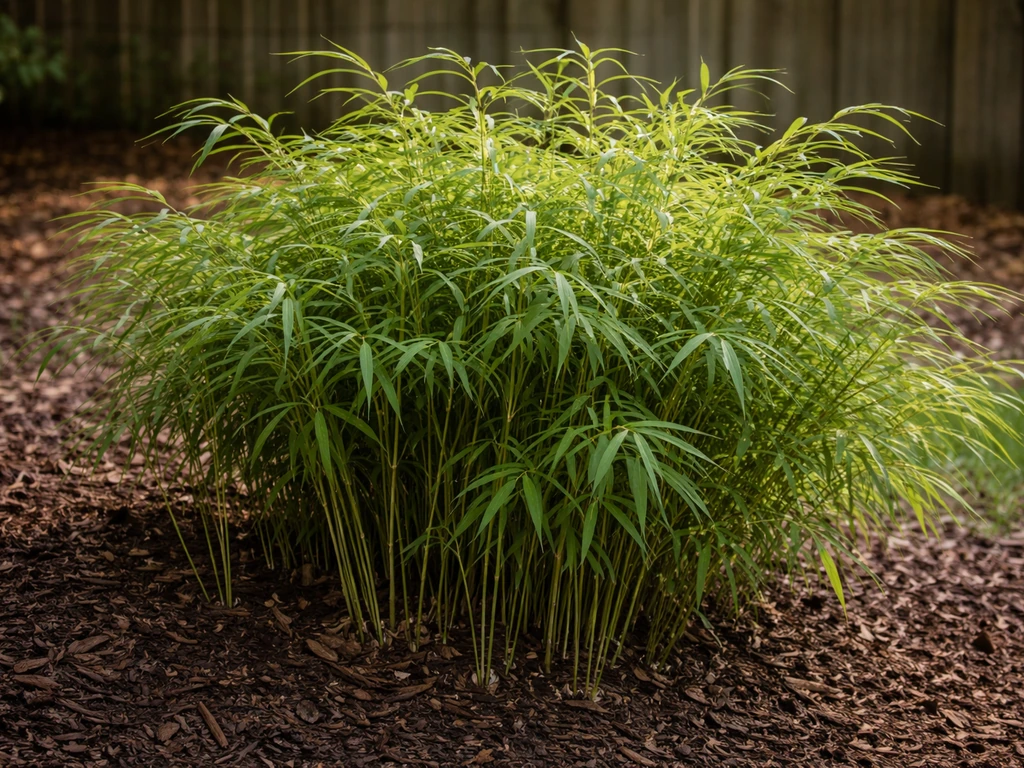
For most Maryland gardeners, the Fargesia genus is where to start. These are cold-hardy, clump-forming, and genuinely beautiful, the kind of bamboo that looks like what you imagine when you picture a Japanese garden planting. Here are the best options for Maryland conditions:
| Species | Mature Height | Hardiness Zone | Sun Tolerance | Notes |
|---|---|---|---|---|
| Fargesia nitida (fountain bamboo) | 10–15 ft | Zones 5–9 | Partial shade, limited direct sun | Excellent for cooler parts of MD; dislikes hot afternoon sun |
| Fargesia rufa (Green Panda bamboo) | 6–10 ft | Zones 5–9 | Partial to full shade | Very adaptable, tolerates heat better than most Fargesia |
| Fargesia nitida 'Nanping' | 6–12 ft | Zones 5–9 | 2–3 hours direct sun max | Very cold-hardy; good for western MD; keep out of full sun |
One thing to know about Fargesia: they prefer partial shade, especially in Maryland's humid summers. Full afternoon sun in July and August will stress them, you'll see the leaves curl and the canes look droopy. Morning sun with afternoon shade is the sweet spot. This also makes them excellent for north-facing sides of buildings, under high tree canopies, or on the east side of a fence. In many parts of the northeast, bamboo can grow if you choose cold-hardy clumping types and give them the right site conditions north-facing sides. Don't try to force a Fargesia into a hot, south-facing spot just for a privacy screen, it won't be happy.
Warm-weather clumping species like Bambusa multiplex 'Alphonse Karr' can look tempting in nurseries, they're beautiful, reaching 15 to 35 feet, but their zone 8 to 11 rating makes them a risky pick for most of Maryland except perhaps the mildest corners of the Eastern Shore. Stick with Fargesia unless you're in a reliably warm microclimate and willing to protect it.
How to set up the best planting site
Sun, shade, and wind
For Fargesia, aim for a spot that gets morning sun and afternoon shade, or dappled light through a high canopy. Avoid exposed, windy locations, cold winter winds desiccate bamboo foliage fast, and a wind-exposed planting in western Maryland can look ragged by February. A building, fence, or row of evergreens on the north and west sides gives a lot of winter protection.
Soil and drainage
Bamboo wants well-draining, slightly acidic to neutral soil, roughly pH 6.0 to 7.0. Maryland's soils vary quite a bit: the Piedmont region tends toward clay-heavy soils that can hold too much moisture, while the Eastern Shore has sandier ground that drains fast. If you have clay soil, amend the planting area with compost and consider raised planting to improve drainage. Bamboo can tolerate brief wet periods but will rot if sitting in waterlogged soil long-term. If your site stays soggy after rain, fix the drainage before you plant, not after.
When to plant
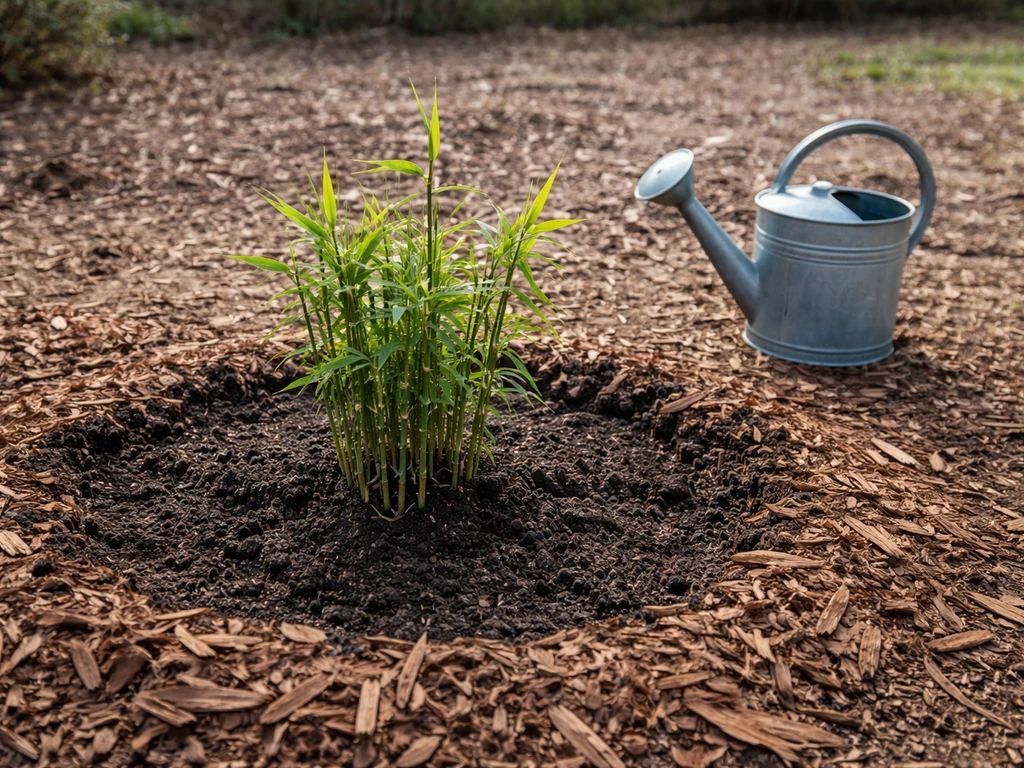
Spring is the best planting window in Maryland, after the last frost (typically mid-April in central Maryland, later in the western mountains) and before the heat of summer sets in. This gives the plant a full growing season to establish roots before winter. Fall planting works too, as long as you get it in at least 6 to 8 weeks before the first hard frost, which in most of Maryland means by mid-October at the latest. Avoid planting in the peak of summer heat, especially for Fargesia.
Basic care once it's in the ground
Watering
New bamboo plantings need consistent moisture during the first two growing seasons. Maryland summers can be dry and hot, so plan to water deeply once or twice a week when there's no significant rainfall. Once established, Fargesia is reasonably drought-tolerant but will still appreciate a deep soak during extended dry spells. Mulching with 3 to 4 inches of wood chips or shredded bark helps retain moisture, moderate soil temperature, and mimic the leaf-litter conditions bamboo naturally loves.
Fertilizing
Bamboo is a grass, and like all grasses it responds well to nitrogen. A balanced, slow-release fertilizer applied in early spring as new shoots emerge, and again in early summer, is usually enough. Don't overdo it, excessive nitrogen pushes fast, weak growth. Compost worked into the soil at planting time gives a good base, and a top-dressing of compost each spring keeps the soil biology healthy.
Winter protection in Maryland
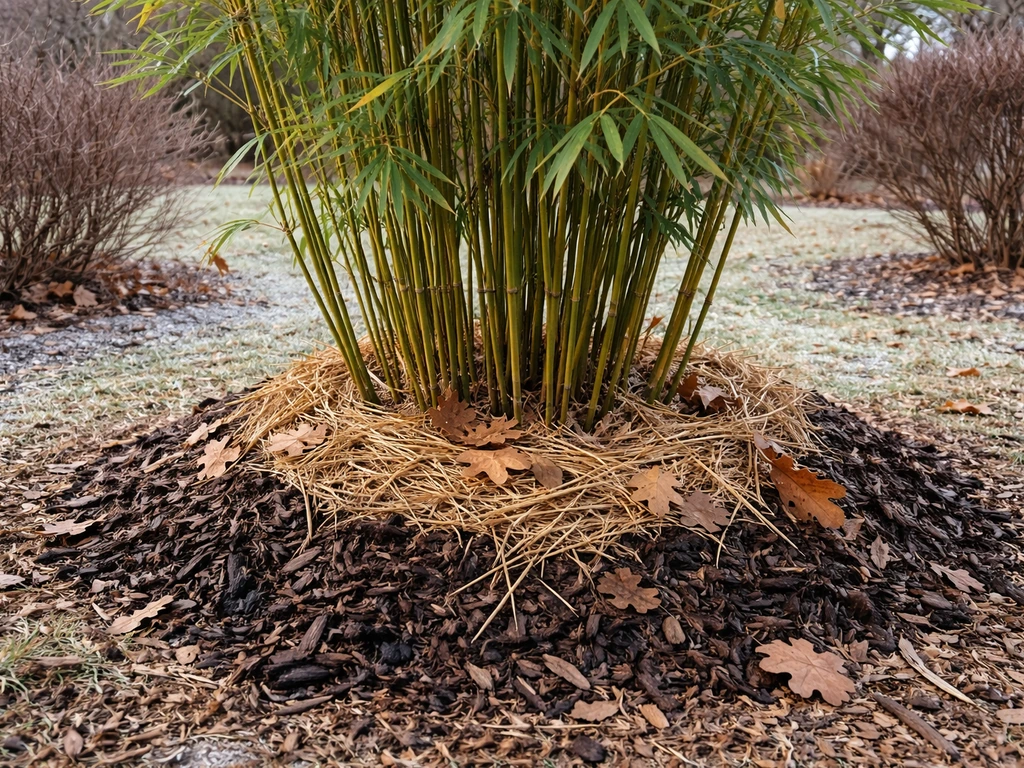
Fargesia species are cold-hardy through zone 5, so most of Maryland presents no serious winter threat to the root system. The canes may die back in a very harsh winter in zone 6, but the roots will resprout. In the colder parts of western Maryland, a thick layer of mulch over the root zone adds insurance. Avoid heavy pruning in fall, let the existing canes act as wind protection for the crown. If you see browned leaves after a hard freeze, don't panic and cut everything down. Wait until spring, see what's alive, and remove only dead material then.
What to realistically expect in terms of growth
Here's where I want to be straight with you: bamboo has a well-known establishment pattern that trips up impatient gardeners. The old saying is 'sleeps, creeps, leaps', and it's accurate. In year one, your bamboo will look like it's doing nothing. It's not dying; it's building its root system underground. In year two, you'll see a bit more cane activity. By year three and four, it starts to take off noticeably. By year five, a Fargesia planting in Maryland should be a substantial, full clump.
New canes that emerge each spring are the thickest and tallest that plant will ever produce, they don't get wider over time like a tree. So a young plant with thin canes will eventually push up thicker, taller canes as the clump matures and the root system grows. Don't judge the plant's potential by what it does in year one. A Fargesia rufa that looks like a single small clump in May of its first year can be 8 feet tall and 4 feet wide by its fifth summer in Maryland conditions.
Running bamboos establish faster and spread aggressively, which is part of their appeal, but also the source of the problems described above. If you've contained a running variety properly, expect vigorous spread within the barrier and rapid height gain by years two and three.
Container growing and indoor options if outdoor conditions aren't right
If your outdoor site just isn't suitable, maybe you're in a condo with a small balcony, have very poor drainage, or your HOA or local ordinance makes outdoor bamboo complicated, containers are a genuinely good solution. Fargesia does very well in large containers (at least 20 to 25 gallons), and the container naturally solves any spread concern. Use a well-draining potting mix, water consistently, and fertilize lightly through the growing season. In Maryland winters, a containerized bamboo on a patio or deck may need to be moved against a sheltered wall or into an unheated garage during the coldest weeks, since the roots in a container are more exposed than in-ground roots.
For indoor growing, lucky bamboo (Dracaena sanderiana) is the most common houseplant sold under the bamboo name, but it's not a true bamboo at all. True bamboos can be grown indoors but generally struggle without strong light and humidity, and most species get too large for indoor spaces. If you want bamboo aesthetics indoors, a dwarf variety like Pleioblastus pygmaeus in a well-lit sunroom can work, but don't expect the dramatic height you'd get outside.
If you're drawn to bamboo mainly for a privacy screen but your conditions are tricky, it's also worth considering bamboo-look alternatives like Miscanthus grasses, native river cane (Arundinaria gigantea, a true bamboo native to parts of the eastern US), or ornamental grasses that give a similar feel without the management demands.
Your next steps today
- Look up your exact USDA hardiness zone using the USDA Plant Hardiness Zone Map for your Maryland zip code.
- Check your county or municipality's current code for any bamboo ordinances — search '[your county] invasive bamboo ordinance' or call your local planning office.
- Decide: clumping Fargesia (the smart, low-maintenance choice for most Maryland yards) or a contained running bamboo (only if you're committed to barrier installation and annual maintenance).
- Choose your species based on your site's sun exposure — Fargesia rufa for more sun tolerance, Fargesia nitida or 'Nanping' for shadier spots or colder zones.
- Prepare your planting site by improving drainage if needed, amending soil with compost, and planning your mulch layer.
- Plant in spring after last frost, water consistently through the first two summers, and be patient — the real show starts in year three.
Maryland is genuinely a good state for bamboo when you approach it thoughtfully. The climate suits cold-hardy clumping species well, and a well-sited Fargesia planting can be a low-maintenance, year-round feature in your garden. The legal and ecological concerns are real but completely manageable, especially if you choose a non-invasive species from the start. Gardeners in neighboring states like Virginia, New Jersey, and Connecticut are working through similar questions, since the whole Mid-Atlantic region shares this mix of bamboo-friendly climate and growing regulatory attention. If you’re wondering can you grow bamboo in New Jersey, start by matching the right clumping species to your local USDA hardiness zone and checking any local planting rules. Go in with realistic expectations, pick the right species, and you'll have a thriving bamboo planting that earns admiring looks instead of complaints from neighbors.
FAQ
If I’m in western Maryland, how cold-hardy does bamboo need to be to survive?
If you have zone 6 weather in western Maryland, don’t rely on a nursery’s general “hardy” label. Match the specific species or cultivar to your USDA hardiness zone, then protect the crown in winter with a thicker mulch layer (especially in exposed sites). For Fargesia, the roots handle cold better than the foliage, so winter browning is often cosmetic if the crown is alive in spring.
Can bamboo grow in Maryland if my yard is mostly shaded?
Yes, Fargesia can still grow in part shade, and it is often a better choice than many people expect. Aim for morning sun plus afternoon shade, or dappled light under tree canopy. If you plant in deep shade, growth will slow, and if you plant in hot afternoon sun, you can see curled leaves and droopy canes.
What should I do if my yard stays wet after rain, can I still plant bamboo?
Most problems come from planting in low spots where water lingers or amending incorrectly. Bamboo can tolerate brief wet periods, but long-term waterlogging can cause rot. If water sits after rain, fix drainage first (raised bed, regrade the planting area, or improve soil structure) rather than watering more carefully after the fact.
Is it okay to plant bamboo in late spring or summer in Maryland?
Planting in late spring into peak summer heat increases stress, especially for Fargesia. If you must plant outside the spring window, water deeply more often during the first month, mulch immediately, and keep the plant in a morning-sun location if you have options.
Why does my bamboo look like it is not growing in year one?
Young Fargesia often looks disappointing for 12 to 24 months because it is building roots underground. Expect “sleeps, creeps, leaps,” and base your decisions on whether the plant is alive and producing small new growth in spring, not on how thick the clump looks after the first year.
Should I cut bamboo back in fall or winter in Maryland?
Cutting all canes back in fall is usually a mistake, because those canes help buffer wind and protect the crown. If foliage browns after a hard freeze, wait until spring to remove only the dead material, then let the new shoots emerge.
Can I grow bamboo in containers in Maryland, and how do I protect it in winter?
Yes. Large containers are one of the best solutions if your HOA, ordinance situation, or drainage conditions make in-ground planting difficult. In Maryland winters, container roots are more exposed than in-ground roots, so plan to move the pot to a sheltered spot or against a wall, or into an unheated garage during the coldest stretches.
If I choose a running bamboo, is a rhizome barrier guaranteed to prevent spread?
Runners are where containment decisions matter most. If you are using a running bamboo anyway, a barrier alone is not enough unless it is installed correctly and maintained, because rhizomes can find weak spots. Regular inspections are key, including after storms or any soil shifting around the barrier.
Does “no statewide ban” mean I can plant any bamboo species anywhere in Maryland?
It can be, especially if you ignore local rules or plant a species that is already flagged as invasive. To stay safer, prioritize cold-hardy clumping species like Fargesia, and verify both county and municipality requirements before buying. If you are unsure, contact the local planning or environmental office rather than relying on a generic state-level “no statewide ban” assumption.
Is the bamboo sold as houseplants (lucky bamboo) the same as outdoor bamboo for Maryland gardens?
Bamboo is often sold as “lucky bamboo,” but it is not true bamboo and it is a different plant family. For an outdoor Maryland planting, don’t assume indoor “bamboo” will be hardy or behave like true bamboo outdoors. Use true bamboo species suited to your hardiness zone if you want outdoor results.
Can I use clumping bamboo in Maryland as a fast privacy screen?
You can, but be realistic about the timeline and appearance. In Maryland, a newly planted clumping bamboo typically needs multiple seasons to look full, and you should not expect an instant screen in the first year. If you need faster privacy, consider combining bamboo with other screening plants while the clumps mature.
What is the easiest way to start bamboo in Maryland, seed, plants, or divisions?
Bamboo can grow from seed in theory, but most gardeners get better results using divisions for clumping types or established plants from a reputable nursery. Seed-grown clumping bamboo can take longer to reach a screen size and may vary in performance, so for Maryland readiness, plant known cold-hardy varieties.
Next Article
Can Bamboo Grow in Las Vegas? Guide to Success in Desert
Yes, bamboo can grow in Las Vegas with the right species, irrigation, shade, and containment; step-by-step planting and保护