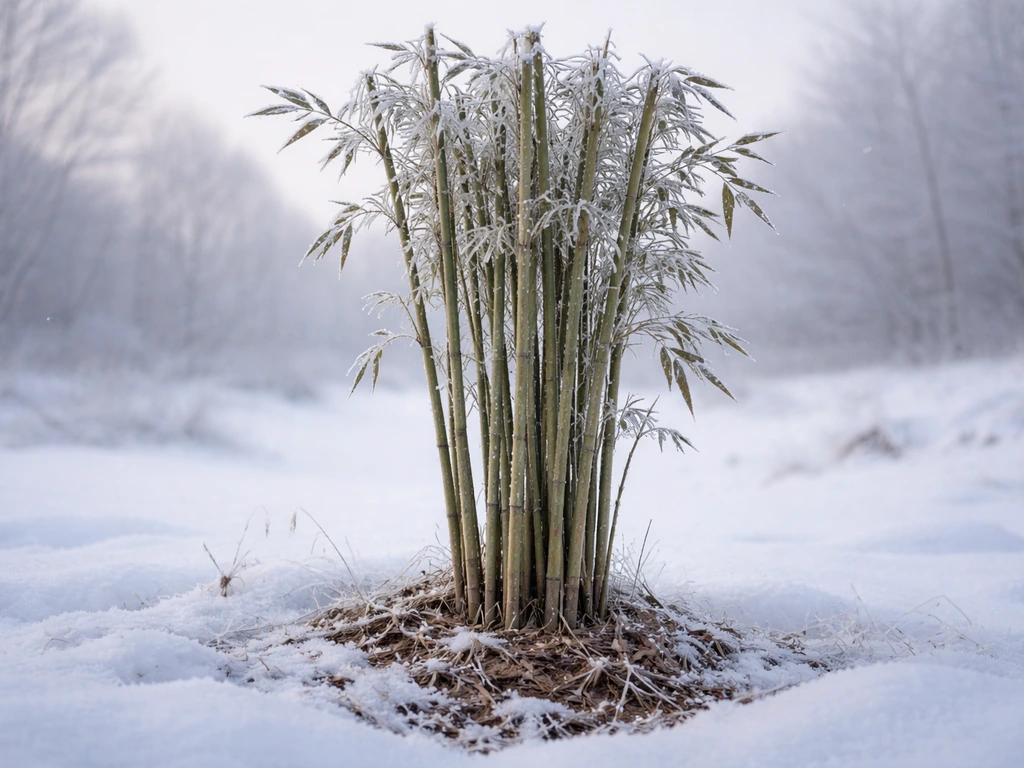
Yes, bamboo can grow in cold climates, but the honest answer is that it depends heavily on which species you choose, where exactly you plant it, and how well you protect it through its first few winters. Some bamboos handle temperatures down to around -10°F (roughly -23°C), making them viable in USDA Zone 5 and, with careful siting, even Zone 4. Others wilt at the first hard frost. The difference between a thriving cold-climate bamboo grove and a pile of dead canes usually comes down to matching the right species to your zone and giving it the right setup from day one.
Can Bamboo Grow in Cold Climates? Survival Tips
Marcus Hartwell
18 Jun 2026
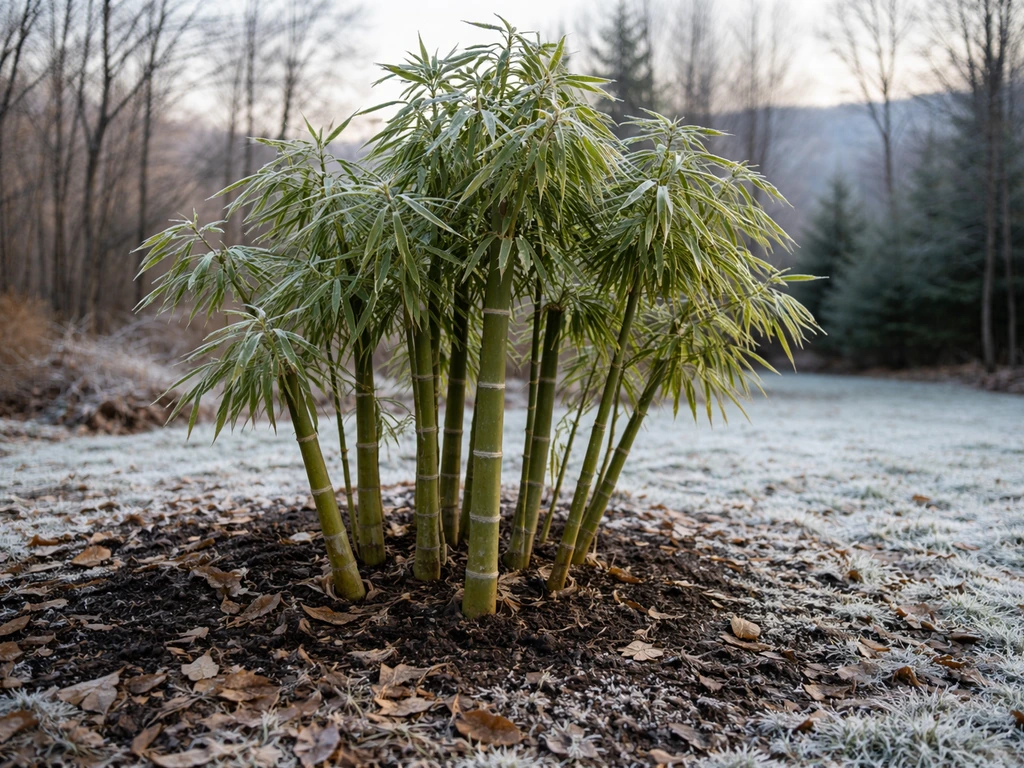
Which cold climates can bamboo actually handle
The most cold-tolerant bamboos are generally comfortable in USDA Zones 5 through 9, and a handful of species push into Zone 4 with good protection. Zone 5 covers minimum winter temperatures of -10°F to -20°F, which already rules out most tropical bamboo varieties completely. Zone 4 dips to -20°F to -30°F, and that's genuinely challenging territory where success is inconsistent even with the hardiest species. If you're in Zone 6 or warmer, you have a much wider selection and a much higher probability of success with minimal intervention.
A useful way to think about it: bamboo grown in temperate Japan (where Phyllostachys species are native) regularly survives harsh winters because those plants evolved in climates with real cold. That's a very different situation from tropical timber bamboos sold at big-box garden centers, which are essentially tropical plants that will die the moment temperatures drop below 20°F. In the rainforest, bamboo can still grow, but it is usually these tropical varieties that need consistently warm conditions and do not handle cold snaps well tropical timber bamboos. Knowing which category your bamboo falls into matters more than almost anything else.
How cold, frost, and winter actually affect bamboo
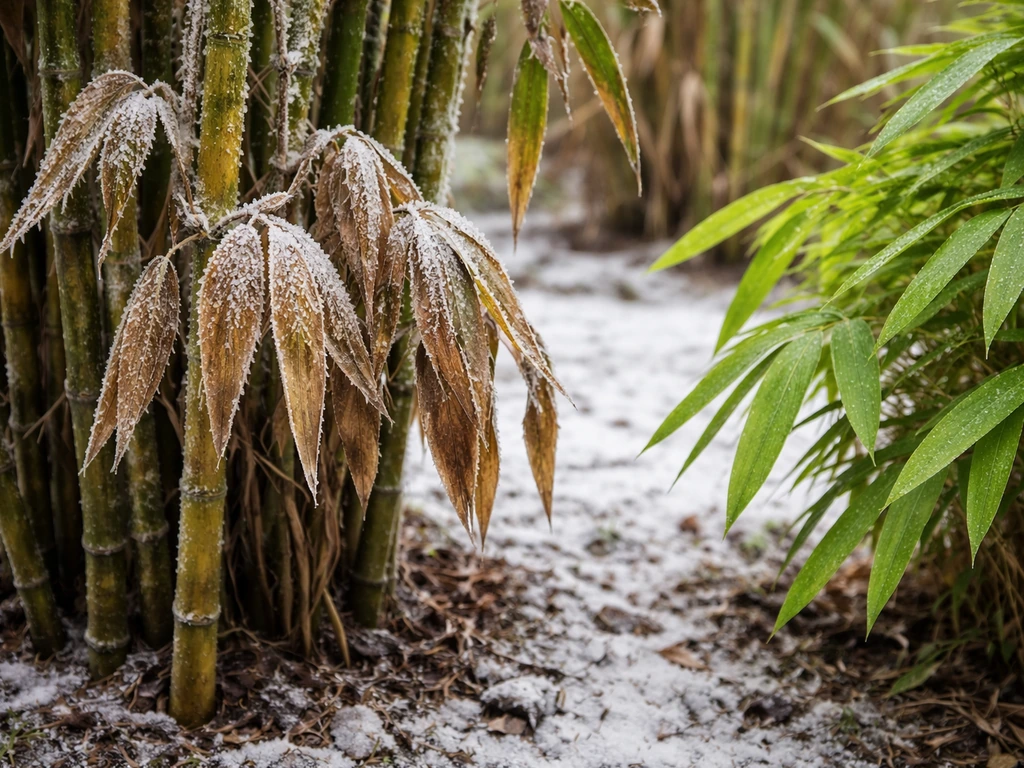
Bamboo doesn't just freeze and thaw like a simple ice cube. What actually happens inside the plant during a freeze is more complicated, and understanding it helps explain why two identical plants sometimes have completely different outcomes after the same winter.
The most immediate cold injury comes from ice crystal formation inside plant tissues. Cold-hardy bamboo species can actually survive freezing by keeping their tissues in a supercooled state, where water stays liquid even below the normal freezing point. Research on dwarf bamboo species like Sasa senanensis shows leaf blade tissue can tolerate down to around -25°C through this mechanism.
But when a hard freeze overwhelms that system, ice forms, cells rupture, and you get the classic 'frost burn' look, dried tan-brown leaves and, in severe cases, cracked or split culms. In a freeze-damage discussion among bamboo growers on Reddit, people often describe similar culm cracking or splitting patterns after freezes and interpret them as mechanical stress from cold cracked or split culms.
Repeated freeze-thaw cycles are arguably more damaging than a single deep freeze. Each freeze-thaw event can cause hydraulic failure inside the plant's water-conducting tissue (xylem embolism), essentially creating air bubbles that block water movement. This is why bamboo sometimes looks fine in January but struggles to push new shoots in April. The plumbing has been compromised even if the plant technically survived. Cold-hardy species like Phyllostachys propinqua have mechanisms to manage this, including root pressure that helps purge embolisms, which is part of why they can bounce back after a rough winter.
There's also a second, often-overlooked winter threat: desiccation. Cold, dry winds pull moisture out of bamboo leaves faster than frozen ground can replace it. The Royal Horticultural Society notes that Phyllostachys bissetii benefits from blank" rel="noopener noreferrer">protecting it from cold, drying winds, especially while it is establishing. This is a serious issue even when temperatures stay within a variety's listed hardiness range. Many Zone 5 gardeners who lose bamboo aren't losing it to cold alone, they're losing it to a combination of cold soil and drying winter wind. Protecting against both is key. UGA Cooperative Extension also advises heavy mulching and extra protection for late-planted bamboo because winter desiccation and cold can cause winter injury blank" rel="noopener noreferrer">Protecting against both is key..
What all this means practically: 'top kill' (where all the above-ground growth dies back) after a harsh winter doesn't necessarily mean the plant is dead. If the rhizomes and roots below ground stayed insulated, the plant can regenerate from those underground structures the following spring. Recovery depends heavily on whether roots survived, and that depends on soil insulation, drainage, and how deeply the frost penetrated.
Choosing the right cold-hardy bamboo species
This is the single most important decision you'll make. Picking the wrong species is the most common reason cold-climate bamboo fails, and no amount of mulching saves a tropical bamboo in Zone 5.
Running vs. clumping: the cold-climate tradeoff
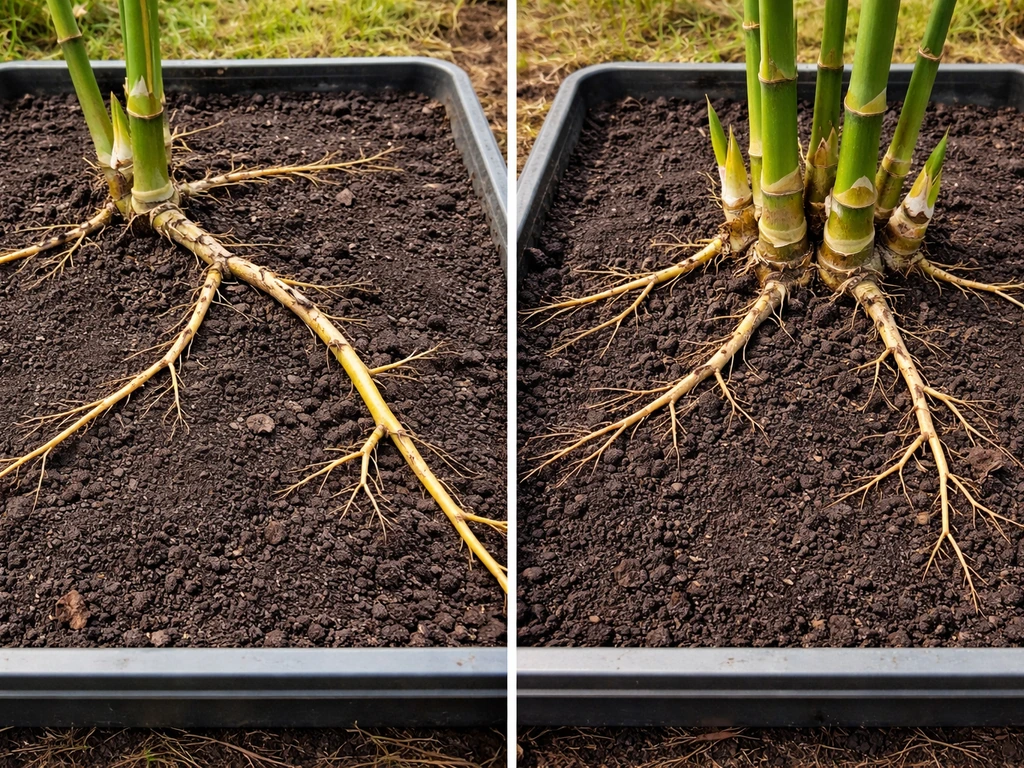
Before getting into specific species, you need to understand the difference between running and clumping bamboo, because it affects both your choice and your long-term management. Running bamboos (genus Phyllostachys and others) spread aggressively via long horizontal rhizomes, sometimes traveling several feet per year. Clumping bamboos (like Fargesia) grow in a tight expanding mound and stay much more contained. The catch: many of the most cold-hardy species are running types. That means if you plant Phyllostachys bissetii in Zone 5 and it survives, it will eventually try to take over your yard. Even if a harsh winter kills everything above ground, the rhizomes underground can still be alive and spreading. Containment is not optional with running bamboos.
Clumping Fargesia species are often the better choice for Zone 6 and warmer cold-climate gardens where you want something manageable. They're slower growing and won't become an invasive problem. However, their cold hardiness typically doesn't match the best Phyllostachys varieties, so Zone 4-5 gardeners often end up considering running types despite the management overhead.
The best species for cold climates
| Species | Type | Cold Hardiness | USDA Zone | Notes |
|---|---|---|---|---|
| Phyllostachys bissetii | Running | Down to about -10°F (-23°C) | Zone 5 (Zone 4 with protection) | One of the hardiest running bamboos; vigorous and reliable |
| Phyllostachys aureosulcata (Yellow Groove) | Running | Down to about -10°F to -15°F | Zone 5 | Ground portions may die back in coldest sites but rhizomes often survive |
| Fargesia robusta (Clumping Panda Bamboo) | Clumping | Down to about -5°F to -10°F | Zone 5-6 | Non-invasive; good for contained landscapes |
| Fargesia nitida | Clumping | Down to about -20°F | Zone 4-5 | One of the most cold-hardy clumping options; slow growing |
| Phyllostachys nuda | Running | Down to about -15°F to -20°F | Zone 4-5 | Claimed to be among the hardiest running bamboos |
A practical recommendation: if you're in Zone 6 and want low maintenance, start with a Fargesia. If you're in Zone 5 and willing to manage a running type, Phyllostachys bissetii is probably your most reliable bet. If you're in Zone 4, Fargesia nitida and Phyllostachys nuda are worth trying, but go in with realistic expectations. Success in Zone 4 is inconsistent even with the hardiest varieties, and your microclimate matters enormously.
Setting up your site for cold-weather success
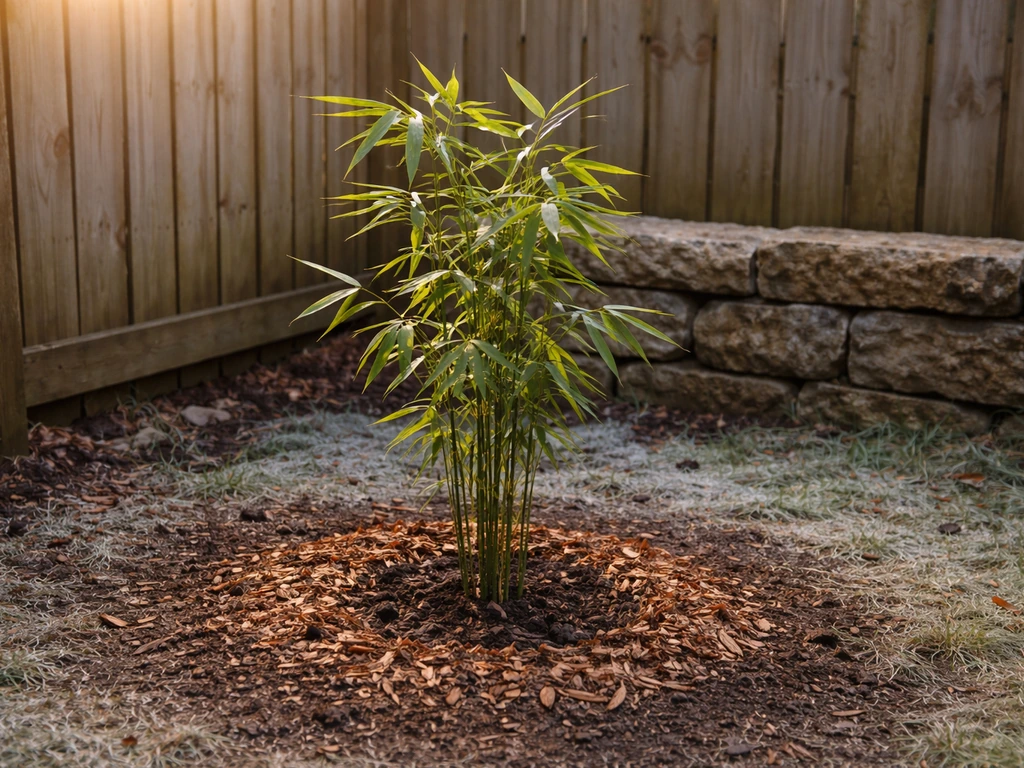
Choosing the right spot can effectively bump your bamboo up a full hardiness zone. This isn't gardening magic, it's just physics: some spots in your yard are meaningfully warmer than others in winter, and exploiting that difference gives your bamboo a much better shot.
Sun, wind, and microclimates
Look for a spot that gets morning sun exposure and is sheltered from prevailing winter winds, especially cold northwest winds in the Northern Hemisphere. South- or east-facing walls are ideal because they absorb heat during the day and radiate it back at night, keeping the immediate area a few degrees warmer than the open garden. This is exactly the kind of microclimate that makes Zone 5 bamboo viable at the borderline of Zone 4. A brick or stone wall is better than a wood fence for this, because it holds more thermal mass.
Wind protection is non-negotiable. The combination of cold and wind is what drives winter desiccation damage. A solid windbreak (whether a wall, fence, or dense evergreen hedge) on the windward side dramatically reduces water loss from bamboo leaves during winter. If you're planting tall running bamboo, also stake or guy the culms before winter. The American Bamboo Society specifically recommends tying tall culms to stakes to prevent wind-rocking, which can loosen roots and increase injury risk.
In-ground vs. container growing in cold climates
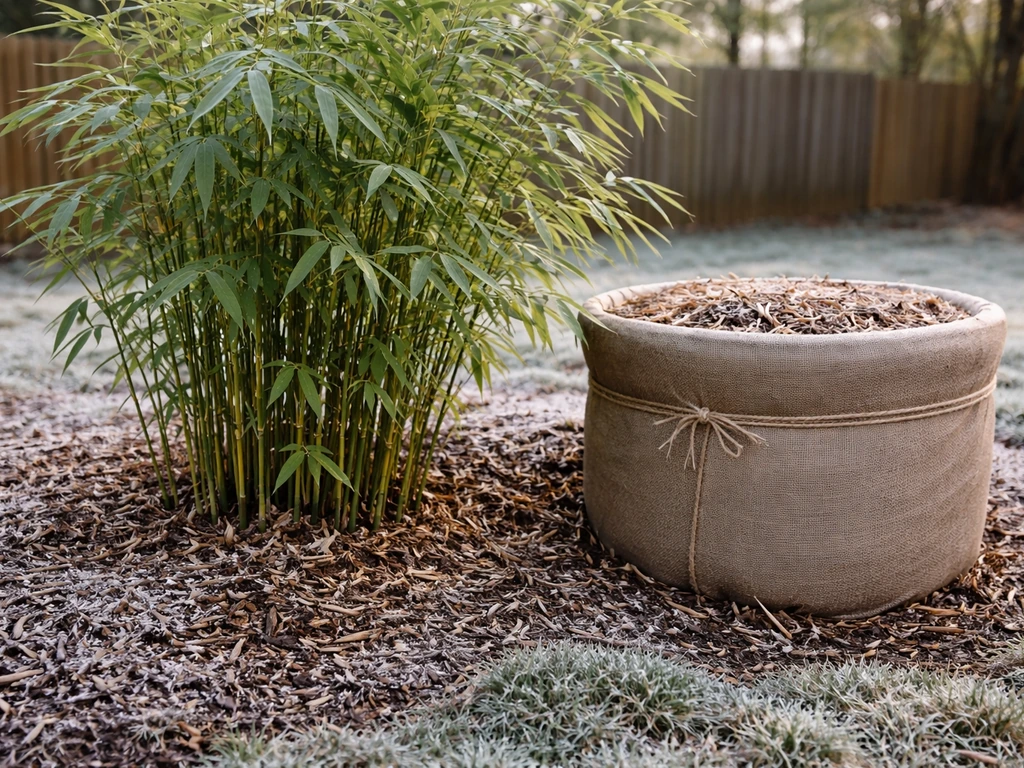
In-ground planting is almost always better for cold hardiness. The soil mass around an in-ground plant insulates the rhizomes far better than even a large container can. Containers are problematic in cold climates because the root zone can freeze solid when temperatures drop, since there's no surrounding soil to buffer the cold. That said, containers do work if you're committed to insulating them properly (more on that in the winter protection section). If you're in Zone 6 or warmer, containers are a practical option, especially for managing spreading running bamboos. In Zone 5 or colder, I'd strongly lean toward in-ground planting for any bamboo you want to survive long-term.
Soil, planting timing, and watering before winter hits
Bamboo isn't fussy about soil type, but it is fussy about drainage. Sitting in waterlogged soil through a freeze is one of the fastest ways to kill bamboo roots. Make sure your planting spot drains well, and if your soil is heavy clay, amend it or build up a raised bed area to improve drainage before you plant.
Timing matters a lot in cold climates. The ideal planting window is spring through early summer, giving the plant a full growing season to establish its root system before winter. A well-established root mass going into winter has a dramatically better survival rate than a freshly transplanted root ball facing its first frost six weeks after planting. If you plant in fall, you're taking a real risk, and you should compensate with extra protection from the start.
When you plant, keep as much of the original soil attached to the root ball as possible. Disrupting the root ball excessively exposes roots and increases the desiccation risk that can compound with cold injury in winter. Water the plant in well and keep watering through fall so it goes into dormancy properly hydrated. A dehydrated plant heading into a cold winter is a stressed plant, and stressed plants freeze more easily. Apply an initial 2 to 3 inch layer of mulch at planting to stabilize soil moisture and temperature from the start.
Winter protection methods that actually work
Even the hardiest bamboo benefits from some winter prep, especially during its first two or three winters while the root system is still building. Once a large, mature rhizome mat is established underground, it becomes much more self-sufficient. But getting there requires protecting those early winters carefully.
Mulching the rhizomes
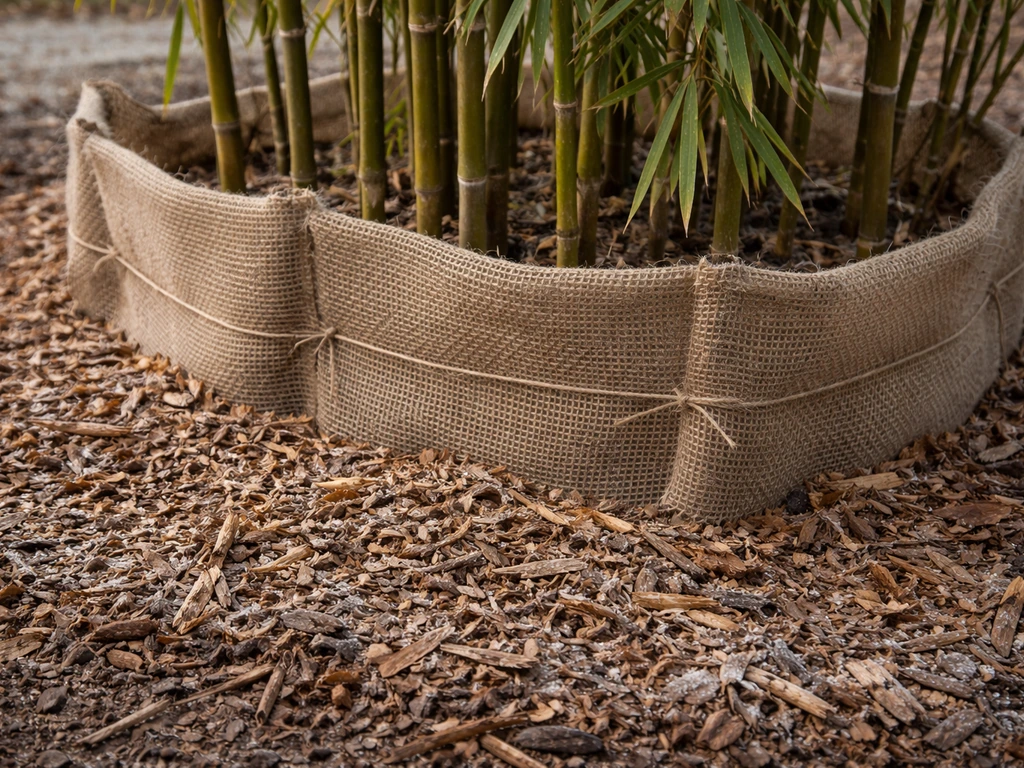
This is the single most effective thing you can do. In late fall, before the ground freezes, apply 4 to 6 inches of organic mulch (straw, wood chips, shredded leaves) over the entire root zone, extending well beyond the visible culms. The goal is to insulate the rhizomes from the worst freeze-thaw cycling, keeping soil temperatures more stable and preventing the deep freezing that kills roots. Pull the mulch back in early spring once consistent above-freezing temperatures return, to let the soil warm up for new shoot emergence.
Protecting culms and foliage
For borderline-hardy bamboo or during unusually cold winters, you can wrap culms loosely in burlap to reduce wind desiccation and moderate temperature swings. This is more important for young plants and for species at the edge of their hardiness range. Don't wrap so tightly that you trap moisture, which can encourage rot. If you're in a zone where top kill is likely anyway, protecting the culms is less critical than protecting the rhizomes, since the above-ground parts will likely be replaced by new shoots in spring.
Insulating containers
If you're growing bamboo in a pot, winter care is more intensive. Move containers to a sheltered location like an unheated garage or against a south-facing wall before temperatures drop hard. Wrap the pot itself in several layers of bubble wrap, burlap, or even old blankets to slow heat loss from the sides. The larger the container, the better it insulates on its own, which is one reason a 20-gallon pot survives better than a 5-gallon pot in the same conditions. Make sure containers always have drainage holes, because waterlogged frozen roots are a death sentence.
A simple winter prep checklist
- Apply 4 to 6 inches of mulch over the root zone in late fall before the ground freezes
- Stake or guy tall culms to prevent wind-rocking
- Erect a temporary burlap windbreak on the windward side of young or borderline-hardy plants
- Water deeply one last time before the ground freezes if fall has been dry
- For containers: move to shelter and insulate the pot body before hard freezes
- Remove mulch gradually in early spring as temperatures stabilize above freezing
What growth actually looks like in cold climates
Be honest with yourself about timelines here, because cold climates genuinely slow bamboo down. In warm zones (Zone 7 and above), established running bamboos like Phyllostachys can put on several feet of growth per season and spread noticeably each year. In Zone 5, that same bamboo spends its first year or two mostly building roots, may experience top kill in its first harsh winter, and typically doesn't start behaving like a vigorous, spreading grove until it has a large established rhizome network, usually three to five years in under favorable conditions.
After a winter that kills the top growth, don't dig the plant up in April when it looks dead. Wait. Bamboo that has experienced top kill can emerge from rhizomes four to eight weeks later than you'd expect, sometimes not showing any green until late May or even June in cold zones. The rhizomes are alive and slowly pushing energy into new shoots once soil temperatures rise enough. If you see new shoot tips emerging from the soil, the plant is fine. Give it the season to rebuild, and protect it again the following winter.
A realistic picture for Zone 5 gardeners: year one is mostly establishment with modest above-ground growth; year two you might see some spreading and taller culms; by year three to five, if you've had decent winters, you can expect a meaningful grove. Zone 4 gardeners should expect more variability, with some years being setbacks that reset progress. It's doable, but it requires patience and consistent winter protection until the rhizome mass is large enough to buffer itself.
Your next steps starting today
First, look up your USDA hardiness zone if you don't know it. The USDA's online zone finder gives you your zone based on your zip code in under a minute. Once you know your zone, cross-reference it with the species table above to narrow your choices. If you already have bamboo and aren't sure what species it is, check whether the rhizomes run aggressively (running type) or stay in a tight clump (clumping type), which narrows it down.
For anyone in Zone 5 looking at running bamboos, also think now about rhizome barrier installation, because managing spread is much easier at planting time than five years later. And if you're heading into winter with a newly planted bamboo in a cold zone, get that mulch down before the ground freezes. That one step makes a bigger difference than almost anything else you can do.
Understanding what zone your bamboo grows in and whether your climate gets meaningful winter dormancy (rather than year-round warmth) are the two questions that shape everything else. To figure out what climate bamboo grows in, focus on USDA hardiness zone, winter dormancy, and your local winter minimum temperatures what zone your bamboo grows in. Bamboo that never experiences real winter behaves very differently from temperate bamboo that goes dormant in cold weather. If you're curious how bamboo behaves through an actual winter season, including whether it keeps growing or fully stops, that's a related question worth digging into alongside your zone research.
FAQ
If my bamboo dies back to nothing after winter, is it still alive?
In cold climates, “hardiness” labels usually refer to survival of the plant, not guaranteed shoot growth every year. After a cold winter you may see delayed emergence (often 4 to 8 weeks later) and reduced culm production until the rhizome network rebuilds, so evaluate success by whether rhizomes are pushing new shoots rather than whether canes look green in early spring.
How should I water bamboo in late fall before winter protection?
You typically need fewer mulch surprises if the soil is kept evenly moist while the plant goes dormant. Stop heavy watering when the ground is frozen solid, but keep watering through fall until plants are properly hydrated, because a dehydrated root zone is more prone to cold injury and can lead to top kill even for hardy species.
If I use rhizome barriers, does that also help bamboo survive cold winters? (Zone 5 running bamboo)
Yes, but be careful: a barrier can reduce spread from running types, yet it does not replace winter protection for roots. For best results, install the rhizome barrier fully at planting time, set it deeper than the rhizomes could travel (commonly 24 to 30 inches), and leave a small gap with maintenance access, because rhizomes can still route around an incorrectly installed or shallow barrier.
Can I just cover my bamboo with plastic or frost cloth to keep it warm?
Floating row cover or light fabric can reduce wind-driven desiccation, but it must not trap wet, humid air directly against the culms. For winterizing, use breathable wrap only as a supplemental layer, and remove or loosen it when temperatures rise in late winter to prevent rot and fungal issues on wrapped culms.
My bamboo browns during winter, is it freezing damage or drying out?
In many cold-climate failures, bamboo looks “lost” because it is actually drying out, not freezing solid. If leaves scorch or dry and the soil drains well, prioritize a windbreak and moisture stabilization (mulch and, when safe, fall hydration) before assuming the bamboo is not hardy enough.
Is it possible to grow cold-climate bamboo in a container in Zone 5?
For running bamboo, containerizing can be the worst of both worlds in cold zones unless you can prevent the pot root ball from freezing through. If you try it anyway, oversize the container, insulate the sides, keep the pot draining, and place it in an insulated sheltered spot, then plan on more intensive winter monitoring than in-ground plantings.
When should I prune bamboo after a harsh winter?
Yes, but you should not “chase” growth after a frost. Wait until new shoots emerge before pruning, and don’t cut back to green tissue early, because sudden pruning during late cold snaps can remove living leaf-stem connections that help the plant refuel rhizomes.
Should I dig up and replace bamboo right after it fails to leaf out?
If you suspect root damage, resist digging immediately in spring. Instead, confirm viability by checking for new shoot tips from the soil and lightly scratch mulch back to inspect for any green growth at the crown zone. If no shoots appear by mid to late season, then reassess drainage and root survival rather than replanting right away.
How much can microclimates really improve my chances in Zone 4 or 5?
Microclimates matter most for borderline species, not for far-beyond-hardiness situations. A south-facing wall and wind shelter can effectively reduce stress from cold and wind by a few degrees and less exposure, but if a species is truly outside its cold tolerance, no siting can make it reliably survive repeated hard freezes.
What mulch thickness and timing works best for bamboo in cold climates?
Mulch should protect rhizomes, not create a wet blanket. Use 4 to 6 inches over the root zone, keep it evenly spread, and pull it back in early spring when consistent thaw returns so the soil warms for shoot emergence; leaving thick wet mulch too long can slow growth and increase rot risk.
Next Article
Does Bamboo Grow in Winter? What to Expect and Do
Know if bamboo grows in winter, what slows or stops growth, and how to winterize outdoor and indoor bamboo for spring.