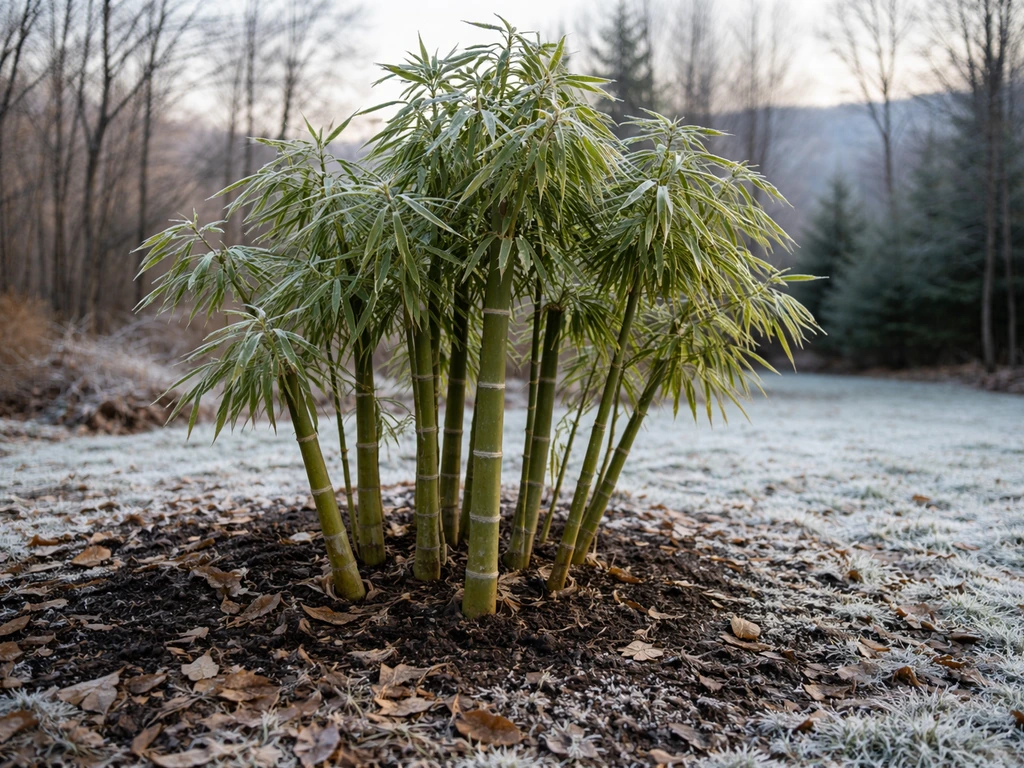
Most bamboo grows in USDA hardiness zones 5 through 10, but that range only tells part of the story. The zone that matters for you depends almost entirely on which type of bamboo you're growing. Cold-hardy running bamboos like Phyllostachys bissetii can survive in Zone 5 (and push into Zone 4 in sheltered spots), while tropical clumping types like Bambusa need Zone 7 or warmer to stay alive outdoors year-round. Temperate clumping Fargesias sit comfortably in Zones 5 to 9. So instead of asking 'what zone does bamboo grow in' as a single answer, think of it as a matching game: your zone, your bamboo type, your site conditions. Bamboo can grow in tropical rainforest settings too, but it depends on the bamboo type and the temperatures and conditions where you plant it does bamboo grow in the rainforest.
What Zone Does Bamboo Grow In USDA Hardiness Guide
USDA hardiness zones bamboo can grow in
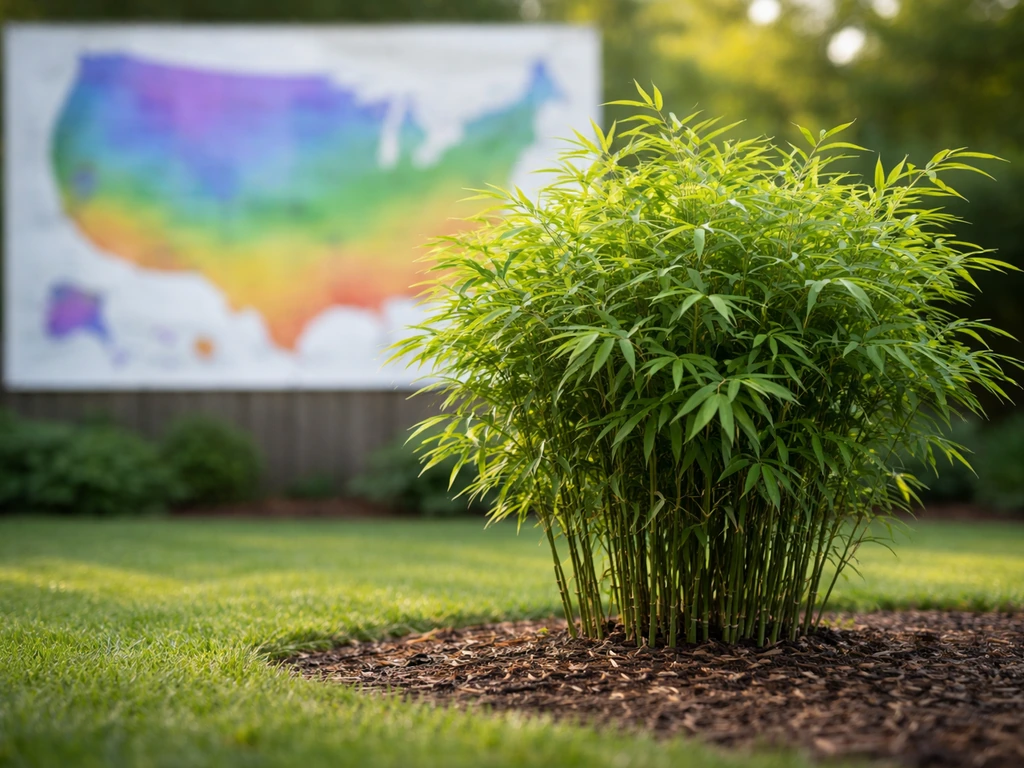
The USDA Plant Hardiness Zone Map divides North America into 13 zones based on the average annual extreme minimum winter temperature, using 10°F bands with 5°F half-zone subdivisions. For bamboo, that minimum temperature is the number that really matters because it tells you how cold the ground gets at its worst, which is exactly what kills or saves a bamboo plant.
Here's the honest breakdown by category. Cold-hardy running bamboos (mainly Phyllostachys species) are your best bet for colder zones. Phyllostachys bissetii is one of the toughest, rated down to around -20°C (roughly -5°F), which puts it solidly in Zone 5 and, with some protection, even Zone 4. Phyllostachys aureosulcata is similarly rated as hardy to Zone 5. These are the bamboos people in the Upper Midwest and New England have the most success with outdoors.
Temperate clumping bamboos, primarily Fargesia species, cover a similar cold range but grow in a much more controlled, non-spreading form. Fargesia rufa, one of the most popular choices, is rated for Zones 5 to 9. It won't take over your yard, and it handles Zone 5 winters reliably when planted in the right spot. Other Fargesia cultivars have similar ratings, making the genus the go-to for cold-zone gardeners who don't want to manage a spreading plant.
Tropical and subtropical clumping bamboos, like Bambusa multiplex, need warmer conditions. Bambusa multiplex, for example, is generally rated for Zones 6a to 9, and that's on the optimistic end. In practice, most Bambusa species do best from Zone 7 upward, and anything south of Zone 9 into Zone 10 is where they really thrive. Frost can defoliate them, and extended freezing temperatures can kill them outright.
| Bamboo Type | Key Species/Cultivar | USDA Zone Range | Cold Tolerance (approx.) |
|---|---|---|---|
| Running (cold-hardy) | Phyllostachys bissetii | Zones 4–9 | Down to -20°C / -5°F |
| Running (cold-hardy) | Phyllostachys aureosulcata | Zones 5–9 | Down to Zone 5 lows |
| Temperate clumping | Fargesia rufa | Zones 5–9 | Handles Zone 5 winters |
| Temperate clumping | Fargesia species (general) | Zones 5–7 | Site protection may be needed |
| Tropical clumping | Bambusa multiplex | Zones 6a–9 | Frost damage likely below Zone 7 |
| Tropical clumping | Bambusa species (general) | Zones 7–10 | Extended freeze can be fatal |
How to pick your bamboo based on zone and climate
The first step is looking up your exact USDA zone using the 2023 interactive map at the USDA Plant Hardiness Zone Map website. Enter your zip code and you'll get your zone, including the half-zone (like 6a vs 6b), which matters more than most people realize. Then use that zone as your starting filter, not your final answer.
Once you know your zone, the clumping vs. running decision is really about two things: cold hardiness and containment. If you're in Zone 5 or 6 and want a non-spreading plant, Fargesia rufa is one of the most reliable choices you can make. It's widely available, well-documented, and proven in those conditions. If you don't mind running bamboo and want faster establishment and potentially more height, Phyllostachys bissetii is your Zone 5 workhorse. For Zone 7 and warmer, your options expand significantly. You can grow Fargesias comfortably, but you can also start considering Bambusa clumpers if you want a tropical look without worrying about spreading.
A practical rule I follow: always choose a bamboo rated at least one full zone colder than your actual zone. If you're in Zone 6b, pick something rated to Zone 5. That buffer accounts for unusual cold snaps, exposed planting sites, and the simple reality that zone maps show averages, not record lows. The cold year that happens once a decade is often what kills a borderline-zone plant.
Zone isn't the whole story: what else actually matters
Here's something a lot of bamboo beginners miss: two gardens can be in the exact same USDA zone and have wildly different results with the same bamboo. Zone only captures the average annual minimum temperature. It doesn't tell you anything about wind exposure, humidity, freeze-thaw cycles, or how well your soil drains. Those factors can be just as decisive as the zone number.
Winter lows and freeze-thaw cycles
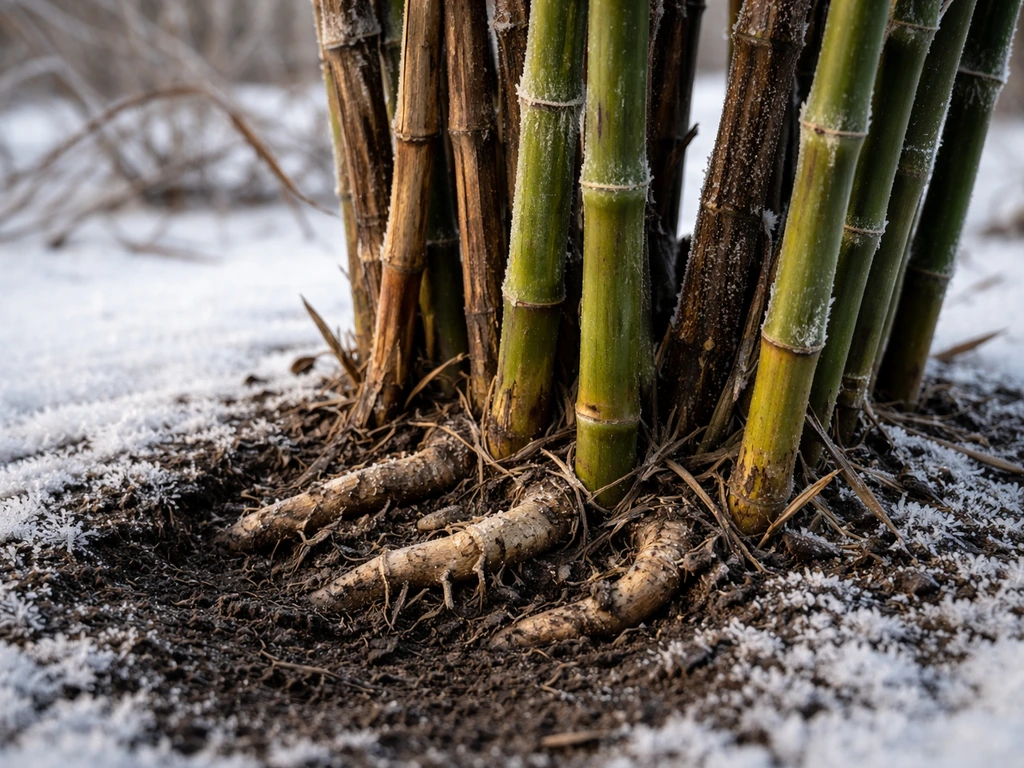
The part of the bamboo plant that really needs to survive winter is the rhizome system underground. Culms (the above-ground canes) can die back completely in a hard winter and the plant can still recover if the rhizomes stay above their critical minimum temperature. The problem is repeated freeze-thaw cycles, which stress the plant far more than a single sustained cold snap. A Zone 6 garden that bounces between 20°F and 50°F multiple times in January can do more damage than a Zone 5 garden that stays steadily cold.
Wind exposure and winter desiccation
Cold, dry winter wind is one of the most underrated killers of bamboo in marginal zones. It pulls moisture out of the leaves faster than frozen roots can replace it, causing what looks like cold damage but is actually dehydration. If your site gets consistent north or northwest wind in winter, you'll see leaf yellowing and dieback even in bamboos that should technically survive your zone. A windbreak, a fence, or even a building on the north side makes a real difference.
Soil moisture and drainage
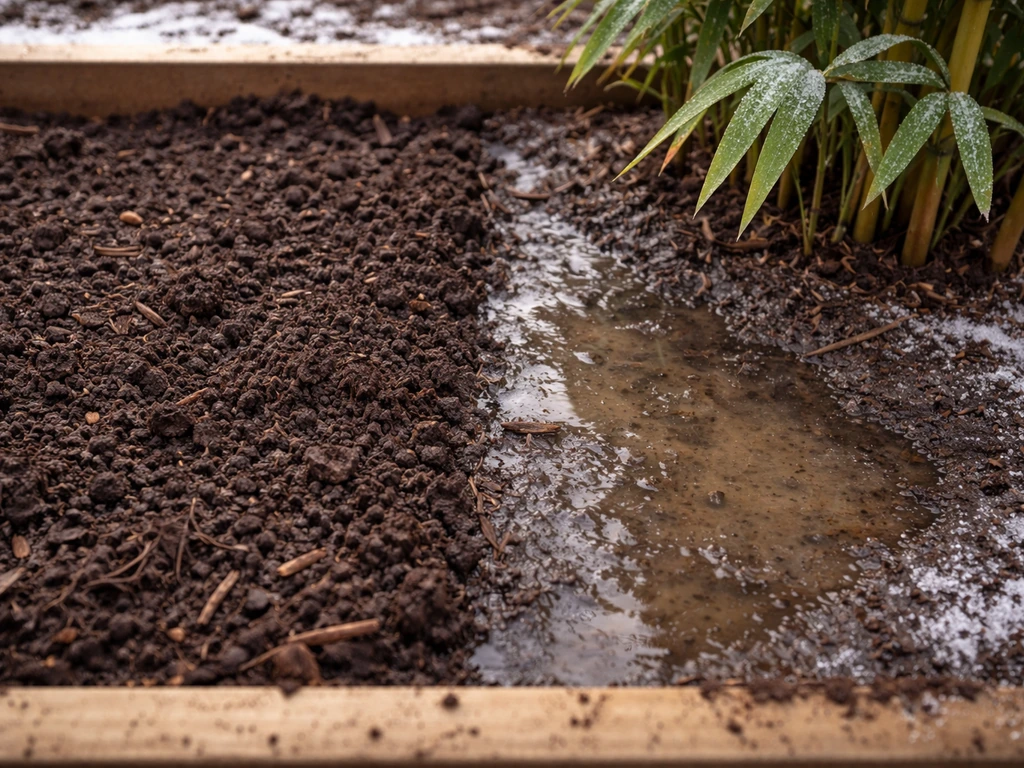
Bamboo wants consistently moist soil, but waterlogged roots are a death sentence, especially in winter. Soggy soil that freezes solid is particularly damaging. The ideal situation going into winter is moist but well-drained soil. Rocky Mountain Products’ bamboo planting and care guide advises keeping newly planted bamboo soil moist but not soggy at first, since waterlogged conditions can be harmful keep newly planted bamboo soil moist but not soggy. Phyllostachys bissetii actually prefers moist conditions and handles this well when drainage is adequate. On the other end, letting bamboo go into winter drought-stressed isn't good either. Water thoroughly before the first hard freeze if you've had a dry fall.
Humidity and rainfall
Bamboo generally thrives in humid conditions. The climate bamboo grows in also depends on humidity and rainfall, not just cold winter lows. The climate context article on this site goes deeper into this, but the short version is: a Zone 7 garden in the humid Southeast is going to support bamboo much more easily than a Zone 7 garden in the arid Southwest, even though their zone numbers are identical. If you're in a dry climate, supplemental irrigation and mulching to retain soil moisture become critical management tools, not optional extras.
Outdoor in-ground vs container growing in tricky zones
If your zone is borderline for the bamboo you want, containers and indoor overwintering are legitimate strategies, but you need to understand the tradeoff. Containers actually expose rhizomes to more cold, not less, because there's no insulating soil mass around the pot. A bamboo rhizome sitting in a terracotta pot at 15°F is much more vulnerable than the same rhizome 6 inches underground in your garden. If you're container growing Fargesia rufa through a Zone 5 winter, wrap the pot heavily with straw or burlap and move it to a sheltered spot, ideally against a south-facing wall or into an unheated garage.
For Zones 5 and 6, in-ground planting is almost always the better long-term strategy if your variety is rated for those zones. The soil insulates the rhizomes, and an established root system is far more resilient than a container-bound one. For Zone 4, in-ground growing of even the hardiest bamboos is risky without consistent snow cover acting as insulation, which is why containerized growing with winter protection becomes more practical there. For Zone 4, can bamboo grow in your yard depends heavily on winter protection like consistent snow cover and careful siting can bamboo grow in zone 4.
In Zones 9 and 10, the concern flips. Some temperate bamboos, including certain Fargesia varieties, actually struggle with heat and humidity at the high end of their range. A Zone 9 gardener in Florida is better served by tropical Bambusa species than by Fargesia, which prefers cooler summers. This is why the zone range on a plant tag lists both a minimum and maximum zone.
How to confirm suitability for your specific spot
Your USDA zone is a starting point, not a guarantee. Microclimates within a single yard can shift the effective growing conditions by a full zone in either direction. A spot against a south-facing brick wall with overhead protection from a roof overhang might behave like it's a half-zone warmer than your map says. A low-lying frost pocket at the back of a property can regularly dip several degrees colder than the surrounding area.
Before you plant, spend a winter actually observing your proposed site. Note where frost stays longest in the morning, where wind hits hardest, and where snow melts first. Those observations tell you more than your zip code. If you've grown other marginally hardy plants in that spot and they've survived, that's a good signal. If you've had frost damage to things that 'should' survive your zone, pay attention to that too.
Talk to local nurseries that specialize in bamboo or cold-climate plants. A good bamboo nursery that operates in your region will know which species and cultivars actually perform in your local conditions, not just which ones are technically rated for your zone. Regional forums and communities (including bamboo enthusiast groups) are also genuinely useful here because someone in your specific city or county has probably already tried what you're considering.
Practical next steps: planting, protection, and course-correcting
Planting for the best chance of survival
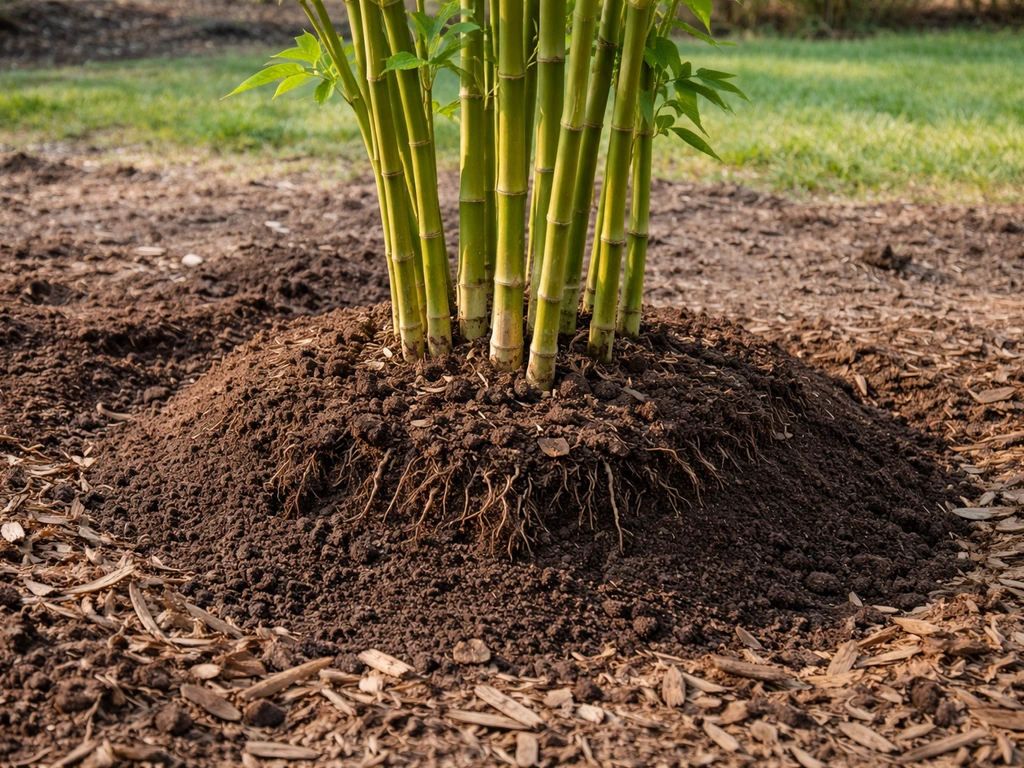
Plant bamboo in spring once your last frost date has passed. This gives the plant a full growing season to establish its root system before facing its first winter. Bamboo can still grow through the winter, but choosing the right planting time and protection helps it survive the cold survive than one planted in fall. A newly planted bamboo with six months of root growth going into winter is dramatically more likely to survive than one planted in fall. Choose a spot with morning sun, afternoon shade in hot climates, and protection from prevailing winter winds. Amend heavy clay soil to improve drainage, and mulch heavily (3 to 4 inches) around the base to insulate the root zone.
Winter protection when it counts
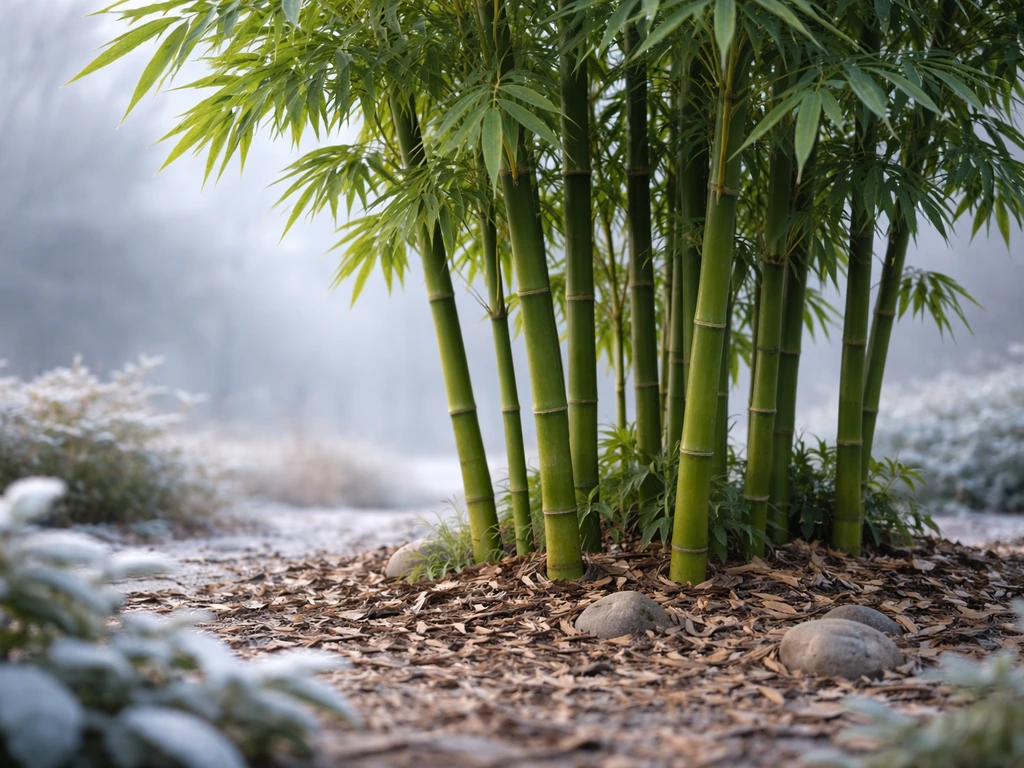
For borderline-zone plantings, a few targeted interventions make a real difference. Apply a thick layer of straw or wood chip mulch over the root zone before the first hard freeze. This slows the freezing of the soil and keeps rhizome temperatures above the critical threshold. For container plants, wrap the pot itself in burlap or move it to a sheltered location. If your culms die back over winter, don't cut them until new growth appears in spring: the culms provide some wind protection and may still be alive even if they look brown.
If your bamboo is struggling
If your bamboo dies back heavily each winter and barely recovers before the next cold season, that's the plant telling you something. The honest answer is that you're either in the wrong zone for that variety or on a site that's too exposed. Your options are: switch to a hardier variety (one rated at least a zone colder than where you are), improve the site with a windbreak or reflected heat from a wall, or accept that container growing with proper overwintering is your best long-term approach. There's no shame in admitting a variety isn't the right fit and choosing something better matched to your reality. A Fargesia rufa that performs reliably is more satisfying than a marginally hardy Phyllostachys that struggles every year.
For readers in Zone 4 or colder who want to grow bamboo, the options are genuinely limited outdoors but not zero. Growing bamboo in cold climates is a topic worth exploring specifically, and some growers in Zone 4 have had success with Phyllostachys bissetii in protected spots with consistent snow cover. It takes more effort and a realistic expectation that results will vary year to year. If you're further north than Zone 4, indoor container growing of tropical bamboo is the most practical path, accepting that it becomes more of a houseplant than a landscape specimen.
FAQ
When I ask what zone does bamboo grow in, should I trust the full zone range on the plant tag or only the minimum?
Use the minimum winter temperature, not the “average” or the plant’s growth speed. If a tag lists a range, treat the lower end as “survival” and the upper end as “likely performance,” then aim for a variety rated at least one full zone colder than your site for borderline cases.
If my bamboo survives the winter, will it still be a problem for containment in my yard?
Yes for most temperate and tropical types, but it’s not one-size-fits-all. Running bamboo (often Phyllostachys) can spread into nearby beds and lawns even if the culms die back, while clumping types (often Fargesia/Bambusa) stay tighter. Containment tools are a separate decision from cold hardiness.
Can two spots in the same USDA zone produce different results with the same bamboo?
Try to understand “microzone,” not just USDA zone. Winter wind, drainage, and freeze thaw cycles can make one corner of a yard behave like a zone colder. If you have a frost pocket or a windy north side, assume your effective zone is worse there.
What are the most common reasons bamboo fails even when the USDA zone seems right?
Don’t decide based only on the label before you plant. If your bamboo is borderline, check drainage and soil texture first, then water strategy going into winter. Soggy soil that freezes solid and winter drought stress are two different failure modes that both look like dieback.
What should I do if I can only plant bamboo in late season, closer to fall?
For borderline plants, spring planting usually means stronger root establishment before winter. If you must plant later, increase initial watering until the ground starts cooling, then mulch more heavily and choose extra-sheltered siting to compensate for less root growth time.
Should I cut back dead-looking bamboo culms after winter damage?
Thin cuts can remove wind-sheltering dead culms and expose tender new growth. If culms look brown after winter, wait until you see fresh shoots starting in spring before trimming, and then remove only what is clearly dead.
Why does bamboo in containers struggle more in cold zones than bamboo planted in the ground?
Containers can be harder on rhizomes in cold climates because pot soil freezes more quickly than in-ground soil. If you go container anyway, insulate the pot, keep it in a sheltered spot, and avoid repeatedly cycling it between freeze and thaw.
Does snow cover alone make bamboo viable in colder than Zone 4?
Yes, but it must be consistent. A good winter strategy for Zone 4-type situations is reliable insulation, typically from consistent snow or heavy protection, plus a wind-protected location. If snow doesn’t reliably accumulate where you are, plan for higher risk.
If my zone is correct, do I still need to manage irrigation differently in a dry climate?
In humid climates, bamboo can be more forgiving, but in arid regions you may need supplemental irrigation and mulching even if temperatures are correct. The key is keeping the root zone evenly moist without letting it become waterlogged in winter.
How can I gauge whether my specific yard conditions match the USDA zone before I buy bamboo?
You can test indirectly by observing other marginally hardy plants, but bamboo also responds to site stressors. Look for frost timing, wind exposure, and how long the ground stays wet. If frost damage hits similar perennials in your yard, assume bamboo will be stressed too.
My bamboo keeps dying back every year. How do I know whether to change the plant or fix the site?
If your bamboo repeatedly dies back heavily and never reestablishes by early summer, treat it as a “fit” problem, not just a bad winter. Your decision options are switching to a colder-rated bamboo, adding site protection (windbreak, reflected warmth, better drainage), or choosing container overwintering with insulation.
Which bamboo type should I prioritize if I’m right on the edge of its recommended zone?
If you’re in a zone where survival is borderline, pick varieties based on your lowest-risk period and your site conditions. For example, cold-hardy running bamboos are often chosen for colder zones, while clumping tropical types usually need warmer minima, regardless of how summer-friendly your yard is.
Can Bamboo Grow in Cold Climates? Survival Tips
Learn if bamboo survives cold weather, how to choose hardy species, and step-by-step planting and winter protection tips