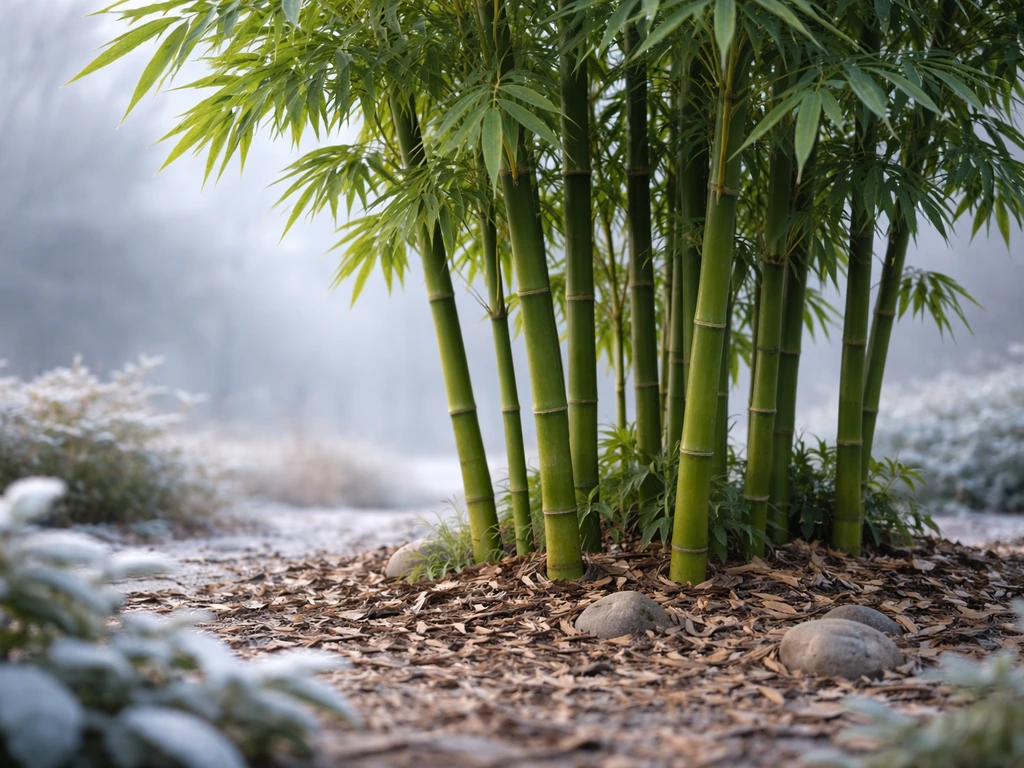
Yes, bamboo absolutely grows in rainforests. It's found across tropical and subtropical humid forests in Asia, Africa, and the Americas, and some species thrive right in the understory of dense, wet forest environments. That said, bamboo is not one plant with one set of needs. The species, the specific light conditions, drainage, and whether it's a clumping or running type all determine whether a particular bamboo will flourish or struggle in a rainforest-like setting. If you're trying to grow bamboo yourself and want to replicate those conditions, the good news is that most of what makes rainforest bamboo work, warm temperatures, consistent moisture, high humidity, and good soil structure, is something you can approximate with the right species choice and site preparation.
Does Bamboo Grow in the Rainforest? Species and Care Guide
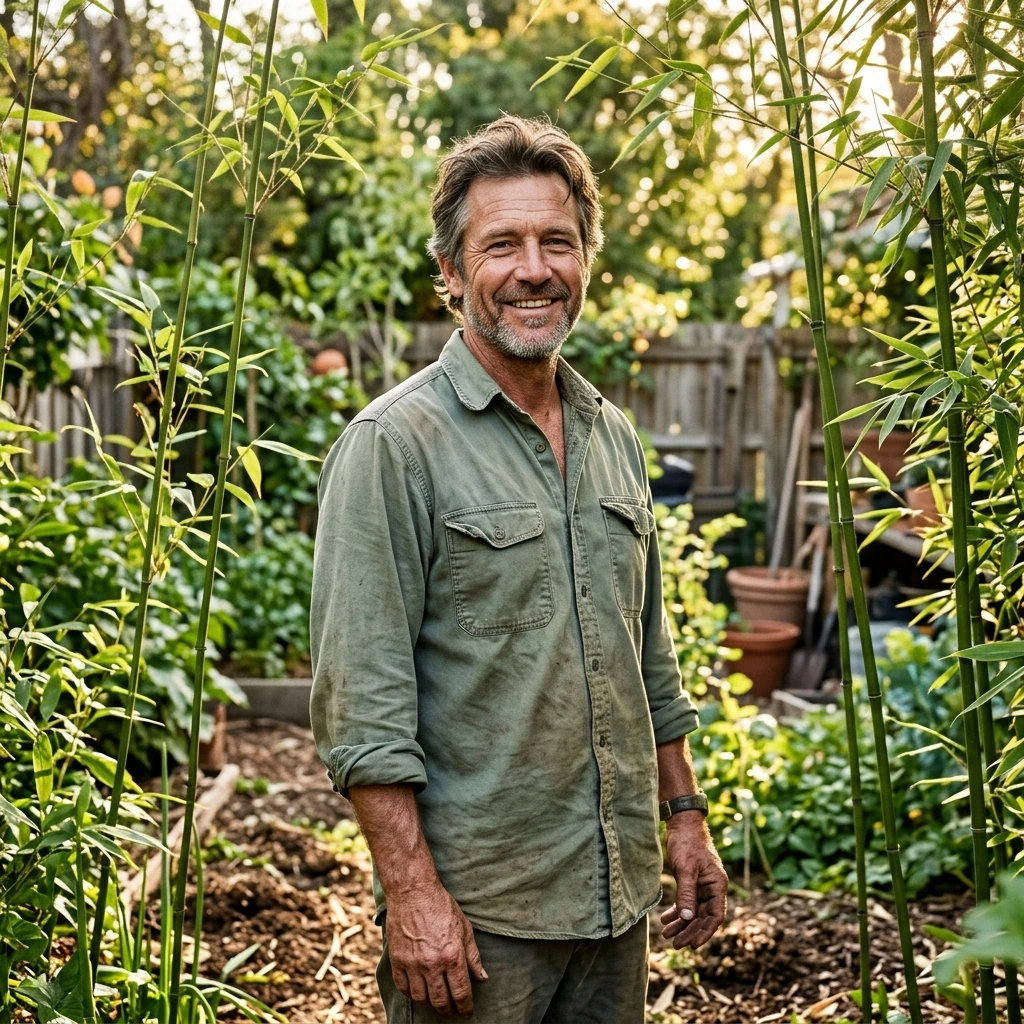
Where bamboo actually grows around the world
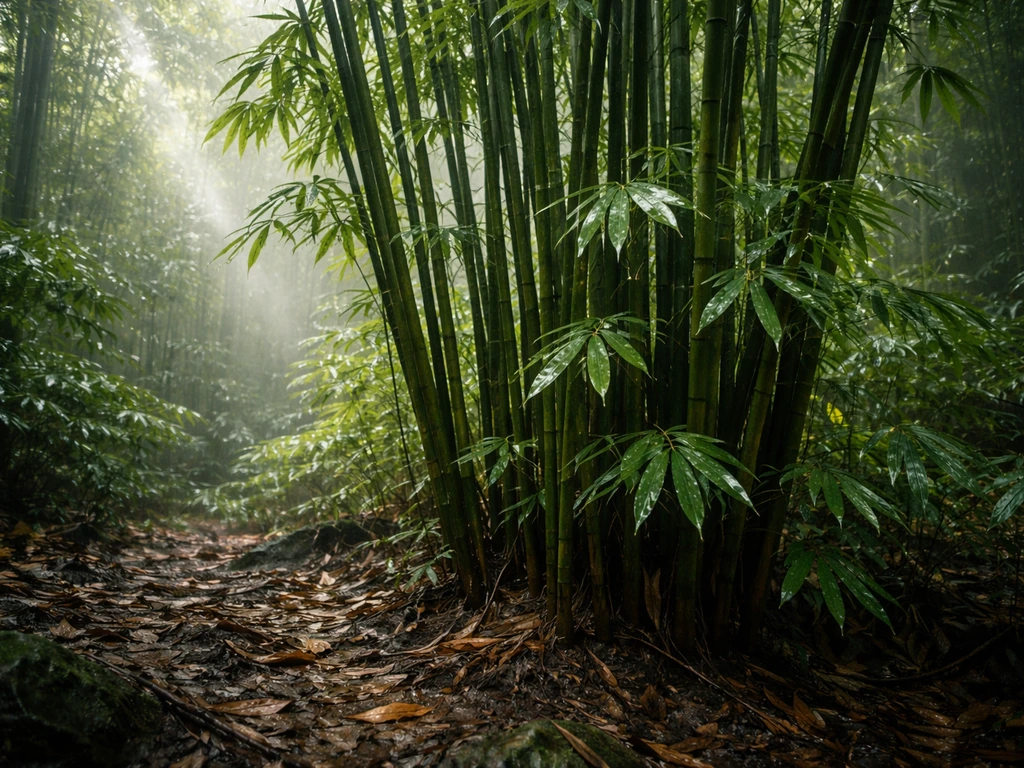
Bamboo is remarkably widespread. In South-East Asia, it spans lowland tropical forests all the way up to mountain forests, appearing in both dry and humid tropics, including swampy areas and regularly flooded riverbanks. In the neotropics, genera like Guadua grow in lowland tropical forest, lower-montane forest, and gallery forest across much of tropical America, including the Amazon and Andean regions. These aren't fringe habitats, Guadua angustifolia, for example, is distributed across a huge swath of tropical America and is one of the most important structural bamboos in the world.
In humid tropical regions, bamboo often dominates areas that have been logged or cleared. One thing worth knowing: in true rainforest, bamboo rarely forms a pure bamboo forest. It tends to appear as part of a mixed plant community, often in disturbed patches, along forest edges, or as an understory component. Research on Malaysian rainforest bamboos like Gigantochloa ligulata and Schizostachyum grande shows how performance in these environments is closely tied to available light, which varies a lot depending on canopy cover. This understory/edge dynamic is important if you're planning to grow bamboo in a shaded yard or beneath taller trees.
The conditions rainforest bamboo actually needs
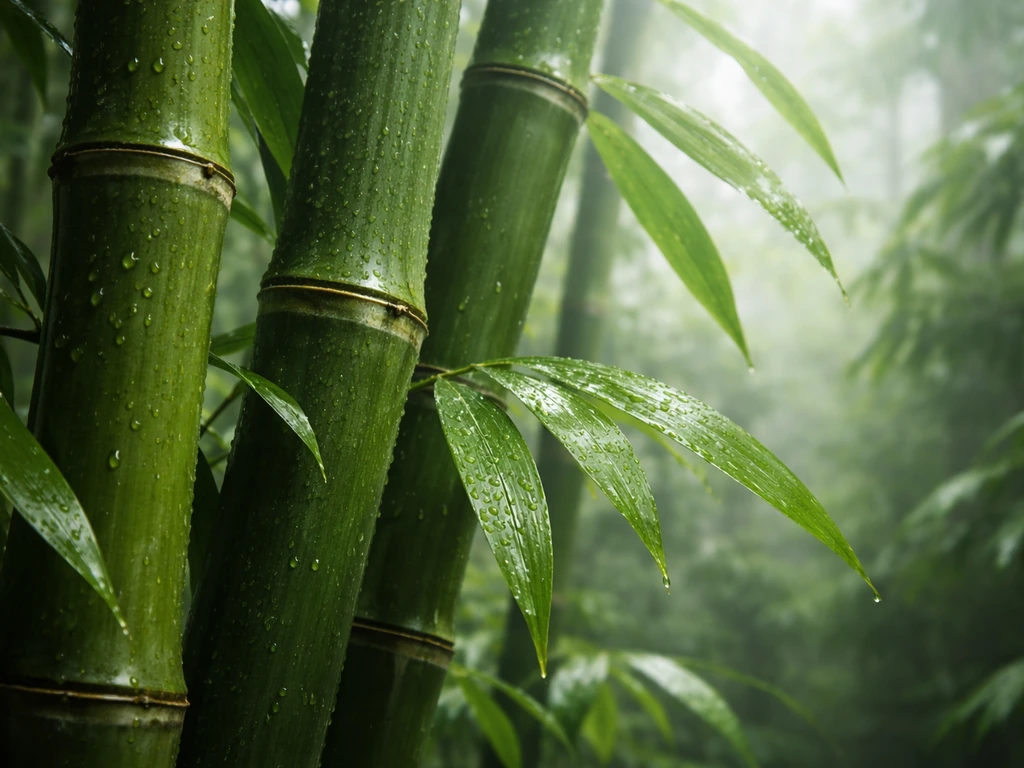
If you want to understand what makes rainforest bamboo tick, start with four factors: temperature, rainfall and humidity, light, and soil. Get these right, or close enough, and bamboo will grow aggressively. Get them wrong and you'll fight the plant constantly.
Temperature
Most bamboo species perform best within a temperature range of roughly 48°F to 97°F (9°C to 36°C). Tropical rainforest bamboos sit comfortably in the upper half of that range. If you're in a climate that regularly dips below that lower threshold, you're already outside the comfort zone for most tropical species. This is why species selection matters so much, something like Fargesia murielae (hardy to USDA zones 5–9) handles cool temperatures far better than a tropical Guadua species would. The climate you're working with should be the first filter you apply when choosing a species.
Rainfall and humidity
Bamboo in humid forest environments receives a lot of water. FAO data puts the minimum annual precipitation for bamboo at around 40 inches (1,020 mm), with the typical range for well-performing bamboo forests running from 50 to 160 inches (1,270–4,050 mm) per year. Relative humidity in these environments is often 80% or higher. That's genuinely wet. If you're in a climate that delivers less than that naturally, supplemental irrigation and mulching become your main tools.
Light
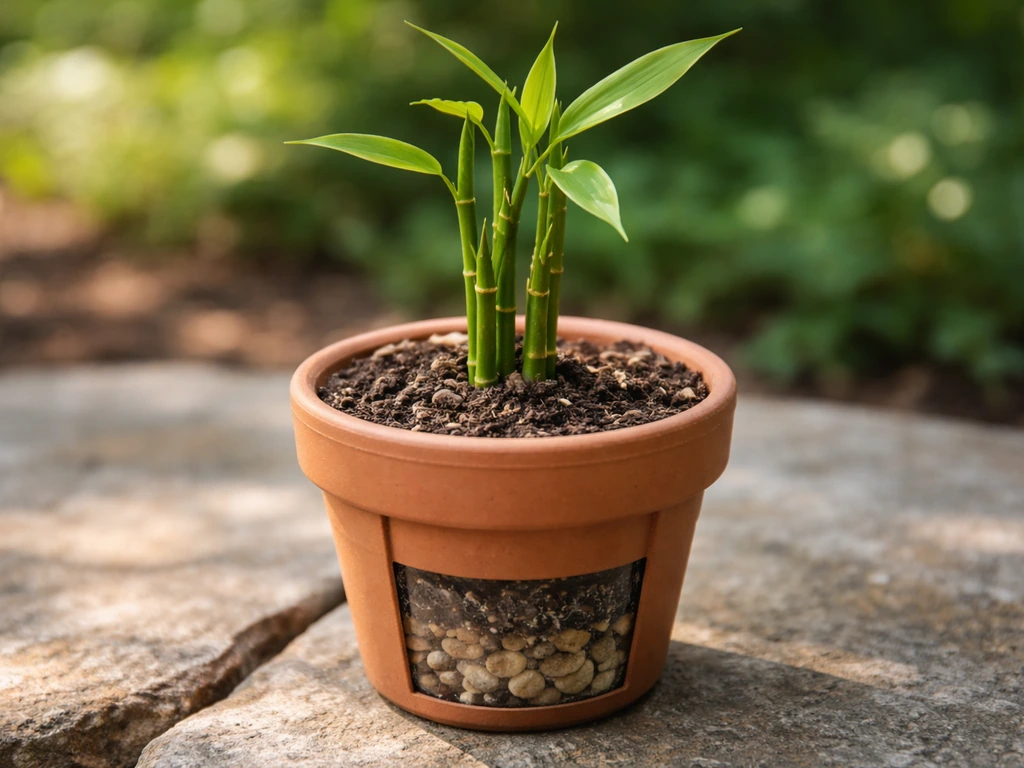
This one surprises people. Rainforest bamboo does not always get full sun. Many species evolved as understory plants beneath a canopy, which means they're adapted to filtered or dappled light. Some bamboo species tolerate significant shade, while others need more sun to reach full height. When you see bamboo struggling in a shaded yard, it's often a species-mismatch problem, not proof that bamboo can't handle shade. Research on Malaysian rainforest bamboos specifically links growth performance to the light environment the plant is in, which is a good reminder to match the species to the light you actually have.
Soil and drainage
This is where a lot of home growers get into trouble. Rainforest soil is rich in organic matter and drains well despite the heavy rainfall. Bamboo roots need moisture, but they do not tolerate waterlogged soil. Moist, free-draining soil is the target. The natural leaf litter that accumulates under bamboo acts like a living mulch layer, keeping the soil soft, regulating moisture, and recycling nutrients, mimicking this at home with mulch or letting the bamboo's own fallen leaves stay in place is one of the easiest wins you can give your plant.
Clumping vs running bamboo: which one belongs in a wet forest?
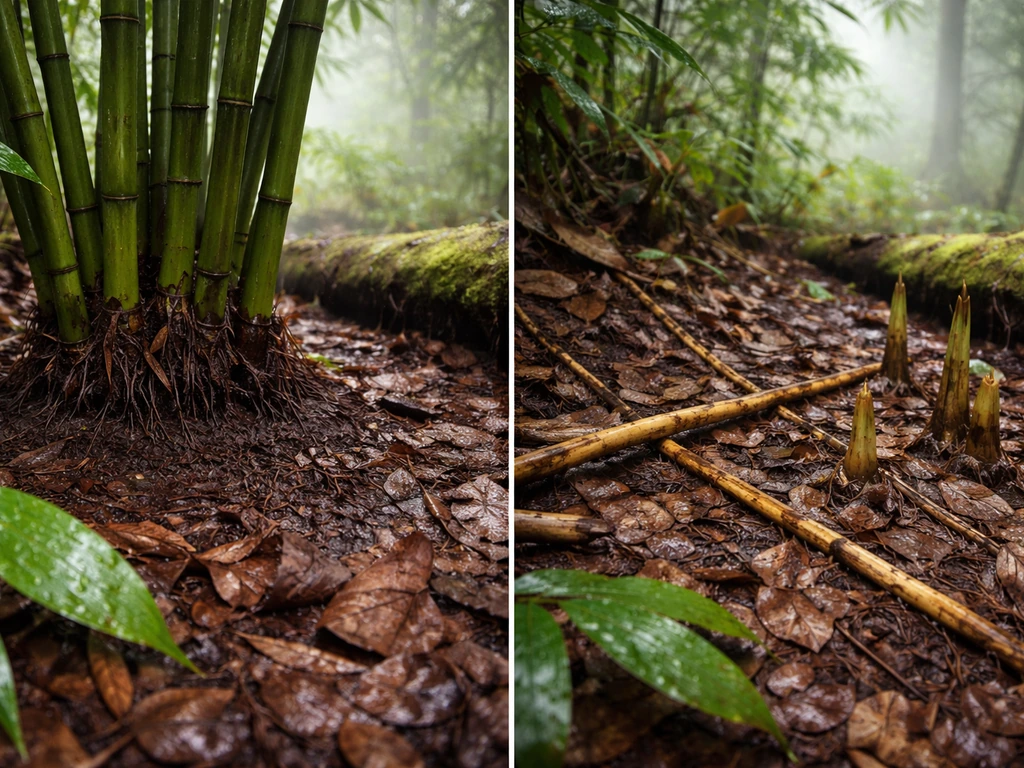
Not all bamboo behaves the same way in a humid, dense growing environment, and understanding the clumping versus running distinction is genuinely important here, not just for ecological reasons but for practical management.
Clumping bamboos (like Guadua, Bambusa, and Fargesia species) grow by extending rhizome tips outward slowly, forming tight, contained clumps. Running bamboos (like Phyllostachys species) spread aggressively via long lateral rhizomes that can extend far from the mother plant. In a rainforest context, the native tropical species are almost all clumping types. Guadua, which dominates neotropical forest bamboo, is clumping. The Gigantochloa and Schizostachyum species studied in Malaysian rainforests are also clumping genera.
For home growers, this matters for two reasons. First, clumping bamboos are far less likely to become an invasive problem in a wet, fertile environment where growth is vigorous. Research from Penn State confirms that running bamboos pose a greater invasion risk than clumping types in most contexts. Second, if you're planting near a natural area or trying to control spread in a humid garden bed, a running bamboo in fertile, moist soil can become very difficult to manage. Once it's established, removal is an intensive, multi-season effort. If your growing conditions are going to be rich and wet, lean heavily toward clumping species.
| Feature | Clumping Bamboo | Running Bamboo |
|---|---|---|
| Spread habit | Tight clump, slow lateral expansion | Aggressive lateral rhizomes, spreads far |
| Invasiveness risk | Low | High in fertile/moist soil |
| Typical rainforest genera | Guadua, Gigantochloa, Bambusa, Schizostachyum | Phyllostachys (mostly temperate, not rainforest) |
| Containment needs | Minimal | Requires barrier or frequent root pruning |
| Best for home growers in wet climates | Yes, strongly preferred | Use caution; barrier essential |
How to grow bamboo when you don't live in a rainforest
This is what most readers actually want to know. You don't live in a Malaysian forest or the Colombian Amazon, but you want bamboo to grow well. The strategy is straightforward: identify which rainforest conditions you can replicate and which ones you need to compensate for.
Match the species to your climate zone first
This is the single most important step. A tropical bamboo species will not survive a zone 6 winter, no matter how much you mulch it. If you want to know does bamboo grow in the winter, the answer depends mainly on whether the species can tolerate cold and how well you match your USDA hardiness zone zone 6 winter. Start by checking your USDA hardiness zone, then work backward to species that fit. Fargesia murielae and Fargesia rufa handle zones 5–9 and prefer part shade, which makes them excellent for cooler climates or shaded yards. Bambusa multiplex works in zones 6a–9 and is a clumping, non-invasive option for warmer areas. Phyllostachys aurea covers zones 7a–10 but is a runner, so containment planning is essential. If you're in a tropical or subtropical climate (zones 9–11), you have the most options, including species like Guadua and larger Bambusa types.
Build the soil and moisture environment
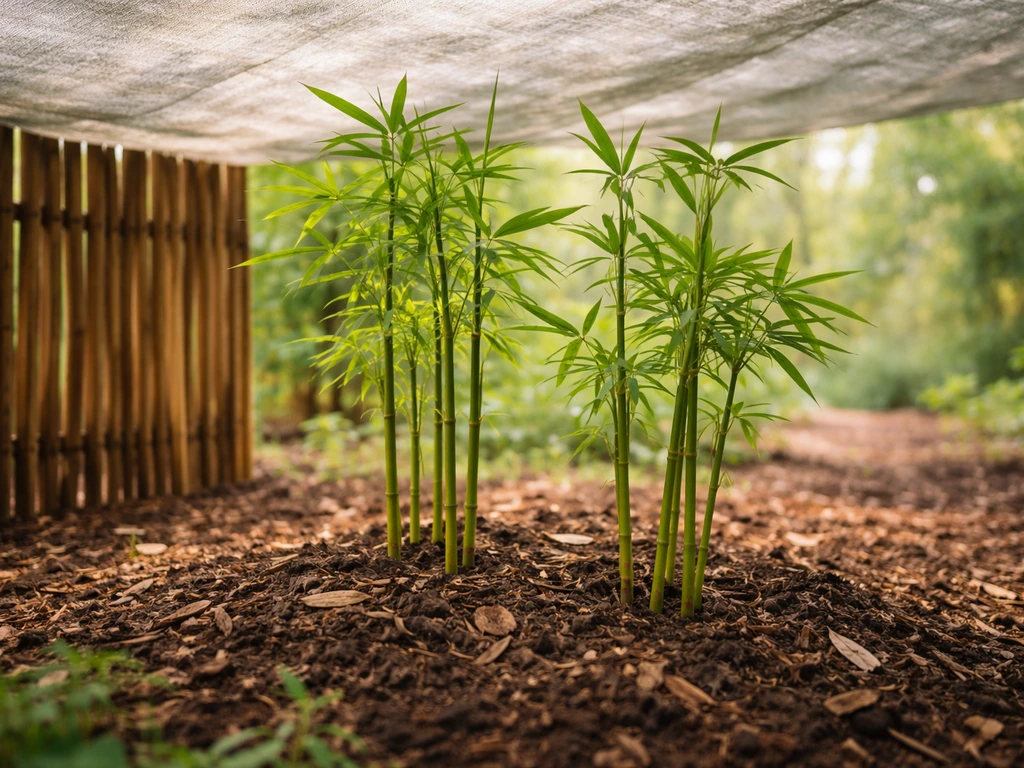
Amend your planting site with organic matter to get that forest-floor soil structure. Leave the bamboo's fallen leaves in place under the plant rather than raking them away, this is exactly what happens in a natural forest setting and it keeps the soil soft, moist, and nutrient-rich. Add a layer of mulch (wood chips work well) especially in drier climates. Water consistently but don't saturate. A good rule of thumb is to check soil moisture a few inches down before watering, you want damp, not wet.
Manage light and wind exposure
When you first plant bamboo, some light shade and wind protection go a long way. Young bamboo is more vulnerable to desiccation from wind than established plants are, and strong sun combined with dry conditions can stress it badly. A fence line, existing shrubs, or a building on the windward side provides meaningful shelter. Once the bamboo is established, adjust based on how the species is performing, if growth is slower than expected, it may need more light.
Consider containers for marginal or indoor climates
If you're in a climate outside the viable range for outdoor bamboo, say, a very cold zone or an extremely dry region, container growing lets you control the environment. If you're wondering about cold hardiness, can bamboo grow in zone 4 depends on the species and how you protect it from winter freeze and wind. You can bring plants indoors over winter or into a greenhouse, maintain humidity more easily, and use a high-quality potting mix with good drainage. The trade-off is that container bamboo won't reach the same size as ground-planted specimens, and you'll need to repot or divide every few years as the root mass fills the container.
Common problems and how to fix them
Root rot from poor drainage
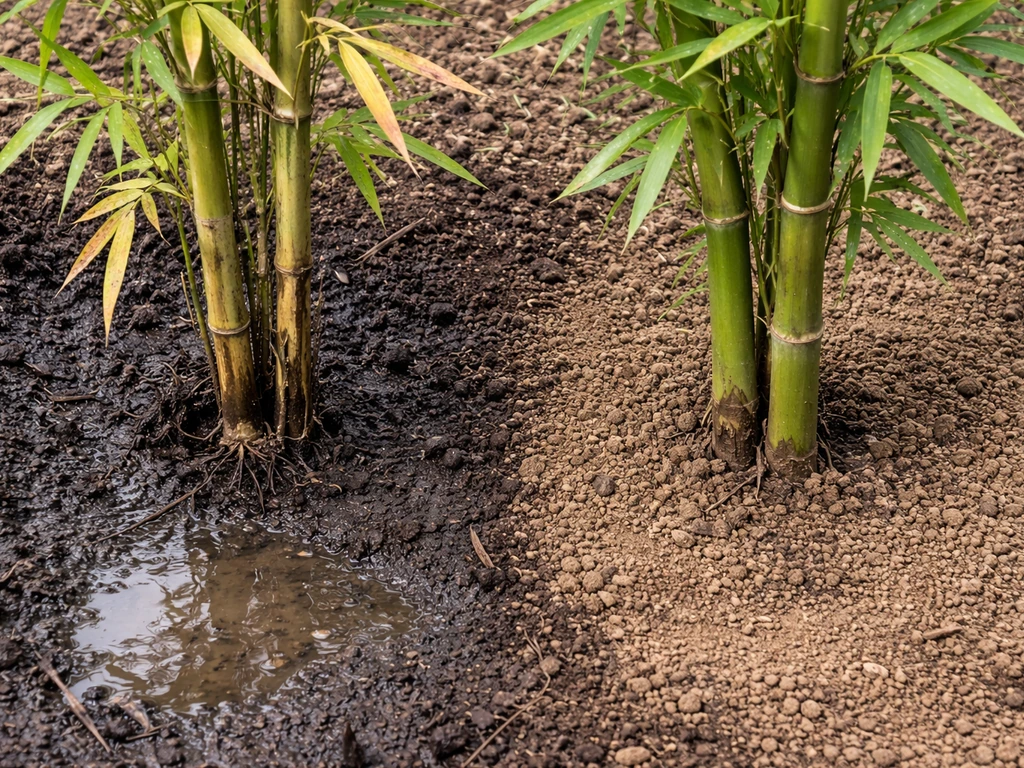
This is the most common killer of bamboo that's planted in a rainforest-inspired setup with heavy watering. Waterlogged soil suffocates roots and invites fungal rot. If your soil doesn't drain freely, you need to fix that before planting, raise the bed, mix in grit or coarse material, or choose a different site. If you're already seeing yellowing leaves, mushy culm bases, or a foul smell at soil level, pull back on watering immediately and check whether the drainage can be improved. Prevention is much easier than recovery.
Slow growth from insufficient light
Bamboo planted in deep shade with the wrong species will grow slowly and produce weak, thin culms. If this is happening, assess whether you've matched a shade-tolerant species to a shaded spot, or whether you're trying to force a sun-loving species into low light. Moving the plant (possible with smaller clumping types) or selectively pruning overhead canopy to let more light in are both options worth considering.
Pest pressure
In humid, warm environments, aphids, mites, and mealybugs can colonize bamboo, particularly on younger shoots. Fungal issues on culms are also more common when airflow is poor and humidity is persistently high. Keeping some space between culms, removing dead canes, and not over-crowding the planting helps. For minor infestations, a strong water spray or neem-based treatment handles most cases without heavy intervention.
Running bamboo escaping its boundaries
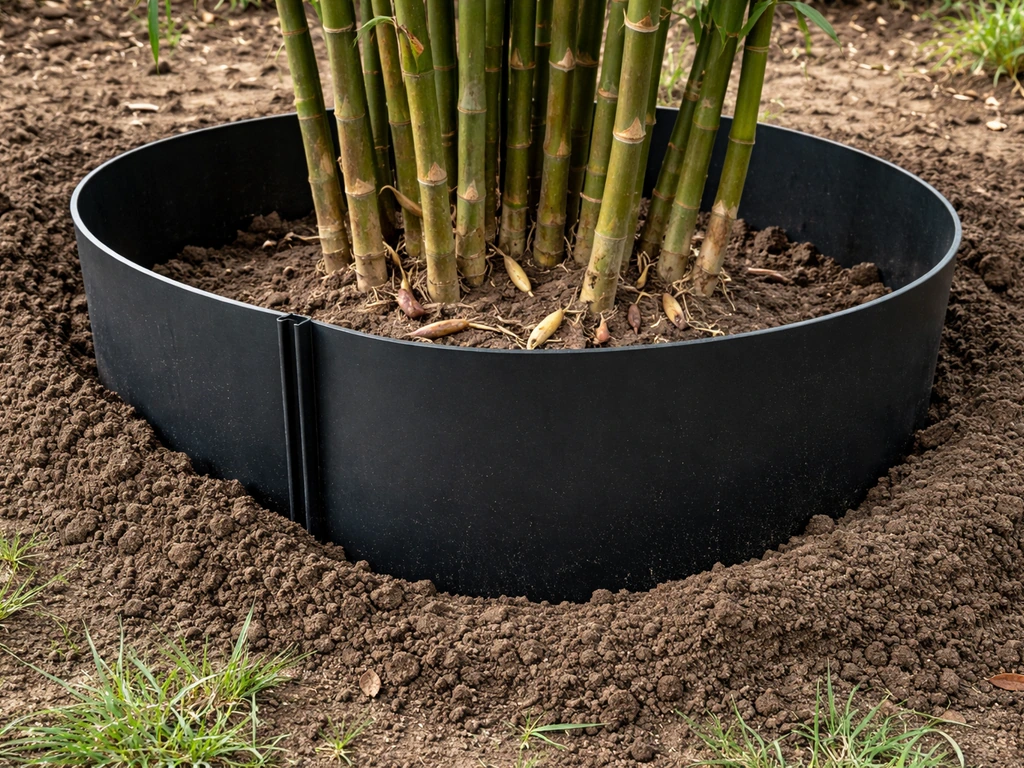
If you planted a running type and it's spreading into areas you didn't intend, you have two options: physical barriers (HDPE root barrier, at least 24–30 inches deep, installed at the perimeter) or regular rhizome pruning each spring before new growth pushes out. Getting on top of this early is critical. Once an established running bamboo has colonized a large area, removal is a serious multi-year project involving repeated cutting, rhizome excavation, and vigilant follow-up.
How to figure out if bamboo will work in your specific spot
Start with your USDA hardiness zone and annual rainfall. If you're in zones 7–10 with at least 40 inches of annual rain, you have solid options for outdoor bamboo, including clumping tropical and subtropical species. Zones 5–6 narrow you to cold-hardy clumpers like Fargesia. Below zone 5, outdoor bamboo is a genuine challenge and container growing or indoor specimens are more realistic.
- Check your USDA hardiness zone (the USDA Plant Hardiness Zone Map is free and searchable by zip code).
- Look up your average annual rainfall and compare it to the 40-inch minimum threshold. If you're below that, plan for supplemental irrigation.
- Assess your light conditions—how many hours of direct sun does your intended planting spot get? Match that to shade-tolerant or sun-preferring species accordingly.
- Decide whether you want a clumping or running type based on your containment situation. If you're near natural areas or have a small yard, go clumping.
- Narrow your species list to what's rated for your zone, available from reputable nurseries, and suited to your light and moisture conditions.
- For climates outside the viable outdoor range, decide between container growing (moveable, controllable) or accepting that bamboo may not be practical outdoors in your location.
The broader question of what climate bamboo thrives in, beyond just the rainforest context, is worth exploring if you're trying to understand the full picture of where bamboo succeeds and where it struggles. The same goes for how bamboo performs across different hardiness zones, which directly affects which species are realistic choices for your area. Knowing your zone isn't just a starting point, it's the filter that rules out most of the guesswork.
The bottom line: bamboo in a rainforest is not an accident. It's there because the conditions match what it needs. When you're growing bamboo outside a rainforest, you're essentially reverse-engineering those conditions as best you can. With the right species, good drainage, consistent moisture, appropriate light, and a clumping habit if you're in a wet and fertile setting, you can grow bamboo successfully in a wide range of environments. It takes a bit of upfront homework, but that's genuinely the hardest part.
FAQ
Can bamboo that grows in rainforests survive winter where nights get cold?
Yes, but you need a species that naturally tolerates cooler temperatures and short days. For example, clumping cold-hardy types (often sold as Fargesia) are more likely to survive outdoors in the cold shoulder seasons, while many tropical rainforest bamboos can die back or fail to re-sprout after prolonged freezes. Also plan wind protection, because winter wind plus low humidity dries bamboo rhizomes and new shoots even when temperatures are only moderately low.
Does rainforest bamboo need full sun, or will dappled light work?
It depends on the species and where you place it. Many rainforest bamboo species handle filtered light well, so full sun can scorch young plants if the soil dries even slightly. The practical fix is to shade the first year (morning sun but afternoon protection works well) and keep soil evenly moist, never waterlogged.
Should I leave leaf litter and mulch under bamboo, or can it cause problems?
Using leaf litter is helpful, but do not turn it into a wet, compacted mat. If your soil stays soggy for days after rain, rake back part of the layer to restore aeration and mix in coarse organic matter or grit. The goal is “damp with airflow,” bamboo roots need oxygen as much as water.
How much spacing do rainforest bamboo plants need to avoid disease?
For clumping species, you can often plant closer together, but you still need airflow to reduce fungal issues in consistently humid weather. A good rule is to give each plant enough space for culm bases to dry slightly after rain, and avoid forcing thin clump interiors that stay wet for long periods. If you see repeated spotting or cane decline, thin the culms and increase spacing.
What’s the best way to protect bamboo from freeze-thaw, not just low temperatures?
Check for cold tolerance first, then the exposure. In climates below a species’ zone range, wrapping and mulch rarely prevent root damage during freeze-thaw cycles. If you are pushing the limits, move the plant to a protected microclimate (near a sheltered wall) and consider overwintering in a container or unheated greenhouse to reduce freeze swings.
Do I need fertilizer to mimic rainforest conditions for bamboo?
You generally should not rely on fertilizer to “replace” rainforest conditions. If you have rich, organic soil and consistent moisture, bamboo often grows strongly with minimal feeding. Over-fertilizing in humid weather can create soft, pest-prone shoots, so if growth is weak, start with improved drainage and correct light before adding nitrogen-heavy fertilizer.
How often should I water bamboo in a rainforest-style setup?
Yes, but avoid “constant wet.” Water deeply enough to keep soil damp a few inches down, then allow the surface to partially dry before watering again. Signs of too much water include yellowing leaves, mushy bases, or a foul smell at soil level, those are drainage problems to correct immediately.
Is running bamboo always invasive, or can it be managed in wet climates?
Running bamboo is the high-risk option for escape, even if it survives and grows fast in humid gardens. If you want the rainforest growth feel without spreading headaches, prioritize clumping species, or if you do choose a runner, install a root barrier early at the correct depth and inspect it regularly for breaches.
Can I grow rainforest bamboo in a container if my climate is outside its outdoor range?
Yes, container growing can work outside the outdoor viability window, but manage two constraints: root restriction and humidity. Use a large pot with excellent drainage, keep the mix consistently moist but not saturated, and plan to repot or divide more frequently because bamboo fills containers quickly.
What are the most common pests on rainforest bamboo, and how do I prevent them?
Most pest pressure shows up on new shoots and when airflow is poor, which is common in dense clumps. Early prevention is easier than treatment: keep spacing, remove dead canes, avoid overwatering that keeps foliage persistently wet, and monitor tender growth weekly so you can hose off light infestations before they explode.
What Zone Does Bamboo Grow In USDA Hardiness Guide
Find your USDA hardiness zone for bamboo, plus species, clumping vs running tips, and how to protect it in winter.