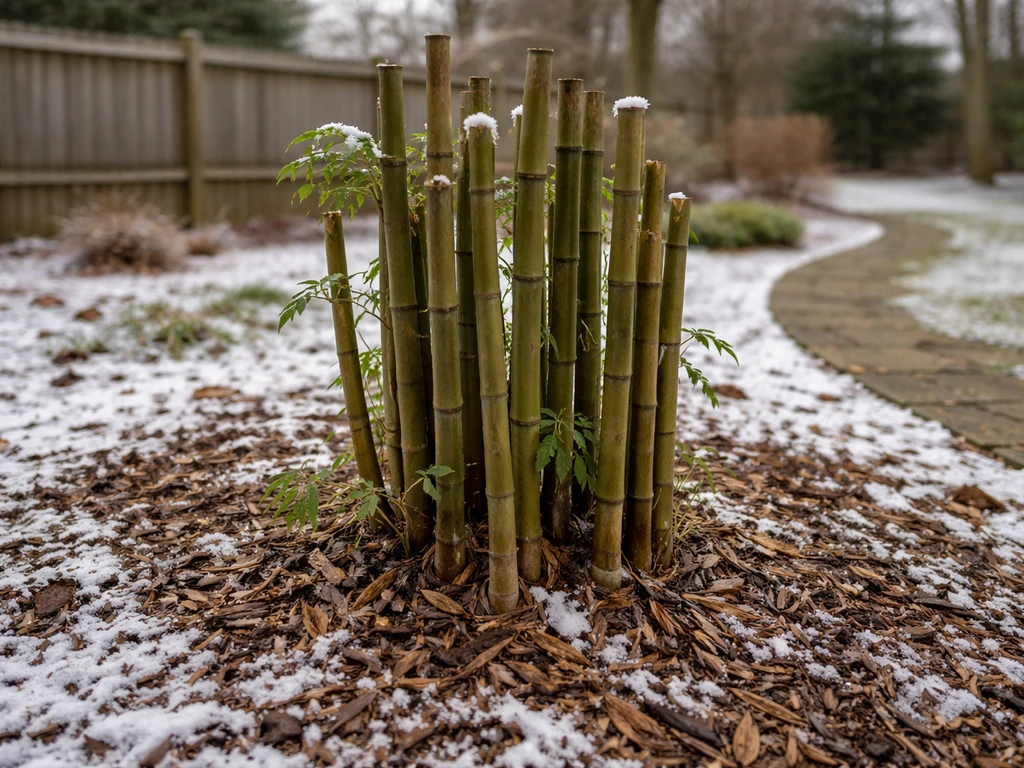
Yes, bamboo can grow in Wisconsin, but you need to pick the right species and give it the right setup. If you're wondering about other nearby cold climates too, the same idea applies when checking whether can bamboo grow in michigan, since choosing a cold-hardy species and protecting the first winter matters most.
Can Bamboo Grow in Wisconsin? How to Succeed Fast
Marcus Hartwell
5 May 2026
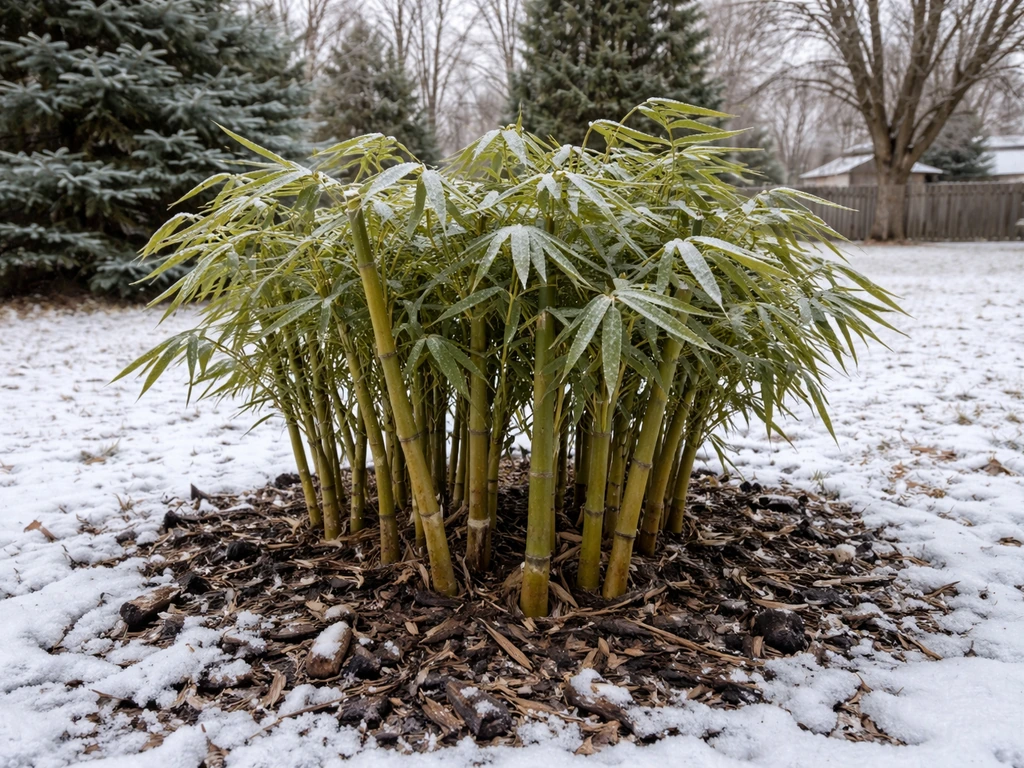
Most of the ornamental bamboos sold at big box stores won't survive a Wisconsin winter, but cold-hardy clumping bamboos like Fargesia can handle temperatures down to −20°F and thrive in zones as cold as Zone 4. The American Bamboo Society maintains a cold-hardiness and species listing PDF that includes Fargesia selections, reflecting its cold-hardiness-focused catalog for choosing bamboos in colder climates [cold-hardy clumping bamboos like Fargesia can handle temperatures down to −20°F](https://www. bamboo. org/_pdfs/SSL36.
pdf). Running bamboos like Phyllostachys nuda can also survive with their roots intact even through extreme cold, though their tops may die back. The short version: go with a cold-hardy Fargesia for a low-stress experience, plant in spring, protect the first winter with heavy mulch, and you'll have bamboo that comes back year after year.
Can bamboo survive Wisconsin winters?
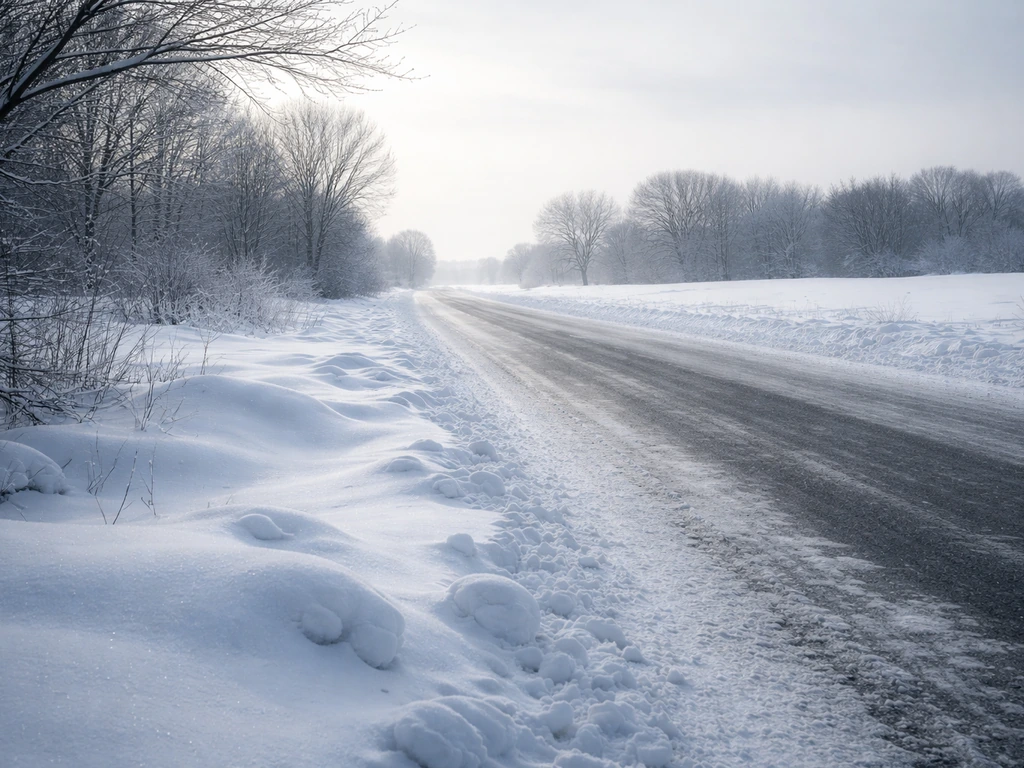
Wisconsin is tough. Depending on where you live, you're dealing with USDA Hardiness Zones 3b (far north) through 6a (Milwaukee and the southeast corner). That's a wide range, and it matters a lot for bamboo survival. The 2023 USDA zone map is based on average annual minimum temperatures over a 30-year period, not the single coldest night ever recorded. That's an important distinction because Wisconsin can and does throw freak cold snaps that dip well below the zone average, especially in the north.
Here's the good news: UW–Madison research has confirmed that Wisconsin's winter minimum temperatures are actually trending warmer over time, rising faster than summer or daytime temperatures. That means the window for growing cold-hardy bamboo in Wisconsin is slowly improving. Even so, you can't ignore the reality that Vilas County in the north sees its first frost around September 21, while Milwaukee doesn't get its first frost until around October 29. That six-week difference is huge for first-year establishment, and it's why location within the state matters as much as which bamboo you pick.
The other thing to understand is that bamboo hardiness is often discussed in two parts: top hardiness (the canes and foliage) and root hardiness (the rhizome system underground). Many bamboos will have their tops killed back in a hard Wisconsin winter but send up fresh shoots in spring if the roots survived. Whether that's acceptable to you depends on whether you want a year-round screen or just a seasonal feature.
Which bamboo types to choose for Wisconsin
Clumping bamboos: the safer, easier choice
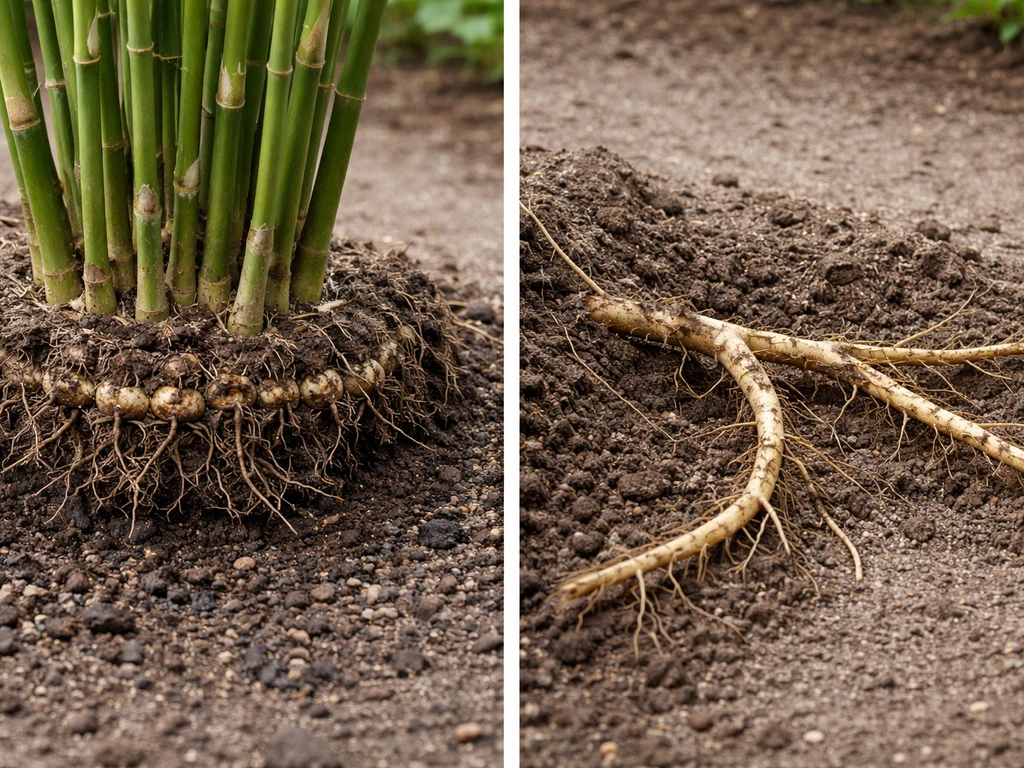
For most Wisconsin gardeners, clumping bamboos in the genus Fargesia are the clear winner. These are the bamboos that grew in alpine conifer forests in China, which means they're built for cold, wind, and snow. Fargesia species are described by the American Bamboo Society as the hardiest of the clumping types, and several selections can handle −18°F to −20°F. For example, Fargesia adpressa is rated to −18°F, and the cultivar 'New Umbrella' (a Fargesia murieliae selection) is cold hardy to −20°F and grows well in Zones 4–8. That covers most of Wisconsin, including a lot of the north.
Clumping bamboos spread through short, compact pachymorph rhizomes, expanding only a few inches outward per year as a tight clump. You don't need a rhizome barrier, you don't need to worry about the bamboo taking over your neighbor's yard, and the plants stay where you put them. For a gardener in Wisconsin who wants bamboo without the headaches, this is the right call.
Running bamboos: possible, but requires commitment
Running bamboos (Phyllostachys and others) spread through long horizontal leptomorph rhizomes and can travel surprising distances from the original plant. They're not impossible in Wisconsin, and some are genuinely cold-tolerant. Phyllostachys nuda, for instance, is considered one of the most cold-hardy Phyllostachys species, with roots reportedly surviving down to −20°F or even −30°F in some documented cases, though the tops will typically die back in Zone 5 winters. If you live in southern Wisconsin and want larger, more dramatic bamboo, a properly contained running species like P. nuda is a realistic option.
One interesting quirk worth knowing: running bamboos sometimes behave more like clumpers in very cold climates or low-sun situations because the cold suppresses aggressive rhizome spread. But don't count on this as your containment strategy. Always install a proper barrier.
| Type | Best Genus/Species | Cold Hardiness | Spread Risk | Barrier Needed? | Best for WI Location |
|---|---|---|---|---|---|
| Clumping | Fargesia (murieliae, adpressa, robusta) | −18°F to −20°F / Zones 4–8 | Very low (inches/year) | No | All of Wisconsin, including north |
| Running | Phyllostachys nuda | Roots to −20°F / tops may die back in Zone 5 | High without barrier | Yes (required) | Southern WI only, Zone 5–6 |
Best planting locations and site conditions in Wisconsin
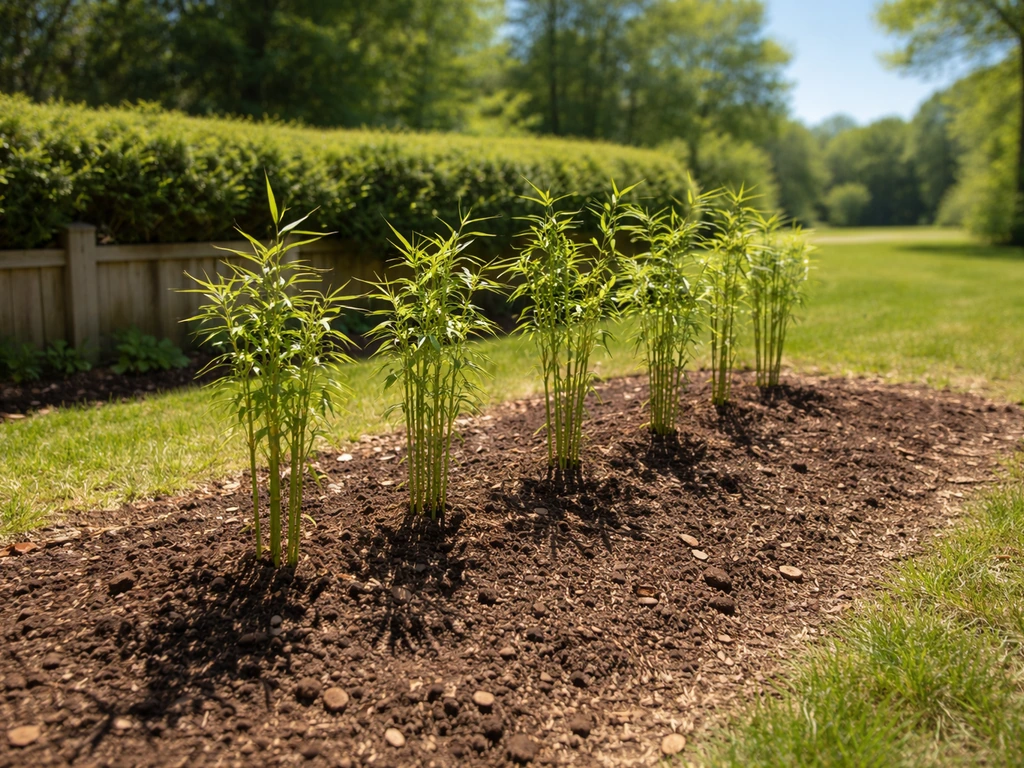
Site selection is where most Wisconsin bamboo attempts succeed or fail. Bamboo wants full sun, ideally six or more hours per day. The more sun it gets during the growing season, the more energy it stores in the rhizomes going into winter, and better energy reserves mean better winter survival. That said, Fargesia species actually appreciate afternoon shade in hot summers, which makes them an unusually good fit for sites with partial shade, like the north side of a building or under light tree canopy.
Wind protection is critical in Wisconsin. Cold, drying winter winds cause more damage to bamboo canes and foliage than the cold temperature alone. Plant bamboo on the south or southeast side of a structure, fence, or established windbreak if you can. Urban heat islands help too: Milwaukee, Madison, and Green Bay all have measurably warmer winter minimums than surrounding rural areas, which can push your effective microclimate up half a zone or more. If you're in a city, you have a meaningful advantage.
Avoid frost pockets. Low-lying areas where cold air settles on clear nights will expose your bamboo to temperatures several degrees colder than nearby elevated spots. Similarly, avoid planting in areas with poor drainage. Bamboo roots sitting in saturated, frozen soil over winter fare much worse than roots in well-drained ground.
Planting and care basics
Soil preparation
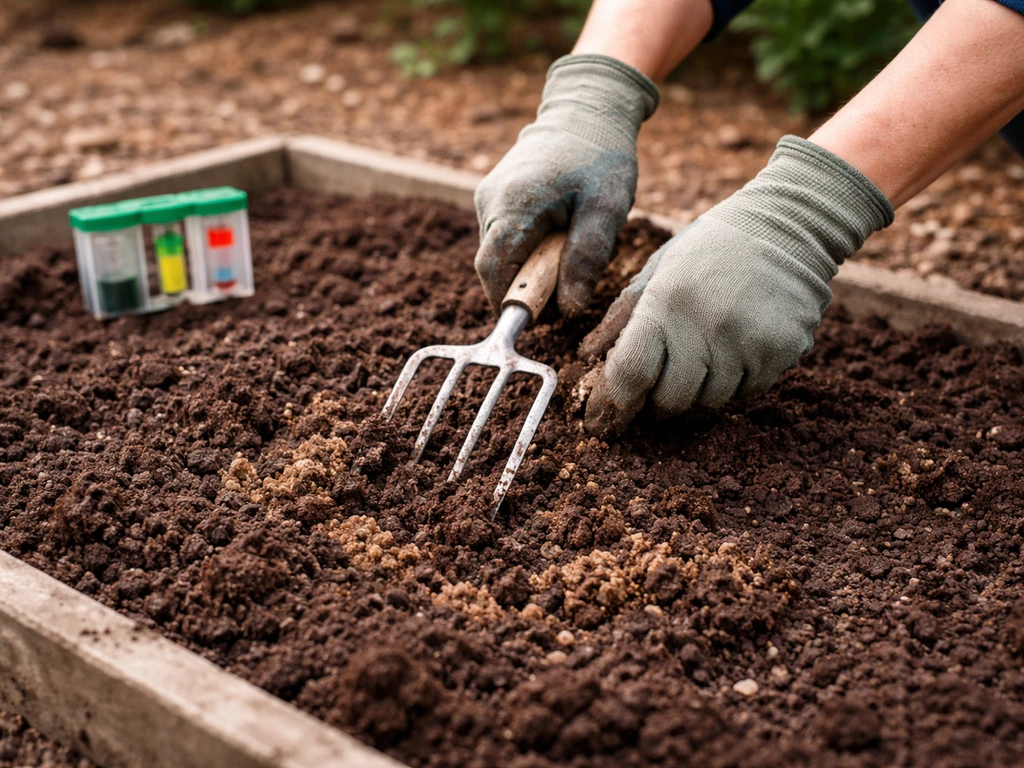
Bamboo does best in moderately acidic, loamy soil. Aim for a pH in the 5.5–6.5 range. Wisconsin soils vary quite a bit, so get a soil test before you plant. If your soil is alkaline, it's much easier to adjust pH before planting than after. UW–Madison extension recommends making pH adjustments ahead of establishment for acid-loving ornamentals, using products like aluminum sulfate to drop pH if needed. Work in plenty of organic matter if your soil is heavy clay, which is common in Wisconsin. Good drainage is non-negotiable.
Planting timing and spacing
Plant bamboo in spring, after your last frost date. In Milwaukee, that's typically mid-April; in northern counties, wait until mid-May or later. Spring planting gives the bamboo a full growing season to establish its root system before the first winter. If you plant late in the season, the ABS specifically recommends mulching heavily and giving extra wind protection to compensate for the shorter establishment window.
For clumping Fargesia, space plants about 3–5 feet apart for a hedge effect, or 6–8 feet apart if you want individual specimens. For running bamboos used as a screen, space plants 5–8 feet apart and let them fill in over two to three years.
Watering
New bamboo needs consistent moisture to get established. The ABS recommends watering newly planted bamboo twice a week in mild weather, and daily during hot or windy conditions. For plants from smaller containers (under 5 gallons), give at least 1 gallon per watering session. Wisconsin summers can flip between wet and dry stretches quickly, so check the soil moisture regularly rather than relying on a fixed schedule. Once bamboo is established after its second or third season, it becomes much more drought tolerant.
Mulching and feeding
Mulch heavily around the base of the plant. A 4–6 inch layer of wood chips or straw keeps the soil moist, moderates temperature swings, and feeds the soil as it breaks down. The ABS notes that bamboo leaf litter is itself excellent mulch and that you should resist the urge to rake it all away, since decomposing leaves recycle nutrients back into the root zone. For feeding, a balanced slow-release fertilizer applied in spring when shoots emerge works well. Nitrogen is the most important nutrient for bamboo, so a high-nitrogen formula like a lawn fertilizer can boost growth during the main shooting season.
Growth timeline and what to realistically expect in Wisconsin
Be patient. Wisconsin's short growing season, cold winters, and cooler overall temperatures mean bamboo grows more slowly here than it would in, say, Georgia or the Pacific Northwest. The old saying 'sleeps, creeps, leaps' applies everywhere, but Wisconsin stretches out the sleep and creep phases. In the first year, most of your plant's energy goes into root establishment, and you may see little to no new cane growth above ground. In year two, you'll notice more shoots. By year three, if the plant has overwintered successfully, you'll start to see real momentum.
Starting size matters enormously. A plant from a small 1-gallon container might take six to ten years to reach its full height and spread. A plant from a larger 15- or 25-gallon container will get there dramatically faster, and a mature running bamboo in a 25-gallon container can fill a 100-square-foot area in about three years. If you want results on a reasonable timeline in Wisconsin's shorter season, invest in the largest plant you can afford.
For Fargesia in Wisconsin, expect canes to reach their mature height of 8–12 feet (depending on species) after four to six years from a 3–5 gallon transplant under good conditions in southern Wisconsin. In the north, add two to three more years to that estimate. Running Phyllostachys species can get taller (up to 20+ feet in ideal conditions), but in Wisconsin's climate the top growth will often be knocked back in hard winters, limiting effective height to whatever regrows each spring.
Winter protection and overwintering methods
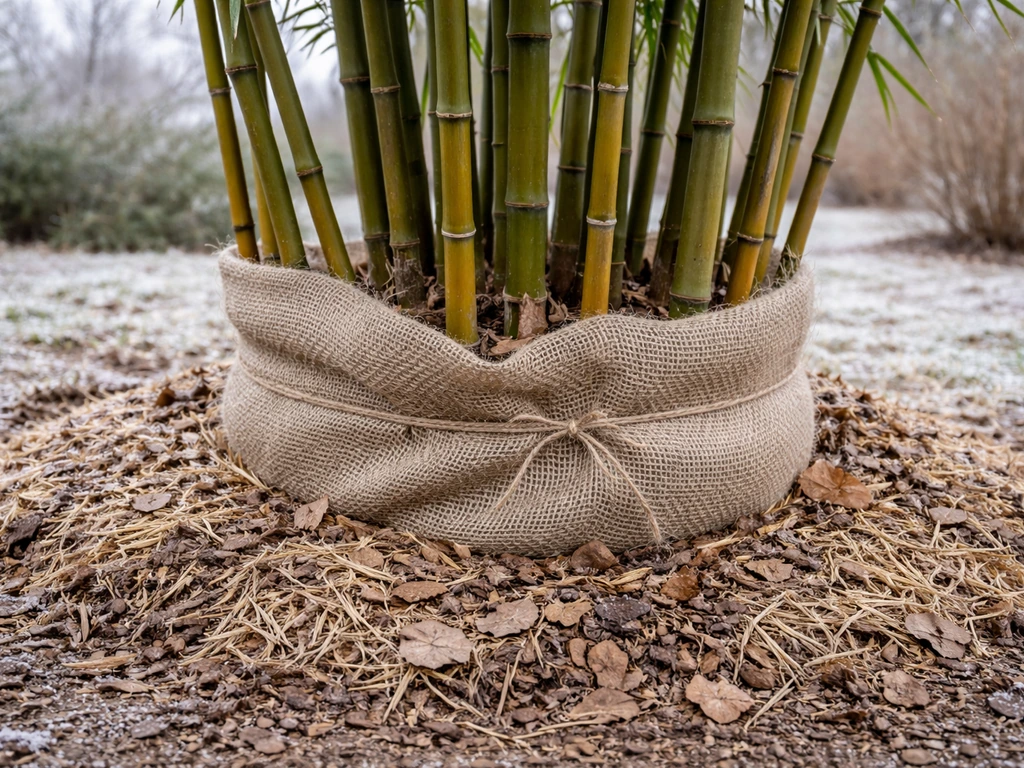
The first winter is the most dangerous for bamboo in Wisconsin. An established, well-rooted plant can handle cold much better than a newly transplanted one. Here's the protection strategy that works:
- Apply a 4–6 inch layer of mulch (straw, shredded leaves, or wood chips) over the entire root zone in late October or early November, before the ground freezes. This is the single most important thing you can do.
- Install a burlap windbreak on the north and west sides of the plant if it's in an exposed location. Cold desiccating winds cause as much damage as temperature alone.
- For first-year plants, consider wrapping the canes loosely in burlap or frost cloth if a hard freeze (below 10°F) is forecast before the plant is established.
- Leave any dead-looking canes in place through winter. They provide some insulation, and what looks dead in February may push new leaves in April.
- In spring, remove damaged canes at ground level once you can confirm new shoots are emerging. Do not cut them back in fall.
Container bamboo is another option for Wisconsin gardeners who want tropical or less-hardy varieties. Potted bamboo can be kept outdoors through summer and moved into an unheated garage or basement before temperatures drop below the plant's tolerance. Keep the soil just barely moist during dormancy and move it back outside after the last spring frost. Just be realistic: most container bamboo in Wisconsin will be a semi-annual project, not a plant-and-forget situation.
For gardeners in Zones 3b and 4 in northern Wisconsin (think Iron County, Vilas County), even the hardiest Fargesia selections will need serious winter protection every year and may still get top-killed. Focus on root survival first. If the roots make it, the plant will regenerate.
Troubleshooting, containment, and ongoing maintenance
Dieback and slow recovery after cold snaps
If your bamboo looks brown and dead in early spring, don't panic and don't dig it up yet. Wait until late May or even early June before making any decisions. Bamboo that has had its tops killed can push entirely new canes from surviving rhizomes, and those new canes often grow faster than you'd expect once soil temperatures warm up. Scratch the base of a cane with your fingernail. If there's green tissue underneath the outer layer, the plant is alive. If the entire cane is dry, brown, and hollow to the base, that cane is dead, but the rhizomes may still be fine.
Containing running bamboo
If you go with a running bamboo, a physical rhizome barrier is not optional, it's required. Use 60–80 mil HDPE or polypropylene barrier material. For a 30-inch barrier, dig your trench 28 inches deep so that 2 inches of barrier remains above the soil surface. For a 36-inch barrier, dig 34 inches deep and leave 2 inches above grade. Overlap the barrier ends by at least 12 inches to eliminate seam gaps, and orient the barrier vertically. Backfill and pack the soil firmly against the barrier, because rhizomes that encounter loose soil or air pockets near a barrier will find ways around or under it.
One important warning: rhizomes that hit a barrier don't just stop. They turn and can sometimes angle deeper if the soil next to the barrier is loose or soft. Compact that backfill well. Inspect the barrier perimeter every spring by walking the line and checking for rhizomes that may have grown over the top edge (which is why you leave 2 inches above ground). Cut any escapees with a shovel or pruning saw immediately.
Annual maintenance checklist
- Spring: Remove dead canes once new shoots emerge. Fertilize with a high-nitrogen slow-release fertilizer.
- Spring (running bamboo): Inspect rhizome barrier perimeter and sever any escaping rhizomes.
- Summer: Water consistently during dry spells, especially for plants in their first two years.
- Late summer: Stop fertilizing by August to let the plant harden off before winter.
- Fall: Apply fresh mulch over the root zone before the ground freezes. Install windbreaks for exposed plants.
- Winter: Leave canes standing. Do not disturb the mulch layer.
Your Wisconsin bamboo go/no-go by location
| WI Region | Hardiness Zone | Best Species | First Frost (approx.) | Realistic Outcome |
|---|---|---|---|---|
| Southeast (Milwaukee, Kenosha) | Zone 5b–6a | Fargesia murieliae, F. robusta, P. nuda (contained) | Late October | Strong performer; tops may survive most winters with mulch |
| South-central (Madison, Janesville) | Zone 5a–5b | Fargesia murieliae, F. adpressa | Mid-October | Reliable with good site prep and annual mulching |
| Central (Wausau, Stevens Point) | Zone 4b–5a | Fargesia adpressa, 'New Umbrella' | Early October | Works with first-winter protection; expect top dieback in harsh years |
| North (Rhinelander, Vilas County) | Zone 3b–4b | Fargesia adpressa, 'New Umbrella' | Late September | Possible but challenging; heavy protection every winter, some years tops will die back completely |
Wisconsin is not the first place most people think of when they imagine bamboo, but the right species in the right spot with the right winter prep absolutely works. If you’re wondering can bamboo grow in Indiana, the key is choosing a cold-hardy species and protecting it during the first winter just like you would in the northern U. S.
Gardeners in neighboring states like Michigan, Ohio, Illinois, and Indiana face very similar challenges, and the same core principles apply: choose cold-hardy clumping species, give the plant a full season to establish before winter, and mulch like you mean it. Ohio has similar cold and winter-protection needs as Wisconsin, so choosing cold-hardy clumping bamboo and preparing your site well can make it more realistic.
Wisconsin gardeners in the southern half of the state actually have quite good conditions for Fargesia bamboo, and even some northern growers have had real success with the hardiest selections. Start with a quality plant, give it the best site you can find, and don't give up on it after the first hard winter.
FAQ
If I buy bamboo from a big box store, how can I tell whether it will survive a Wisconsin winter?
Check the exact genus and species, not just the word “bamboo.” For Wisconsin, prioritize cold-hardy clumping types (often sold as hardy Fargesia) with an explicit low-temperature rating. If the label only says “hardy” or shows no temperature tolerance, assume it is not reliably winter-rated for Zone 3b and make a plan for extra protection (especially for the first year).
Do I need to prune bamboo in Wisconsin before winter?
Usually no for clumping bamboo. Leave dead or brown canes standing through winter to help the plant stay protected, then remove them in spring after you confirm which canes actually died. For running bamboo, avoid heavy pruning late in fall, because winter dieback already limits top growth, and you want the plant to conserve energy until it goes dormant.
What should I do if my bamboo’s canes die back every year, but the plant still seems to come back from the ground?
Treat it as a root-success case and adjust expectations. The canes may be repeatedly killed (common with colder sites), but if green tissue remains at the base and new shoots appear in spring, you are getting root survival. If you want more year-round height, relocate to a warmer microclimate (near a south or southeast wall) and increase wind protection and mulch depth rather than switching plants immediately.
Can I grow bamboo in Wisconsin in containers long-term instead of planting in the ground?
It can work, but it is higher maintenance. Containers freeze faster and thaw unevenly, so you must insulate the pot and keep moisture consistent. Plan to move the pot into an unheated garage, basement, or another protected spot before deep cold, and keep the soil barely moist during dormancy. Most “tropical” bamboo will still be limited by winter cold unless you provide that shelter every year.
How much sunlight is “enough” if my yard only gets partial sun?
For best survival and growth in Wisconsin, aim for at least about six hours of sun for most bamboos. If you have less, clumping Fargesia can tolerate partial shade better than many running types, but growth will be slower and winter vigor depends on having enough stored energy going into cold. If you cannot offer sun, prioritize wind protection and choose the hardiest clumping species you can find.
Should I fertilize bamboo in fall in Wisconsin?
Avoid fall nitrogen feeding. Feeding in spring when shoots emerge supports the main growth cycle, and late-season fertilizer can encourage tender new growth that is more likely to die back. If your bamboo looks weak going into winter, focus on improving mulch, drainage, and watering during establishment rather than trying to “boost” it with late fertilizer.
How do I water bamboo correctly in Wisconsin if we get wet and dry spells?
Use soil checks, not a calendar. Stick a finger or small probe into the soil a few inches down, water only when it has started to dry in that root zone, and adjust for wind and hot spells (which increase drying). For newly planted bamboo, your baseline is frequent watering early on, then step down after the second or third season when drought tolerance improves.
Is it safe to plant bamboo near a driveway, foundation, or patio?
Running bamboo should not be planted close to structures or utilities without careful planning and barrier work. Even with a barrier, rhizomes can escape if the installation is imperfect (loose soil, gaps at seams, barrier not extending deep enough), so keep extra distance from walls and hardscapes and make sure you can inspect and maintain the barrier perimeter every spring.
How do I confirm whether the rhizomes survived after a very harsh winter?
Wait until late May or early June, then check at the base. Scratch near the base of a cane with a fingernail, if you see green tissue under the outer layer the plant is alive and should send up new shoots. If a cane is completely dry, brown, and hollow to the base, that specific cane likely died, but the rhizomes may still be viable, especially for clumping species.
What’s the most common mistake that causes failure in the first year?
Under-protecting the first winter and underestimating establishment time. Planting late in the season, choosing a windy frost pocket, or using too-thin mulch dramatically increases dieback or death. If you do one thing differently, prioritize spring planting, heavy mulch depth (not just a light layer), and wind protection, because those directly affect root survival.
If I want a bamboo privacy screen, what spacing should I use and how fast should I expect it to fill?
For clumping bamboos used as a hedge, tighter spacing helps you reach a screen sooner (about 3 to 5 feet between plants). For running bamboos, spacing is wider (about 5 to 8 feet) because you are relying on rhizome expansion, plus you need the barrier to manage spread. In Wisconsin’s short growing season, even good plants often take multiple seasons to fully screen, so plan for gradual filling rather than an instant privacy wall.
Next Article
Can Bamboo Grow in Indiana? How to Succeed
Yes, bamboo can grow in Indiana. Learn which cold-hardy types fit, plus planting, soil, care, and winter protection step