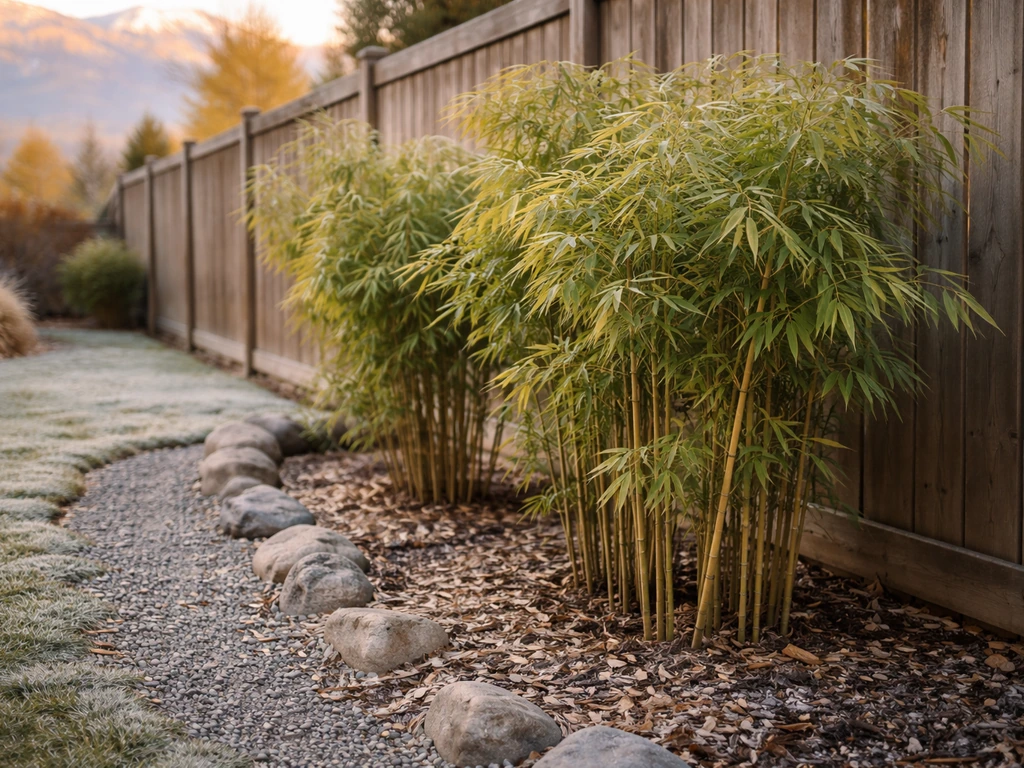
Yes, bamboo absolutely grows in Mexico, and not just as an introduced garden plant. Mexico is actually home to native bamboo species across eight genera, including Guadua, Otatea, Chusquea, and several others, spreading from tropical lowlands to humid highland forests. If you're wondering whether your yard in Mexico can support bamboo, the honest answer for most of the country is yes, with the right species match for your specific climate zone.
Does Bamboo Grow in Mexico? How to Grow It Successfully
Marcus Hartwell
14 Jun 2026
Where bamboo naturally grows in Mexico
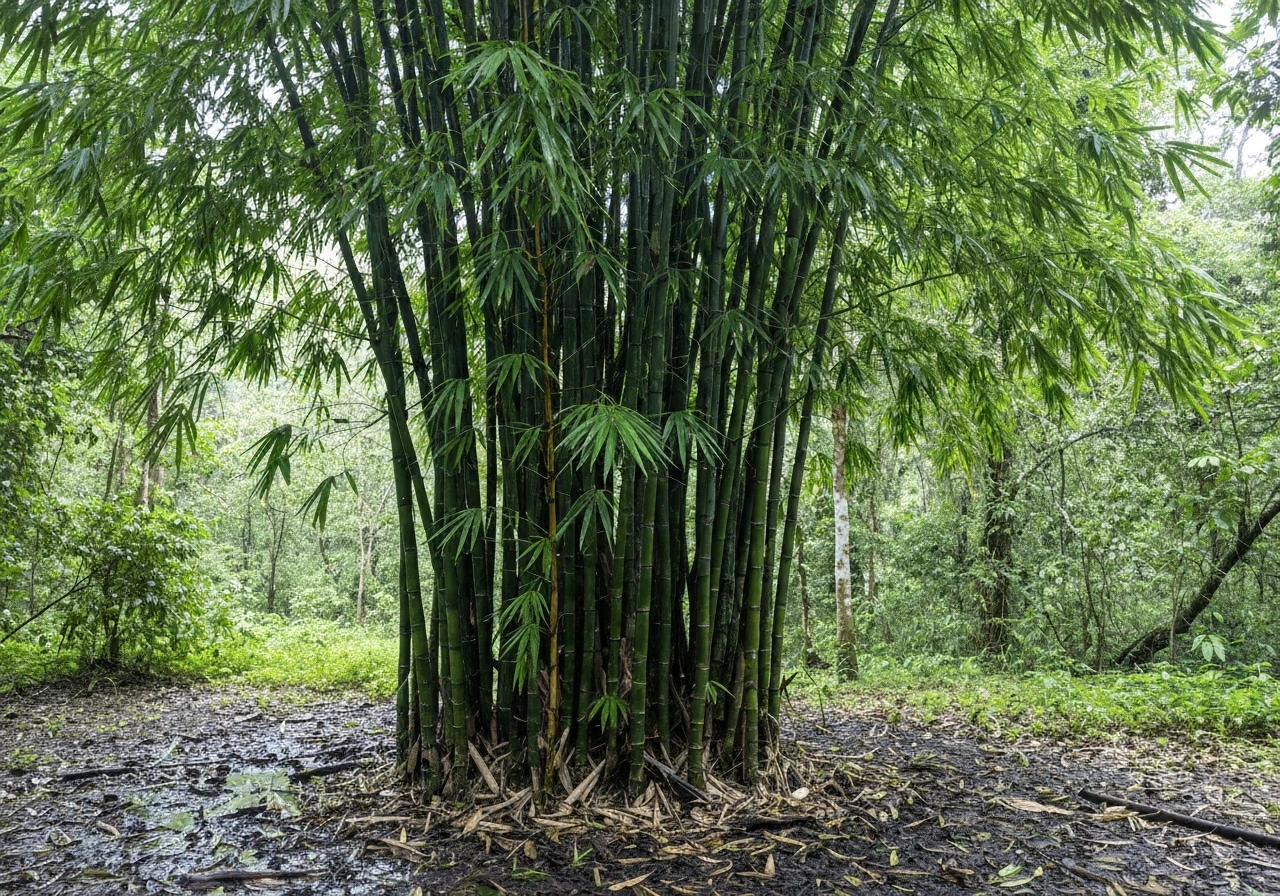
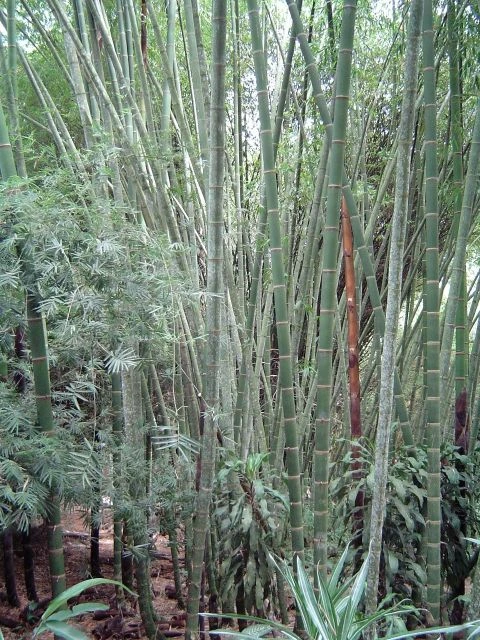
Mexico has a surprisingly deep bamboo heritage. The Mexican government's forestry commission (CONAFOR) recognizes five native Guadua species: Guadua aculeata, G. amplexifolia, G. longifolia, G. paniculata, and G. velutina. Beyond Guadua, research has mapped native woody bamboo across eight genera total, Arthrostylidium, Aulonemia, Chusquea, Guadua, Merostachys, Rhipidocladum, Otatea, and Olmeca. The states with the richest bamboo diversity are Chiapas, Oaxaca, and Veracruz, though native stands appear in many other southern and coastal states as well. Guadua species have their distribution center partly in Mexico and extend south all the way to Argentina, which tells you how adaptable and well-established this genus is in the region.
In the wild, Mexican bamboo tends to cluster in humid tropical and subtropical zones: riparian corridors, cloud forest edges, and lowland jungle margins. Campeche, Tabasco, and the Gulf Coast states get heavy annual rainfall, sometimes over 2,000 mm per year in Tabasco, which is exactly the kind of moisture environment that native Guadua loves. Veracruz and Oaxaca support both lowland and mid-elevation bamboo thanks to their topographic diversity.
How Mexico's climate zones affect bamboo suitability
Mexico's climate splits into roughly three broad zones that matter for bamboo: tropical lowlands, subtropical highlands (the tierra templada), and arid or semi-arid zones in the north and interior. In Phoenix, Arizona, you will need to focus on bamboo species that can handle hot, dry conditions and plan for irrigation and wind protection accordingly. In Utah, you will usually need a cold-tolerant bamboo option and a plan for winter protection, because the climate resembles arid or semi-arid conditions arid or semi-arid zones in the north and interior. Understanding which zone you're in is the single most useful thing you can do before choosing a species.
| Climate Zone | Where It Applies | Mean Temp / Rainfall | Bamboo Suitability |
|---|---|---|---|
| Tropical lowlands | Tabasco, Veracruz coast, Campeche, Chiapas lowlands, Yucatan | 25–30°C / >1,000 mm rain | Excellent — native Guadua and Otatea thrive here |
| Subtropical highland (tierra templada) | Central Mexico, Jalisco highlands, parts of Oaxaca/Veracruz mid-elevation | ~21°C / moderate rainfall | Very good — clumping and some cold-tolerant species do well |
| High-elevation temperate | Mexico City, Toluca basin, high Sierras | ~15°C / seasonal rainfall | Moderate — needs cold-hardy species; frost risk is real |
| Arid/Semi-arid north | Chihuahua, Sonora, Baja, Coahuila interiors | Variable / <400 mm rain | Challenging — container growing or irrigation required |
The tierra templada sits between roughly 900 and 1,800 meters elevation and averages around 21°C, that's a comfortable sweet spot for many clumping bamboo species. Mexico City, sitting higher at around 2,200 m, drops into a subtropical highland classification with average temps closer to 15°C, which puts cold-hardiness front and center in species selection.
In New Mexico, you will need to match bamboo to local cold tolerance, because winter lows and dry air can be limiting without protection Mexico City. In the arid north, think Chihuahua or the Baja interior, bamboo will struggle without serious irrigation and wind protection, though container growing is a realistic workaround. Las Vegas is an arid or semi-arid climate, so bamboo will usually need drought-tolerant species plus irrigation and wind protection to succeed bamboo in Las Vegas.
Which bamboo species to choose for your part of Mexico
Matching species to climate zone is where most people either succeed or get frustrated. Here's a practical breakdown of the best candidates.
For tropical and subtropical regions
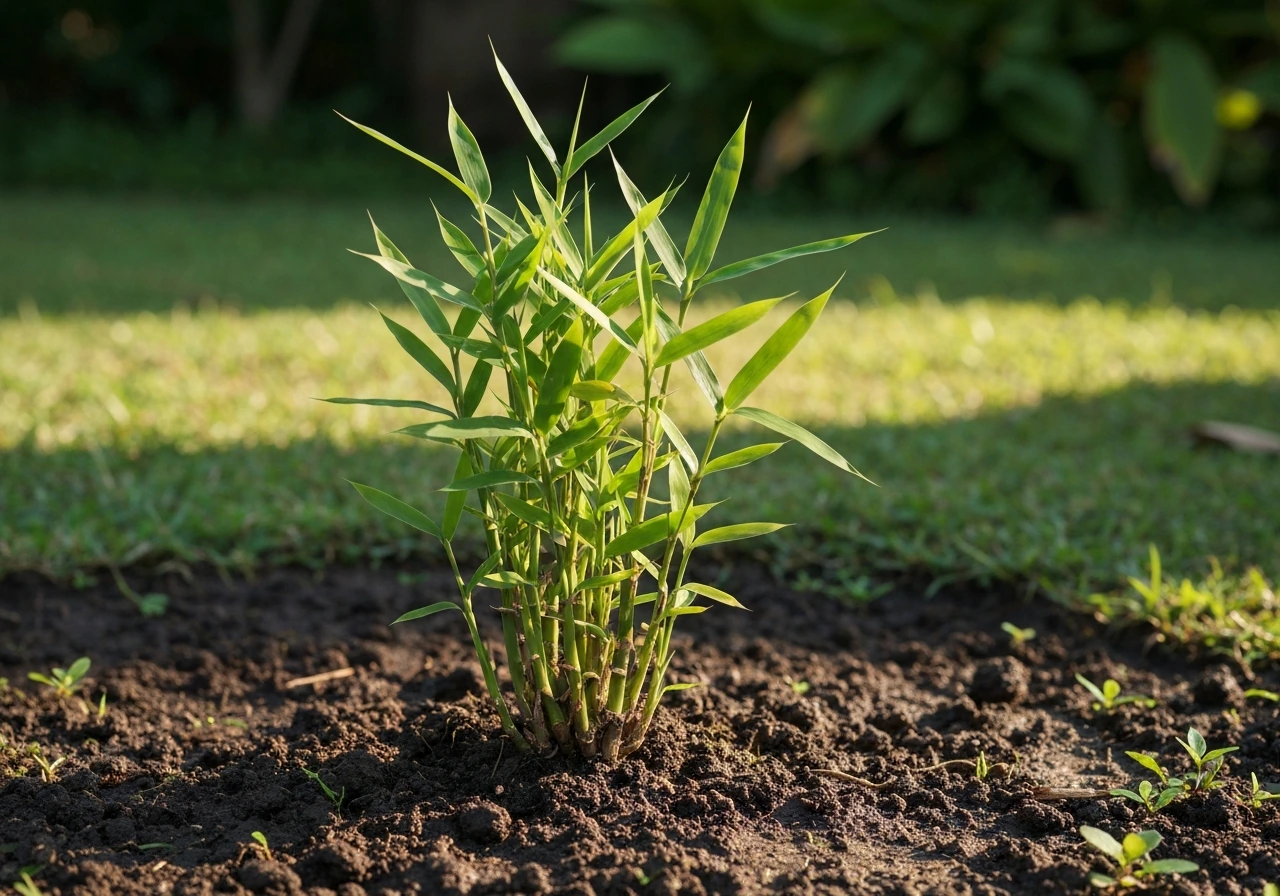
- Otatea acuminata (Mexican weaving bamboo): This is a clumping bamboo native to central and southern Mexico — it's essentially home territory. It handles heat, moderate drought once established, and the humidity swings of subtropical zones. Its clumping habit makes it far less of a containment headache than running species.
- Guadua aculeata and G. amplexifolia: These native Guadua species are the heavyweights of Mexican timber bamboo. They want ample rainfall and warm temperatures, making them ideal for Veracruz, Chiapas, Tabasco, and similar humid lowland zones. G. amplexifolia is particularly adaptable and widely used in agroforestry.
- Bambusa oldhamii (giant timber bamboo): Not native to Mexico but thrives in tropical/subtropical conditions. A clumping species that's widely cultivated across Central America and can perform well in Mexico's Gulf Coast and Pacific coastal zones.
For temperate highlands and cooler zones
- Phyllostachys nigra (black bamboo): A running bamboo that handles cold down to roughly -10°C in some conditions, making it workable in elevated zones like Mexico City or Toluca. Beautiful, manageable at smaller scales — but you must contain it (more on that below).
- Bambusa multiplex (hedge bamboo): A clumping bamboo with cold tolerance down to about -5 to -10°C. It's compact, versatile, and handles the temperate highland temperatures of central Mexico reasonably well.
- Chusquea species: Several Chusquea species are native to Mexican highlands (including endemic species from Jalisco and Veracruz). If you can source local material, these are ecologically appropriate and adapted to Mexico's cloud forest and highland conditions.
If you're in the arid north, Otatea acuminata is again worth considering because it has better drought tolerance than most other options, though it will still need supplemental irrigation during dry seasons. Container growing in a large pot (200+ liters) with a quality potting mix is a viable path if your rainfall is genuinely low and unpredictable.
How to actually grow bamboo in Mexico
Site selection and sun
Most bamboo species want full sun to light partial shade, roughly 4 to 6 hours of direct sun per day is a good minimum. In the tropical lowlands and Pacific coast, afternoon shade can actually help during the hottest months, especially for young plants still establishing their root systems. In highland and temperate zones, maximize sun exposure to offset cooler temperatures. Avoid low-lying frost pockets if you're at elevation.
Soil
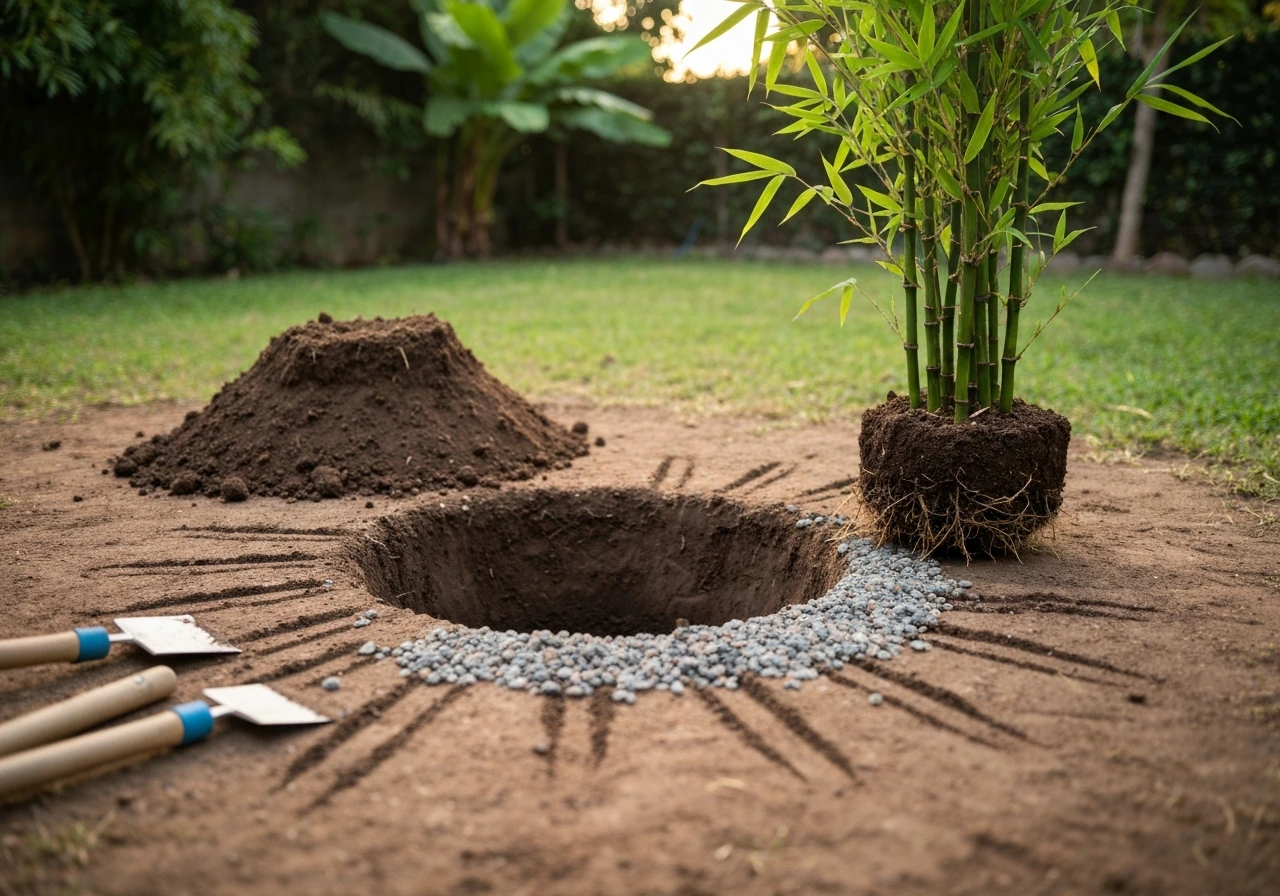
Bamboo is not fussy about soil type in the way that, say, blueberries are, but it does insist on good drainage. Waterlogged roots will kill bamboo faster than drought will. Aim for a loamy, well-draining soil with a pH between 5.5 and 7.0. If your soil is heavy clay (common in parts of central Mexico), mix in coarse sand and organic matter before planting. A 10–15 cm layer of organic mulch over the root zone makes a huge difference in retaining moisture without causing waterlogging, and it moderates soil temperature.
Watering
During the first year after planting, water consistently and deeply, bamboo is building its rhizome network underground during this period, not shooting up tall culms, and it needs reliable moisture to do that. Once established (typically after 2 to 3 years), most species become more drought-tolerant. In rainy-season Mexico, natural rainfall will carry most of the load from June through October. During the dry season (roughly November through May in many parts of the country), plan on watering two to three times per week for younger plants, and monitor for soil drying between waterings.
In-ground vs container growing
For most tropical and subtropical zones in Mexico, in-ground planting is the way to go. You get better root development, faster establishment, and less maintenance. Container growing makes sense if you're in an arid zone with limited irrigation capacity, if you're renting a property, or if you want to grow a running bamboo species in a climate that doesn't naturally limit its spread. Use a large container, at minimum 100 liters, preferably larger, with drainage holes, and expect to repot or root-prune every 3 to 5 years.
How fast bamboo grows in Mexico and what to expect
This is where new bamboo growers get surprised. The first one or two years after planting, almost nothing appears to happen above ground. The plant is spending all its energy building out the rhizome system underground, this is completely normal and not a sign that something is wrong. Think of it as the plant making its foundation before it builds upward.
From year three onward, you'll start to see the payoff. Culm emergence in running bamboos happens in a concentrated window, roughly March through May, and new culms telescope to their full height within a single growing season. That first full culm that goes up might reach 3–4 meters in just a few weeks in a tropical climate. In the humid lowlands of Veracruz or Tabasco with consistent rainfall, large Guadua species can push culms 10–15 meters tall at maturity. In the highland temperate zones, expect more modest growth in the 4–8 meter range depending on species.
Clumping species like Otatea acuminata expand outward slowly and predictably, maybe 30–60 cm of clump diameter per year once established. Running species like Phyllostachys can spread much faster through underground rhizomes. In Mexico's tropical zones with warm soil temperatures year-round, running bamboo can colonize new ground aggressively. Plan for this upfront rather than scrambling to deal with it after the fact.
The bamboo gotchas you need to know before you plant
Running vs clumping: get this right first
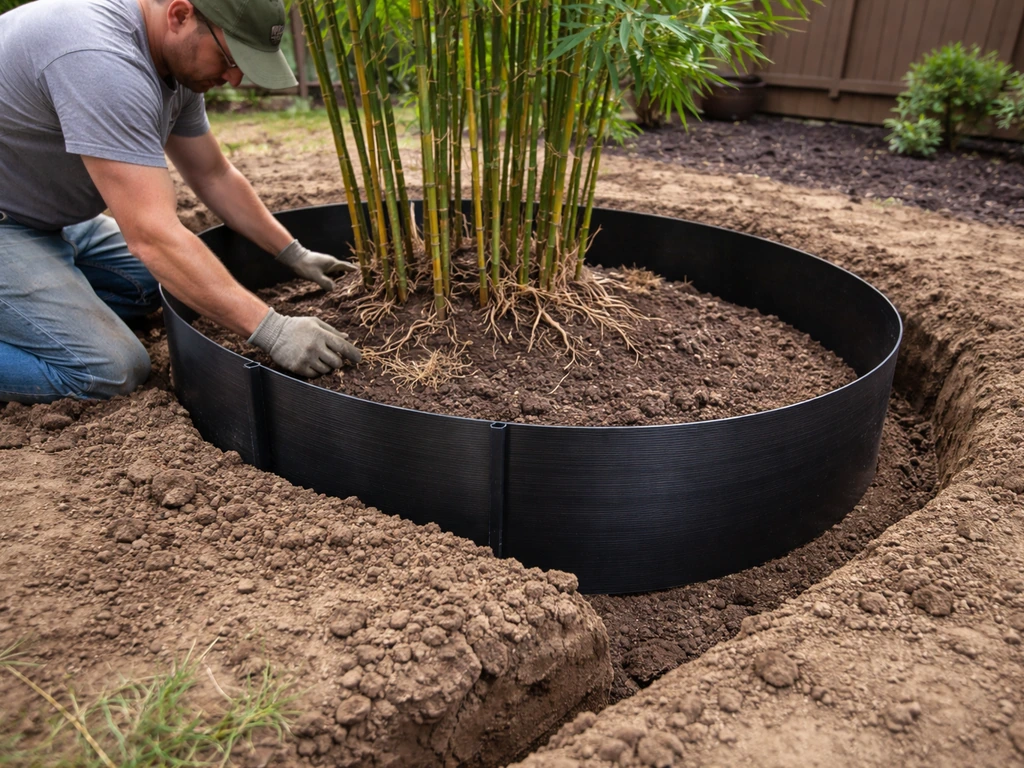
This is the single biggest practical decision in bamboo growing. Running bamboos (most Phyllostachys species) spread through long underground rhizomes and can colonize a large area over time without containment. Clumping bamboos (Otatea, Guadua, most Bambusa) expand outward from a central clump in a slow, predictable way. In Mexico's warm, wet regions, running bamboo can spread far faster than it would in a temperate US climate. Unless you want a large bamboo forest and have the land for it, stick to clumping species or install proper containment if you choose runners.
Containing running bamboo
If you plant a running species, you need a physical rhizome barrier installed before the plant goes in the ground. Use a high-density polyethylene (HDPE) barrier, at least 60 mil thick, installed 75–90 cm deep (30 to 36 inches). Leave about 5 cm (2 inches) of the barrier above the soil surface so rhizomes can't loop over the top. Avoid sharp corners in the barrier layout, rhizomes find them and push through gaps. Even with a barrier in place, walk the perimeter annually and cut back any rhizomes that have breached or looped over. Once running bamboo escapes containment, removing it requires an intensive multi-year effort of cutting, digging, and re-cutting because any rhizome fragment left in soil can re-establish.
Invasiveness and legal considerations
Mexico doesn't currently have the same patchwork of municipal bamboo-planting bans that exist in some US states (Connecticut, for example, has listed certain Phyllostachys species as prohibited invasives), but that doesn't mean invasiveness isn't a real concern. Non-native running bamboos can outcompete native vegetation quickly in Mexico's humid regions, which are often rich in biodiversity. Before planting a running species near a forest edge, riverbank, or natural area, think carefully about the ecological risk. Choosing native or regionally appropriate species, Otatea, Guadua, Chusquea, is both the more responsible choice and practically easier to manage.
The flowering cycle
One long-term reality worth knowing: bamboo flowering cycles vary from about 3 to 150 years depending on the genus. Most bamboos flower rarely, and many species die after a mass-flowering event. This is not something you need to worry about daily, but if you're planting bamboo as a long-term grove or agroforestry resource, it's worth knowing the flowering cycle of your specific species so you're not caught off guard decades from now.
Your next step: match your zone and get planting
Here's how to move forward practically. First, identify your climate zone, tropical lowland, subtropical highland, temperate high-elevation, or arid north. That one decision will immediately narrow your species list. If you're in the humid south or Gulf Coast, native Guadua or Otatea acuminata are your best starting points. If you're in the highlands around Mexico City or Jalisco, Bambusa multiplex or a cold-tolerant Phyllostachys with proper containment are realistic options. In the arid north, plan for irrigation and consider container growing first.
Walk your yard and check drainage, if water pools after rain, fix that before you plant anything. Then source from a nursery that can tell you the specific cultivar and its cold/heat tolerance, not just 'bamboo. ' Plant in spring when soil temperatures are rising, water consistently for the first two growing seasons, and resist the urge to be impatient about above-ground growth. The root system is working hard even when you can't see it.
If you're curious about how Mexico compares to other North American growing contexts, bamboo in the US Southwest, including places like Arizona, New Mexico, and even Las Vegas, faces some of the same arid-zone challenges that Mexico's northern states present, and similar containment and irrigation strategies apply. Bamboo can grow in Colorado only if you choose cold-hardy species and provide strong protection during winter cold and wind bamboo in Colorado.
FAQ
Can bamboo grow in Mexico even if I am not in the humid south?
Yes, but success depends on what you mean by “grow.” Clumping bamboo is usually achievable in most towns if you choose a species that tolerates your local lows and rainfall pattern. Running bamboo can grow too, but it carries a much higher risk of unwanted spread, and it requires containment set up before planting.
What are the most common reasons bamboo doesn’t take off in Mexico?
Many people fail because they choose a bamboo for the wrong zone, especially in the arid north. If your winters are cool and your air is dry, you may need a cold-tolerant clumping species, plus winter wind protection (windbreaks and mulching). If your soil stays dry for long stretches, plan irrigation for the first 2 to 3 years.
How do I tell if my exact spot in Mexico is suitable for bamboo?
In practice, start by matching to your elevation and winter lows, not just “temperature averages.” A location that feels “warm” in summer can still have frost pockets at the bottom of a slope or in valleys. Do a simple check by noting where cold air settles and watching for frost events at plant level.
What should I do if my yard has poor drainage or puddles after rain?
If your ground holds water after heavy rain, bamboo will usually decline even if you have the right species. Fix drainage first by improving soil structure (adding coarse material and organic matter) and, if needed, building a raised bed so roots stay oxygenated. Waterlogged roots often kill bamboo faster than drought does.
Does bamboo grow well in pots in Mexico, and what pot size is realistic?
You can grow bamboo in a container in Mexico, especially in the arid north or on patios, but you must scale the pot size and watering routine. Use a large, well-draining pot (100 liters or more is a practical minimum), check moisture frequently in dry seasons, and expect root management (root-pruning or repotting) every few years.
Is it normal if my bamboo looks like it is not growing in the first year?
The “no growth above ground” phase is common, especially during the first year. Bamboo is typically building the rhizome network underground first, so you may see slow or minimal culm emergence. Treat it as normal unless the leaves yellow persistently or the planting area stays consistently waterlogged.
Should I choose clumping bamboo or running bamboo for a home yard in Mexico?
For most growers, the better move is to choose clumping species unless you have the space and commitment to manage runners. Even with containment, running species require annual perimeter checks and prompt cutting of any rhizome breaches. If you want low maintenance, pick clumping bamboo that expands predictably.
Is it still an environmental concern to plant bamboo in Mexico near wild areas?
Yes, you should be thinking about containment and ecological risk even if there are no widely publicized local bans. Running bamboos can outcompete nearby vegetation quickly, particularly near rivers, forest edges, and humid habitats with high biodiversity. If you are near natural areas, prioritizing native or regionally appropriate species is the safer strategy.
If I decide on a running bamboo, what containment mistakes are most likely to fail?
You usually cannot “correct” a containment setup after runners escape. If you plant runners, install the barrier before planting, ensure it extends deep enough, and keep the barrier layout smooth to prevent rhizomes from finding gaps. Afterward, inspect the perimeter at least once per year and remove any escaped rhizomes early.
Do Mexican-grown bamboos flower, and should I plan for mass die-off?
Flowering is infrequent but not uniform across species, and mass flowering can be long-term. If you are planting bamboo for a long-lasting grove or agroforestry system, ask the nursery about the species’ flowering interval and whether die-off tends to occur after flowering. That helps you plan replanting or diversification.
Next Article
Can Bamboo Grow in Utah? How to Grow It Successfully
Can bamboo grow in Utah? Choose cold-hardy types and follow step-by-step care for survival, protection, and containment.