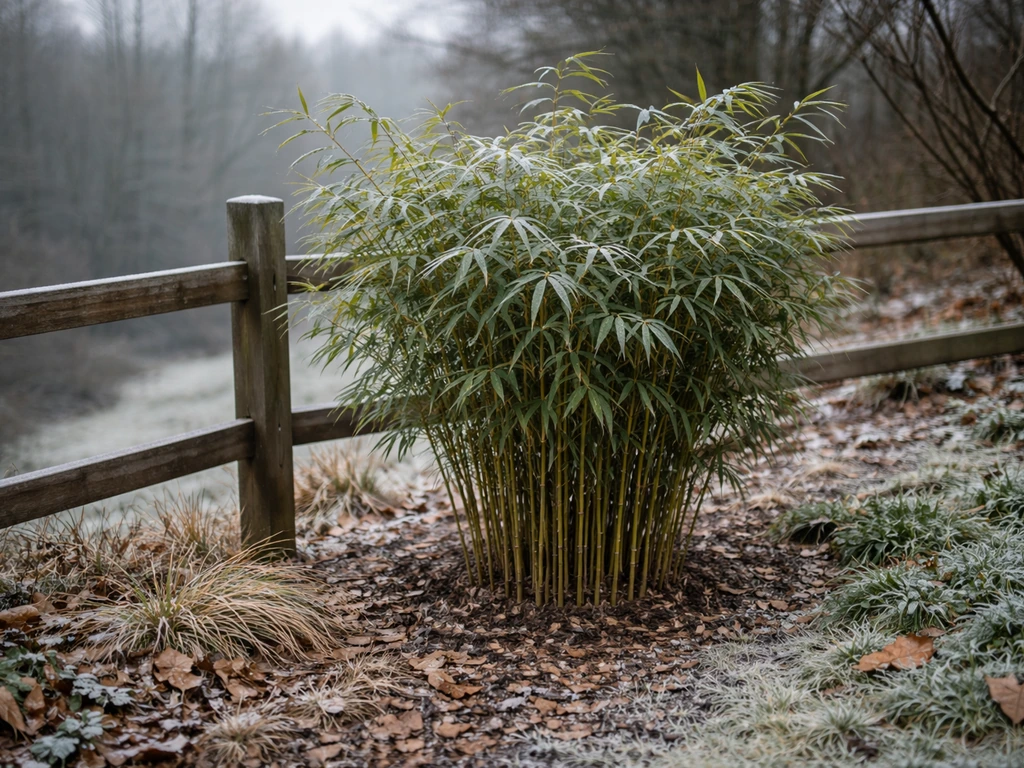
Yes, bamboo can grow in Alaska, but you need to be strategic about it. The cold-hardy running species Phyllostachys aureosulcata (yellow groove bamboo) has rhizomes that survive down to about −31°C (−25°F), putting it solidly in USDA Zone 4b territory. Yes, you can use the same cold-hardiness and winter-protection thinking to judge whether can bamboo grow in Minnesota.
Can Bamboo Grow in Alaska? Cold-Hardy Guide and Steps
Marcus Hartwell
25 Jun 2026
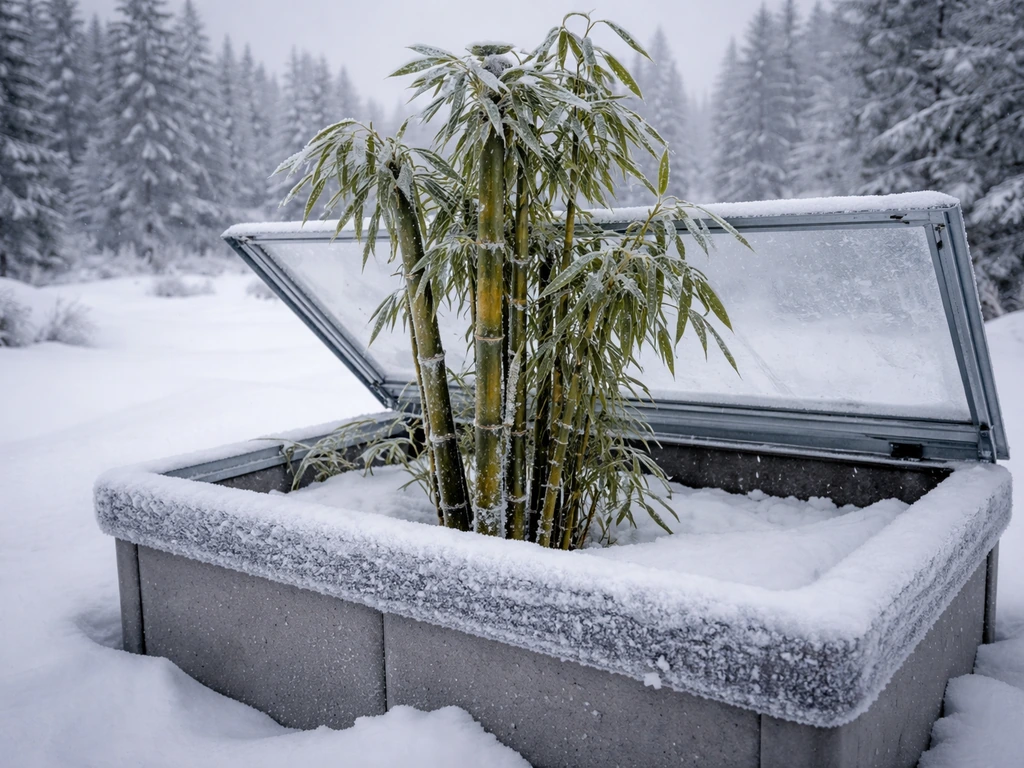
That means in milder parts of Alaska like southeast Alaska and sheltered spots around Anchorage (Zone 5b, with extreme lows around −26 to −23°C), in-ground bamboo with serious winter protection is genuinely possible. In the Interior, places like Fairbanks where temperatures regularly crater past −40°C, you're looking at containers and a heated greenhouse.
The honest answer is: the right species, the right site, and a solid winter survival plan make the difference between dead sticks in April and a thriving grove.
Why Alaska is genuinely tough on bamboo
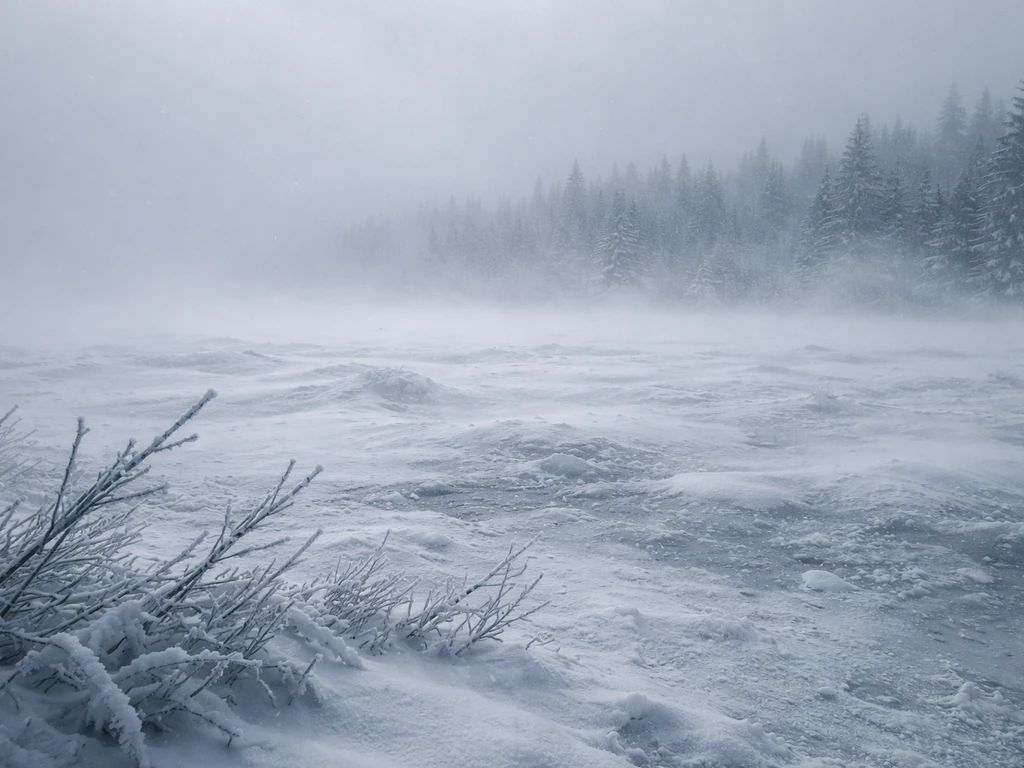
Alaska's challenges for bamboo aren't just about cold, though cold is the big one. There are four things working against you at once.
- Extreme and prolonged freezes: Fairbanks regularly sees median extreme lows well past −40°C in winter. Even Anchorage, the mildest major city, can hit −26°C or colder. Above-ground bamboo culms (the canes) die off at temperatures below around −20°C (−5°F) for even the hardiest running species, so expect full top-kill in most of Alaska most years.
- Short growing season: Anchorage averages only about 104 frost-free days. That's a tight window for bamboo, which needs warm soil and consistent heat to push new shoots and build root mass. The Interior has even fewer reliable warm weeks.
- Desiccating winter wind: Cold wind pulls moisture out of bamboo leaves and culms faster than frozen ground can replace it. This wind desiccation is often what actually kills bamboo in cold climates, not just raw temperature. Without a windbreak, culms die back far more readily.
- Soil frost depth: In Alaska, ground can freeze deeply for months. Shallow rhizomes that aren't insulated by snow cover or mulch can be exposed to lethal cold even when the species is technically rated hardy enough for the air temperature.
The bright side: Alaska's heavy snow cover in many regions actually provides meaningful insulation for rhizomes. Anchorage averages substantial winter snowfall, and a foot of snow sitting over your mulched bamboo bed acts like a natural blanket. BiologyInsights.com also recommends applying a heavy organic mulch layer of about 6 inches over the rhizome area to improve cold protection a foot of snow sitting over your mulched bamboo bed acts like a natural blanket. Southeast Alaska's coastal climate is milder still, with less extreme cold and more maritime moderation, making it arguably the most bamboo-friendly part of the state.
Picking the right bamboo species for Alaska
Species selection is where most Alaska bamboo attempts succeed or fail before a single plant goes in the ground. You need something with documented rhizome hardiness in the Zone 4 to 5 range. Here are the realistic options.
The top cold-hardy choices
- Phyllostachys aureosulcata (Yellow Groove Bamboo): The gold standard for cold-climate bamboo growing. Rhizomes are documented hardy to Zone 4b (−31°C / −25°F), though above-ground culms die back at Zone 6b temperatures (around −20°C / −5°F). In Alaska, expect full top-kill most winters, with regrowth from protected rhizomes in spring. It's a running bamboo, so it will spread if you let it.
- Phyllostachys aureosulcata 'Aureocaulis': A golden-culm cultivar of the same species with similar hardiness claims. One commercial source rates it as 'root hardy to Zone 4' with cold tolerance around −25°C (−13°F). Good choice if you want the ornamental look.
- Fargesia species (clumping bamboos): Certain Fargesia species are rated to Zone 5 or even Zone 4. These are clumping bamboos, not runners, which is a major practical advantage in Alaska because they won't spread uncontrollably. They're shorter and more compact, making them easier to protect in winter. Worth considering for Anchorage-area container or sheltered in-ground planting.
- Species to avoid: Phyllostachys aurea (golden bamboo) and most tropical or subtropical bamboo species are not cold-hardy enough for anywhere in Alaska. Don't bother.
Running vs. clumping: the Alaska tradeoff
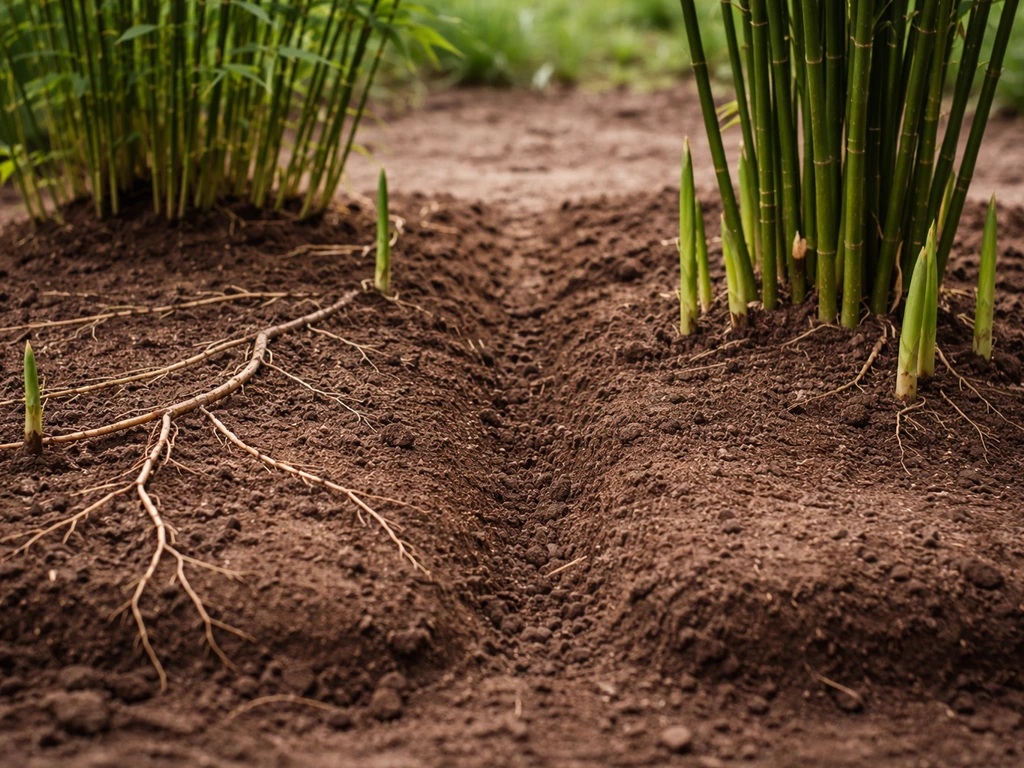
Running bamboos (like Phyllostachys species) spread through long horizontal rhizomes called leptomorphs that can travel several feet per year. Clumping bamboos (like Fargesia) use tight, short pachymorph rhizomes and stay where you put them. In Alaska, this distinction matters in two ways: first, running bamboos are harder to remove if you change your mind, and in freeze-thaw cycles rhizome barriers can shift or fail; second, running bamboos tend to have better documented cold hardiness at the extreme end. If you go with a running type, install a rhizome barrier (a 60 to 90cm HDPE barrier) at planting. If you want less maintenance headache and you're planting in containers or a small protected bed, a cold-hardy Fargesia is the smarter call.
| Feature | Running (Phyllostachys) | Clumping (Fargesia) |
|---|---|---|
| Rhizome type | Leptomorph (spreads widely) | Pachymorph (stays tight) |
| Max cold hardiness (rhizome) | Zone 4b (−31°C / −25°F) | Zone 4–5 depending on species |
| Above-ground culm survival | Dies back below ~−20°C | Dies back at similar or slightly warmer temps |
| Height potential | 10–30+ ft at full establishment | 6–12 ft typical |
| Spread control needed? | Yes, barrier strongly recommended | No barrier needed |
| Best Alaska use case | In-ground with barrier, SE AK or sheltered Anchorage sites | Containers, small beds, any Alaska region |
My recommendation: if you're in Anchorage or SE Alaska and want in-ground bamboo, go with P. aureosulcata with a proper barrier. If you're in containers, trying bamboo for the first time in Alaska, or just want something lower-maintenance, a cold-hardy Fargesia is the better starting point.
Best ways to actually grow bamboo in Alaska
In-ground planting: where it works and where it doesn't
In-ground planting is feasible in southeast Alaska (Juneau, Ketchikan, Sitka, coastal areas) and in well-sheltered microclimates around Anchorage and the Kenai Peninsula, where Zone 5b conditions and reliable snow cover combine to protect rhizomes. Site selection is critical: choose a south or southeast-facing spot against a wall, fence, or dense conifer hedge that blocks north and northwest winter winds. Urban heat island effects in Anchorage can bump local temperatures a half-zone warmer, which matters.
In the Interior (Fairbanks and surrounding areas), in-ground is essentially not viable for most bamboo species. If you are wondering can bamboo grow in Montana, the key variables are similar: winter lows, how long the soil stays frozen, and whether you can protect the rhizomes from wind and desiccation.
Even Zone 4b-rated rhizomes face marginal survival odds when Fairbanks regularly hits −40°C and below, and deep ground freezing adds a secondary kill mechanism that a rhizome hardiness rating alone doesn't account for.
Containers and greenhouses: the reliable option everywhere
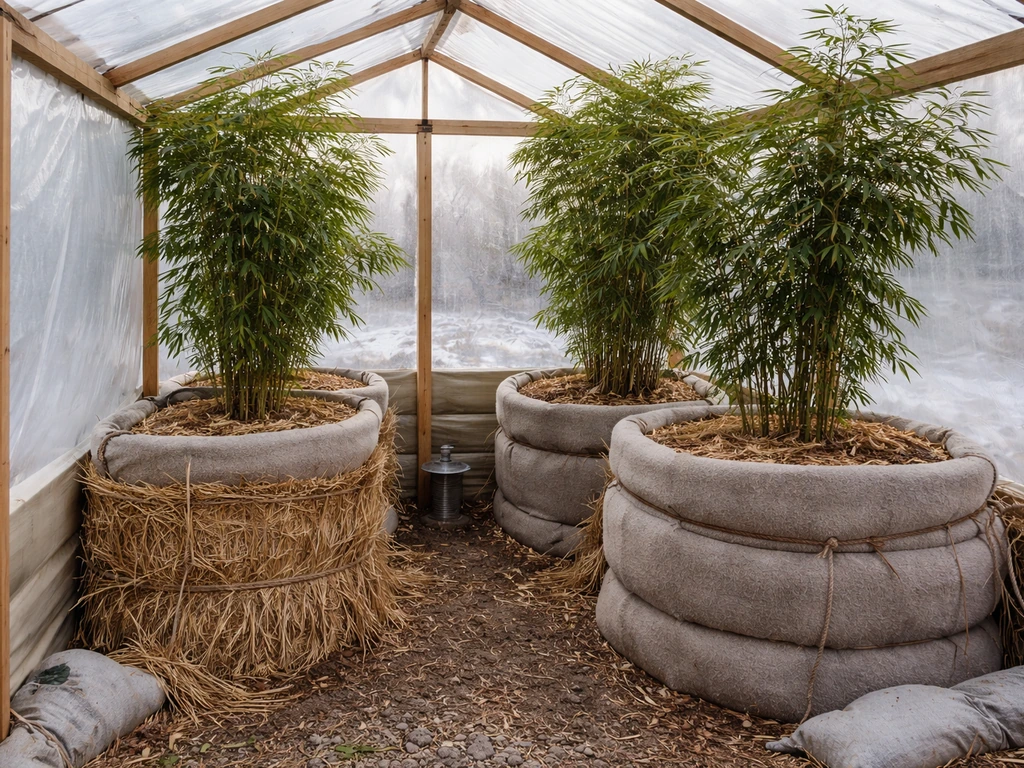
For most of Alaska, containers with greenhouse or insulated overwintering is the most reliable path. Growing bamboo in a large container (at least 15 to 25 gallons for a meaningful plant) lets you bring it into a protected space before temperatures drop below the species' rhizome tolerance. One critical warning here: above-ground containers expose rhizomes to far colder temperatures than in-ground planting does, because the soil in the pot loses heat from all sides.
Research and grower experience both confirm that if rhizomes in a container freeze solid, the chance of survival is essentially zero. So when you're overwintering in a container, you need either a heated greenhouse or at minimum an insulated garage that stays above −5°C (23°F). [A hoophouse without supplemental heat can work in milder coastal areas but is risky in Anchorage and not viable in the Interior without a heat source. ](https://www.
reddit. com/r/gardening/comments/sp6mme)
Regional guide by Alaska climate zone
| Region | Typical USDA Zone | In-ground viable? | Recommended approach |
|---|---|---|---|
| Southeast Alaska (Juneau, Ketchikan) | Zone 7–8 coastal, Zone 5–6 inland | Yes, with wind protection and mulch | In-ground with P. aureosulcata or Fargesia; windbreak essential |
| Anchorage / Southcentral | Zone 5b | Marginal, best in sheltered microclimates | In-ground with heavy mulch + windbreak, or large containers with heated overwinter |
| Kenai Peninsula | Zone 5a–5b | Marginal | Containers preferred; in-ground only in very sheltered spots with deep mulch |
| Interior (Fairbanks, Delta Junction) | Zone 2–3 | Not viable for most species | Containers only; heated greenhouse required in winter |
| Mat-Su Valley | Zone 4–5 | Very marginal | Containers or greenhouse; in-ground experimental with Zone 4b species only |
Planting and soil: getting it right from the start
When to plant
Spring is the right time to plant bamboo in Alaska, full stop. The Old Farmer's Almanac puts Anchorage's last spring frost around May 4 (Merrill Field station), and general bamboo care guidance recommends planting from March through June with freshly purchased container stock.
Aim to get your plant in the ground or into its final container after your last frost risk but while soil temperatures are still warming and there are at least 8 to 10 weeks of warm weather ahead. In Alaska, that means mid-May to early June for Anchorage and southcentral areas, and potentially late May to mid-June for higher-elevation or Interior container planting. Avoid planting in late summer or fall in Alaska.
There simply isn't enough growing season left to establish roots before freeze-up, and a bamboo going into its first Alaska winter without any established root mass is unlikely to survive.
Soil, drainage, and amendments
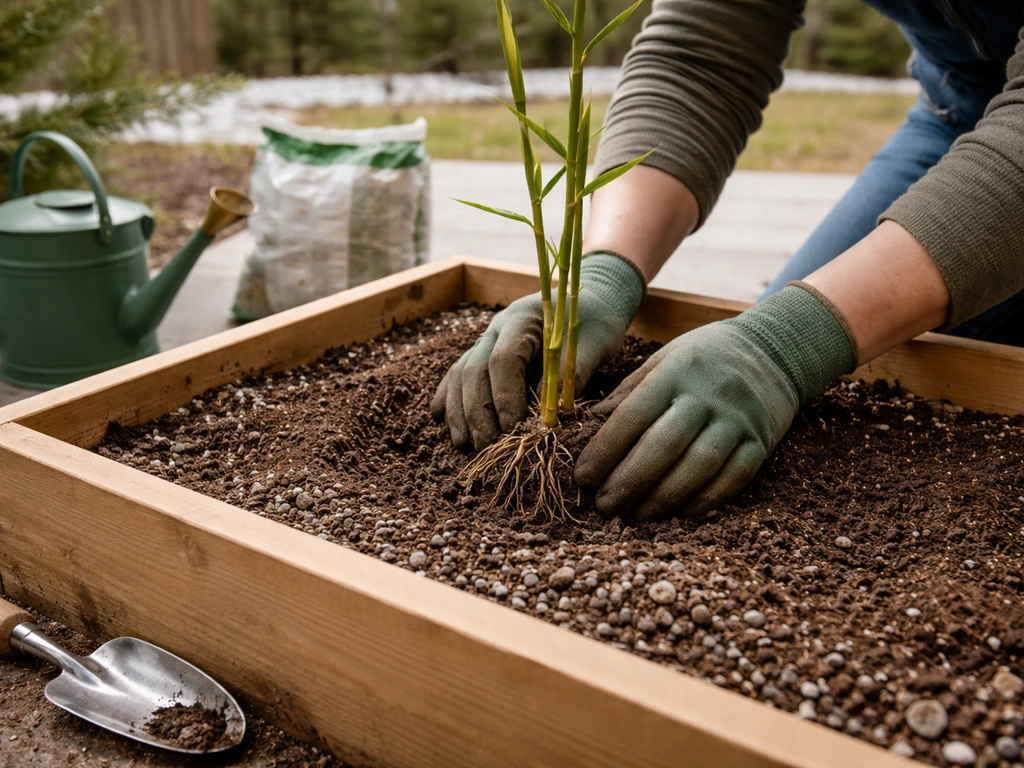
Bamboo needs well-draining soil. In Alaska, that's actually a real concern because many Alaskan soils are heavy silts, clays, or permafrost-influenced, and standing water will rot rhizomes faster than cold will. Raised beds with amended soil are a good choice. Work in generous amounts of compost to improve drainage and add organic matter, and aim for a slightly acidic pH of 5.
5 to 6. 5. If your soil stays waterlogged, build up the bed 8 to 12 inches and use a gritty compost-and-topsoil mix. For containers, use a high-quality potting mix with added perlite for drainage.
Water regularly during the growing season, aiming for consistent moisture without saturation. For in-ground plantings, a deep watering in late fall before the first hard freeze helps hydrate rhizomes going into winter dormancy, and if you get a prolonged mid-winter thaw, water again to prevent desiccation stress.
Your winter survival plan
This is where Alaska bamboo growing gets serious. A well-executed winter protection setup can mean the difference between rhizomes that push new growth in June and a patch of dead straw that never comes back.
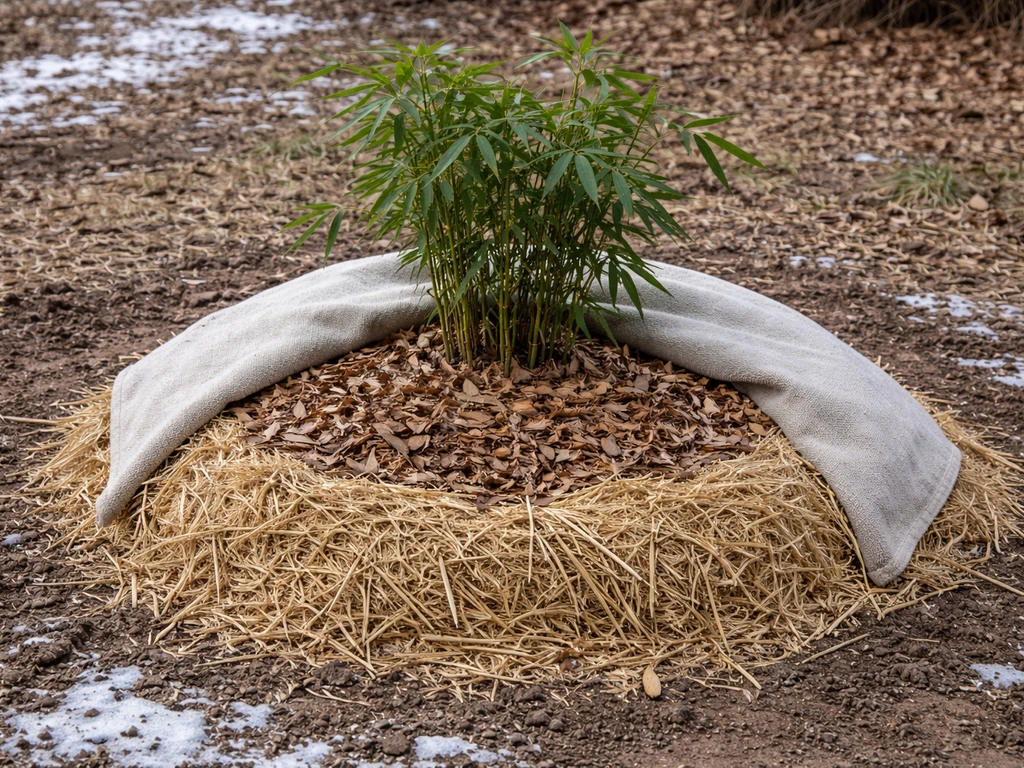
- Mulch heavily: Apply approximately 6 inches of organic mulch (straw, wood chips, or shredded leaves) over the entire rhizome zone before the ground freezes. This is the single most important step for in-ground plantings. The goal is to slow and buffer the rate at which soil temperature drops, keeping rhizomes above lethal thresholds even when air temperatures are extreme.
- Build a windbreak: Site your bamboo away from north and northwest prevailing winds, and if your site doesn't already have a natural windbreak, create one with a fence, burlap screen, or dense evergreen planting. Wind-driven cold is a primary culprit in bamboo dieback even in Zone 6 climates, let alone Alaska. Wrapping exposed culms in burlap or frost cloth also helps reduce desiccation.
- Let snow do its job: In most of Alaska, snow cover is your best natural insulator. Don't clean snow away from your bamboo bed in winter. A consistent snow layer on top of your mulch keeps the rhizome zone dramatically warmer than bare frozen ground.
- Bring containers indoors: Get containerized bamboo into a protected space before sustained temperatures drop below −5°C (23°F). A frost-free garage, cool basement with occasional light, or heated greenhouse all work. The goal is to keep the root zone above freezing, not to keep the plant actively growing.
- Heat your greenhouse if needed: If you're using a hoophouse or unheated greenhouse in Anchorage or colder areas, don't assume passive solar will be enough on deep-cold nights. A small space heater or heat mat for the root zone may be necessary to prevent lethal freezing during extended cold snaps.
- Water before and during winter: Do a deep watering in late September or early October before freeze-up. If a prolonged thaw occurs mid-winter (Anchorage does get these), water again so rhizomes don't desiccate during the rehydration cycle.
What to expect: growth timelines in Alaska's short summers
Be honest with yourself about what bamboo will and won't do in Alaska, especially in the first couple of years. Bamboo follows a well-known establishment pattern sometimes called 'sleep, creep, leap': year one it barely seems to move, year two it builds root mass, and from year three onward it starts producing more vigorous new shoots. That pattern is even more pronounced in Alaska because the growing season is short and soil temperatures take longer to warm up.
Year 1
Don't expect much above ground in your first season. Your bamboo is spending almost all its energy establishing rhizomes, and in Alaska's short summer it may push only a handful of new shoots, if any. If you started with a good-sized container plant, you might see a bit of new growth in August, but it'll be modest. The goal in year one is to get the plant through its first Alaska winter with rhizomes intact.
Year 2 and beyond
If the rhizomes survive winter and the plant is in a good site, year two usually brings noticeably more shoots and some expansion of the root system. By year three and four, a well-established P. aureosulcata in a favorable Anchorage microclimate can push meaningful new canes each spring. You're never going to see the 20-foot overnight growth stories from warm climates.
In Alaska, mature culms will be shorter and the grove will expand slowly compared to lower-48 plantings. That's the realistic picture. Above-ground culms will likely die back to the snow line or completely each winter, and the plant will reliably resprout from the protected rhizomes each spring if you've done your job. Think of it less as a grove and more as a hardy perennial with dramatic spring regrowth.
Troubleshooting, sourcing, and your next steps
Handling dieback and recovery
Above-ground dieback is normal and expected in Alaska. If your culms come out of winter looking brown and dead, don't pull the plant. Wait until late May or early June and watch the base and the soil for new shoots emerging from surviving rhizomes. As long as the rhizomes made it through the winter, the plant will bounce back.
Only remove the dead culms after you've confirmed new growth is coming, so you don't disturb anything. If no new growth appears by late June, probe the rhizome zone gently. Firm, white or cream-colored rhizomes are alive; mushy, dark brown rhizomes are dead. Total rhizome death usually means either the cold exceeded the species' tolerance, the root zone froze in a container, or the soil was waterlogged going into winter.
Sourcing plants with the right documentation
When you're buying bamboo for Alaska, don't accept vague claims like 'cold hardy' or 'grows in cold climates. If you're wondering can bamboo grow in California, the warmer conditions there make species selection and cold documentation less extreme than in Alaska. ' You need specific hardiness documentation: the USDA zone rating for both rhizomes and above-ground culms separately.
A species might be listed as Zone 6 overall but have Zone 4b root hardiness, and that root hardiness number is what matters for Alaska survival. Look for suppliers who break out rhizome hardiness explicitly and can tell you the specific cultivar, not just the species. Bamboo Garden and Canada's Bamboo World are examples of specialty nurseries that provide this level of detail.
Avoid big-box stores for Alaska-bound bamboo, as they typically stock tropical or subtropical varieties with no cold documentation.
Alaska bamboo success checklist
- Choose a species with rhizome hardiness documented to Zone 4b or colder (P. aureosulcata or cold-hardy Fargesia)
- Know your Alaska microclimate: SE Alaska and sheltered Anchorage spots favor in-ground; Interior requires containers and heat
- Plant in mid-May to early June, after last frost, with at least 8 weeks of warm weather ahead
- Use well-draining, amended soil with a pH of 5.5 to 6.5; raised beds if drainage is poor
- Site in a south or southeast-facing location with a natural or constructed windbreak on the north side
- Install a rhizome barrier at planting if using a running species
- Apply 6 inches of organic mulch over the rhizome zone before first frost
- Water deeply in late fall before freeze-up
- For containers: move indoors before temperatures drop below −5°C and ensure the root zone stays above freezing all winter
- In spring, wait until late May or June before declaring failure; watch for rhizome-level regrowth
Growing bamboo in Alaska is genuinely possible if you're willing to select the right species, invest in proper site preparation, and execute a real winter protection plan. It's not the low-maintenance tropical grove you see in pictures from Hawaii or California, and if you're comparing Alaska to those climates, you're setting yourself up for disappointment. But with the right approach, you can have a thriving, cold-hardy bamboo that pushes new growth every June and gets a little more impressive every year. Start small, get the protection setup right in year one, and let the plant prove itself before you scale up.
FAQ
Can I grow bamboo in Alaska without a rhizome barrier if I choose a cold-hardy species?
For running types, no. Even if the rhizomes survive winter, the leptomorph spread can outgrow your control in a few seasons, and freeze-thaw movement can shift barriers. In-ground running bamboo in Alaska should be treated as a containment project: install a 60 to 90 cm HDPE barrier at planting and ensure it goes deep enough, with the top edge properly oriented so shoots do not escape.
What’s the biggest mistake with container bamboo in Alaska?
Letting the pot freeze solid. The pot cools from all sides, so rhizomes can be colder than they would be in the ground. If you do not have a heated greenhouse, keep the container overwintering space above about -5°C (23°F). An unheated shed or poorly insulated area often still gets well below that during interior nights.
Is southeast Alaska always suitable for in-ground bamboo?
It’s the most favorable region, but microclimate still matters. Choose a south or southeast position with wind protection (wall, fence, or dense conifers) and avoid spots where winter meltwater sits. Even in mild areas, waterlogged soil plus freeze-thaw can rot rhizomes.
How do I tell whether my bamboo died back because of cold or because the roots rotted?
Cold damage typically leaves browned, dry above-ground culms, and if rhizomes are alive they will usually be firm and white or cream at inspection. If the rhizomes are mushy, dark brown, or smelly, rot or saturation is more likely. This usually comes down to drainage and whether the bed was waterlogged before hard freezes.
When should I remove dead canes after winter in Alaska?
Do not prune immediately after snowmelt. Wait until late May or early June and confirm new basal shoots are emerging first. Removing culms too early can disturb the rhizome zone right when it is trying to push new growth.
Can I start bamboo in late summer in Alaska to get a jump on growth?
No, late summer or fall planting is one of the fastest ways to lose a new bamboo to its first winter. The plant needs at least 8 to 10 weeks of warm conditions to establish root mass, so aim for spring planting after last frost risk, with mid-May to early June as a typical Anchorage/southcentral window.
What size container should I use for bamboo in Alaska?
Use a container large enough to hold stable moisture and temperature, at least about 15 to 25 gallons for a meaningful plant. Oversized pots help buffer temperature swings, but they do not replace insulation or heat when you are near or below the rhizome survival limits.
If my bamboo is in the interior (like around Fairbanks), is there any workaround besides a heated greenhouse?
Yes, but it still must prevent deep rhizome freezing. A reliably heated or frost-protected overwinter area (for example, an insulated space that stays above -5°C) can work. A hoop house without supplemental heat is usually too risky in interior conditions because cold snaps can still drive the rhizomes past tolerance.
Do I need to worry about soil pH and drainage as much in Alaska as in warmer regions?
Yes, especially drainage. Alaska soils can be heavy or permafrost-influenced, and standing water increases the odds of rhizome rot. Build raised beds (often 8 to 12 inches) and use amended, gritty mixes, aiming for slightly acidic conditions (about pH 5.5 to 6.5) to support healthy growth.
How long will it take before I see real growth in Alaska?
Expect a slower establishment pattern, often described as sleep, creep, leap. Year one may show minimal above-ground progress, year two usually increases shoots, and more noticeable expansion often starts around year three. If you’re expecting a dense grove in year one, you will likely be disappointed even when the rhizomes survive.
Should I plant bamboo from seed or plugs for Alaska growing?
In most cases, start with container-grown stock rather than seed. Establishment depends on getting sufficient root mass before the first Alaska winter, and seed-based starts usually do not reach that timeline reliably. Using freshly purchased container stock gives you a head start toward surviving the rhizome’s first critical winter.
Next Article
Can Bamboo Grow in Washington State? Conditions and Tips
Learn if bamboo can grow in Washington, which hardy types fit coastal or inland climates, and how to plant and survive w