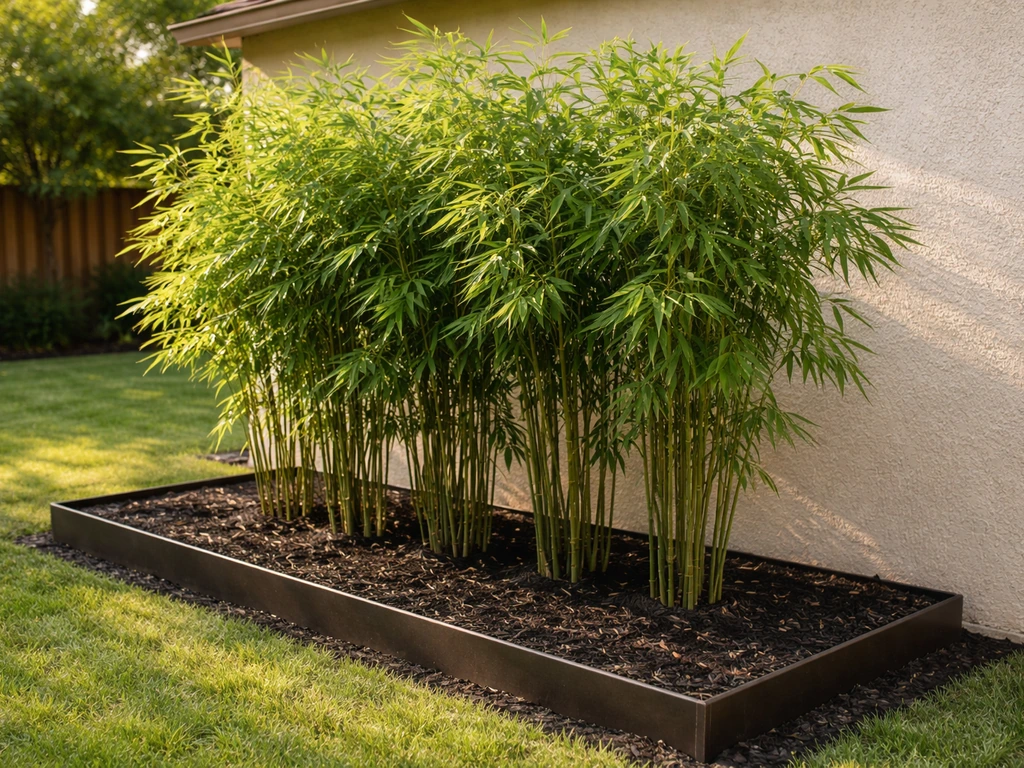
Yes, bamboo can absolutely grow in Washington State, but the variety you choose and where in the state you live make all the difference between a thriving grove and a dead stick by February. Yes, bamboo can also grow in California, but success depends heavily on your local climate and the bamboo type you choose can bamboo grow in California. Western Washington (think Puget Sound, Seattle, the Willamette corridor) is genuinely bamboo-friendly for cold-hardy species. Eastern Washington is harder, colder, and more limiting, but still workable if you pick the right plants and give them a protected spot.
Can Bamboo Grow in Washington State? Conditions and Tips
Marcus Hartwell
17 Jun 2026
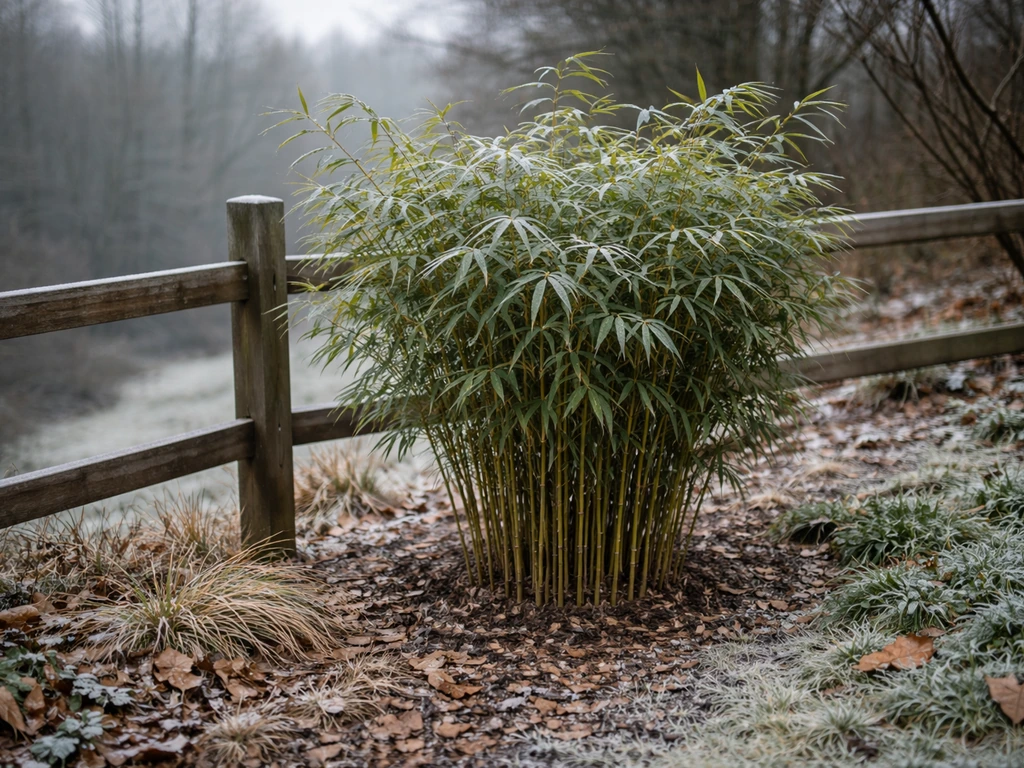
When bamboo will and won't grow in Washington
The short version: most of western Washington falls in USDA Hardiness Zones 7b to 9a, which is genuinely suitable for a wide range of cold-hardy bamboos. Seattle and the Puget Sound lowlands rarely see temperatures below 10°F, and typical winters stay well above that. Cold-hardy clumping bamboos like Fargesia robusta (hardy to Zone 6) and Fargesia nitida (also Zone 5 to 6) handle those winters without fuss.
Eastern Washington is a different story. Spokane and the Palouse sit in Zones 5b to 6b, with winter lows regularly hitting 0°F to -10°F. That rules out most bamboos outright, but a handful of tough Fargesia varieties can still survive with careful siting.
If you're wondering about bamboo in Alaska, you can treat it similarly to other very cold climates: pick truly cold-hardy clumping types and plan for winter protection and harsh-site risks Surprisingly, a handful of tough Fargesia varieties can still survive with careful siting. . The Columbia Basin and Tri-Cities area warms up to Zone 7, which opens more options.
The places where bamboo genuinely won't work in Washington are the high-elevation mountain passes, the far northeast corner of the state, and anywhere that regularly drops below -10°F without any wind protection.
| Washington Region | Typical USDA Zone | Bamboo Feasibility |
|---|---|---|
| Puget Sound / Seattle | 8a–8b | Excellent — wide variety choice |
| Olympic Peninsula coast | 8b–9a | Excellent — mild and moist |
| SW Washington (Vancouver) | 8a–8b | Excellent |
| Cascade foothills (west side) | 7a–7b | Good with protected sites |
| Columbia Basin / Tri-Cities | 7a–7b | Good — needs wind protection |
| Spokane / Palouse | 5b–6b | Difficult — Fargesia only, sheltered sites |
| Mountain passes / NE highlands | 4b–5a | Not recommended |
Washington's climate reality: cold, frost, wind, and microclimates
Western Washington has a reputation for being rainy and mild, and that's mostly accurate for bamboo purposes. Seattle's average last spring frost falls around late February to mid-March (based on NOAA 1991–2020 climate normals), and first fall frost typically doesn't arrive until late November. That's a long growing window. The bigger threats for bamboo in the wet west side aren't brutal cold snaps, they're wet, poorly draining soil in winter and occasional wind events that desiccate foliage. Bamboo leaves lose moisture through the leaf surface even in winter, and a hard, drying wind when the ground is frozen can cause more visible damage than the cold itself.
Microclimates matter more in Washington than the state average would suggest. A garden against a south-facing masonry wall in Seattle can be a full zone warmer than an exposed north-facing slope ten miles away. Frost pockets, those low spots where cold air settles on still nights, can damage bamboo that would otherwise breeze through a Washington winter. Before you plant, spend a winter actually noticing where frost forms last, where wind channels through, and where your soil sits wet after rain. That one observation period will tell you more than any zone map.
Eastern Washington presents a drier, more continental pattern with genuine cold snaps and hot summers. Bamboo planted there needs a sheltered microclimate: ideally a south or southeast exposure, a windbreak to the north and west, and well-drained soil so roots don't sit in frozen wet ground. Compared to somewhere like Montana or Alaska (where growing bamboo outdoors is far more challenging), inland Washington actually has workable pockets. But you do need to be honest about your specific site.
Choosing the right bamboo type for your location
Clumping vs running: the most important choice you'll make
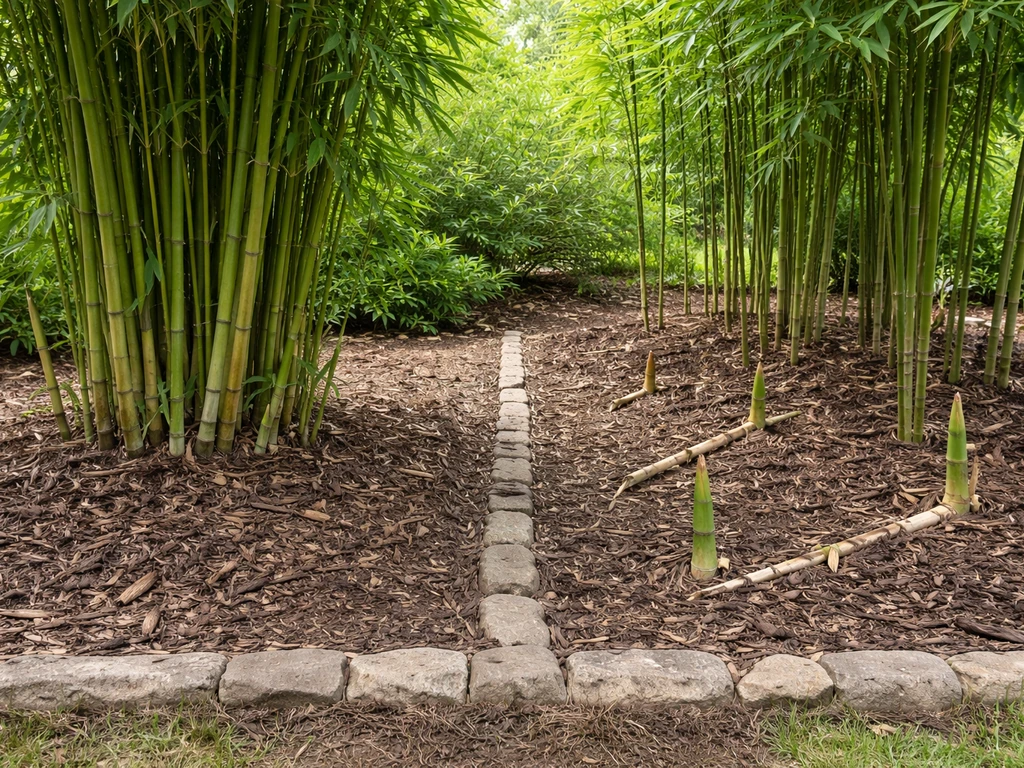
Before worrying about species names, understand the two growth habits. Clumping bamboos (most Fargesia species) spread slowly outward from a central crown, maybe a few inches per year. Running bamboos (most Phyllostachys species) send out lateral rhizomes that can travel 5 to 15 feet per year underground. For a typical Washington yard, clumping bamboo is the safer, lower-drama choice. Running bamboos aren't impossible, but they require serious containment work (more on that below) and they're the reason bamboo gets a bad reputation among neighbors.
Best clumping bamboos for Washington
Fargesia species are the go-to for most Washington gardeners, and for good reason. WSU Extension's own cold-hardy bamboo materials point to Fargesia as the top clumping choice for cold and wet Pacific Northwest conditions. Fargesia robusta is hardy to Zone 6 and handles both the wet winters and the occasional hard frost well. Fargesia nitida (blue fountain bamboo) is even hardier, tolerating down to Zone 5, and it handles shadier spots better than most bamboos.
Fargesia rufa (often called 'Green Panda') is another popular choice, hardy to Zone 5, and it tends to be more heat-tolerant than nitida, which matters if you're in the Tri-Cities or somewhere with hot summers. [None of these Fargesia species are considered invasive](https://plants. ces. ncsu.
edu/plants/fargesia-robusta/), which makes them a genuinely low-risk planting for a Washington garden.
Running bamboos worth considering (with containment)
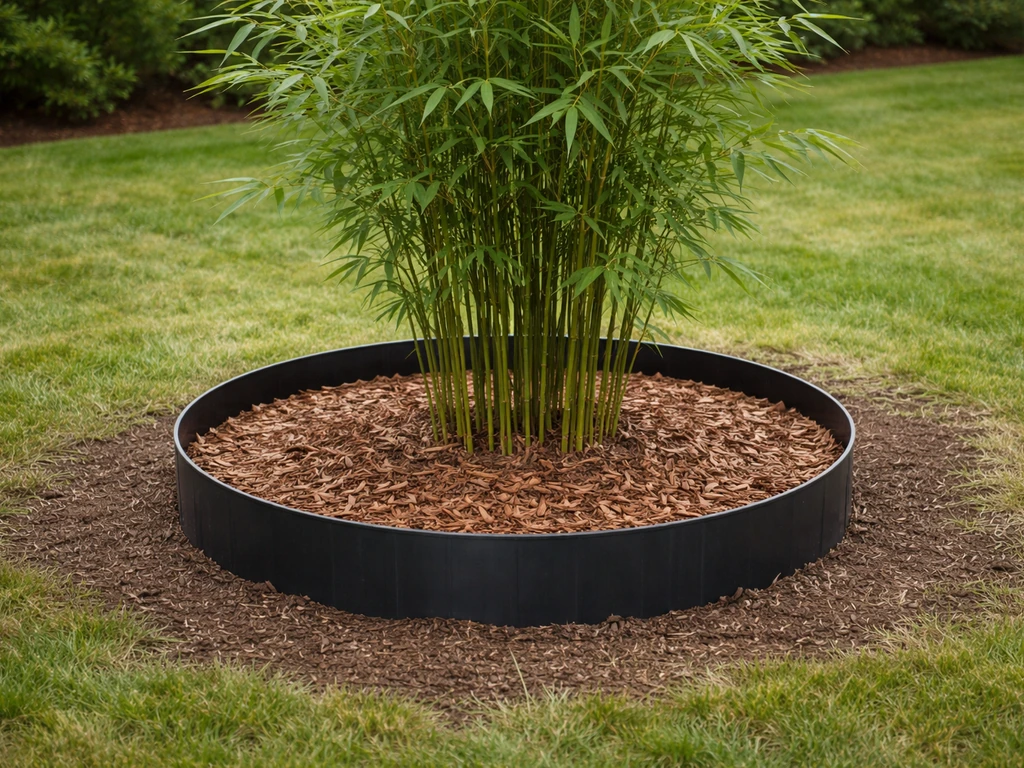
If you want taller, denser screening and are willing to do the containment work, some Phyllostachys species perform well in western Washington. Phyllostachys aureosulcata (yellow groove bamboo) is cold-hardy to Zone 5 and has done well in WSU's own on-farm research plots in Tenino, Washington. Phyllostachys bissetii is another reliable cold-hardy running bamboo, also Zone 5. For west-side Washington, Phyllostachys nigra (black bamboo) is a popular ornamental that does fine in Zone 7 and up. All of these need a rhizome barrier if you're planting them in the ground near anything you care about.
What to avoid in Washington
Tropical clumping bamboos (Bambusa species and many Dendrocalamus species) won't survive a Washington winter outdoors. If you're wondering whether bamboo grows in Hawaii, the same general rules still apply: match the bamboo type to your climate and watch drainage and sun exposure tropical clumping bamboos. These blank" rel="noopener noreferrer">need USDA Zone 9 or warmer consistently, and even western Washington dips below that threshold in a cold year. Don't let the mild reputation of Seattle trick you into buying a tropical bamboo. If it's labeled 'Zone 9+' at the nursery, leave it there.
Site prep and planting for Washington conditions
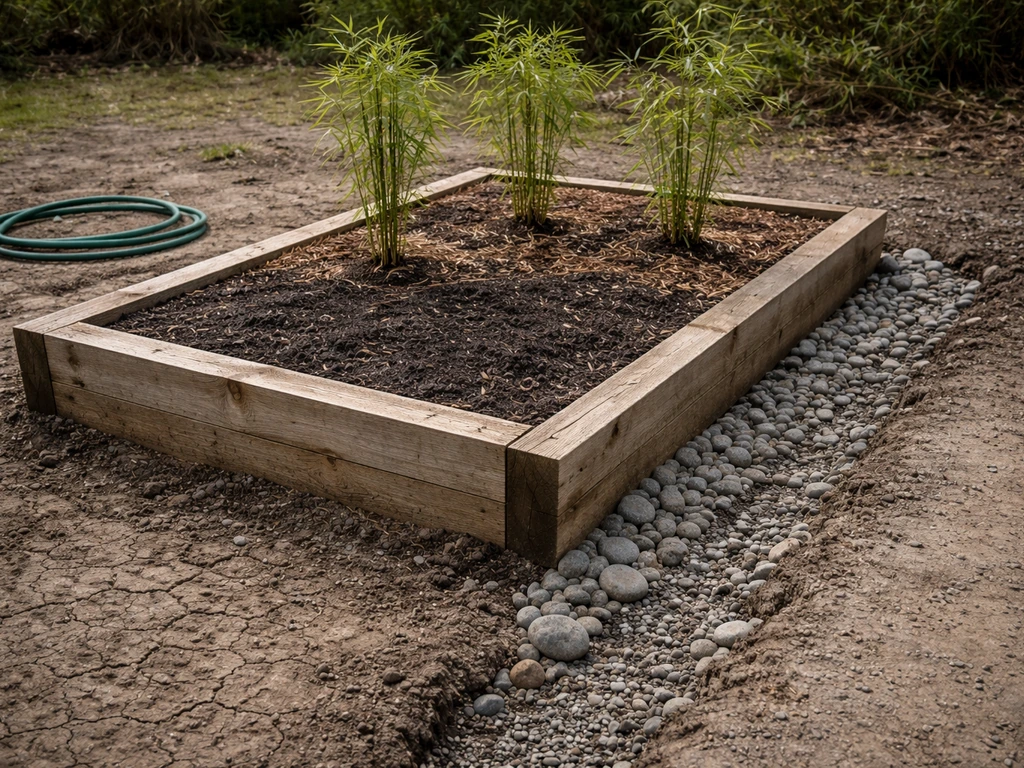
Soil drainage is the number one site factor in Washington, especially west of the Cascades. Many western Washington soils are naturally heavy, compacted, and slow-draining after winter rains. Bamboo roots do not like sitting in waterlogged soil, and wet roots in freezing temperatures is how you kill an otherwise cold-tolerant plant. Before planting, dig a test hole about 12 inches deep, fill it with water, and see how long it takes to drain. If it's still holding water after an hour, you need to amend the bed or build a raised planting mound. Work in compost to improve drainage and structure, not to make the soil richer, drainage is the goal.
Sun exposure matters, but bamboo is more flexible than most people think. Most bamboos prefer full sun to part shade. In western Washington's often overcast winters, a south-facing spot that gets maximum light is ideal for establishment. However, in eastern Washington and anywhere with hot summers, some afternoon shade actually helps Fargesia species, which can suffer in intense heat and full sun. The classic Japanese observation applies here: bamboo in a coastal Pacific climate behaves differently from bamboo in a hot continental interior.
Timing your planting is straightforward: spring is best, once the ground has warmed and the last frost has passed. For the Puget Sound area, that means planting from late March through May. Early fall planting (August to September) also works if you give the plant at least 6 to 8 weeks to establish roots before hard frost. WSU Extension specifically advises against late-fall planting because bamboo that hasn't hardened off going into winter is far more vulnerable than an established plant. Avoid planting in summer heat waves or in the dead of winter.
Watering, fertilizing, and winter protection
Watering
New bamboo needs consistent moisture during the first growing season, roughly an inch of water per week if rain isn't providing it. Western Washington usually handles this on its own from fall through spring, but first-year plants during a dry summer (and Seattle does have real dry stretches from July through September) need supplemental watering. Once established after the first full year, most cold-hardy bamboos in western Washington are fairly drought tolerant. In eastern Washington, irrigation is necessary almost every summer. One important note: avoid watering heavily right before a predicted hard freeze. Keeping the soil saturated going into a freeze can actually increase cold damage in borderline-hardy varieties.
Fertilizing
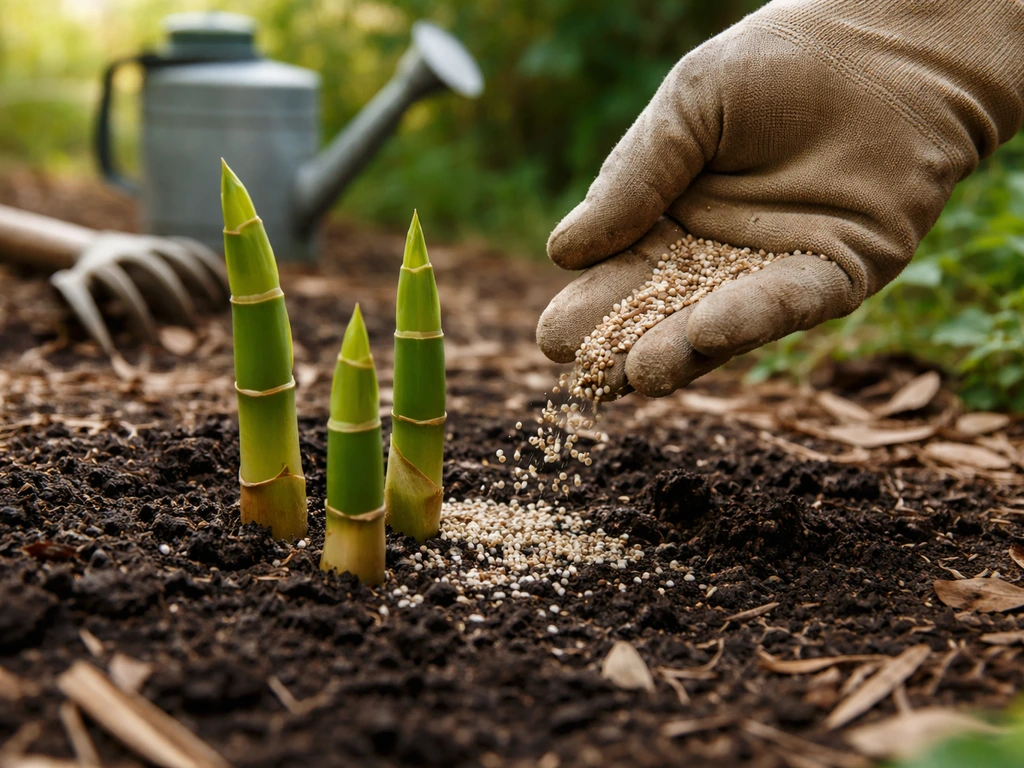
Bamboo is a grass and responds strongly to nitrogen. A high-nitrogen fertilizer applied in early spring (as new shoots emerge) and again in early summer gives the best results. You can use a standard lawn fertilizer for this purpose. Don't fertilize after late summer, because pushing new growth in August or September produces soft culms that are more vulnerable to early frosts. In Washington's climate, a spring and early-summer feeding schedule is plenty.
Winter protection
Most cold-hardy bamboos in western Washington need zero winter protection in a normal year. The foliage may look a bit beaten up after a harsh winter, but the plant itself survives fine. Where protection becomes useful is in two situations: first-year plants that haven't fully established, and borderline-hardy varieties in eastern Washington or high-exposure sites. For those, wrapping the canes loosely in burlap or placing a frost cloth over the plant during a predicted extreme cold event can make the difference. A thick layer of mulch (3 to 4 inches of wood chips or straw) over the root zone is helpful in colder parts of the state and costs almost nothing to apply in fall.
What to expect: growth timeline and first-year reality
The first year of bamboo in Washington will probably disappoint you if you're expecting rapid growth. That's normal and expected. Bamboo follows a well-known pattern: the first year it sleeps, the second year it creeps, the third year it leaps. What's actually happening underground in year one is rhizome expansion and root establishment. The plant is building its foundation, not its height. You may see only a few new culms, and they may not be as tall as the original plant you bought. Don't panic and don't over-fertilize trying to force growth.
By year two, you should start seeing noticeably more shoots and slightly taller culms. By year three, a healthy clumping bamboo in western Washington should be putting on real size. Running bamboos in a contained bed follow a similar timeline but tend to accelerate more dramatically once established. In terms of absolute height, Fargesia species in Washington typically reach their mature height of 6 to 12 feet over 4 to 6 years. Phyllostachys species can go much taller (15 to 30 feet for some varieties), but they take similar time to get going. Patience is genuinely the hardest part of growing bamboo.
Containment and long-term care for running bamboo
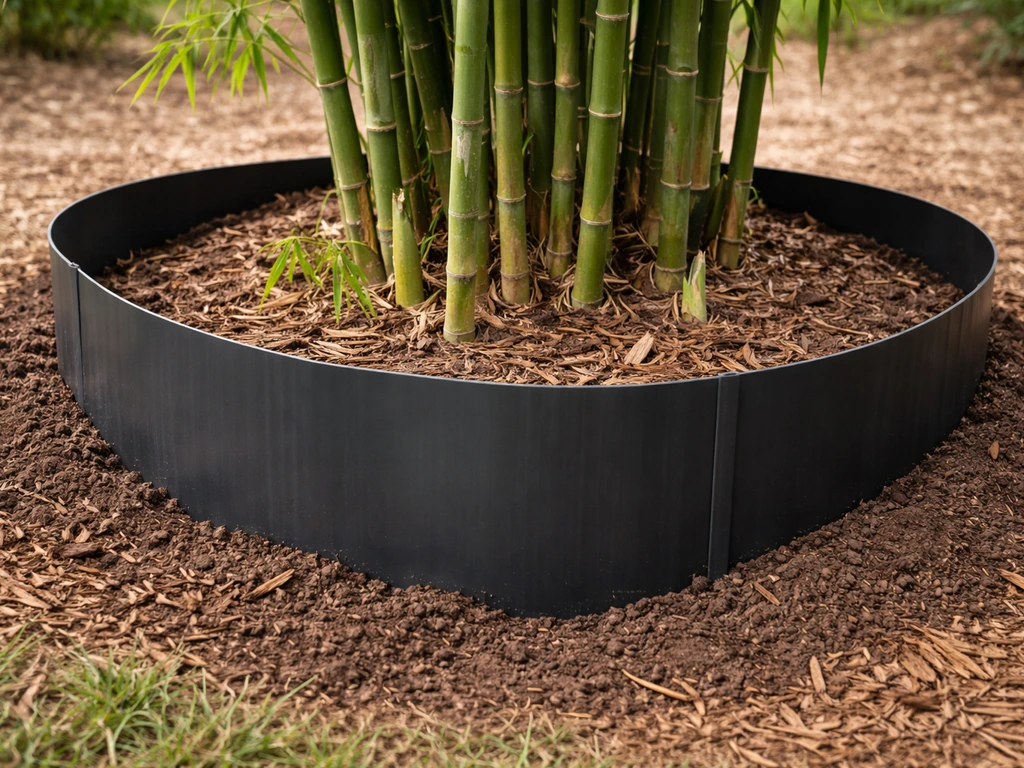
If you plant a running bamboo without a rhizome barrier in Washington, you will eventually regret it. Running bamboo rhizomes can travel 5 to 15 feet per year in good conditions, and western Washington's mild, moist climate is genuinely good conditions. Installing a proper barrier before planting is far easier than trying to excavate and control an established running bamboo later.
The standard approach is a high-density polyethylene rhizome barrier, at least 40 mil thick, installed at least 24 to 30 inches deep (3 feet deep is better if your soil allows). The barrier should protrude 2 to 3 inches above the soil surface so rhizomes can't simply grow over the top. Seams and overlaps are the most common failure point: rhizomes are surprisingly good at finding a gap at a seam. When joining barrier sections, overlap them by at least 12 inches and use appropriate joining clips or tape. Check the barrier edge annually in spring when new shoots emerge, and cut back any rhizomes that have crept over the top.
For long-term management, remove any culms you don't want each spring when they first emerge as shoots, because cutting a shoot at ground level takes seconds. Trying to remove an established culm with a hardened root system is much harder. Thin out older culms every few years, removing the oldest, least attractive canes at ground level to keep the grove looking clean and to encourage larger new growth.
Your practical starting checklist for Washington
- Look up your specific ZIP code on the USDA Plant Hardiness Zone Map to get your actual zone, not the state average.
- Identify your microclimate: note where frost forms, where wind hits hardest, and where soil drains poorly after rain.
- If you're in Zone 7 or warmer (most of western Washington), start with a Fargesia robusta or Fargesia rufa for a clumping, low-maintenance, non-invasive option.
- If you're in Zone 5b or 6 (Spokane, Palouse, Cascade foothills east side), stick with Fargesia nitida or another Zone 5-rated Fargesia, and choose the most sheltered south-facing spot you have.
- Test your soil drainage before planting. Amend with compost or build a raised mound if drainage is poor.
- Plant in spring after your last frost, or in late summer at least 8 weeks before first fall frost.
- If planting a running bamboo, install a 40-mil rhizome barrier at least 24 to 30 inches deep before the plant goes in the ground.
- Mulch the root zone with 3 to 4 inches of wood chips, especially in colder regions of the state.
- Fertilize with a high-nitrogen feed in early spring and again in early summer. Stop feeding by August.
- Expect slow first-year growth. If the plant is alive and holding its leaves, it's doing its job underground.
Washington is genuinely one of the better states in the Pacific Northwest for growing bamboo. The coastal climate is far more forgiving than California's inland heat extremes, and for cold-hardiness it compares well to what bamboo growers face in places like Minnesota or Alaska, where the margin for error is much narrower. The same cold-winter caution applies if you're wondering can bamboo grow in Minnesota, since winter lows and wind protection make a big difference. Pick the right species for your zone, solve drainage first, give it time, and bamboo will reward you with one of the most dramatic and low-maintenance plants you can grow in a Pacific Northwest garden.
FAQ
What bamboo should I avoid in Washington State, even if the nursery says it’s “hardy”?
Avoid tropical bamboos (Bambusa, Dendrocalamus types) and any plant labeled for Zone 9 or warmer, because Washington winters, cold years, and winter wet can still kill them. Also be cautious with “running” bamboos sold without specifying rhizome containment, since they can spread quickly under mild, moist western conditions.
Can I grow bamboo in Washington if my yard stays wet in winter?
You can, but you usually need an engineered drainage solution. Do the 12-inch water-drain test, and if it holds water after an hour, switch to a raised mound or amended bed with drainage-focused soil structure, not just compost. Waterlogged soil in cold periods is one of the fastest ways to lose bamboo.
Is it okay to plant bamboo in fall in Washington, or should I stick to spring only?
Spring is the safest, but early fall (roughly August to September) can work if the plant has 6 to 8 weeks to root before hard frost. Skip late-fall planting, because new growth that has not hardened off is much more vulnerable during sudden cold snaps.
How much watering does bamboo need in the first year in western vs eastern Washington?
In western Washington, first-year plants may need supplemental moisture during summer dry stretches (often July through September). In eastern Washington, plan on irrigation through most summers. In both regions, avoid heavy watering right before a predicted hard freeze, since saturated soil can worsen cold damage in borderline-hardy varieties.
Do I need to fertilize bamboo in Washington, and what’s the mistake to avoid?
Yes, bamboo responds strongly to nitrogen, so feed in early spring as shoots emerge and again in early summer using a standard lawn fertilizer. The common mistake is fertilizing late in the season, which pushes soft growth that can be damaged by early frosts.
Will bamboo die back in winter in Washington, and is that normal?
Lightly beaten-up foliage after harsh winters is common, and the plant often survives without protection. If shoots are emerging from the crown in spring, it’s usually alive. However, border-case sites in eastern Washington may still need protection for first-year plants or during extreme cold events.
How do I tell whether I should plant clumping bamboo or running bamboo in my yard?
Choose clumping (most Fargesia) if you want low drama and slow spread, since it expands gradually from the crown. Choose running only if you can commit to containment before planting (and accept extra management), because rhizomes can travel underground several feet per year and will test your “natural boundary” like fences and beds.
What’s the correct rhizome barrier setup for running bamboo in Washington?
Use a high-density polyethylene barrier at least 40 mil thick, install it 24 to 30 inches deep (deeper is better if your soil allows), and extend 2 to 3 inches above the surface. The most common failure is seams, so overlap barrier sections by at least 12 inches and check the barrier edge every spring for rhizomes that try to escape.
Can I grow bamboo near a foundation, sidewalk, or other trees?
It’s possible, but you need to treat distance and barriers as non-negotiable. Running bamboos can cross underground into nearby areas, so keep them out of root-zone areas of structures and use a proper barrier. Even with clumping types, give extra room so you can thin and manage culms without damaging nearby plantings.
How long does it really take for bamboo to look established in Washington?
In clumping bamboos, year one is often “sleep” (root and rhizome expansion), year two shows more shoots, and year three is where you typically see real size. If you expect rapid height growth in the first season, you may over-fertilize or water too aggressively, which usually delays recovery.
What microclimate issues in Washington cause bamboo problems that zone maps don’t show?
Frost pockets and wind exposure are the usual surprises. Low spots where cold air settles can damage bamboo, and winter wind can desiccate leaves, sometimes causing more visible harm than cold itself. Observe your site through winter, especially where frost forms last and where soil stays wet after rain.
Next Article
Can Bamboo Grow in California? Yes, Here’s How to Do It
Can bamboo grow in California? Learn which types fit your microclimate and get step by step planting, care, and containm